Why cast iron is king

Why cast iron pans rule 

Cast iron pans are fantastic but they take a little bit of care and take some getting used to when you start cooking with them. That being said when you find your feet with cast iron you never want a non-stick frying pan again. 

Let’s get a few things clear about cast iron 

  • ïIt’s not difficult to look after you just need to know the basics for looking after cast iron. 
  • ïSeason it when you get a cast iron pan you need to season it, even the pre-seasoned cast iron pans need to be seasoned. 
  • ïRe-season every time you use the pan when you have rinsed the pan out re-season. 
  • ïUse it a lot the more you use the pan, the better the pan will get. 
  • ïDon’t let it stay wet once you have cleaned the pan dry it off and re-season it straight away, wet pans rust no matter how good your seasoning is. 

So with all that said let’s look at cast iron pans. There is a strange misconception that cast iron is high maintenance, needs to be handled carefully and will be ruined if you don’t look after it right. The truth is that cast iron pans are the kitchen equivalent to the terminator. Some people have the cast iron pan their grandmother got as a wedding gift, 40 plus years of use and they are still going strong. Cast iron is built to last, unlike most new pans. The most difficult thing with cast iron is seasoning the pan, it is also the most important part of using a cast iron pan. Seasoning is not that hard because you can buy them pre-seasoned now, so it’s not really a big problem. As long as your pan is well seasoned, you should never need to worry about chipping or rust. 

It’s non-stick 

Cast iron is non-stick, in the right circumstances. When it comes to cast iron how well it is seasoned has a great deal to do with how non-stick the surface is, the better the seasoning, the less your food sticks. Another important part is the heat of the pan, unlike new material pans you can’t add food to a cold pan and expect it not to stick. Your cast iron pan needs to be hot before you put food near it. 

Washing the pan with soap will not ruin it 

People think that washing a cast iron pan with dishwashing soap will remove the seasoning and ruin the pan. This isn’t true, I’m not a boffin so here’s my understanding of the science (think of this as my bro science). You heat oil in the pan and coat the pan, you do this repeatedly. The repeated application of oil and then exposure to heat changes the properties of the oil, it turns it into a plastic-like coating that sticks to the pan. Like the oil, you used to coat the pan is no longer technically an oil, so dishwashing soap doesn’t impact or remove the seasoning. So washing your pan with soap won’t ruin it, but letting it soak in water will. 

Keep the pans exposure to water to a minimum, wash and dry the pan in one go then re-season as soon as it is dry. 

Not all cast iron is made equal 

As with most things in life you get what you pay for, this applies to cast iron pans. The quality of the modern cast iron pan is not the same as the quality of pans made in the early 20th century. This has more to do with the way pans were made back then vs. how they are made now. The truth is I don’t want to bore you with a bunch of information about casting that you won’t care about. What you will care about is how the different pans available now have different finishes and which one is best. Basically, there are 3 finishes available for cast iron pans 

  • Smooth 
  • Bumpy 
  • Coated 

Here are the key differences 

Smooth 

These pans have been cast and then polished, this removes the uneven surface of the pan. It still needs to be seasoned and looked after. Generally speaking, pans that have been polished are not as heavy so are a good option if you aren’t seeking to increase your upper body strength while you make dinner. Other than the weight they are no different than the bumpy pans. 

Bumpy 

These pans have been cast and retain what is basically the imprint of the mould, the surface of the pan will always be uneven. They generally have more weight to them but have all the same properties as the smooth pans. 
Coated 

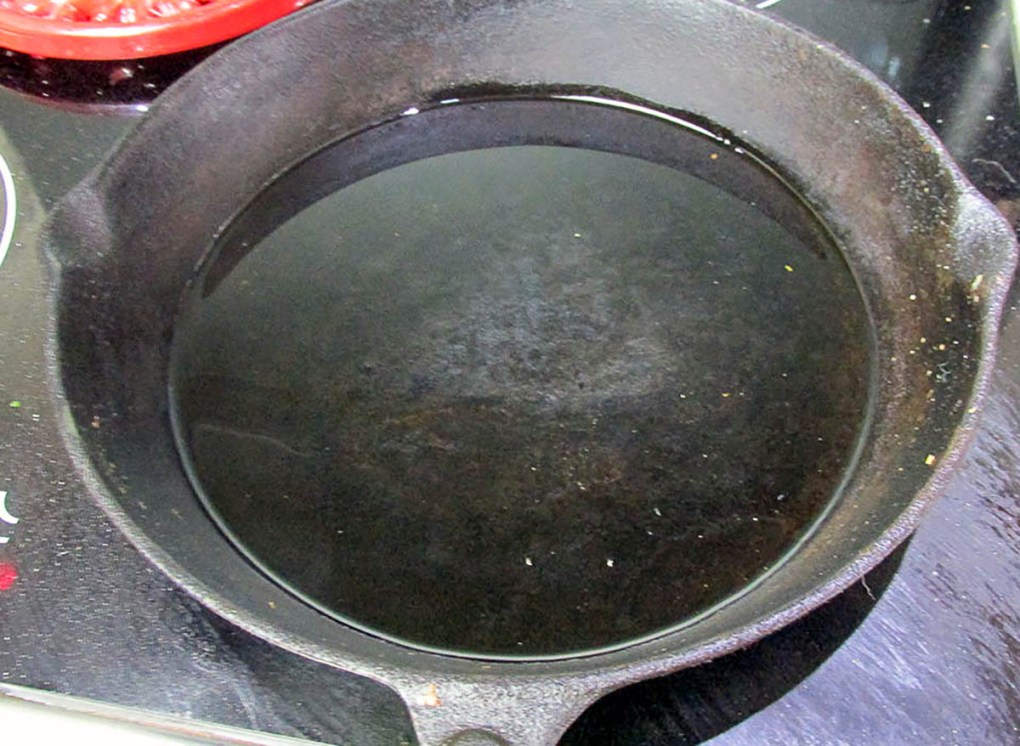
These pans are cast and then typically covered in enamel, the coating acts as a skin for the cast iron, you get the benefits of using cast iron without the need to constantly re-season. These pans are just as good as the bumpy and smooth pans and have very similar properties. 

So what is cast iron good for? what can you cook in your cast iron pan? 
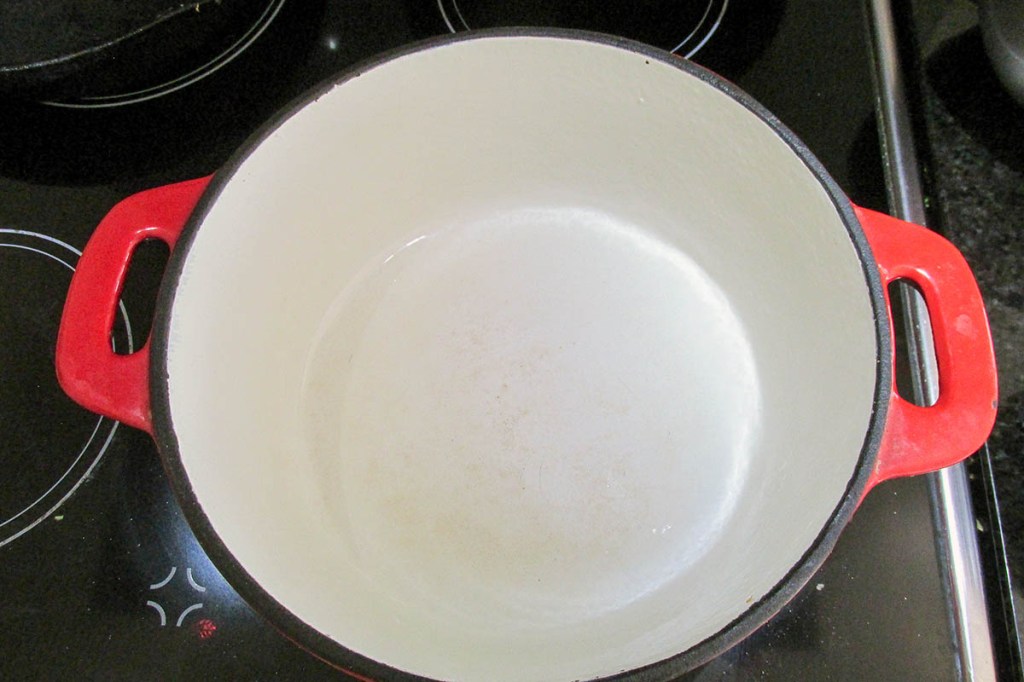
Answer 

Pretty much whatever you want. My cast iron pans get regular use when cooking things like 

  • Bacon 
  • Fried eggs 
  • Frittata 
  • Burgers 
  • Sausage 
  • Steak 
  • Meatballs 
  • Buttered greens 
  • Searing seafood 

I’ve even been known to make pancakes in there. 

I love using my cast iron pans for anything that needs a high heat to cook, a crisp skin or that needs to start on the stovetop and finish off in the oven. It’s a versatile tool that deserves a little bit of love and attention. Once you adjust to the way it heats up, how to wash it and how to season it, it is hard to go back to the Teflon coated pan in the back of the cupboard. 

If you are ready to migrate over to a cast iron pan, there are only a few rules you need to know that will ensure a successful and lifelong relationship with your cast iron pans. 

Season it when you get it 

Seasoning is critical and should be done as soon as you get it, even a pre-seasoned cast iron pan can do with some additional protection. 

Clean it after each use 

  1. Clean your pan thoroughly after each use. Washing it with soap, water and scrubbing out any debris from the bottom. I use the scrubby side of a sponge for this. 
  2. Clean it while it is still hot, it will make it easier to clean. 
  3. Re-season it. 
  4. When you have cleaned your pan, make sure you have rinsed out all soap with water. 
  5. Place the skillet over high heat. 
  6. When the water inside the skillet has dried out, add a half teaspoon of oil. 
  7. Rub it around with a kitchen towel. 
  8. Keep heating the pan until it starts to smoke, give it one more good rub. 
  9. Let it cool, and you’re done. 

Fry and Sear in it 

The best way to keep your pan well seasoned is to use it a lot. The more you fry, sear, or bake in it, the better that seasoning will become. 

Don’t let it stay wet. 

Water and iron equal rust. 

Treat water like the enemy of your iron pan, don’t let a drop of water sit in your pan, even one drop can lead to a rust spot. It isn’t the end of the world, but rust will require a little scrubbing and re-seasoning. A good rule is to dry the pan and coat with a little oil before storing it. 

How to season 

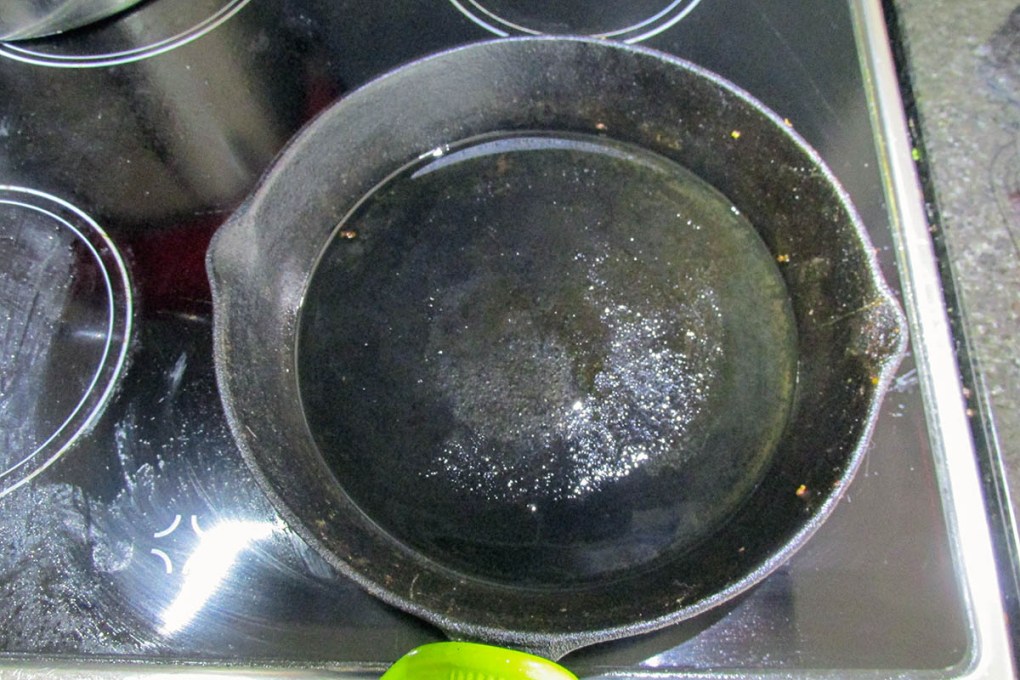
  1. Heat it up on the stovetop until it’s smoking hot.
  2. With a paper towel rub a little oil into the pan
  3. Remove the pan from the heat, let it cool. 
  4. Repeat this process a few times, and you’re ready to go. 
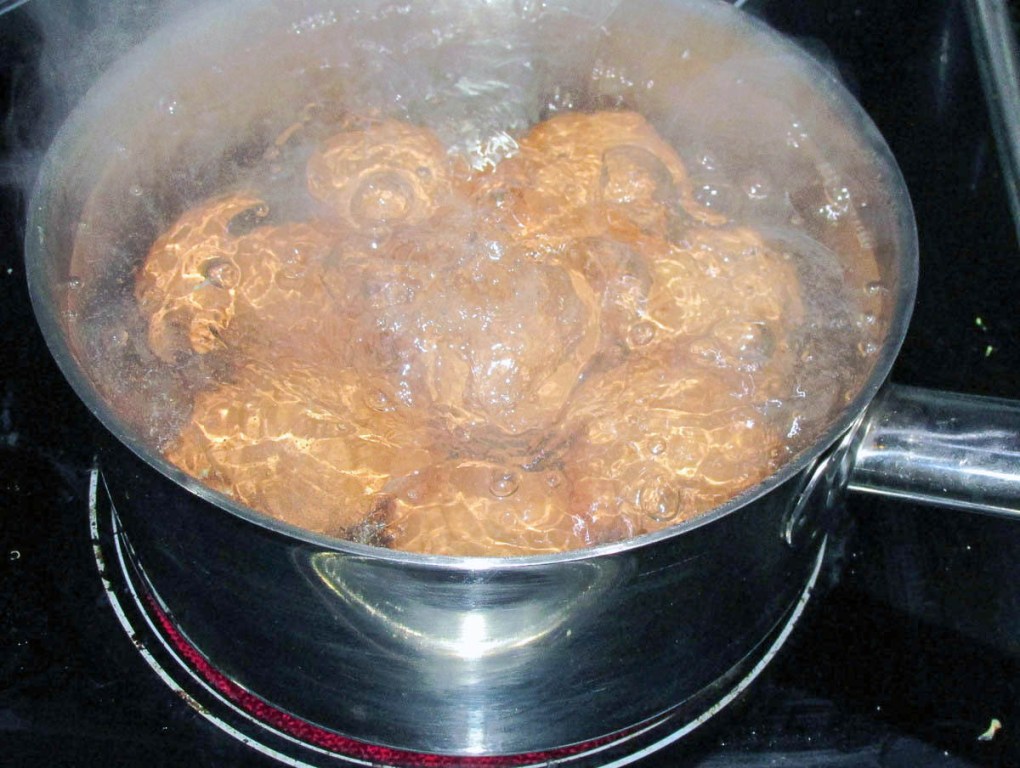
Boiled eggs

Perfect boiled eggs

Don’t you just hate it when you get a hard-boiled egg with that green ring inside; I think it has to be the most off-putting thing.

Getting the perfectly boiled egg is not difficult; the secret is that it is just about timing.

Soft or hard, it is all the same.

From much trial and error, I have found that the method for getting perfectly cooked soft and hard-boiled eggs is the same; the only difference is how long you leave the eggs in the water. To get perfect boiled eggs, here are some of the essential things to remember:

  • Start with cold water
  • Bring the water to the boil
  • Take the pan off the heat to let the eggs cook

Everyone has their own version of the “perfect egg”, but some guide times are a good place to start.

  • White just set and yolk runny 3 minutes
  • White set and yolk slightly runny 4 minutes
  • White set and yolk custard consistency 6 minutes
  • White set and yolk creamy consistency 10 minutes
  • Firm white and firm yolk 15 minutes

For the perfect boiled eggs, every time, here is what you need to do.

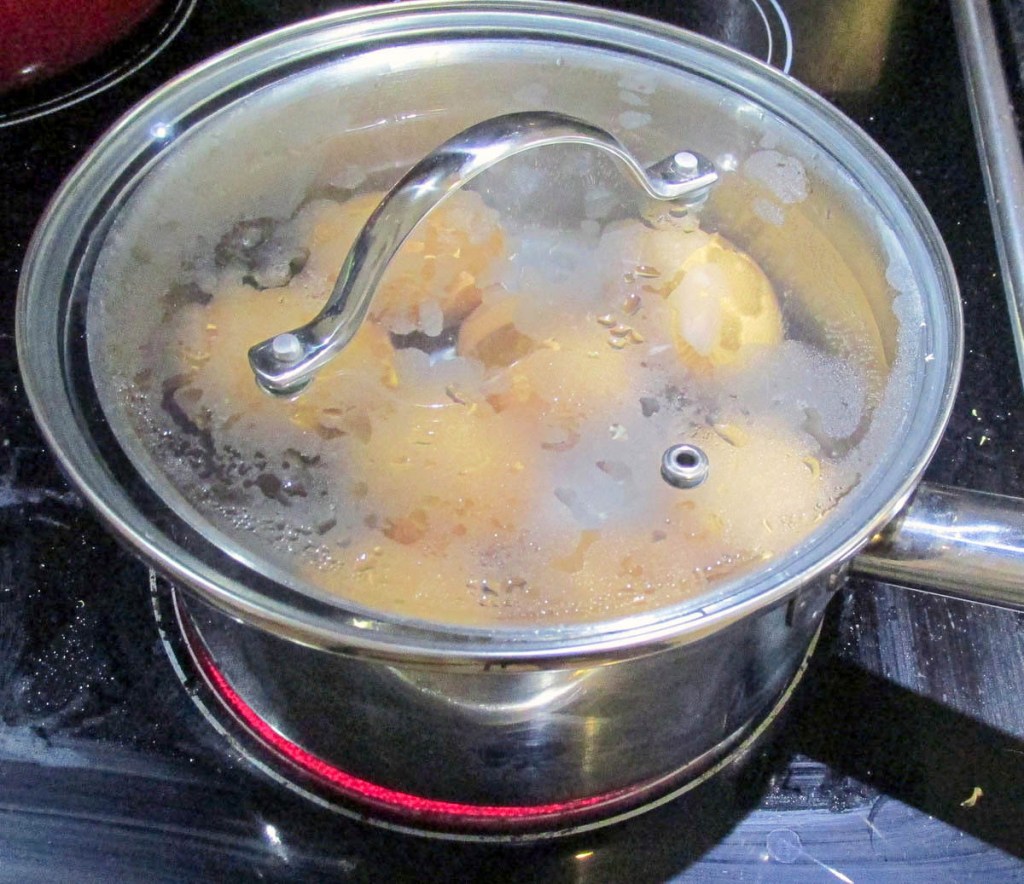
Place your eggs in a saucepan and fill the pan with cold water; you want at least 3cm of water over the top of the eggs.

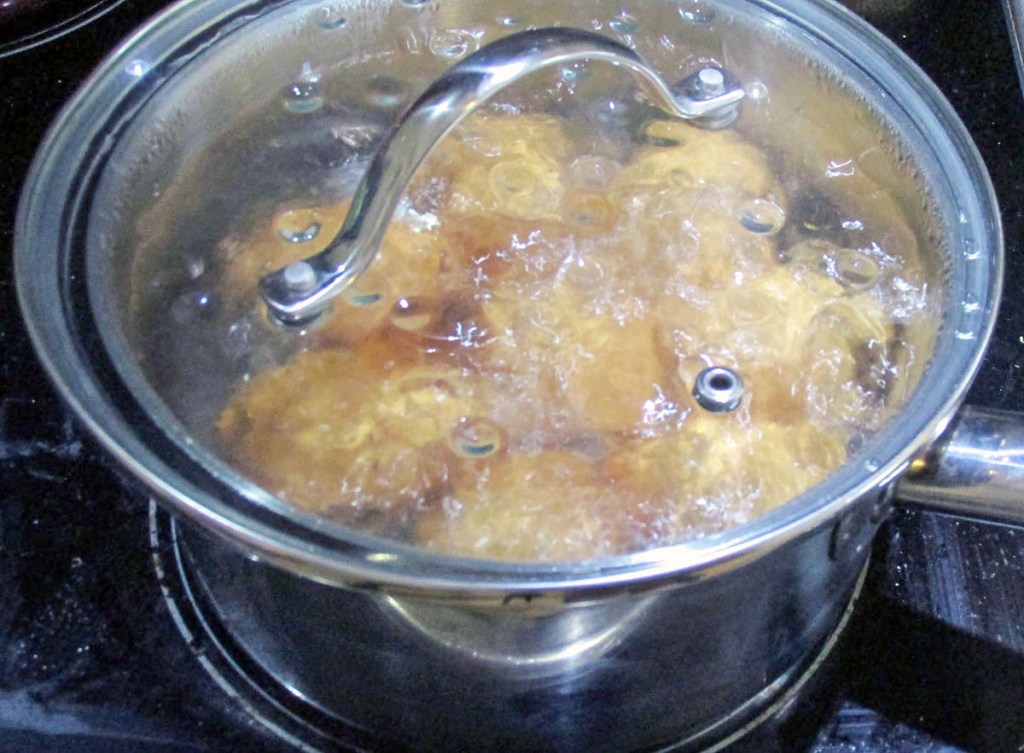
Set the pan over high heat and bring the water to a boil. 

Set the pan over high heat and bring the water to a boil. 

You don’t need to cover the pan at this point.

Wait for the water to come to a boil.

Remove the pan from the heat and put a lid on the pan. 

Wait for the water to come to a boil.

Remove the pan from the heat and put a lid on the pan. 

Start the timer.

Remove the pan from the heat and put a lid on the pan. 

When the timer goes off, remove the eggs from the pan.

Gently tap the egg with a spoon to break the shell; don’t crack the shells if you have 3-minute eggs.

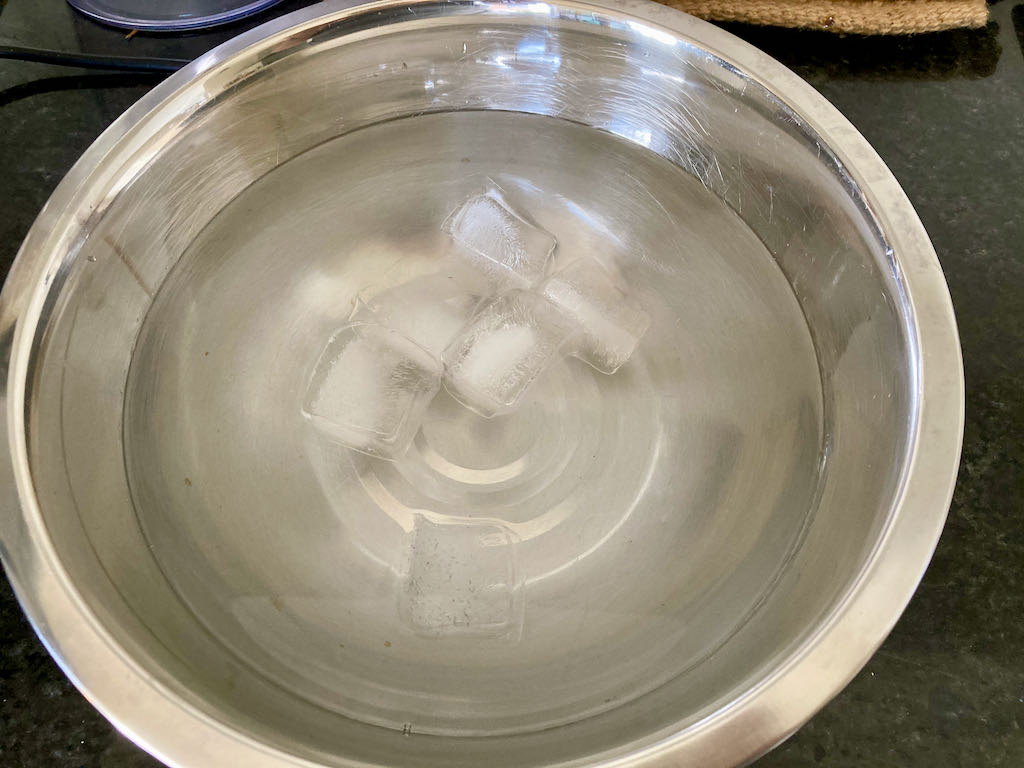
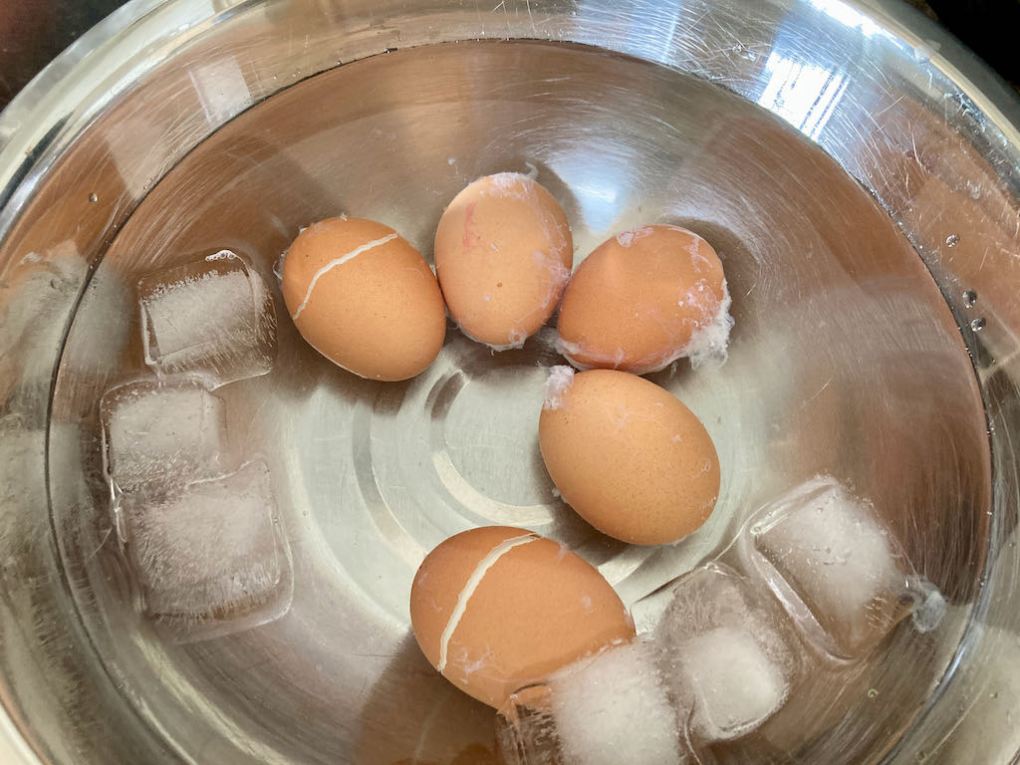
Place the eggs into a bowl of cold water; this will stop the eggs from cooking.

Let them sit in the cold water for at least 1 minute (and stop the green ring).

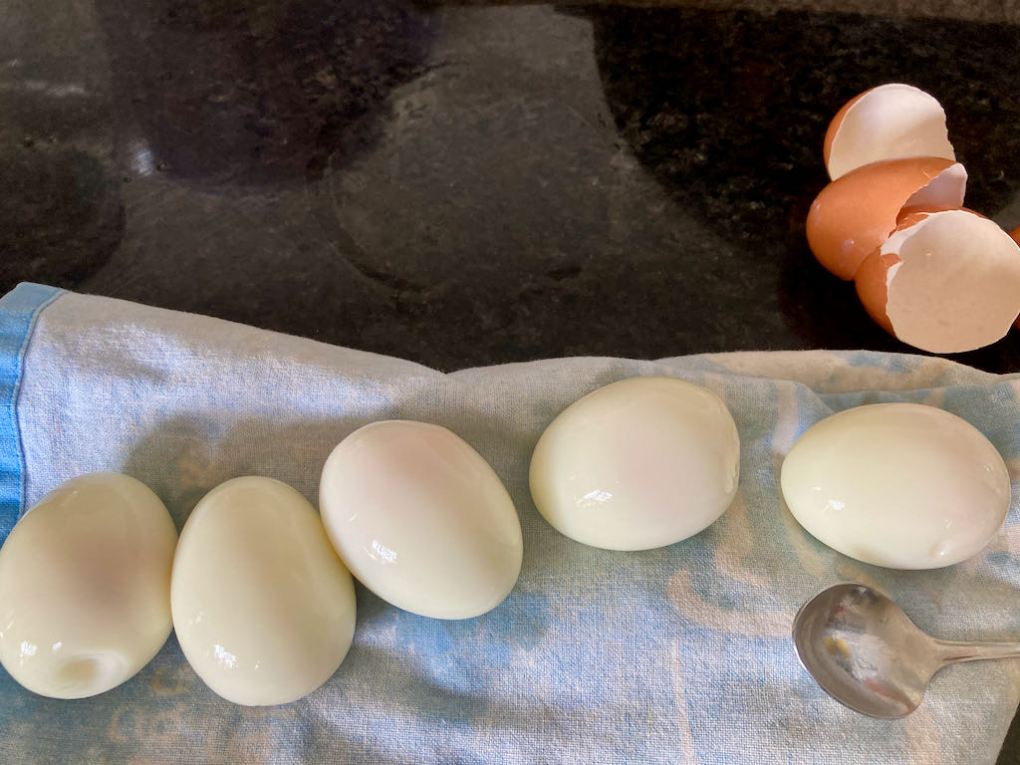
The eggs will then be ready to eat, peel off the shells, and you are ready to go.
Perfect eggs peeled and ready to eat

If you have any eggs that you will not use straight away, leave them in their shells and store them in the fridge.

Instant Pot / Pressure Cooker option

Equipment

  • Instant Pot
  • Trivet for the Instant Pot
  • Long-handled tongs

Instructions

Pour one cup of water into the bottom of the Instant Pot.

Place the trivet inside the pot.

Place the trivet inside the pot.

Place the eggs on the top of the trivet, leave space between them.

Place the eggs on the top of the trivet, leave space between them.

The eggs will be steamed during cooking.

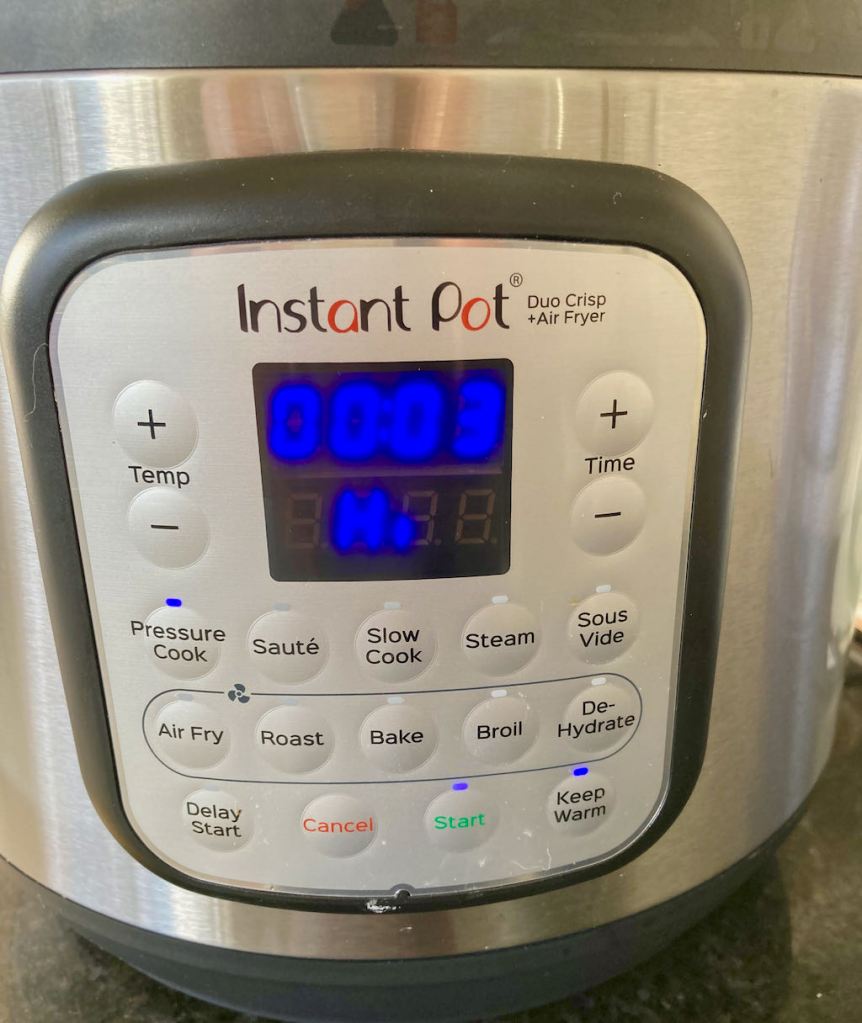
Add the pressure cooking lid to the Instant Pot and make sure the lock is closed.

Set the timer for your desired consistency on the high pressure setting. 

Set the timer for your desired consistency on the high pressure setting. 
  • Soft-boiled eggs: 3 to 4 minutes at high pressure.
  • Medium-boiled eggs: 5 to 6 minutes at high pressure.
  • Hard-boiled eggs: 8 to 10 minutes at high pressure.

These times work for up to 10 eggs in an 8-quart Instant pot.

When the timer beeps, release the pressure immediately.

As soon as the pressure has dropped, remove the eggs from the pressure cooker using the tongs.

As soon as the pressure has dropped, remove the eggs from the pressure cooker using the tongs.

Place the eggs into an ice bath as quickly as possible.

Place the eggs into an ice bath as quickly as possible.
Perfect eggs peeled and ready to eat
  1. Pour one cup of water into the bottom of the Instant Pot.
  2. Place the trivet inside the pot.
  3. Place the eggs on the top of the trivet, leave space between them.
  4. The eggs will be steamed during cooking.
  5. Add the pressure cooking lid to the Instant Pot and make sure the lock is closed.
  6. Set the timer for your desired consistency on the high pressure setting. 
  7. Soft-boiled eggs: 3 to 4 minutes at high pressure.
  8. Medium-boiled eggs: 5 to 6 minutes at high pressure.
  9. Hard-boiled eggs: 8 to 10 minutes at high pressure.
  10. These times work for up to 10 eggs in an 8-quart Instant pot.
  11. When the timer beeps, release the pressure immediately.
  12. As soon as the pressure has dropped, remove the eggs from the pressure cooker using the tongs.
  13. Place the eggs into an ice bath as quickly as possible.


How to roast peppers

Here is another quick, easy and practical post to add to your kitchen skill toolbox.

Let’s talk about peppers

Today I want to talk about peppers. It might not seem important, but the ability to roast your own peppers is not only a must but also super easy to do. As with most ingredients how you prepare them can enhance the flavour. This holds very true for roasting peppers. The roasting process brings out their sweetness. 

Yes, you can go to the supermarket and buy roasted peppers in a jar, but you miss out on the freshly roasted flavours. Plus you have to figure out what that firming agent is.

Roasted peppers can be used in a range of recipes; you can replace that tomato sauce for a pizza, add them to a salad or blend them down into soup.

Three ways to roast

There are a few methods you could use to roast your peppers

  • Oven roasting
  • Grill
  • Stovetop roasting

Stovetop Roasting 

If you are fortunate enough to have a gas cooker this method is the perfect option for roasting one or two peppers at a time. This method requires a little more effort from you but is still great.

  1. Turn your gas flame on to a low to medium heat.
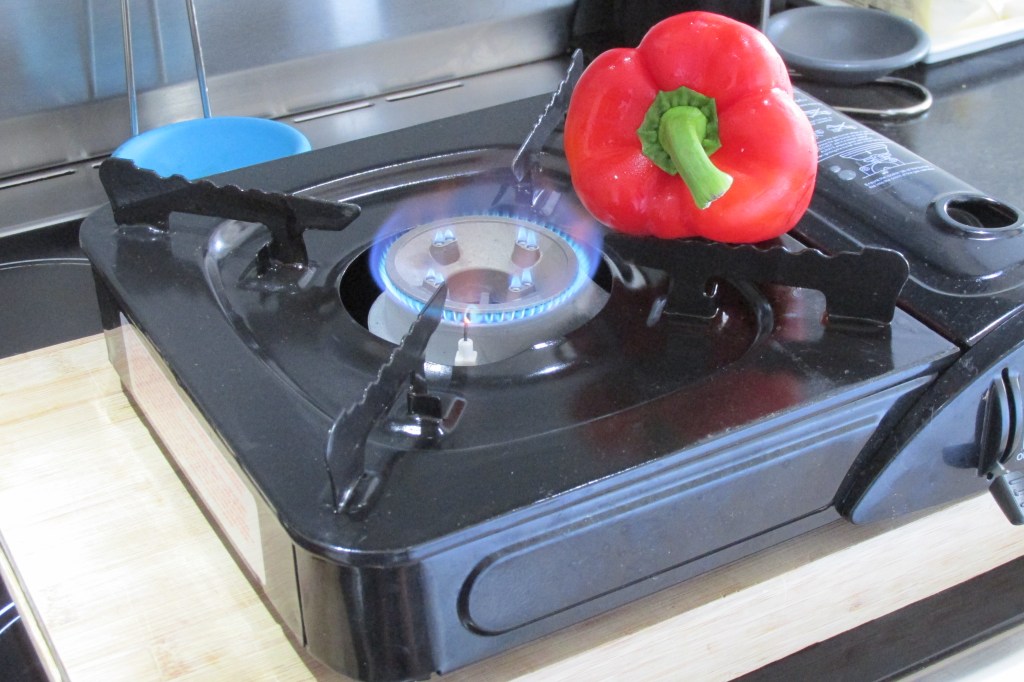
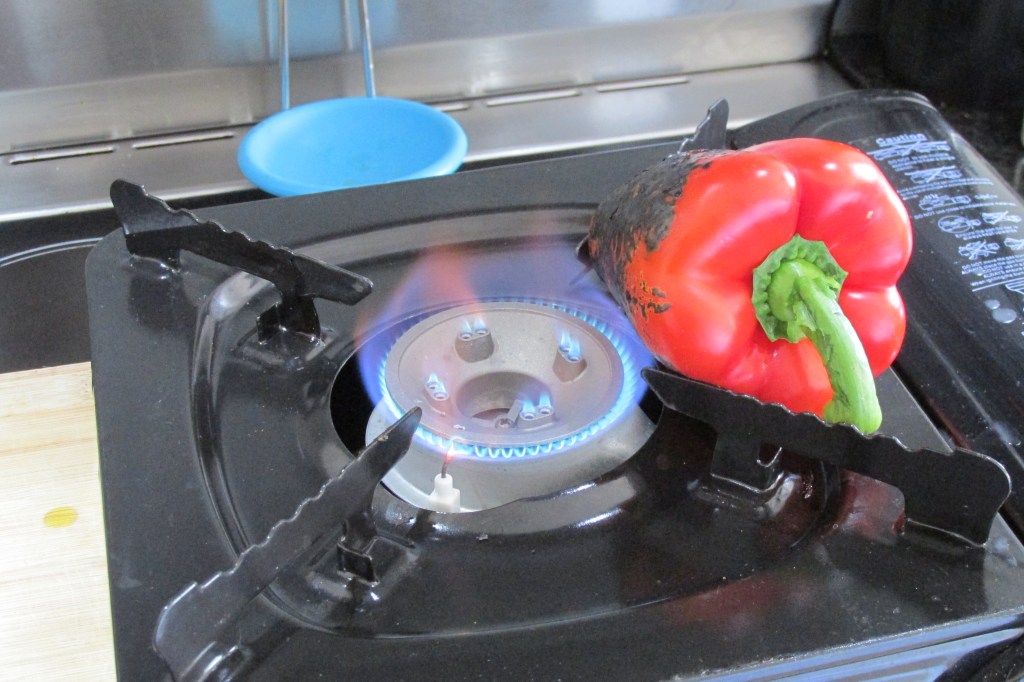
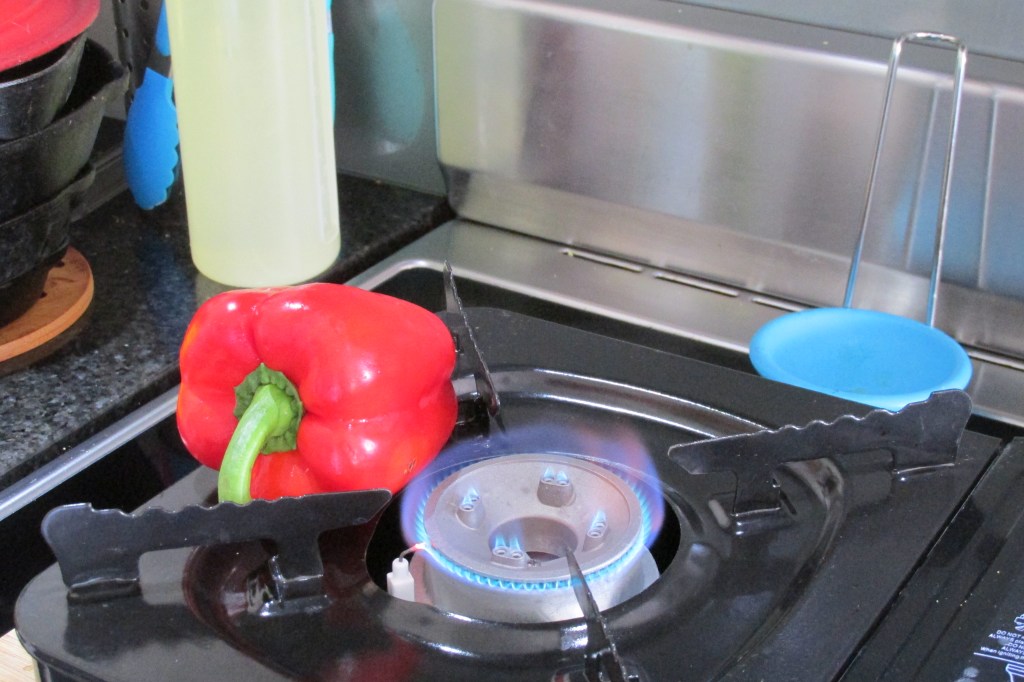
  2. Place the pepper over the flame; I lean the pepper against the metal for pans. 
  3. When the skin of the pepper starts to colour rotate the pepper so that a new part of the skin is over the flame. Keep turning the pepper when the skin begins to colour.
  4. Keep turning the pepper when the skin begins to colour.
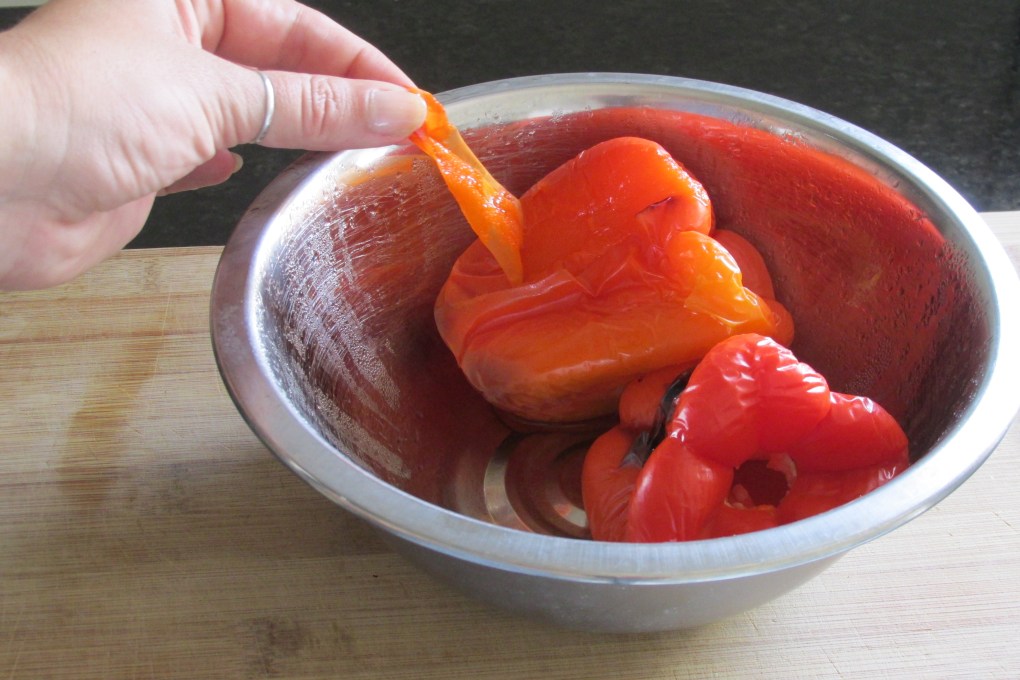
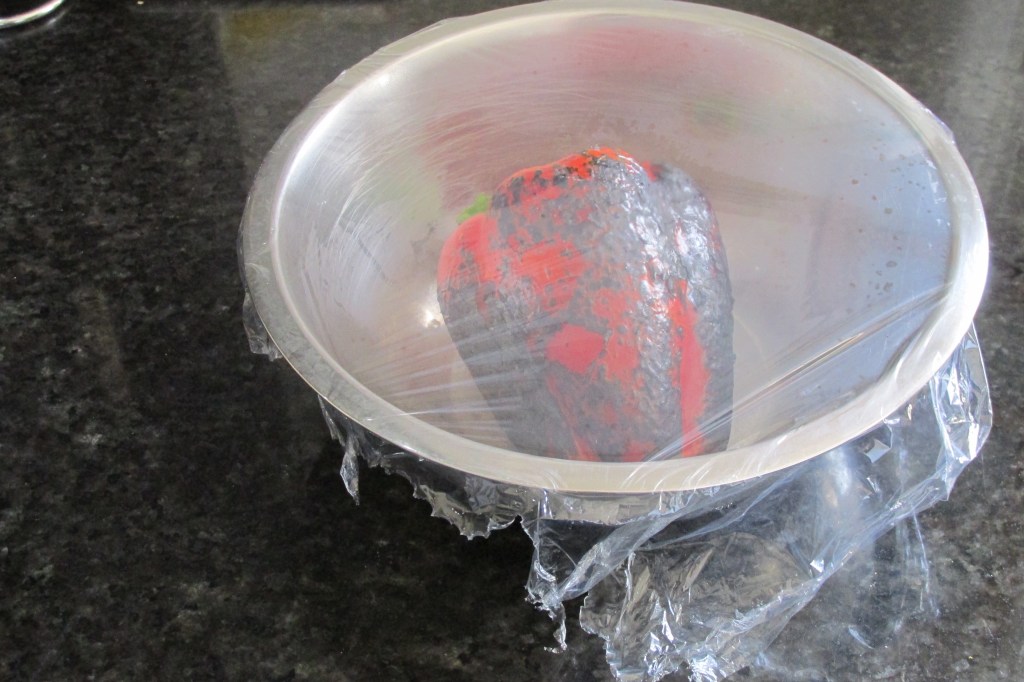
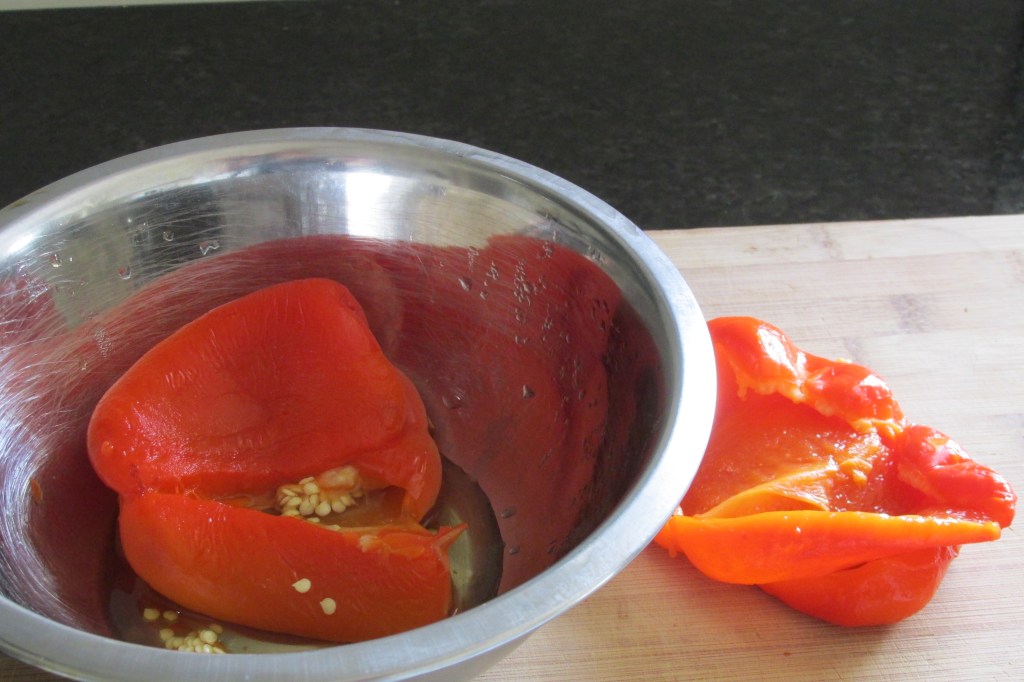
  5. When the pepper is charred take it off the heat, put them in a bowl, cover the bowl with cling film and let the peppers steam for 10 minutes
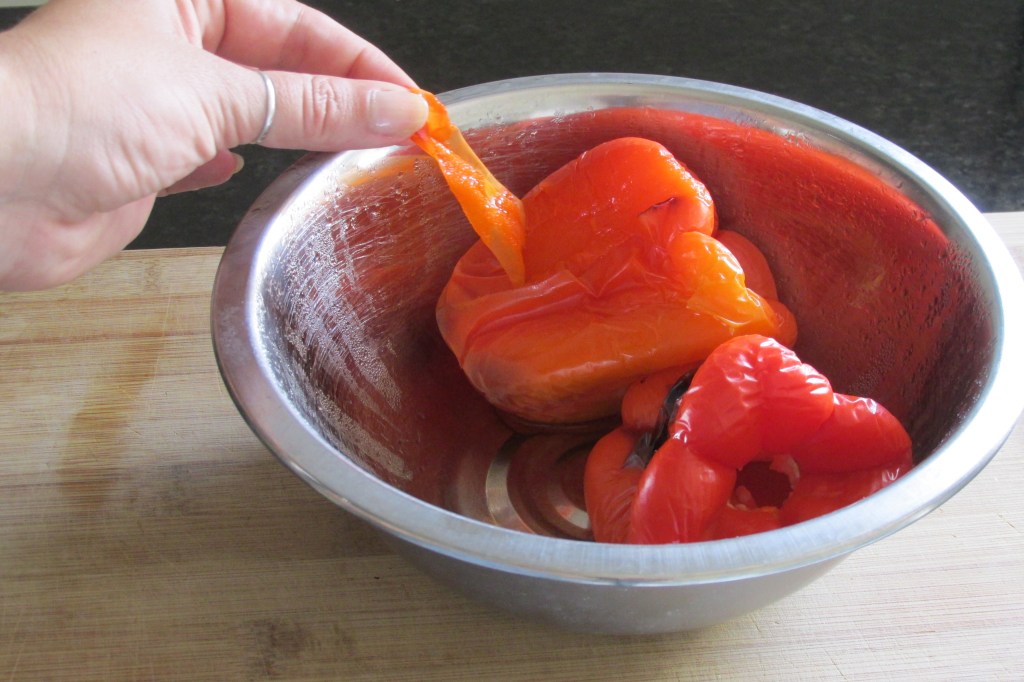
  6. After 10 minutes take the peppers out of the bowl and use your fingers to peel the skin away
  7. Use your fingers to peel the skin away
  8. Pull the stem out of the pepper and use a knife to scrape out the seeds.

Turn your gas flame on to a low to medium heat.

Place the pepper over the flame; I lean the pepper against the metal for pans. 

When the skin of the pepper starts to colour rotate the pepper so that a new part of the skin is over the flame. Keep turning the pepper when the skin begins to colour.

Keep turning the pepper when the skin begins to colour.

When the pepper is charred take it off the heat, put them in a bowl, cover the bowl with cling film and let the peppers steam for 10 minutes

After 10 minutes take the peppers out of the bowl and use your fingers to peel the skin awayUse your fingers to peel the skin away

Pull the stem out of the pepper and use a knife to scrape out the seeds.

Oven roasting

This is the easiest method because you can roast lots of peppers at the same time and the clean-up is a lot easier. 

  1. Preheat your oven to 200 degrees C/ 400 degrees F
  2. Start with some fresh peppers
  3. Line a baking tray with some aluminium foil
  4. Place the peppers on the baking sheet
  5. Place the peppers on the baking sheet
  6. Roast the peppers for 20 minutes then turn them and roast for another 20 minutes. When the peppers are soft and have collapsed in on themselves, they are ready. 
  7. When the peppers are soft and have collapsed in on themselves, they are ready.
  8. Remove the peppers from the oven and put them in a bowl, cover the bowl with cling film and let the peppers steam for 10 minutes
  9. Remove the peppers from the oven and put them in a bowl,
  10. After 10 minutes take the peppers out of the bowl and use your fingers to peel the skin away
  11. Use your fingers to peel the skin away
  12. Pull the stem out of the pepper and use a knife to scrape out the seeds.

Grilling

This method is similar to the oven roasting method, you can’t roast as many under a grill, but it is still an easy cleanup.

  1. Preheat your oven grill to its highest setting
  2. Line a baking tray with some aluminium foil
  3. Place the peppers on the baking sheet
  4. Grill the peppers for until the skin starts to colour, turn the peppers and continue to grill and turn until all parts of the pepper are coloured. 
  5. When the peppers are soft and have collapsed in on themselves, they are ready. 
  6. Remove the peppers from the oven and put them in a bowl, cover the bowl with cling film and let the peppers steam for 10 minutes
  7. After 10 minutes take the peppers out of the bowl and use your fingers to peel the skin away
  8. Pull the stem out of the pepper and use a knife to scrape out the seeds.

Ready to use

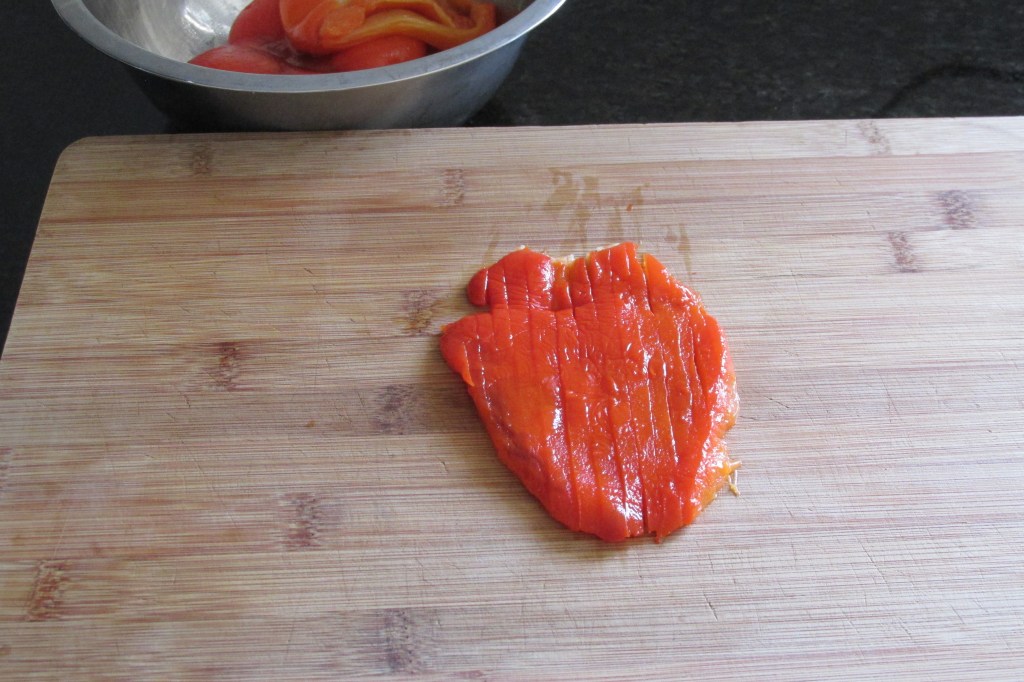
Once the peppers have been skinned and deseeded they are ready to slice and use. If you plan to keep them sort a while you can store the peppers on oil in the fridge, they should last for about a week.

Sliced peppers ready to use

How do you eat yours?

If you roast peppers what do you eat them with, let me know in the comments below


How to steam vegetables

Steaming vegetables is a quick and easy option for getting vegetables onto your plate. 

Steaming your vegetables is a great way of keeping some of the crunch in your vegetables, none of us likes soggy broccoli with dinner. 

Here are some things you may need to know about how you can get perfect steamed vegetables every time. 

One important factor in steaming vegetables is keeping your vegetables the same size, if vegetables are cut to the same size they will cook at the same rate, this means you will be getting consistent texture in the finished vegetables.

Do not overfill the steamer, too much in one batch will mean some vegetables will overcook and others will barely be heated through.

Steam the dense vegetables first; things like carrots take slightly longer to cook than things like broccoli, if you are steaming a mix of vegetables try adding the dense first and tender vegetables towards the end. 

If you do not want mushy vegetables set a timer, steaming is quick so try checking your veggies after 3 minutes; you should be able to tell how much longer they need to cook.

Take the vegetables out just before they are done, this means you will not overcook them and end up with a mushy mess but perfectly cooked vegetables.

Different vegetables take different lengths of time to steam; this is a rough idea of how long some commonly used vegetables take to steam 

  • Spinach and Rocket: 3 minutes 
  • Peas: 3 minutes 
  • Broccoli Florets, Cauliflower Florets, Green Beans: 5 to 7 minutes 
  • Carrots, Potatoes, Turnips, Squash: 8 to 20 minutes 
  • Kale and Collards: 10 minutes 

How to Steam Vegetables 

Ingredients 

  • Any vegetables you want to steam 

Equipment 

  • Chopping board 
  • Chef’s knife 
  • Small saucepan with lid 
  • Steamer basket or colander 

Instructions

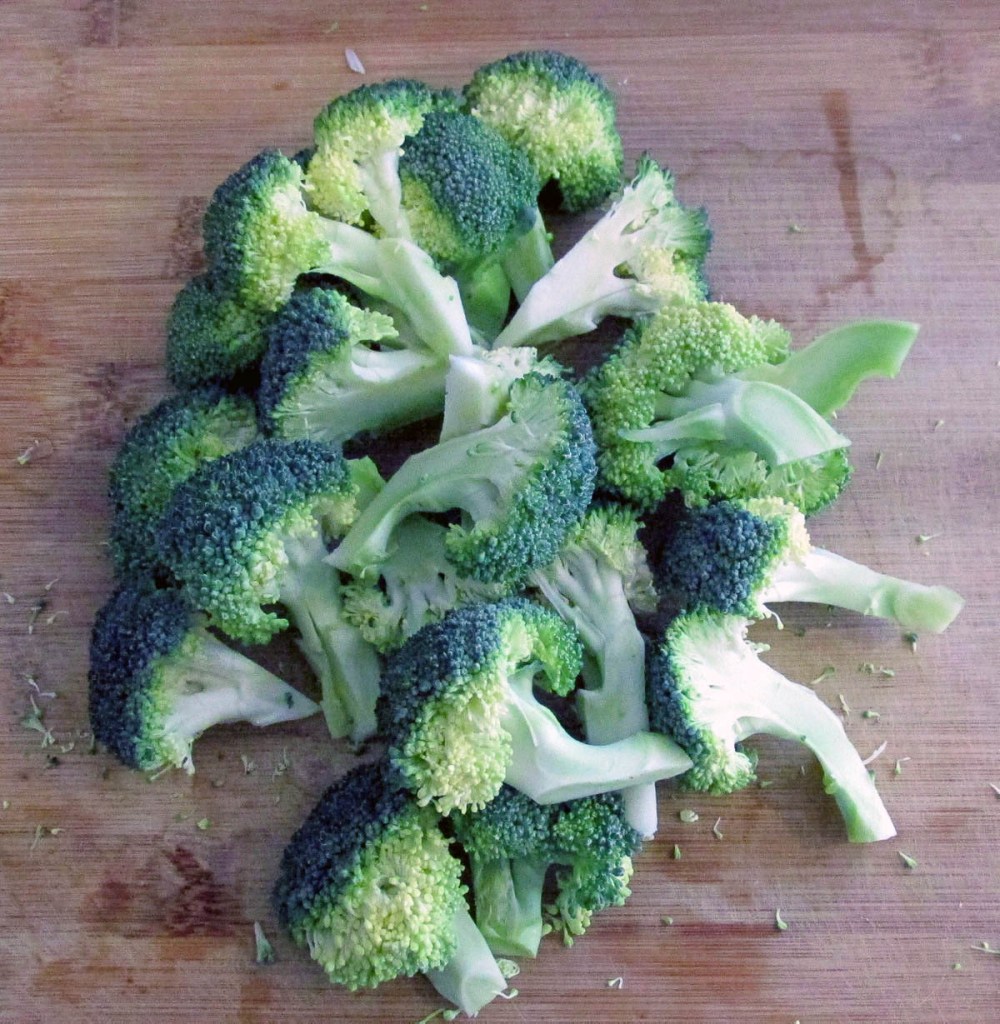
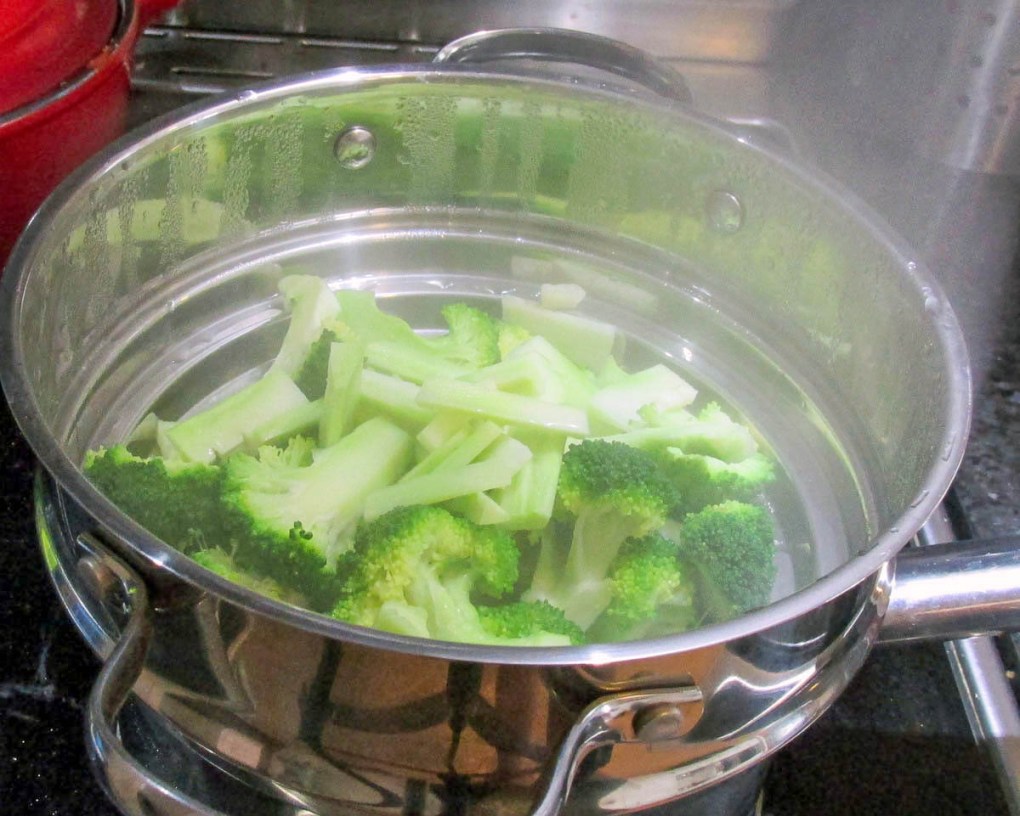
Cut the vegetables into uniformly sized pieces. The smaller the pieces the faster they will cook. 

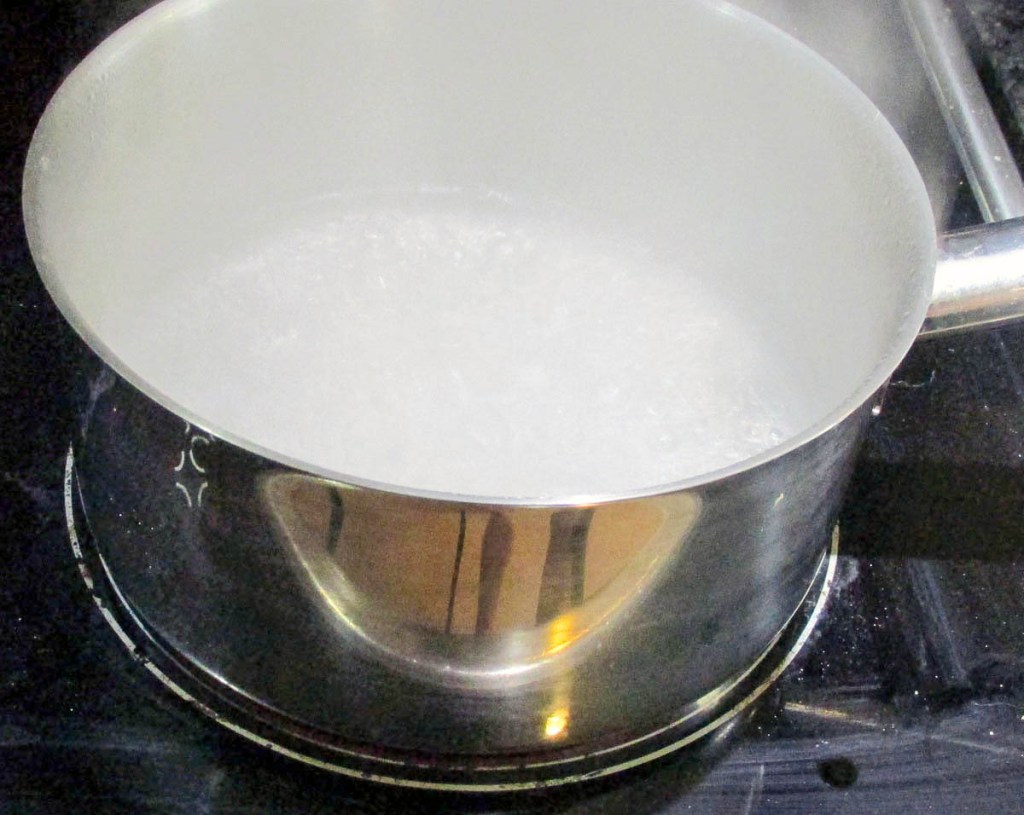
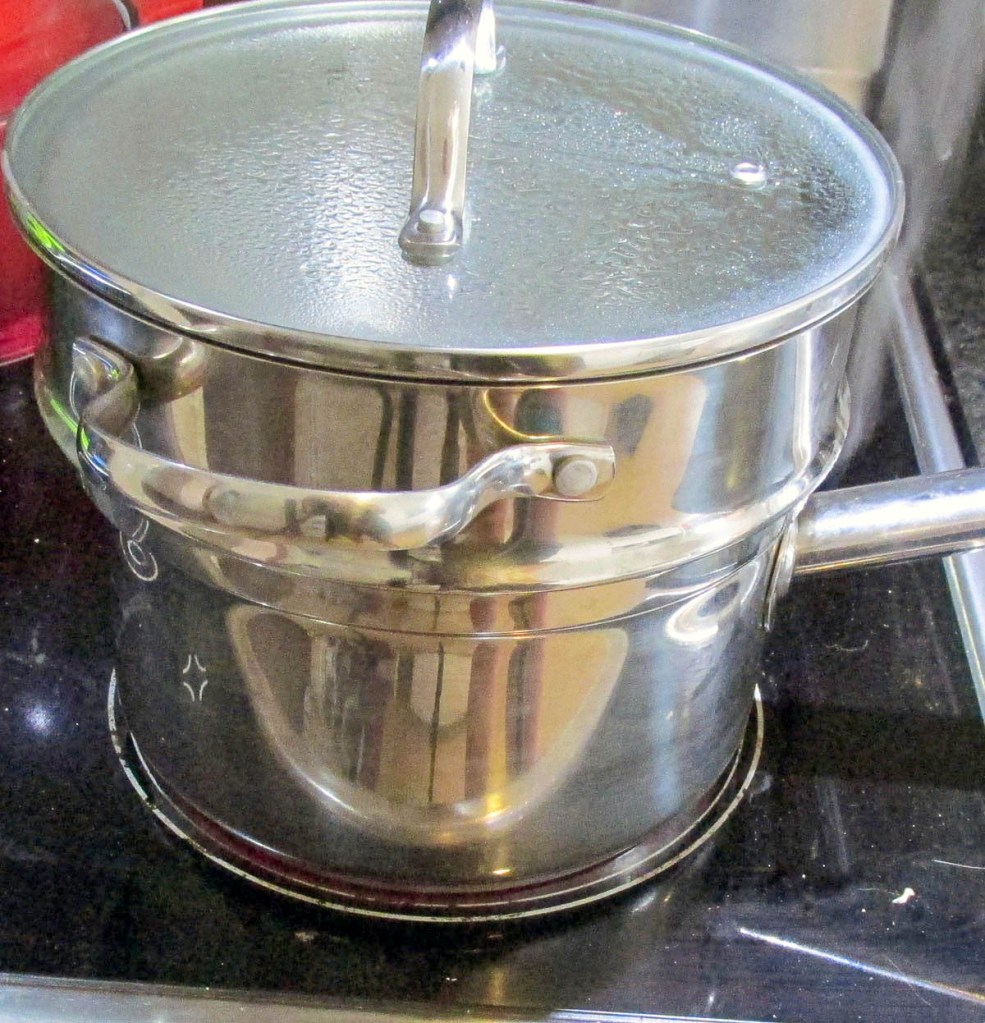
Add 2-3cm of water to the pan and place the steamer basket or colander on top of the pan, the basket or colander should not touch the water. 

Bring the water to a boil, when you can see steam rising from the pot it is ready to use. 

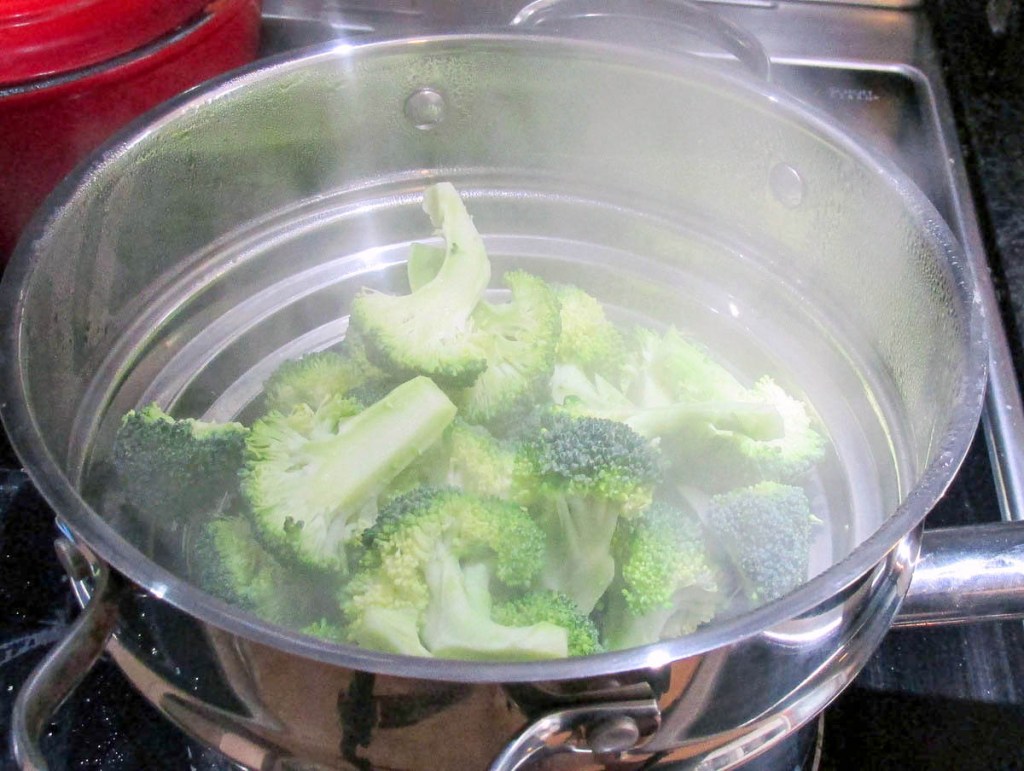
Add your vegetables to the steamer basket or colander and cover with a lid. 

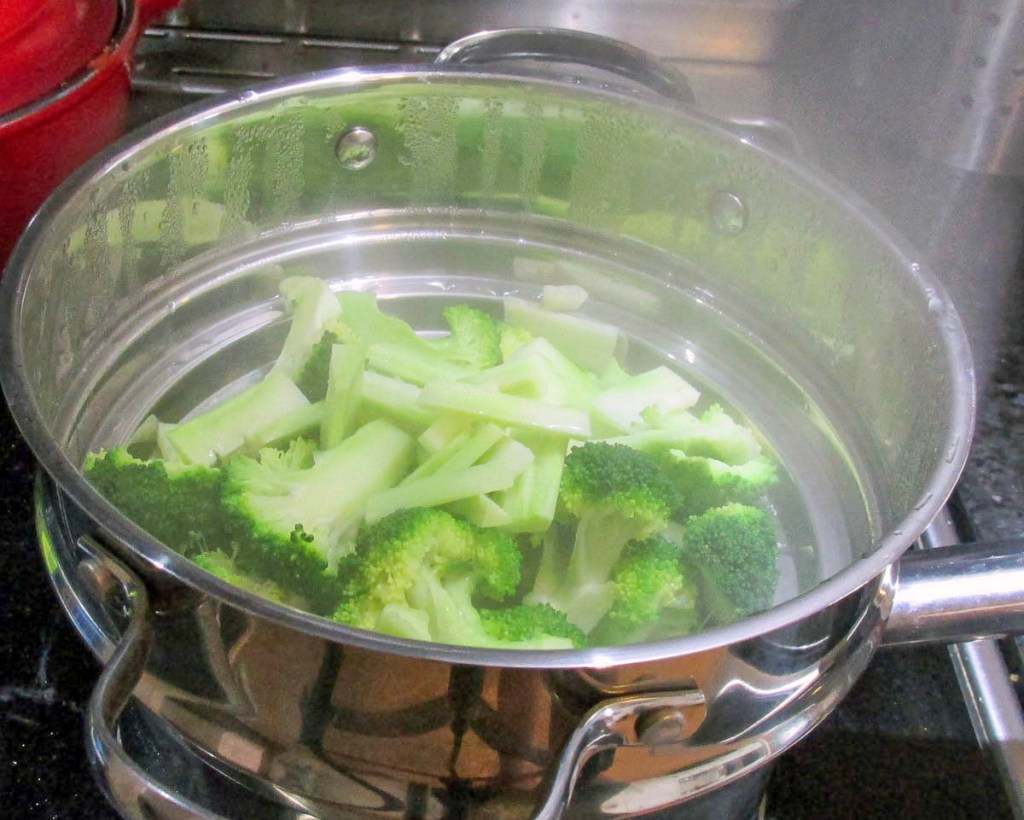
Check on the vegetables after approximately 3 minutes, vegetables will be ready when they are just tender and often look vibrantly and brightly coloured when they are ready. 

Remove the vegetables when they have a little crunch left, they will continue to cook even when they come out of the steamer 

Freshly steamed vegetables are great served with a little olive oil or some butter. 

Instructions

  1. Cut the vegetables into uniformly sized pieces. The smaller the pieces the faster they will cook. 
  2. Add 2-3cm of water to the pan and place the steamer basket or colander on top of the pan, the basket or colander should not touch the water. 
  3. Bring the water to a boil, when you can see steam rising from the pot it is ready to use. 
  4. Add your vegetables to the steamer basket or colander and cover with a lid. 
  5. Check on the vegetables after approximately 3 minutes, vegetables will be ready when they are just tender and often look vibrantly and brightly coloured when they are ready. 
  6. Remove the vegetables when they have a little crunch left, they will continue to cook even when they come out of the steamer 
  7. Freshly steamed vegetables are great served with a little olive oil or some butter. 

Egg wraps

Egg wraps are a great option for breakfast lunch and dinner; you get to replace your standard wrap which is made with grains and chemicals with something that is just protein and healthy fats. 

I love eggs because they are so versatile and these wraps just reinforce how versatile they can be. 

Egg wraps ready for eating

The key to good egg wraps is using a flat non-stick pan, I have a crepe pan that I use to make my wraps, but any good quality non-stick frying pan will do. 

Egg wrap recipe

Egg wraps ingredient

Ingredients

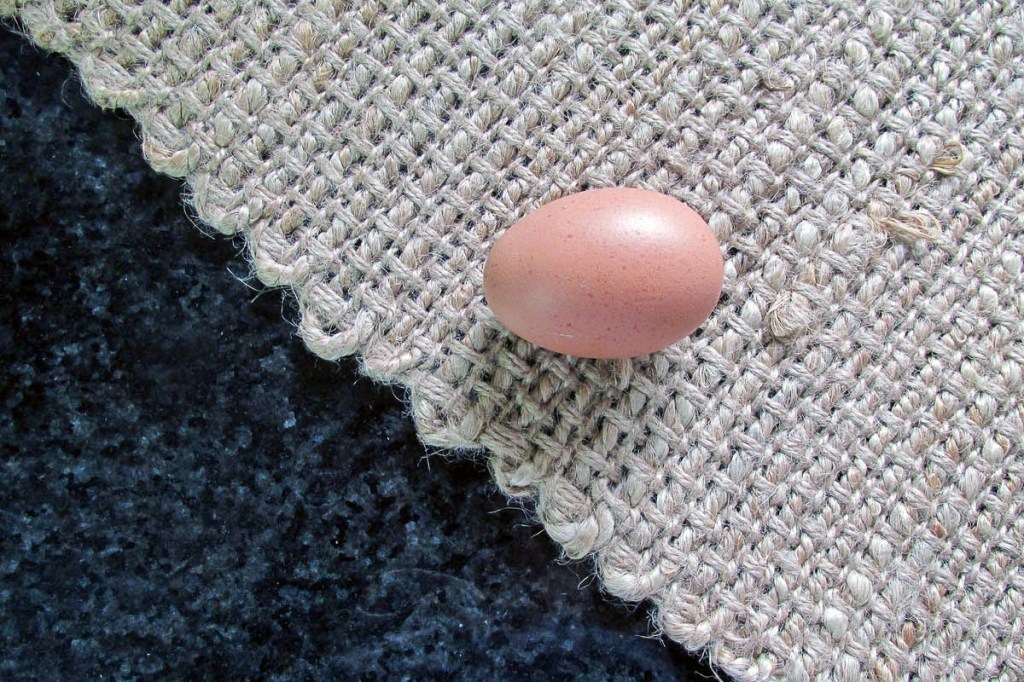
1 egg per wrap

The key to good egg wraps is using a flat non-stick pan, I have a crepe pan that I use to make my wraps, but any good quality non-stick frying pan will do.

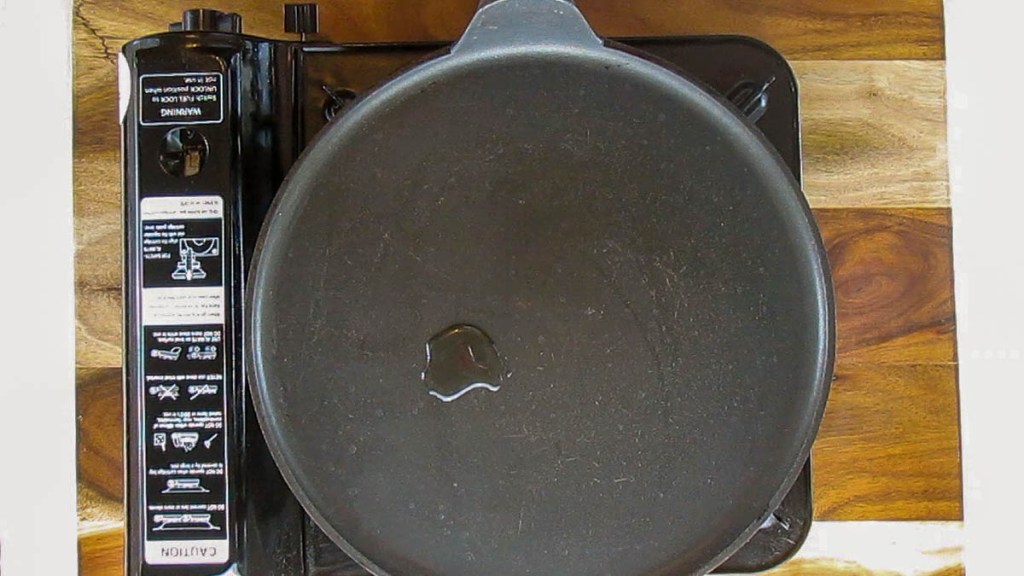
Lightly oil the bottom of the pan and preheat the pan over a low to medium heat.

Lightly oil the bottom of the pan and preheat the pan over a low to medium heat.

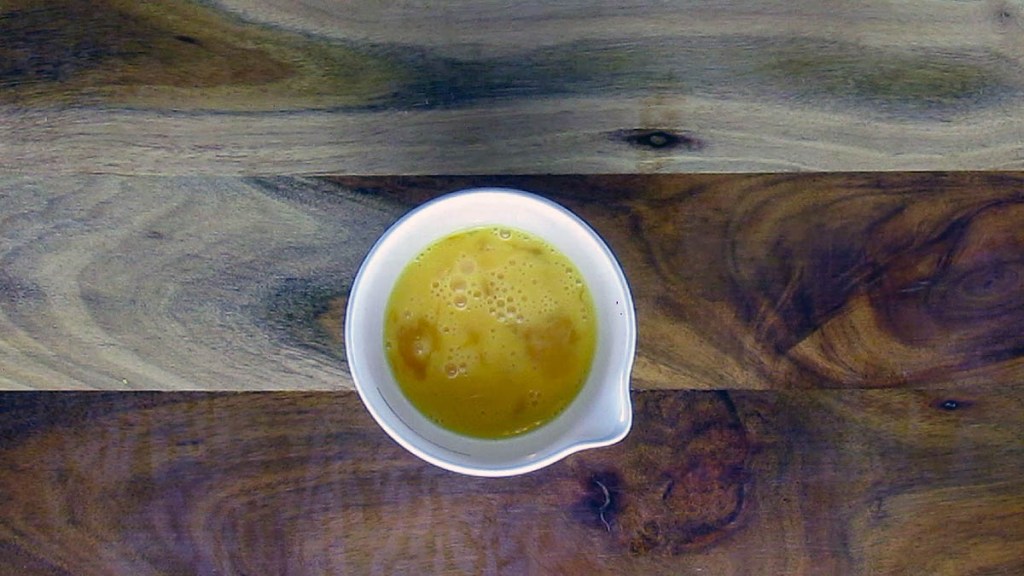
In a bowl, whisk your egg with a fork until the egg is smooth.

In a bowl, whisk your egg with a fork until the egg is smooth.

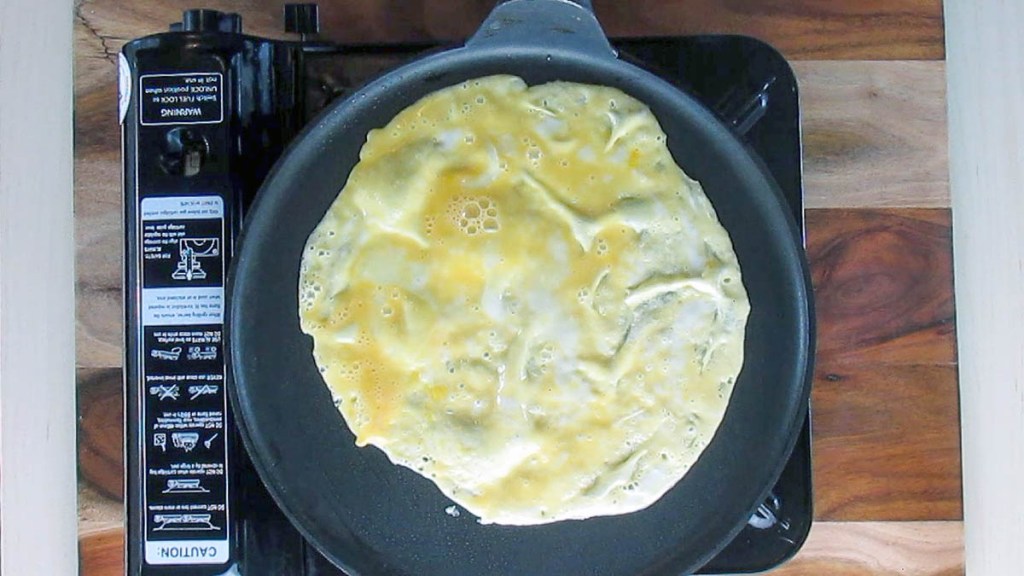
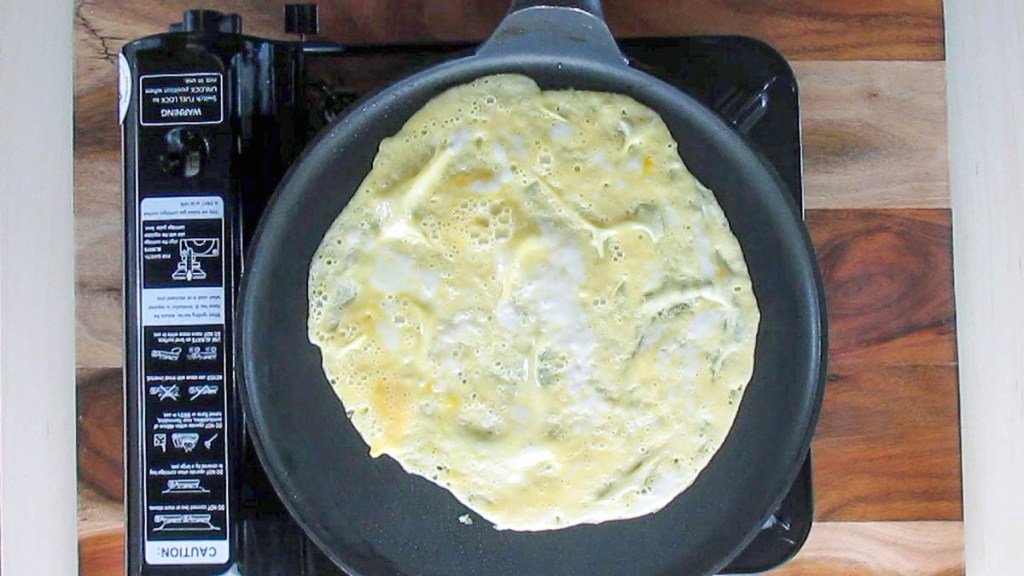
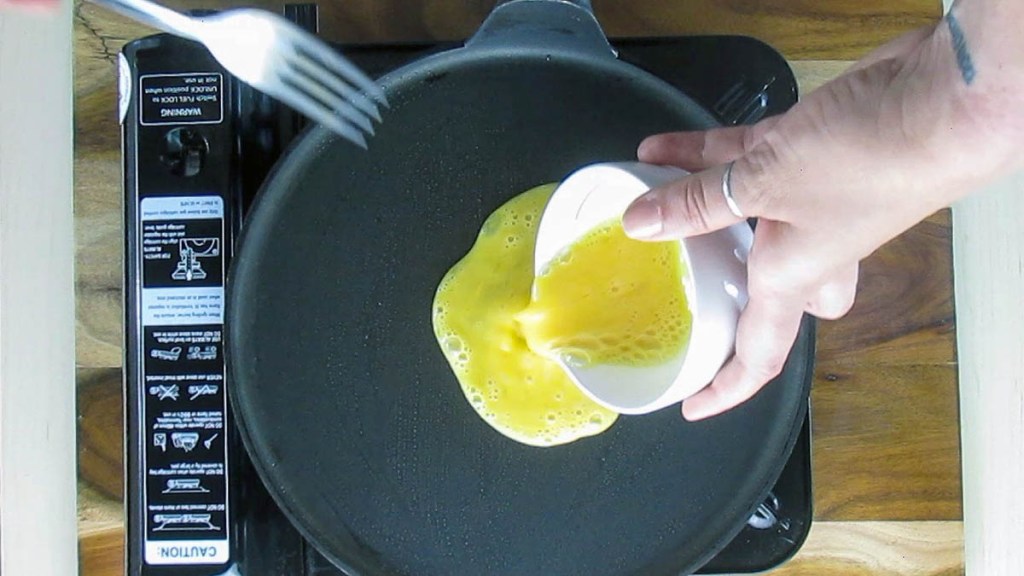
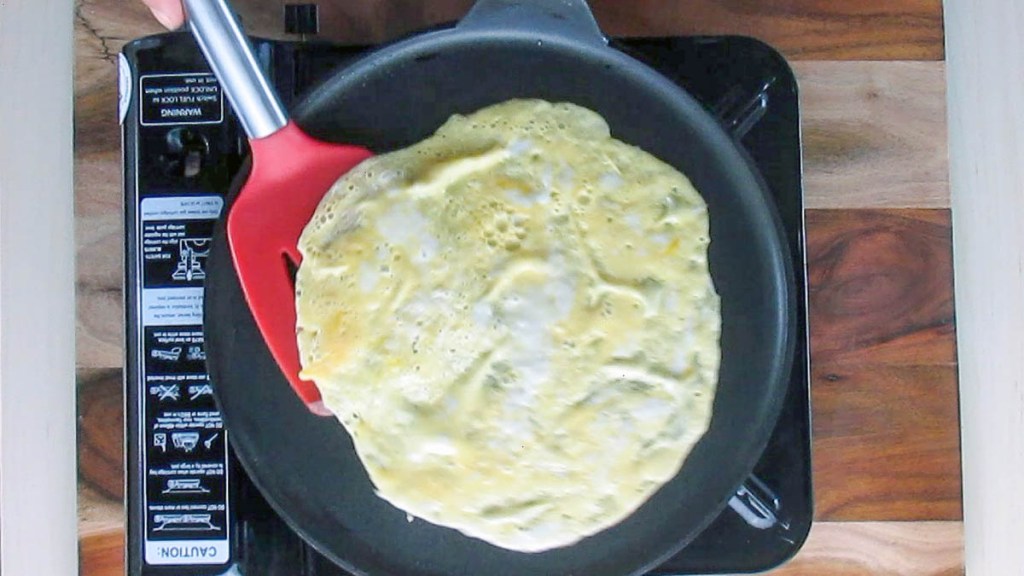
Pour the egg into the centre of your pan and use the back of your fork to distribute the egg evenly in the pan. You want the egg as thin as possible without creating holes.

Pour the egg into the centre of your pan
Pour the egg into the centre of your pan 
You want the egg as thin as possible without creating holes.
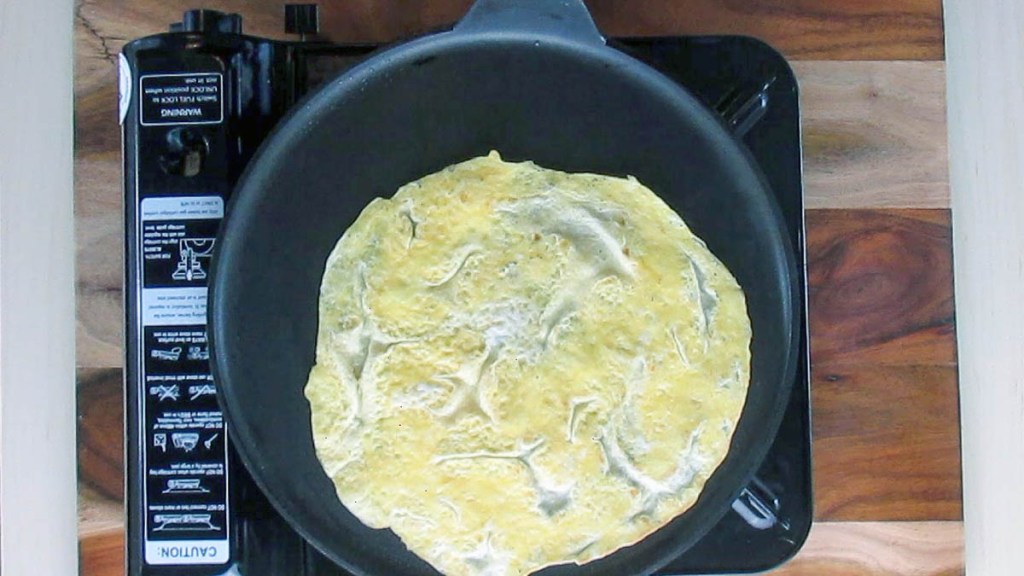
When the edges of the wrap start to lift, use a spatula to turn the wrap over.

When the edges of the wrap start to lift, use a spatula to turn the wrap over.

When the edges of the wrap start to lift, use a spatula to turn the wrap over.

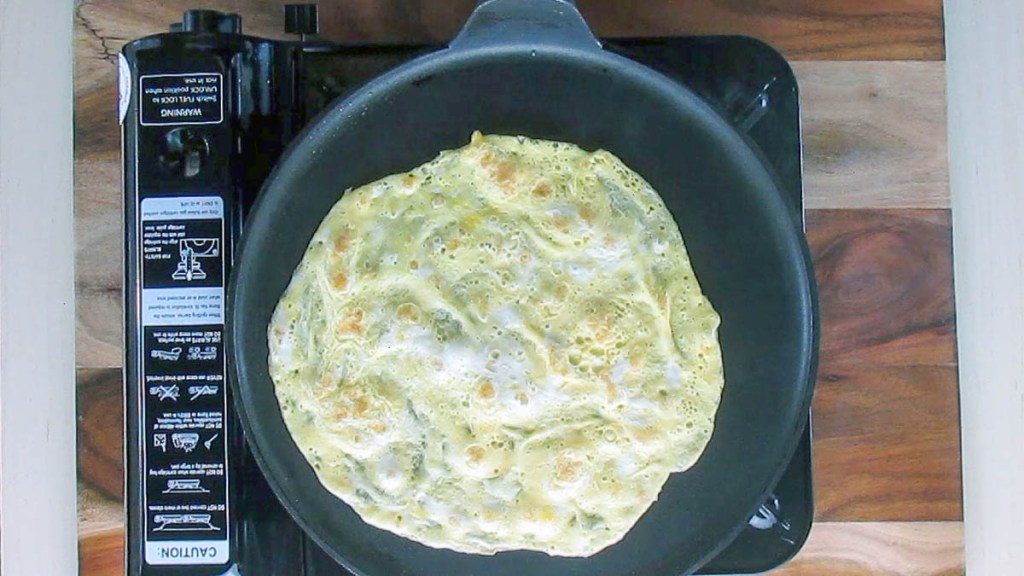
Cook for about 45 seconds on the other side.

Cook for about 45 seconds on the other side.

That is it; just repeat those steps for each wrap.

That is it; just repeat those steps for each wrap.
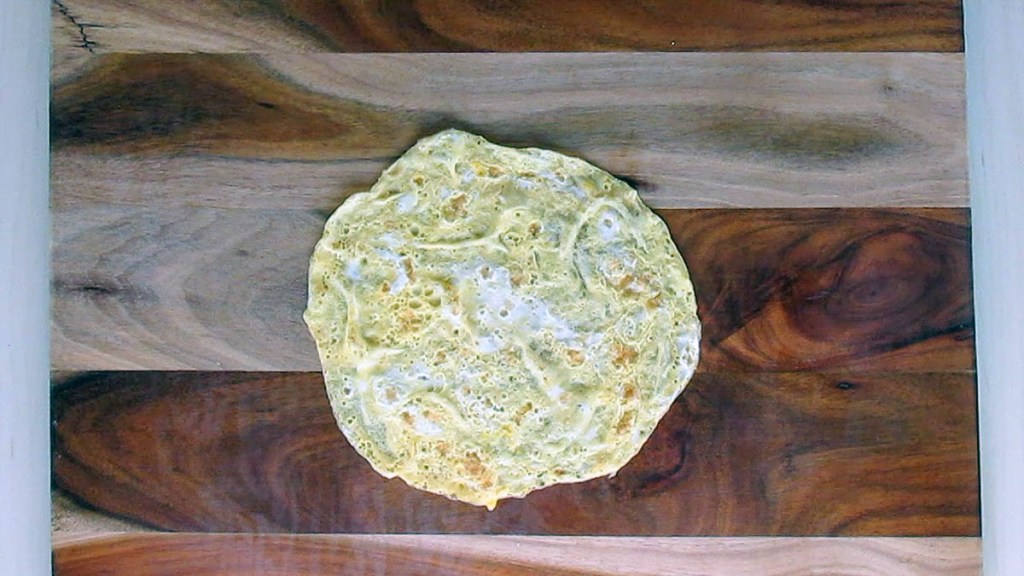
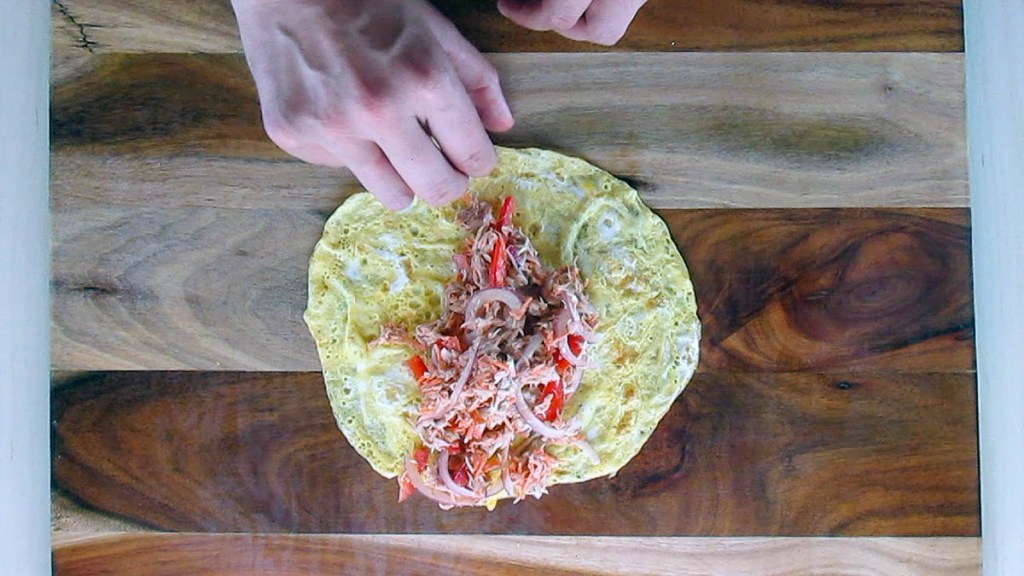
Place the wrap on a flat surface
Add the filling
Add the filling
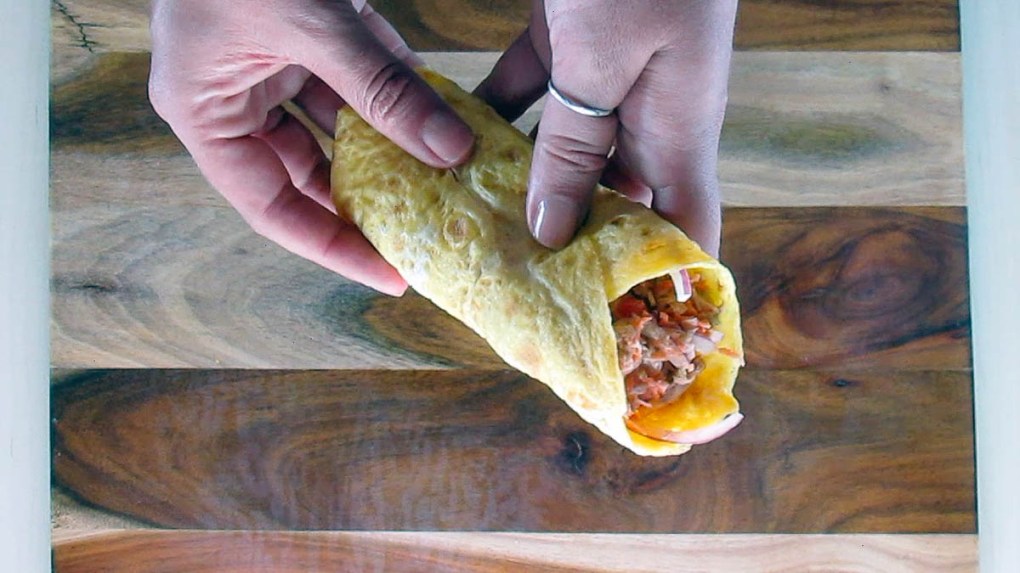
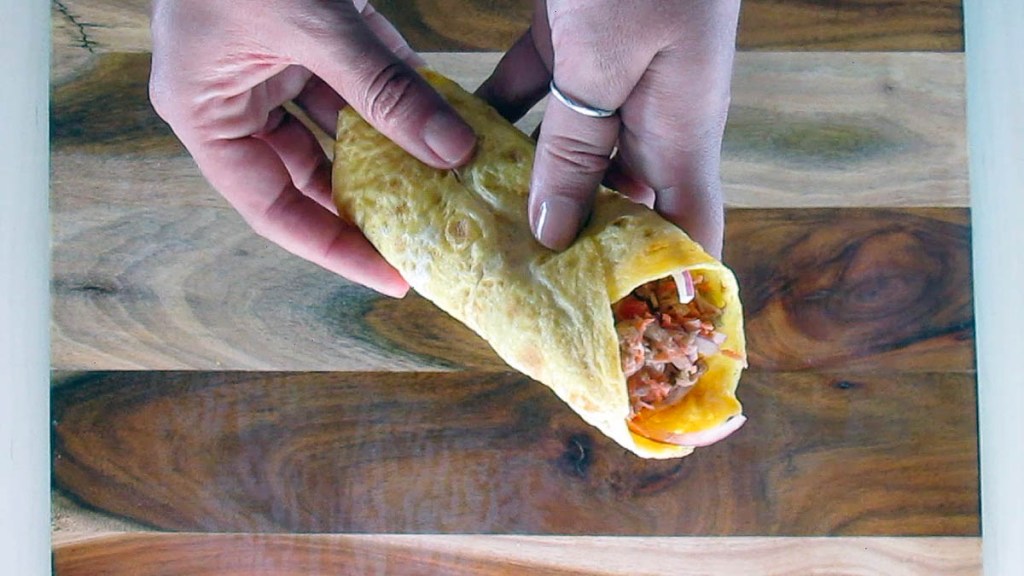
Wrap and eat
Wrap and eat

Egg wraps

  • Servings: 1
  • Rating: ★★★★★
  • Print

Egg wraps are an amazing low carb option that are quick and easy to make


Credit: Cath @ easycleaneats

Ingredients

  • 1 egg per wrap

Directions

  1. Instructions
  2. The key to good egg wraps is using a flat non-stick pan, I have a crepe pan that I use to make my wraps, but any good quality non-stick frying pan will do.
  3. Lightly oil the bottom of the pan and preheat the pan over a low to medium heat.
  4. In a bowl, whisk your egg with a fork until the egg is smooth.
  5. Pour the egg into the centre of your pan and use the back of your fork to distribute the egg evenly in the pan. You want the egg as thin as possible without creating holes.
  6. When the edges of the wrap start to lift, use a spatula to turn the wrap over.
  7. Cook for about 45 seconds on the other side.
  8. That is it; just repeat those steps for each wrap.That is it; just repeat those steps for each wrap.

Nutrition

Per Serving: 72 calories; 4.8 g fat; 0.4 g carbohydrates; 6.3 g protein

Equipment

  • Mixing bowl
  • Whisk
  • Frying pan
  • Spatula  

Nutritional disclaimer

Nutrition information is provided as an estimate based on the ingredients used and available in my area (New Zealand). The nutritional information is here to help you understand the recipe; I use MyFitnessPal to generate my estimates. For more accurate nutritional information, please use a nutritional calculator with the ingredients in your area.


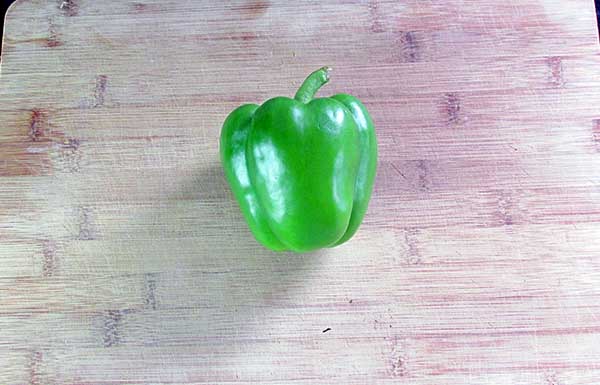
A pepper

Working with peppers

Working with peppers doesn’t have to be difficult, and you don’t need to spend your time scraping seeds from the inside of the peppers.  Here is the best method I have found for preparing peppers 

Equipment  

A pepper
A pepper
  • A chopping board
  • A sharp knife 
  • A pepper 

What to do 

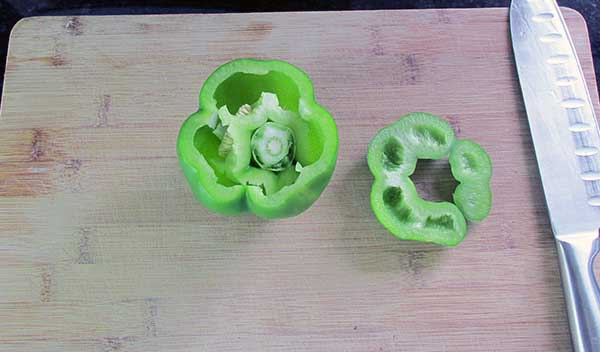
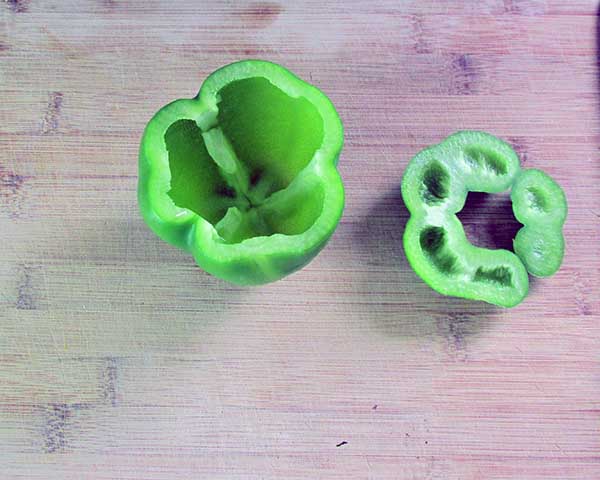
Firstly, cut off the top of the pepper
Firstly, cut off the top of the pepper

Firstly, cut off the top of the pepper, I recommend you slice about 1-2 cm below the stalk of the pepper. 

Put the top of the pepper to one side.
Put the top of the pepper to one side. 

Put the top of the pepper to one side. 

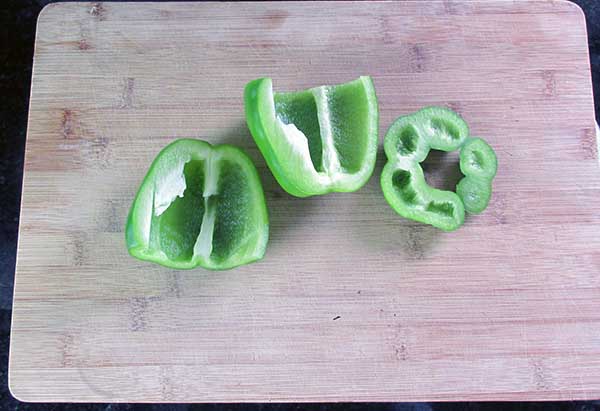
Using your fingers pull out the clump of seeds out of the centre of the pepper.

Using your fingers pull out the clump of seeds out of the centre of the pepper. 

Take the top of the pepper and push out the stem using your thumbs, this way you don’t waste any of the pepper. 

Pepper cut in half
Pepper cut in half

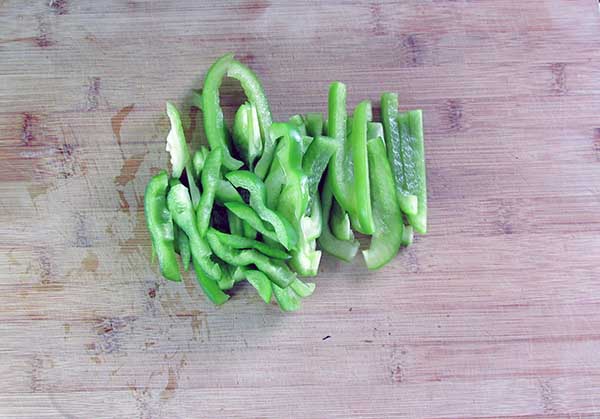
Slice as you wish 

Slice as you wish
Slice as you wish 

Strips, cubes, finely diced, rings 


Curry chicken wraps

Family favourite

‘Who wants lettuce wraps for dinner?’ is a question I have asked on many an occasion, there have never been any occasions I can think of when the answer from the family is ‘me please’. 

Not long ago, I was working on this recipe. I mixed up a batch of the curried chicken ready for the wraps when a not so little head popped around my elbow and asked ‘what’s that? It smells nice’. One taste test later and I have an extra person ready to eat curried chicken wraps for dinner. Before the end of the day, I had three people on board for eating them again. The next weekend when I asked the question ‘what do we want for dinner?’ I got two requests for ‘that salad we had last week’. That has been the greatest endorsement of a recipe if you ask me.

Curried chicken wraps

Big portions

This recipe is big on flavour and portions. This recipe can feed eight people comfortably; if you have small eaters, you can probably get even more portions out of it. The curried chicken has a creamy coating with a satisfying amount of crunch from the carrots and celery. The mass amount of protein in this recipe may seem a bit much at first glance. I can assure you it isn’t really. The big portion of protein is there to help you feel fuller faster. 

Let the flavours mingle

Whenever I make a batch of the curried chicken for the wraps I like to make it in advance and allow it to sit in the fridge for at least three hours; this lets the flavours hang out and mingle. The mix doesn’t need to be made in advance, but it does make a difference to the taste. If you have fussy eaters that aren’t big fans of spice you can leave out the chilli flakes and use mild curry powder.  

Curried chicken wraps

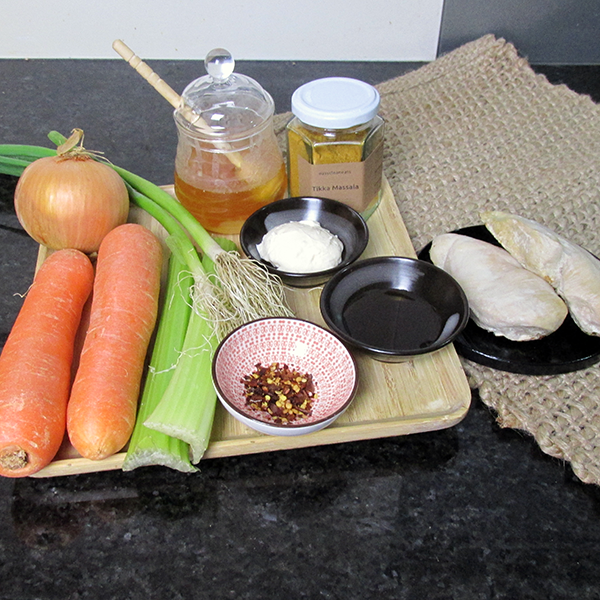
Curried chicken wraps ingredients

Ingredients

  • 800g chicken breast, cooked 
  • 1 onion, chopped
  • 2 carrots, grated
  • 2 celery stalks, chopped
  • 2 tbsp. curry powder
  • 3/4 cup easy mayo
  • 2 tbsp. honey
  • 2 tbsp. lime juice
  • 2 spring onions, chopped
  • 2 tsp. chilli flakes
  • Salt and pepper
  • 2 cos lettuce
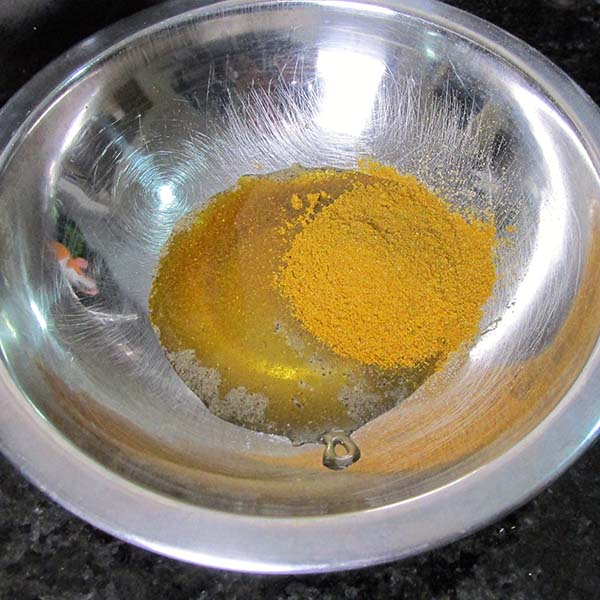
In a bowl add the honey, lime juice, curry powder, chilli powder, salt and pepper.
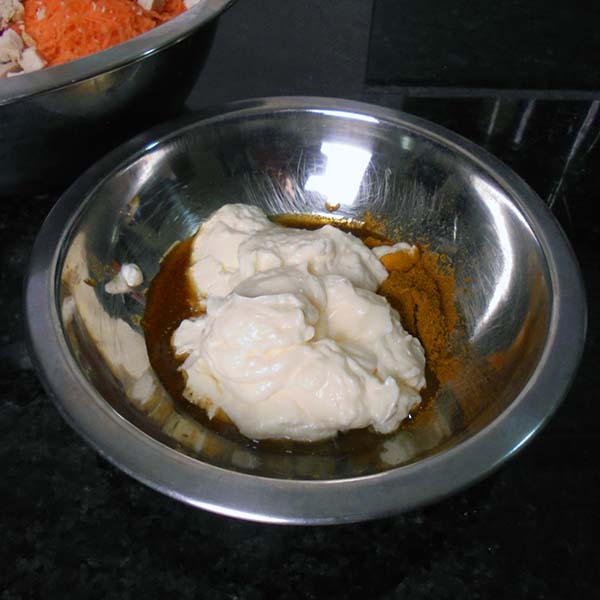
Add the mayo.
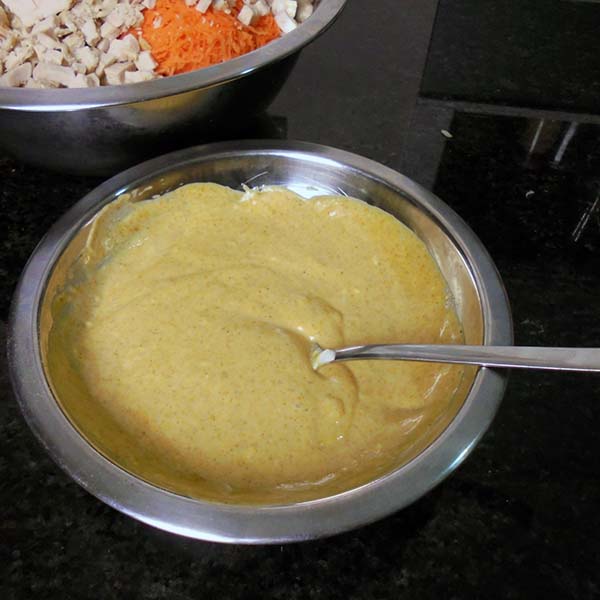
Whisk everything together.
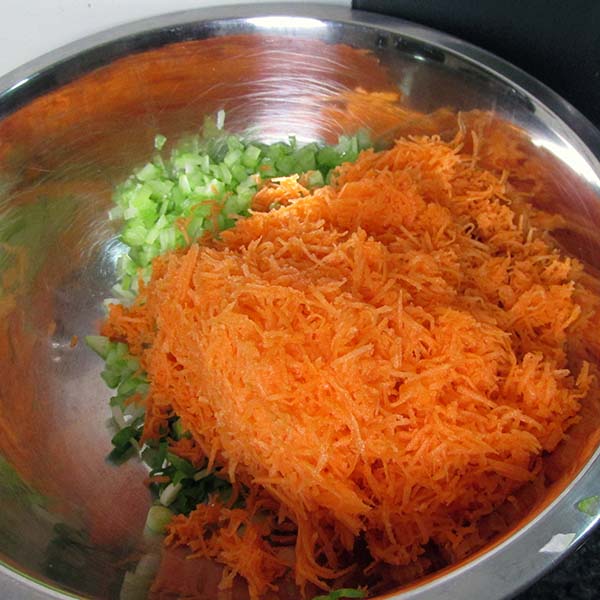
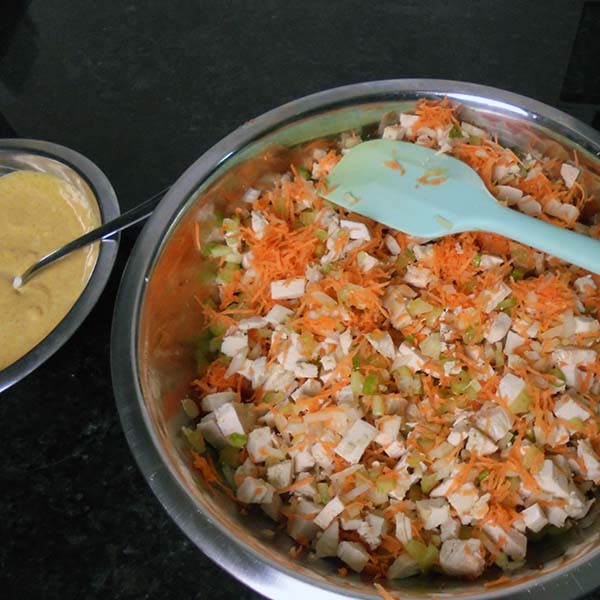
Add the celery, onion, spring onions and carrots to a large bowl.
Add the cooked chicken to the bowl.
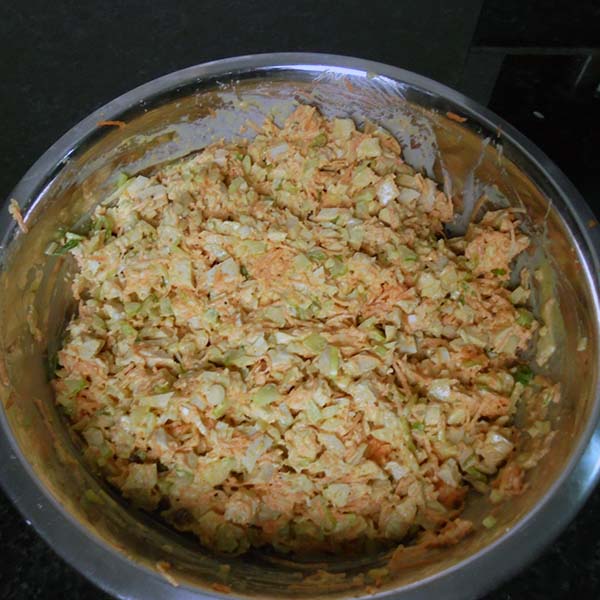
Mix well.
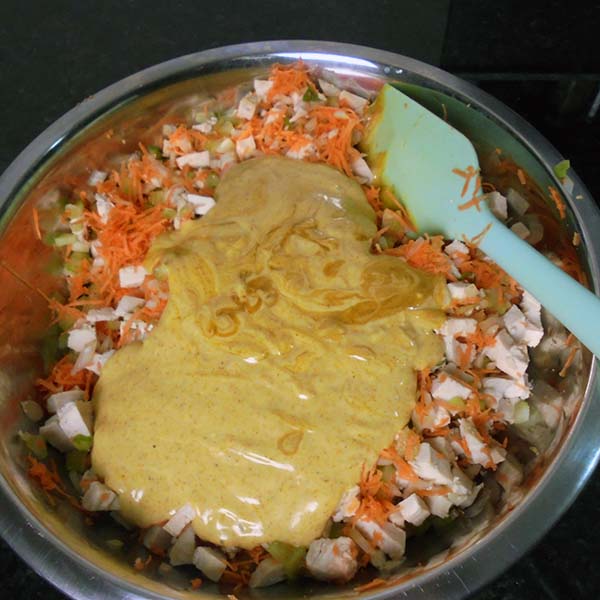
Add the curry sauce to the chicken and vegetables.
Mix well.

Curried chicken wraps

  • Servings: 8
  • Rating: ★★★★★
  • Print

Not long ago, I was working on this recipe. I mixed up a batch of the curried chicken ready for the wraps when a not so little head popped around my elbow and asked 'What's that? It smells nice'


Credit: Cath @ easycleaneats

Ingredients

  • 800g chicken breast, cooked
  • 1 onion, chopped
  • 2 carrots, grated
  • 2 celery stalks, chopped
  • 2 tbsp. Curry powder
  • 3/4 cup easy mayo
  • 2 tbsp. Honey
  • 2 tbsp. Lime juice
  • 2 spring onions, chopped
  • 2 tsp. Chilli flakes
  • Salt and pepper
  • 2 cos lettuce

Directions

  1. In a large mixing bowl combine the chicken, onion, carrots, spring onions and celery.
  2. In another bowl whisk together the mayo, honey, lime juice, curry powder, chilli flakes, salt and pepper.
  3. Add the sauce to the bowl with the chicken and vegetables and mix well.
  4. Wash each of the cos lettuces and take off the leaves and drain them.
  5. Plate up the leaves and then add the chicken mixture into the centre each leaf.
  6. Serve.

Nutrition

Per Serving: 208 calories; 9 g fat; 12 g carbohydrates; 22 g protein.

Equipment 

  • Knife 
  • Chopping board 
  • Mixing bowl x2 
  • Fork 
  • Spoon
  • Measuring cups
  • Measuring spoons
  • Scales

Nutritional disclaimer

Nutrition information is provided as an estimate based on the ingredients used and available in my area (New Zealand). The nutritional information is here to help you understand the recipe; I use MyFitnessPal to generate my estimates. For more accurate nutritional information, please use a nutritional calculator with the ingredients in your area.


How to Care for a Chopping Board

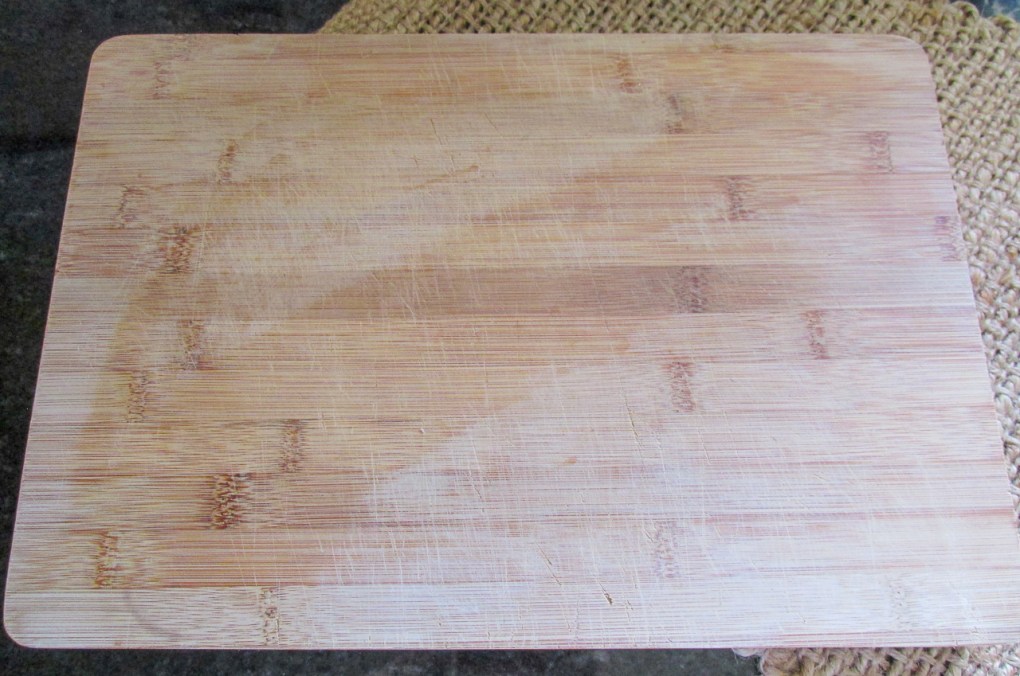
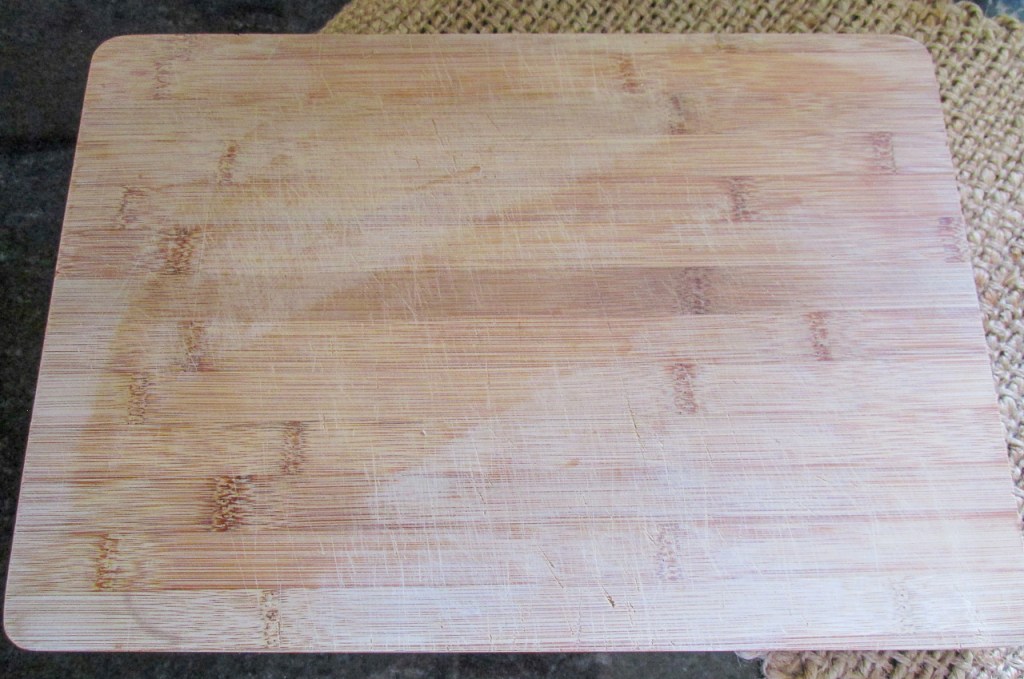
Wooden chopping board

Basic kitchen skills caring for a chopping board

I don’t know about you, but I’m always looking to learn new skills that make life easy in the kitchen. Sharing is caring so I’m sharing my little tips, tricks and hacks with you.

While taking good care of your knives is important, taking good care of your chopping boards and surfaces are just as important. 

The first step in caring for your chopping board is to wash it regularly, wash it with soap and water after every use, it does not matter what your board is made of, you should not need to soak your chopping board in water. 

Different chopping boards will require different care; it will all depend on what your board is made of. 

Here’s what you need to know for each type of cutting surface: 

Wooden cutting boards and butcher blocks 

Clean after every use with dish soap and water. Once a month you can give the board a deeper clean with lemon and salt, or baking soda and water. 

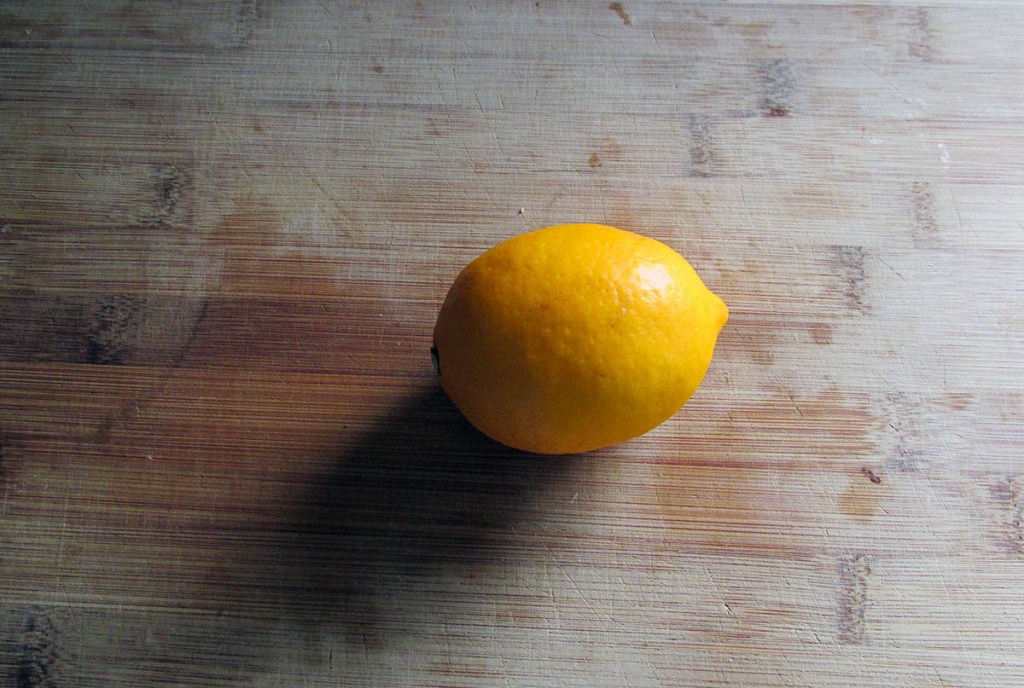
Cut a lemon in half and add some salt to the lemon and scrub the board, rinse with hot water and let it dry. 

Lemon

Or 

Clean the board with hot water then scrub the board with baking soda then rinse it again. 

To keep your board in top condition you can rub it down with a fine grit sandpaper to remove any nicks or deeper cuts on the board. 

Plastic chopping boards 

Plastic chopping board

Generally, plastic boards don’t require special care, a good clean after every use with soap and hot water. 

When you have used the board to chop strongly flavoured foods (like onion or garlic) or foods that stain (like beetroot) you can scrub the board down and let it dry. 

Lots of plastic boards are dishwasher safe so you can put your board in the dishwasher to sanitise it, be sure to check your board has the safe washer mark first. 

Glass, marble and other hard surfaces 

Firstly I will say that glass and marble surfaces are very hard on your knives so I would not recommend them as chopping boards. 

If you do have a marble, glass, or other hard cutting surfaces, then soap and hot water will do the trick, and a bleach solution (1% bleach) to sanitise. 

No matter what chopping board or surface you have it should not take long to clean, regular cleaning will keep it in good condition for years. 


Kombucha tea

Kombucha

I don’t profess to know the origins of Kombucha, there any many theories about who came up with it. To be honest, I don’t mind who invented it, I’m just interested in the benefits it offers.

So you may be asking yourself, what is Kombucha?

The basic answer is Kombucha is fermented tea, don’t worry; it is not as gross as it sounds. 

Kombucha

Here is the bro science explanation.

To make kombucha, you need sweetened black or green tea and a SCOBY. SCOBY short for symbiotic ‘colony’ of bacteria and yeast, is a jellyfish looking thing that you put in the tea. The bacteria and yeast munch on the sugar in the tea which causes the fermentation of the tea. It’s similar to making beer but with better health benefits. The sugar in the tea is there only to feed the SCOBY. Some commercial brands of Kombucha are high in sugar; this is usually to mask the sour taste of the finished Kombucha.

Many people claim Kombucha is a cure-all. I don’t really buy into these claims, what I do buy into is that Kombucha is full of probiotics and these are great for you.

Probiotics

We all know that antibiotics are important when you have an infection. They don’t just wipe out the bacteria that cause infections, they wipe out all of the good bacteria in your gut. We all have good bacteria in our gut, and it’s crucial for a healthy immune system. 

I have to say that Kombucha has done wonders for the immune systems in our house, even the kids slam down a glass. 

I will be honest, Kombucha is an acquired taste, but it’s a taste worth acquiring. It’s tart and fizzy, once you get past the smell which is far stronger than the taste you will be sold on it.

One major drawback of Kombucha is the cost when buying it; a litre can set you back as much as $15. If everyone in the family grabs a glass daily it quickly becomes very expensive.

Make your own

There is a much cheaper way to have kombucha, and that is by brewing your own, don’t worry it is not as complicated as you might think. The key to brewing your own is a good SCOBY and a starter. (you can get one here)

Equipment needed is minimal.

  • A saucepan or stock pot
  • A jar large enough to hold the kombucha
  • Cheesecloth or clean tea towel
  • Rubber bands

That’s it

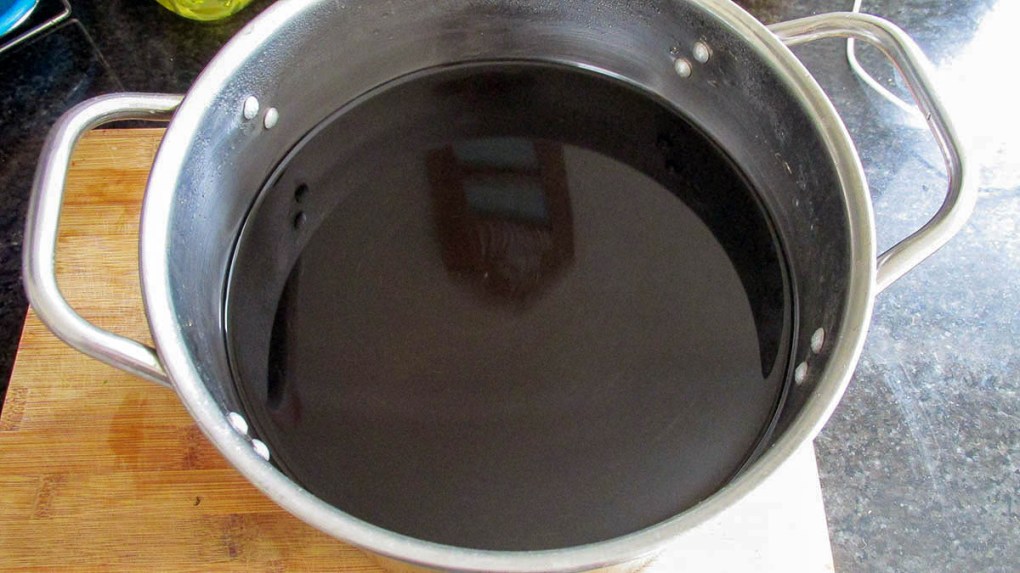
In a large stock pot bring 2-4 litres of water to the boil.
2 litres use 4-6 tea bags or 4 litres use 8-12 tea bags
When the sugar has dissolved add in your tea bags
When the tea bags have been added leave the tea to cool to room temperature
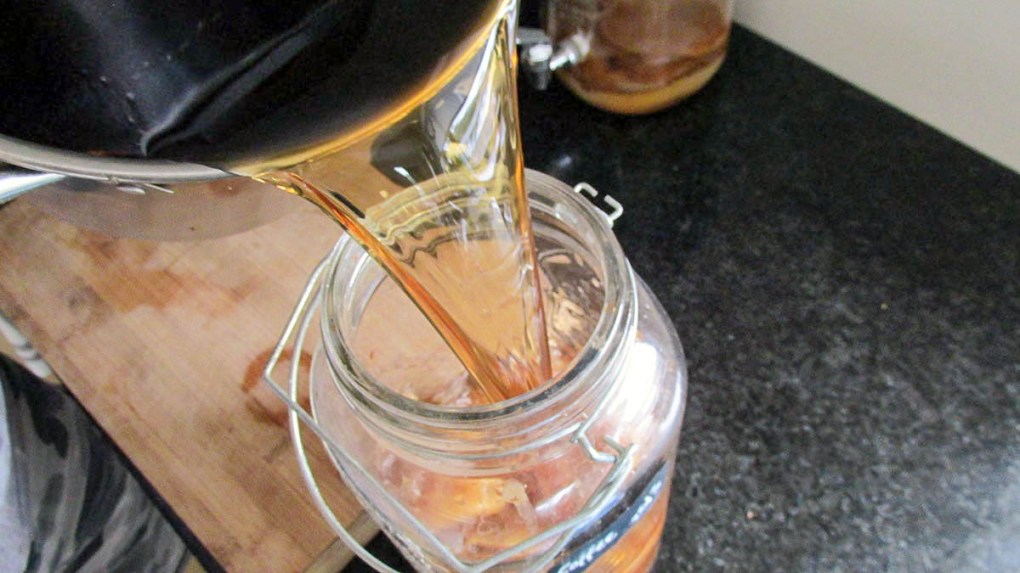
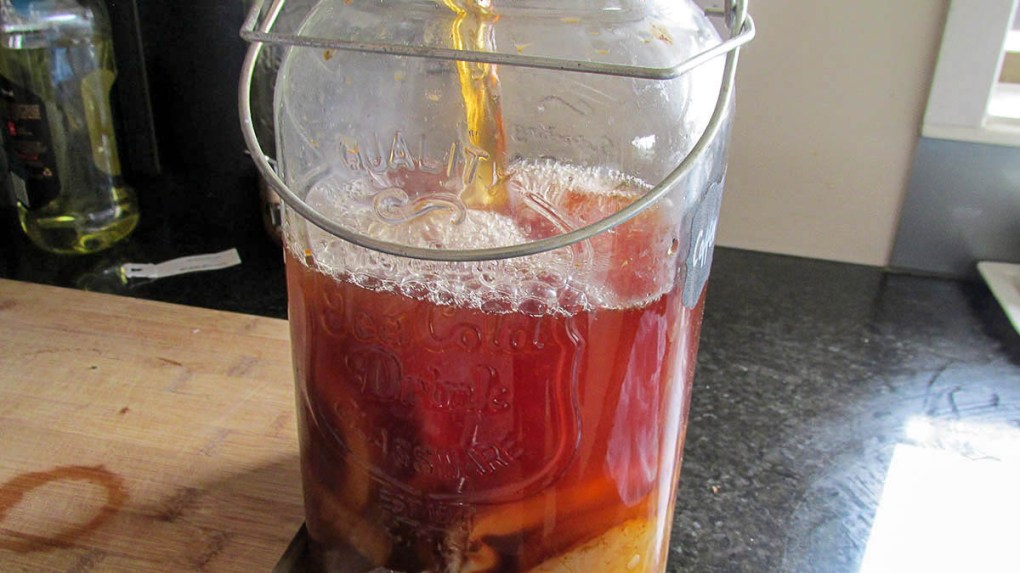
When the tea is at room temperature pour it into a jar or container
Add the scoby to the jar with approximately 250ml of the kombucha starter.
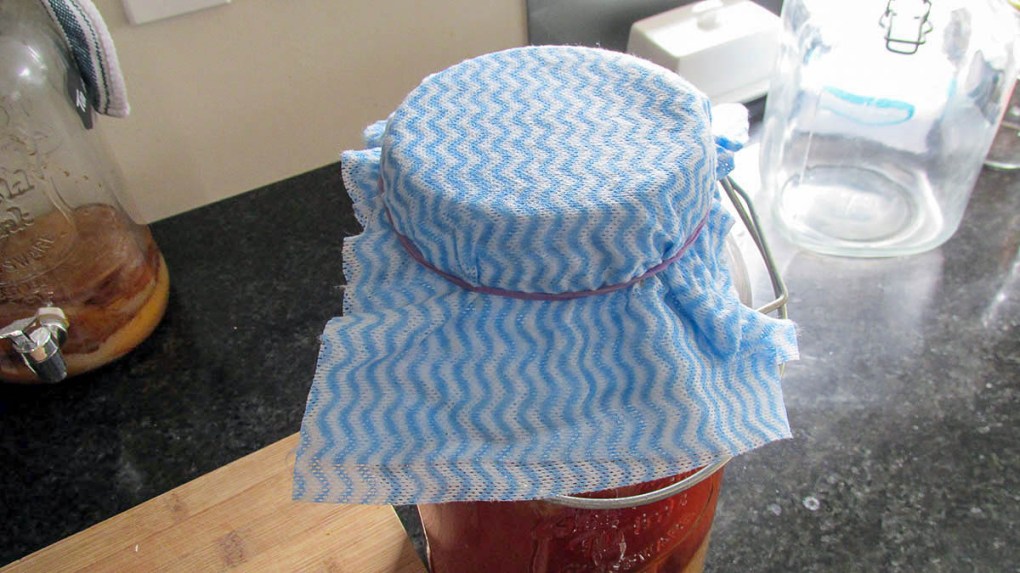
Cover the top of the jar with a clean cloth and secure the cloth with some string or an elastic band.
New scabby on the kombucha brew
Kombucha ready to bottle

So here is what to do.

How to make kombucha

The brew

In a large stock pot bring 2-4 litres of water to the boil.

When the water is at a rolling boil turn off the heat and stir in 1/2 1 cup of white sugar.

If you want sweet kombucha use 1 cup per 2 litres, for less sweet kombucha add 1/2 cup per 2 litres.

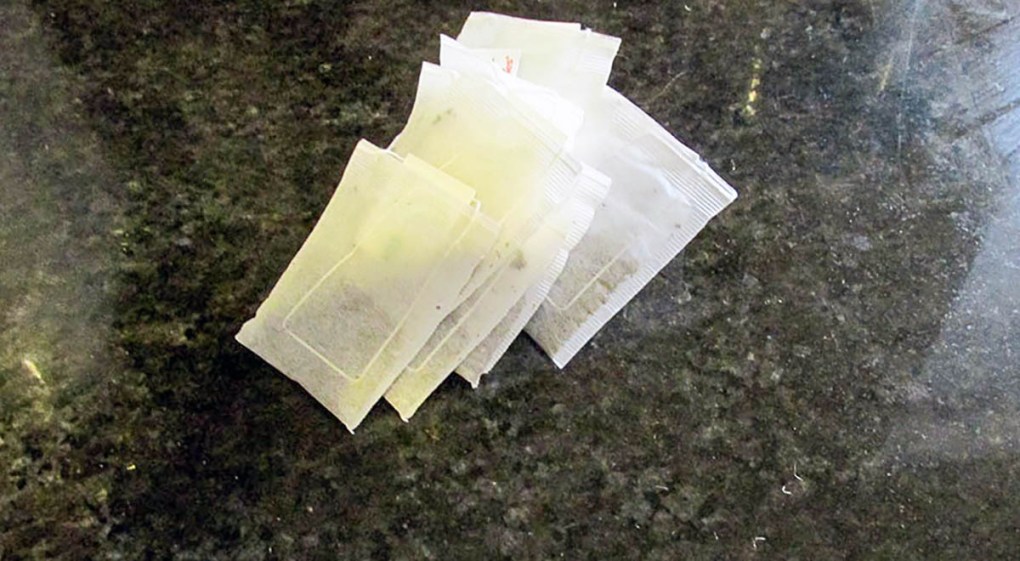
When the sugar has dissolved add in your tea bags

  • 2 litres use 4-6 tea bags
  • 4 litres use 8-12 tea bags

You can use plain black tea or a mixture of black and green tea bags.

When the tea bags have been added leave the tea to cool to room temperature (I usually leave the tea overnight to cool in the stock pot with the lid on).

The ferment

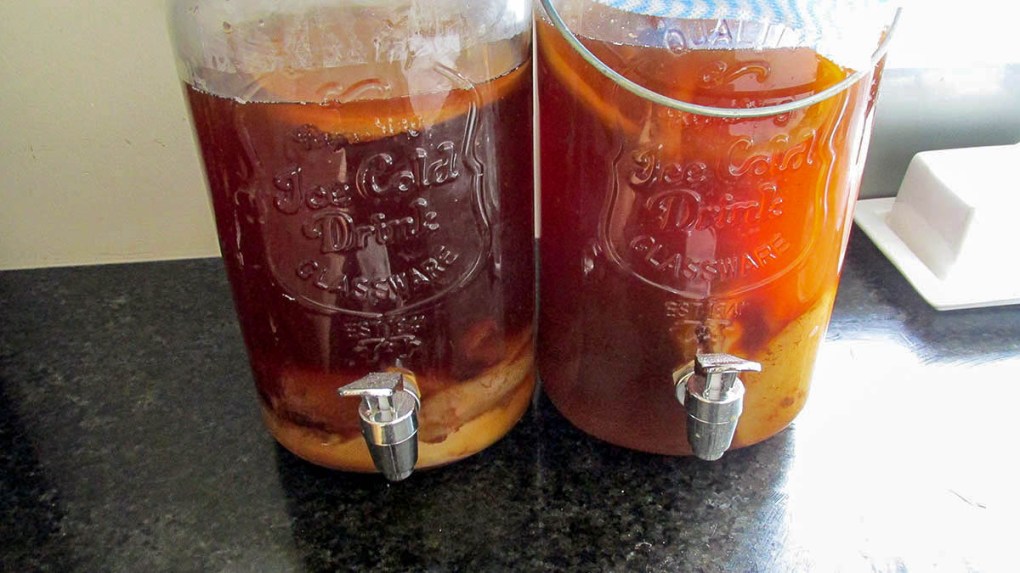
When the tea is at room temperature pour it into a jar or container, I recommend using a large glass jar with a tap on it (like the one below).

Add the scoby to the jar with approximately 250ml of the kombucha starter.

Be warned every scoby has a mind of its own, some float, some sink, some sit sideways. You will grow a new scoby every time you brew and that will have a mind of its own as well.

Cover the top of the jar with a clean cloth and secure the cloth with some string or an elastic band.

Put the jar is a warm place but away from direct sunlight.

Leave the tea for about a week how long it takes to brew will depend on how warm your house is.

A good indicator that your tea is close to ready is that you have a new scoby forming on the top of the tea. The new scoby will look like patches of jelly to start, then it will look like a film on the top of your tea, then it will look like a skinny version of your scoby. At this point you can start to taste the tea.

When you get the tang you want it is ready to bottle, put it in a sterilised bottle and store it in the fridge.

Make sure you save 250ml as a starter for your next batch and make sure you leave some liquid for the scoby to live in. The scoby will use the liquid to get bigger even when you are not brewing kombucha, check on it regularly to make sure it does not dry out.

Carbonation

If you want a fizzy kombucha you can carbonate it.

If you do want to carbonate you will need to use a plastic bottle to make it easier to check the carbonation level.

Fill the bottles as much as possible, when filled, seal the bottles and put them out of direct sunlight at room temperature. It will take a few days for carbonation to get started.

Don’t carbonate your kombucha unless you are home to check them twice a day they will explode and make your house smell funky.

When you use a plastic bottle it is easy to check for carbonation, check the bottle twice a day, when the bottle becomes hard it is carbonated.

As soon as the kombucha is carbonated put all of the bottles in the fridge.

The bigger your scoby gets the more natural carbonation you will get without having to do the additional step.


Can you live without a slow cooker?

Seriously can you live without a slow cooker?

I can honestly say my answer is no. My slow cooker is one of the key pieces of gear that I rely on and use every week without fail. I think that a slow cooker is a must-have item for anyone wanting to make real food a part of their life, here are my reasons why;

  • It saves you time
  • You do not need to keep watch while it cooks
  • It is versatile

These reasons may seem basic, and honestly, they are but let me explain my reasons why you need one.

Slow cooker

Too busy for this

Cards on the table, I hate coming home from a busy day and knowing I have to walk into the kitchen at 7 pm, cook a full meal, and then clean up. Don’t get me wrong, I love cooking, it gives me the joy to create a beautiful meal for my family. This is not the case when I have had an 8-hour day at work, an hour commute to the gym, and then a heavy workout. At this point I am usually borderline hangry, I want to get home, I want my food as fast as possible. 

This is where having a slow cooker comes into its own; I know that I can walk in and find a meal that is cooked, hot, and ready to serve. That means food is served as soon as we are willing to sit down, not 30 minutes later.

Life and time saver

With a little planning and preparation, you can put your meal in the slow cooker before you head out the door in the morning, time-saving and hangriness preventing.
Unlike other ways of cooking, you do not need to stand over the cooker and make sure that it does not burn/stick to the bottom/cooking evenly. You set the temperature, fill the pot, and put the on the lid. You do not need to stir, check that everything is covered with enough liquid, baste meat, or turn anything over. Worry-free cooking.

Get a big beast

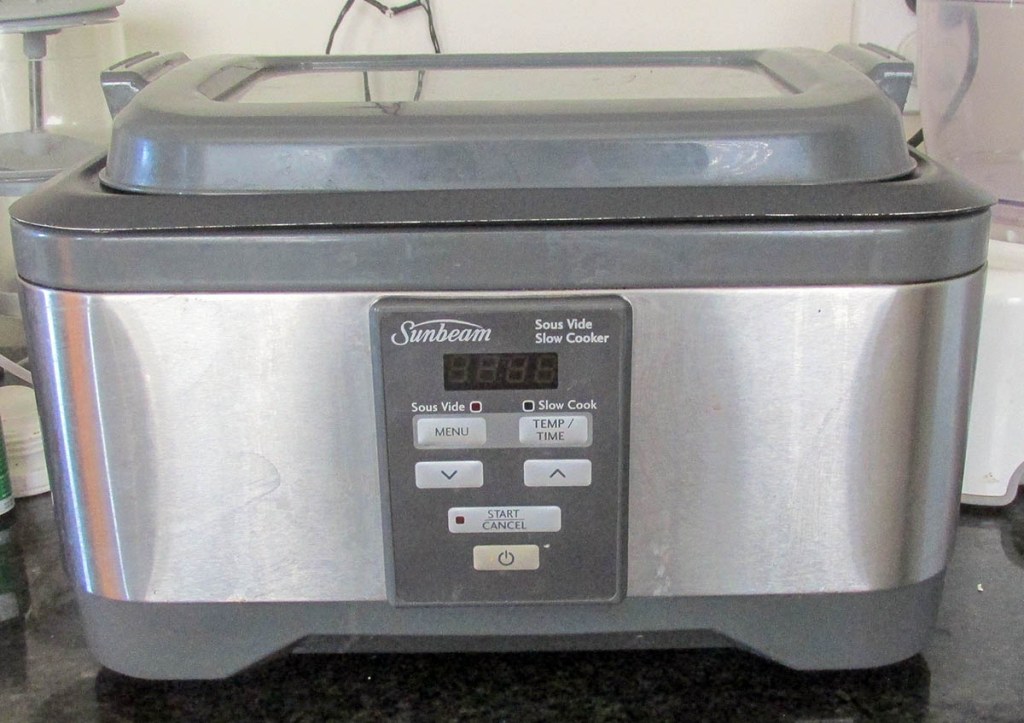
I recently upgraded our slow cooker so now I have a little bit of a fancy one, it doubles as a sous vide cooker, which means my slow cooker can do two things. What you may not realise is a standard slow cooker is just as versatile, don’t believe me? Here are some of the things that I used our old slow cooker to make;

  • Soups
  • Stews
  • Curry
  • Slow roast pork
  • Roast lamb
  • Roast chicken
  • Meatballs
  • Roasted vegetables (sweet potatoes, peppers, etc.)
  • Bread
  • Sauces
  • Stocks

I do not really think there is an end to the things you can do with your slow cooker; you just have to give it a go.
Reasons to get a slow cooker

If you are not convinced already here are a few more reasons that slow cookers are great;

  • Most slow cookers are large enough that you can cook food for six people, if you are not feeding that many people at once you are in the perfect zone of ‘cook once, eat twice’ and have leftovers for the freezer.
  • Cheaper cuts of meat are usually a little tougher; these meats are perfect for the slow cooker, so they are good for your budget
    They make for an easy clean up; you have one pot to wash up which is always a bonus in my book.
  • You will never get a dry roast again; the slow cooker keeps in all the moisture when it is on, so you do not have to worry about your meat drying out.

If you are looking to buy a slow cooker here are a few that may interest you

Here are some options

Slow cooker meal

Budget range

  • Kensington TWKSL150R
  • Sheffield PL390

A little bit fancy range

  • Sunbeam HP8555
  • Sunbeam MU4000

Very nice range

  • Cuisinart 3 in 1 Multi Slow Cooker 6 Litre

If you want to find out more about some essential kitchen tools check out my post Kitchen items to invest in