Meal prep and making the most of your time

Hands up who wants to spend two hours a night in the kitchen each night? 

I love cooking, but I don’t want to spend hours in the kitchen every night preparing a real meal. We all have more interesting and important things to do when we get home from work. 

The key to getting real food daily without spending hours cooking is managing time and planning. OK, I may have a slight advantage in this area. I plan things out for a living, but it’s easy to get into the swing of planning to make better use of the time you have. 

Here are the key things to managing your time and making real food easy: 

  • Plan your meals before you shop
  • Make sure the plan meets your needs
  • Make the freezer your friend
  • Make sure you clear a part of your day
  • Make sure you have the right tools for the job
  • Plan out your time in the kitchen
  • Prep lots of things at the same time

Plan your meals before you shop 

This is probably the most important factor in minimising the time you spend in the kitchen each week. If you intend to make seven different dishes for breakfast, lunch, and dinner, you will have a nightmare in the kitchen and, more than likely, a very expensive food bill. 

Simple meals will minimise the time you spend preparing and cooking. Look for meals that can be frozen or put in the slow cooker, plan to make extra (the cook once, eat twice principle), and don’t be afraid to use the same ingredients. 

Save the fancy meals and new recipes to try and experiment on the weekends, when you have a little more time. Write out your shopping list and stick to it. My personal tip is to avoid going food shopping when you are hungry! It is a surefire way to end up with a million things you don’t want or need.

Make sure the plan meets your needs 

One speed bump most of us encounter is that our plan doesn’t account for everything else going on. To make the plan fit for purpose, it pays to tailor it to what is happening in your life. I plan my meals around my weekly activities and commitments, and how much free time I will have. Here is an example: Two days a week, I work from the office, which means I have at least an hour-long commute home, followed by a workout with a friend that takes at least an hour. That means on these two days, I won’t set foot in the kitchen until 7 pm at the earliest. On these days, my meals include morning protein smoothies and a meal that has been sitting in the slow cooker or just needs 15 minutes to reheat. For these longer days, I’ll plan a curry, chilli, or chicken roasted in the slow cooker, with a salad. 

Make the freezer your friend 

This is the most critical aspect of making the most of your time. Being able to prepare all your meals for a week depends on you making friends with the freezer. Don’t get me wrong; you can food prep and store your food in the fridge, but that means you have three or four days of food. 

If you only have four days’ worth of food, that means a second trip to the supermarket and another couple of hours in the kitchen on a weeknight. The alternative is to use the freezer. Plan your meals so that the produce that is best eaten fresh is used within two days after you have shopped; store that in the fridge. Then plan for everything else so it can be cooked, then frozen, or frozen when raw. That way, you have meals that can be reheated when needed or put into the slow cooker. 

Make sure you clear a part of your day. 

Find a time in your week, or on the weekend, to block out for food preparation and make it part of your routine. Saturday morning is an excellent time for food prep. I spend two hours slicing, dicing, simmering, and portioning before heading out for breakfast with friends. I do as much as possible during those two hours, so on weekdays my meals are usually ready to eat in less than 30 minutes. I feel relaxed knowing I’ve ticked off a big chore before I go to drink coffee and talk sh*t for a few hours. 

Find a time that works for you and block it out so you can work uninterrupted and get busy in the kitchen. 

Make sure that you have the right tools for the job 

Once upon a time, I would spend an entire day in the kitchen on the weekend, preparing food for the coming week. God, I am glad that is not the case now. 

Having the right tools for the job can drastically reduce your time in the kitchen. At a minimum, a food processor with a grater and slicing attachment will save you heaps of time. The slicing-and-dicing gadgets you can pick up for a few bucks can help, but in my experience, you still have to do a lot of chopping before you can use them. A good food processor that can grate and slice requires minimal chopping before you can use it. Save the money you would spend on gadgets and put it towards a food processor.

A real-world example is making cauliflower rice. Grating a head of cauliflower by hand will take at least 30 minutes, and if you are lucky, the skin of only one knuckle. The same task with a grating attachment on a food processor will take 2 minutes. 

Investing in a few key pieces of kit for your kitchen can make your life easier and give you back some free time. 

If you don’t have the right tools for the job, look in the freezer aisle at the supermarket; you can buy cauliflower rice, diced onions, diced carrots and more. If it is in your budget, buy what you need in the form you need it. 

Plan out your time in the kitchen 

You don’t need to write down a plan every time you set foot in the kitchen (unless that makes you happy, and please stop judging me), but it does pay to have a rough plan of what you are going to do and in what order. Look at your food plan and use it as the basis for your plan. You should be able to get an idea of the different tasks (chopping, slicing, dicing, peeling, etc.) and how long they might take you. 

Plan your time out so you start with the challenging and time-consuming tasks first. That way, you get them out of the way, and everything else will go quickly.

Prep lots of things at the same time 

The way I figure it, if I’m in the kitchen, I want to get as much done as possible in the shortest time. Multitasking is the key. Dividing tasks and grouping similar ones is a good approach. If you can do two things at once, do so. 

Here are some of the things I do and plan for when I’m in the kitchen 

  • Have your bags or containers ready and labelled before you start. This makes it easy to throw things in as they are ready.
  • Prep and portion your meat; it’s one of the more time-consuming tasks, so get it out of the way.
  • Make sauces at the same time; you can often leave them to simmer while you do something else.
  • If you have vegetables to peel, you can peel them all at once; it will actually save you time.
  • Do specific tasks together. For example, if you have to dice onions, carrots, and courgettes, do it all together; same for mincing and slicing.
Alternative ingredients

One of the key things missing that I found important when removing ‘standard’ foods from my diet was knowing an alternative I could use. Many of the alternatives I discovered that were suitable for how I wanted to eat took time to discover. I considered each discovery a little triumph on my food journey. Knowing what is out there and suitable for you can be hard work. I’m all for making life easier, so here is a list of the alternative ingredients I have found and used over the years.

Removing milk – alternative coconut milk/ almond milk

Dairy is a big issue for some people. Removing milk can be challenging and take a while to get used to; having an alternative can make life much easier. Coconut and almond milk are nice alternatives available in most supermarkets and health food stores. Look for milk that doesn’t have added sugar, sweetener or preservatives; you can always make your own if you want to remove the risk of milk with added chemicals.  There are other milk alternatives out there, but I highly recommend doing some interweb research on potential health impacts before you try them.

Coconut milk

Removing soy sauce – alternative coconut aminos

Coconut aminos are an excellent replacement for soy sauce. Soy is one of the most controversial foods out there; it is considered either a superfood or a hormone-disrupting poison. Instead of working through many papers that argue the pros and cons of soy and running the risk of phytoestrogens, use coconut aminos where you would normally use soy sauce. It is a nice and simple solution without compromising on flavour. Interesting facts about coconut aminos;

  • 65% Less Sodium than Soy Sauce!
  • High Source of Liquid aminos
  • 100% Organic
  • Gluten-Free
  • Dairy-Free
  • Non-GMO
  • Certified Organic by OCIA

This is the one that I keep in my pantry use, and you can buy it in most health food stores and in some supermarkets right next to the soy sauce.

Coconut aminos

Removing flour – alternative coconut flour

Often, getting rid of wheat and grains from your diet is one of the hardest things for people to do (it was for me – oh, bread, how I loved thee). To help ease the transition, you can now access a range of grain-free flours. As I have a nut allergy, I was limited to coconut flour or gluten-free mixes, which can include extra chemicals. Coconut flour has been my primary flour as a replacement. It pays to remember that coconut flour is not the same as wheat-based flour; after much experimentation, I have found a simple formula that you can apply when using coconut flour.

Other alternatives to standard flours include almond flour, tapioca flour, and many other non-grain flours; a suitable alternative often depends on what you are trying to make. I recommend experimenting to find out which flours work best for you and the food you are making. 

Coconut flour

Removing sugar – alternative honey or maple syrup

Sugar is addictive and in everything nowadays (seriously, check out the label on pretty much anything in your fridge or pantry). Removing sugar can be hard, and once it’s gone from your diet, it does not mean the craving for something sweet will go away. Honey and Maple syrup are better options when you compare them gram for gram against sugar.

Both are sweet, but without that sickly sweetness you get with processed sugar, some honey is good for you (UMF honey and benefits). Other replacements include stevia and coconut sugar. The thing to keep in mind is that sugar-free doesn’t mean calorie-free; treats sweetened with sugar alternatives should be enjoyed in moderation.

Maple syrup

Removing rice and couscous – alternative cauliflower

Replacing rice is simple when you embrace cauliflower; it is much more versatile than you think. Grating or chopping your cauliflower gives you a rice grain texture that you can use in most of the same ways you would use rice. The bonus is that it is easy to cook and is lower-calorie than rice. It goes great with curry, as a side, fried rice, stuffing for peppers and even cold as a replacement for cous cous. 

Cauliflower Rice

Cauliflower rice

Removing spaghetti – alternative spaghetti squash

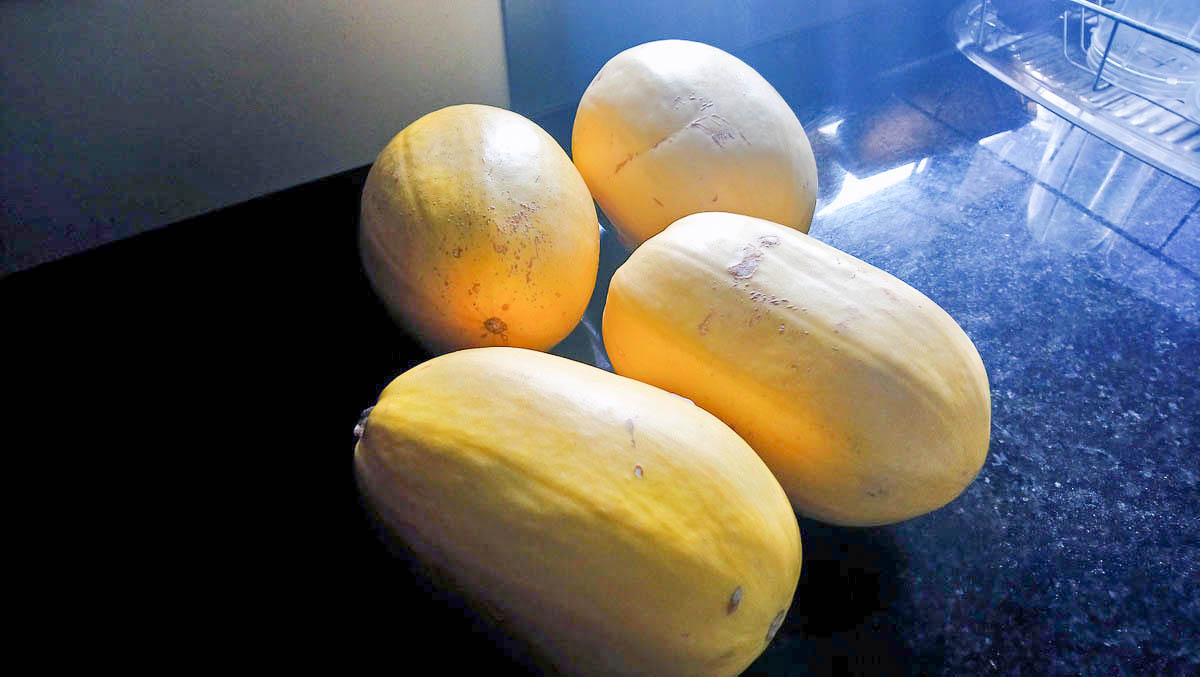
Slowly but surely, New Zealand supermarkets started to have limited supplies of spaghetti squash at the end of summer. There was a time (not too long ago) that if you want spaghetti squash, you need to grow it yourself (and I did). The squash gets its name from the spaghetti strands you get when cooked. It has a mild flavour and goes with sauces, meat, and eggs. The bonus is you get an extra vegetable portion with your meal.

Spaghetti squash

Removing pasta and noodles – alternative coodles

Replacing pasta may seem difficult, but it isn’t. Coodles (carrot and courgette noodles) are perfect for filling the gap left in your life by pasta and noodles. Just like cauliflower, coodles are versatile; cut them julienne and you have noodle or pasta strands; cut in strips, you have replacement lasagne sheets or something to put your stuffing in for ravioli or use a spiraliser, and you have little pasta shapes. They are quick to cook and are another sneaky vegetable hit for your meal.
Coodles

Zoodles/Coodles

Removing vegetable oil – alternative coconut oil

There are so many oils out there to choose from it could make you dizzy. You can spend hours reading about the pros and cons of vegetable oil, soybean oil, sunflower oil, canola oil, and corn oil. I could go on, but I won’t. Coconut is, as far as I can tell, the best option. It gets a bad reputation because of the saturated fat it contains, but when you compare it to all the other oils out there, it comes out on top. A bonus is you can use it for your skin and hair, not just for cooking. 

Coconut oil

Removing margarine – alternative ghee or butter

Replace your margarine now! It is highly processed and in no way good for you. Replace it easily with ghee or butter. Ghee is clarified butter and is considered by most to be Paleo-friendly, as it has a lot of the impurities in butter removed from it; if you have issues with dairy products, this is the best option. If you don’t have any issues with dairy products, use organic/grass-fed butter. I look for unsalted butter, which you can use for things like bulletproof coffee..

Removing standard/ lower quality meats – alternative organic, grass-fed and free-range meats

We are reasonably fortunate that here in New Zealand, we have some of the best meat products in the world. Unlike other countries, our meat is reared, as it should be, not fed grains like corn; they graze on grass all day long as animals are supposed to do. Mass-produced meat, generally speaking, is not fed on the right things and is usually of much lower quality. Organic, free-range, and grass-fed meats cost more, but it is worth it. In the long run, the meat you get is of better quality and tastes better, and often, you don’t need as much of the meat because there is less water and fat in the meat.

Grass-fed steak

Removing potatoes – alternative sweet potatoes

Potatoes comprise a large part of many people’s diets, especially when you look at the amount of French fries, potato chips, and mashed potatoes we eat. “Meat and two veg” is a common approach to a meal; more often than not, potatoes are one of the veg. Removing them from your diet can be challenging. Thankfully, a helpful tuber is here to help. The Sweet Potato/Kumar is a popular Kiwi option that can replace your normal nightshades. You can use them for chips, potato chips, mash, and hash browns; you can even eat them raw.

Northland sweet potato/kumara

Removing peanut butter – alternative nut and seed butter

Let’s get this straight: peanuts are not nuts. They are legumes (think beans and lentils). You can make your own decision about legumes, but Peanut butter is not an option for me. More people have issues with sensitivities and allergies to things like legumes and nuts, so you may need to find an alternative. Thankfully, there are a few tasty alternatives out there. If you are good with eating nuts, you can replace your peanut butter with Almond or Cashew Butter; for those wanting a nut-free option, try Sunflower or Pumpkin Seed Butter. You can use these butters as one-to-one ratio replacements in recipes or just eat them out of the jar if that is how you like it.
Sun Butter recipe

Homemade sunflower seed butter

Removing store-bought mayo – alternative homemade mayo

You may not realise it, but store-bought mayo isn’t what you think it is; often, it’s made with ingredients you wouldn’t typically put in mayo. Store-bought mayo is increasingly made with soya bean oil and has sugar added. Making mayo is simple (seriously, even kids can do it); the beauty is that you know exactly what is going into your mayo. Here is a simple and foolproof recipe to try

Easy Mayo

Homemade olive oil mayo

Removing chocolate – alternative raw cacao

Please don’t hate me. I’m not saying never to have chocolate again. Next time you get a craving, take a look at the back of your chocolate bar before buying it. Milk chocolate is loaded with milk and sugar; most brands also contain extra ingredients like soy. The good news is that chocolate itself is good for you; it has antioxidants that will do you good. Raw cacao is a great replacement; it tastes good, and you can make your own chocolate from it. Making the change means you get all the chocolate goodness without all the added nastiness. See, that was not as bad as you thought.

Raw cacao powder

Removing cage eggs for organic free-range eggs

ree-range and organic eggs are better in many ways, not just for us but also for the chickens. Chickens are born to walk around, peck in the grass, eat bugs and plants, and not live in a dark barn without room to move around or, be locked in a cage or eat grains. The quality of organic and free-range eggs is so much better than caged eggs; moving over to free-range eggs is beneficial for you and the chickens; they do cost more, but they are worth the extra cash when you can taste the difference in quality.  

Free range egg

Do you have alternatives?

If you have other alternatives that you have found helpful in your diet, let me know in the comments below.


Food allergies, intolerances and sensitivities

This is an issue I have strong feelings about so I thought it was time to say something about it.

Food allergy

I sit in camp one; I have an allergy to nuts. This wonderful allergy means that I was have always been very good at reading the back on packets. Always looking to see if what I wanted to buy contained nuts or had traces of nuts. It sucks, really it does, I have to go so far as to read what my shampoo, soap and deodorant contains. Believe me that almond oil in shampoo isn’t good. I will be honest allergies can be problematic at times. I know there are far worse things to have allergies to so I won’t complain … well, I will but not too much.

Not the only one

We got a great surprise in 2015 when we discovered the little man in our family (my stepson) appears to have developed a sensitivity to nuts. As I have no input to his genetic make-up I can’t be blamed on this one. I have to admit I was intrigued that he developed sensitivity all of a sudden; he had never been interested in or liked nuts but never had any issue with them. As far as we know there are no other family members with nut allergies, so the fact he had eaten them then had a reaction was odd. I decided to find out what can trigger a reaction, so I did some reading.

The basics

I know and understand the basic science around sensitivities and allergies. The body attacks the item of food the same way it does a foreign bacteria or a virus. The bodies reaction is what is dangerous; the best case scenario is hives and generalised swelling. The worst-case scenario is an anaphylactic reaction that will land you in hospital or dead. In my experience, there is not a lot of understanding of how serious a food allergy is. A big issue I find is that people think your allergy is a lifestyle choice, like people who say they can’t eat gluten but are not diagnosed Celiac. Knowing what a food allergy means is important.

Understanding the difference

So what is the difference between food sensitivity, intolerances, and allergies? Here is a simple breakdown.

Food allergy

We can start with an allergy, this is an immune reaction to a food, this is similar to how the body fights infection it’s just that the body uses its defences to attack food. An allergic reaction could be something mild like itching or hives; on the other hand, it could be something as severe as anaphylaxis which causes swelling of the throat and tongue, trouble breathing and dizziness. The more you are exposed to an allergen the more severe a reaction can become. Most people start with the itching and hive, but you can have an anaphylactic reaction the first time to eat something.

Food intolerance

Food intolerance is when your body is missing a vital enzyme needed to process a specific food. There are symptoms associated with food intolerance. Usually, some form of gastric distress or inflammation, prolonged exposure to foods you cannot process can lead to intestinal damage, but it cannot trigger anaphylaxis.

Food sensitivities

So that leaves food sensitivities, these are a little more board, you can have an unpleasant reaction to food like reflux brought on my spicy foods, headaches or bloating. Sensitivities are not fun, but they are not life-threatening. Sensitivities can be the start of the journey to a food allergy, but most of the time they are not a big issue.

Here in New Zealand

Recently here in New Zealand, there have been some incidents of hospitalisation due to food allergies and even the tragic death of a teenager. It has been good to see that food safety is being taken seriously, but prevention is preferable to apologies.

In some cases, I think New Zealand is pretty good when it comes to food allergies. A school-based survey in 2013 that found over 8% of school kids reported they had an allergy to one or more food. I know that schools here in New Zealand are taking steps to minimise the risks to their students by banning some foods from lunchboxes because so many children have allergies and sensitivities. While this is a step in the right direction, it isn’t enough. Understanding is the key.

What are people allergic to?

While trooping around the interweb, I found a heap of people talking about their reactions to food and the reactions their children were having to things like;

  • Lactose
  • Wheat
  • Gluten
  • Rice
  • Egg
  • Sugar
  • Nuts
  • Yeast
  • Soy

These are just the most commonly mentioned foods; the full list is much longer.

Seems to be more allergies

I have to admit I was shocked at how many people are developing food allergies and intolerances. Now I know that in some cases people are self-diagnosed, so the exact numbers may never be known, but there seems to be an increase of instances. From everything I’ve read, no one knows why we are seeing this increase in food allergies and sensitivities. There are plenty of theories about potential causes but nothing that would suggest a way to reduce the number of people developing allergies or prevent us from developing them in the first place. I don’t have any answers, but I do hope that one day someone can help those of us who have allergies and sensitivities.

Prevention

So if we aren’t able to prevent people from developing sensitivities, intolerances, and allergies what can we do? I think a key difference we can make is educating people. Those of us who live with these things every day understand the consequences of eating the wrong things, so we avoid them at all costs. Not everyone understands how serious the consequences can be.

Proper education

One of the major concerns I have is the lack of understanding of those who do not suffer from food allergies. I am especially concerned with those who are responsible for serving food. I believe that there should be more information about how dangerous allergies are and how their actions can put those of us who have allergies in harm’s way. While little signs keep popping up on counters in cafes and restaurants about advising servers about allergies they don’t mean much. Last time I did disclose an allergy I was promptly told that you recommended I didn’t order any food. Hardly what you want to hear at brunch.

Standards might not be right

It is all well putting up signs that warn customers that there are allergens in food, but it doesn’t resolve the real issue – poor food service and handling practices. Don’t get me wrong I am not bashing individuals; I am bashing the system. A few years ago I completed the Basic Food Handling course that food service/manufacturing staff in New Zealand are supposed to attend. I was surprised there was very little information included about food allergies, what they are, what you should do and how to prevent cross-contact of foods.

Cross-contact

I’m talking about cross-contact, not to be confused with cross contamination. Cross-contamination when foods are mixed, like raw meat with cooked meat. For anyone who cooks knows the fundaments to prevent cross-contamination, if you mix raw with cooked someone will get sick. The Basic Food Handling course explains the reasons why cross contamination is bad and clear step on how to prevent it. Cross-contact, on the other hand, is not explained, and it is not highlighted how dangerous it can be.

What is it?

Cross-contact happens when one food comes into contact with another food and their proteins mix. When that happens, each food then contains a small amount of the other food. What people don’t always understand is that even this tiny amount of food that is transferred can cause reactions in people with food allergies. Unlike cross-contamination, cooking food does not remove allergens; the only way to prevent a reaction is to avoid any food that has come into contact with an allergen source.

Most cross contact is accidental, using the same thongs to pick up a piece of cake that was used to pick up a nut and seed slice or using the same spatula to flip a cheeseburger as you use for a hamburger. I want to think that this kind of cross contact is rare, sadly it isn’t. I can also say that from experience when you flag that something like that had occurred the response is never good.

What would I do?

With the rise of food allergies, we need to make some changes. I think that information about cross-contact should be included as part of the food safety training. It is just as important as knowing about cross-contamination and can have serious consequences. Teach people about safe food handling and preparation in a broader context. It isn’t hard to keep people safe and prevent cross contact with allergens. Some simple things can be done to avoid cross-contact and to make it safer for those with allergies to eat out.

  • Using utensils, cutting boards and pans that have been thoroughly washed with soap and water when working with allergens.
  • Have separate utensils such as thongs for each of the foods being served
  • Using separate utensils and dishes for making and serving safe foods. Some families choose a different colour like red for preparation of foods with allergens.
  • If you are making several foods, cook the allergy-safe foods first.
  • Keep the safe foods covered and away from other foods that may splatter.
  • If food has come into contact with an allergen, make it clear that the food may cause a reaction.
  • Clearly label foods and state any allergens on the menu
  • Wash your hands with soap and water before touching anything else if you have handled a food allergen. Soap and water or commercial wipes will remove a food allergen.
  • Scrub down counters and tables with soap and water after making meals.

Until the foodservice and manufacturing industries make some changes, those of us with food allergies will have to remain vigilant when it comes to buying foods and eating out. It doesn’t make life fun, but it could be worse.

Remember – The world is full of things that can kill you, but no one wants to be killed by their dinner.