I have been drinking protein shakes for breakfast for a while now, and I am total over boring vanilla protein shakes.
I have been struggling to eat enough over the last few weeks. I have been looking for a way to get more calories in the morning so doing something different seemed like an excellent idea.
Banana cappuccino
Cold brew coffee? Yes, please.
I love coffee. Anyone who knows me how much I love coffee, anything I can add coffee to or have coffee with is good in my book. I have been known to put coffee into smoothies before now and learned a while ago that cold brew coffee is the only way to go.
When you brew coffee with hot water and let that coffee go cold it becomes bitter, believe me, I’ve drunk many cups of cold, bitter coffee across the day. I’ll drink cold, bitter coffee when running between meetings but don’t want to add that to my smoothies on purpose.
When you are using cold coffee, you should brew it cold; this means the coffee is full of flavour without the bitterness.
Banana and coffee might sound like a strange combination but trust me it works. I love to use my homemade cold brew coffee with a nice ripe banana to create a thick creamy smoothie.
Take the banana, coffee and protein powder if you want itPlace the banana in the blender jugAdd the coffeeAdd the protein powderBlend everything togetherBlend everything togetherEverything should be thick and creamyServe
This quick and easy smoothie is a great way to start the day
Credit: Cath @ easycleaneats
Ingredients
1 cup Cold Brew Coffee
1 Banana
1/4 cup Ice
1 scoop protein (optional)
Directions
Add all of the ingredients to a blender and blend to make a smooth puree.
Nutrition
Per Serving: 222 calories; 0 g fat; 32 g carbohydrates; 23 g protein
Equipment
Blender
Measuring cups
Nutritional disclaimer
Nutrition information is provided as an estimate based on the ingredients used and available in my area (New Zealand). The nutritional information is here to help you understand the recipe; I use MyFitnessPal to generate my estimates. For more accurate nutritional information, please use a nutritional calculator with the ingredients in your area.
For the record, I love Australia and Australians. This recipe does not contain any Australians or cliques. Please keep reading.
Seafood curry
I know that some people don’t like the idea of seafood in curry, but I think it is excellent. Prawns are the perfect option for a meaty curry. You often find prawns in Thai curries, but I think they work well here. I’ve experimented for this recipe with small prawns and big tiger prawns. Both work, so it doesn’t make a difference to the taste; it just makes the consistency of the curvy more or less chunky.
Aussie style curry
Anotheradaptation
This recipe is another example of me finding a recipe and swapping out ingredients. The original recipe was in one of those weekly women’s magazines full of trashy gossip and the odd recipe. I loved the base flavours so just swapped out the ingredients I didn’t like.
Someone likes the curry and waits for any praens
Cook once, eat twice.
Anyone who has been around for a while will know that I am a big fan of cooking once and eating twice (or more), meals that can be cooked in bulk and then put in the freezer for another day. This curry is one of those meals. If you are going to make this recipe, I recommend that you use at least a 5-litre stockpot. Whip up a batch, feed the family and then portion up the rest for another day. We usually get 3 family meals out of this recipe.
Aussie style curry recipe
Aussie style curry ingredients
Ingredients
2 red onions, wedged
2 garlic cloves, chopped
3 carrots, sliced
1.5l vegetable stock
3/4 cup sweetcorn
3 tsp. curry powder
1 head of broccoli
2 tbsp. coconut aminos
1 can coconut cream
1kg prawns
2 tbsp. tapioca flour
Set your instant pot to sauté on high, add the coconut oil, garlic, onion and carrots.
Add the coconut oil, garlic and onion to the pot.Add the carrots.
Sauté for a few minutes.
Sauté for a few minutes.Sauté for a few minutes.
Add the curry powder and stock to the pot and stir well.
Add the curry powder.StirAdd the stock.
In a bowl combine the coconut cream and tapioca flour, add the coconut cream to the pot.
Add the coconut cream to the potStir well until the sauce thickens
Add the sweetcorn and broccoli to the pot.
Pressure cook on high for 5 minutes.
Pressure cook on high for 5 minutes.Manually release the pressure.
Add the prawns and coconut aminos, stir well and place the lid on the instant pot.
Add the prawns and coconut aminos. Stir well and place the lid on the instant pot.Let the prawns cook through for 5 minutes.Serve with coodles or cauliflower rice
This light and tasty curry is a real crowd pleaser and easy ro make.
Credit: Cath @ easycleaneats
Ingredients
2 red onions, wedged
2 garlic cloves, chopped
3 carrots, sliced
1.5l vegetable stock
3/4 cup sweetcorn
3 tsp. curry powder
1 head of broccoli
2 tbsp. coconut aminos
1 can coconut cream
1kg cooked prawns
2 tbsp. tapioca flour
Directions
In a large heavy based pot, combine the onion, garlic and carrot with some coconut oil, sauté for a few minutes.
Add the stock and curry powder to the pot, stir in the sweetcorn and broccoli.
Increase the heat and bring the stock to the boil, reduce the heat and simmer for a few minutes.
In a bowl combine the coconut cream and tapioca flour, then add it to the pot mixing it in slowly.
Keep stirring until the sauce thickens up.
Add the prawns and coconut aminos.
Serve with coodles or cauliflower rice
Alternatively
1.Set your instant pot to sauté on high, add the coconut oil, garlic, onion and carrots.
2.Sauté for a few minutes.
3.Add the curry powder and stock to the pot and stir well.
4.In a bowl combine the coconut cream and tapioca flour, add the coconut cream to the pot.
Stir until the sauce thickens.
6.Add the sweetcorn and broccoli to the pot.
7.Pressure cook on high for 5 minutes.
8.Manually release the pressure.
9.Add the prawns and coconut aminos, stir well and place the lid on the instant pot.
10.Let the prawns cook through for 5 minutes.
Serve with coodles or cauliflower rice
Nutrition
Per Serving: 205 calories; 2 g fat; 22 g carbohydrates; 27 g protein
Equipment
Knife
Chopping board
Stock pot
Spoon
Measuring jug
Measuring cups
Measuring spoons
Scales
Nutritional disclaimer
Nutrition information is provided as an estimate based on the ingredients used and available in my area (New Zealand). The nutritional information is here to help you understand the recipe; I use MyFitnessPal to generate my estimates. For more accurate nutritional information, please use a nutritional calculator with the ingredients in your area.
I don’t like the kids getting older. I still think of them as the 5 and 3-year-olds I first met so many years ago. I struggle to reconcile the man-sized 13-year-old, and almost man-sized 10-year old that rock around the house now. While I struggle to think of the boys getting older, I eagerly embrace the ever-expanding list of foods they will eat and are willing to try.
One meal for all
For many years I would have to make multiple meals which made my weekends busy and annoying. We have finally reached a point that I can make one meal, and every person will eat it. I am sure every parent with fussy children understand how I feel and how much I longed for this day to come. It is so lovely I don’t have words to explain my joy.
This salad was one of the first recipes that I managed to get everyone not only to eat, but enjoy so much they asked for it again. I know right.
Meets everyone’s needs
It might sound like I have it easy now, but it still isn’t simple to come up with a meal that fits the likes and dislikes of the family. New recipes need to meet fall in the small sweet spot that is in the centre of the family requirements
Jaime
Doesn’t like cold food unless the food is wet.
Loves meat, the more animals in a meal the better.
Likes vegetables but not too many vegetables.
This means salads have to be covered in a dressing or sauce before he will consider eating it and the balance of meat to vegetables has to be even.
Elliot
Doesn’t want to eat meat, wants to be a vegan (this is a whole blog post in the making).
He will eat chicken but doesn’t like it.
Likes vegetables but not all vegetables.
Will eat hot or cold food and loves anything that can be smothered in mayo.
Liam
Loves meat.
Will eat hot or cold meals.
Not eats a range of vegetables including broccoli (his favourite), kale, green beans, carrots, onions and lettuce.
He doesn’t like spicy food or mayo.
Allergy to nuts.
Cath
Likes all meat.
Will eat all vegetables except peas (which are legumes anyway).
I don’t care if it is hot or cold.
I like sauce any spicy food and sauces.
Allergy to nuts.
As you can see the space to find a meal that works for everyone is small, but I seem to have found a winner in this recipe.
In a bowl, combine all of the ingredients and make sure that everything is well coated.
Nutrition
Per Serving: 375 calories; 18 g fat; 7 g carbohydrates; 43 g protein
Equipment
Knife
Chopping board
Mixing bowl
Spoon
Measuring cups
Measuring spoons
Nutritional disclaimer
Nutrition information is provided as an estimate based on the ingredients used and available in my area (New Zealand). The nutritional information is here to help you understand the recipe; I use MyFitnessPal to generate my estimates. For more accurate nutritional information, please use a nutritional calculator with the ingredients in your area.
I have a few cups of strawberries in the freezer and the last of the berries off the garden. To make the most of the final berries I am making this strawberry balsamic sauce to capture the taste of summer.
Strawberry balsamic sauce on pancakes.
Sweet and sour
The flavour combination of sweet and sour has been around for a long time. If you can get the balance right, it is incredible. I think the combination of strawberries which are sweet and juicy with the tart flavour of a good quality balsamic vinegar is perfect.
Multi-use sauce
This sauce has many uses and is a great way to keep the taste of summer in the fridge for a few weeks. This sauce is an excellent topping on ice cream, pancakes, a cheesecake, cake, Panna cotta or even added to a smoothie. Alternatively, you can turn this sauce into jellies, if you do be warned the kids won’t want to eat them.
Strawberry balsamic sauce recipe
Ingredients
¼cup balsamic vinegar
2 cups strawberries
2tbsp. honey
1tbsp. fresh lemon juice
1tsp. vanilla extract
¼tsp. salt
Strawberries cooking down.Strawberry balsamic sauce on pancakes.
In a pan heat up the balsamic vinegar over high heat.
When the vinegar begins to bubble, turn the heat down to medium, let it simmer until it has reduced by half.
When the vinegar is thick and syrupy in texture, add the strawberries to the pan.
Then add the honey, lemon, vanilla and salt.
Simmer the mix over a medium heat until the strawberries break down, anywhere from 20 30 minutes.
For a smoother sauce blend it then strain.
Store the sauce in the fridge for up to a week. Store the sauce in the fridge for up to a week.
Nutrition
Per Serving: 16 calories; 0 g fat; 4 g carbohydrates; 0 g protein
Equipment
Saucepan
Spoon
Measuring spoons
Measuring cups
Blender
Sieve
Nutritional disclaimer
Nutrition information is provided as an estimate based on the ingredients used and available in my area (New Zealand). The nutritional information is here to help you understand the recipe; I use MyFitnessPal to generate my estimates. For more accurate nutritional information, please use a nutritional calculator with the ingredients in your area.
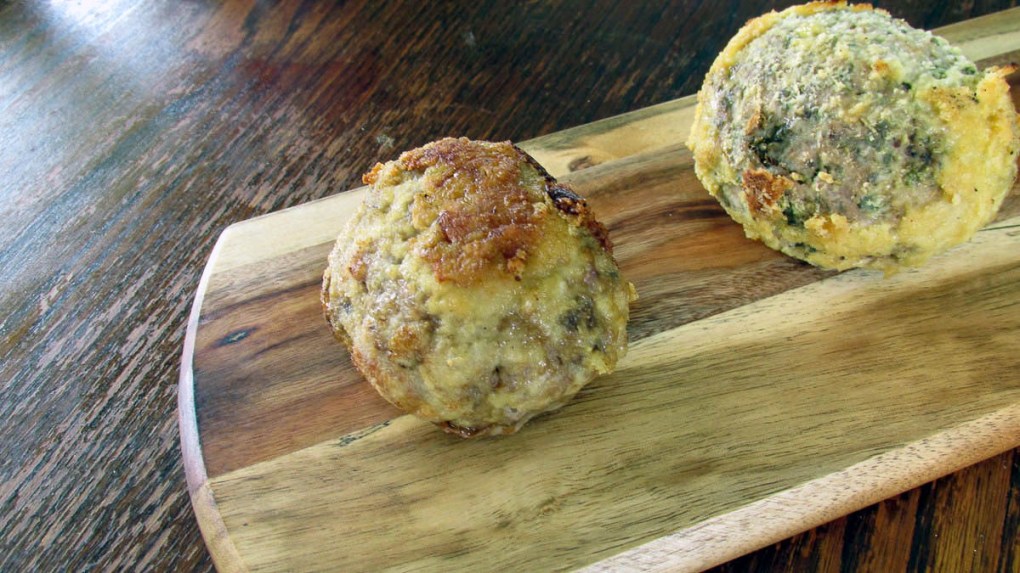
Sweet and savoury balls of awesome. If you have come this far, you obviously want some new flavour combinations to try. Coconut and pineapple go well together. We all know the Pina colada principle applies. We also know pineapple and pork go well together. Hawaiian Pizza is a firm favourite around here. Enter some creative madness (or genius) why not combine all three flavours?
Pork, pineapple and coconut
Genius doesn’t always mean perfect. This recipe was no exception. Knowing that these flavours would work didn’t make the recipe easy to develop. As always eating your mistakes helps to refine the recipe but this one felt the envy genius might have been madness. After. Many tries (6 in total) I finally got it right.
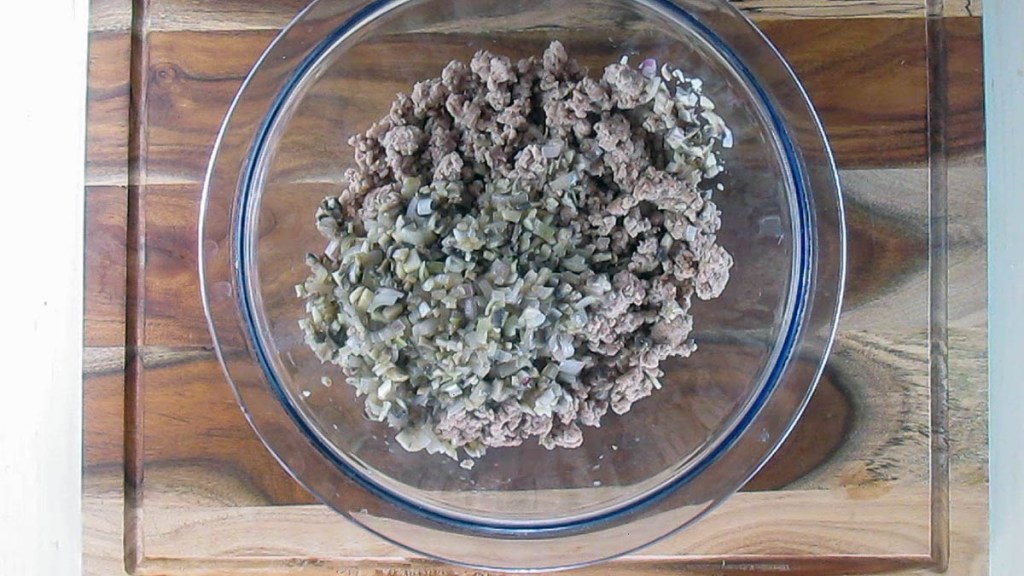
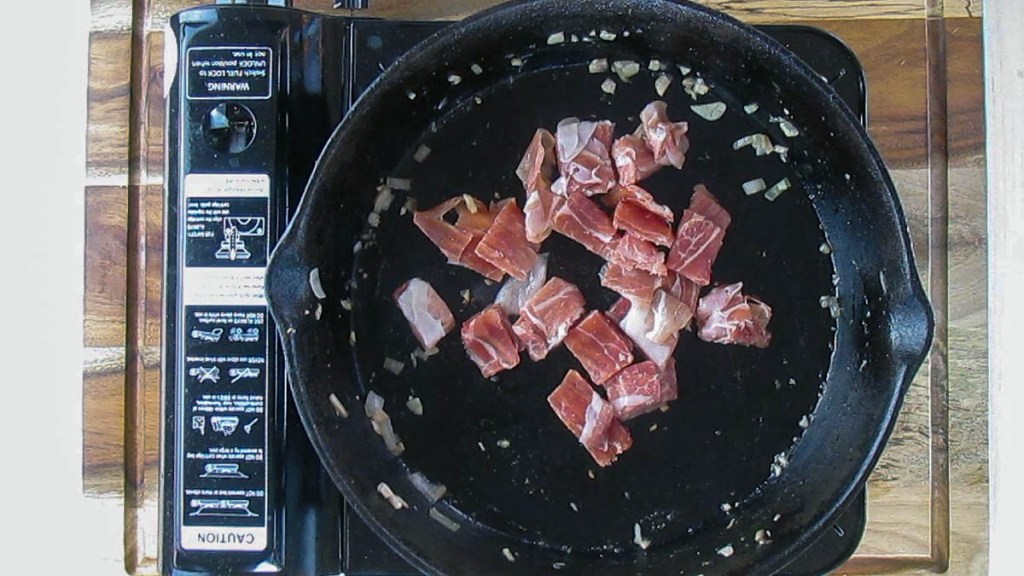
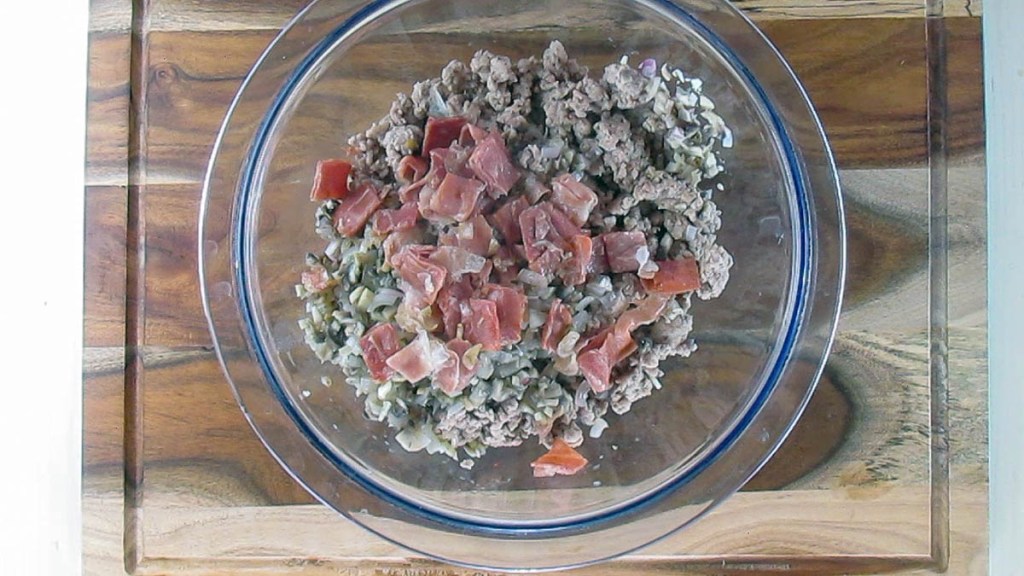
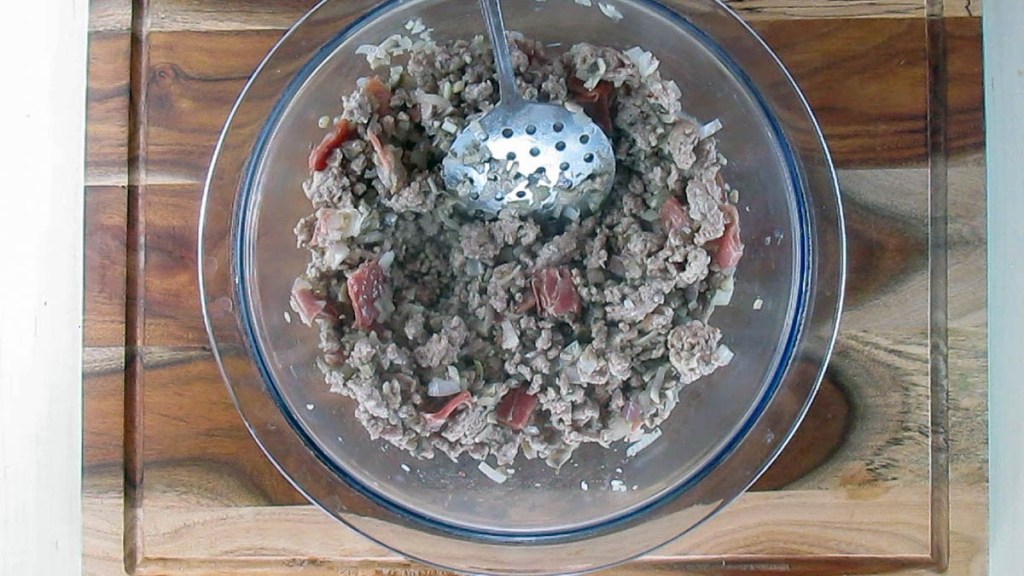
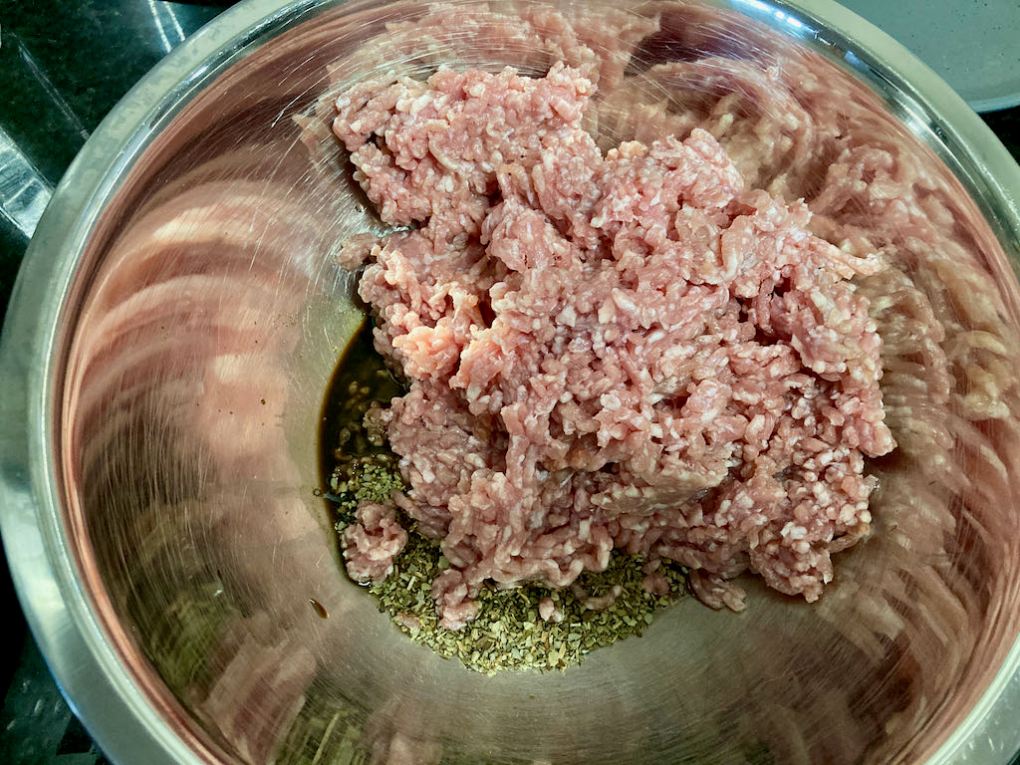
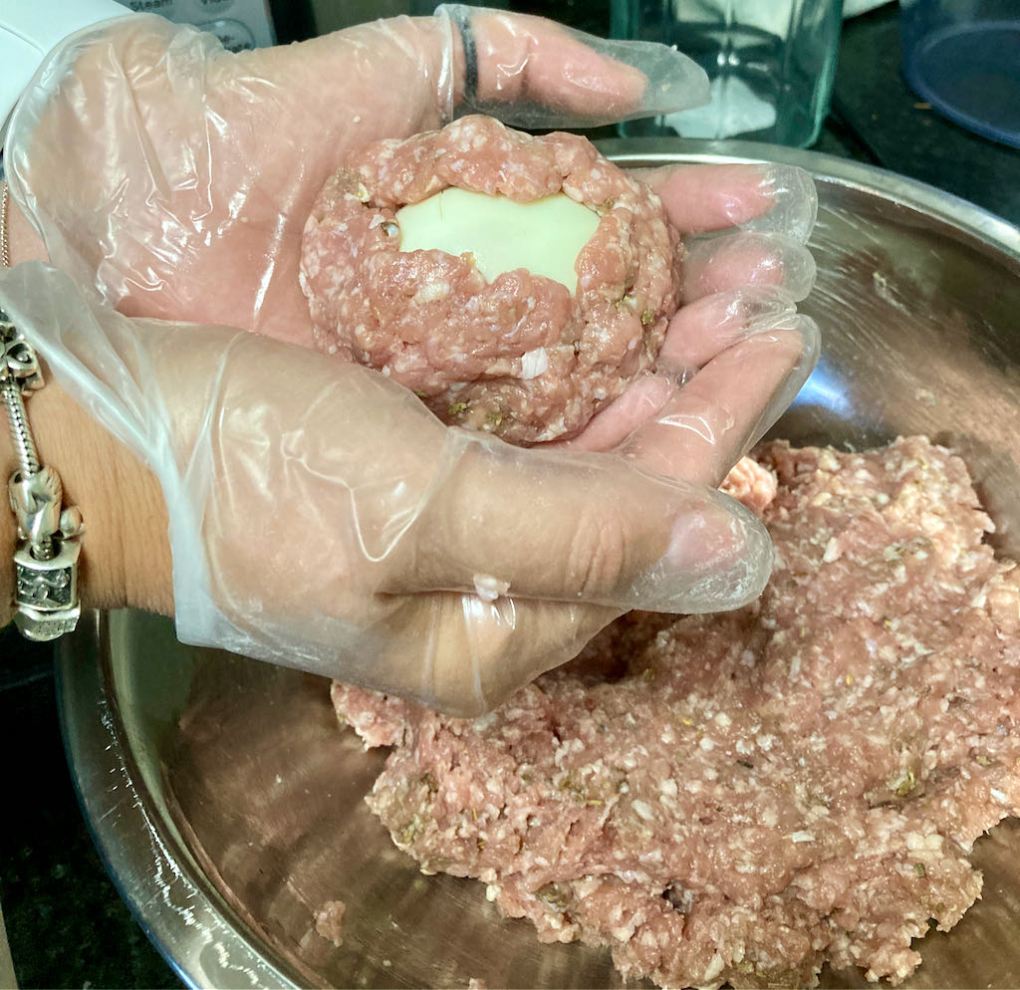
Mix all ingredients together in a large bowl until evenly mixed.
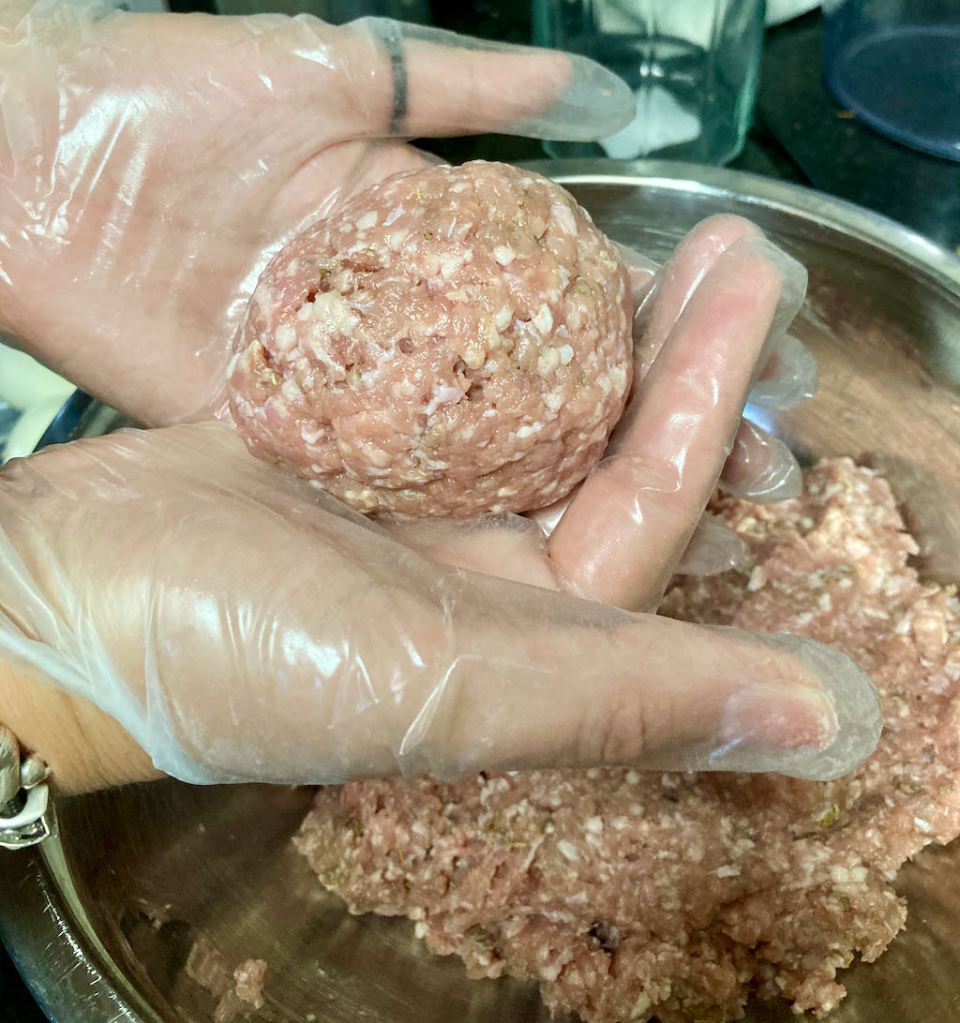
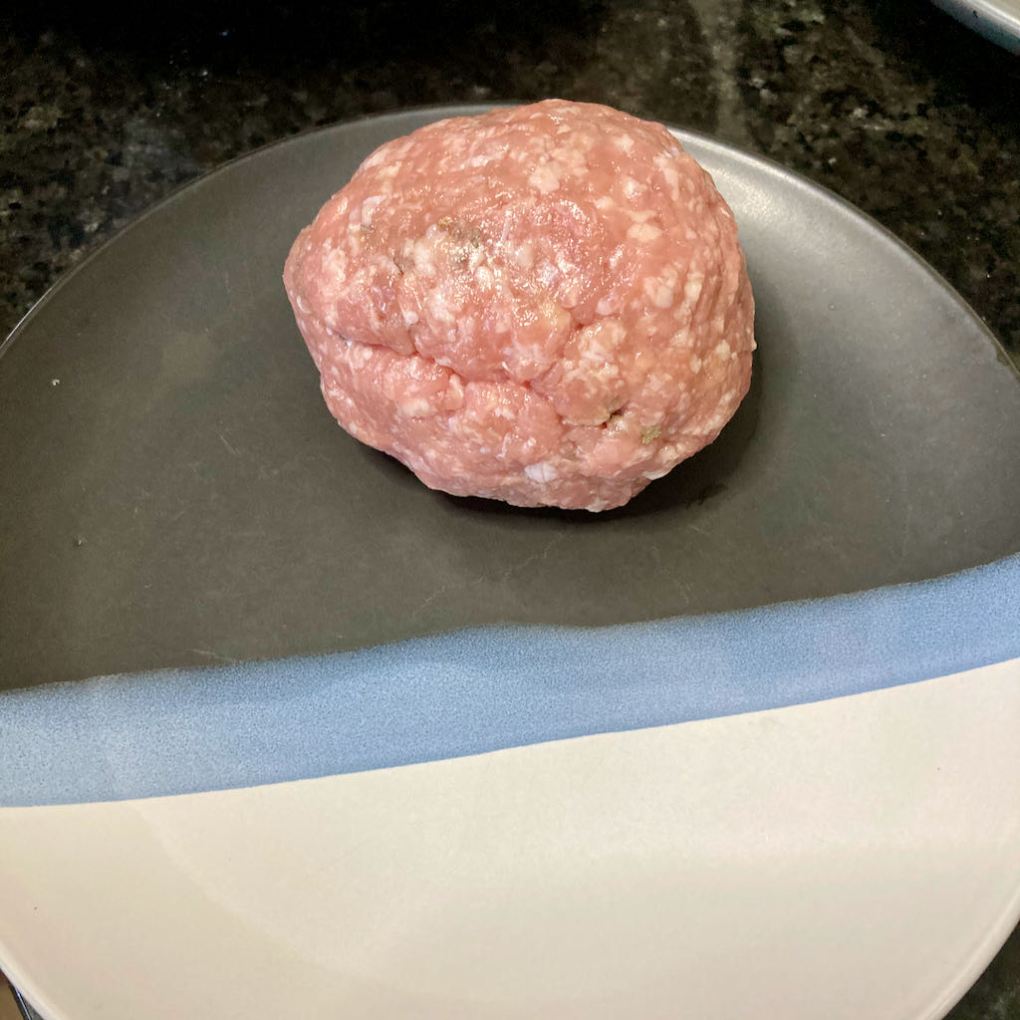
Roll the meat into small balls about the equivalent of one heaped teaspoon per ball.
Place the balls on a baking tray lined with baking paper or a silicone liner.
Bake in a preheated oven at 180 degrees C/ 350 degrees F for 30 minutes until the balls are golden all over.
Nutrition
Per Serving: 243 calories; 16 g fat; 5 g carbohydrates; 21 g protein
Equipment
Bowl
Baking tray
Baking paper or a silicone liner
Tongs
Measuring cups
Measuring spoons
Scales
Knife
Chopping board
Nutritional disclaimer
Nutrition information is provided as an estimate based on the ingredients used and available in my area (New Zealand). The nutritional information is here to help you understand the recipe; I use MyFitnessPal to generate my estimates. For more accurate nutritional information, please use a nutritional calculator with the ingredients in your area.
My partner in crime has to travel around a bit as part of his job. Usually, it’s a few trips a year and the odd day trip down to Hamilton thrown in to make life interesting. I don’t like it when he heads out of town, I kind of like having him around, so it sucks when he goes away. The exception to this is when he goes to Hamilton. Trips south of Auckland usually come with a pit stop at Pokeno bacon.
What is Pokeno bacon?
Pokeno Bacon is the place to go for the best sausages and bacon in New Zealand, hands down. Their products are made using fresh locally-sourced pork. This means you get the best quality product and they support the local community.
If you find yourself driving into Auckland from the south, you will come across the Mercer service station. Even if you don’t need fuel or a leg stretch you should stop off and head into the Pokeno Bacon Mercer cafe.
Pokeno Bacon’s pork products taste like childhood. You can taste the love and care in the bacon and sausages.
Not pig arseholes and sawdust
I try not to buy big brand sausages, after reading the ingredients and finding wood pulp in some I don’t trust them anymore. Pokeno Bacon’s sausages are different. Their sausages are made with pork and spices and believe me you can taste the difference. Jaime brings homes every time he makes a pit stop at Pokeno Bacon. I am a big fan of the Texan Chilli sausages and the Chorizo Sausages but love the Pork & Bacon Sausages. This recipe came about after Jay made a stop at Mercer. I wanted to make the most of the Pork & Bacon Sausages that Jay brought home along with some red peppers that I had roasted the day before. This salad is simple to make and can be made using hot or cold sausages so find some Pokeno Bacon sausages and give it a go.
Sausage and pepper salad recipe
Sausage and pepper salad ingredients
Ingredients
4 pork sausages, cooked and sliced
1 red pepper, roasted and sliced
1 clove garlic, minced
2 tsp fresh oregano, chopped
1 tbsp. balsamic vinegar
1 tbsp. extra virgin olive oil
salt & pepper
4 cup cos lettuce
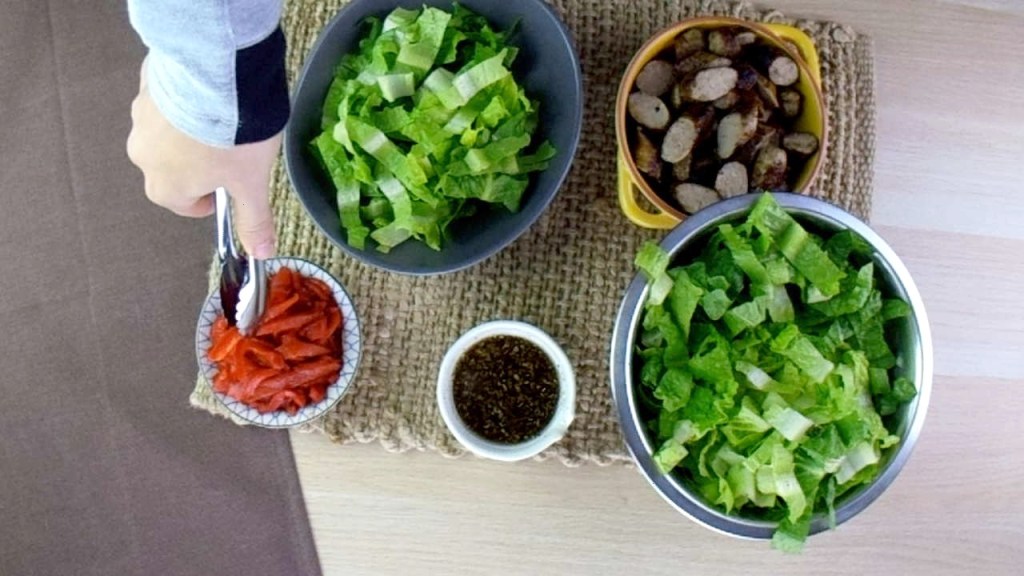
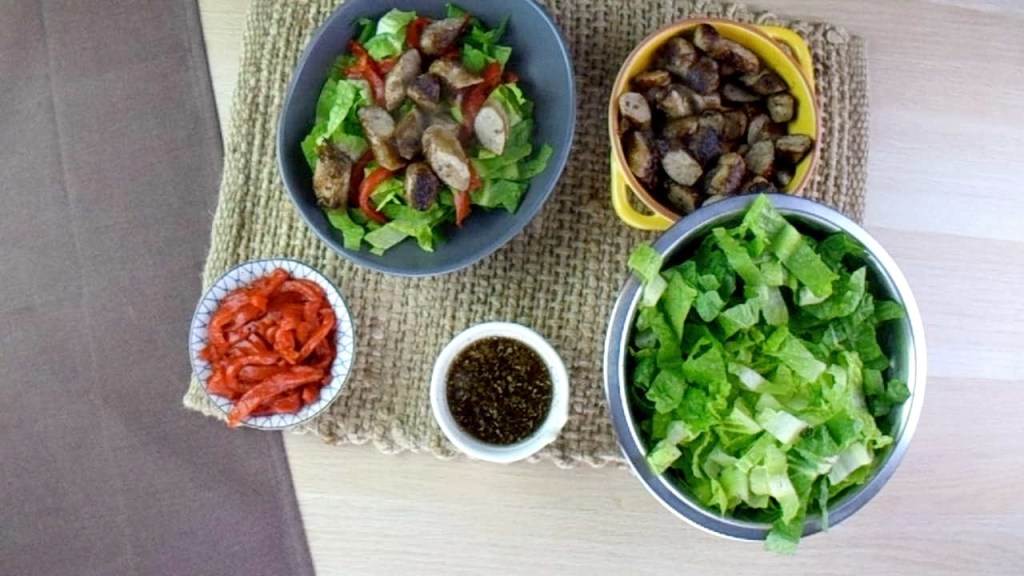
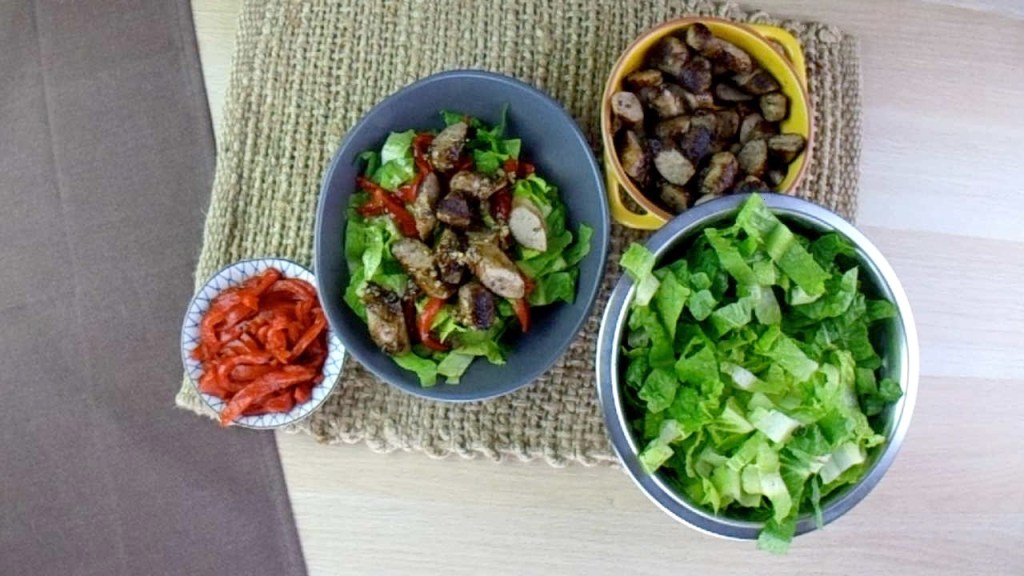
Mix together the ingredients for the dressingBuild the salad starting with the lettuce.Followed by the peppersAdd the sausages and dressingServe
A simple and tasty salad to make use of those tasty bangers
Credit: Cath @ easycleaneats
Ingredients
4 pork sausages, cooked and sliced
1 red pepper, roasted and sliced
1 garlic clove, minced
2 tsp. fresh oregano, chopped
1 tbsp. balsamic vinegar
1 tbsp. extra virgin olive oil
salt and pepper
4 cup cos lettuce
Directions
In a bowl whisk together the garlic, oregano, olive oil, balsamic vinegar, salt and pepper.
Build the salad on a plate, start with the cos, followed by the pepper slices, sausages and then drizzle the dressing over the top.
Nutrition
Per Serving: 345 calories; 26 g fat; 10 g carbohydrates; 17 g protein
Equipment
Knife
Chopping board
Bowl
Whisk
Plate/Salad bowl
Measuring spoons
Nutritional disclaimer
Nutrition information is provided as an estimate based on the ingredients used and available in my area (New Zealand). The nutritional information is here to help you understand the recipe; I use MyFitnessPal to generate my estimates. For more accurate nutritional information, please use a nutritional calculator with the ingredients in your area.
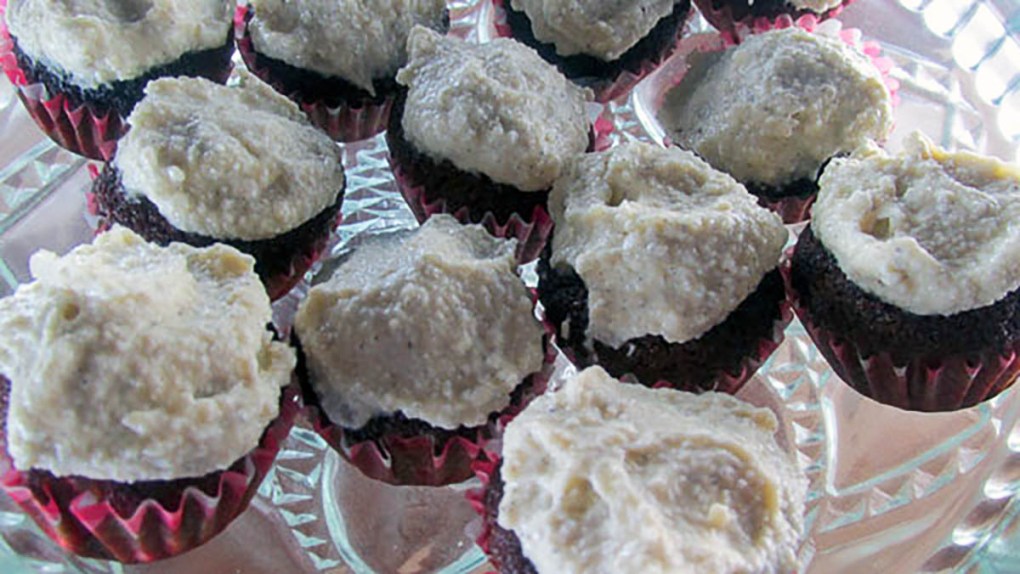
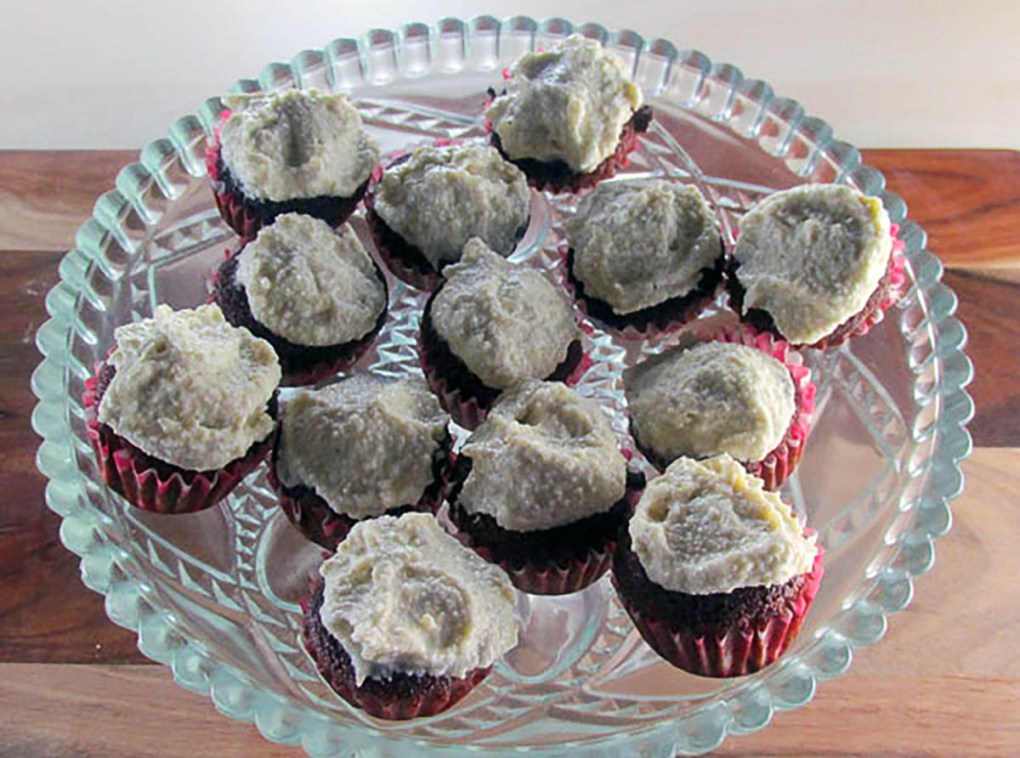
I realised recently that I don’t post a lot of sweet treats so thought I would give your something sweet this week. This is my grain-free vanilla cupcakes with sugar-free frosting. The cake mix is soft and airy which gives these cupcakes a real cake texture and taste without any sugar or grains.
Making it feel like real cake
I often find that making cakes taste like cakes when you aren’t using standard cake ingredients is difficult. The light and fluffy texture are not easy to achieve unless you know that eggs hold the key. It has taken me a while to get the technique right, but I think I have it. Egg whites whisked to stiff peaks that are folded into a cake batter make grain free cakes light, fluffy and airy. You would swear you were biting into a sponge cake.
Coconut flour
Jaime has come to a decision that he doesn’t like coconut flour; he doesn’t like cookies and cakes baked with coconut flour. I didn’t have the heart to tell him that the tray of cupcakes he ate in one afternoon was made from coconut flour, I didn’t want to ruin his afternoon. When you bake with coconut flour, it is a good idea to remember that not all coconut flour is made equally. Sometimes coconut flour can be very dry, it will soak up all the liquid in your recipe and leave you with something difficult to eat. When I bake cakes with a new bag or brand of coconut flour, I like to leave the batter to hang out for 10 minutes. This is to make sure that the flour doesn’t steal all the moisture in my cake. If the flour is super thirsty, you can add a little more liquid and save the cake before you bake.
The cake mix is soft and airy which gives these cupcakes a real cake texture and taste without any sugar or grains.
Credit: Cath @ easycleaneats
Ingredients
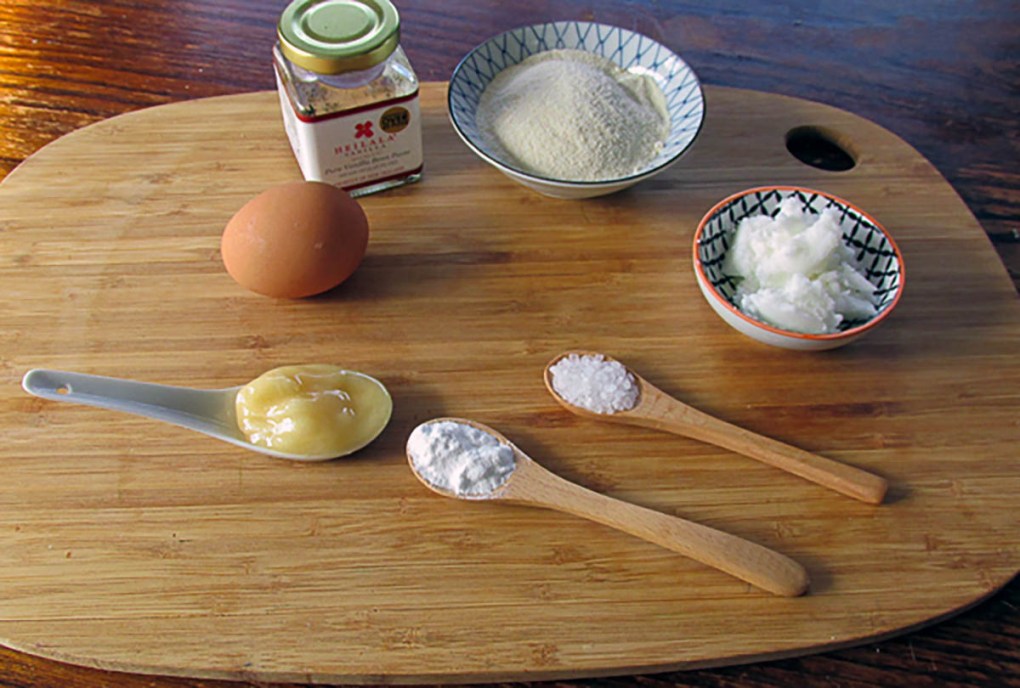
1/4 cup coconut flour
1/8 tsp. salt
1/8 tsp. baking soda
3 eggs
1/4 cup coconut oil
2 tbsp. honey
1 tbsp. vanilla bean paste
Directions
Instructions
Separate the egg whites and yolks.
Put the egg whites in a clean mixing bowl and whisk until they are stiff peaks.
Set the egg whites to one side
Put the remaining ingredients into a food processor and blend together to create a smooth batter.
Gently fold the egg whites into the batter.
Line a 12- cup muffin pan with cupcake wrappers, the number of cakes you get will depend on how large your cake pan is
Pour the batter into the cupcake wrappers, don’t overfill the cupcake wrappersPour the batter into the cupcake wrappers, don’t overfill the cupcake wrappers
Bake at 180 degrees C/ 350 degrees F for 20 minutes
Allow the cakes to cool completely before icing
Nutrition
Per Serving: 80 calories; 6 g fat; 5 g carbohydrates; 2 g protein
Equipment
Whisk
Bowl
Food processor
Muffin tin
Cupcake wrappers
Measuring cups
Measuring spoons
Nutritional disclaimer
Nutrition information is provided as an estimate based on the ingredients used and available in my area (New Zealand). The nutritional information is here to help you understand the recipe; I use MyFitnessPal to generate my estimates. For more accurate nutritional information, please use a nutritional calculator with the ingredients in your area.
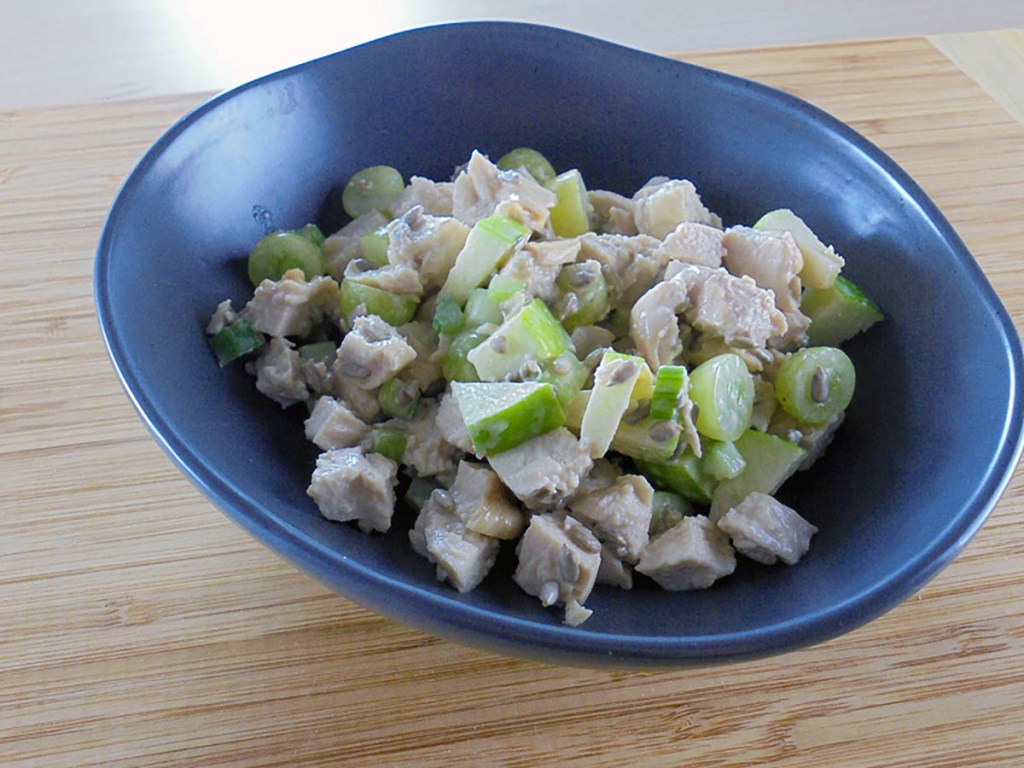
It is a summer of salads!! The warm months mean lots of fresh veggies and endless possibilities for salad. Anyone that knows me knows I could eat salad for every meal, I love them, lots. Most of the time I stick with the simple mixture of protein, lettuce leaves, crunchy veg and a simple dressing. On occasion, I like to make something a little fancier.
Classic Waldorf salad
The original version of the Waldorf salad was made with apples, celery and mayonnaise. Later on, chopped walnuts were added to the dish and became integral. Every time I have seen Waldorf on a menu, it had walnuts included, thanks to my stupid nut allergy I have never had the pleasure of enjoying the salad. Until now.
Switch it up
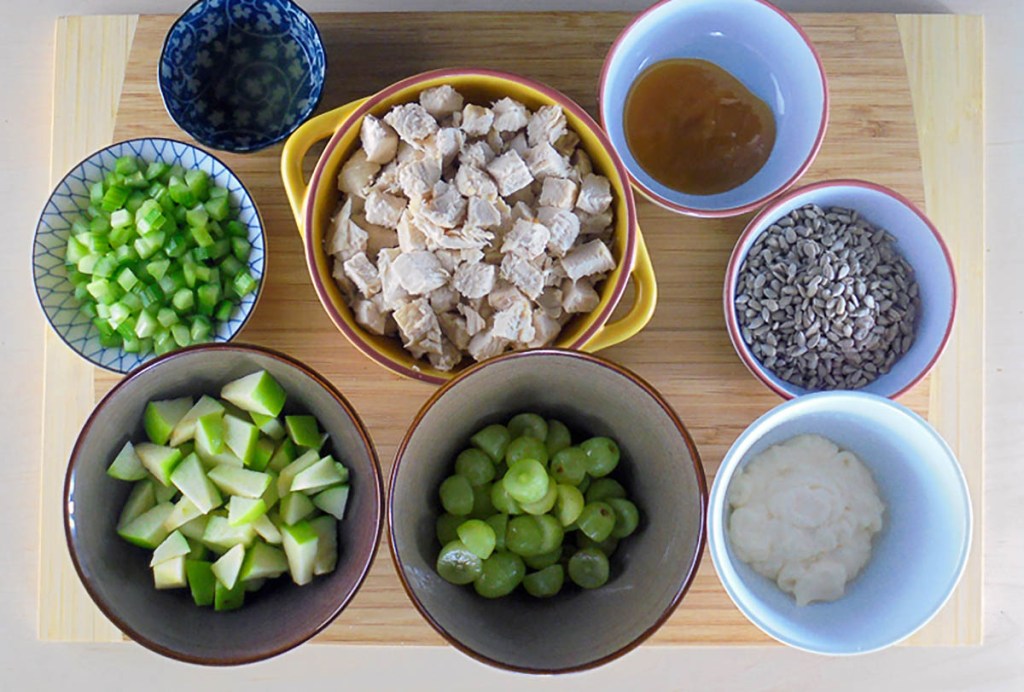
Regular visitors here will know I can’t leave things alone, I have to mess around with recipes and switch out ingredients. The Waldorf salad was a prime candidate for me to mess with. First up was an alternative to walnuts. As with many recipes, I find that switching out nuts with sunflower seeds, this means you get all the crunch with no risk of death. Next up was bumping up the protein. Generally speaking, I have a high protein diet so having meat as part of my salad is essential. In this instance, I went with some cooked and cooled chicken.
Meal prep winner
This salad is one of my favourites for mixing up a big batch and portioning out for meals for the week. I like to make a double batch of the salad and keep it in the fridge ready for lunches, snacks and easy dinners when it is too hot to make a meal.
In a bowl, combine chicken, apple, celery, and seeds.
In a bowl, combine the mayonnaise, lime juice, and honey.
Season to taste.
Spoon dressing over chicken salad and toss to coat.
Nutrition
Per Serving: 262 calories; 10.6 g fat; 9.4 g carbohydrates; 11.4 g protein
Equipment
Large mixing bowl
Small mixing bowl
Whisk
Spoon
Measuring cups
Measuring spoons
Nutritional disclaimer
Nutrition information is provided as an estimate based on the ingredients used and available in my area (New Zealand). The nutritional information is here to help you understand the recipe; I use MyFitnessPal to generate my estimates. For more accurate nutritional information, please use a nutritional calculator with the ingredients in your area.
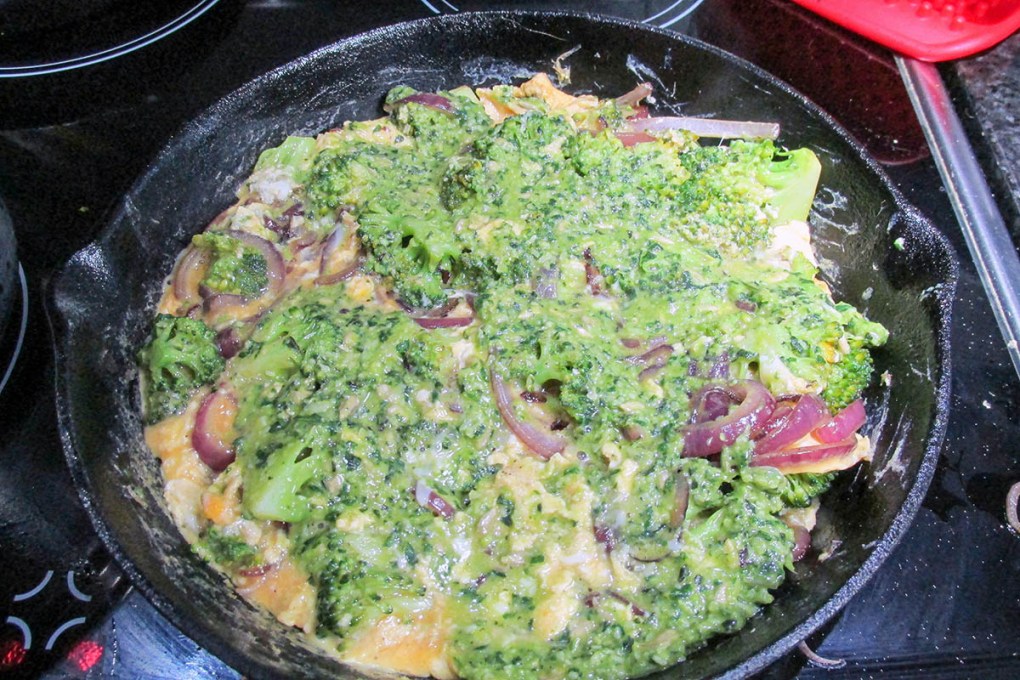
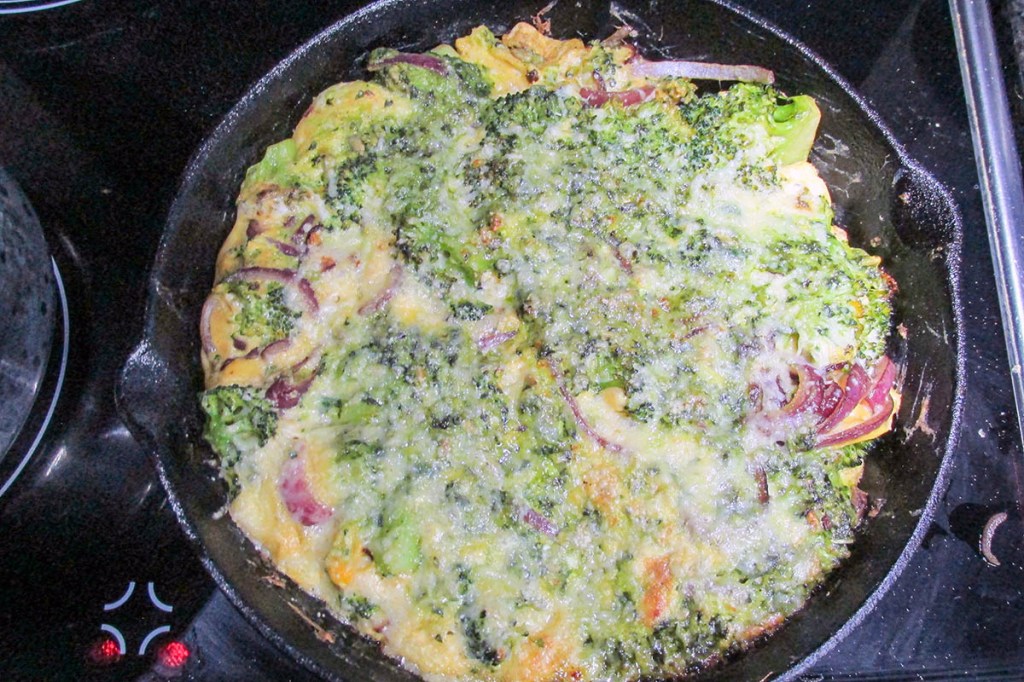
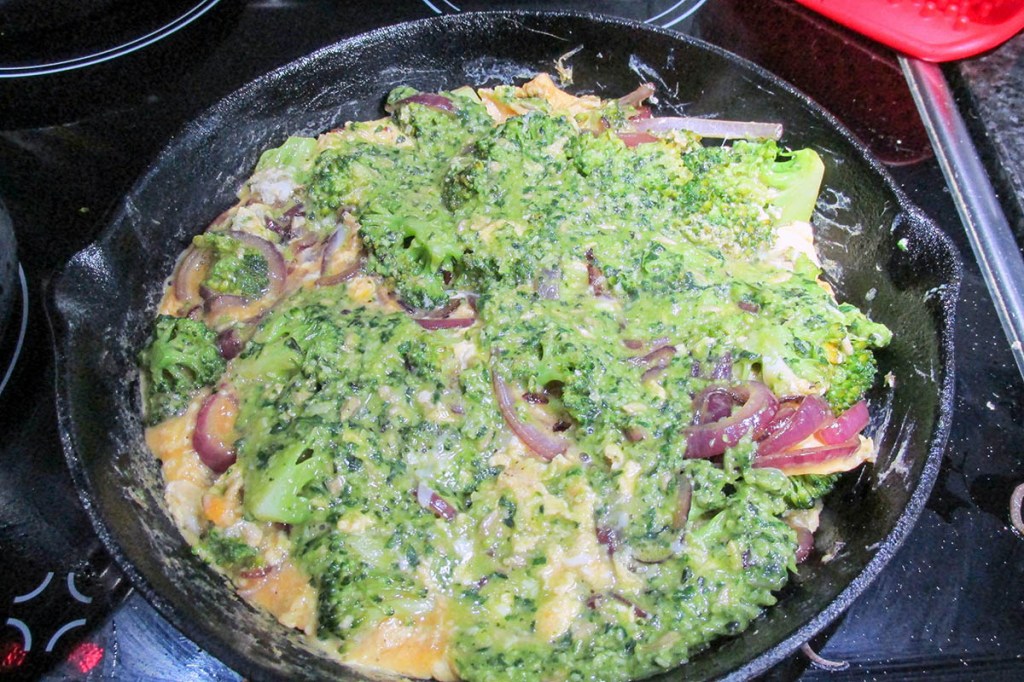
It is hot and sticky here in Auckland, the last thing I want to be doing in spending hours over a hot stove. This week’s recipe comes from the I don’t want to be in a hot kitchen collection but still want a home-cooked meal. This Broccoli Pesto Frittata is a quick and easy recipe that takes minutes to prepare and can be served hot or cold.
Broccoli pesto frittata
Leftovers are welcome
My fridge is a mish-mash of food at the minute, there are about four kinds of cheese, a range of cut meats, jars of sauces and cooked vegetables. Post-Christmas and New Year meals are generally an effort to empty the fridge as fast as possible. With three hungry mouths to feed I had a quick rummage around the fridge and cupboards. I had a stash of nut-free pesto and steamed broccoli in the fridge this week which was the inspiration for this recipe.
This quick and easy frittata is a great way to use up late leftover pesto
Credit: Cath @ easycleaneats
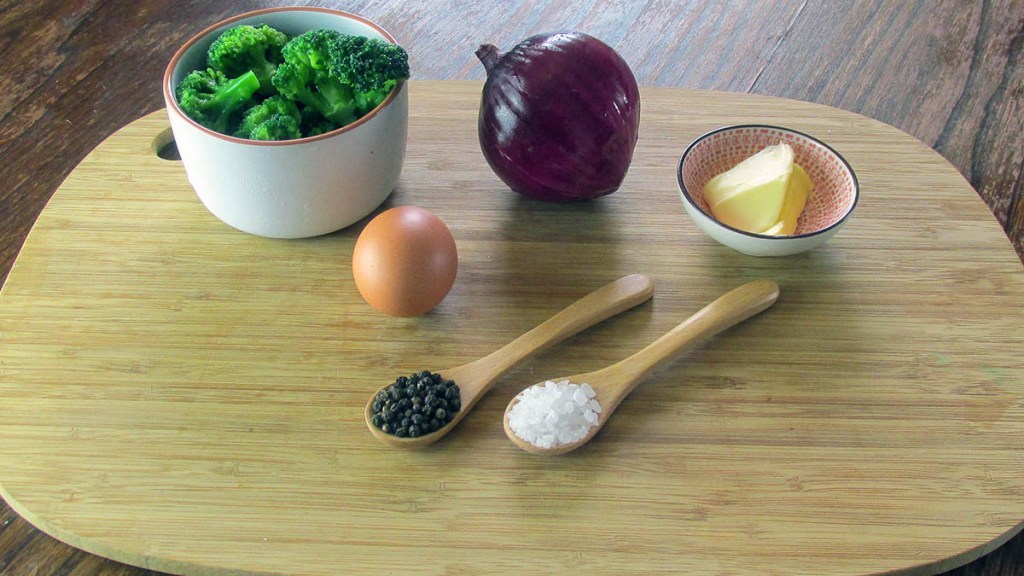
Ingredients
3 tbsp. nut free Pesto
2 tsp. butter
1 red onion, chopped
4 cups broccoli, steamed and roughly chopped
8 eggs
Directions
1. Preheat the oven to 190 degrees C/375 degrees F.
2. In an oven-safe pan or cast-iron skillet, heat the butter over medium heat.
3. Add the onion to the pan and cook for 10 minutes or until the onion is soft.
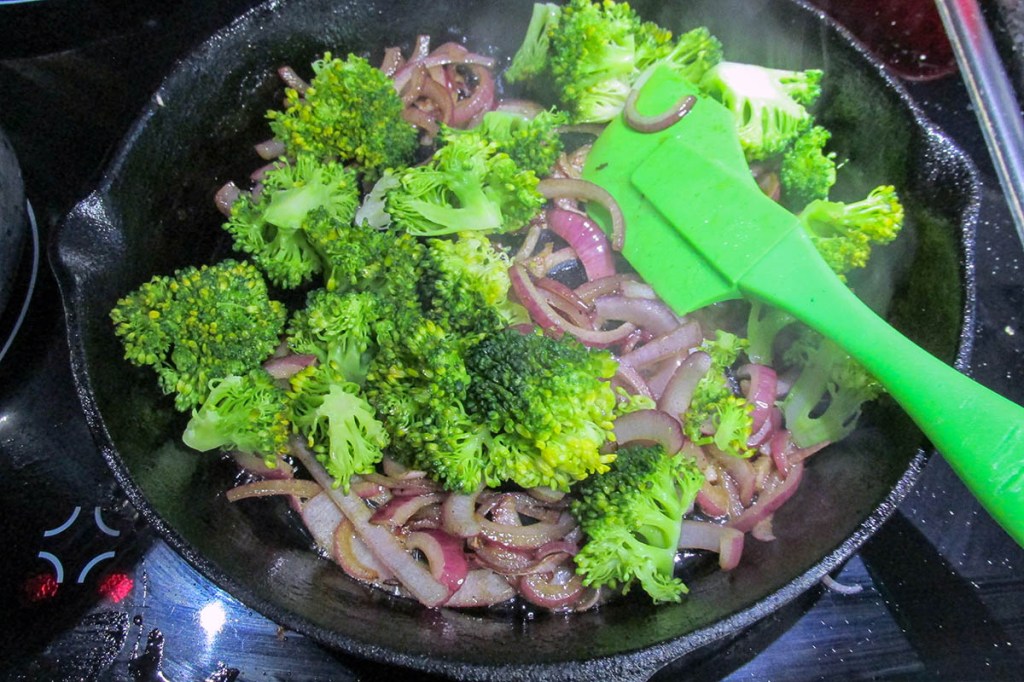
4. Add the broccoli to the onions and mix.
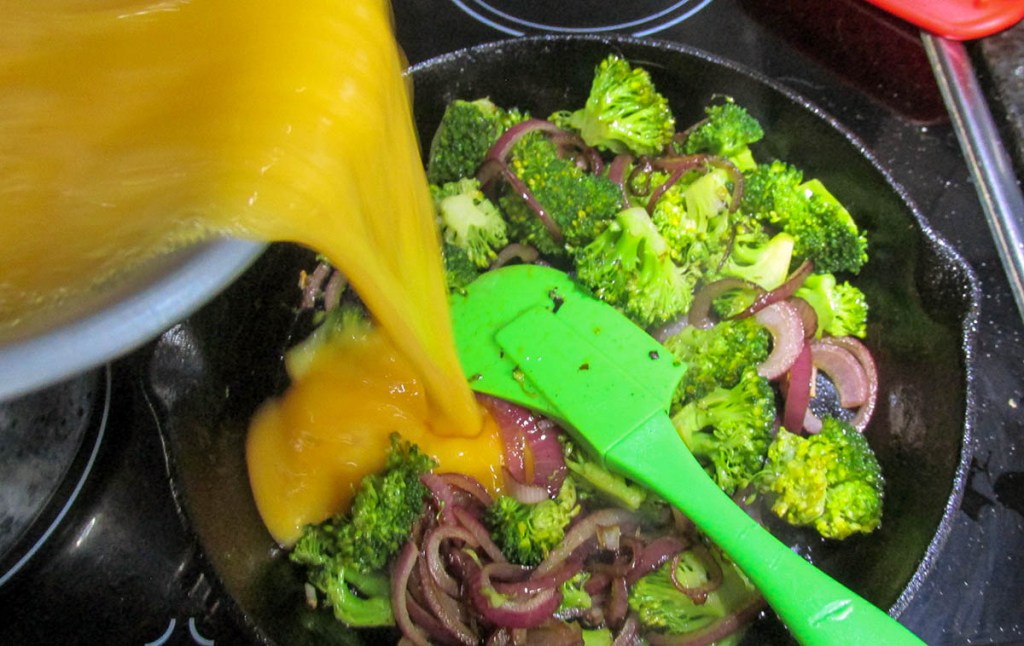
5. Beat 4 of the eggs and add them to the pan.
6. Spread the 3 tablespoons of pesto on top of the eggs.
7. Beat the remaining eggs and pour them over the pesto.
8. Put the pan into the oven and bake for 20 minutes or until the eggs are browned on top.
9. Remove the pan from the oven and let the frittata cool for 10 minutes before slicing and serving.
recipe-directions]
Nutrition
Per Serving: 128 calories; 9 g fat; 5 g carbohydrates; 8 g protein
Equipment
Cast-iron
Knife
Chopping board
Spatula
Spoon
Measuring cups
Measuring spoons
Mixing bowl
Whisk
Nutritional disclaimer
Nutrition information is provided as an estimate based on the ingredients used and available in my area (New Zealand). The nutritional information is here to help you understand the recipe; I use MyFitnessPal to generate my estimates. For more accurate nutritional information, please use a nutritional calculator with the ingredients in your area.
I don’t profess to know the origins of Kombucha, there any many theories about who came up with it. To be honest, I don’t mind who invented it, I’m just interested in the benefits it offers.
So you may be asking yourself, what is Kombucha?
The basic answer is Kombucha is fermented tea, don’t worry; it is not as gross as it sounds.
Kombucha
Here is the bro science explanation.
To make kombucha, you need sweetened black or green tea and a SCOBY. SCOBY short for symbiotic ‘colony’ of bacteria and yeast, is a jellyfish looking thing that you put in the tea. The bacteria and yeast munch on the sugar in the tea which causes the fermentation of the tea. It’s similar to making beer but with better health benefits. The sugar in the tea is there only to feed the SCOBY. Some commercial brands of Kombucha are high in sugar; this is usually to mask the sour taste of the finished Kombucha.
Many people claim Kombucha is a cure-all. I don’t really buy into these claims, what I do buy into is that Kombucha is full of probiotics and these are great for you.
Probiotics
We all know that antibiotics are important when you have an infection. They don’t just wipe out the bacteria that cause infections, they wipe out all of the good bacteria in your gut. We all have good bacteria in our gut, and it’s crucial for a healthy immune system.
I have to say that Kombucha has done wonders for the immune systems in our house, even the kids slam down a glass.
I will be honest, Kombucha is an acquired taste, but it’s a taste worth acquiring. It’s tart and fizzy, once you get past the smell which is far stronger than the taste you will be sold on it.
One major drawback of Kombucha is the cost when buying it; a litre can set you back as much as $15. If everyone in the family grabs a glass daily it quickly becomes very expensive.
Make your own
There is a much cheaper way to have kombucha, and that is by brewing your own, don’t worry it is not as complicated as you might think. The key to brewing your own is a good SCOBY and a starter. (you can get one here)
Equipment needed is minimal.
A saucepan or stock pot
A jar large enough to hold the kombucha
Cheesecloth or clean tea towel
Rubber bands
That’s it
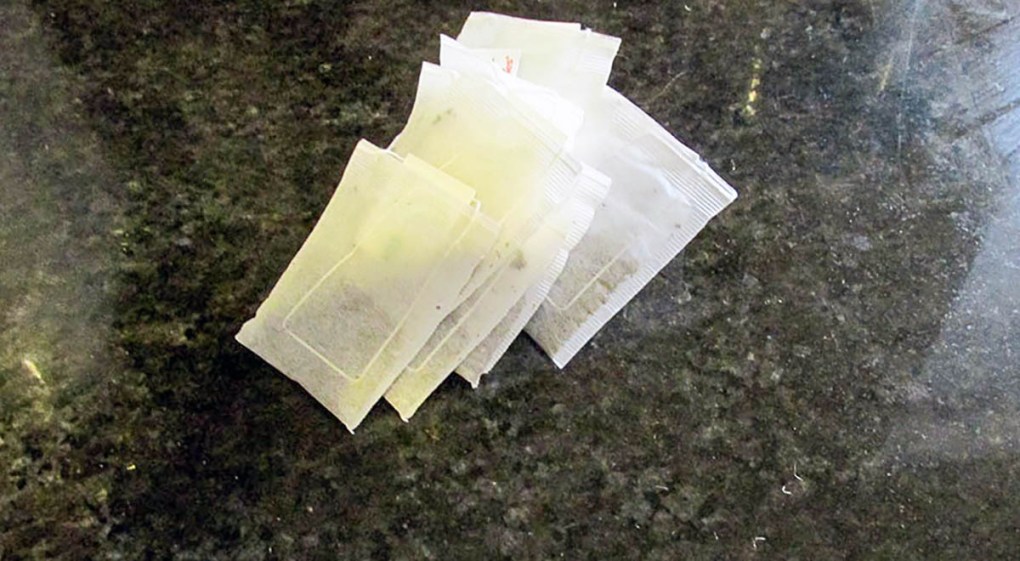
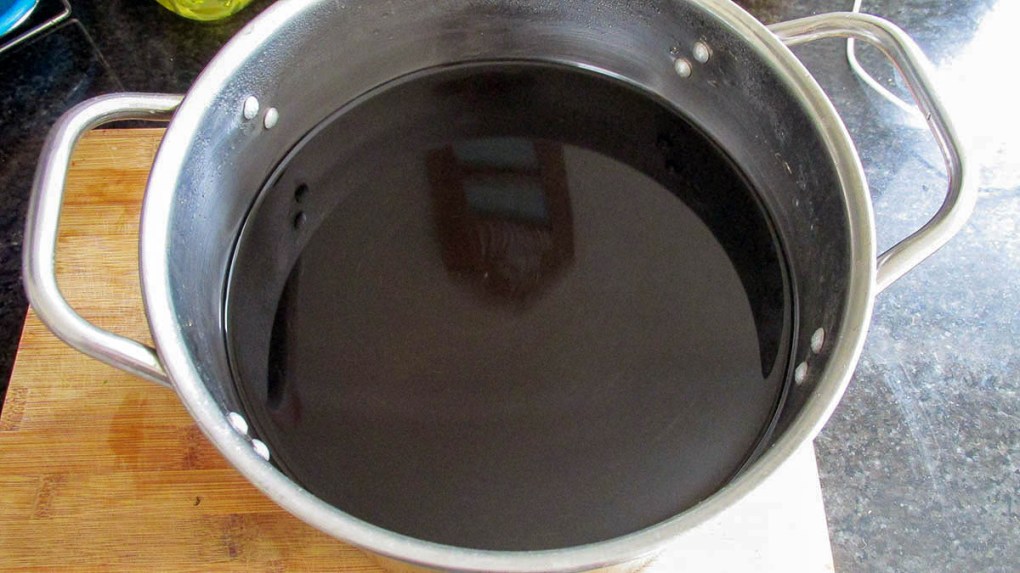
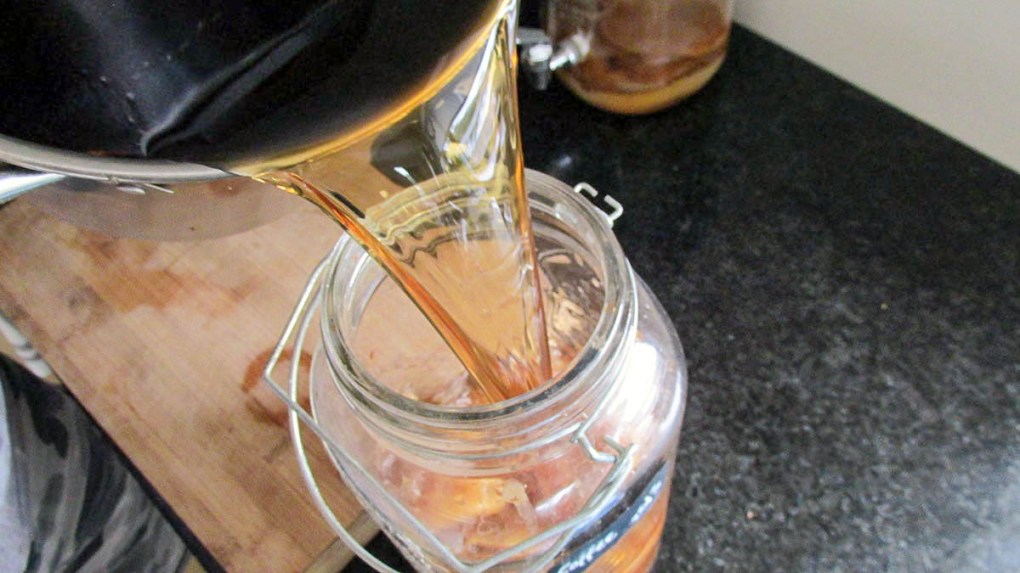
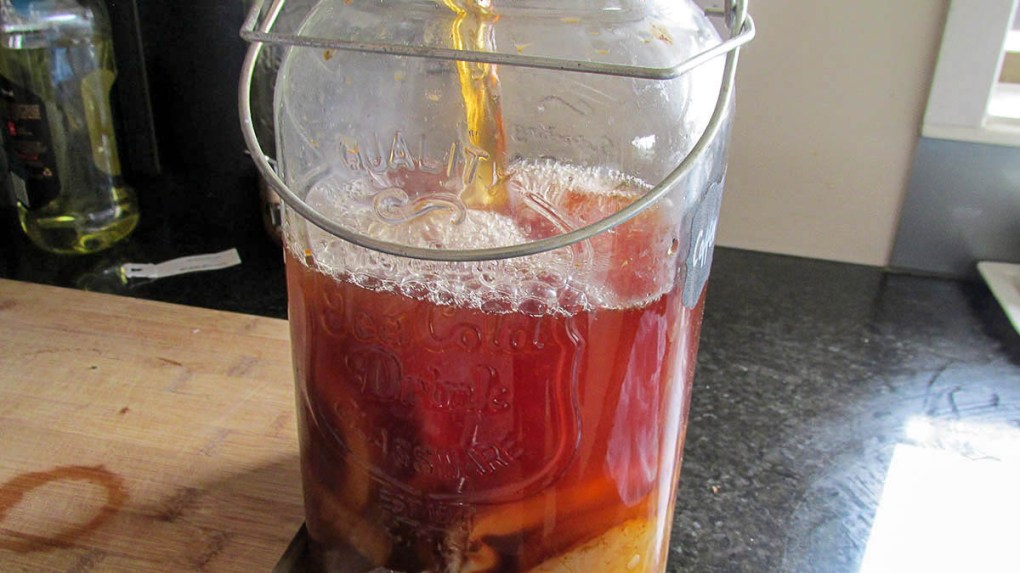
In a large stock pot bring 2-4 litres of water to the boil.2 litres use 4-6 tea bags or 4 litres use 8-12 tea bagsWhen the sugar has dissolved add in your tea bagsWhen the tea bags have been added leave the tea to cool to room temperatureWhen the tea is at room temperature pour it into a jar or containerWhen the tea is at room temperature pour it into a jar or containerAdd the scoby to the jar with approximately 250ml of the kombucha starter.Cover the top of the jar with a clean cloth and secure the cloth with some string or an elastic band.Cover the top of the jar with a clean cloth and secure the cloth with some string or an elastic band.New scabby on the kombucha brewKombucha ready to bottle
So here is what to do.
How to make kombucha
The brew
In a large stock pot bring 2-4 litres of water to the boil.
When the water is at a rolling boil turn off the heat and stir in 1/2 1 cup of white sugar.
If you want sweet kombucha use 1 cup per 2 litres, for less sweet kombucha add 1/2 cup per 2 litres.
When the sugar has dissolved add in your tea bags
2 litres use 4-6 tea bags
4 litres use 8-12 tea bags
You can use plain black tea or a mixture of black and green tea bags.
When the tea bags have been added leave the tea to cool to room temperature (I usually leave the tea overnight to cool in the stock pot with the lid on).
The ferment
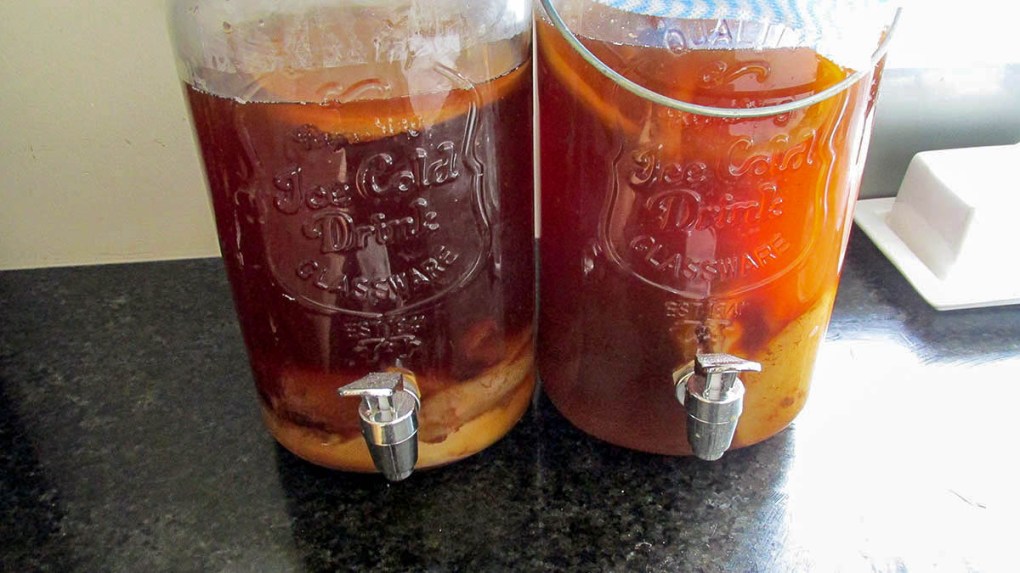
When the tea is at room temperature pour it into a jar or container, I recommend using a large glass jar with a tap on it (like the one below).
Add the scoby to the jar with approximately 250ml of the kombucha starter.
Be warned every scoby has a mind of its own, some float, some sink, some sit sideways. You will grow a new scoby every time you brew and that will have a mind of its own as well.
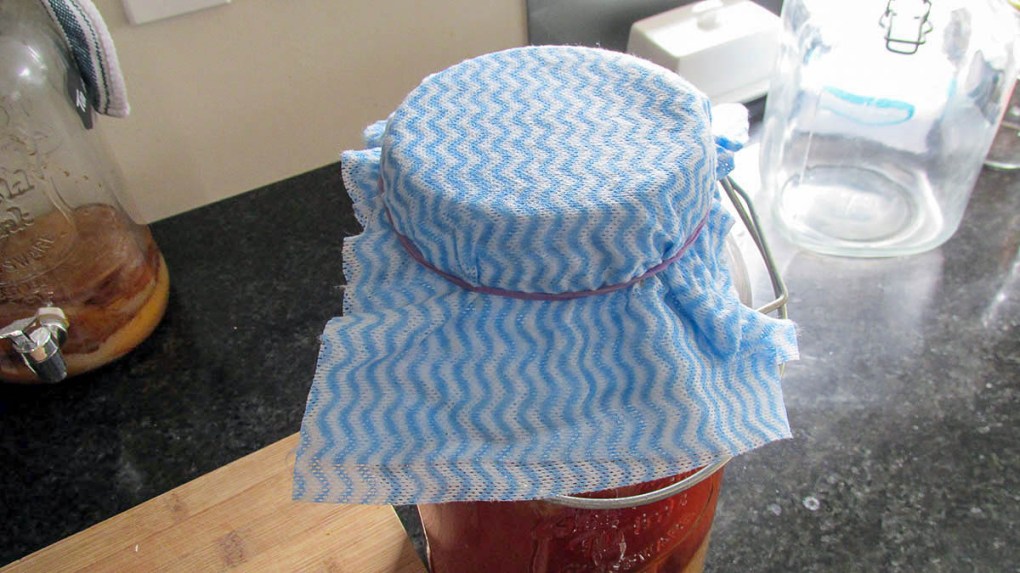
Cover the top of the jar with a clean cloth and secure the cloth with some string or an elastic band.
Put the jar is a warm place but away from direct sunlight.
Leave the tea for about a week how long it takes to brew will depend on how warm your house is.
A good indicator that your tea is close to ready is that you have a new scoby forming on the top of the tea. The new scoby will look like patches of jelly to start, then it will look like a film on the top of your tea, then it will look like a skinny version of your scoby. At this point you can start to taste the tea.
When you get the tang you want it is ready to bottle, put it in a sterilised bottle and store it in the fridge.
Make sure you save 250ml as a starter for your next batch and make sure you leave some liquid for the scoby to live in. The scoby will use the liquid to get bigger even when you are not brewing kombucha, check on it regularly to make sure it does not dry out.
Carbonation
If you want a fizzy kombucha you can carbonate it.
If you do want to carbonate you will need to use a plastic bottle to make it easier to check the carbonation level.
Fill the bottles as much as possible, when filled, seal the bottles and put them out of direct sunlight at room temperature. It will take a few days for carbonation to get started.
Don’t carbonate your kombucha unless you are home to check them twice a day they will explode and make your house smell funky.
When you use a plastic bottle it is easy to check for carbonation, check the bottle twice a day, when the bottle becomes hard it is carbonated.
As soon as the kombucha is carbonated put all of the bottles in the fridge.
The bigger your scoby gets the more natural carbonation you will get without having to do the additional step.