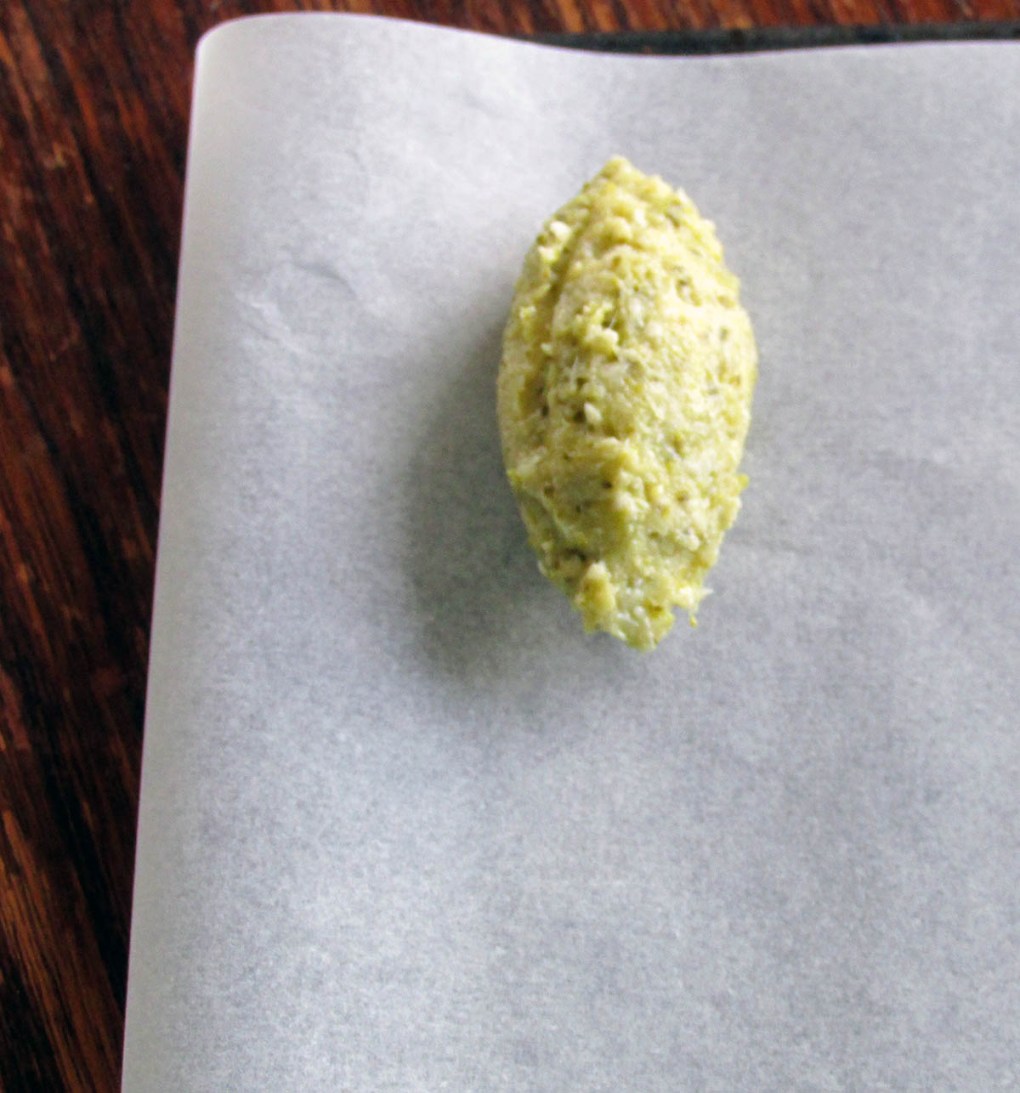
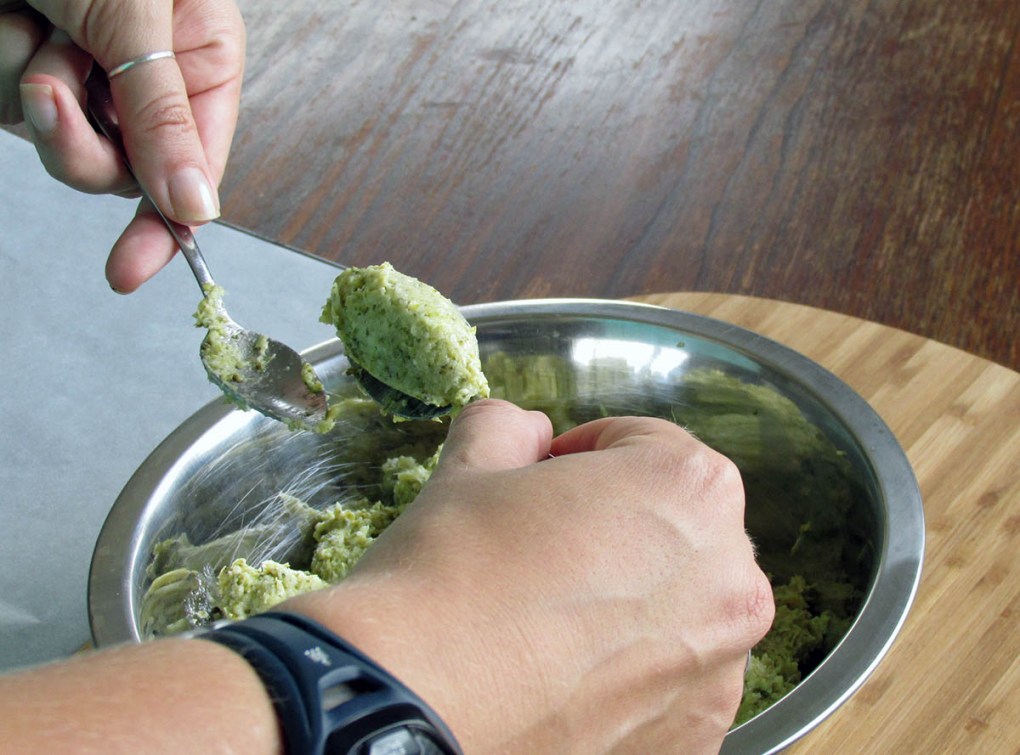
Quenelle- The term is also used to describe the beautiful shape of the portions a neat, three-sided oval (resembling a mini rugby ball) that is formed by gently smoothing the mixture between two dessert spoons. A quenelle shape can also be formed from other foods such as chocolate mousse.
Simple steps to create a Quenelle
Follow the simple steps below to create a perfect Quenelle
Simple oval
Take a tablespoon and scoop a heaped spoon portion of the mixture.
Roll the mixture into an oval using your hands.
If the mixture sticks to your hands, you can use a little water to help.
Quenelle
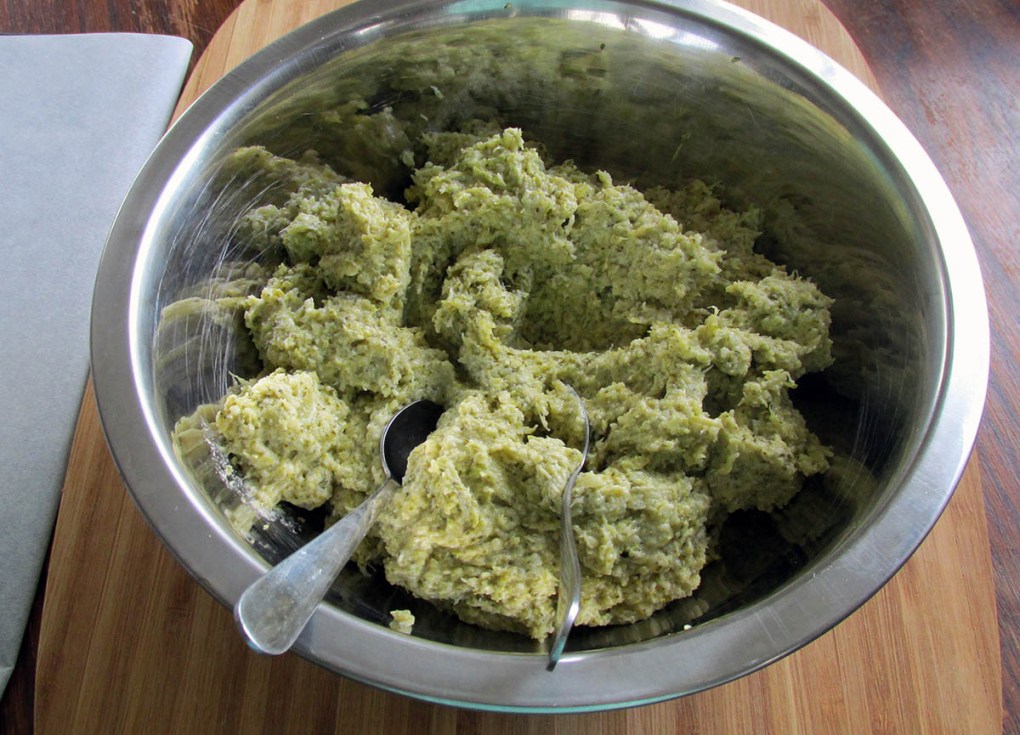
Take two teaspoons.
Take two teaspoons.
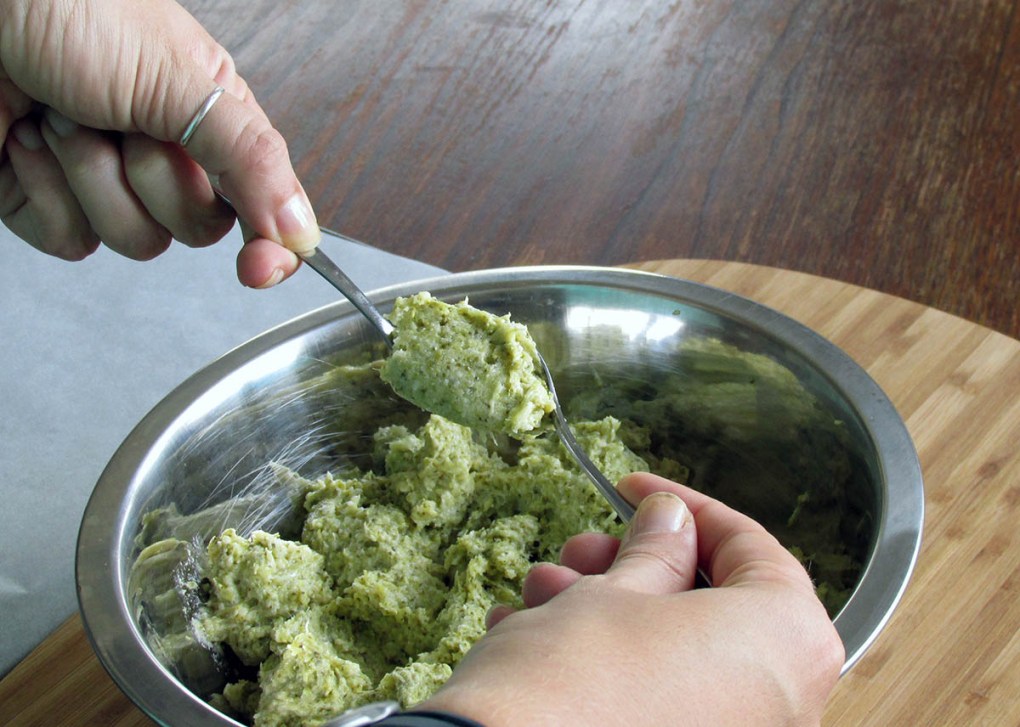
With one of the teaspoons scoop up a heaping portion of the mixture.
With one of the teaspoons scoop up a heaping portion of the mixture.
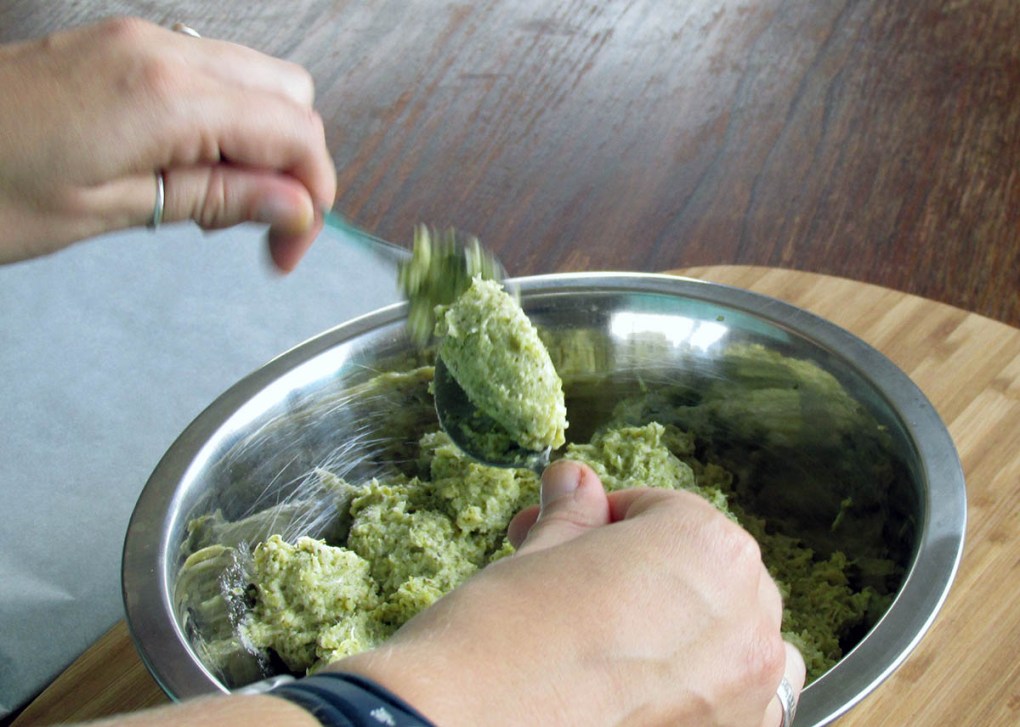
Taking the second spoon, push the portion off the first spoon.
Taking the second spoon, push the portion off the first spoon.
Repeat the transfer of the portion from one spoon to the other gently smoothing the mixture into an oval shape.
Repeat the transfer of the portion from one spoon to the other gently smoothing the mixture into an oval shape.Quenelle
Take two teaspoons.
With one of the teaspoons scoop up a heaping portion of the mixture.
Taking the second spoon, push the portion off the first spoon.
Repeat the transfer of the portion from one spoon to the other gently smoothing the mixture into an oval shape.
Here is another quick, easy and practical post to add to your kitchen skill toolbox.
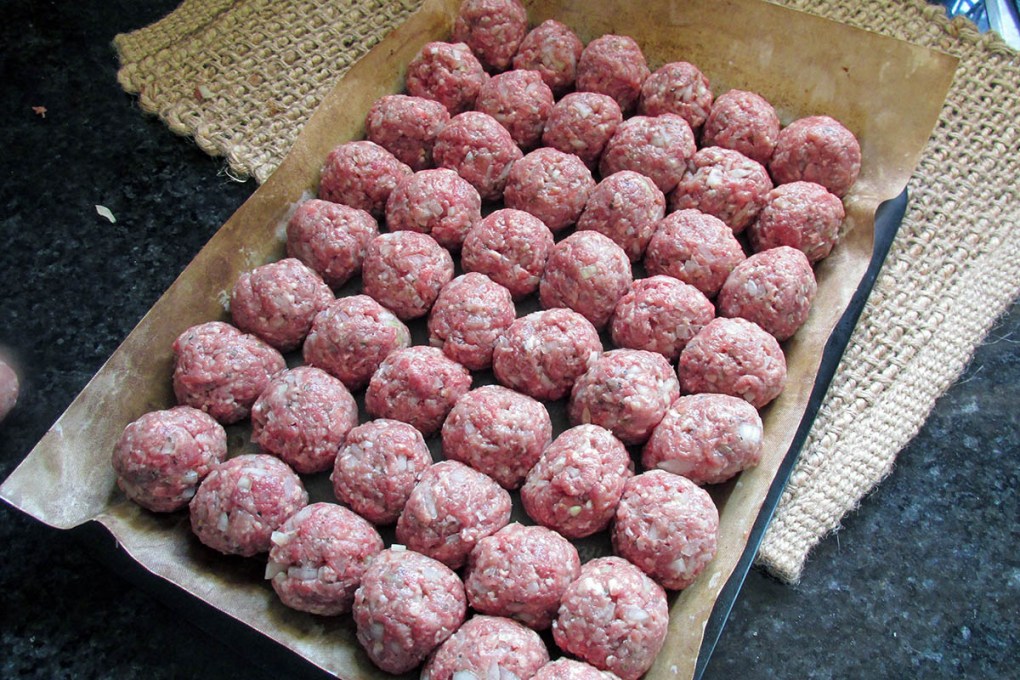
Meatballs are an easy weeknight option, they are easy to make, and each one can be made into a little flavour bomb.
Making meatballs is easy, a little messy but easy. You can follow these key steps to make tender meatballs every time no matter what flavours you put in the mix. Remember that meatballs are comfort food, so it is ok to keep it simple.
Homemade meatballs
Picking the right meat
The most important thing about your meatballs is the meat (obviously). It doesn’t matter what meat you want to use for your meatballs, what is important is fat. The fat content of the meat is what will give you tender meatballs; if you use lean meat make sure you keep an eye on the meatballs while they cook. Without fat, you get dry, chewy meatballs.
Remember that you can mix and match your meat.
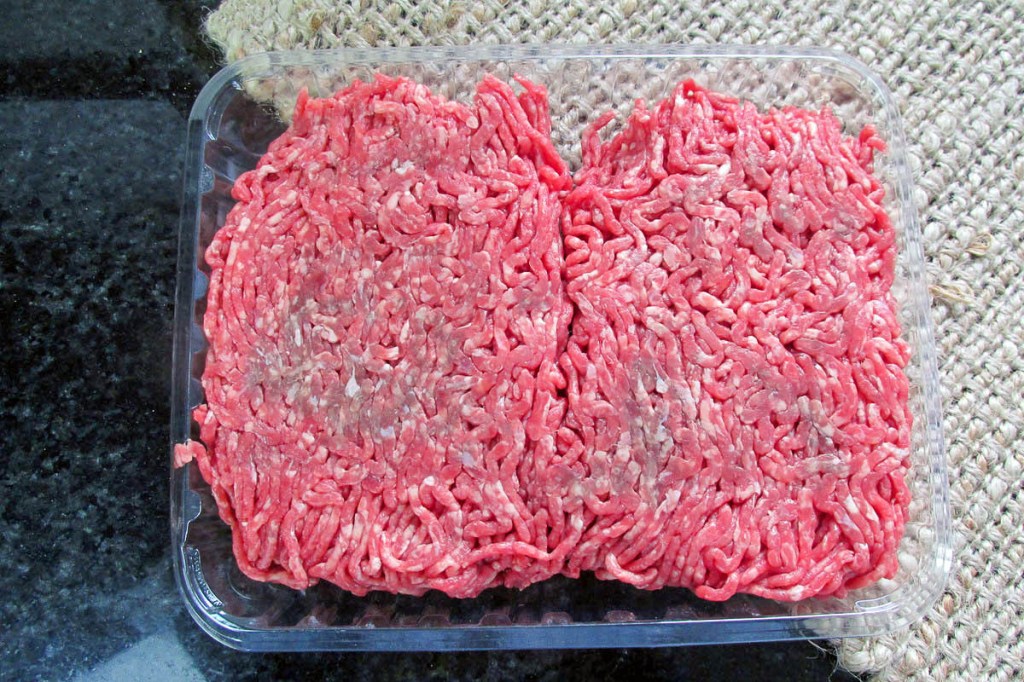
Beef mince
Do you need to bind it?
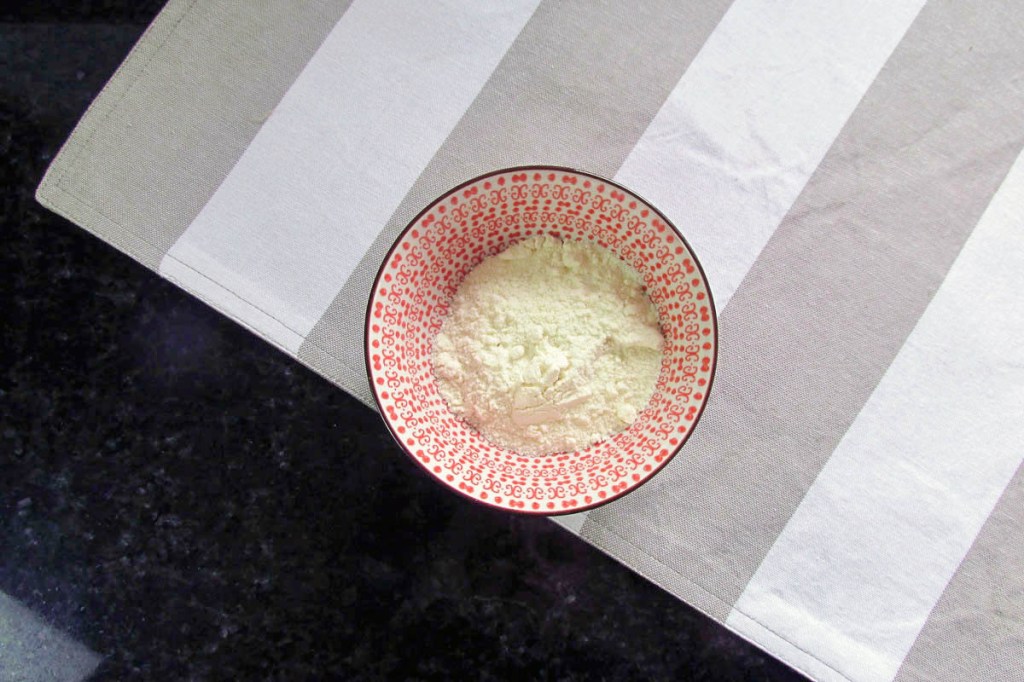
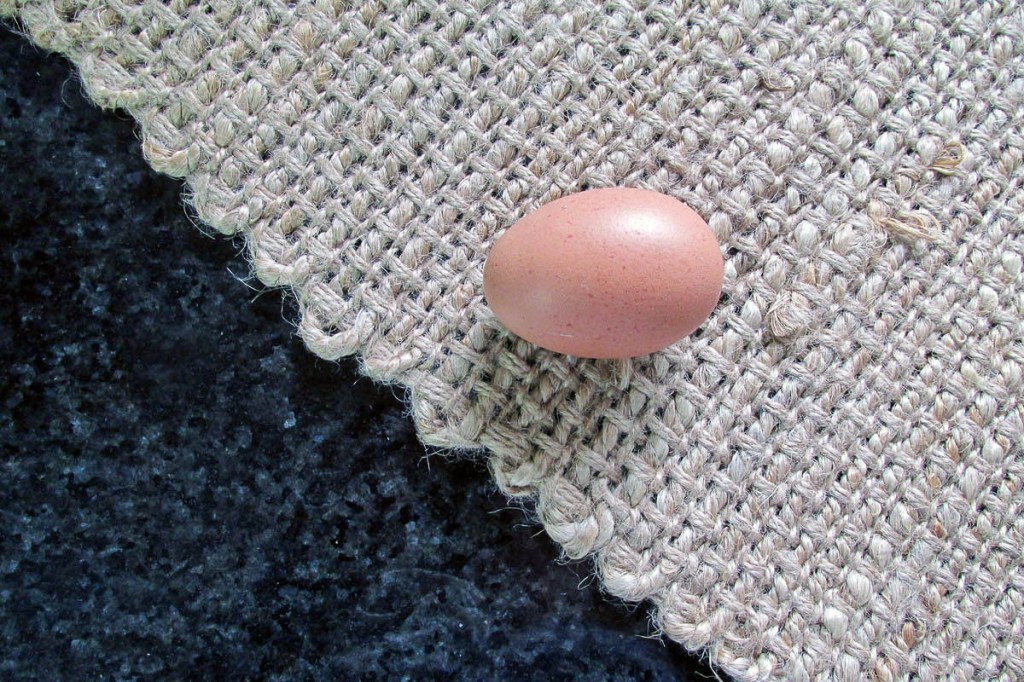
Traditionally people add eggs and breadcrumbs to meatballs; I have never actually seen the need to add a binder to meatballs. Depending on what meat you use will generally dictate if you need to add anything to keep the meatballs together. I often find that sticker meats (sausage meat, chicken mince, or turkey) benefit from having something added to keep in some of the moisture. If you are looking to add a binder, look at adding coconut flour and egg. Just remember a little coconut flour goes a long way.
Coconut flourEgg
Don’t handle the meat too much
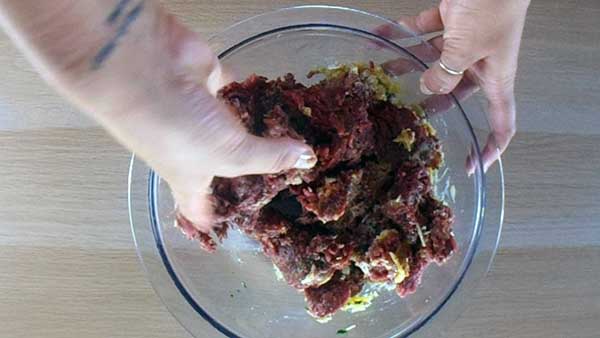
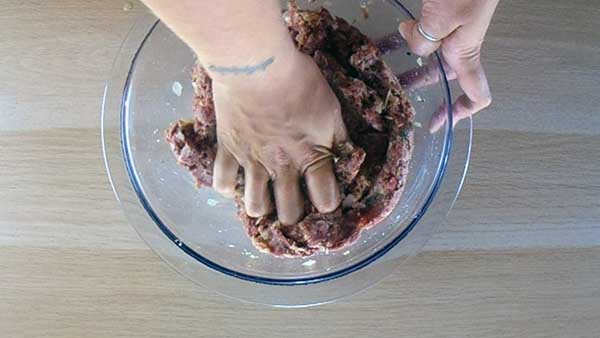
Another key thing to remember is not to overwork the meat. You want to work the meat as little as possible. The best tool you have for mixing ingredients in your hands, and this makes it easier to feel when everything is combined well. I know that working meat with your hands can feel a little gross, but your hands are the best tools for mixing and rolling.
Making meatballs
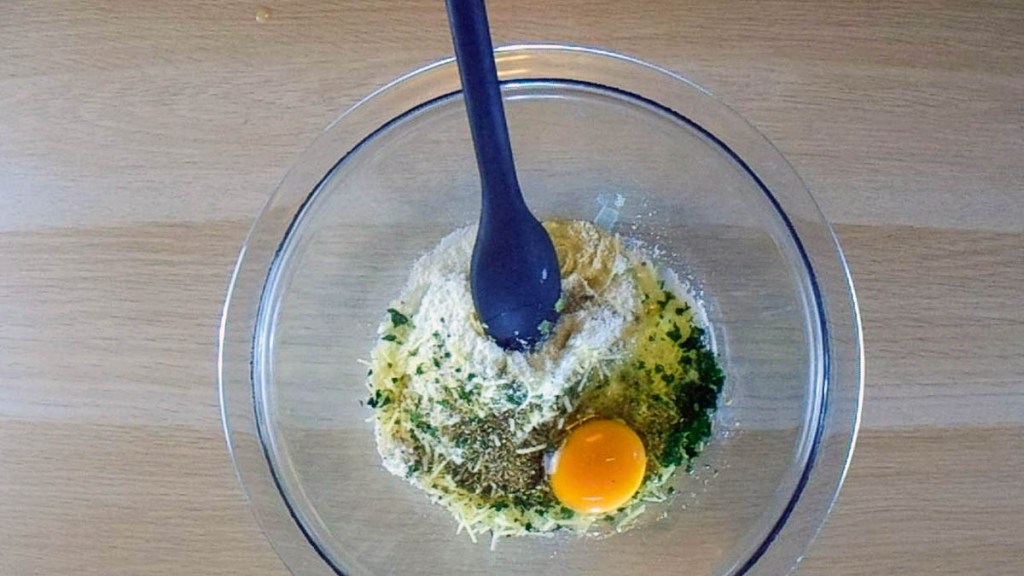
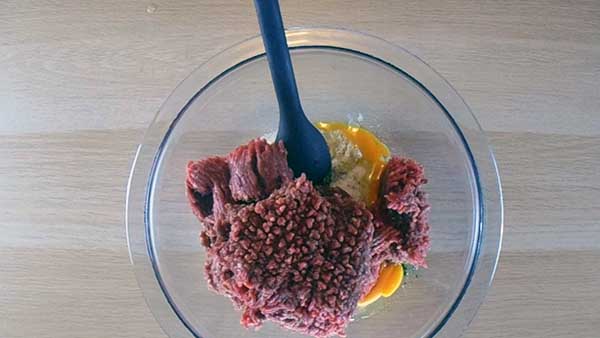
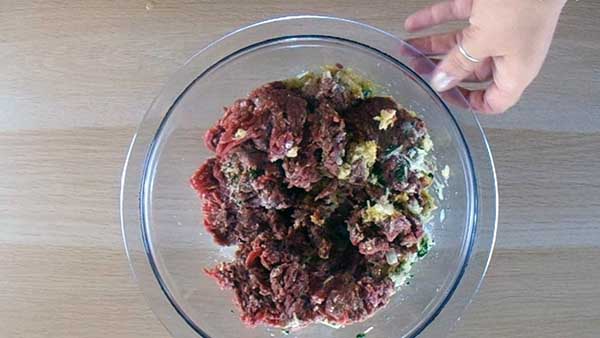
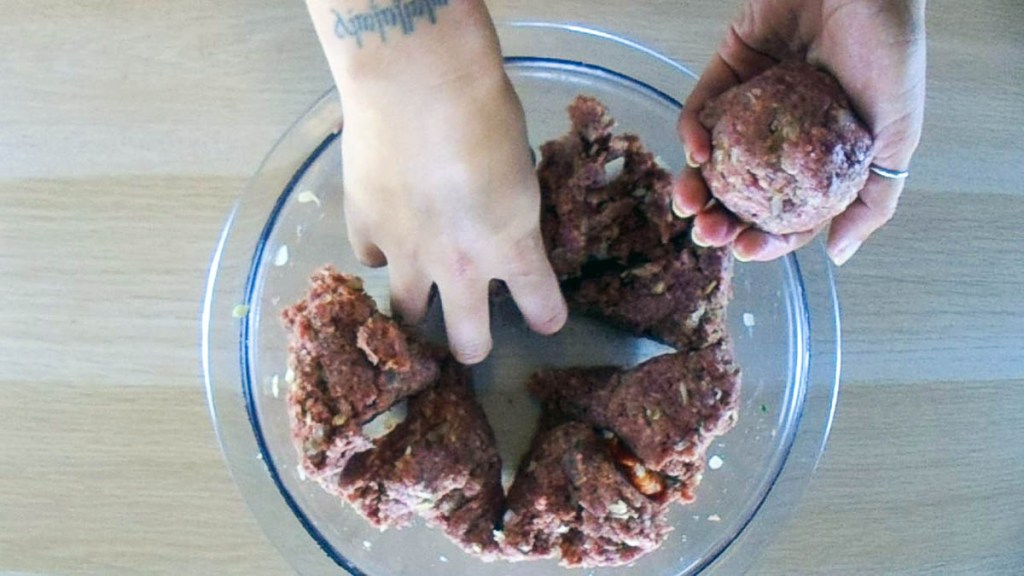
Add the dry ingredients to the bowlAdd the herbs and egg if you are using lean meat.Add the meat to the bowlUse your hands to mix together the meat.Don’t overwork the meatMake sure everything is well combinedDivide the meat mix into portionsRoll the portions into balls
Add the dry ingredients to the bowl.
Add the herbs and egg if you are using lean meat.
Add the meat to the bowl.
Use your hands to mix together the meat.
Don’t overwork the meat.
Make sure everything is well combined
Divide the meat mix into portions
Roll the portions into balls
How should you cook them?
There are two options for cooking meatballs, roast them or cook them in a sauce.
If you intend to freeze the meatballs or to serve them without sauce roasting is the best option. You can grill or roast the meatballs, make sure you let them cool before freezing.
If your meatballs are going to be served with sauce, the best option is to cook the meatballs in the sauce, which will add flavour to the meat and keep it tender.
I don’t know about you, but I’m always looking to learn new skills that make life easy in the kitchen. Sharing is caring so I’m sharing my little tips, tricks and hacks with you.
When you talk about making poached eggs lots of people think poaching eggs is impossible to get right; some count it in the same category as higher-level mathematics. I can understand why most people believe that poached eggs are difficult, there are so many different methods out there, with vinegar, without, boiling water, simmering water and the whirlpool method, and it’s a little overwhelming.
I’ve tried every method out there, and after lots of trials and plenty of error, I’ve found a way to get consistently good poached eggs. Most weekends I have to poach 6 eggs at the same time, and they all need to have a solid white and runny yolk.
I’ve found that the secret to success is a frying pan here is the method is how I get good poached eggs every time.
Here is what you need
Frying pan
Water
Slotted Spoon
Eggs
What to do
Take large frying pan.
Take a large frying pan.
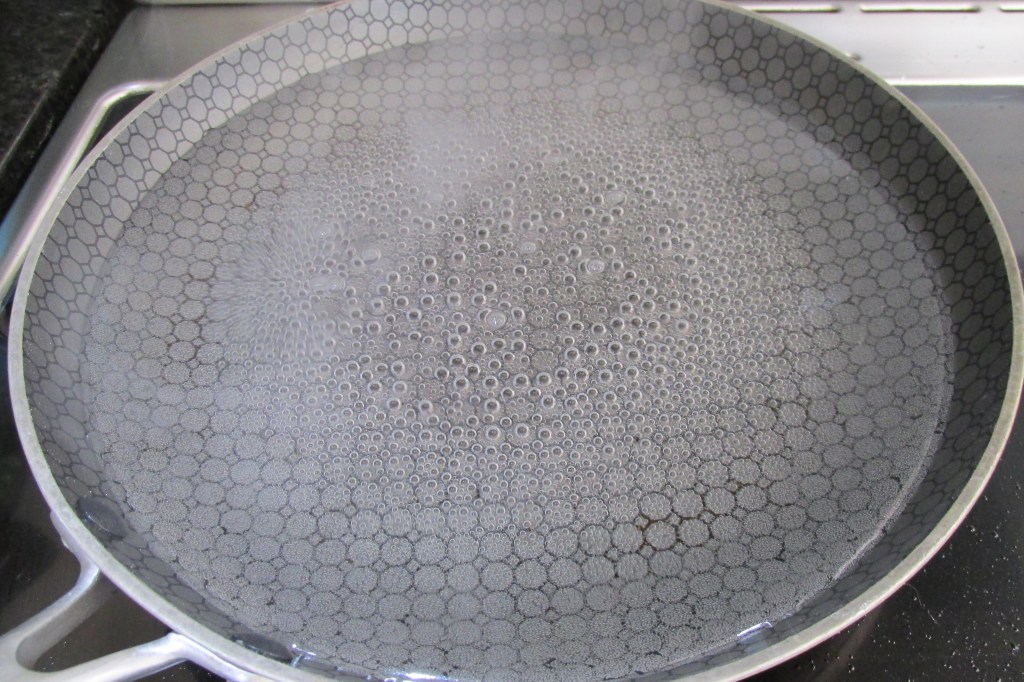
Fill the frying pan with about 3cm of water, this will depend on the depth of your pan; make sure there is space for the eggs.
Fill the frying pan with about 3cm of water, this will depend on the depth of your pan; make sure there is space for the eggs.
Bring the water to the boil
Bring the water to the boil
Once the water is at a rolling boil, turn off the heat.
Once the water is at a rolling boil, turn off the heat.
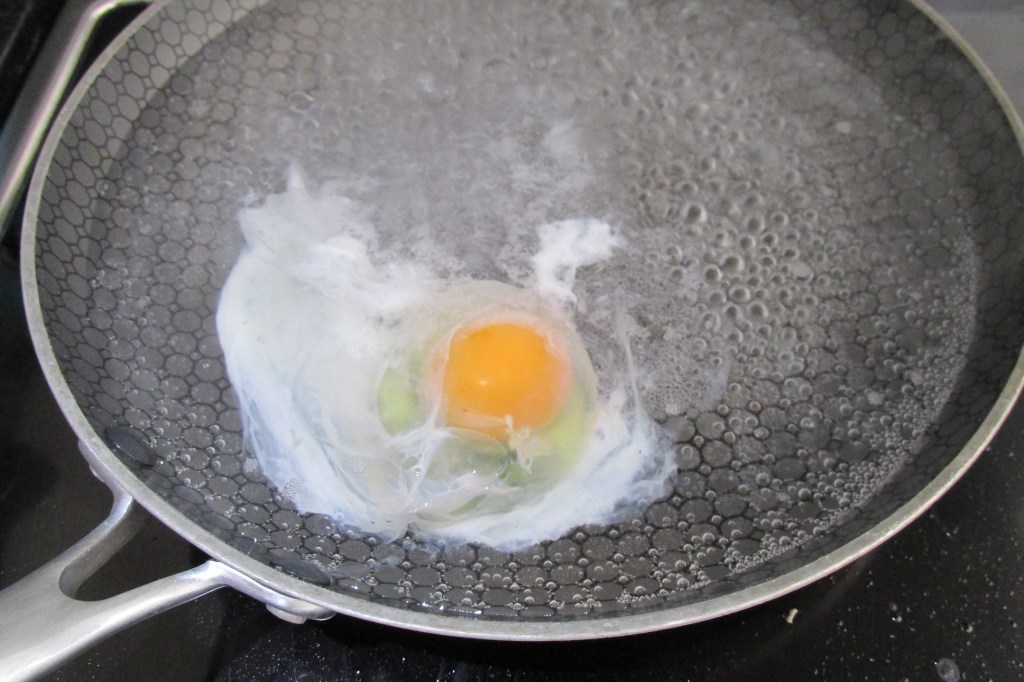
Crack the egg and drop it into the water from just above the surface of the water.
Crack the egg and drop it into the water from just above the surface of the water.
If you have trouble keeping the egg intact, crack the egg into a small bowl or ramekin and use that to pour the egg into the water.
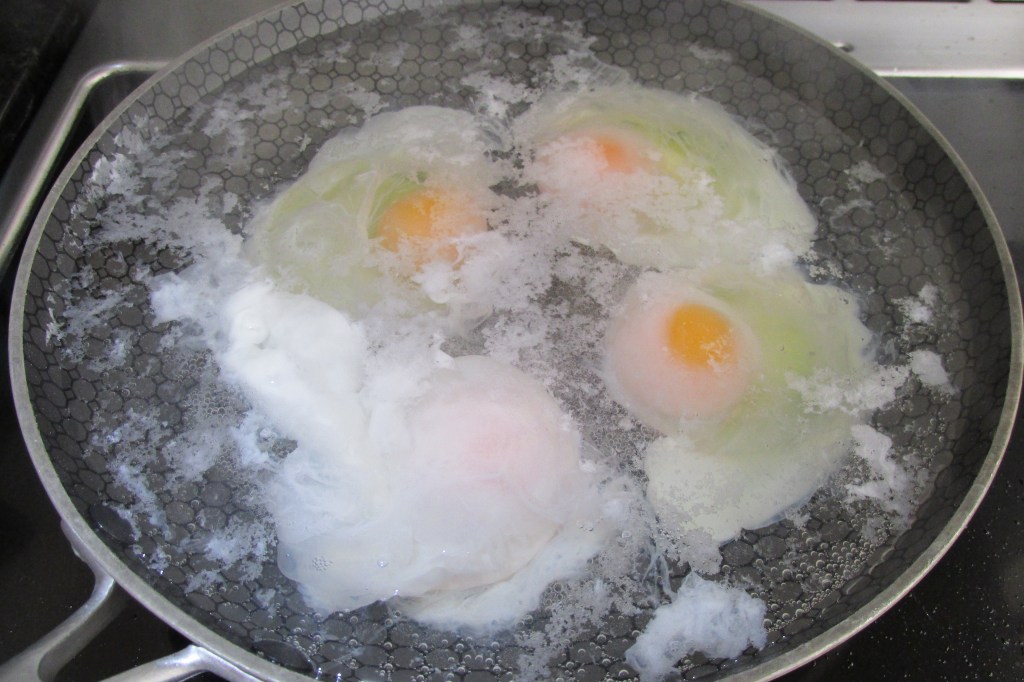
Crack all the eggs you want into the water.
Once you have your eggs in the water, leave them alone until the white is set.
Once you have your eggs in the water, leave them alone until the white is set.
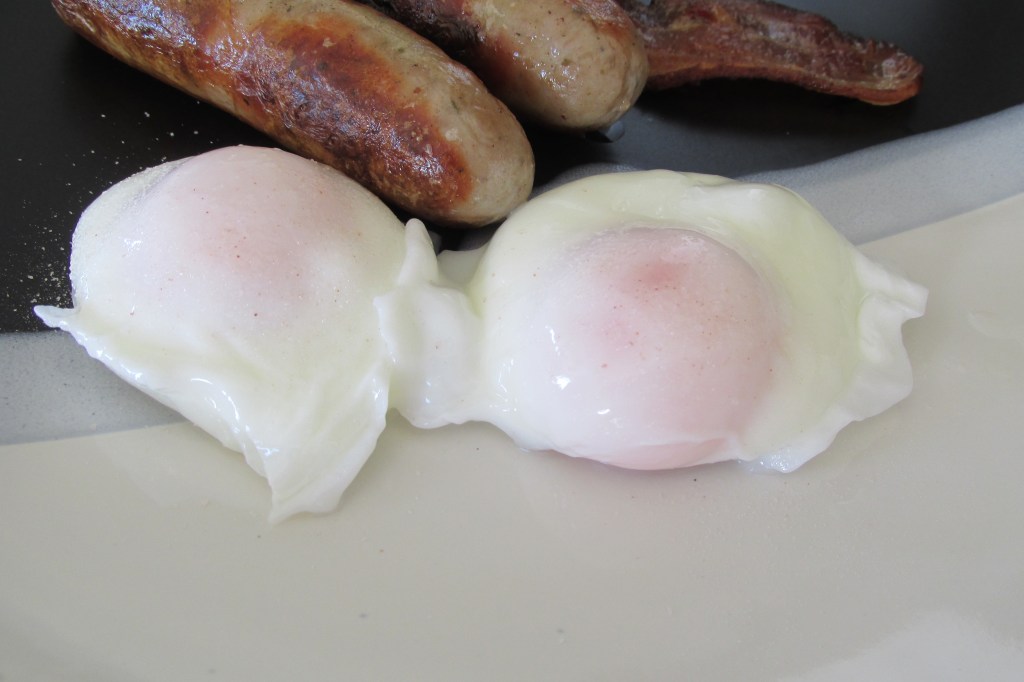
Use the slotted spoon to remove the egg from the water
Use the slotted spoon to remove the egg from the water
Serve
As simple as that
As simple as that
What to do
Fill the frying pan with about 3cm of water, this will depend on the depth of your pan; make sure there is space for the eggs.
Bring the water to the boil
Once the water is at a rolling boil, turn off the heat.
Crack the egg and drop it into the water from just above the surface of the water.
If you have trouble keeping the egg intact, crack the egg into a small bowl or ramekin and use that to pour the egg into the water.
Once you have your eggs in the water, leave them alone until the white is set.
Use the slotted spoon to remove the egg from the water
Here is another quick, easy and practical post to add to your kitchen skill toolbox.
What is stir fry?
Stir fry (stir-fry) is what can only be described as a quick, easy and tasty way to get dinner on the table.
Stir-frying is a Chinese cooking method that has been around for approximately 1,500 years. It is basically using high heat to quickly cook meat and vegetables using oil in a wok or large pan. No fancy skills, tools or knowledge are needed.
Preparation is the key to success
As with all things in life, the key to success is preparation. For meat and vegetables to cook quickly, you need them to be cut into small strips. The matchstick or baton cut is the best option for vegetables and meat. Chopping vegetables and meat into thin strips does take time, but it does mean that the cooking process is easier. Consistency in the size of your ingredients will ensure that everything is cooked evenly and quickly. My top tip is to make sure that you have everything sliced and ready before you start cooking
What meat and veg to use
The meat and vegetables you use in a stir-fry will contribute to the success of your meal, not all vegetables or meat are suitable for a stir-fry. Meat with bones is not going to cook quickly or evenly in a wok, so those chicken thighs are not the best option. Here are my recommended meats and vegetables for the perfect stir-fry
Meat
Chicken breast
Steak
Pork loin
Vegetables
Peppers
Onions
Carrots
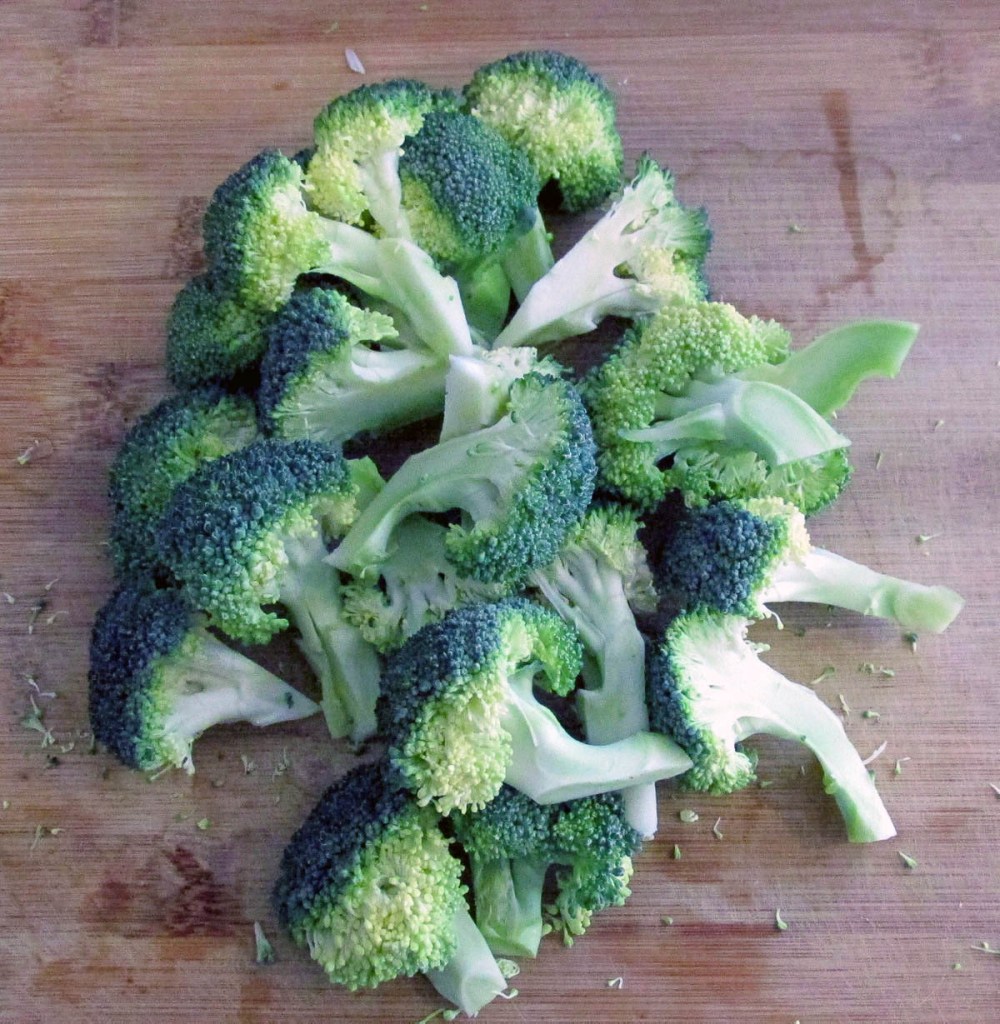
Broccoli
Snow peas
Baby corn
Courgette
Green beans
Bean sprouts
Mushrooms
Sauces and seasoning
Minced garlic
Mined chilli
Coconut aminos
Fish sauce
Teriyaki sauce
Ginger
Chilli flakes
Oyster sauce
Oils
Coconut oil
Sesame oil
Peanut oil (if you don’t have allergies)
Which wok?
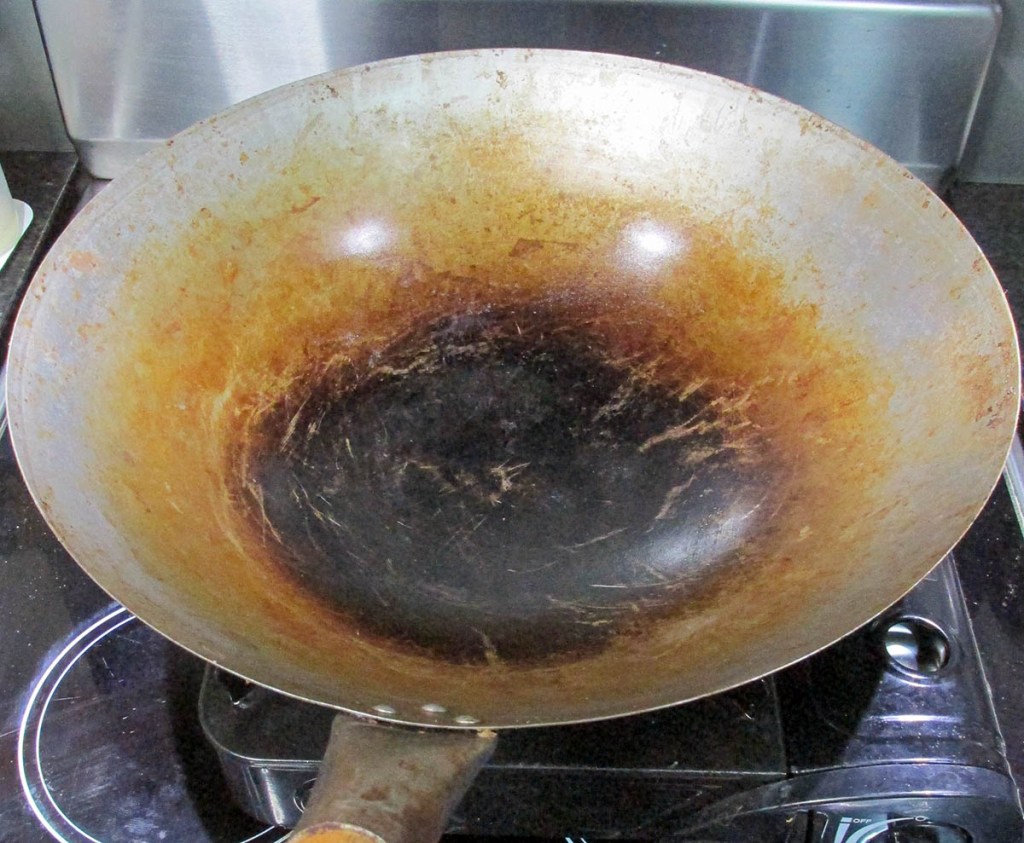
It doesn’t matter what kind of wok you use as long as it is made of sturdy metal that can stand high heat and hold all of the ingredients you want to cook. You can pick up a good quality wok from your local Chinese supermarket for around $30. A good quality wok will need to be seasoned and cared for in a very similar way to a cast iron pan. For more information on looking after a wok or cast iron pan check out this blog why cast iron is king
How to Stir Fry
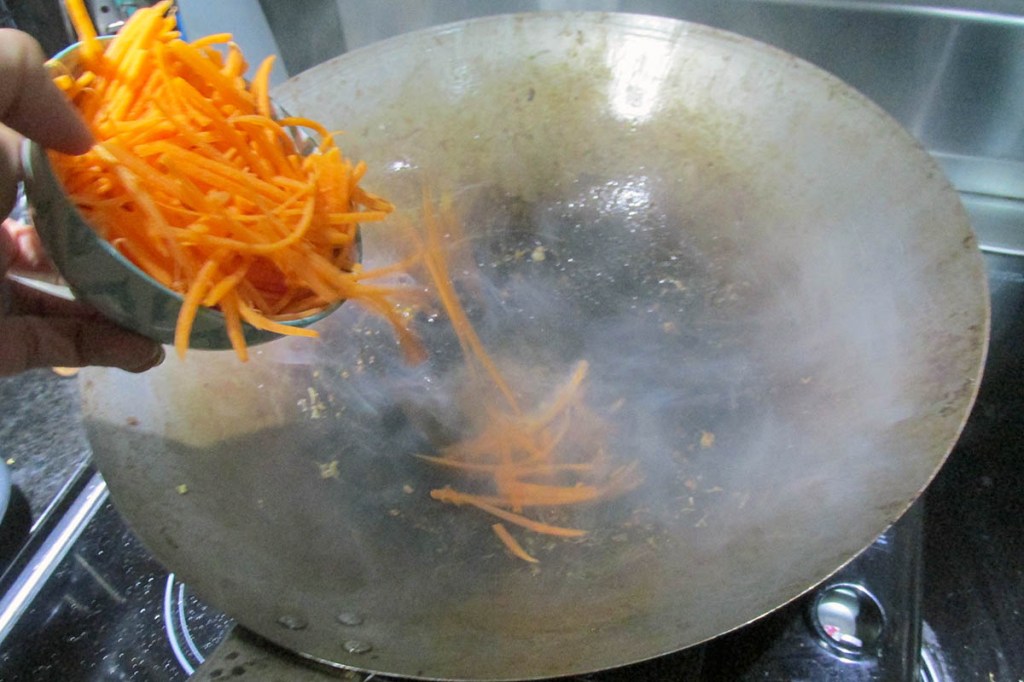
Put your wok or pan over medium to high heat, let it heat up for 1 to 2 minutes. A good sign your pan is hot enough is that it should start smoking. To test the temperature add a drop of water to the wok, if it boils off immediately it is good to go.
Add a tablespoon of oil to the wok. You don’t need a lot of oil but use one with a high smoke point.
Add any seasoning to the oil and fry for a few seconds.
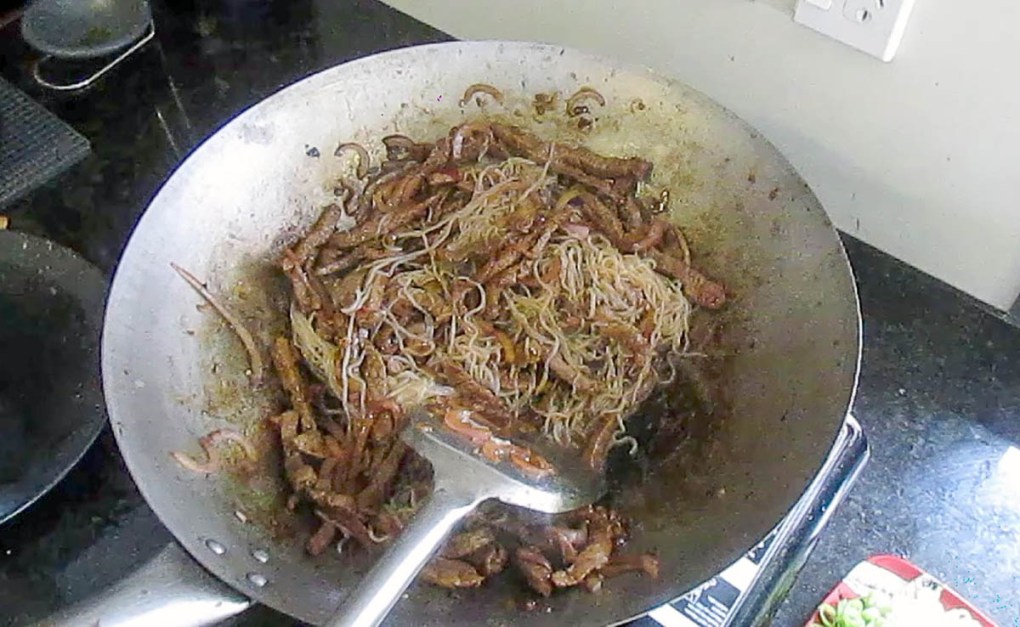
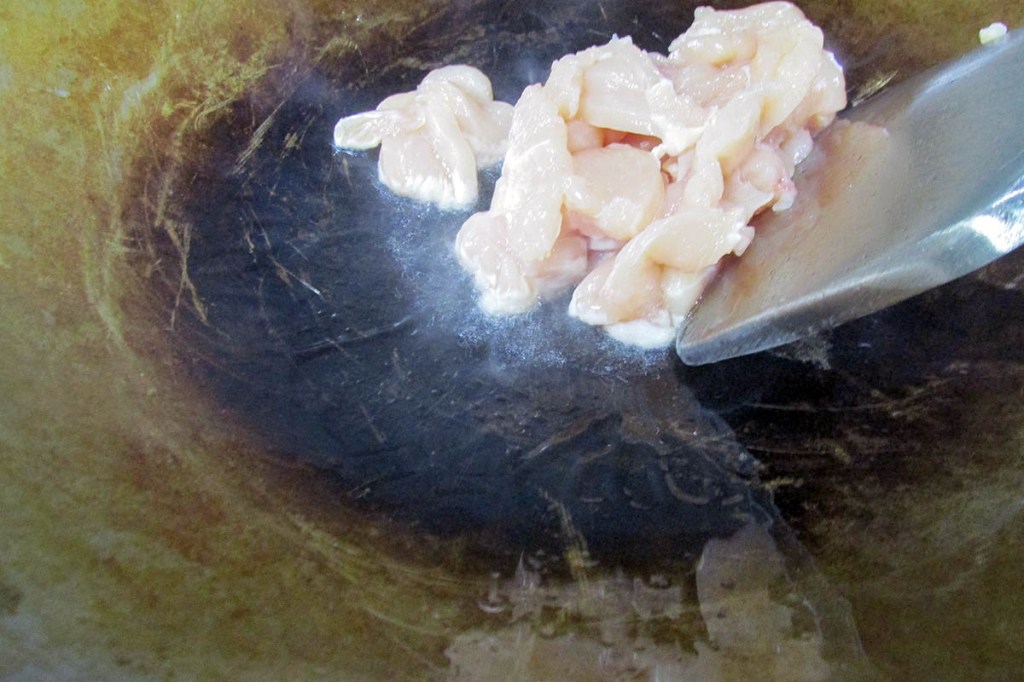
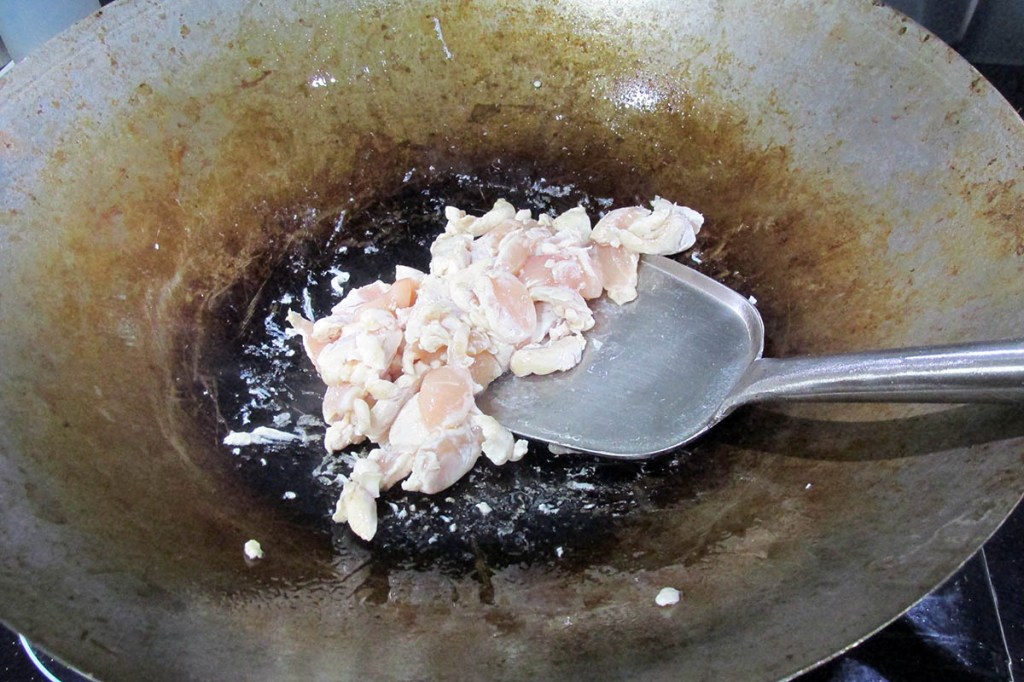
Add your meat.
Stir the meat frequently, the heat from the wok will sear the meat quickly. Once the meat is seared, keep it moving. Let the meat cook through, this will usually take around 5 minutes. If you have a lot of meat cook it off in batches.
Add the vegetables that are slow cooking such as broccoli, carrots and onions. Keep the veg moving as it cooks, let these cook for 3 5 minutes.
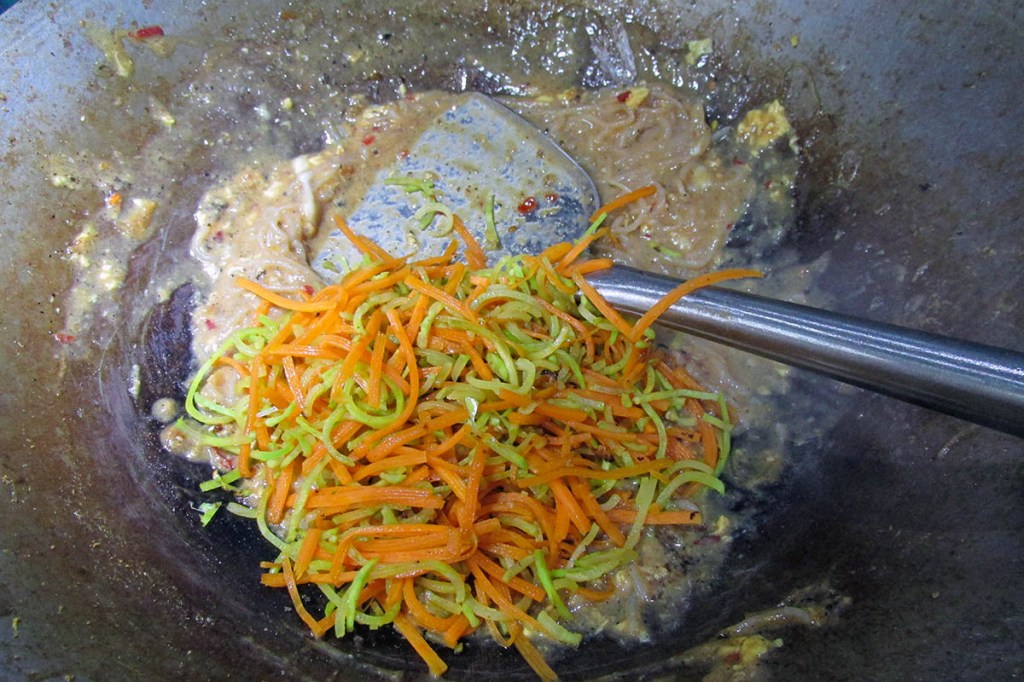
Add the faster cooking vegetables next such as mushrooms, bean sprouts and courgette. Keep the veg moving as it cooks, let these cook for 3 5 minutes.
Add any sauce to the pan last.
Reduce the heat. Make sure all of the ingredients are coated in the sauce warmed, let the sauce cook for 2 4 minutes.
Here is another quick, easy and practical post to add to your kitchen skill toolbox.
Avocado
I love Avocado; everyone should love them.
They are fantastic and green!
They are perfect for dips, smoothies and salads.
Everyone knows it
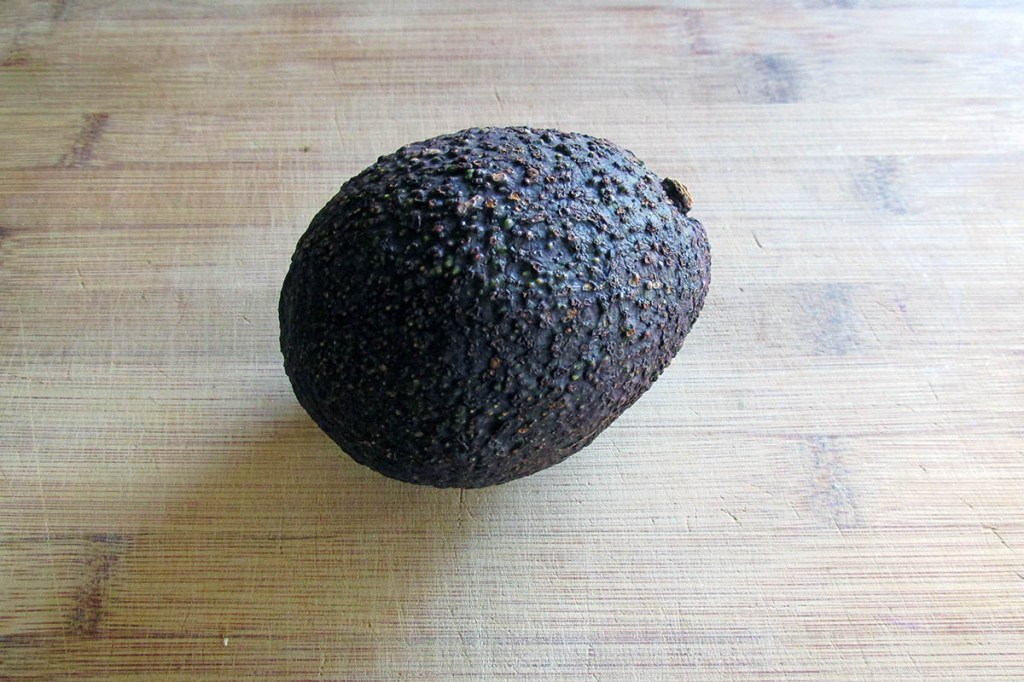
Probably the most recognisable fruit and by far the most versatile. You can find it in guacamole, salsas, brownies, cookies, smoothies and salads. The perfect avocado is a little food gift that I find great joy is opening. Knowing how to liberate the beautiful flesh from the stone and skin is now always an easy job. That is why I have put together a quick guide on how to work with avocado and how to make something pretty out of it too.
Preparing avocados is easy once you know how.
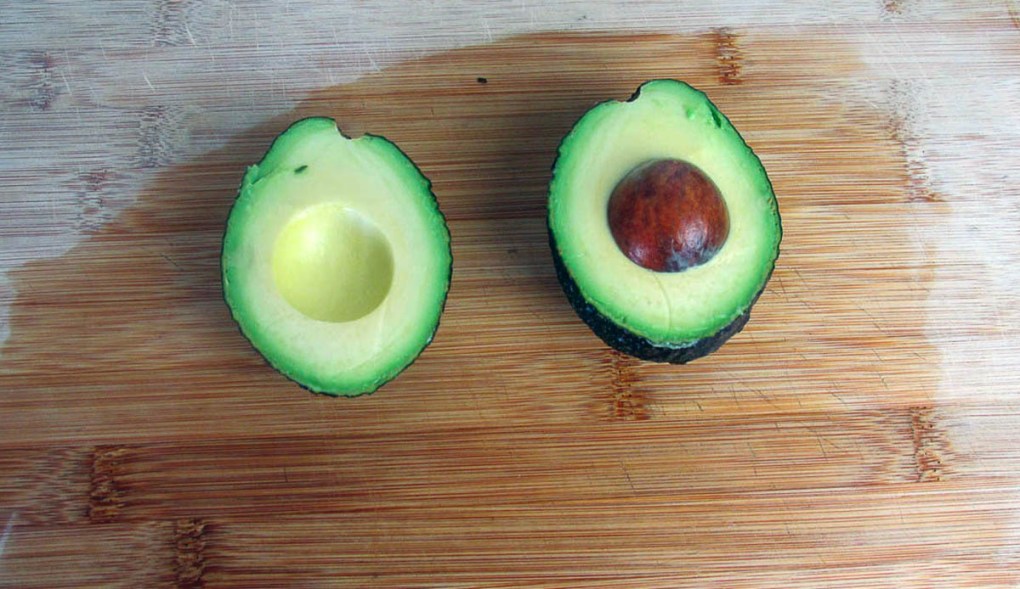
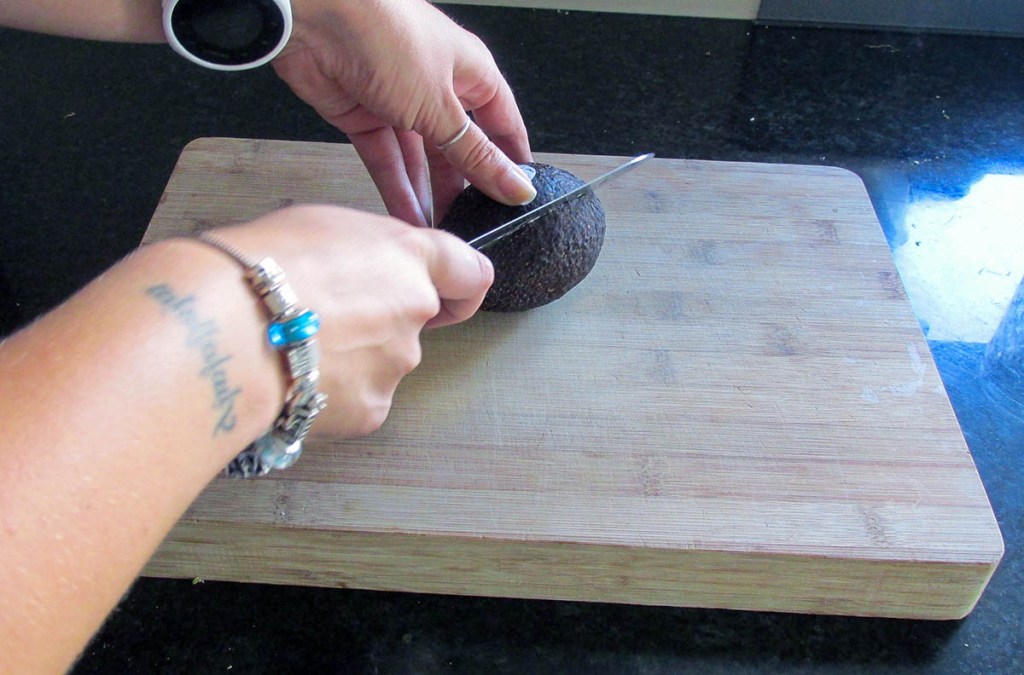
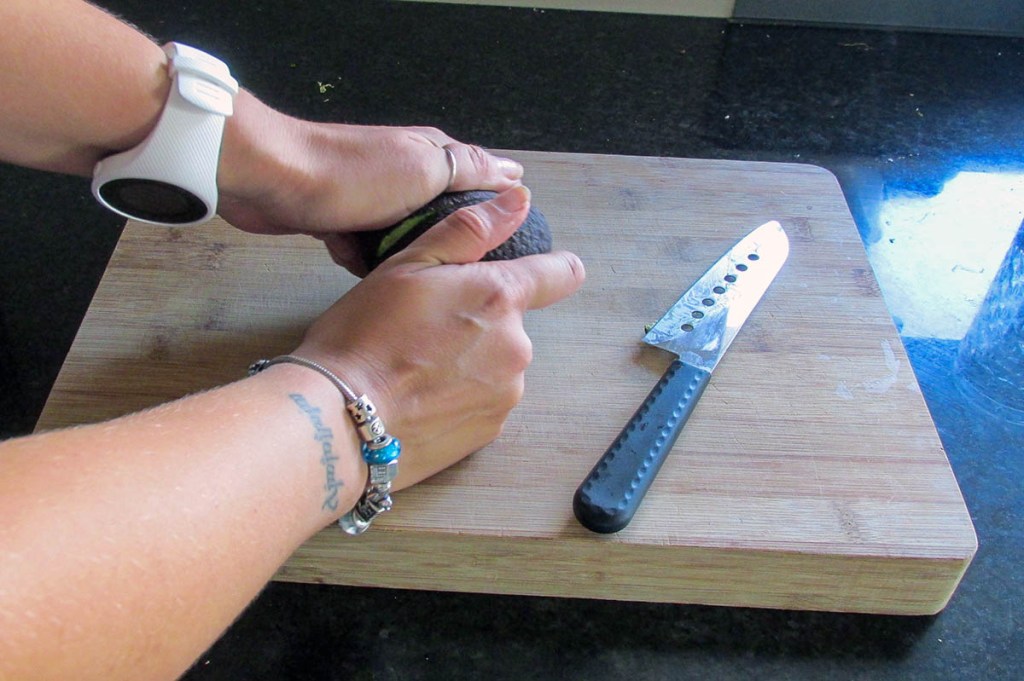
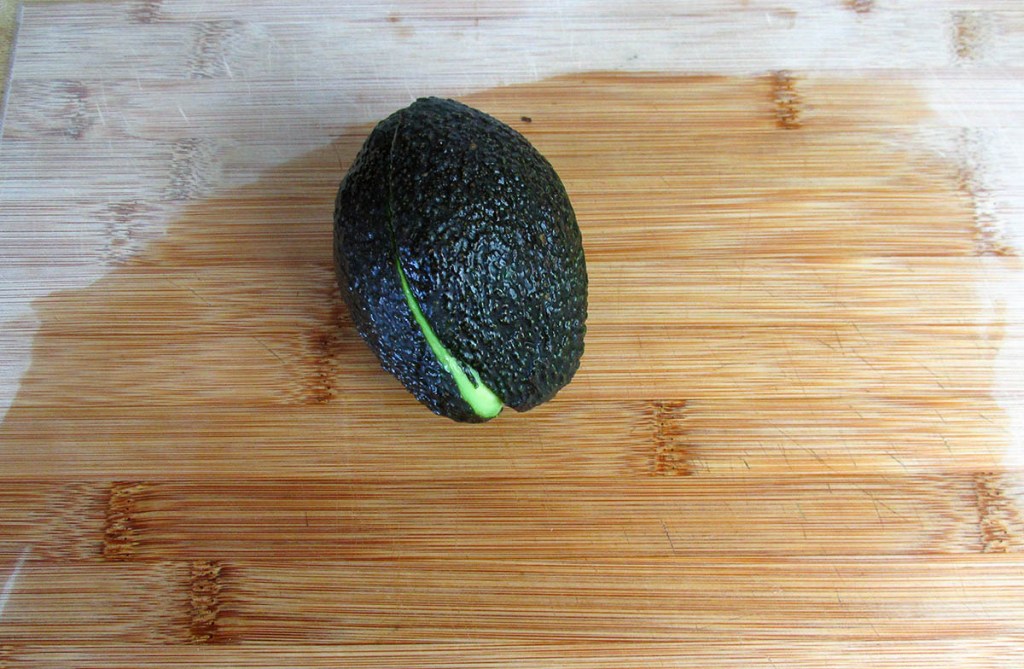
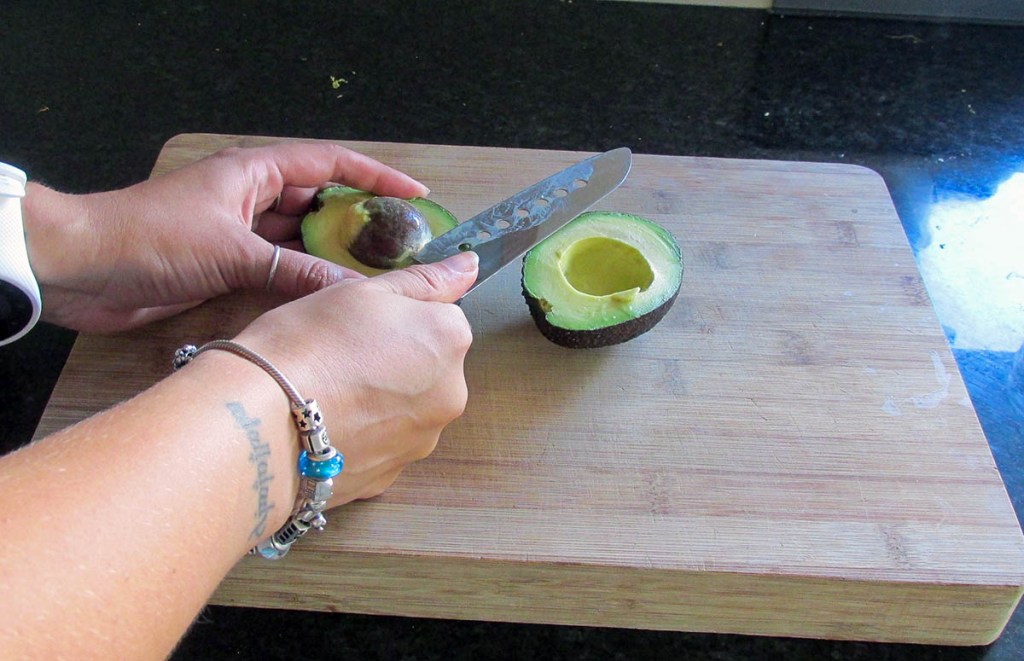
Take a medium-large knife and cut the avocado in half. The easiest way is to roll the avocado around the blade to get a clean cut in half
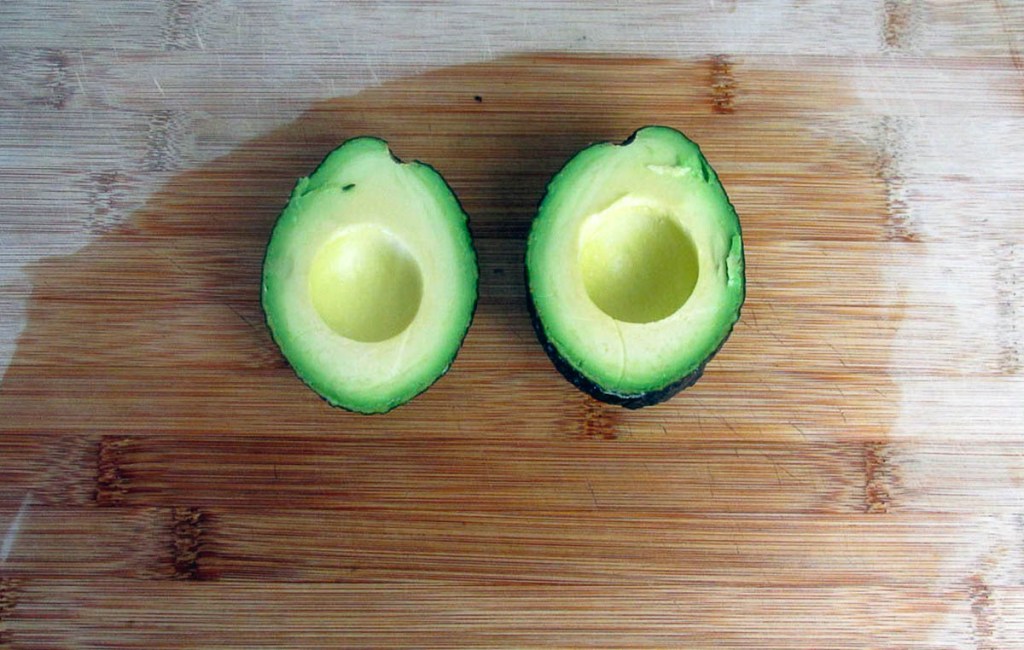
Twist the two halves to separate them
Take the half with the stone in it and place it on a countertop.
Take a knife and tap it in the bottom of the stone.
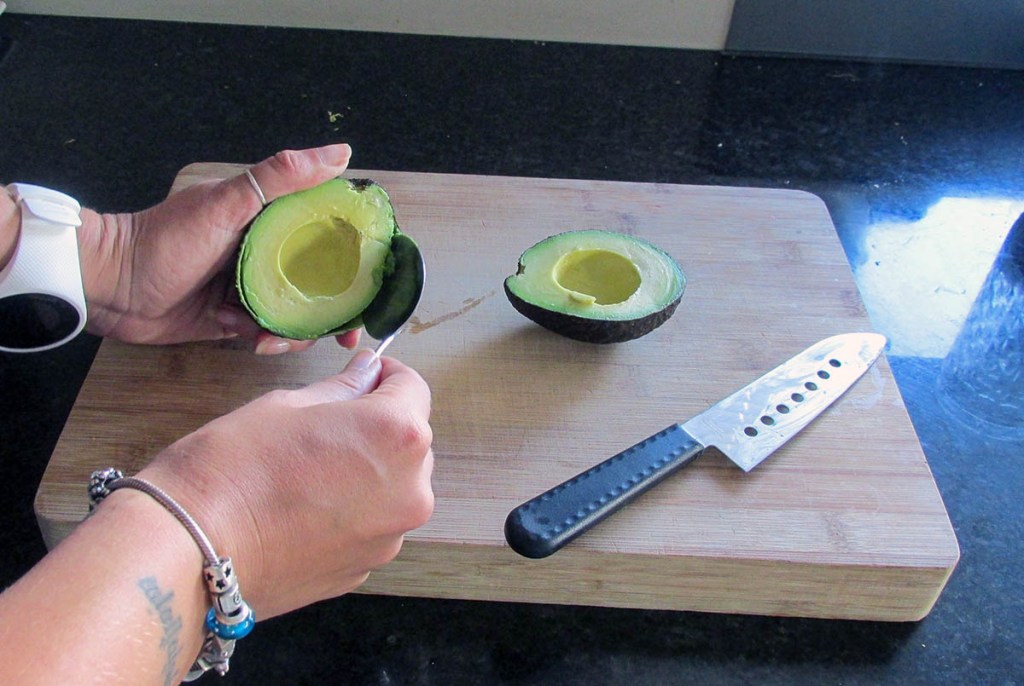
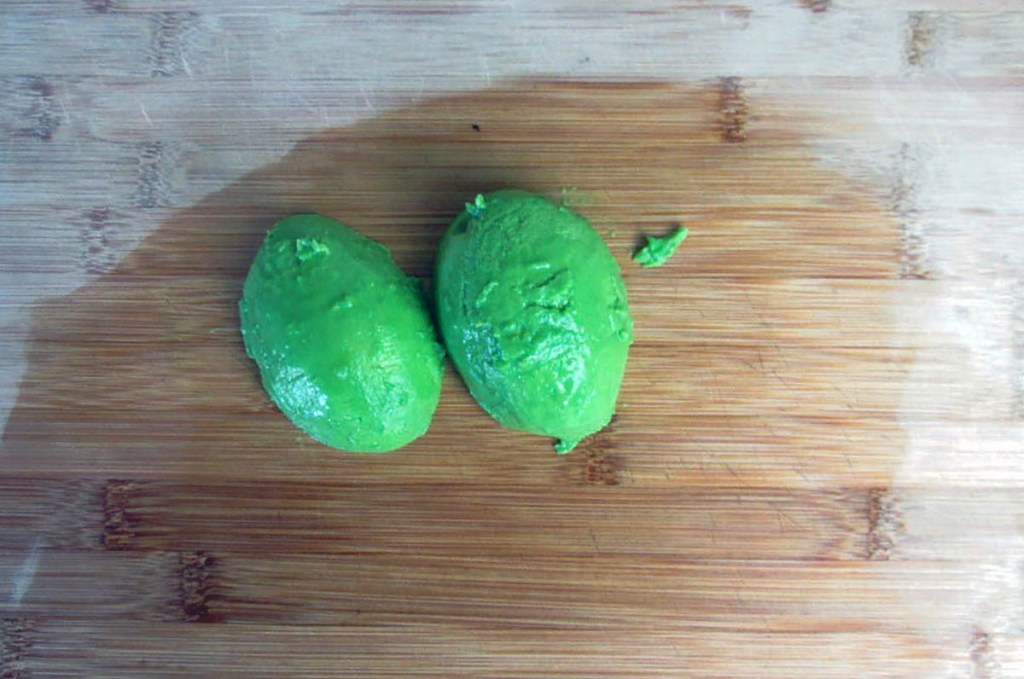
Take a tablespoon and run it around the inside of the skin to remove the avocado.
To stop the avocado from going brown, you just need to sprinkle some lemon juice or a dash of vinegar.
Something fancy
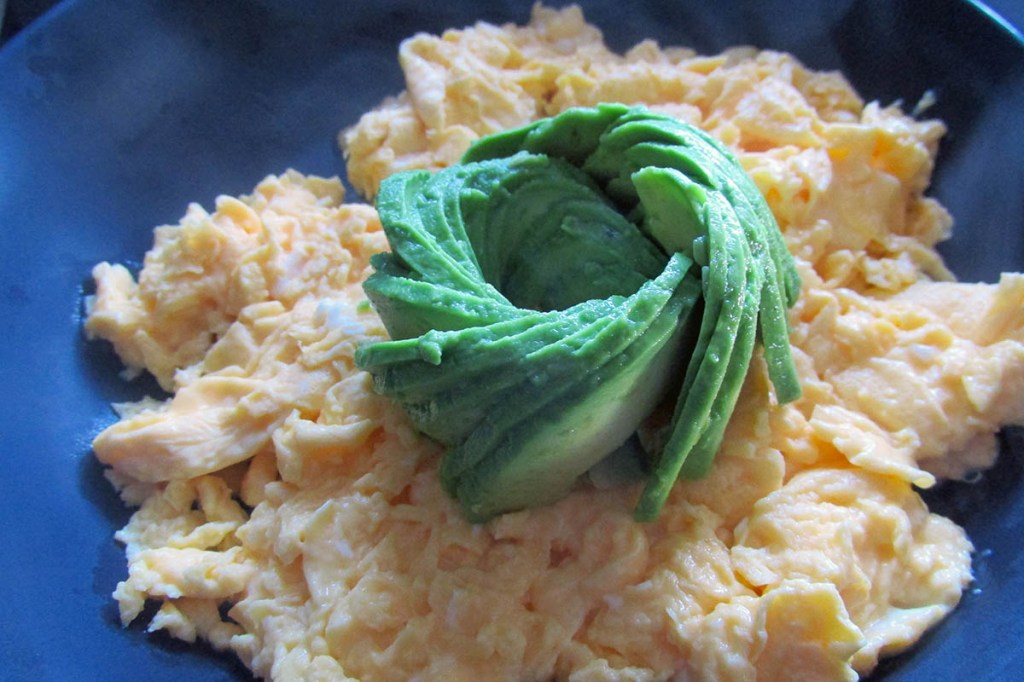
Avocado roses are so elegant looking and surprisingly easy to create. If you want to add a special touch to your breakfast for salad, an avocado rose is a way to go.
Place the avocado half on the board, so the length of the fruit is horizontal on the board
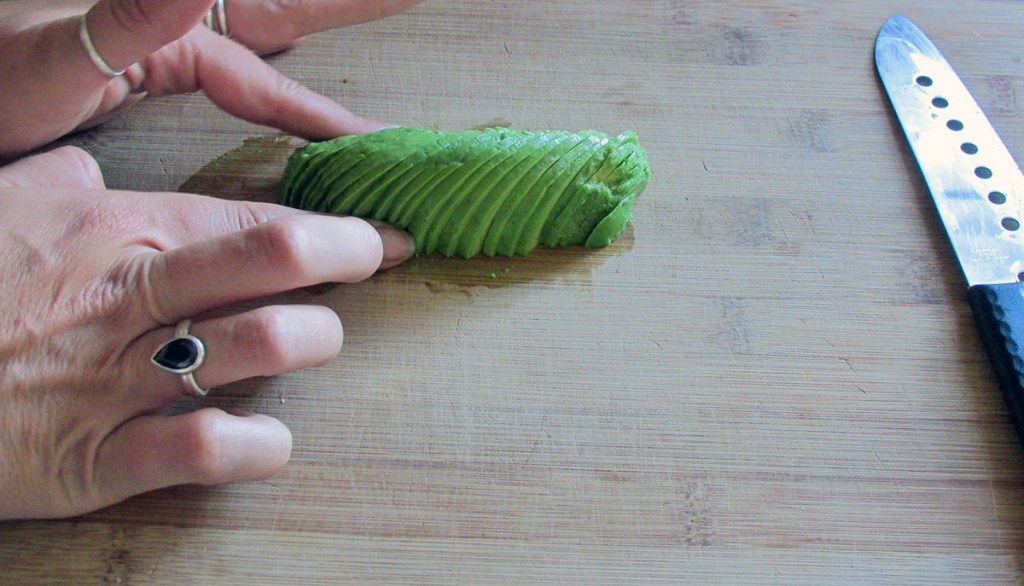
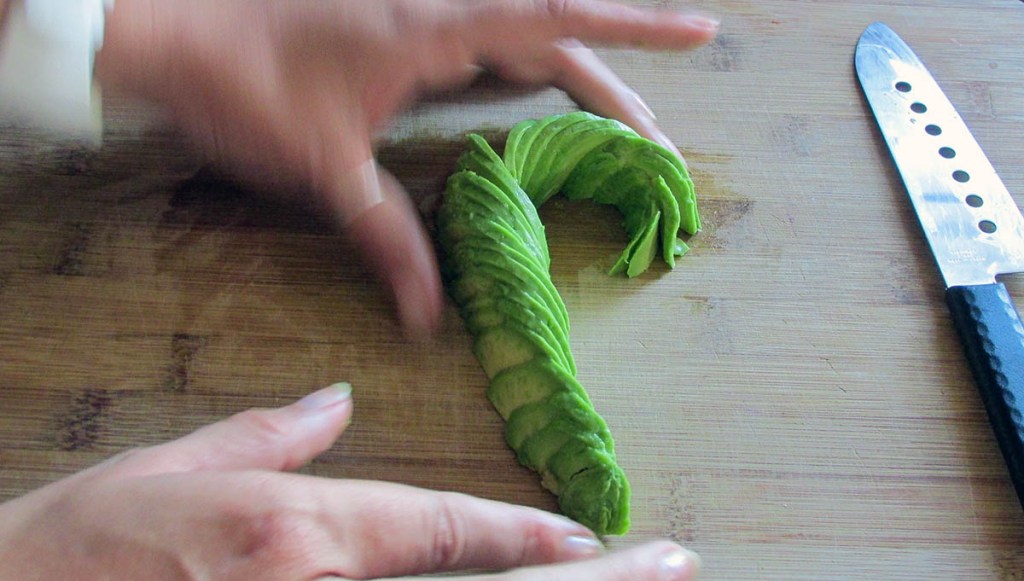
Using a sharp knife cut thin slices vertically in the fruit, you want them as close together as possible
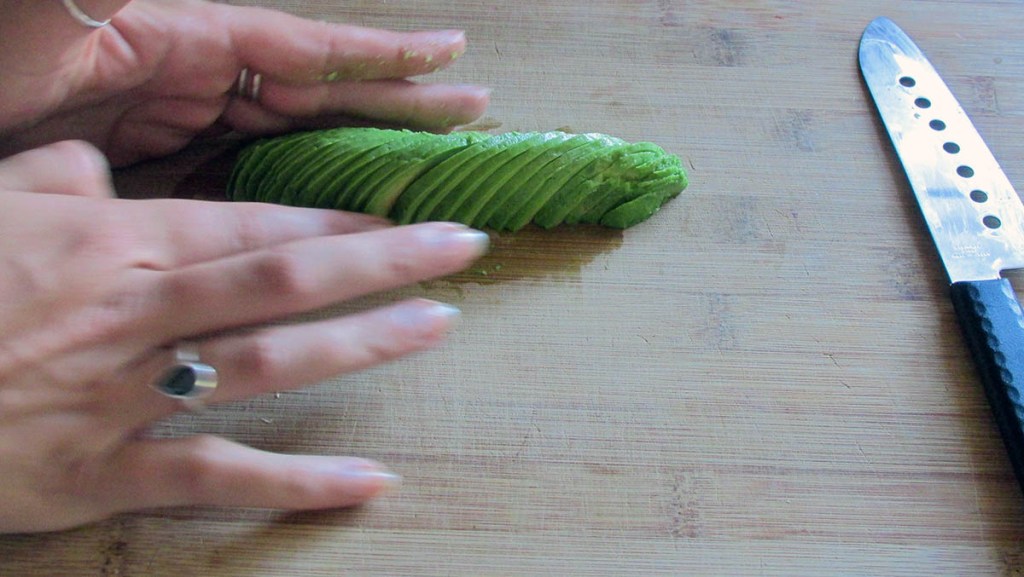
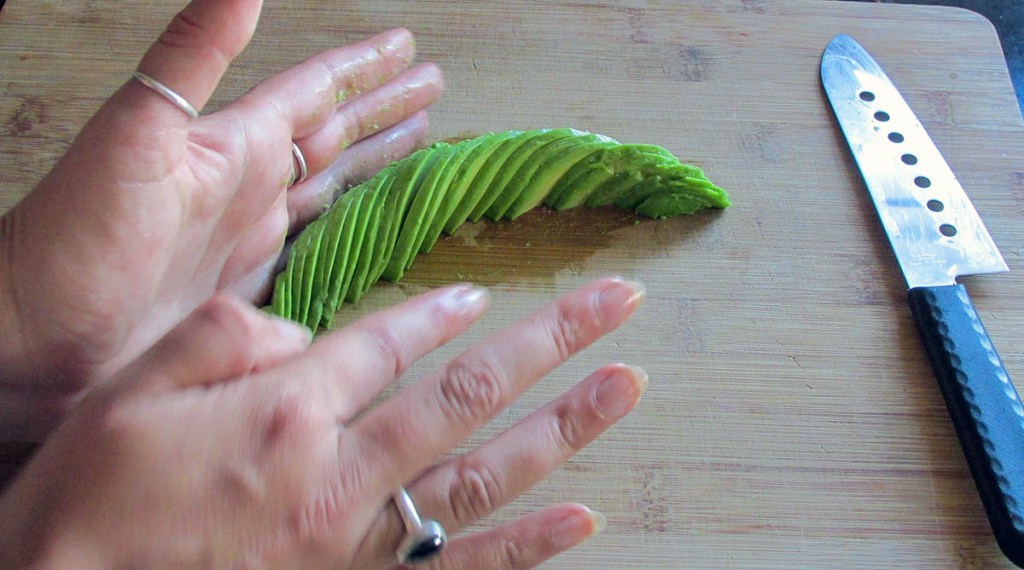
Using your fingers gently elongate the slices to create a long line out of the slices.
Using your fingers gently elongate the slices to create a long line out of the slices.
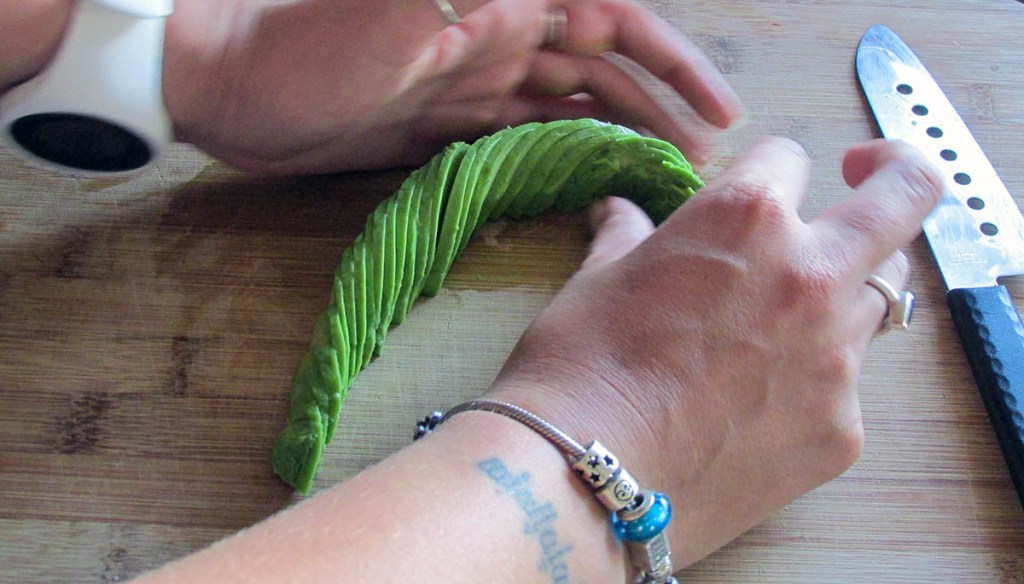
Take the smallest end and gently roll them in on themselves.
Continue to roll the slices in to create an avocado circle
Gently push down the top of some slices to form the petals of the rose
Use a knife to lift the rose off the chopping board and place it on top of your salad
Don’t you just hate it when you get a hard-boiled egg with that green ring inside; I think it has to be the most off-putting thing.
Getting the perfectly boiled egg is not difficult; the secret is that it is just about timing.
Soft or hard, it is all the same.
From much trial and error, I have found that the method for getting perfectly cooked soft and hard-boiled eggs is the same; the only difference is how long you leave the eggs in the water. To get perfect boiled eggs, here are some of the essential things to remember:
Start with cold water
Bring the water to the boil
Take the pan off the heat to let the eggs cook
Everyone has their own version of the “perfect egg”, but some guide times are a good place to start.
White just set and yolk runny 3 minutes
White set and yolk slightly runny 4 minutes
White set and yolk custard consistency 6 minutes
White set and yolk creamy consistency 10 minutes
Firm white and firm yolk 15 minutes
For the perfect boiled eggs, every time, here is what you need to do.
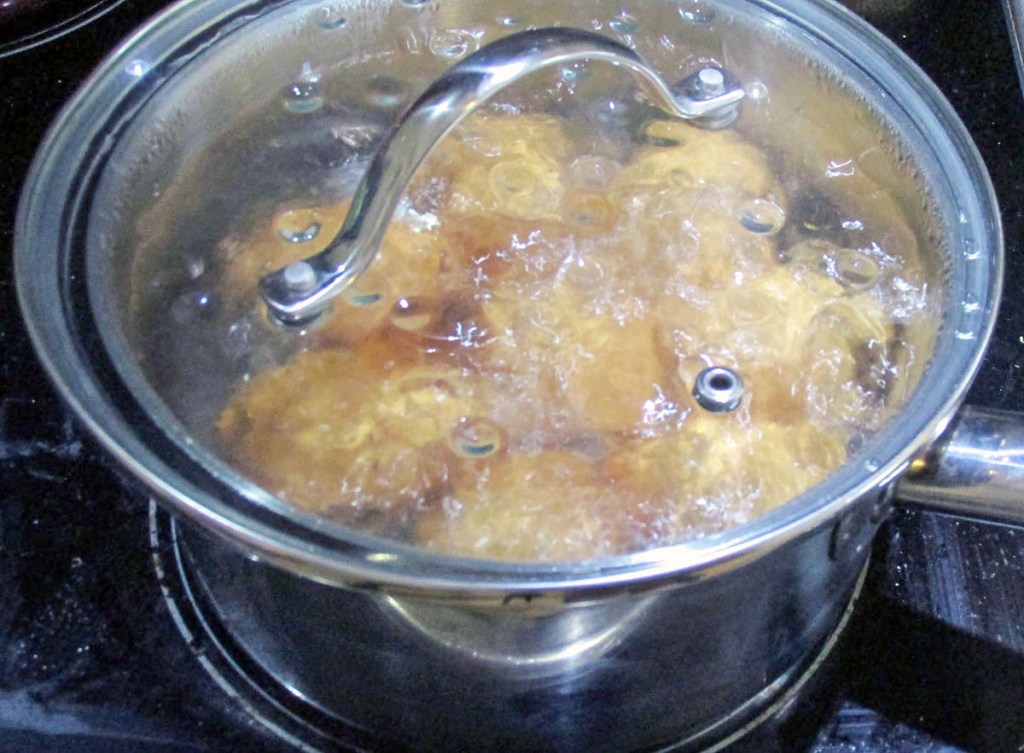
Place your eggs in a saucepan and fill the pan with cold water; you want at least 3cm of water over the top of the eggs.
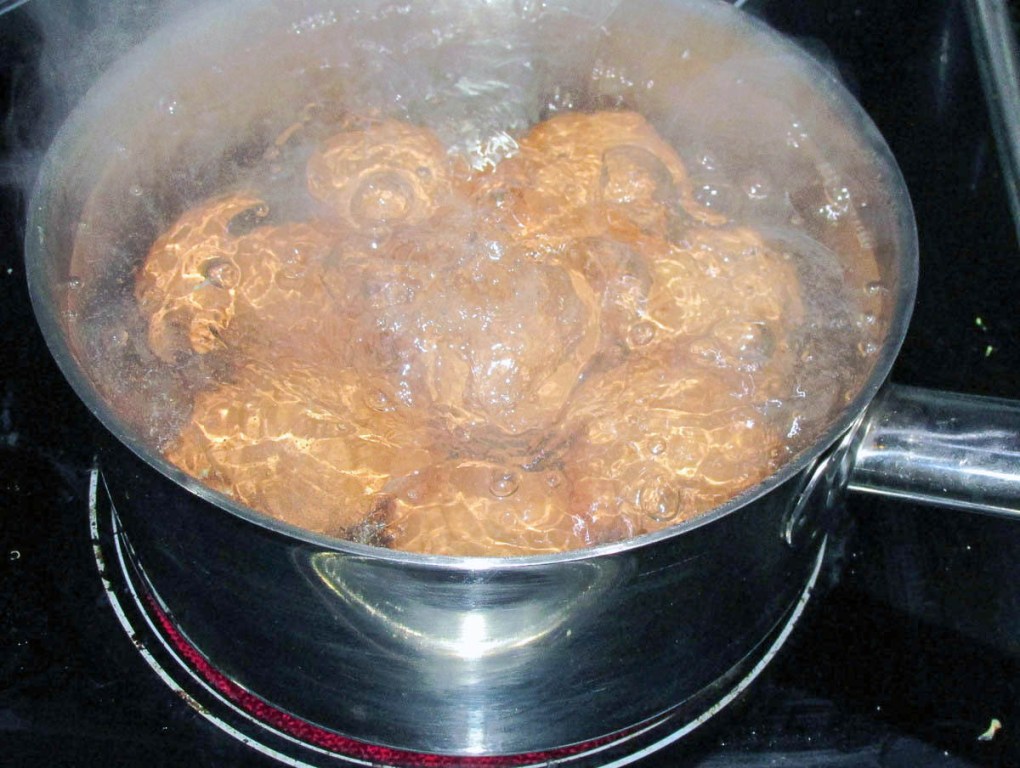
Set the pan over high heat and bring the water to a boil.
Set the pan over high heat and bring the water to a boil.
You don’t need to cover the pan at this point.
Wait for the water to come to a boil.
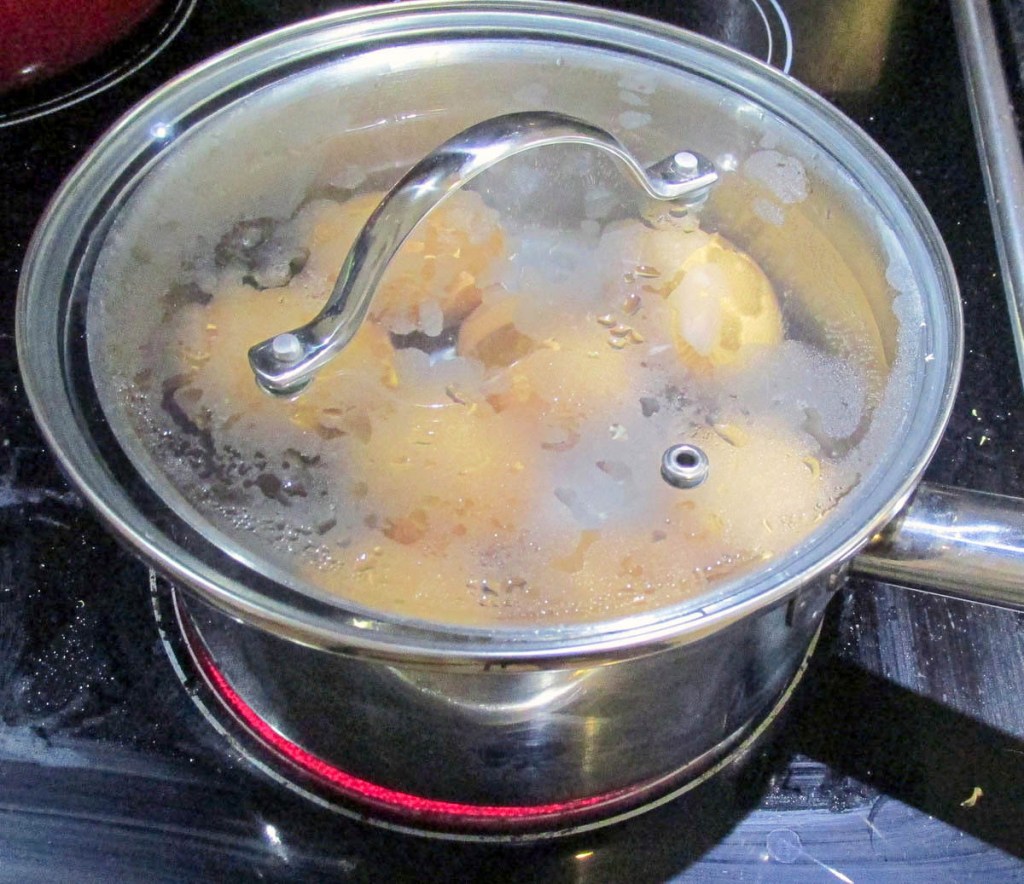
Remove the pan from the heat and put a lid on the pan.
Wait for the water to come to a boil.
Remove the pan from the heat and put a lid on the pan.
Start the timer.
Remove the pan from the heat and put a lid on the pan.
When the timer goes off, remove the eggs from the pan.
Gently tap the egg with a spoon to break the shell; don’t crack the shells if you have 3-minute eggs.
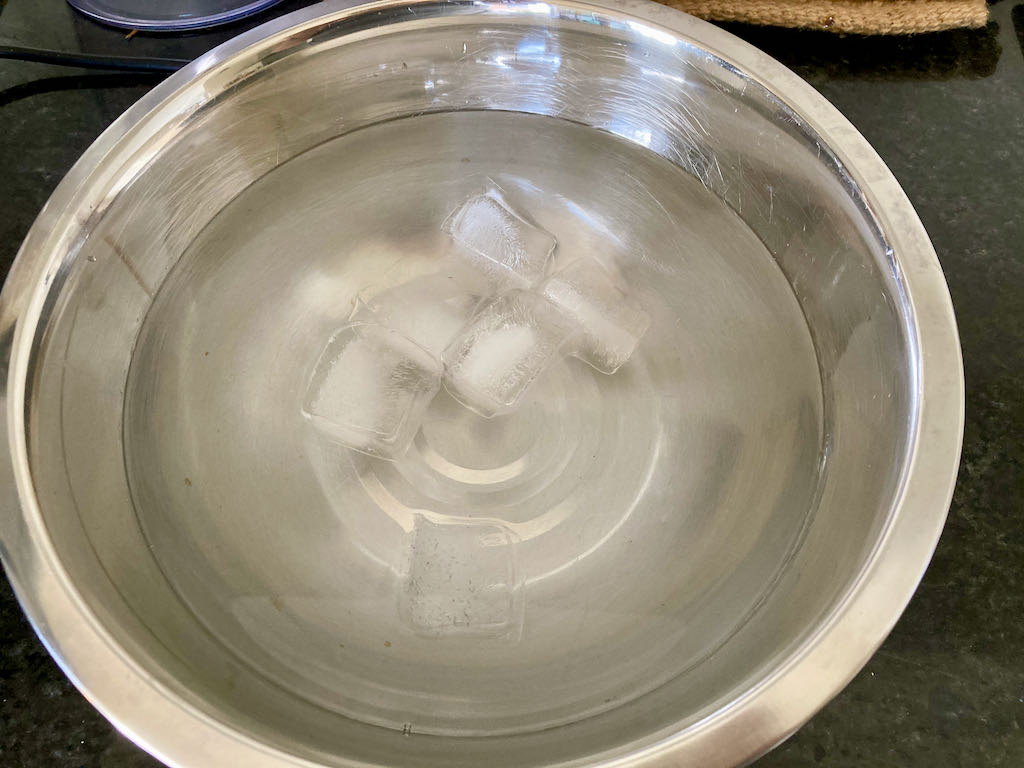
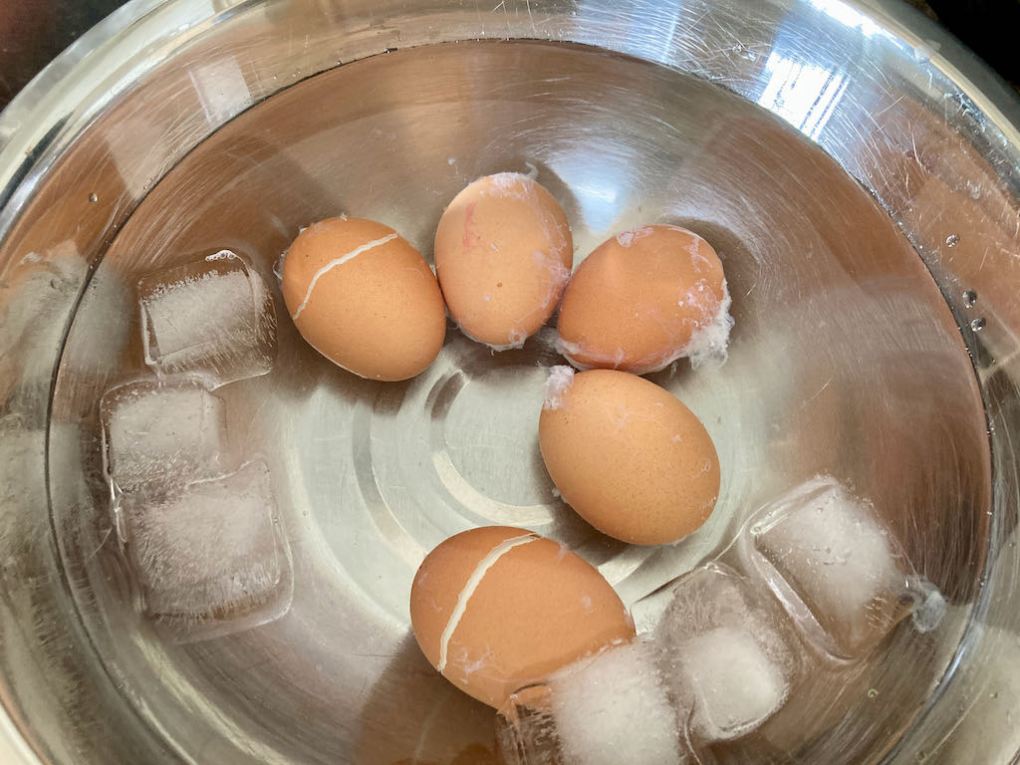
Place the eggs into a bowl of cold water; this will stop the eggs from cooking.
Let them sit in the cold water for at least 1 minute (and stop the green ring).
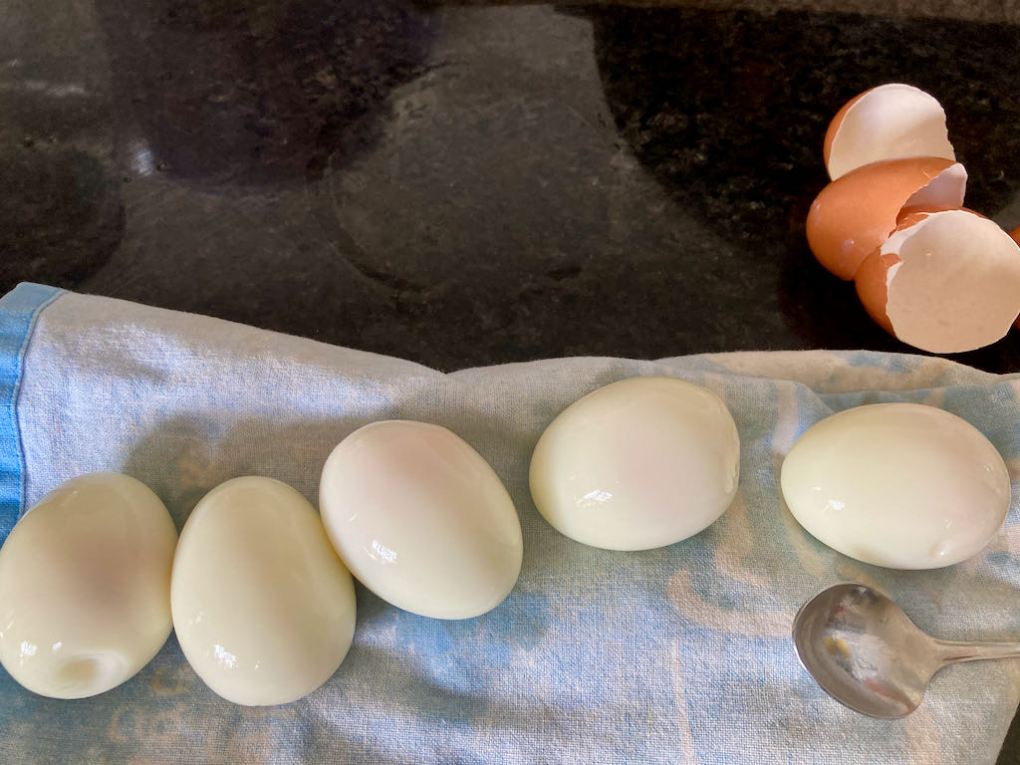
The eggs will then be ready to eat, peel off the shells, and you are ready to go.
Perfect eggs peeled and ready to eat
If you have any eggs that you will not use straight away, leave them in their shells and store them in the fridge.
Instant Pot / Pressure Cooker option
Equipment
Instant Pot
Trivet for the Instant Pot
Long-handled tongs
Instructions
Pour one cup of water into the bottom of the Instant Pot.
Place the trivet inside the pot.
Place the trivet inside the pot.
Place the eggs on the top of the trivet, leave space between them.
Place the eggs on the top of the trivet, leave space between them.
The eggs will be steamed during cooking.
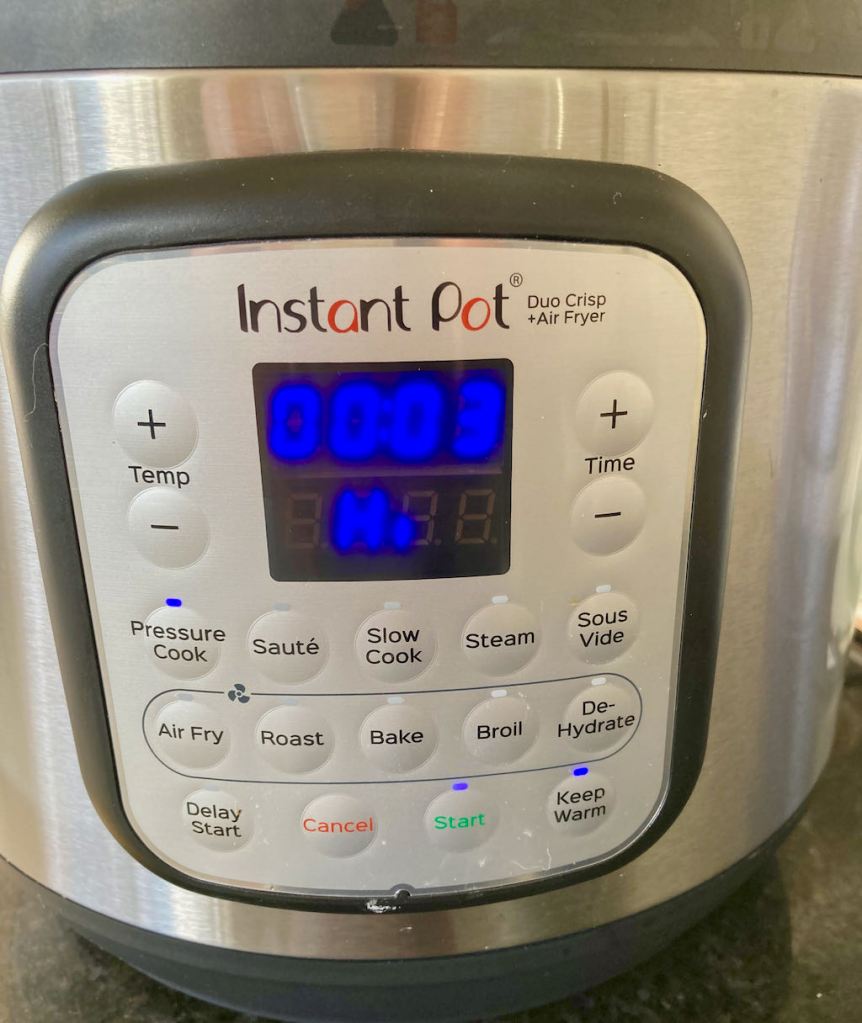
Add the pressure cooking lid to the Instant Pot and make sure the lock is closed.
Set the timer for your desired consistency on the high pressure setting.
Set the timer for your desired consistency on the high pressure setting.
Soft-boiled eggs: 3 to 4 minutes at high pressure.
Medium-boiled eggs: 5 to 6 minutes at high pressure.
Hard-boiled eggs: 8 to 10 minutes at high pressure.
These times work for up to 10 eggs in an 8-quart Instant pot.
When the timer beeps, release the pressure immediately.
As soon as the pressure has dropped, remove the eggs from the pressure cooker using the tongs.
As soon as the pressure has dropped, remove the eggs from the pressure cooker using the tongs.
Place the eggs into an ice bath as quickly as possible.
Place the eggs into an ice bath as quickly as possible.Perfect eggs peeled and ready to eat
Pour one cup of water into the bottom of the Instant Pot.
Place the trivet inside the pot.
Place the eggs on the top of the trivet, leave space between them.
The eggs will be steamed during cooking.
Add the pressure cooking lid to the Instant Pot and make sure the lock is closed.
Set the timer for your desired consistency on the high pressure setting.
Soft-boiled eggs: 3 to 4 minutes at high pressure.
Medium-boiled eggs: 5 to 6 minutes at high pressure.
Hard-boiled eggs: 8 to 10 minutes at high pressure.
These times work for up to 10 eggs in an 8-quart Instant pot.
When the timer beeps, release the pressure immediately.
As soon as the pressure has dropped, remove the eggs from the pressure cooker using the tongs.
Place the eggs into an ice bath as quickly as possible.
Here is another quick, easy and practical post to add to your kitchen skill toolbox.
Let’s talk about peppers
Today I want to talk about peppers. It might not seem important, but the ability to roast your own peppers is not only a must but also super easy to do. As with most ingredients how you prepare them can enhance the flavour. This holds very true for roasting peppers. The roasting process brings out their sweetness.
Yes, you can go to the supermarket and buy roasted peppers in a jar, but you miss out on the freshly roasted flavours. Plus you have to figure out what that firming agent is.
Roasted peppers can be used in a range of recipes; you can replace that tomato sauce for a pizza, add them to a salad or blend them down into soup.
Three ways to roast
There are a few methods you could use to roast your peppers
Oven roasting
Grill
Stovetop roasting
Stovetop Roasting
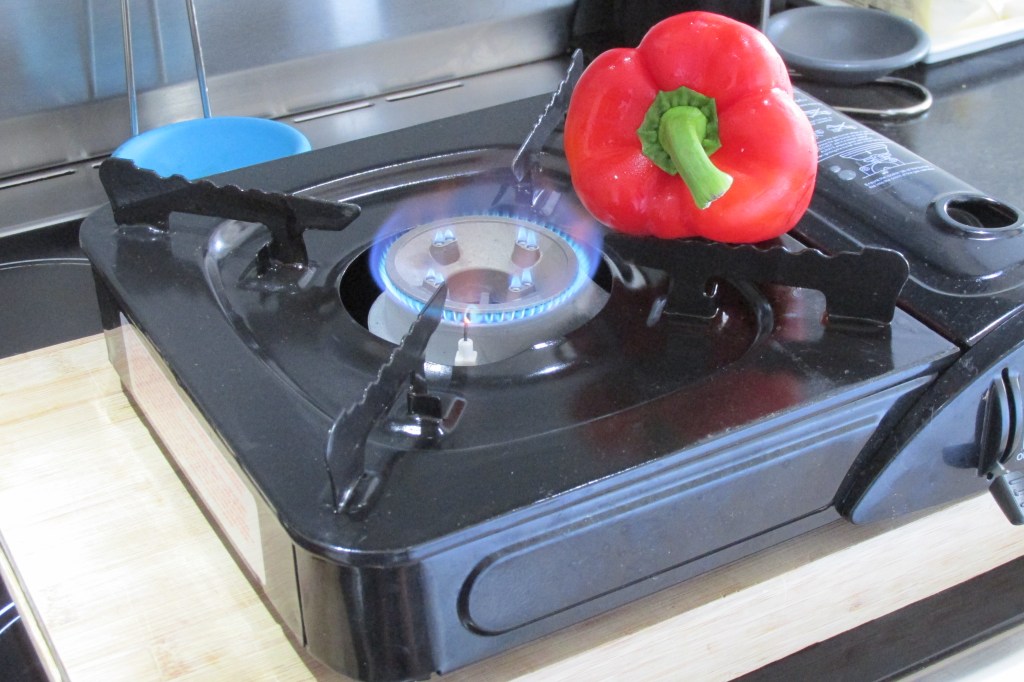
If you are fortunate enough to have a gas cooker this method is the perfect option for roasting one or two peppers at a time. This method requires a little more effort from you but is still great.
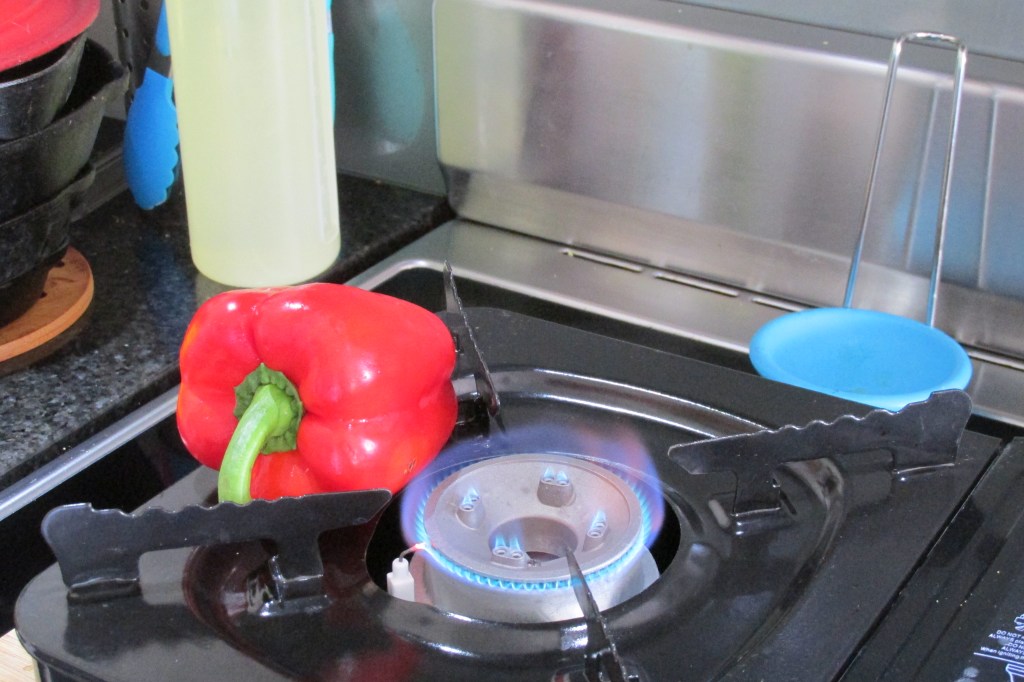
Turn your gas flame on to a low to medium heat.
Place the pepper over the flame; I lean the pepper against the metal for pans.
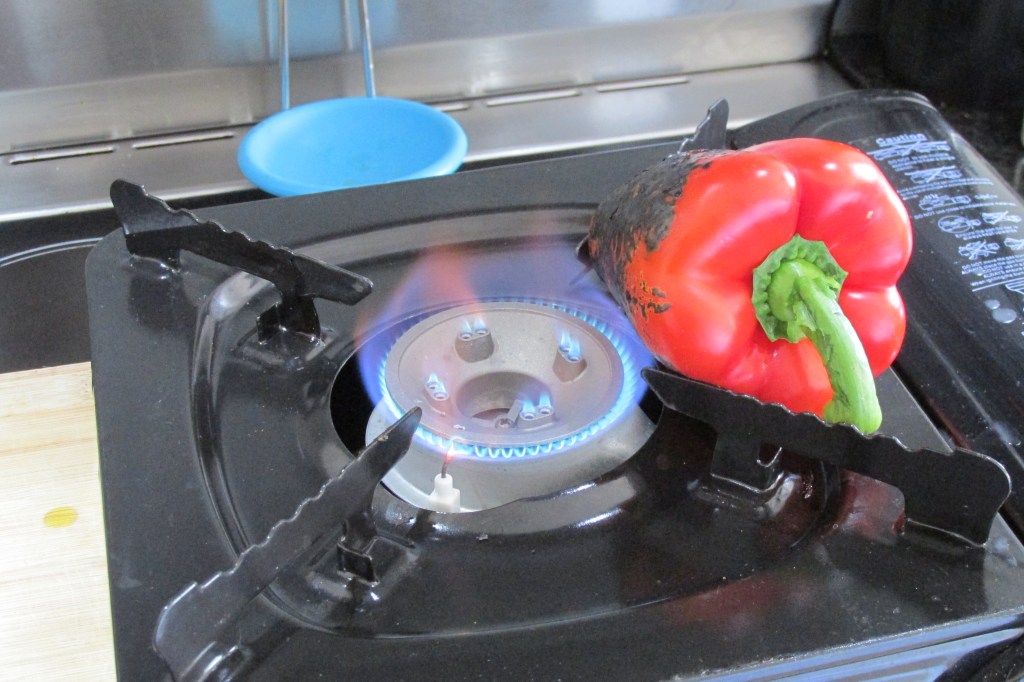
When the skin of the pepper starts to colour rotate the pepper so that a new part of the skin is over the flame. Keep turning the pepper when the skin begins to colour.
Keep turning the pepper when the skin begins to colour.
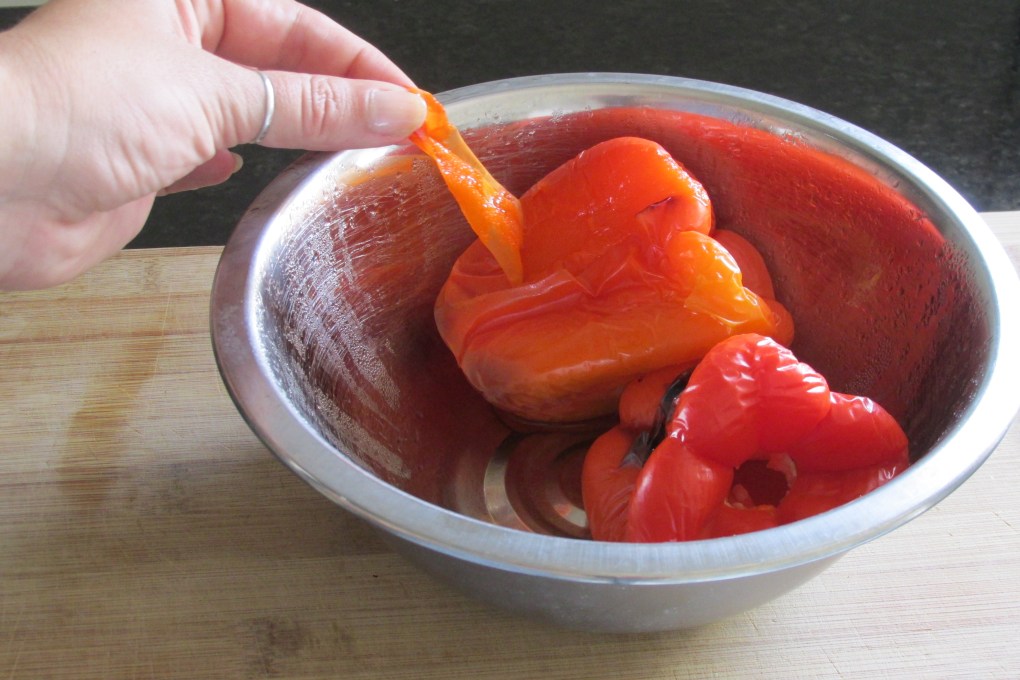
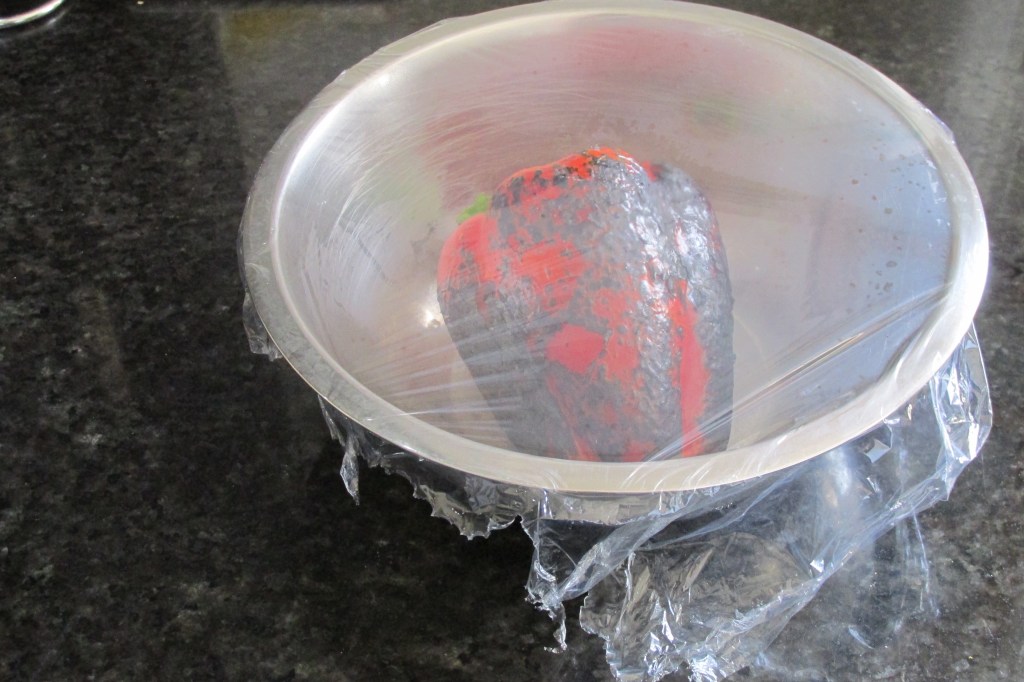
When the pepper is charred take it off the heat, put them in a bowl, cover the bowl with cling film and let the peppers steam for 10 minutes
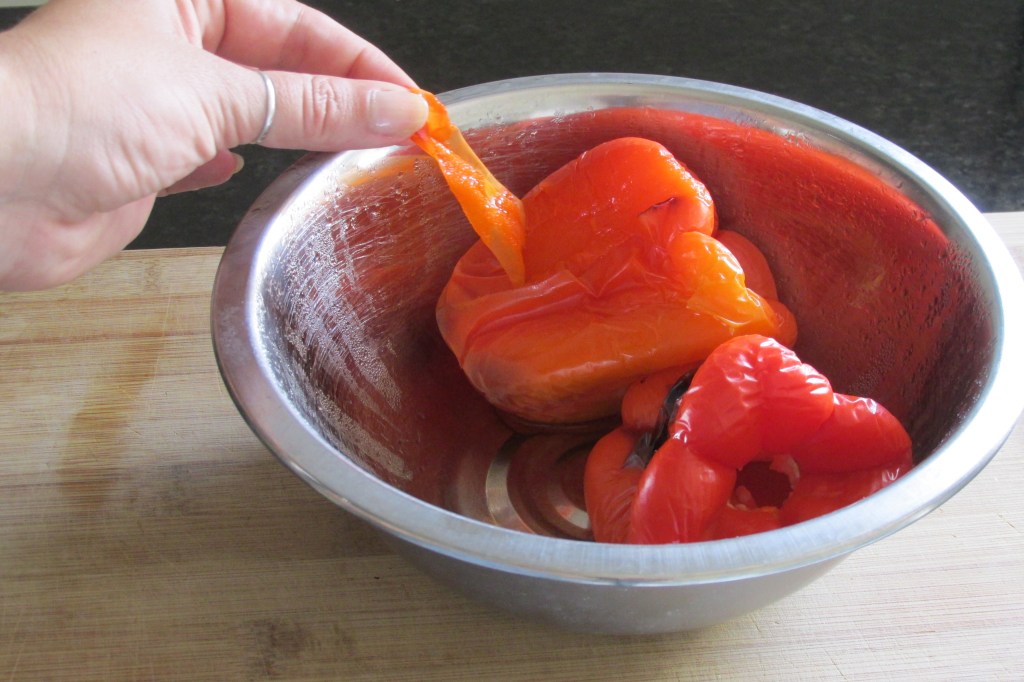
After 10 minutes take the peppers out of the bowl and use your fingers to peel the skin away
Use your fingers to peel the skin away
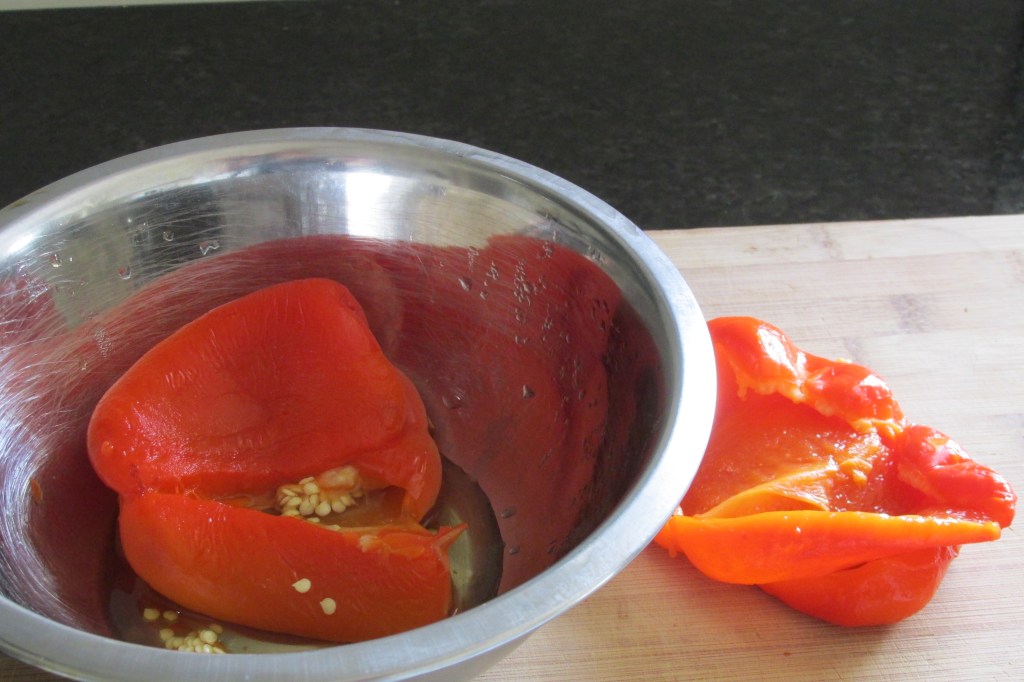
Pull the stem out of the pepper and use a knife to scrape out the seeds.
Turn your gas flame on to a low to medium heat.
Place the pepper over the flame; I lean the pepper against the metal for pans.
When the skin of the pepper starts to colour rotate the pepper so that a new part of the skin is over the flame. Keep turning the pepper when the skin begins to colour.
Keep turning the pepper when the skin begins to colour.
When the pepper is charred take it off the heat, put them in a bowl, cover the bowl with cling film and let the peppers steam for 10 minutes
After 10 minutes take the peppers out of the bowl and use your fingers to peel the skin awayUse your fingers to peel the skin away
Pull the stem out of the pepper and use a knife to scrape out the seeds.
Oven roasting
This is the easiest method because you can roast lots of peppers at the same time and the clean-up is a lot easier.
Preheat your oven to 200 degrees C/ 400 degrees F
Start with some fresh peppers
Line a baking tray with some aluminium foil
Place the peppers on the baking sheet
Place the peppers on the baking sheet
Roast the peppers for 20 minutes then turn them and roast for another 20 minutes. When the peppers are soft and have collapsed in on themselves, they are ready.
When the peppers are soft and have collapsed in on themselves, they are ready.
Remove the peppers from the oven and put them in a bowl, cover the bowl with cling film and let the peppers steam for 10 minutes
Remove the peppers from the oven and put them in a bowl,
After 10 minutes take the peppers out of the bowl and use your fingers to peel the skin away
Use your fingers to peel the skin away
Pull the stem out of the pepper and use a knife to scrape out the seeds.
Grilling
This method is similar to the oven roasting method, you can’t roast as many under a grill, but it is still an easy cleanup.
Preheat your oven grill to its highest setting
Line a baking tray with some aluminium foil
Place the peppers on the baking sheet
Grill the peppers for until the skin starts to colour, turn the peppers and continue to grill and turn until all parts of the pepper are coloured.
When the peppers are soft and have collapsed in on themselves, they are ready.
Remove the peppers from the oven and put them in a bowl, cover the bowl with cling film and let the peppers steam for 10 minutes
After 10 minutes take the peppers out of the bowl and use your fingers to peel the skin away
Pull the stem out of the pepper and use a knife to scrape out the seeds.
Ready to use
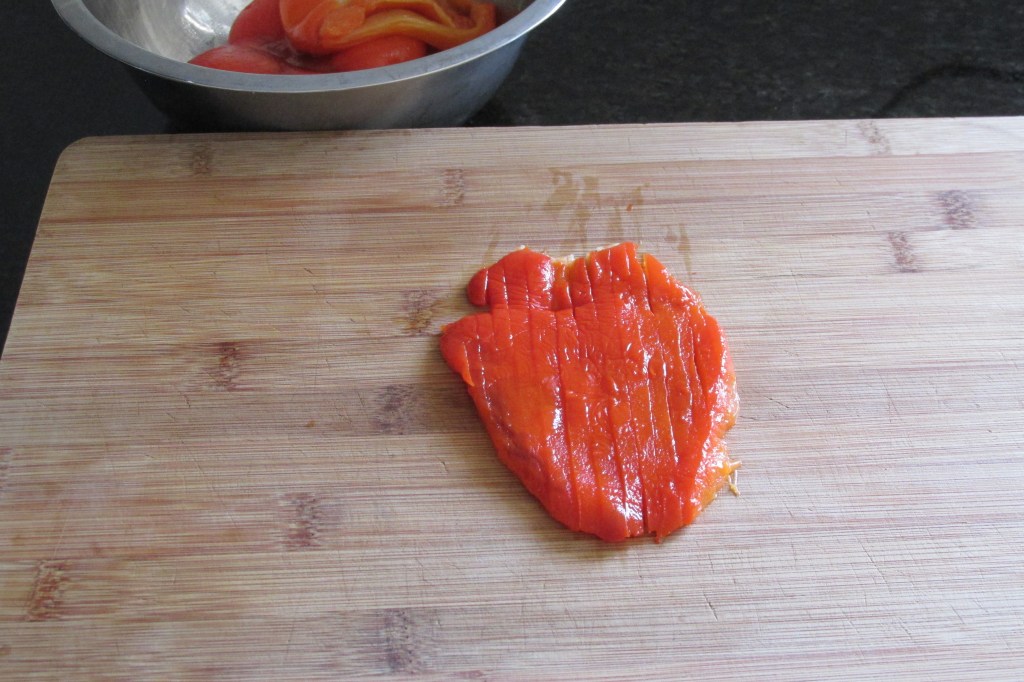
Once the peppers have been skinned and deseeded they are ready to slice and use. If you plan to keep them sort a while you can store the peppers on oil in the fridge, they should last for about a week.
Sliced peppers ready to use
How do you eat yours?
If you roast peppers what do you eat them with, let me know in the comments below
Steaming vegetables is a quick and easy option for getting vegetables onto your plate.
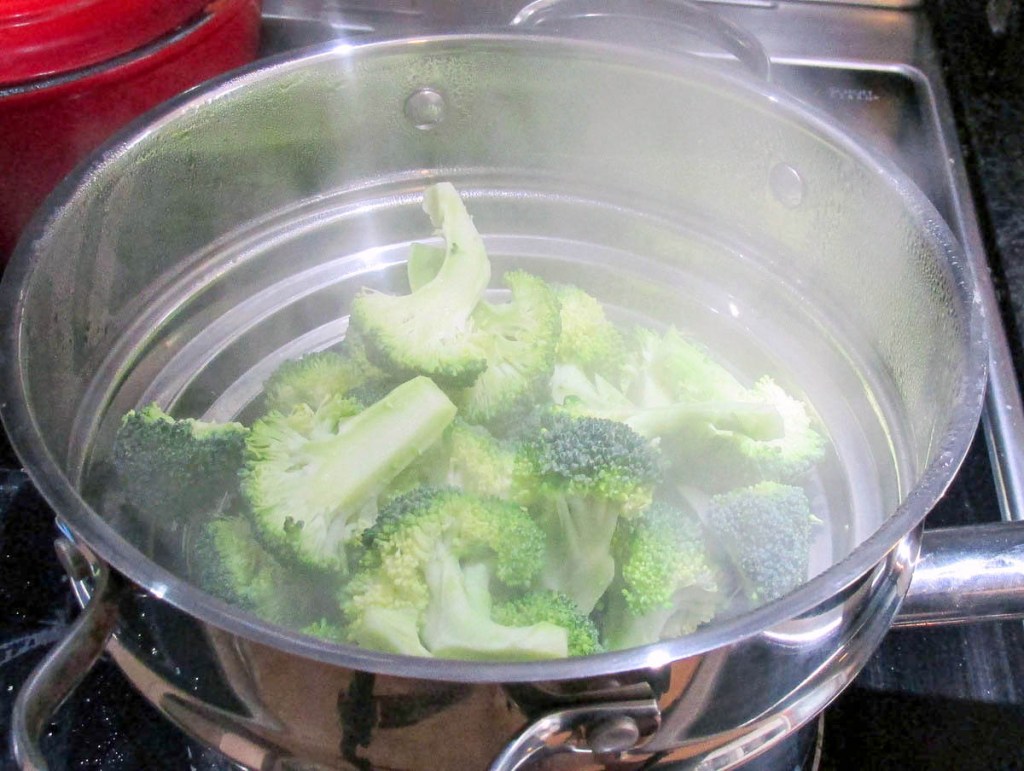
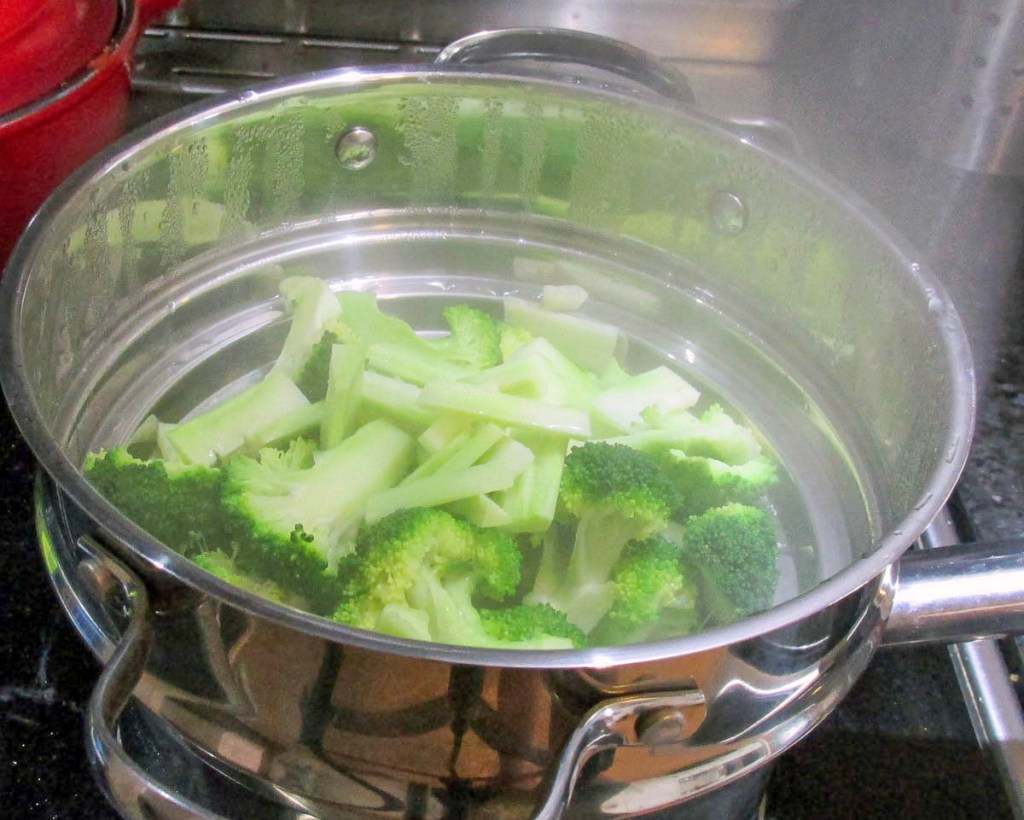
Steaming your vegetables is a great way of keeping some of the crunch in your vegetables, none of us likes soggy broccoli with dinner.
Here are some things you may need to know about how you can get perfect steamed vegetables every time.
One important factor in steaming vegetables is keeping your vegetables the same size, if vegetables are cut to the same size they will cook at the same rate, this means you will be getting consistent texture in the finished vegetables.
Do not overfill the steamer, too much in one batch will mean some vegetables will overcook and others will barely be heated through.
Steam the dense vegetables first; things like carrots take slightly longer to cook than things like broccoli, if you are steaming a mix of vegetables try adding the dense first and tender vegetables towards the end.
If you do not want mushy vegetables set a timer, steaming is quick so try checking your veggies after 3 minutes; you should be able to tell how much longer they need to cook.
Take the vegetables out just before they are done, this means you will not overcook them and end up with a mushy mess but perfectly cooked vegetables.
Different vegetables take different lengths of time to steam; this is a rough idea of how long some commonly used vegetables take to steam
Spinach and Rocket: 3 minutes
Peas: 3 minutes
Broccoli Florets, Cauliflower Florets, Green Beans: 5 to 7 minutes
Carrots, Potatoes, Turnips, Squash: 8 to 20 minutes
Kale and Collards: 10 minutes
How to Steam Vegetables
Ingredients
Any vegetables you want to steam
Equipment
Chopping board
Chef’s knife
Small saucepan with lid
Steamer basket or colander
Instructions
Cut the vegetables into uniformly sized pieces. The smaller the pieces the faster they will cook.
Add 2-3cm of water to the pan and place the steamer basket or colander on top of the pan, the basket or colander should not touch the water.
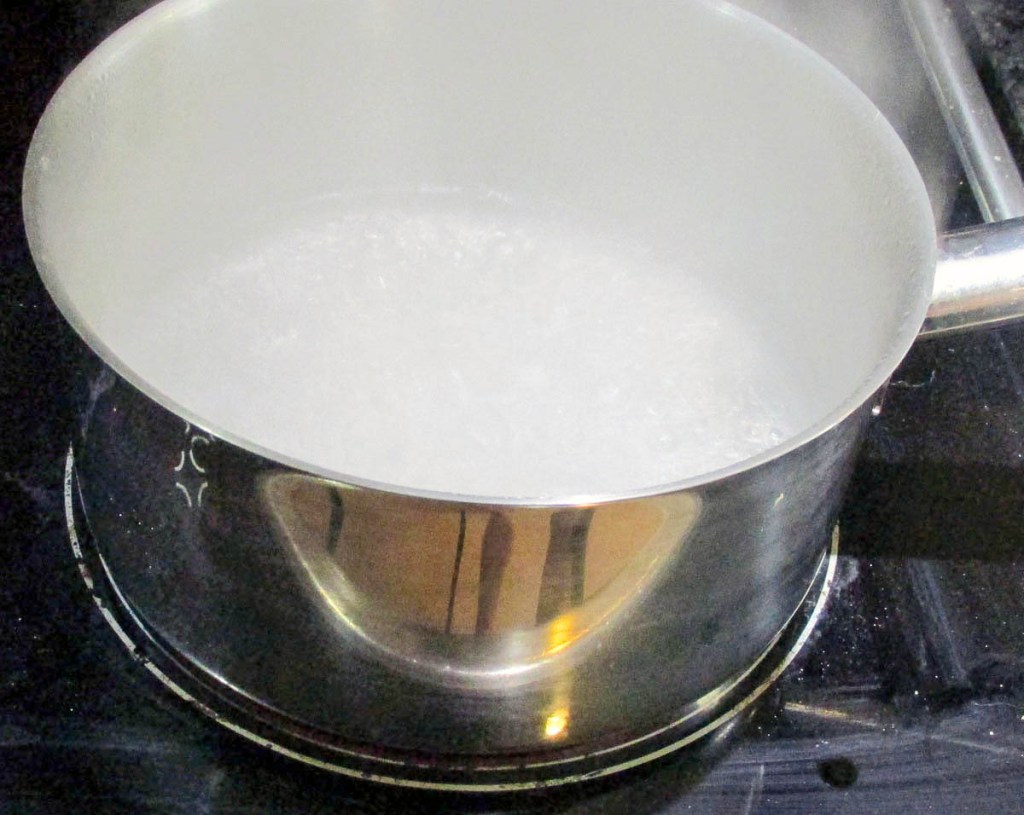
Bring the water to a boil, when you can see steam rising from the pot it is ready to use.
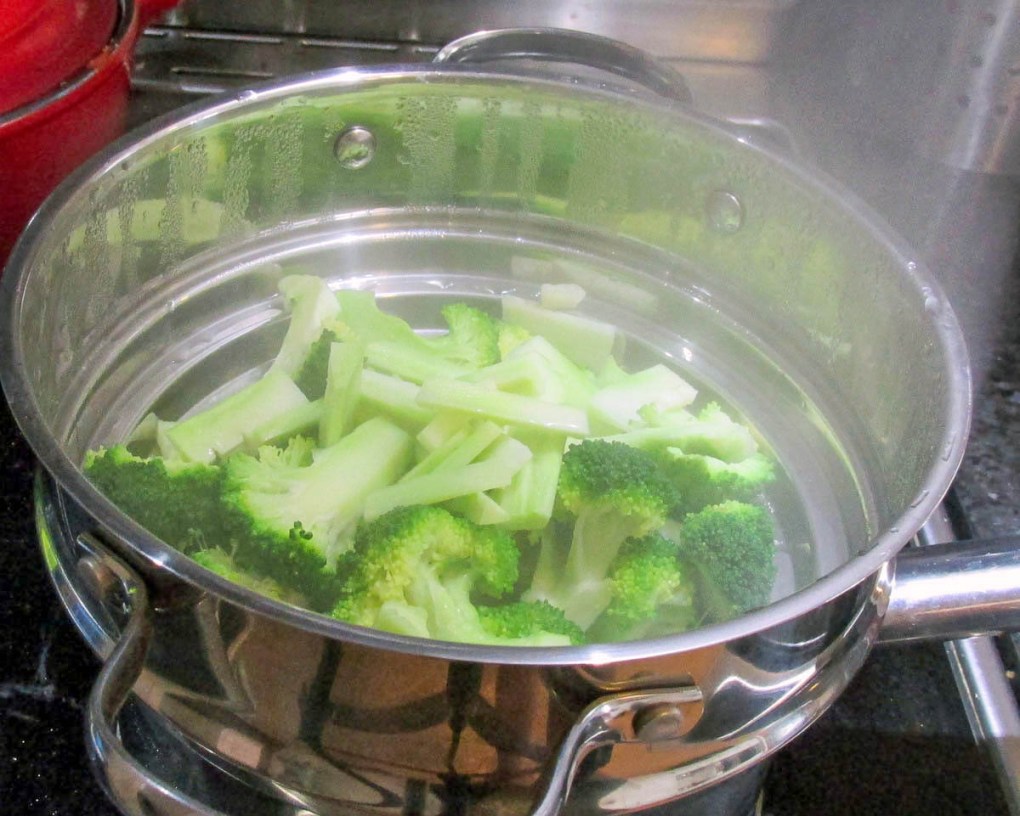
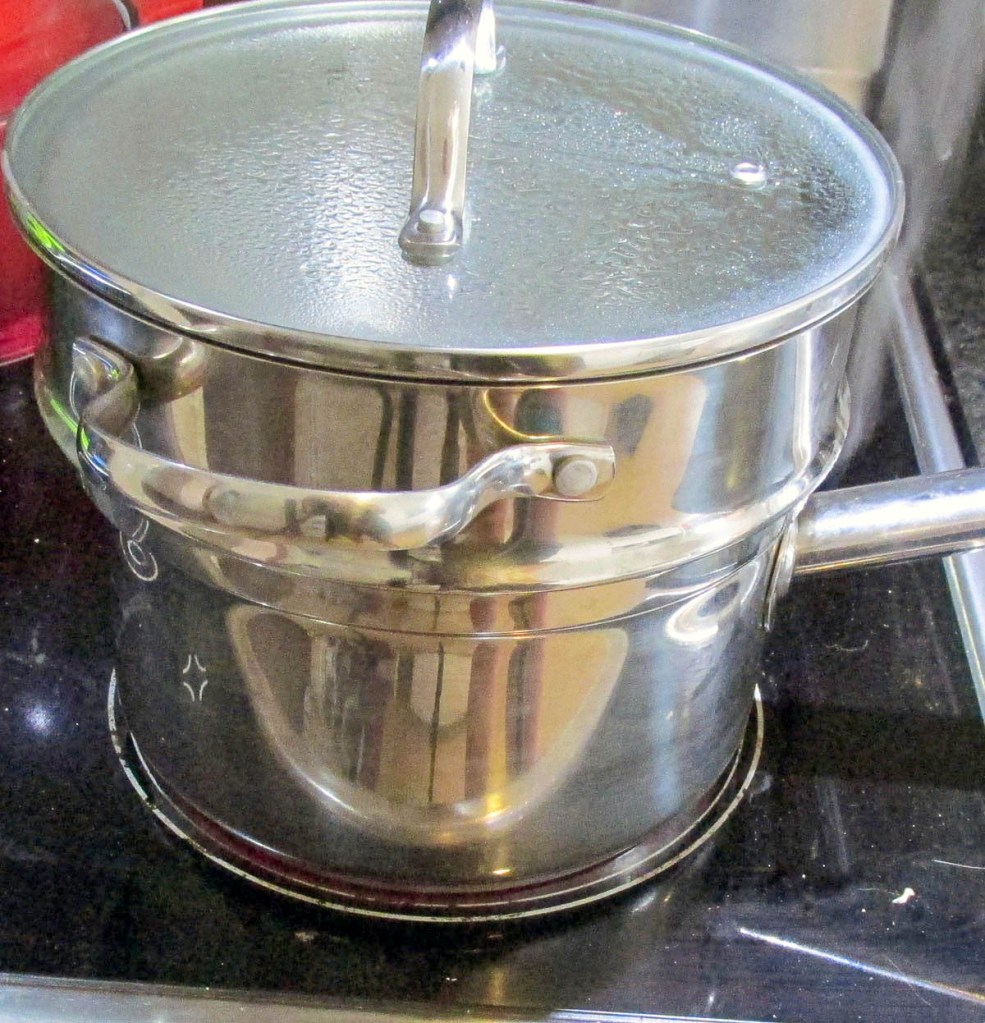
Add your vegetables to the steamer basket or colander and cover with a lid.
Check on the vegetables after approximately 3 minutes, vegetables will be ready when they are just tender and often look vibrantly and brightly coloured when they are ready.
Remove the vegetables when they have a little crunch left, they will continue to cook even when they come out of the steamer
Freshly steamed vegetables are great served with a little olive oil or some butter.
Instructions
Cut the vegetables into uniformly sized pieces. The smaller the pieces the faster they will cook.
Add 2-3cm of water to the pan and place the steamer basket or colander on top of the pan, the basket or colander should not touch the water.
Bring the water to a boil, when you can see steam rising from the pot it is ready to use.
Add your vegetables to the steamer basket or colander and cover with a lid.
Check on the vegetables after approximately 3 minutes, vegetables will be ready when they are just tender and often look vibrantly and brightly coloured when they are ready.
Remove the vegetables when they have a little crunch left, they will continue to cook even when they come out of the steamer
Freshly steamed vegetables are great served with a little olive oil or some butter.
I’m a bit lover of coffee. That is actually an understatement; coffee keeps me going, I may have more coffee than water in my body. It upsets me to say this, but there are times when it is too hot to drink a hot coffee; fear not as the solution is to have cold brew coffee.
So what is cold brew coffee?
I can tell you that cold brew coffee is not an espresso poured over ice or left to go cold. That is bad coffee. It will be bitter and acidic; trust me, you do not want this kind of coffee. What you want is coffee that is made cold and stays that way.
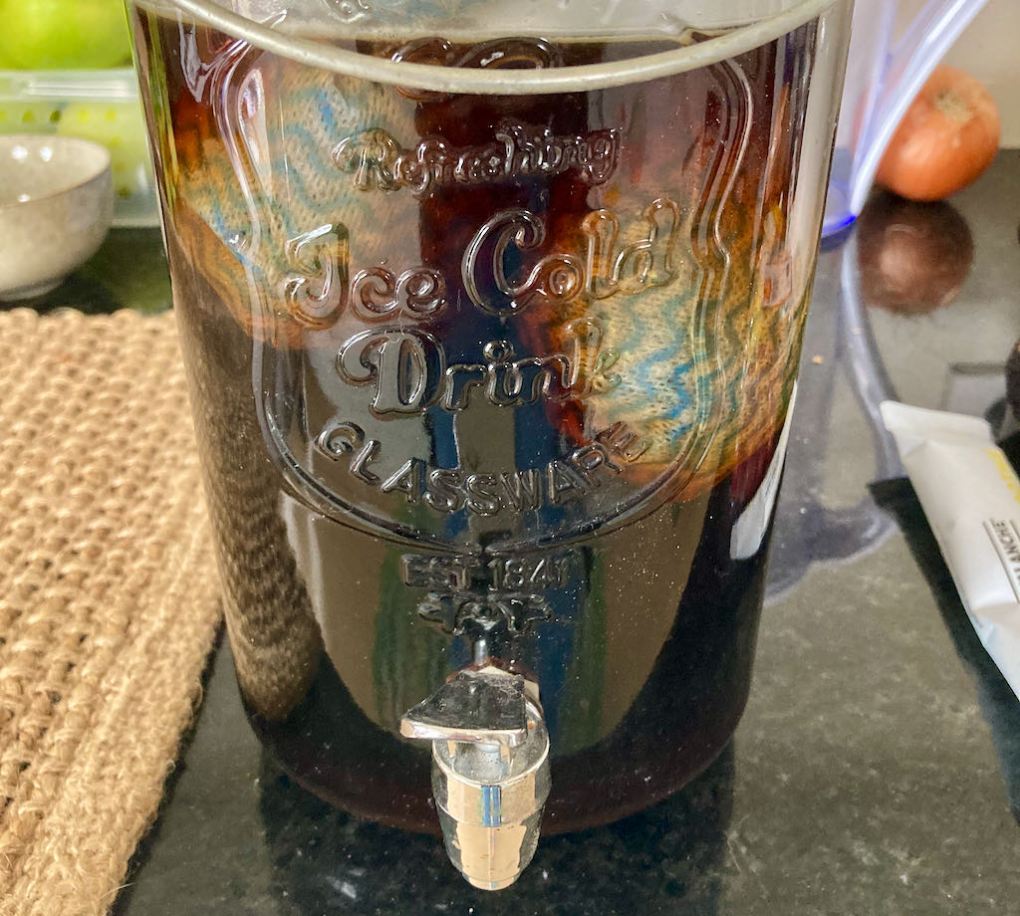
Cold brew coffee is made using cold water and good quality coffee grounds, it takes a long time to brew, but the flavour profile is fantastic.
Interested? Keep reading to find out what you need
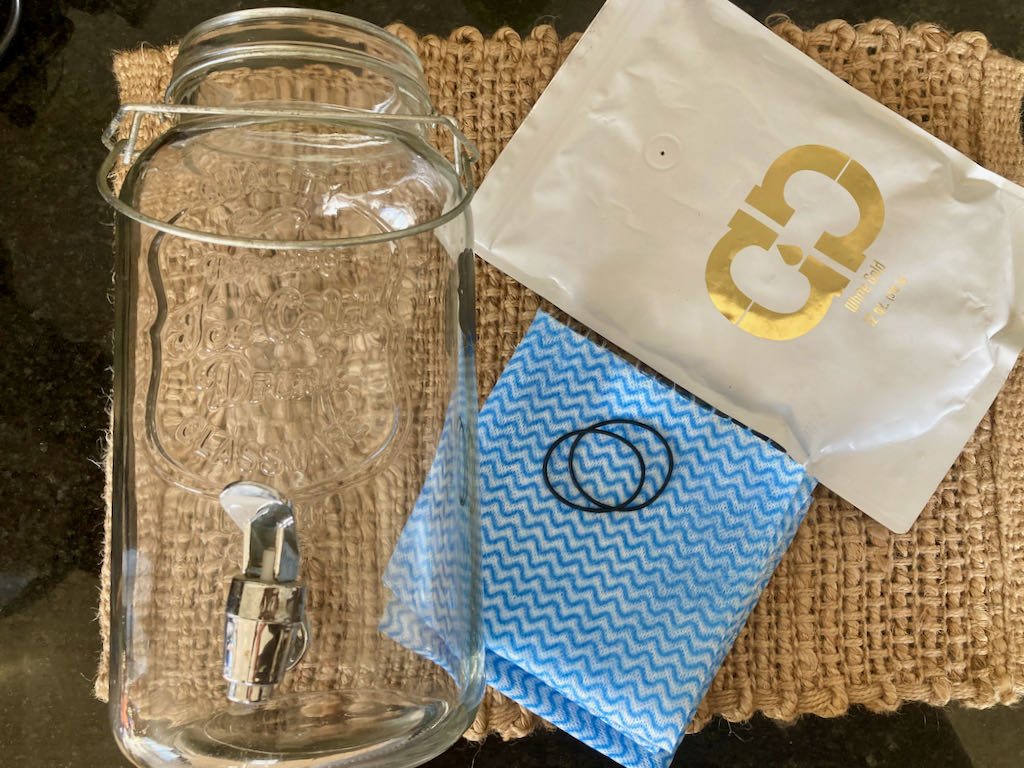
Equipment
Large jar (2-litre capacity)
2 large coffee filters or two cloths
2 rubber bands
200g Coffee beans/grounds
Instructions
Take your jar and fill it to 3/4 full with cold water, set it to one side.
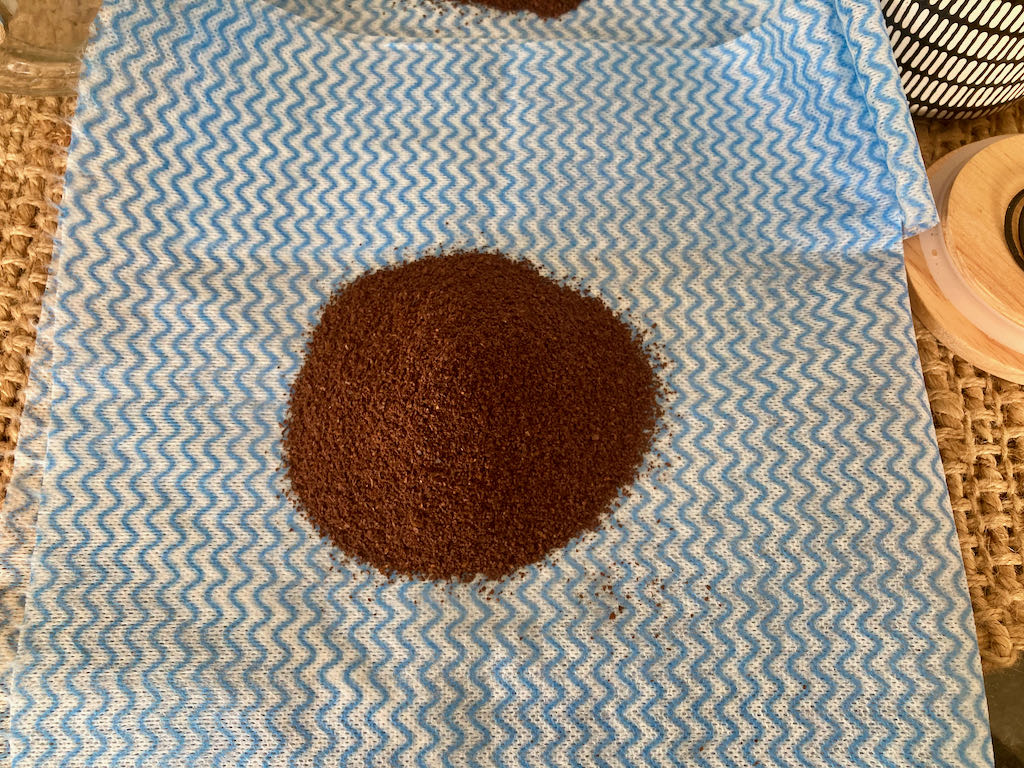
Take the coffee beans and grind them coarsely; get the plunger ground coffee if you are using pre-ground beans.
Lay out the coffee filters or cloth.
Divide the ground coffee between the two filters or cloths.
Fold the edges of the filter up over the coffee grounds and secure the top with a rubber band.
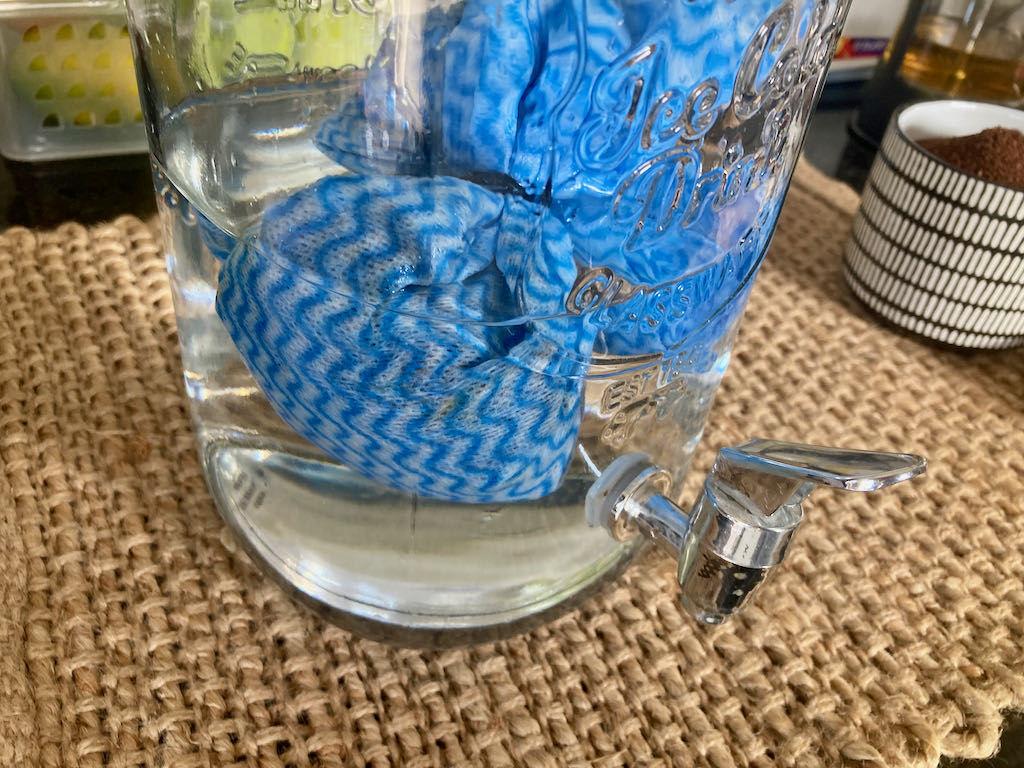
You should have two coffee bombs.
Place the coffee bombs into the jar with the cold water and top up the jar with more cold water.
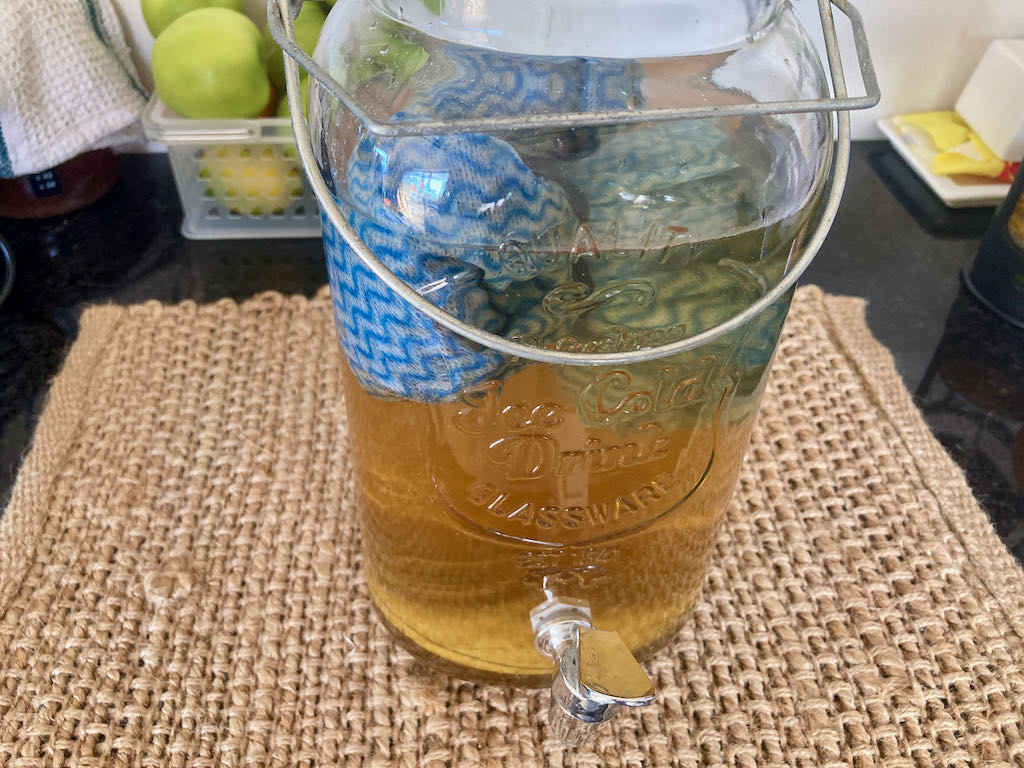
Let the coffee brew for at least 14 hours, but if you want a strong brew to leave it for 24 hours.
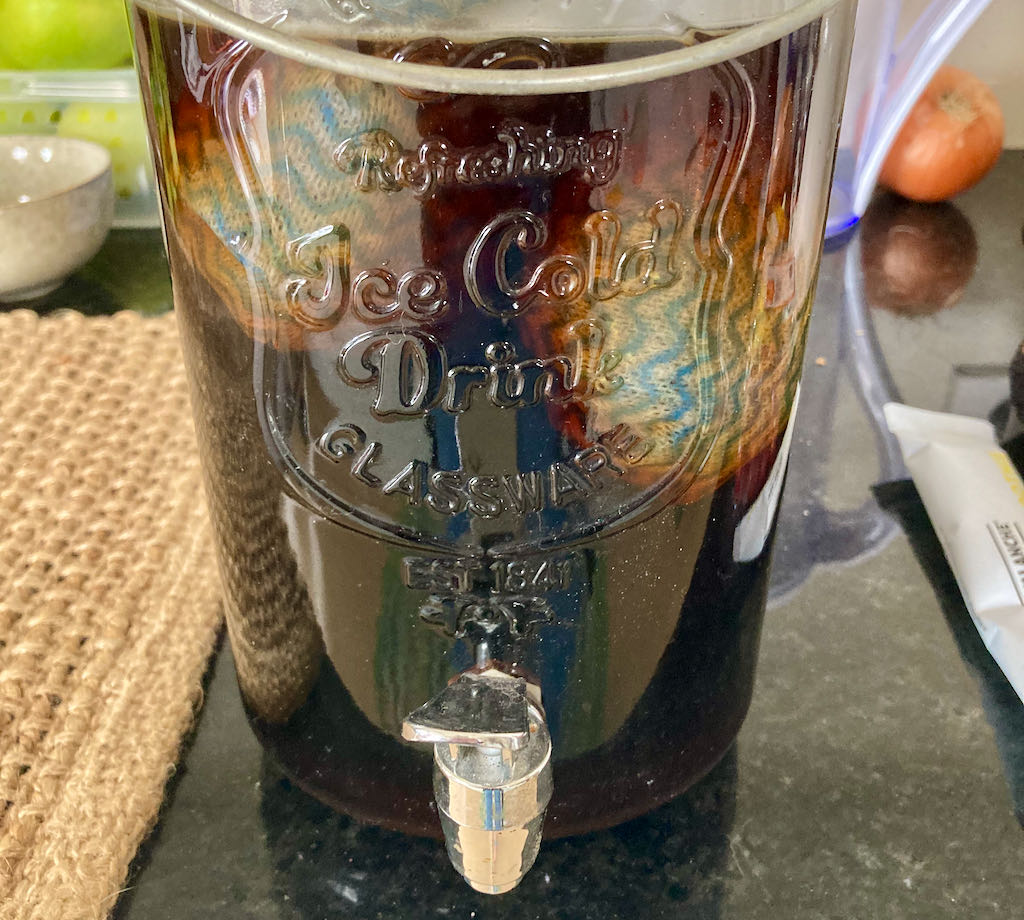
When your coffee is at a strength right for you, remove the coffee bombs from the jar.
Store your coffee in the fridge for up to one week; if you don’t drink it all at once.
Serve over ice when you need a cold coffee boost.
Take your jar and fill it to 3/4 full with cold water, set it to one side.
Take the coffee beans and grind them coarsely; get the plunger ground coffee if you are using pre-ground beans.
Lay out the coffee filters or cloth.
Divide the ground coffee between the two filters or cloths.
Fold the edges of the filter up over the coffee grounds and secure the top with a rubber band.
You should have two coffee bombs.
Place the coffee bombs into the jar with the cold water and top up the jar with more cold water.
Let the coffee brew for at least 14 hours, but if you want a strong brew to leave it for 24 hours.
When your coffee is at a strength right for you, remove the coffee bombs from the jar.
Store your coffee in the fridge for up to one week; if you don’t drink it all at once.
Serve over ice when you need a cold coffee boost.
Nutritional disclaimer
Nutrition information is provided as an estimate based on the ingredients used and available in my area (New Zealand). The nutritional information is here to help you understand the recipe; I use MyFitnessPal to generate my estimates. For more accurate nutritional information, please use a nutritional calculator with the ingredients in your area.
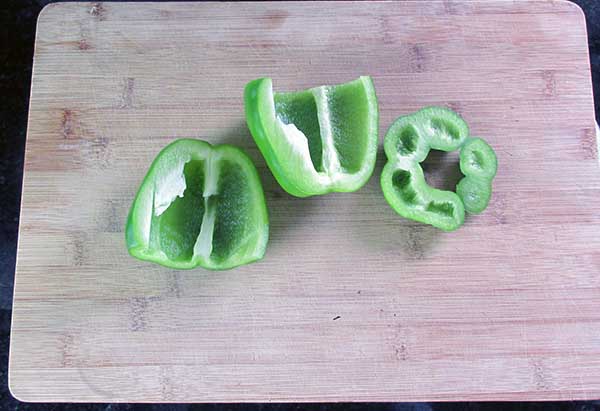
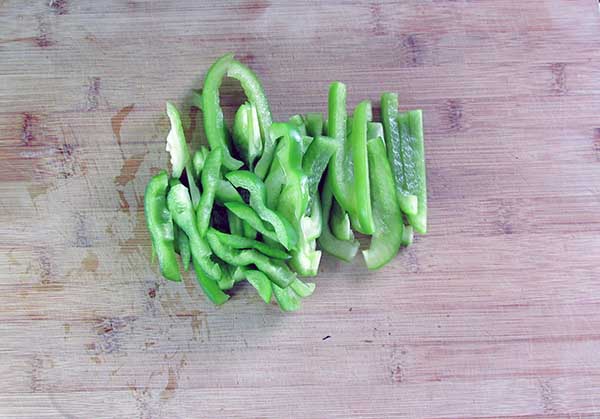
Working with peppers doesn’t have to be difficult, and you don’t need to spend your time scraping seeds from the inside of the peppers. Here is the best method I have found for preparing peppers
Equipment
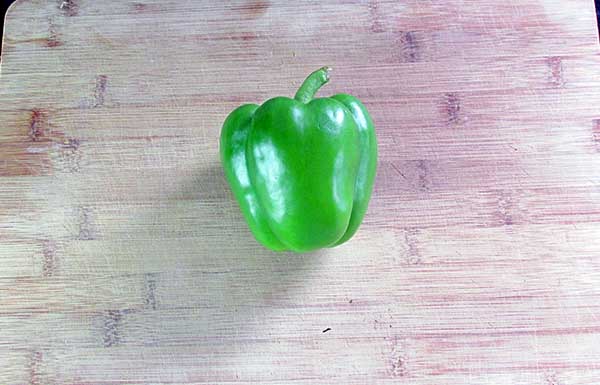
A pepper
A chopping board
A sharp knife
A pepper
What to do
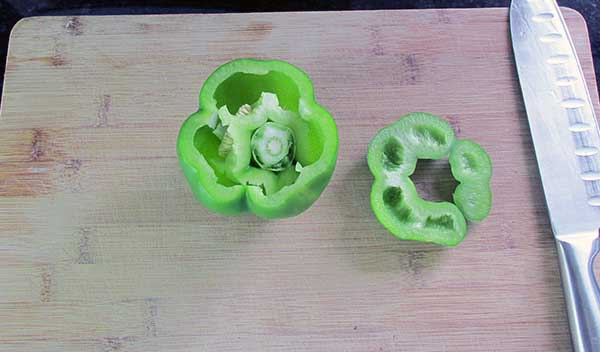
Firstly, cut off the top of the pepper
Firstly, cut off the top of the pepper, I recommend you slice about 1-2 cm below the stalk of the pepper.
Put the top of the pepper to one side.
Put the top of the pepper to one side.
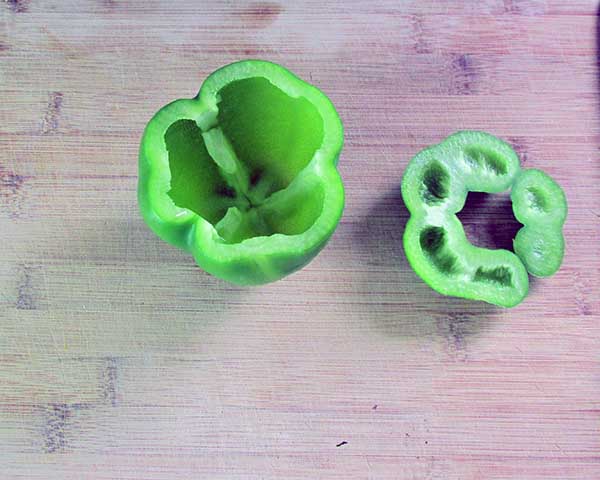
Using your fingers pull out the clump of seeds out of the centre of the pepper.
Using your fingers pull out the clump of seeds out of the centre of the pepper.
Take the top of the pepper and push out the stem using your thumbs, this way you don’t waste any of the pepper.





























 Easy Clean Eats