Hopefully, you all had a great break and enjoyed time with friends and family. I am not one for making New Year’s resolutions. I prefer to set myself goals for the year, have something to work towards and start a new year by setting my goals.
2015 the year that was
Last year, I set myself many goals; I achieved all of the important ones but never accomplished the physical goals I set thanks to injuring my Achilles in August. I spent a total of two months rocking around with a cast and then had a moon boot on. Sadly that means that all of my hard work from the year that would have seen me reach my goals was mostly undone, and I spent the remainder of the year focusing on physiotherapy and regaining my strength and flexibility. I’m still not fully recovered from my Achilles adventure (apparently, it’s a long road to recovery), so with that long layoff still fresh in my mind, I’m setting my goals and making sure I’m kinder to my body in the process.
2016 goals
Over the next 12 months, I want to:
Stay injury-free for the year, continue to recover from my injury and avoid surgery.
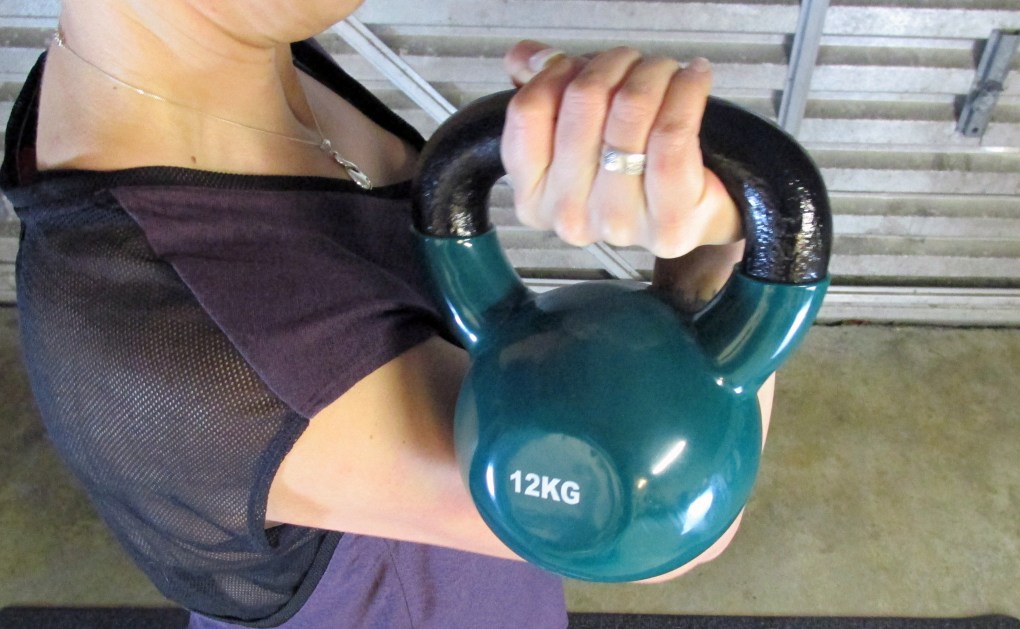
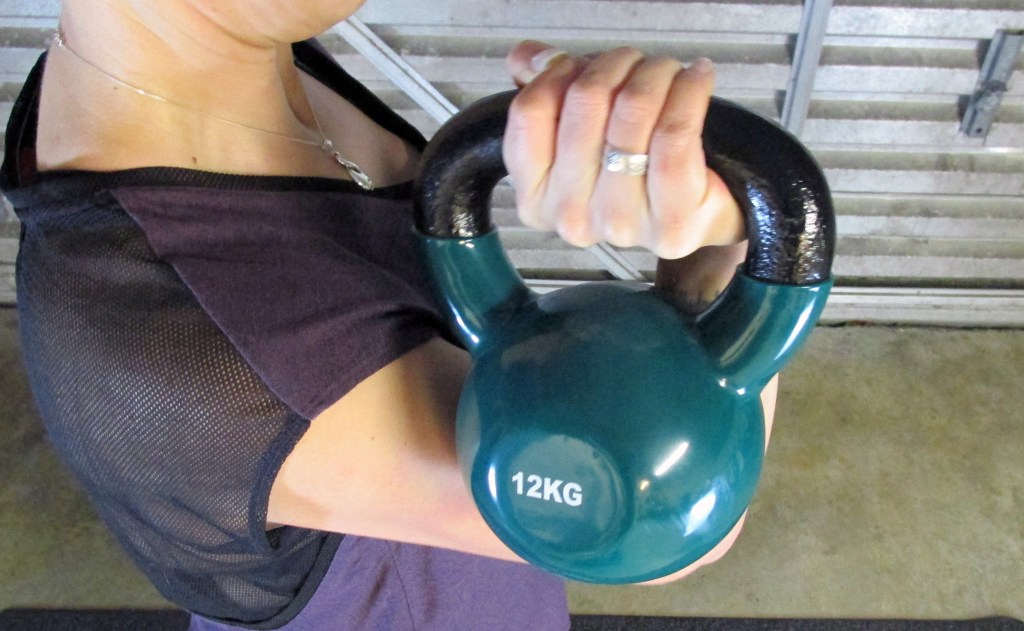
Improve my back squat aim to squat 80kg
Attend one yoga class a week to improve flexibility
Reduce my resting heart rate to 60bpm
Reduce my body fat to 20%
Work out at least once a day.
To make these goals achievable, I am going to break them down and give myself some milestones through the year to keep myself on track. Any goals that I reach before the end of the year will be ticked off, and I will set a new goal for myself. I want to make myself accountable for my progress, so I’ll check in each month and share my progress.
When setting off on a journey to remove processed foods from your diet, you may stop and ask yourself the question What can I eat instead of rice/couscous/pasta/bread?
The answer is to find a suitable replacement.
The options are limitless; you can find gluten-free, sugar-free, grain-free, I could go on. An easy way to eat clean and simple is to switch out the standard meal padding of rice/couscous/pasta/bread with a vegetable alternative or something you can make yourself.
This recipe is an excellent alternative that can be easily added to your meal.
Easy to make with the right tools
It is simple to make when the ingredients are prepared, but the preparation can take some time. I spent a year grating all of my cauliflowers by hand before moving over to a food processor and away from the weekly skin grafts to my fingers. I was becoming concerned that my family would develop a liking of long pig in their food. A food processor with a grating attachment is a must if you intend to move away from real rice. You can process 4 cauliflower heads in the time it takes to grate one by hand. To make couscous I like to use the larger grating attachment to get a more chunky texture.
Perfect hot or cold
As with regular cous cous you can have this hot or cold, once it has been cooked the options are unlimited. You can freeze cauliflower if it is raw or cooked. That means you can make the most of cauliflower when they are in season and cheap. I like to buy in bulk, grate, portion and freeze.
This easy to make alternative to couscous is a must know recipe for clean eating, paleo, primal and keto diets.
Credit: Cath @ easycleaneats
Ingredients
1 head cauliflower grated
1/2 onion, finely minced
1 tbsp. coconut oil
1 garlic clove minced (optional)
Directions
Break the cauliflower into large florets.
Use a food processor with a corse grating attachment to grate cauliflower.
If you don’t have a food processor you can grate the cauliflower by hand.
Finely chop the onion.
When all of the cauliflower is grated transfer it to a mixing bowl.
Take a large frying pan over a medium heat and melt some coconut oil.
Add the onion to the frying pan.
Cook the onion until it is softened.
Add the cauliflower to the frying pan.
Cook the cauliflower and onion for 5 minutes.
Keep the cauliflower moving in the pan, you don’t want it to colour.
When the cauliflower has softened it is ready to serve.
Serve hot or cold.
You can freeze the cauliflower cous cous to use anytime you need it.
Nutrition
Per Serving: 54 calories; 0 g fat; 12 g carbohydrates; 3 g protein
Equipment
Food processor
Grating attachment
Mixing bowl
Frying pan
Spatula
Measuring spoons
Nutritional disclaimer
Nutrition information is provided as an estimate based on the ingredients used and available in my area (New Zealand). The nutritional information is here to help you understand the recipe; I use MyFitnessPal to generate my estimates. For more accurate nutritional information, please use a nutritional calculator with the ingredients in your area.
An odd name I know, some people call the zoodles, but I like to call them coodles because I’m still not comfortable calling courgettes zucchini.
These replacement noodles are a brilliant substitute for regular noodles and pasta. An excellent julienne slicer will serve you well when making coodles.
Bowl of coodles
They go with everything
Coodles are a versatile staple in our house. They can be eaten hot or cold, added to a salad or used in your favourite pasta dishes. There are many ways to make and cook coodles depending on what you intend to use them for. I cover off these different techniques in more detail in ways to make and cook coodles. For this recipe, I am going over the easiest way to make coodles.
What do you do?
When setting off on a journey to remove processed foods from your diet, you may stop and ask yourself the question What can I eat instead of rice/couscous/pasta/bread?
The answer is to find a suitable replacement.
The options are limitless; you can find gluten-free, sugar-free, grain-free, I could go on. An easy way to eat clean and simple is to switch out the standard meal padding of rice/couscous/pasta/bread with a vegetable alternative or something you can make yourself.
This recipe is the no-frills no added flavour version that can be made and then added to things like chicken carbonara, Bolognese and prawn parmesan coodles.
Coodle recipe
Coodle ingredients
Ingredients
2 carrots
2 courgettes
Take the top and bottom off the carrots with a sharp knife.Take the top and bottom off the courgettes with a sharp knife.Julienne the vegetable to create spaghetti strings.Julienne the vegetable to create spaghetti strings.Cook the coodles for approximately 3 minutes in boiling water.Serve hot or cold.
This easy to make alternative to pasta is a must know recipe for clean eating, paleo, primal and keto diets.
Credit: Cath @ easycleaneats
Ingredients
2 carrots
2 courgettes
Directions
Take the top and bottom off the carrots and courgettes with a sharp knife.
Julienne the vegetable to create spaghetti strings.
Cook the coodles for approximately 3 minutes in boiling water.
Serve hot or cold.
Nutrition
Per Serving: 54 calories; 0 g fat; 12 g carbohydrates; 2 g protein
[/recipe]
Try this with
Chicken carbonara
Lemon chicken
Equipment
Knife
Chopping board
Julienne vegetable peeler
Saucepan
Wooden spoon
Colander
Nutritional disclaimer
Nutrition information is provided as an estimate based on the ingredients used and available in my area (New Zealand). The nutritional information is here to help you understand the recipe; I use MyFitnessPal to generate my estimates. For more accurate nutritional information, please use a nutritional calculator with the ingredients in your area.
I’ve been revisiting recipes that have been some of my old school recipes and family favourites that were our staples when we got started as clean eaters. I first posted this recipe in 2015 , at that time, the kids were fussy, vegetables had to be hidden and disguised, and there was no potential for intense flavours or spice.
Times (thankfully) have changed, the kids have grown (like man-sized grown), and they now enjoy a wide range of foods. Things like vegetables are enjoyed, spice and chilli are consumed without complaint, and new ingredients are tried without tantrums.
As the kids have grown my recipes have changes organically to meet their palates and preferences, I’ve updated this recipe because of that, but fear not, all I have done is make it a little bit better.
Chocolate waffles with yoghurt and frozen blueberries.
Chocolate for breakfast
Breakfast is the most important meal of the day, and we should all be making an effort to start the day in the best possible way. In this house, with three hardcore chocoholics, beginning the day with chocolate is always going to be the preferred option. If you have to start the day with chocolate, why not do it with chocolate waffles.
Weekend treat
Let’s be clear. I’m not saying you should eat chocolate for breakfast every day, maybe save it for the weekend or special occasions. These waffles are coconut flour based and have a big helping of protein which should keep you feeling full until lunchtime.
No waffle iron no problem
If you don’t have a waffle iron or machine don’t worry, this batter can be used to make pancakes without any adjustments, just make small thick pancakes
Chocolate waffles recipe
Chocolate waffle ingredients
Ingredients
1/4 cup coconut flour
1/4 cup cacao powder
1/4 tsp. baking soda
1/4 tsp. salt
3 eggs
1/2 cup coconut milk
2 scoops protein powder (unflavoured)
2 tbsp. coconut oil, melted
3 tbsp. maple syrup
1 tsp. vanilla extract
coconut oil for the waffle iron
Sift together coconut flour, cacao, baking soda, and salt then set aside.Sift together coconut flour, cacao, baking soda, and salt then set aside.Whisk together the eggs, coconut milk, coconut oil, maple syrup, and vanilla until well combined and foamy.Whisk together the eggs, coconut milk, coconut oil, maple syrup, and vanilla until well combined and foamy.Add dry ingredients to wet and blend together again.Batter ready to cookMake sure you oil the waffle iron well.Add the batter to the waffle iron, use a tablespoon at a time. Add the batter to the waffle iron, use a tablespoon at a time. Don’t add too much and not too close to the edges.Cook the waffle until they are crisp on the outside but still have some give in the middle.
Start your day with this tasty chocolate waffle treat.
Credit: Cath @ easycleaneats
Ingredients
1/4 cup coconut flour
1/4 cup cacao powder
1/4 tsp. baking soda
1/4 tsp. salt
3 eggs
1/2 cup coconut milk
2 scoops powder (unflavoured)
2 tbsp. coconut oil, melted
3 tbsp. maple syrup
1 tsp. vanilla extract
coconut oil for the waffle iron
Directions
Preheat your waffle iron
Sift together coconut flour, cacao, baking soda, and salt then set aside
Whisk together the eggs, coconut milk, coconut oil, maple syrup, and vanilla until well combined and foamy, I use a hand blender and it takes about 20-30 seconds.
Add dry ingredients to wet and blend together again.
Make sure you oil the waffle iron well.
Add the batter to the waffle iron, use a tablespoon at a time. Don’t add too much and not too close to the edges.
Cook the waffle until they are crisp on the outside but still have some give in the middle.
Repeat with the remaining batter.
Nutrition
Per Serving: 97 calories; 5 g fat; 6 g carbohydrates; 6 g protein
Equipment
Waffle iron
Sieve
Mixing bowl
Whisk or electric whisk
Spatula
Measuring cups
Measuring spoons
Nutritional disclaimer
Nutrition information is provided as an estimate based on the ingredients used and available in my area (New Zealand). The nutritional information is here to help you understand the recipe; I use MyFitnessPal to generate my estimates. For more accurate nutritional information, please use a nutritional calculator with the ingredients in your area.
As snacks go, I don’t think you can get better than beef jerky. The little meaty treat is hard to say no to and more so when the alternative snacks are loaded with sugar or soy. I initially decided to make my own beef jerky because the store-bought stuff didn’t agree with me. The beauty of homemade jerky is the different flavours you can make in one go and that it is so much cheaper.
Simple to make
You don’t need any special equipment to make your own jerky. If you have a sharp knife and an oven with a low heat setting, you have everything you need. If you have access to a dehydrator, it is an easier tool to use, and you can make more jerky in one go.
More meat-lovers
Recently the youngest member of our house joined the beef jerky lover group with a vengeance. My coconut amino teriyaki jerky seems to be a firm favourite with him (and the cat). The big bag of beef jerky that we get out of each beef roast is impressive. Keeping it in glass jars in a cool, dry place means that we have beefy treats on hand for a couple of weeks.
Beef jerky recipe
Ingredients
1kg Beef roast
5 tsp. paprika
2 tsp. garlic powder
1 tsp. salt
4 tsp. basil
2 tsp. thyme
300ml water
Thinly slice your meat; you want it to be no more than 5 mm in thickness.
Take a large sandwich bag you can seal up and place the meat inside or a bowl that can be covered.
In a bowl mix together the ingredients for your marinade, whisk to make sure it is well combined.
Pour the marinade over the meat and massage it around in the bag or in the bowl.
Seal the bag or cover the bowl and put it in the fridge for at least 12 hours but preferably 24 hours.
There are two ways you can dry the meat to make into jerky, you can use your oven or a dehydrator.
Lay out all of the meat onto the dehydrator trays making sure the pieced of meat don’t overlap.
Once the meat has dried out it is ready to be stored, I keep my in bags in the fridge or in an airtight jar.
The time it takes for the meat to dry will depend on how thick it has been sliced, the temperature you are drying the meat at.
Thinly slice your meat; you want it to be no more than 5 mm in thickness.
Take a large sandwich bag you can seal up and place the meat inside.
In a bowl mix together the ingredients for your marinade, whisk to make sure it is well combined.
Pour the marinade over the meat and massage it around in the bag.
Seal the bag and put it in the fridge for at least 12 hours but preferably 24 hours.
When it’s ready drain the marinade off the meat and remove any excess moisture with a clean tea towel.
There are two ways you can dry the meat to make into jerky, you can use your oven or a dehydrator.
If your using the oven you need to have it set around 50 degrees C/ 120 degrees F.
Lay out all of the meat onto wire trays, you need to make sure that the pieces of meat don’t overlap, you can put multiple wire trays on top of each other but the needs to be space for the air to get between each tray.
Put it in the oven on the low heat with the oven door slightly open if you can, if not just open the door every now and then to allow the moisture to escape.
If you are using a dehydrator it needs to be set to around 65 degrees C/ 150 degrees F.
Lay out all of the meat onto the dehydrator trays making sure the pieced of meat don’t overlap.
The time it takes for the meat to dry will depend on how thick it has been sliced, the temperature you are drying the meat at.
14.Once the meat has dried out it is ready to be stored, I keep my in bags in the fridge or in an airtight jar.
Nutrition
Per Serving: 64 calories; 2.1g fat; 0g carbohydrates; 10.4g protein
Equipment
Scales
Measuring jug
Measuring spoons
Knife
Chopping board
Ziplock bag
Mixing bowl
Whisk
Dehydrator or wire racks
Nutritional disclaimer
Nutrition information is provided as an estimate based on the ingredients used and available in my area (New Zealand). The nutritional information is here to help you understand the recipe; I use MyFitnessPal to generate my estimates. For more accurate nutritional information, please use a nutritional calculator with the ingredients in your area.
Earlier in 2021, I made a move to relocate and update my website. I’ve been making changes and improving all of the things as I go. This recipe is one of the many things I’ve tried to make better.
Protein in a small package
I like prawns; they are small, tasty and simple to make. I like to get a package of prawns to cook up and to have on hand as an easy protein portion that can be added to meals like salads or stir-frys. I like to cook the prawns all at once and portion them out; this means I can have protein in the fridge or the freezer. Prawns last about three days cooked in the fridge, which is excellent when you have an abundance of salad.
Competition for dinner
Prawns are a favourite of more than just me; my fur baby is a big fan of prawns and loves it when we have them around. Don’t believe me? Check out the face before I even open the bag.
Garlic Prawns recipe
Ingredients
500g prawns
1/4 cup olive oil
8 garlic cloves, finely grated
2 spring onions, thinly sliced
Peel the prawns by first removing the head and legs.
Peel off the shell, then squeeze the prawn’s tail to remove it from the body.
Pull the vein through the opening at the head of the prawn and discard.
Place a frying pan on medium-high heat with olive oil and garlic.
When the garlic starts to colour, add the prawns to the pan.
Be careful not to burn the garlic.
Cook the prawns for 5-6 minutes or until the prawns are cooked.
Peel the prawns by first removing the head and legs.
Peel of the shell then squeeze the tail of the prawn to remove it from the body.
Pull the vein through the opening at the head of the prawn and discard.
Place a frying pan on medium-high heat with the olive oil and garlic.
When the garlic starts to colour add the prawns to the pan.
Be careful not to burn the garlic.
Cook the prawns for 5-6 minutes or until the prawns are cooked.
Remove the prawns from the pan.
Add the spring onions to serve.
Nutrition
Per Serving:272 calories; 14 g fat; 2 g carbohydrates; 29 g protein
Equipment
Knife
Chopping board
Measuring cups
Scales
Mixing bowl
Frying pan
Tongs
Nutritional disclaimer
Nutrition information is provided as an estimate based on the ingredients used and available in my area (New Zealand). The nutritional information is here to help you understand the recipe; I use MyFitnessPal to generate my estimates. For more accurate nutritional information, please use a nutritional calculator with the ingredients in your area.
I’ve been revisiting recipes that have been some of my old school recipes and family favourites that were our staples when we got started as clean eaters. I first posted this recipe in 2015, at that time, the kids were fussy, vegetables had to be hidden and disguised, and there was no potential for intense flavours or spice.
Times (thankfully) have changed, the kids have grown (like man-sized grown), and they now enjoy a wide range of foods. Things like vegetables are enjoyed, spice and chilli are consumed without complaint, and new ingredients are tried without tantrums.
As the kids have grown my recipes have changes organically to meet their palates and preferences, I’ve updated this recipe because of that, but fear not, all I have done is make it a little bit better.
Paleo pancakes with bacon and eggs
Anyone for pancakes?
I love pancakes, always have, always will. While traditional pancakes are amazing, the wheat flour doesn’t agree with me. These pancakes are packed with yumminess without any nastiness. These are Paleo-style pancakes that are very easy to make and taste great.
Paleo pancakes recipe
Ingredients
Paleo pancake ingredients
1 banana mashed
4 eggs
6 tbsp. coconut milk
1 tsp. apple cider vinegar
1 tsp. vanilla
3 tbsp. coconut flour
1 tsp. ground cinnamon
1/2 tsp. baking soda
Paleo pancake batterPancakes cookingGolden brown pancakes
These are Paleo style pancakes that are very easy to make and taste great.
Credit: Cath @ easycleaneats
Ingredients
1 banana mashed
4 eggs
6 tbsp. coconut milk
1 tsp. apple cider vinegar
1 tsp. vanilla
3 tbsp. coconut flour
1 tsp. ground cinnamon
1/2 tsp. baking soda
Directions
In a bowl mix together the eggs, vinegar, vanilla, coconut milk and mashed banana until it is a smooth batter.
Whisk in the ground cinnamon, baking soda, and coconut flour until the batter is smoothly mixed.
Let the batter sit for 5 minutes to allow it to thicken.
Lightly greasy a frying pan and let the pan warm up over a medium heat.
Spoon two tablespoons of batter into the pan to make one pancake, don’t use more batter otherwise the pancakes won’t cook in the middle.
When the pancakes lift easily from the pan and have browned, they are ready to flip.
Repeat with the remaining batter.
Serve the pancakes warm. Serve the pancakes warm.
Nutrition
Per Serving: 134 calories; 6 g fat; 12 g carbohydrates; 7 g protein
Try this with
Bacon
Eggs
Maple syrup
Fruit
Yoghurt
Equipment
Mixing bowl
Whisk
Tablespoon
Spatula
Frying pan
Measuring spoons
Nutritional disclaimer
Nutrition information is provided as an estimate based on the ingredients used and available in my area (New Zealand). The nutritional information is here to help you understand the recipe; I use MyFitnessPal to generate my estimates. For more accurate nutritional information, please use a nutritional calculator with the ingredients in your area.
I’ve been revisiting recipes that have been some of my old school recipes and family favourites that were our staples when we got started as clean eaters. I first posted this recipe in 2015, at that time, the kids were fussy, vegetables had to be hidden and disguised, and there was no potential for intense flavours or spice.
Times (thankfully) have changed, the kids have grown (like man-sized grown), and they now enjoy a wide range of foods. Things like vegetables are enjoyed, spice and chilli are consumed without complaint, and new ingredients are tried without tantrums.
As the kids have grown my recipes have changes organically to meet their palates and preferences, I’ve updated this recipe because of that, but fear not, all I have done is make it a little bit better.
Post workout meal
This salad is one of my favourite post-workout meals. When it is going to be a max effort kind of week I like to have a batch of this salad waiting for me. This salad is quick to make which makes it perfect for a weeknight or even lunchtime salad. The hardest part is not eating the bacon before the sweet potatoes have cooled down. It’s also perfect for using up your left-over chicken (if you ever have any).
Easily my favourite post workout meal, spicy chicken, tangy sweet potatoes and bacon all in one bowl.
Credit: Cath @ easycleaneats
Ingredients
250g bacon
500g chicken breast, cooked and cubed
1kg sweet potatoes, cut into cubes
4 garlic cloves, chopped
2 tbsp. coconut oil
juice of 1 lime
2 tbsp. olive oil
2 tbsp. balsamic vinegar
2 spring onions, chopped
dash of red chilli flakes
dash of ground cinnamon
salt and pepper, to taste
Directions
Preheat the oven to 190 degrees C/ 375 degrees F.
Line a baking tray with baking paper or a silicone liner and lay the bacon flat on the sheet.
Bake for 15 minutes, or until the bacon, is slightly crispy.
Let the bacon cool then roughly chop.
In a roasting pan, toss the sweet potatoes and garlic in coconut oil.
Roast the sweet potatoes for about 30 minutes or until they are tender and brown.
In a large bowl whisk the lime juice, olive oil, and balsamic vinegar.
Add in spring onions, red chilli flakes, ground cinnamon, and salt and pepper and mix well.
Add the bacon and chicken to the bowl with the dressing.
Once sweet potatoes are finished cooking, toss them together with the chicken, dressing, and bacon.
Nutrition
Per Serving: 368 calories; 13 g fat; 37 g carbohydrates; 23 g protein
Equipment
Knife
Chopping board
Baking tray
Baking paper or silicone liner
Roasting pan
Small mixing bowl
Large mixing bowl
Nutritional disclaimer
Nutrition information is provided as an estimate based on the ingredients used and available in my area (New Zealand). The nutritional information is here to help you understand the recipe; I use MyFitnessPal to generate my estimates. For more accurate nutritional information, please use a nutritional calculator with the ingredients in your area.
I am one of those unfortunate people that is allergic to not only peanuts but also tree nuts. When it comes to food options, not having nuts on the menu can be challenging at times, and frustrated at others. There are so many foods I would love to try or eat regularly but won’t get the chance thanks to nuts. Not eating nuts doesn’t have to be the end of the world; there are always replacements and alternatives that mean you can have a nut-free option. This recipe is my attempt to create a nut-free version of a usually nut packed recipe.
My version of peanut butter
I often feel a little cheated when it comes to nuts; because of them there is a huge amount of foods I don’t get to eat, and nut butters are on the list. As nut allergies are common alternatives are available but not always well known. Sun butter is a nice alternative as sunflower seeds have a slightly nutty taste and are packed with nice fats. The downside is that it can be hard to find and much more expensive than the nut versions.
Make your own
If you are like us and you try to avoid mass-produced processed foods, the best option is to make your own. When you make your own, you get to control which ingredients you use and how much or how sweet you want it to be. Once you have a go at making your own and you realise how easy it is you will never go back to store-bought again. After a little trial and error, I came up with this recipe. This sun butter is simple to make, easy to store and can be used in lots of different ways.
Sun butter recipe
Ingredients
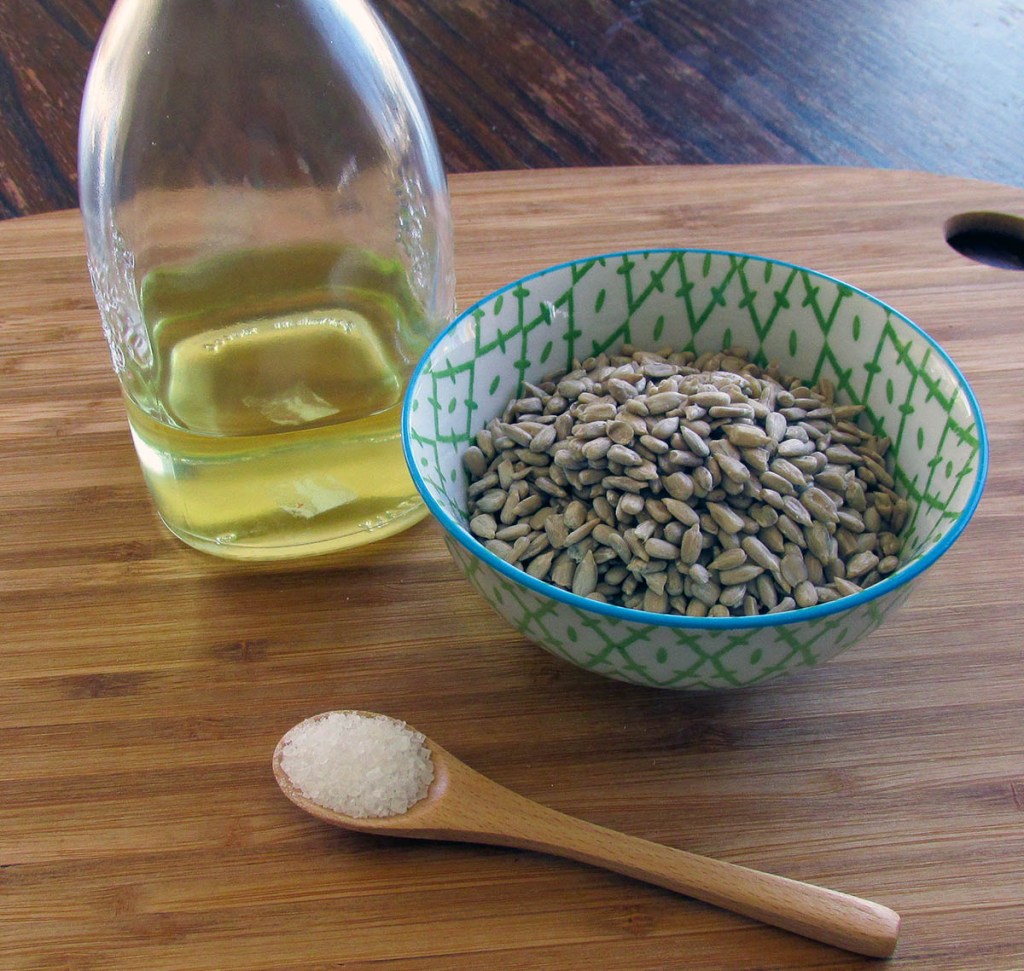
1 cup sunflower seeds
2 tbsp. oil
1 tsp. salt
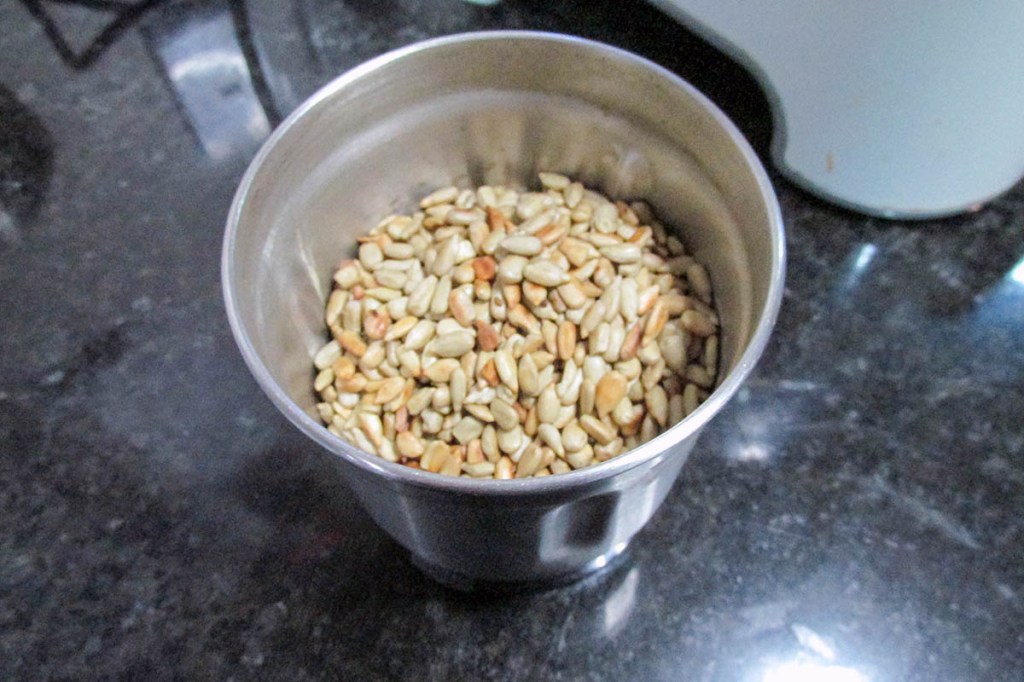
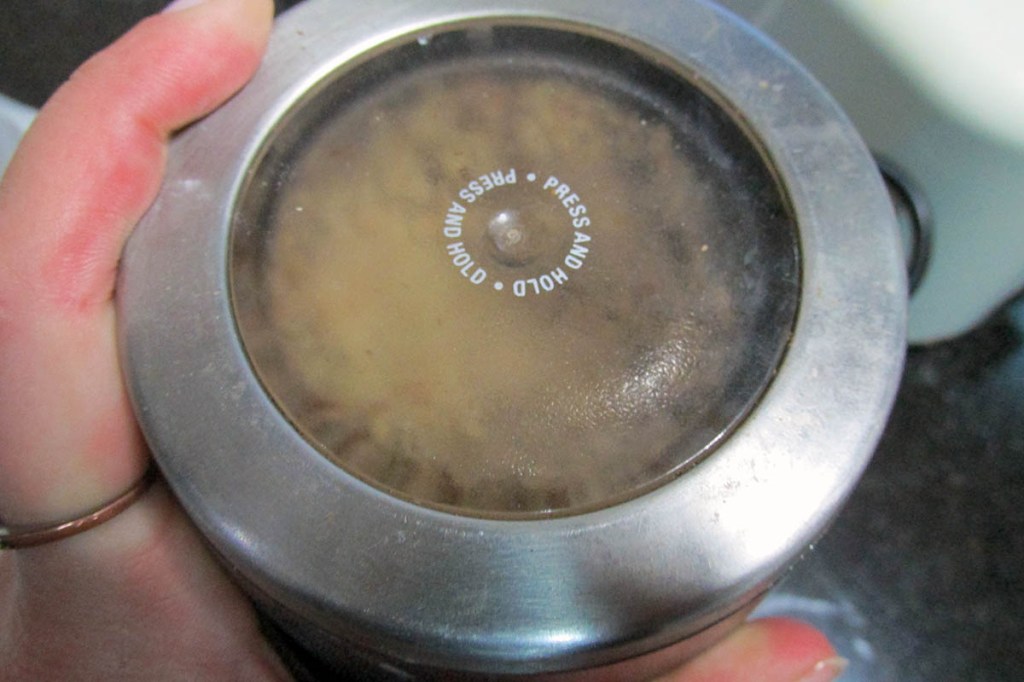
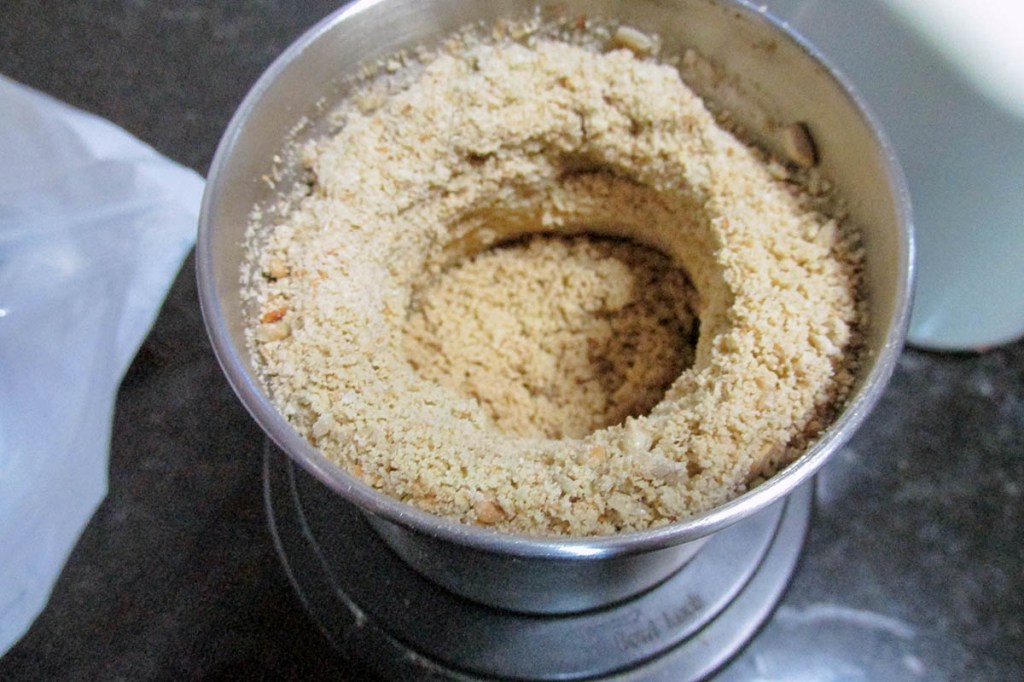
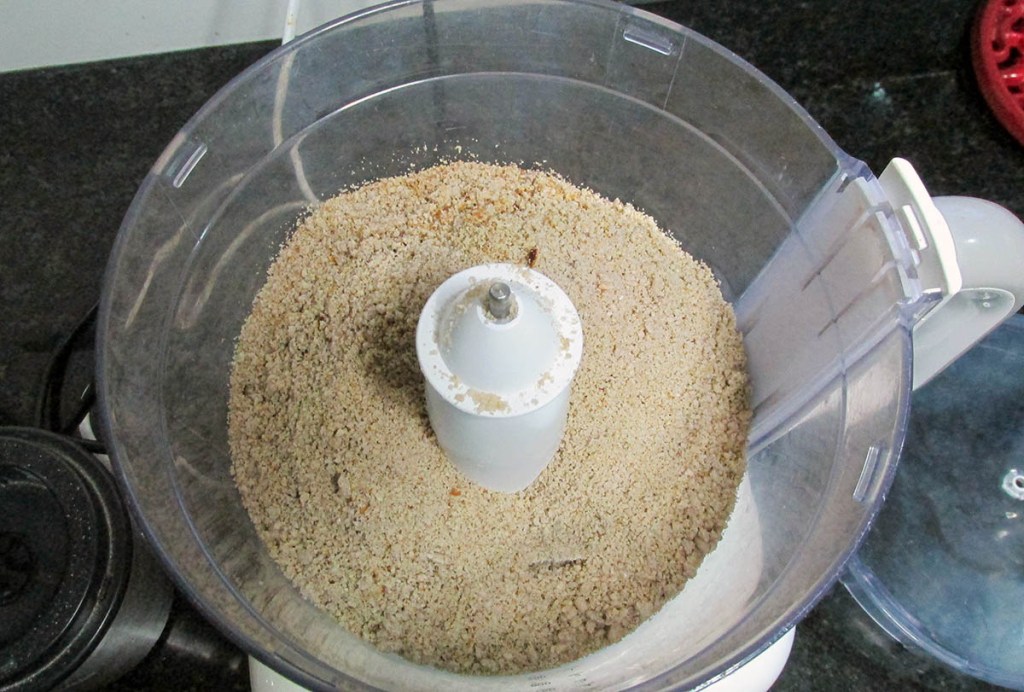
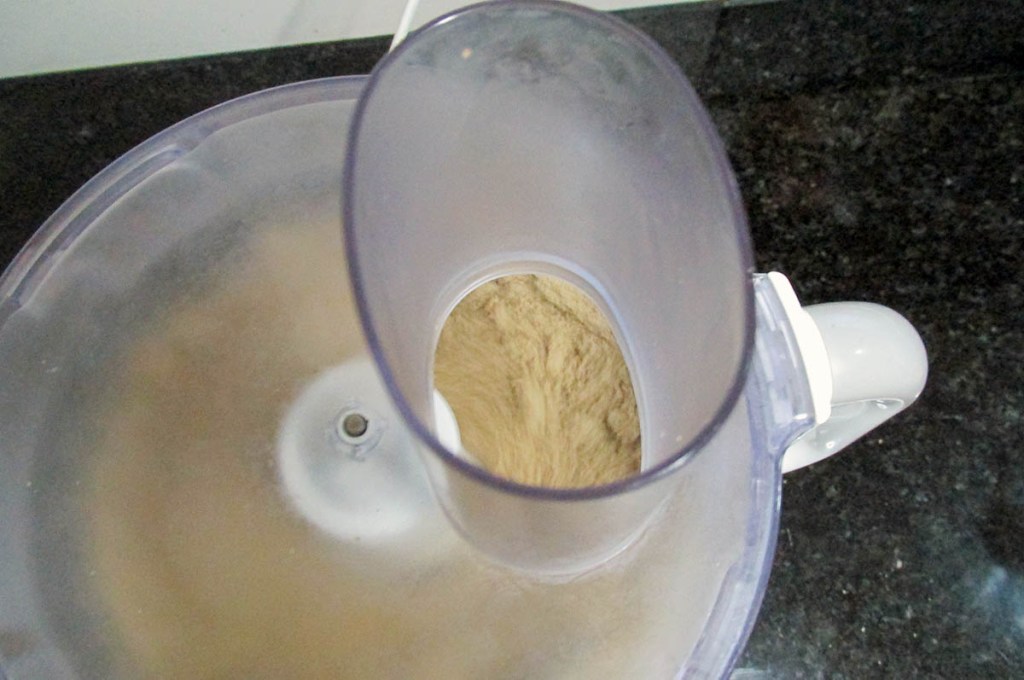
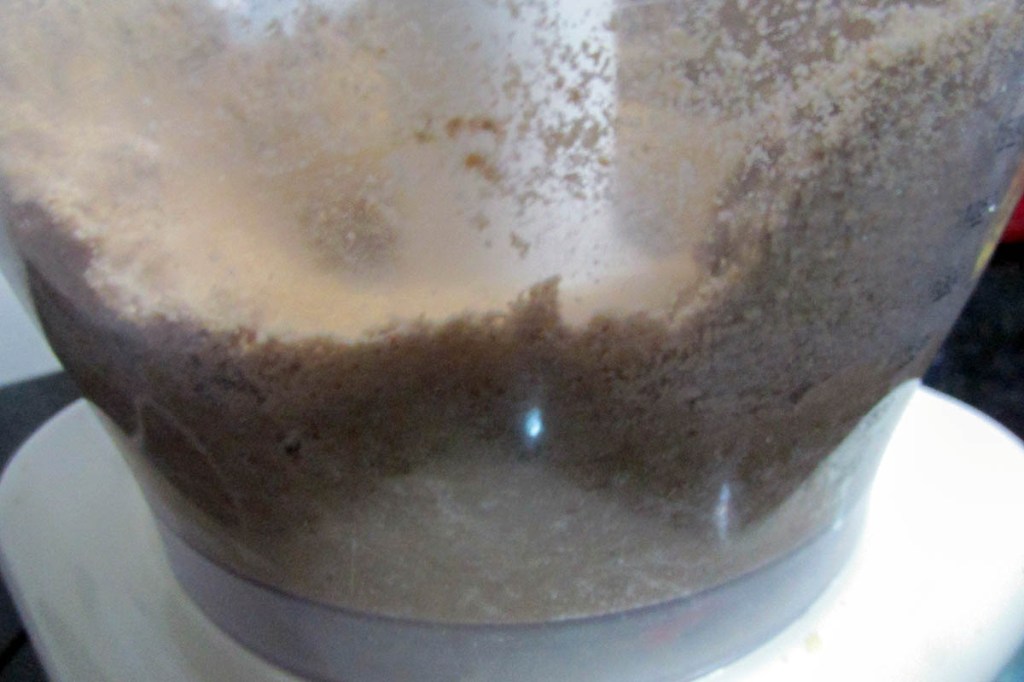
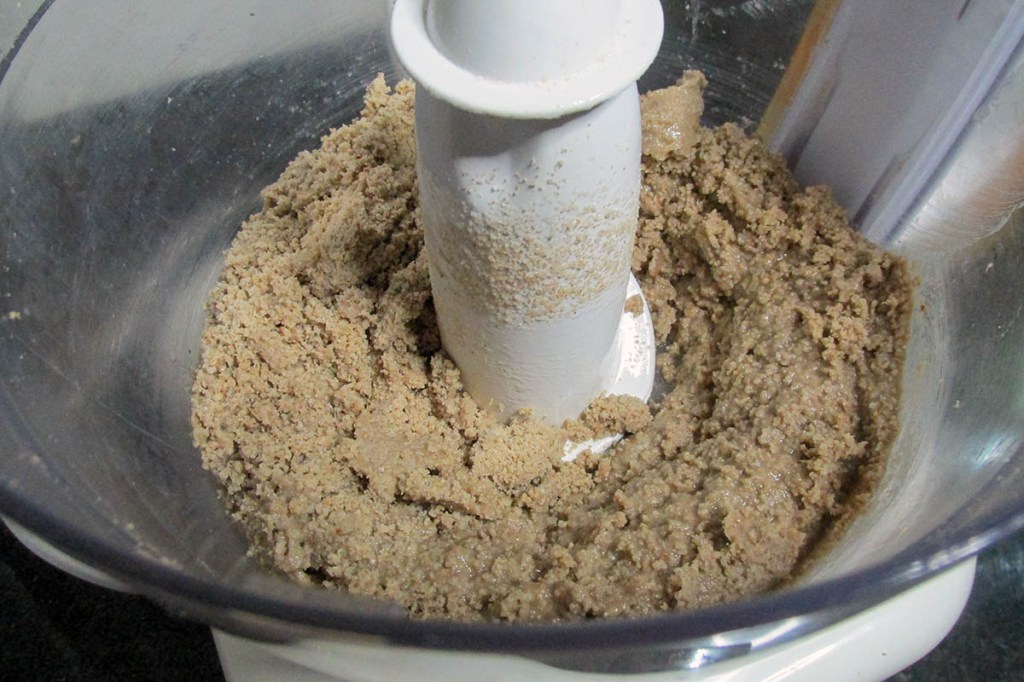
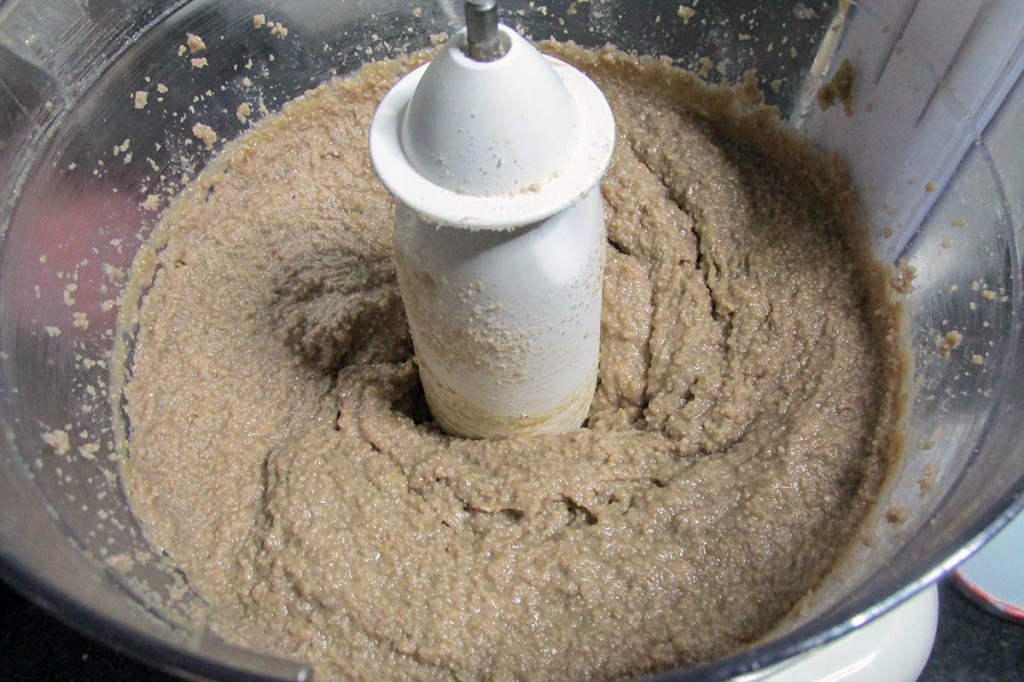
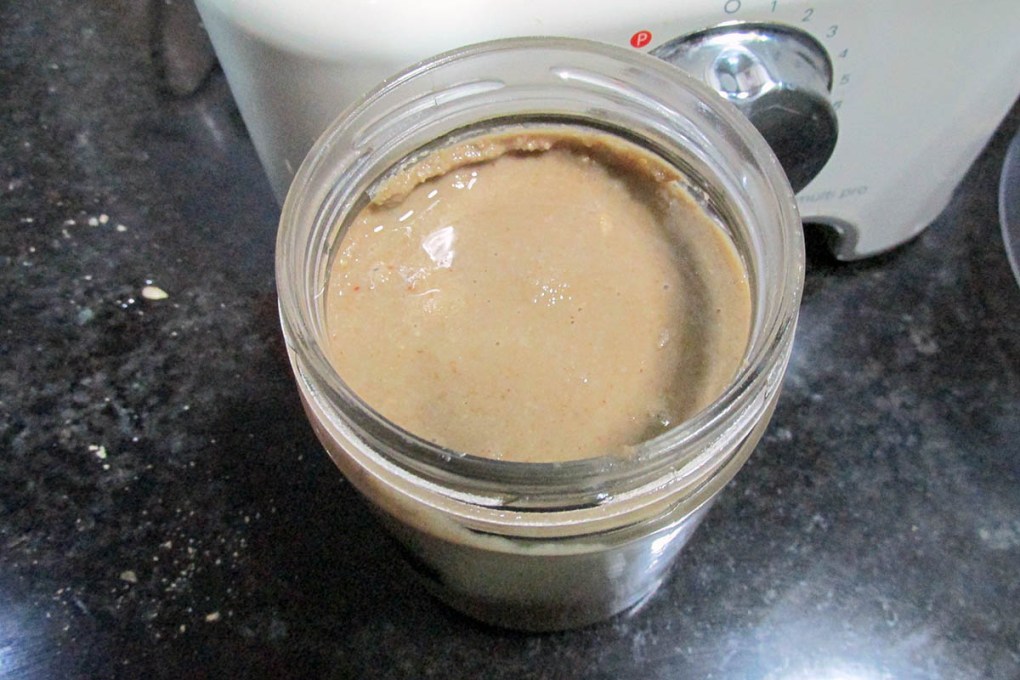
Lightly toast the sunflower seedsProcess the seeds until they become a little powdery, this takes about a minuteProcess the seeds until they become a little powdery, this takes about a minuteIf you have used a spice mill move the seed powder to a food processor.Continue to blend the seedsContinue to blend the seedsAdd the oil part way through processing and continue blendingAdd the oil part way through processing and continue blendingIt takes about 15 minutes to get to a buttery consistencySun butter ready for the fridge
Nutrition information is provided as an estimate based on the ingredients used and available in my area (New Zealand). The nutritional information is here to help you understand the recipe; I use MyFitnessPal to generate my estimates. For more accurate nutritional information, please use a nutritional calculator with the ingredients in your area.
I’ve been revisiting recipes that have been some of my old school recipes and family favourites that were our staples when we got started as clean eaters. I first posted this recipe in 2015, at that time, the kids were fussy, vegetables had to be hidden and disguised, and there was no potential for intense flavours or spice.
Times (thankfully) have changed, the kids have grown (like man-sized grown), and they now enjoy a wide range of foods. Things like vegetables are enjoyed, spice and chilli are consumed without complaint, and new ingredients are tried without tantrums.
As the kids have grown my recipes have changes organically to meet their palates and preferences, I’ve updated this recipe because of that, but fear not, all I have done is make it a little bit better.
Broccoli tots fresh from the oven
Eat your greens
I think that this recipe is responsible for the total broccoli love that the youngest person in our house feels. As the former ‘will only eat white food’ member of the family it gives me great pleasure to watch these tots last seconds on his plate; truth be told they are a massive hit with everyone.
Worth the effort
These tots are a little messy to make and can take some time, but they are worth the effort. If you are looking for a new way to get some vegetables into the kids, they are worth a try.
Broccoli tots recipe
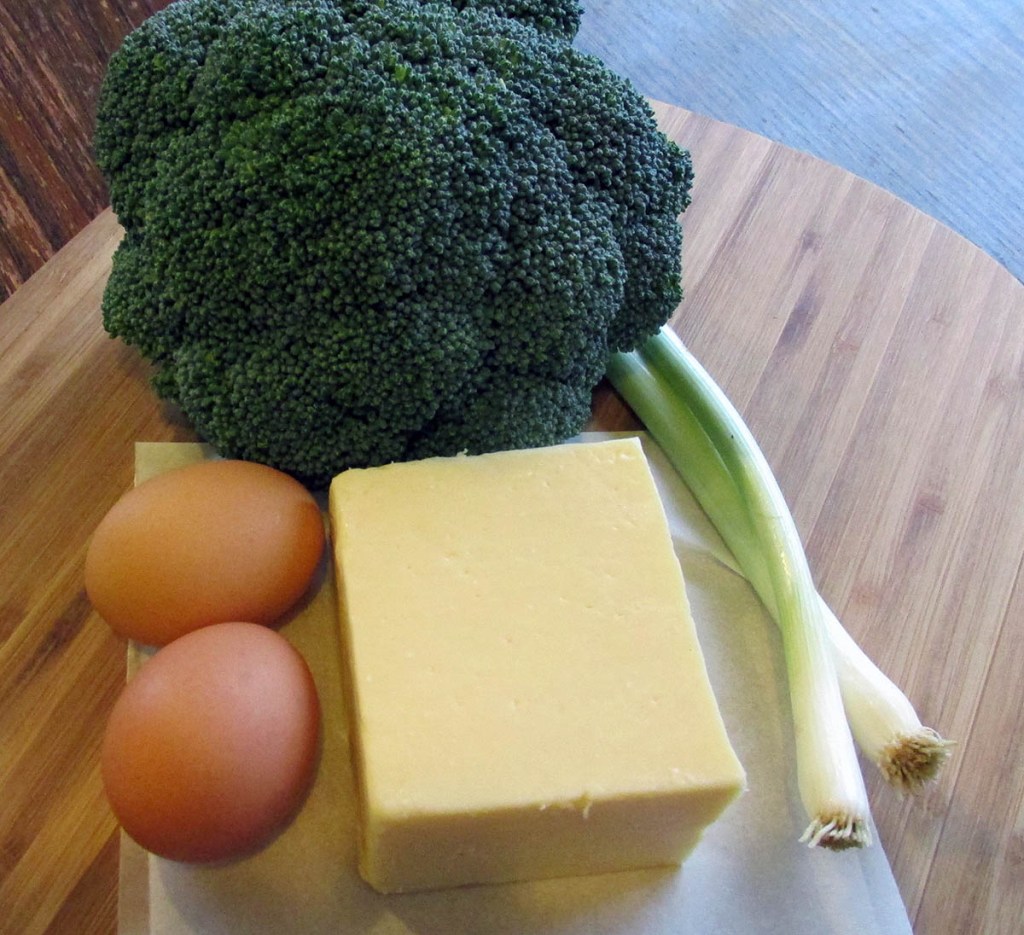
Broccoli tots ingredients
Ingredients
340g broccoli florets
1 egg
1 egg white
1/2 cup spring onion, finely chopped
2/3 cup cheddar cheese, grated
salt and pepper to taste
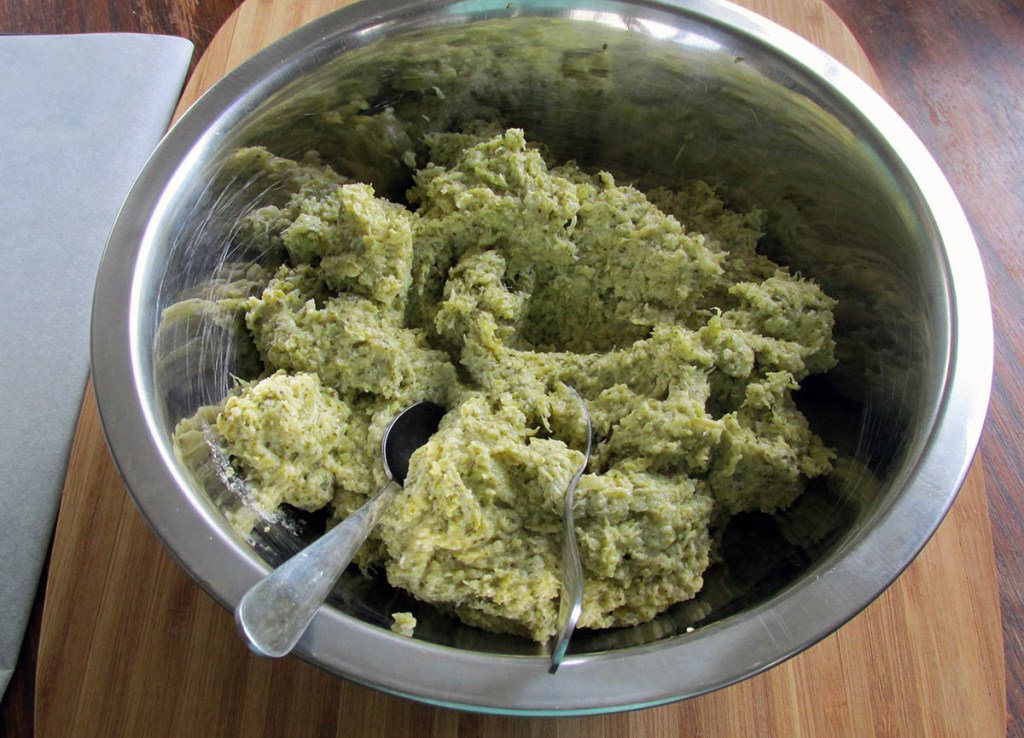
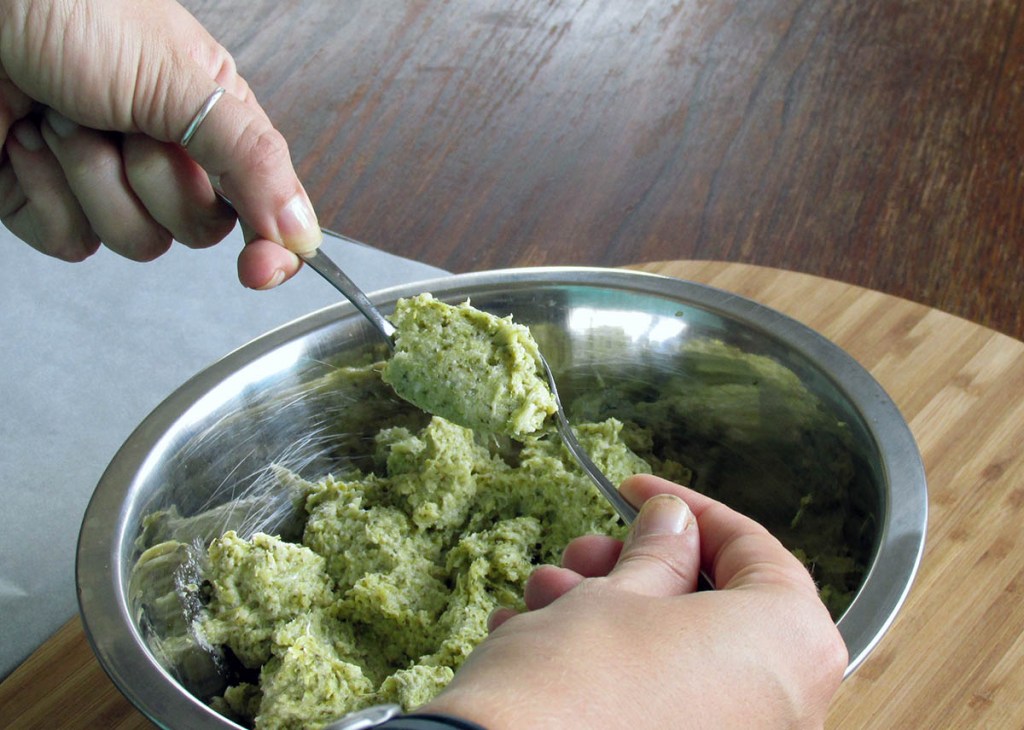
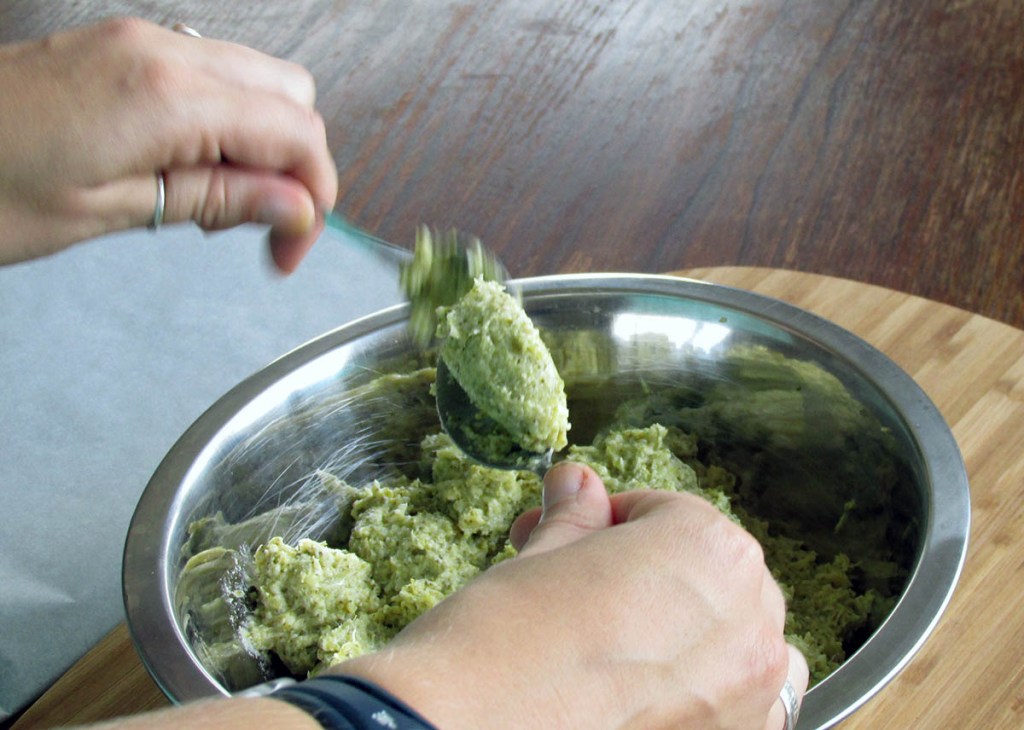
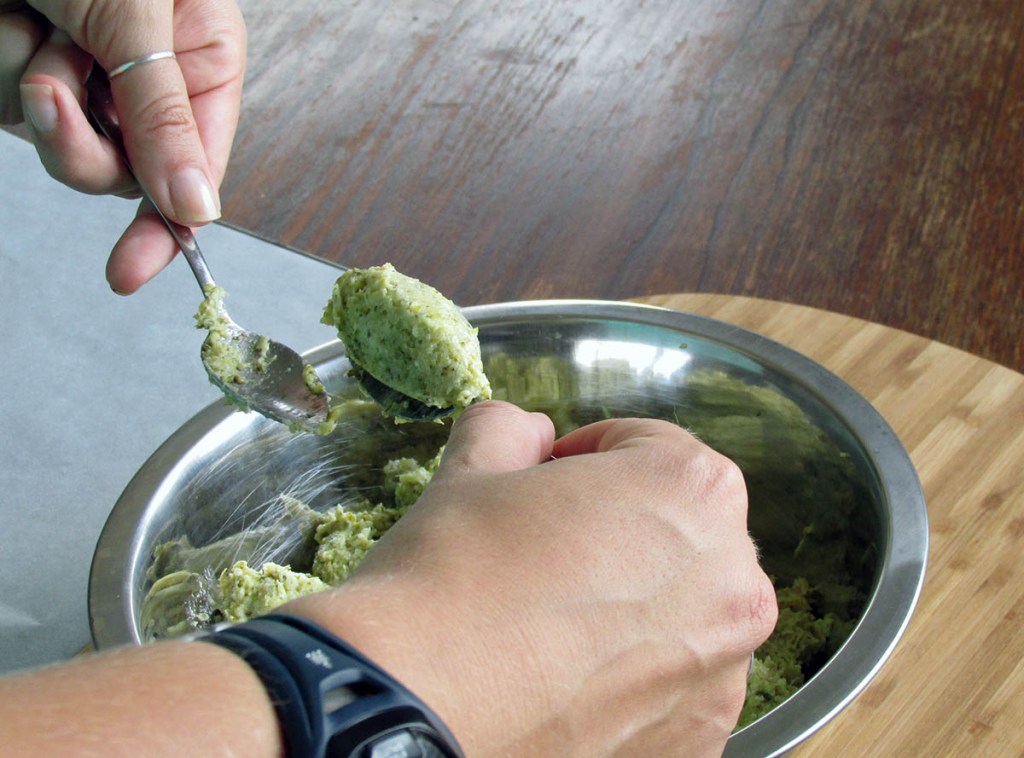
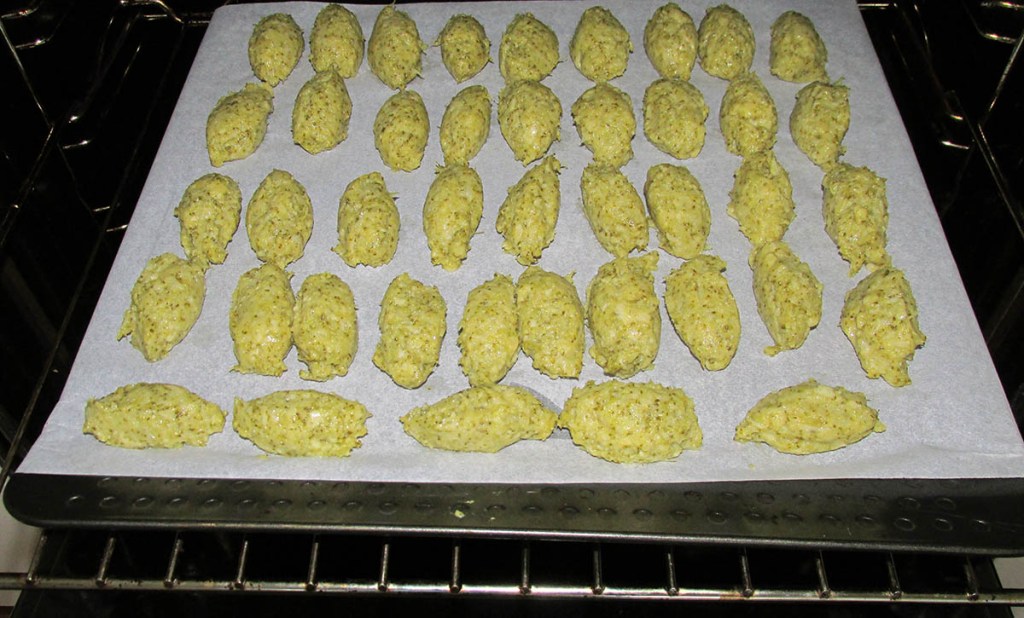
In a medium bowl, combine all the ingredients and season with salt and pepper to taste.With one of the teaspoons scoop up a heaping portion of the mixture.Taking the second spoon, push the portion off the first spoon.Repeat the transfer of the portion from one spoon to the other gently smoothing the mixture into an oval shapeNow you have a quenelle.Place the tots on the baking tray and bake for 15 minutes.Broccoli tots fresh from the oven
These tots last seconds on the plate; truth be told they are a huge hit with everyone. They are a little messy and can take some time to make, but they are worth the effort.
Credit: Cath @ easycleaneats
Ingredients
340g broccoli florets
1 egg
1 egg white
1/2 cup spring onion, finely chopped
2/3 cup cheddar cheese, grated
salt and pepper to taste
Directions
To cook the broccoli florets, steam them over boiling water for 3 minutes.
Set the steamed broccoli to one side to cool slightly.
Chop the steamed broccoli: you want a fine chop consistency.
Preheat the oven to 200 degrees C/ 400 degrees F
Line a baking tray with some baking paper or a silicone liner. or a silicone liner.
In a medium bowl, combine all the ingredients and season with salt and pepper to taste.
There are two ways to make the tots the simple oval or the Quenelle.
Simple oval Simple oval
Take a tablespoon and scoop a heaped spoon portion of the mixture.
Roll the mixture into an oval using your hands.
If the mixture sticks to your hands, you can use a little water to help.
Quenelle
Take two teaspoons.
With one of the teaspoons scoop up a heaping portion of the mixture.
Taking the second spoon, push the portion off the first spoon.
Repeat the transfer of the portion from one spoon to the other gently smoothing the mixture into an oval shape.
Place the tots on the baking tray.
Bake for 15 minutes, turning halfway through.
They are ready when they are golden brown.
Serve and eat while they are hot.
Nutrition
Per Serving: 72 calories; 4 g fat; 2 g carbohydrates; 4 g protein
Equipment
Measuring cups
Scales
Vegetable steamer
Saucepan
Knife
Chopping board
Mixing bowl
Baking tray
Baking paper/silicone liner
Spoons
Fork
Nutritional disclaimer
Nutrition information is provided as an estimate based on the ingredients used and available in my area (New Zealand). The nutritional information is here to help you understand the recipe; I use MyFitnessPal to generate my estimates. For more accurate nutritional information, please use a nutritional calculator with the ingredients in your area.