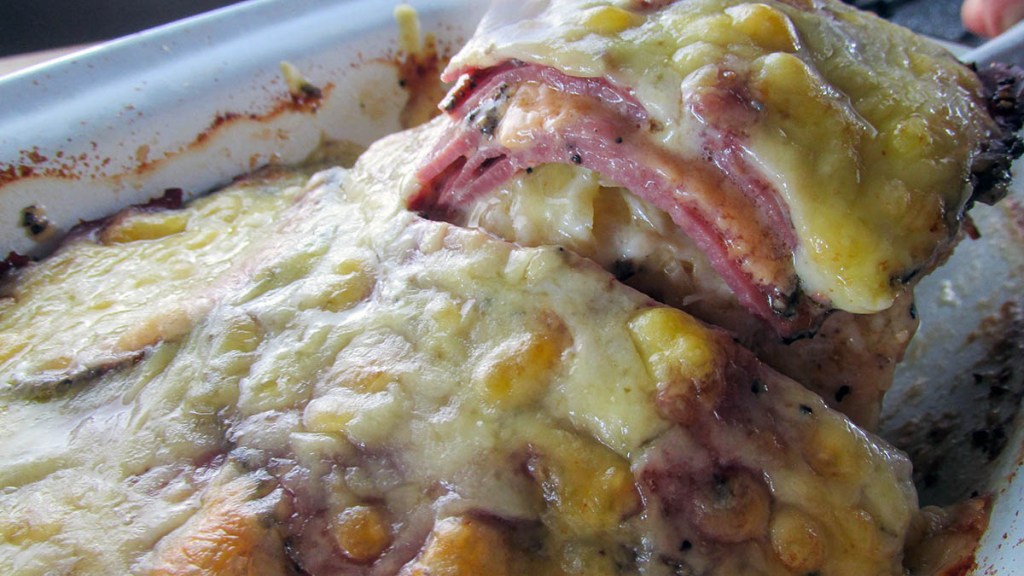
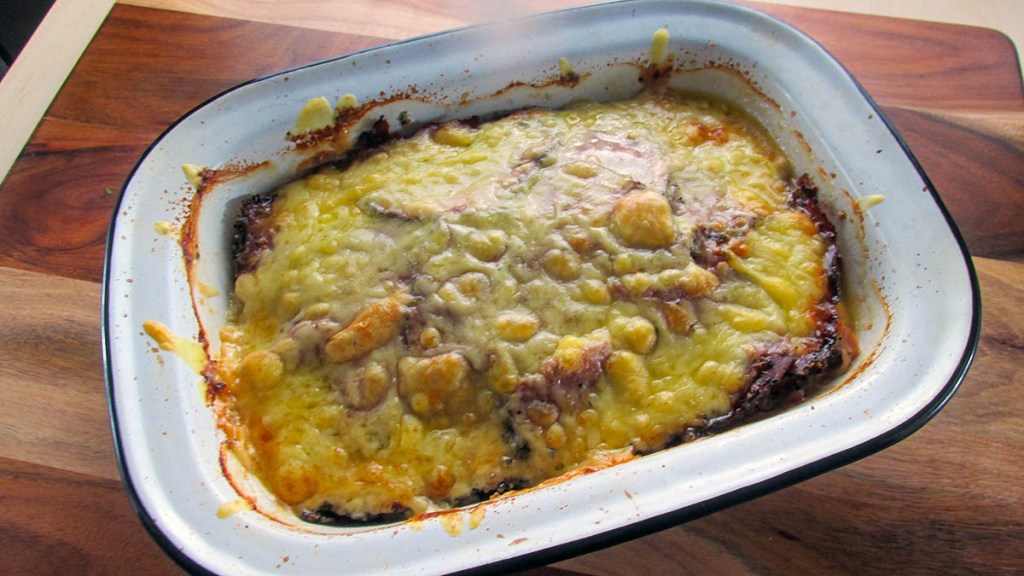
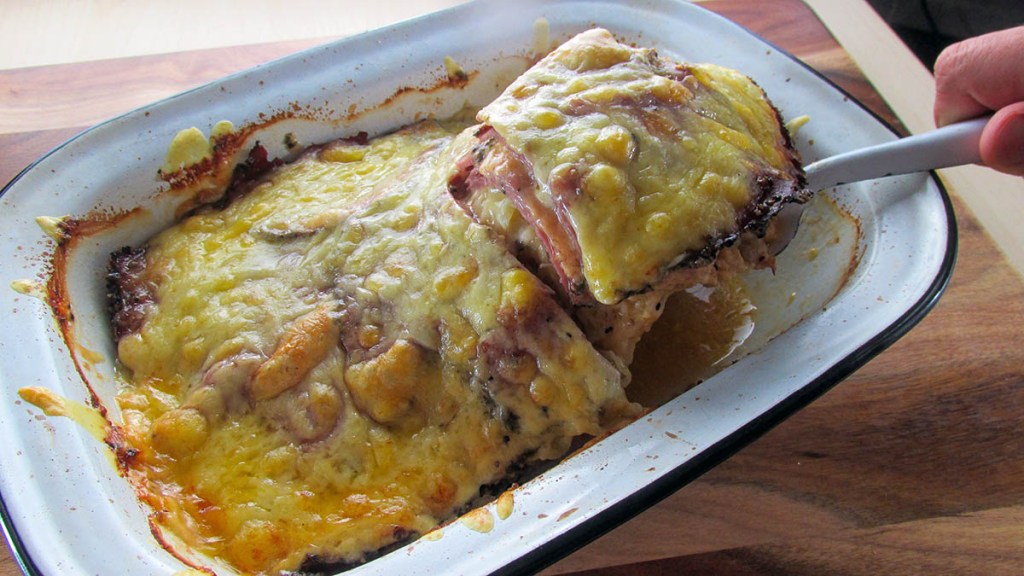
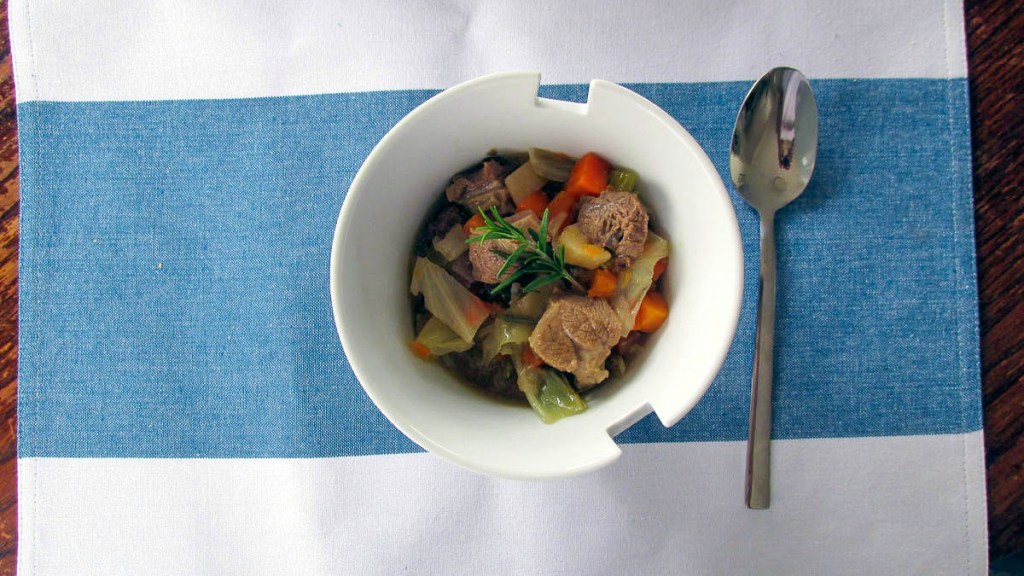
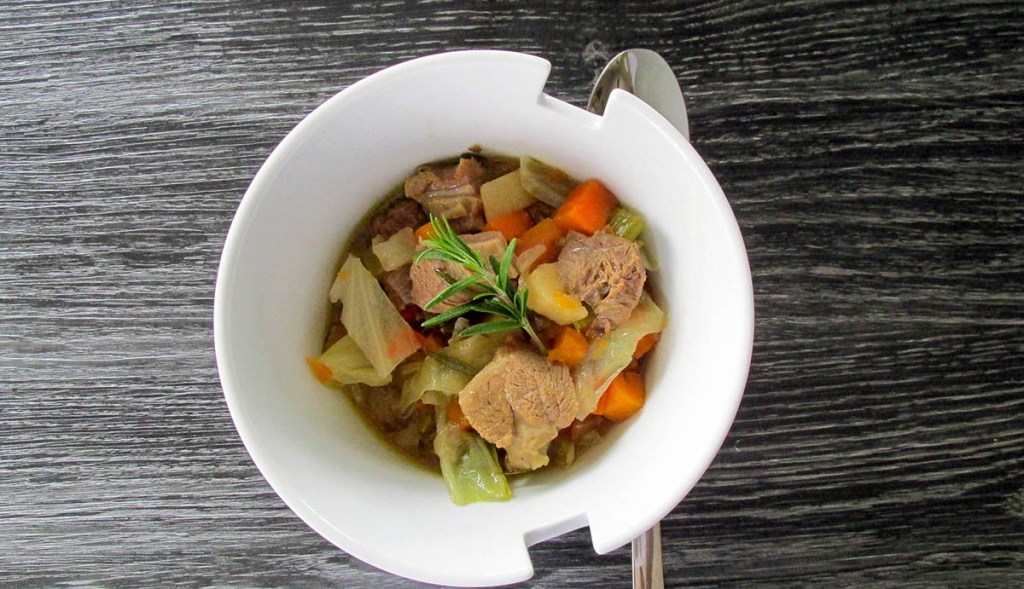
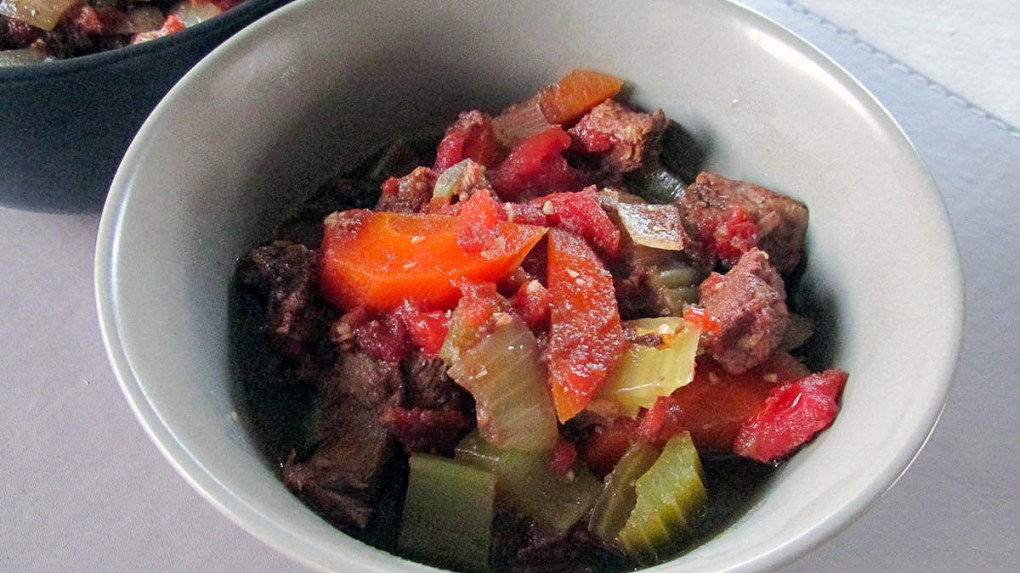
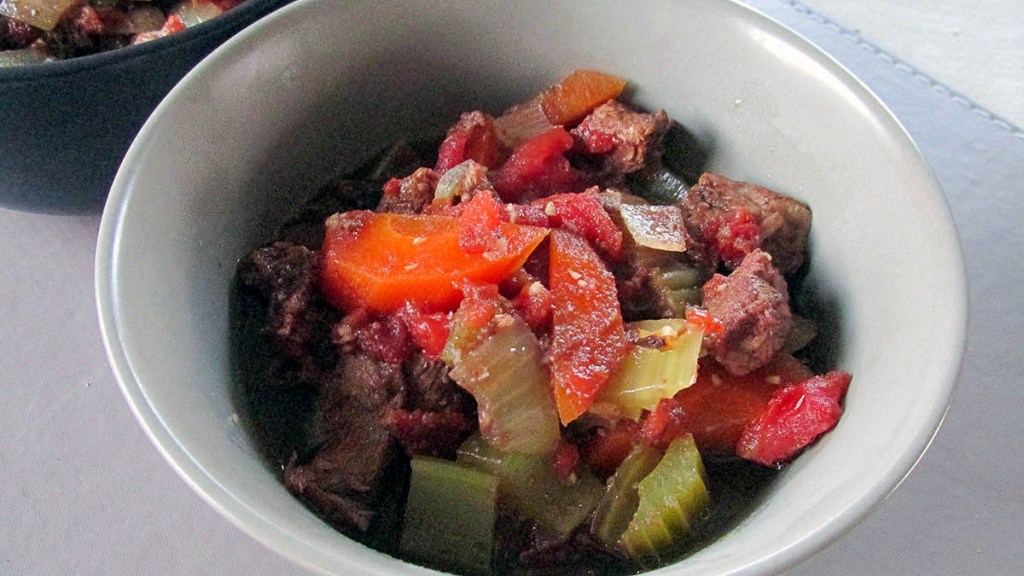
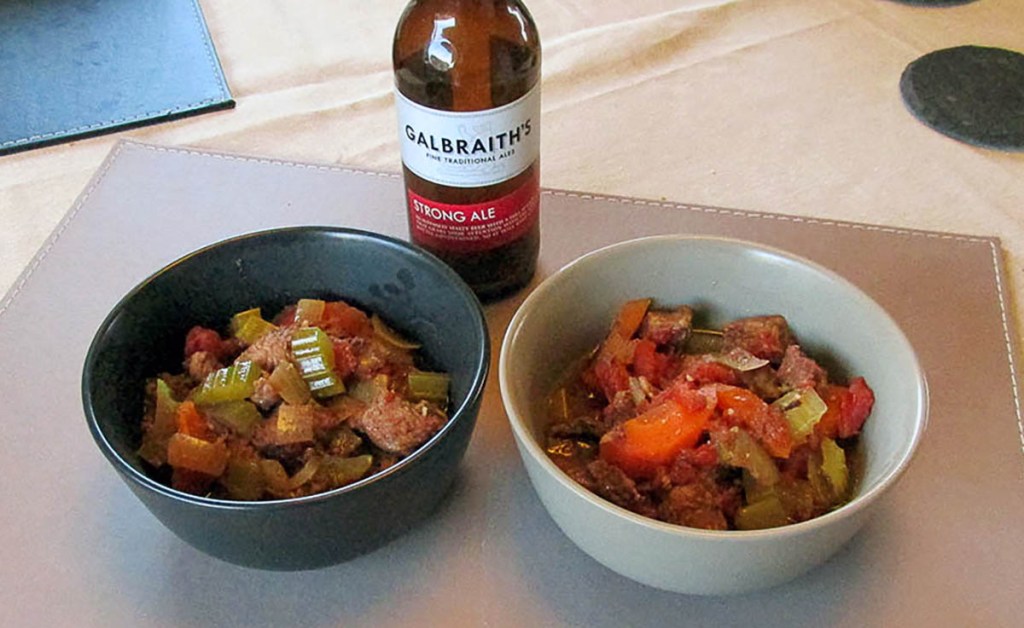
Winter is taking hold down here in the Southern hemisphere which means we are looking for comfort food. I am not a very interested in booze for drinking, but I don’t have anything against cooking with it. This stew is a true winter warmer and perfect for a wet and windy night in front of the fire.
Freezermeal
Hands up if you are busy. Who is way too tired to get in the kitchen to cook at the end of the day? Definitely not me.
My days are filled with meetings, to-do lists, emails and telling people what to do, by the time I finish work the last thing I want to do is get stuck into cooking a meal and then cleaning up afterwards. I want to work out and spend some time with Jaime. That is why freezer meals are my favourite solutions to the challenge of a busy life. A few hours on the weekend, and you find yourself with a stack of options for dinner that can be thawed and cooked for a healthy, delicious meal for the family.
This winter warmer is an idea meal to keep you warm and full.
Credit: Cath @ easycleaneats
Ingredients
3 bay leaves
500g diced stewing beef
500ml ale
2 celery sticks chopped
2 onions chopped
2 carrots sliced
Olive oil
1 tsp. tapioca flour
1 can tomatoes
Directions
Take a large stock pot and add the olive oil to the pot.
Add the vegetables and bay leaves to the pot over a medium heat.
Cook the vegetables for 10 minutes, try not to break up the bay leaves as the vegetables cook.
Add the meat and flour to pot and stir well, make sure the meat and vegetables are coated in the flour.
Add the ale to the pot and mix well.
Add the can of tomatoes to the pot.
Stir well and bring the liquid to a boil.
Reduce the heat so that the liquid is gently simmering.
Let the stew simmer for 3 hours, stir occasionally to make sure the stew doesn’t stick to the bottom of the pot.
Remove the bay leaves.
Serve over cauliflower rice or cauliflower mash.
Nutrition
Per Serving: 197 calories; 5.5 g fat; 8.4 g carbohydrates; 18.3 g protein
Equipment
Knife
Chopping board
Scale
Measuring spoons
Stock pot
Wooden spoon
Nutritional disclaimer
Nutrition information is provided as an estimate based on the ingredients used and available in my area (New Zealand). The nutritional information is here to help you understand the recipe; I use MyFitnessPal to generate my estimates. For more accurate nutritional information, please use a nutritional calculator with the ingredients in your area.
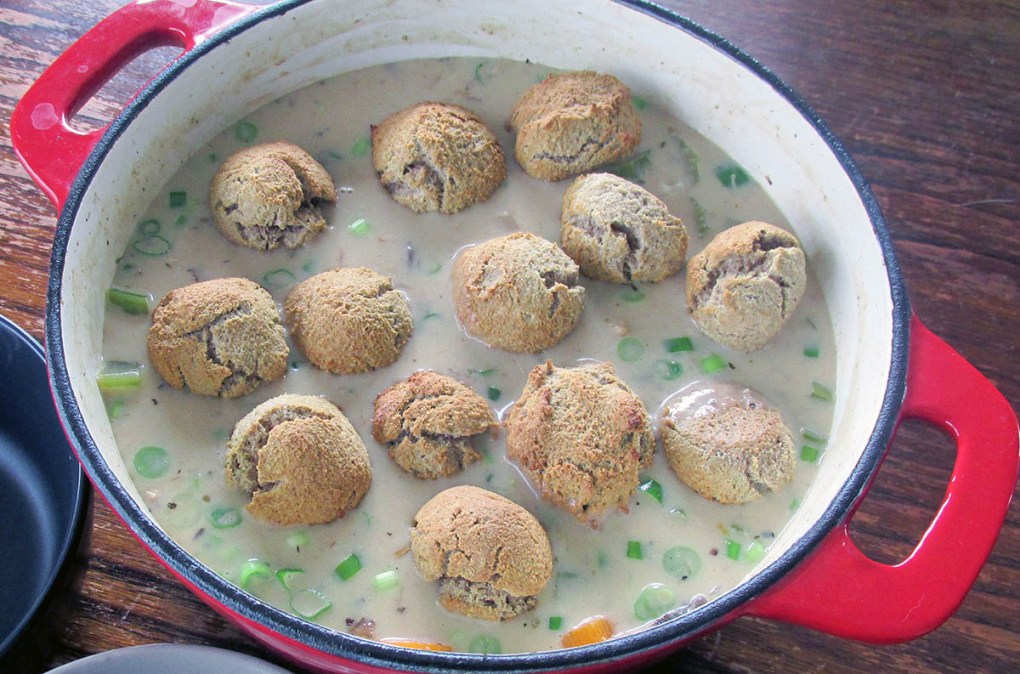
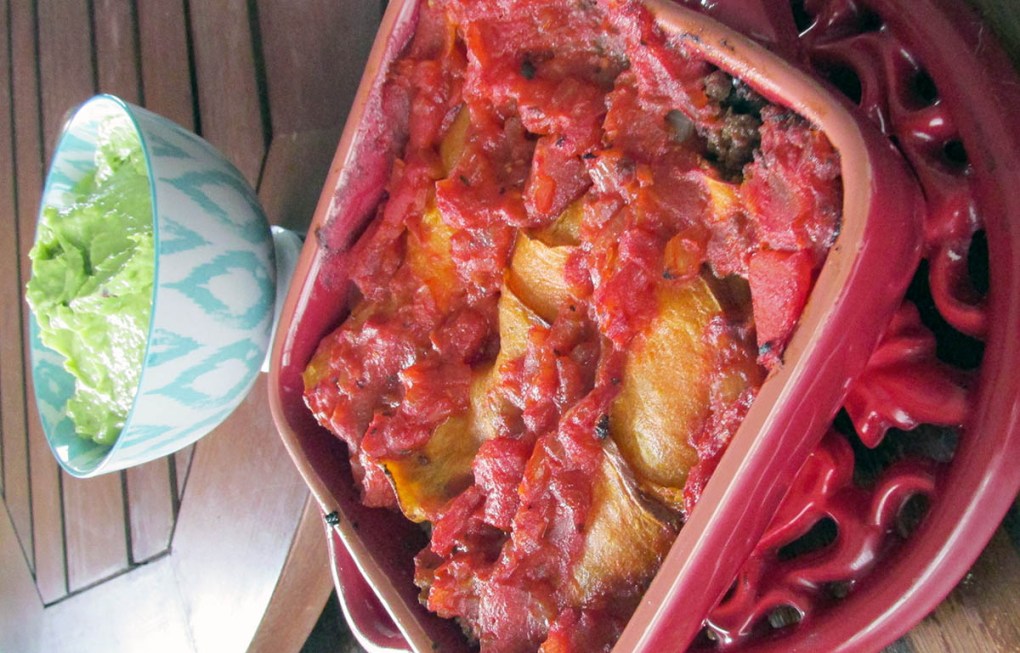
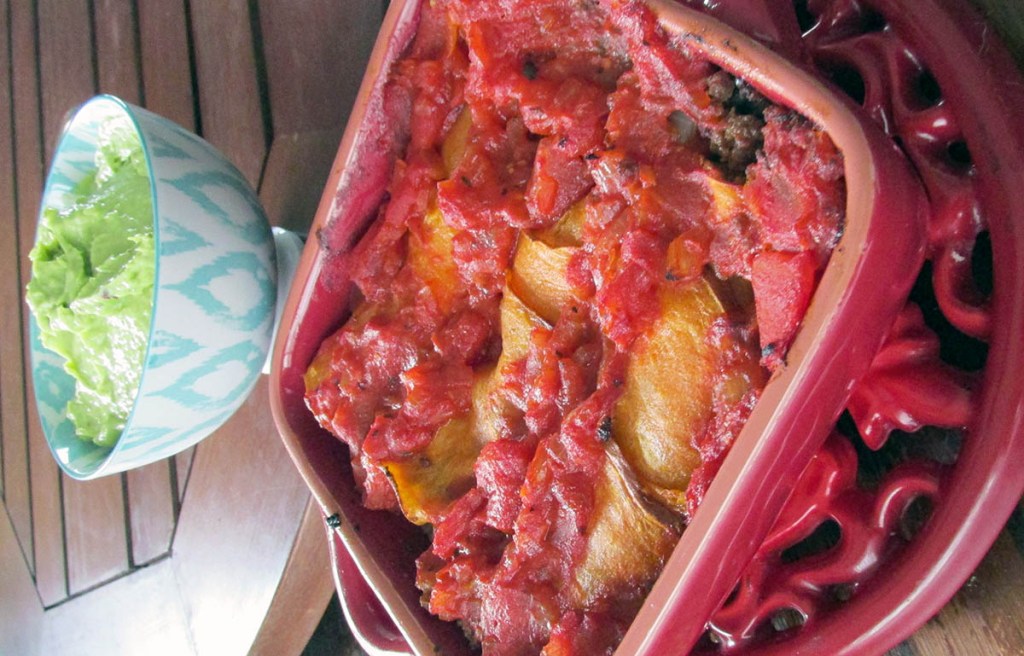
I think most people know that I love all Mexican food, enchiladas are one of my favourites.
As much as I love them, I can’t do the corn tortilla option regularly. I am always looking for alternatives that let me enjoy my favourite meals. For this one, I decided to try thinly sliced sweet potato as the alternative to tortillas.
As alternatives go, this is great and not as filling as the traditional corn tortilla option.
Freezer meal
Hands up if you are busy. Who is way too tired to get in the kitchen to cook at the end of the day? Definitely not me.
My days are filled with meetings, to-do lists, emails and telling people what to do. By the time I finish work, the last thing I want to do is get stuck into cooking a meal and then cleaning up afterwards. I want to work out and spend some time with Jaime. That is why freezer meals are my favourite solutions to the challenge of a busy life. A few hours on the weekend, and you find yourself with a stack of options for dinner that can be thawed and cooked for a healthy, delicious meal for the family.
Sweet potato enchiladas recipe
Ingredients
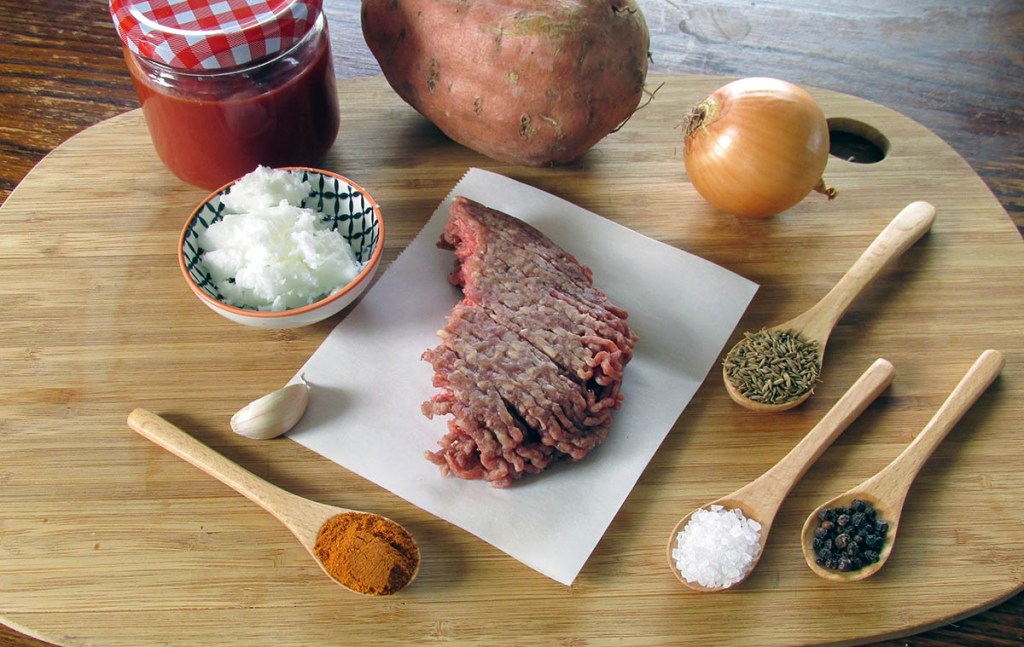
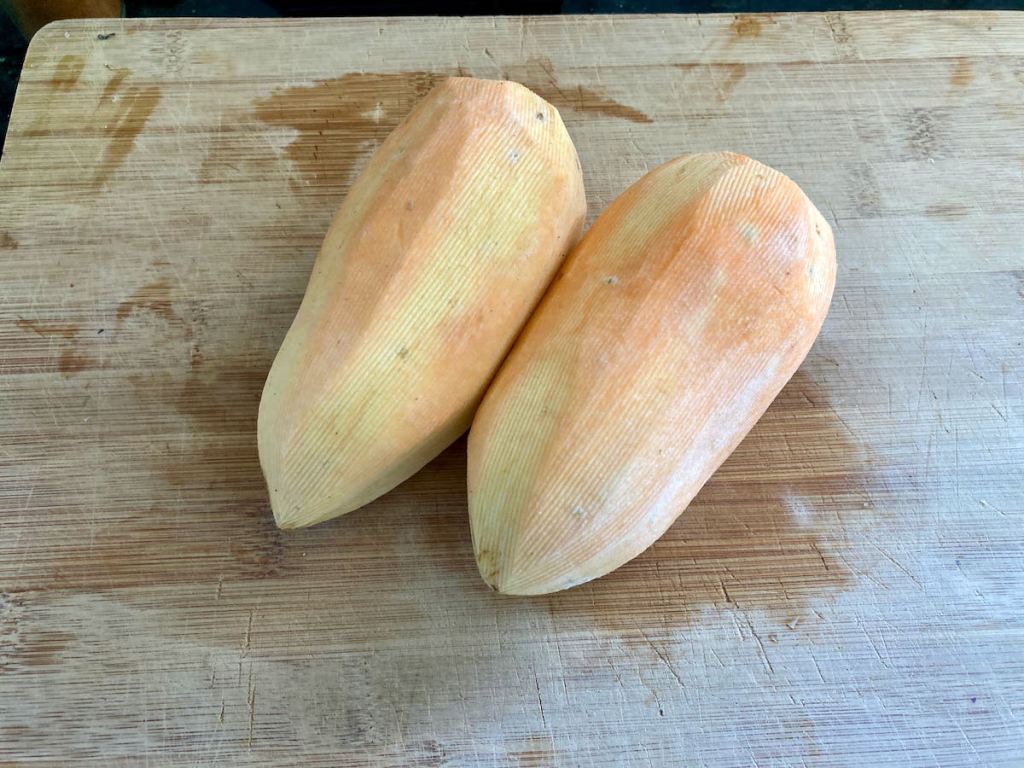
3 sweet potatoes, sliced thinly
450g minced beef
1/2 onion diced
2 garlic cloves, minced
50g green peppers diced
1/2 tsp. ground cumin
1/4 tsp. chilli powder
Salt and pepper to taste
3-4 tbsp. Coconut Oil
Enchilada sauce
Instructions
Preheat the oven to 170 degrees C/ 330 degrees F.
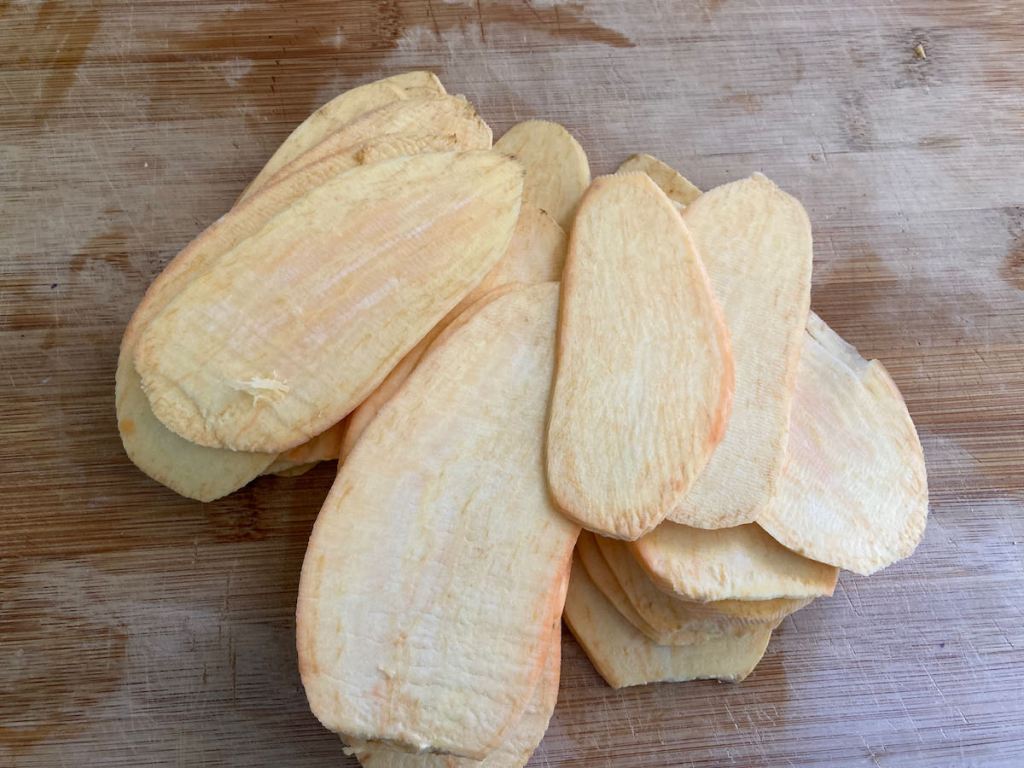
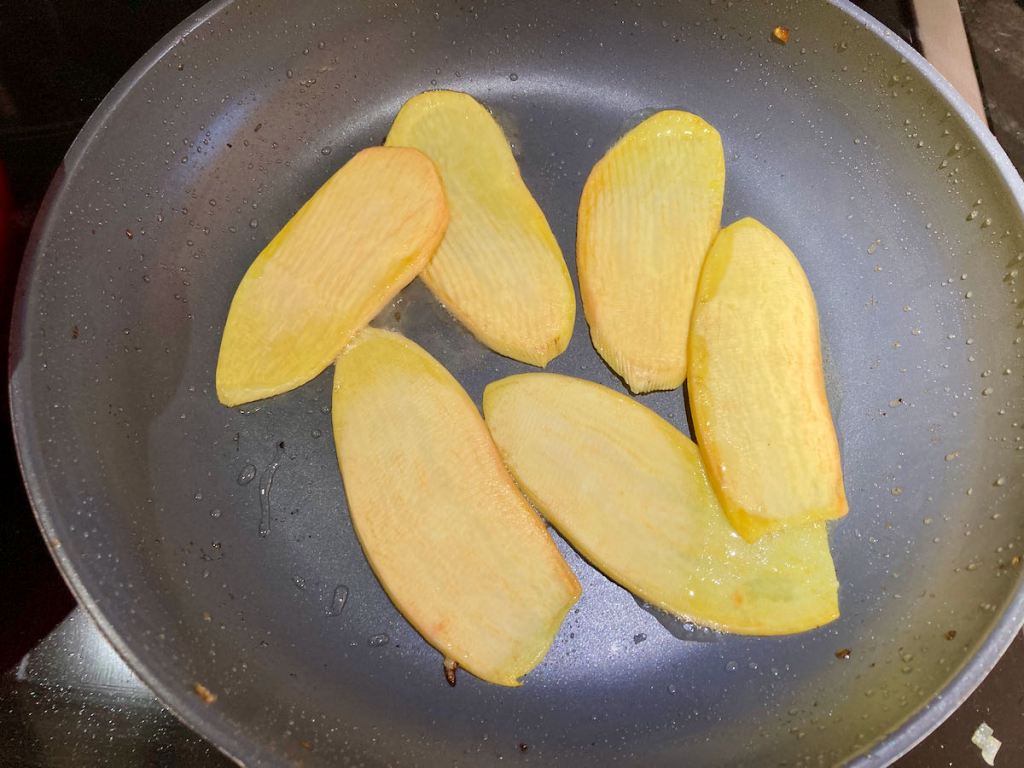
Use a mandolin to slice your sweet potatoes lengthwise thinly.
Using a knife means you don’t get even thickness, so I use a mandolin.
Using a large pan over medium heat, brush the inside with coconut oil.
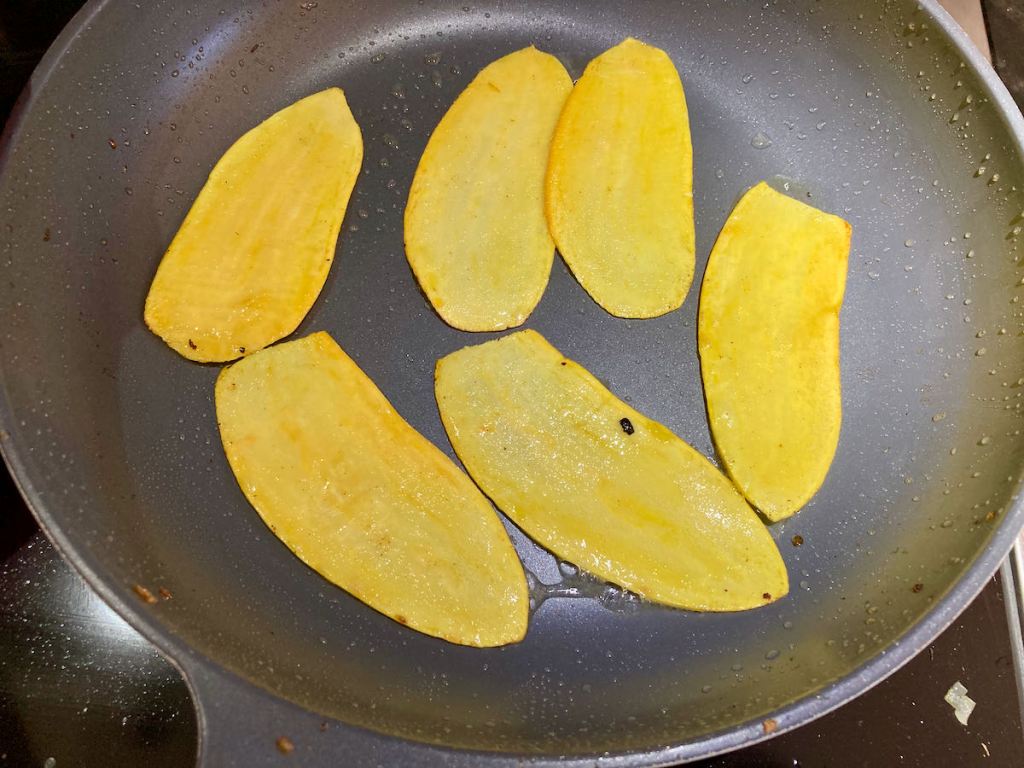
When the pan is hot, add some of your sweet potatoes slices.
Cook your sliced sweet potatoes until they are soft, don’t let them get crispy.
Work in batches to ensure they cook properly.
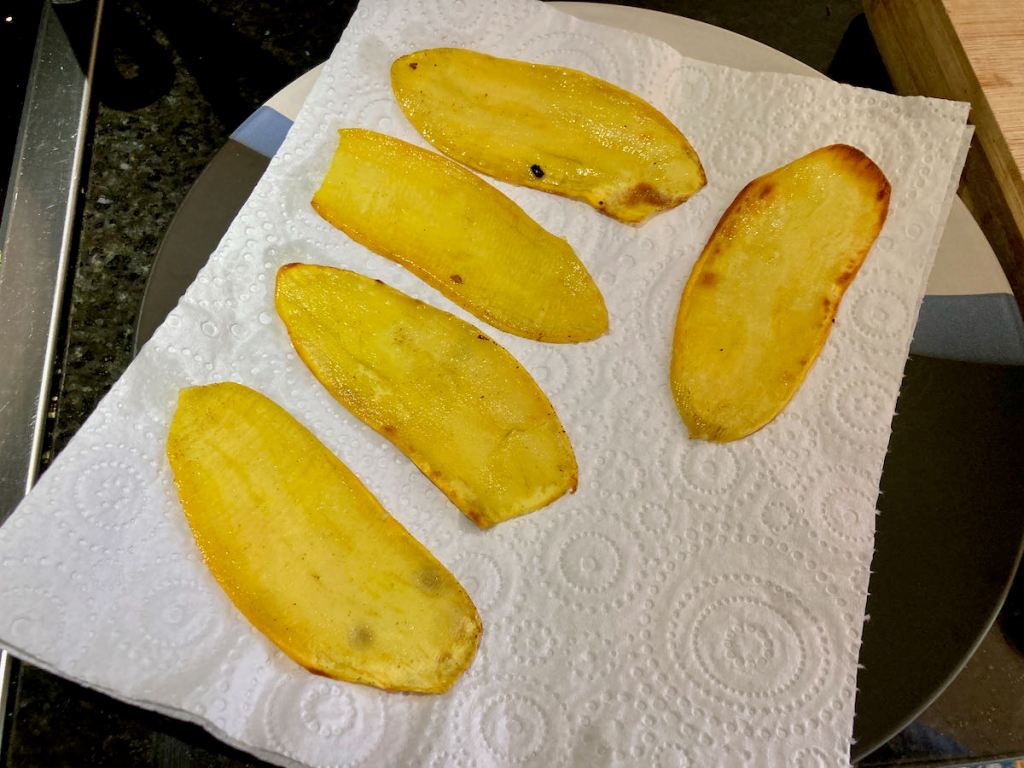
When cooked, remove excess oil with kitchen towel and chill while you prepare your meat.
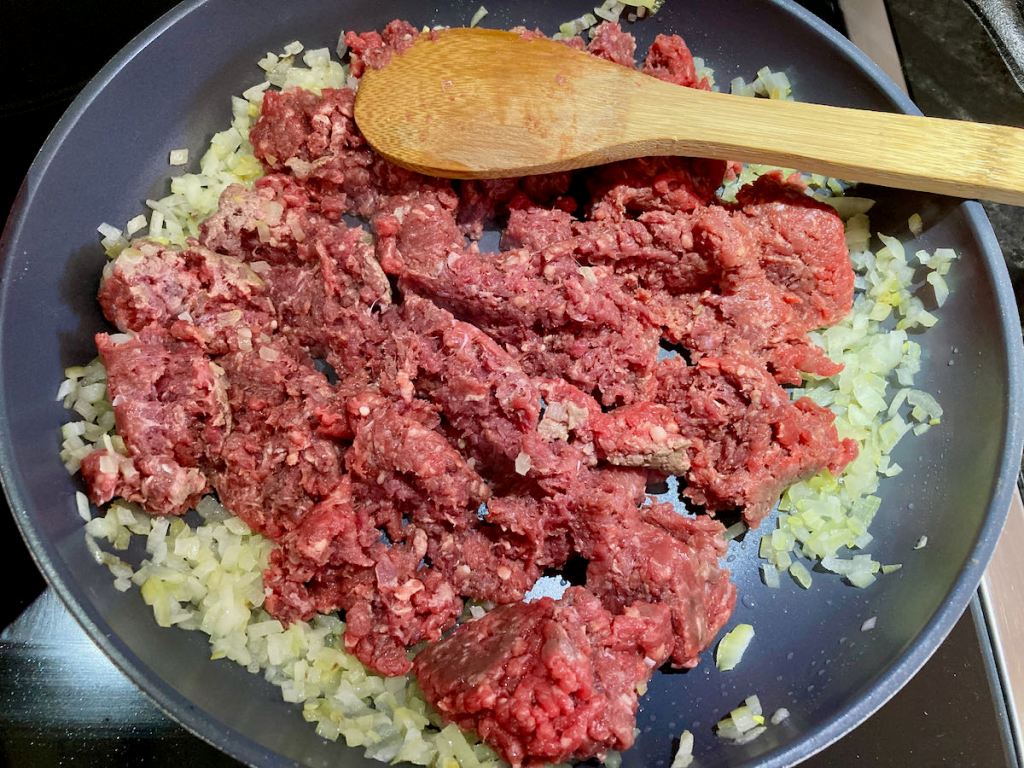
In a frying pan, add a little oil, then the minced garlic and onion.
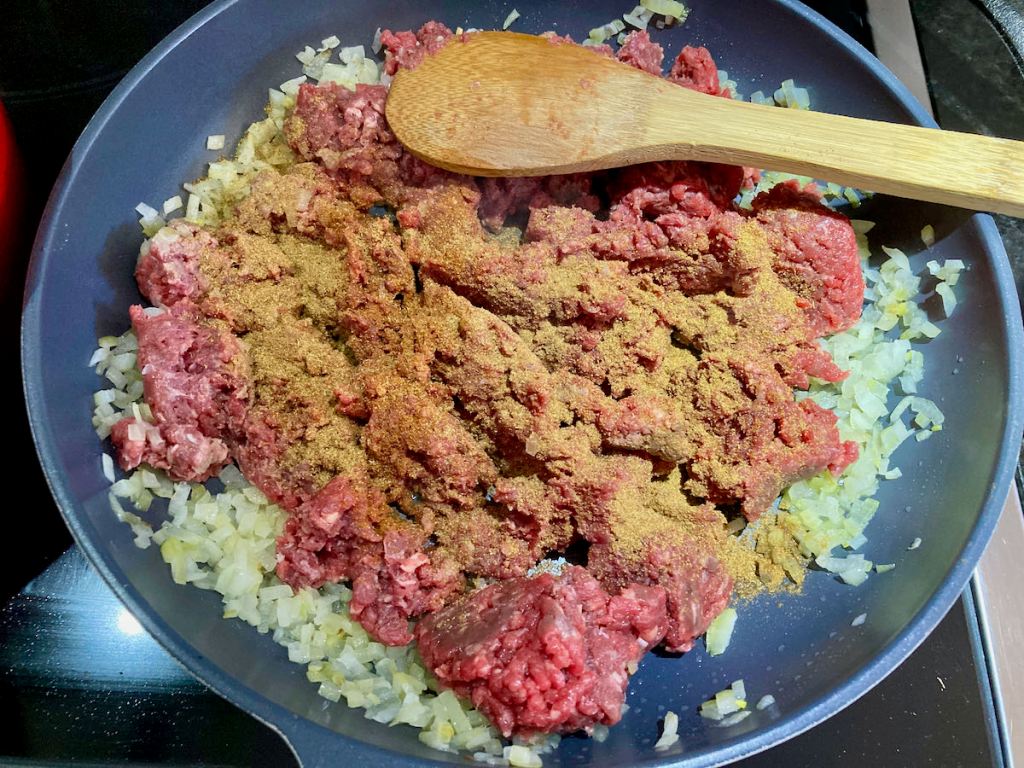
When the onion becomes translucent, add in your minced beef along with the peppers and spices.
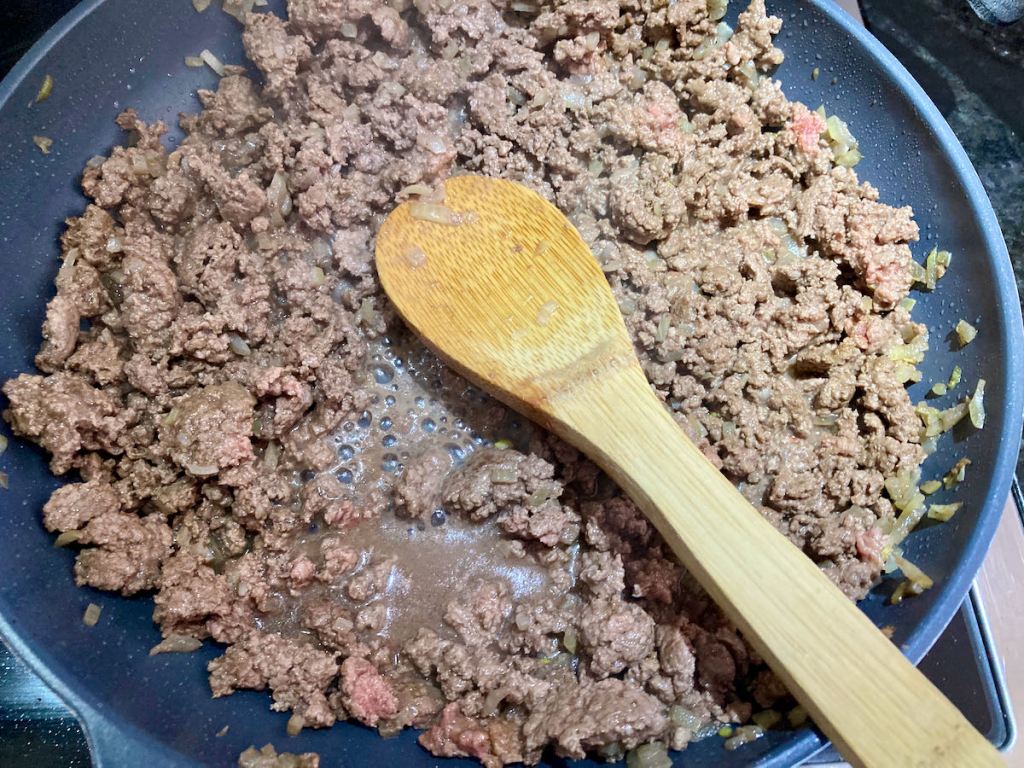
Allow everything to cook, break up the minced beef and allow all of the flavours to mingle.
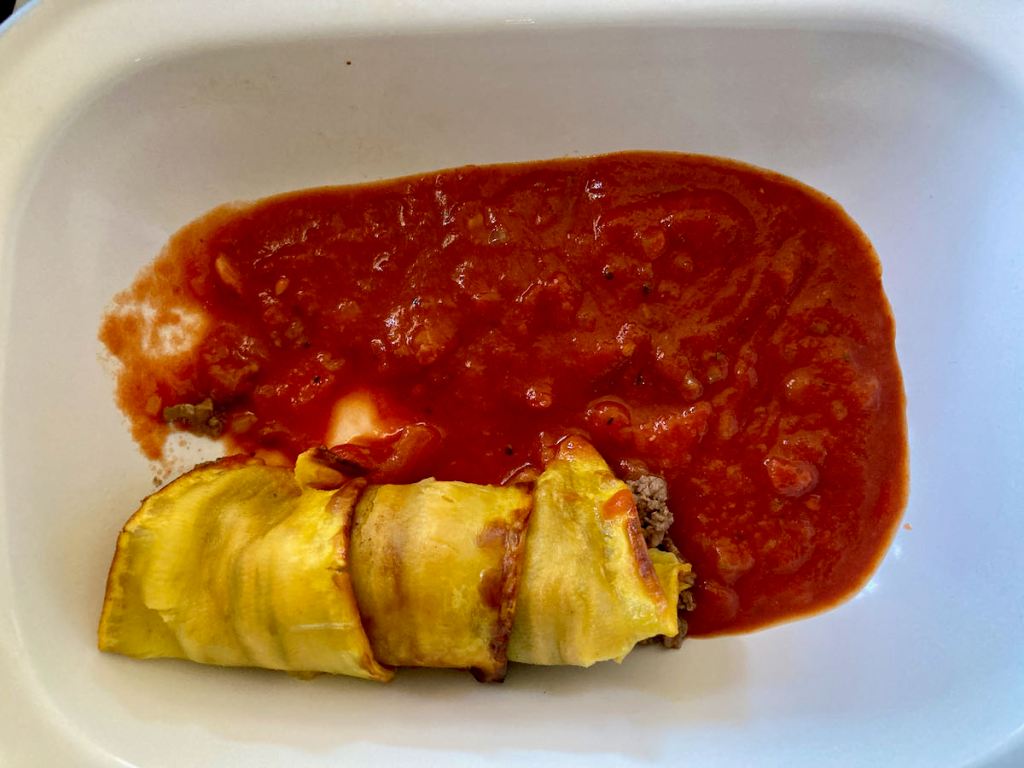
Add a spoonful of enchilada sauce to the bottom of a baking dish.
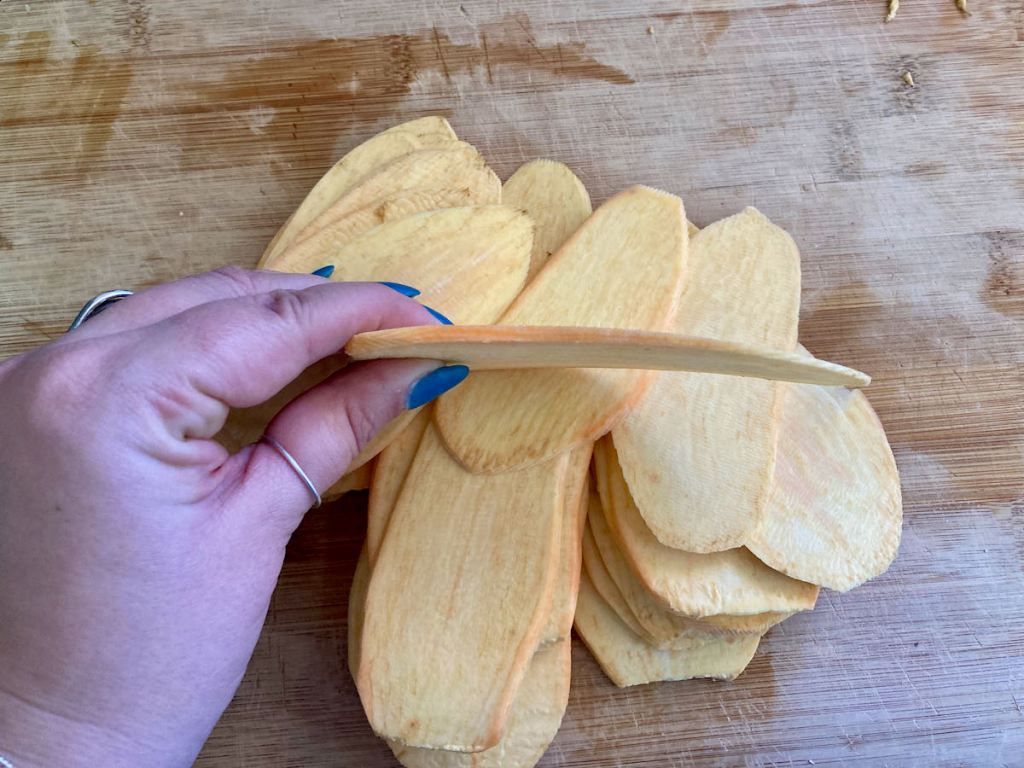
Build the enchiladas by taking three slices of sweet potato and overlap them to create a fan.
I like to place them on some kitchen paper.
Spoon some of the meat mix into the centre of the sweet potato.
Fold the sweet potato around the meat and place the roll in the bottom of the baking dish.
Place the end of the roll on the bottom so that it doesn’t unravel.
Use a mandolin to slice your sweet potatoes lengthwise thinly.
Using a knife means you don’t get even thickness, so I use a mandolin.
Using a large pan over medium heat, brush the inside with coconut oil.
When the pan is hot, add some of your sweet potatoes slices.
Cook your sliced sweet potatoes until they are soft, don’t let them get crispy.
Work in batches to ensure they cook properly.
When cooked, remove excess oil with some kitchen towel and chill while you prepare your meat.
In a frying pan, add a little oil, then the minced garlic and onion.
When the onion becomes translucent, add in your minced beef along with the peppers and spices.
Allow everything to cook, break up the minced beef and allow all of the flavours to mingle.
Add a spoonful of enchilada sauce to the bottom of a baking dish.
Build the enchiladas by taking three slices of sweet potato and overlap them to create a fan.
I like to place them on some kitchen paper.
Spoon some of the meat mix into the centre of the sweet potato.
Fold the sweet potato around the meat and place the roll in the bottom of the baking dish.
Place the end of the roll on the bottom so that it doesn’t unravel.
Repeat with the remaining sweet potato and meat.
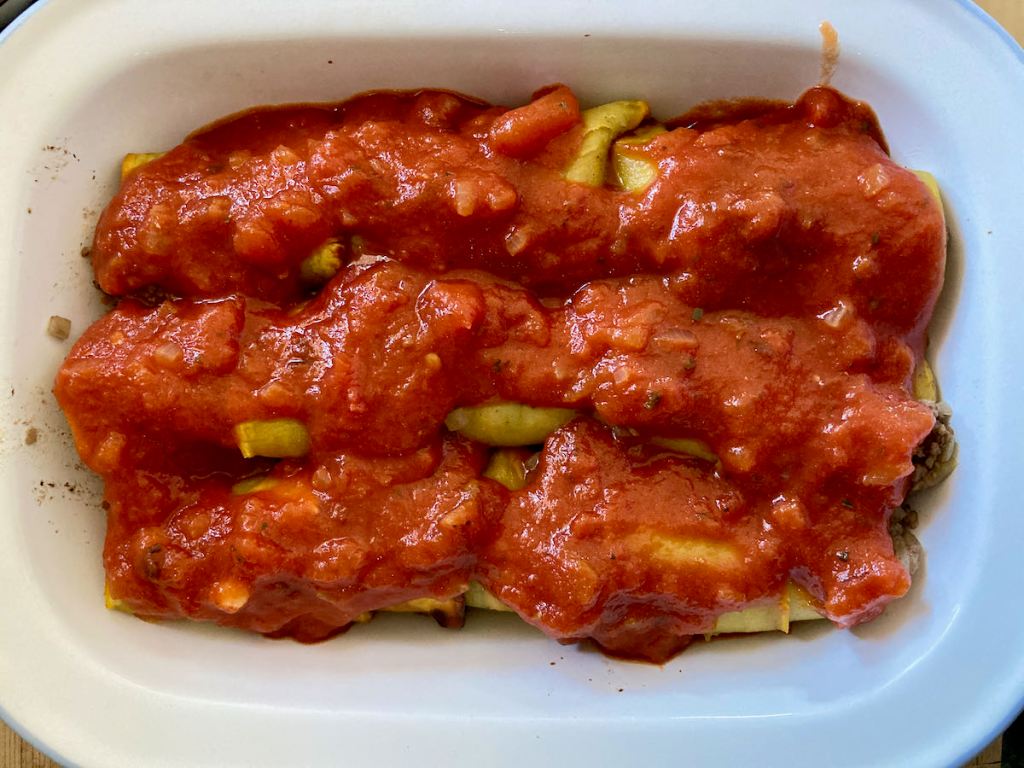
Place leftover meat around your enchiladas.
Pour your enchilada sauce on top.
Bake for 15 minutes.
Serve hot with some salsa and guacamole.
Nutrition
Per Serving: 321 calories; 22.3g fat; 14.5g carbohydrates; 15.9g protein
Equipment
Knife
Chopping board
Mandolin
Frying pan
Tongs
Wooden spoon
Baking dish
Kitchen paper
Nutritional disclaimer
Nutrition information is provided as an estimate based on the ingredients used and available in my area (New Zealand). The nutritional information is here to help you understand the recipe; I use MyFitnessPal to generate my estimates. For more accurate nutritional information, please use a nutritional calculator with the ingredients in your area.
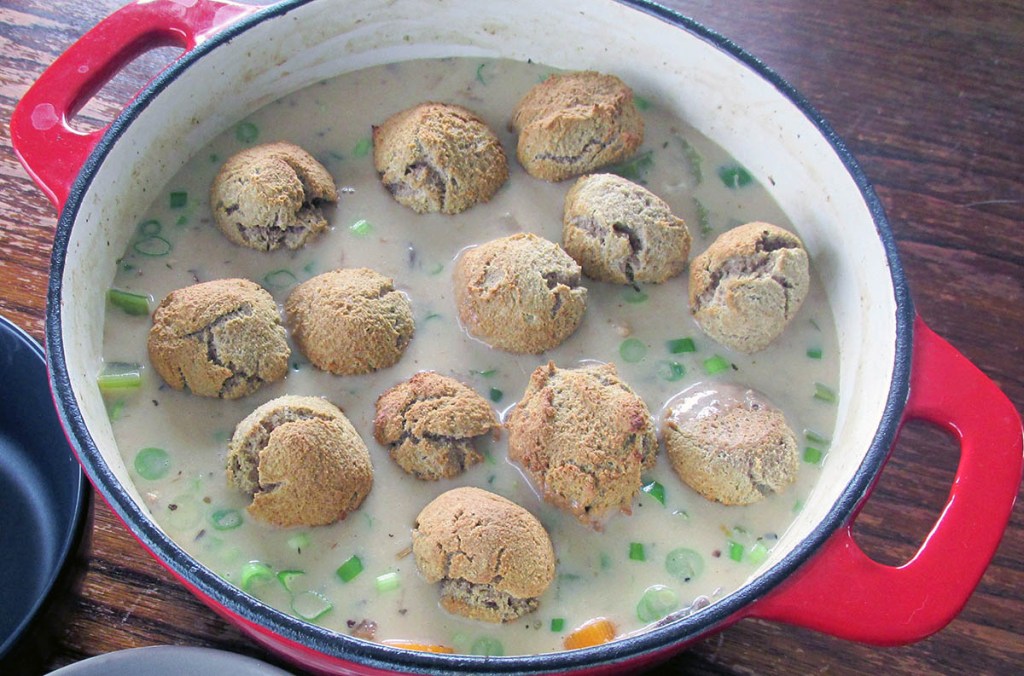
Eating clean gets a lot easier once you have mastered a few essential recipes. This recipe is basic, not like basic unicorn basic, more like beard and flannel basic. Back to the point (which isn’t Unstable unicorns), having basic skills and recipes in your arsenal means you will never be left with only UberEats as your weeknight options. Once you master this recipe, the possibilities are endless.
A fresh spin on a classic
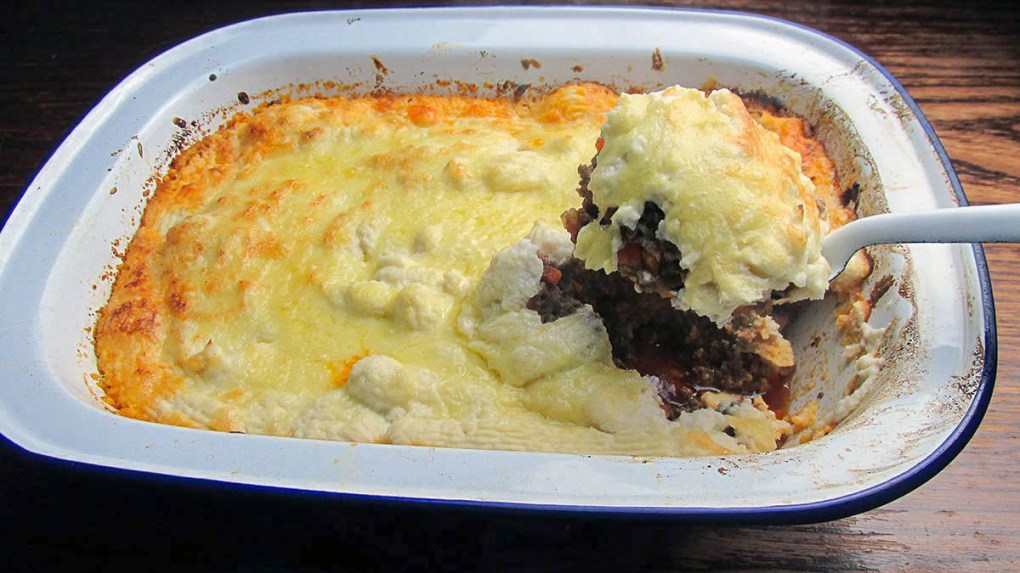
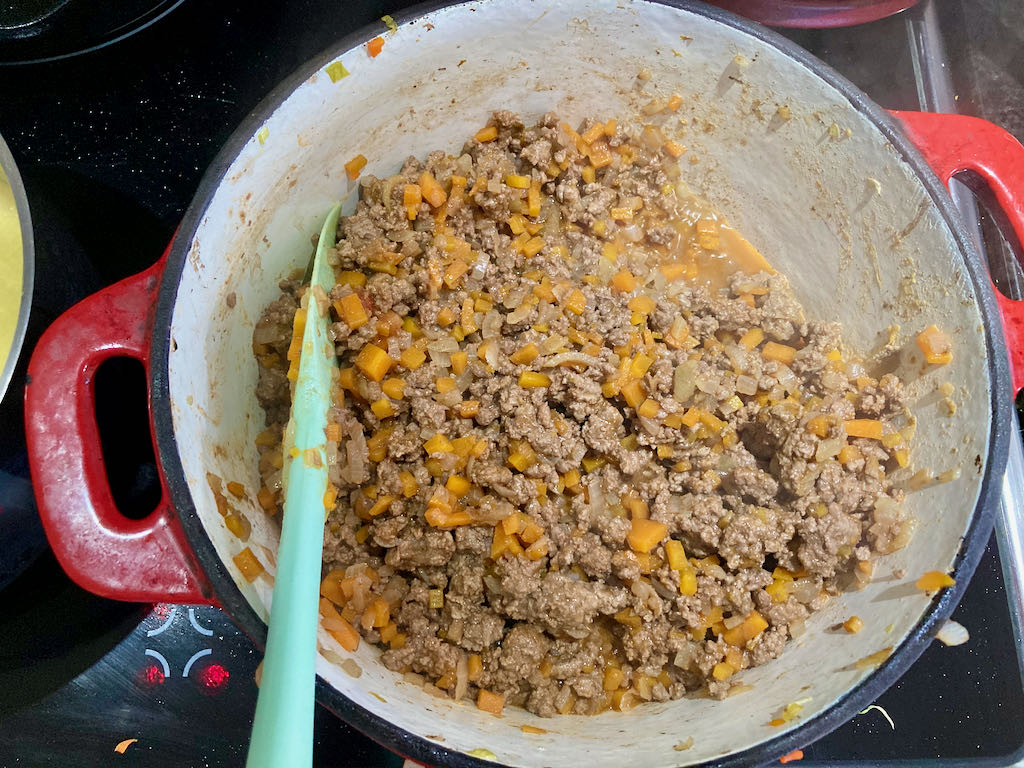
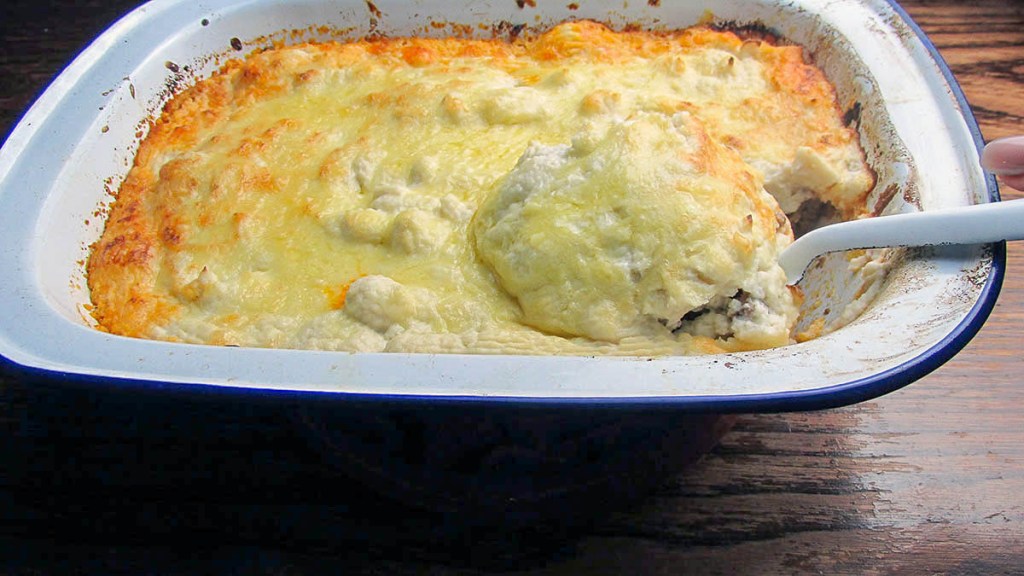
The traditional cottage pie was a way to use leftover roasted meat from the Sunday dinner and topping the pie with mashed potato to make the leftovers go a little further. Obviously, the person who first came up with the cottage pie didn’t have a hungry family like mine to feed; having leftover meat does not happen in my house often. My version of cottage pie comes with a big helping of beef mince to keep my hungry boys happy.
Lower carbs big flavour
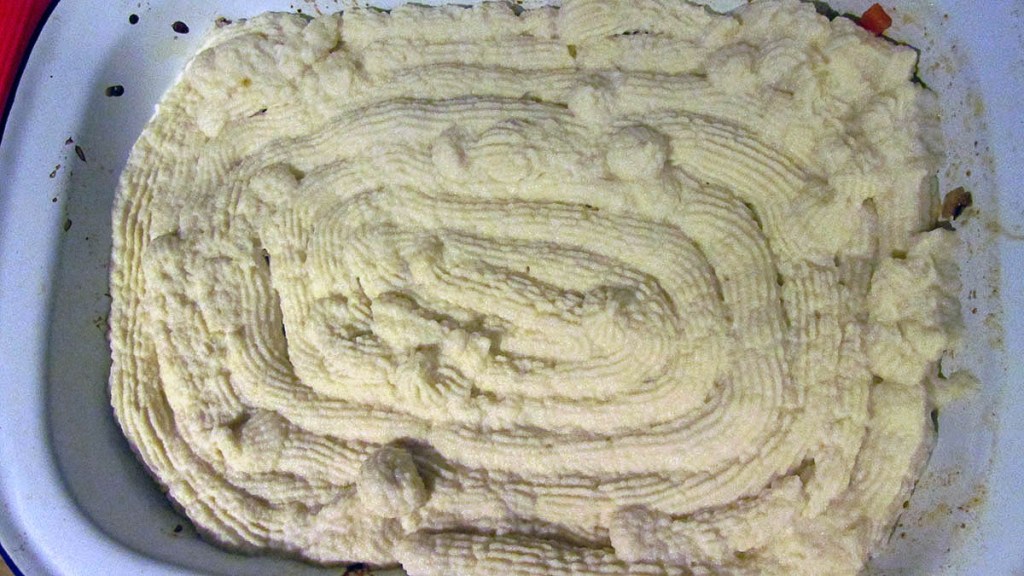
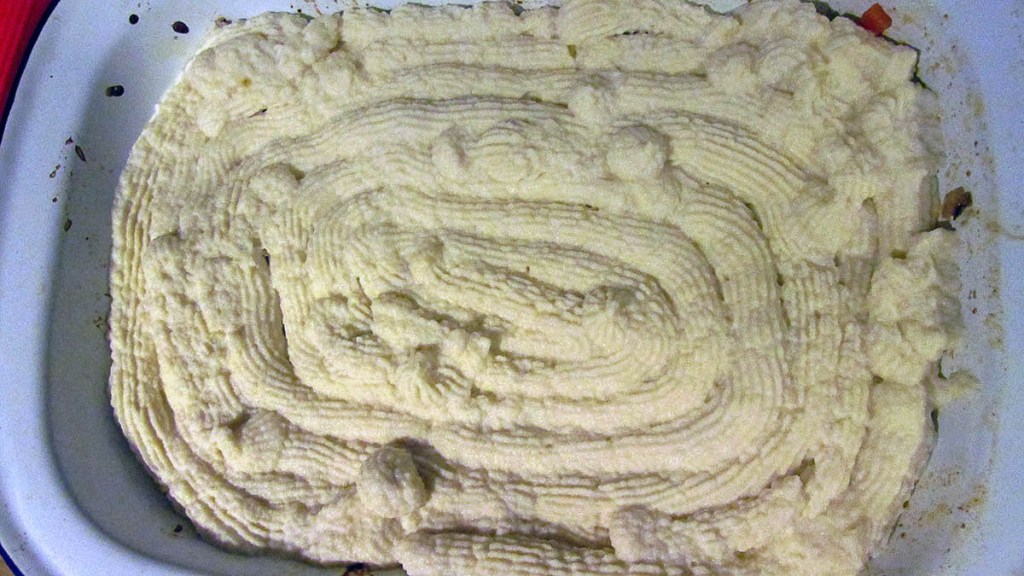
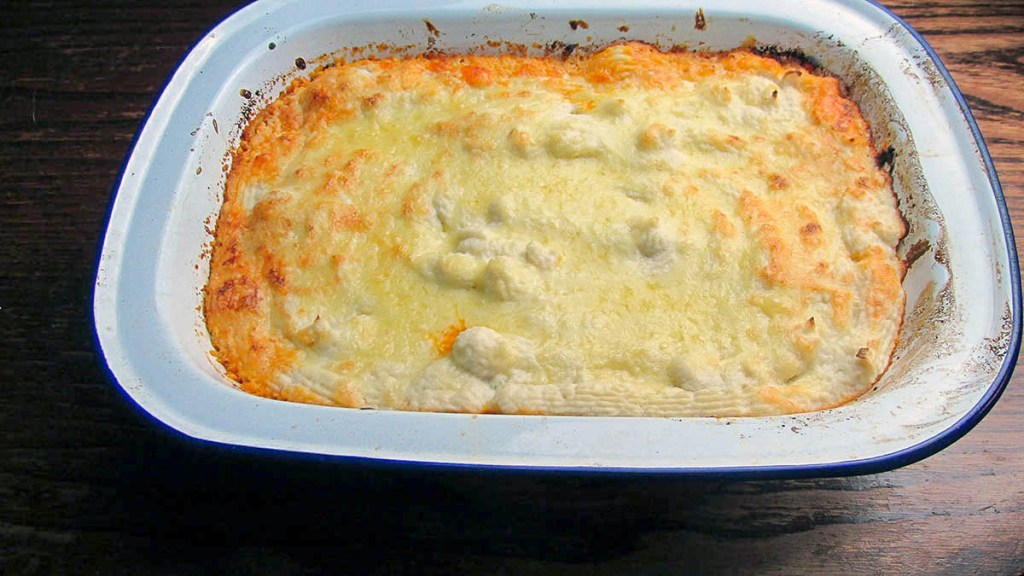
I wanted to make a lower-carb version of the traditional cottage pie by swapping out the mashed potatoes for mashed cauliflower. The cauliflower mash is a great way to reduce carbs without trading off on flavour.
Cottage pie recipe
Ingredients
750g minced beef
2 tsp. oil
1 onion, finely chopped
1 carrot, finely diced
1 celery stick, finely chopped
1/4 cup tomato sauce
2 tsp. Worcestershire
Freshly ground pepper
1 tbsp. butter, melted
1 head cauliflower
2 cups vegetables to serve
Preheat the oven to 180 degrees C/ 350 degrees F.
In a large frying pan, heat the oil over medium-high heat.
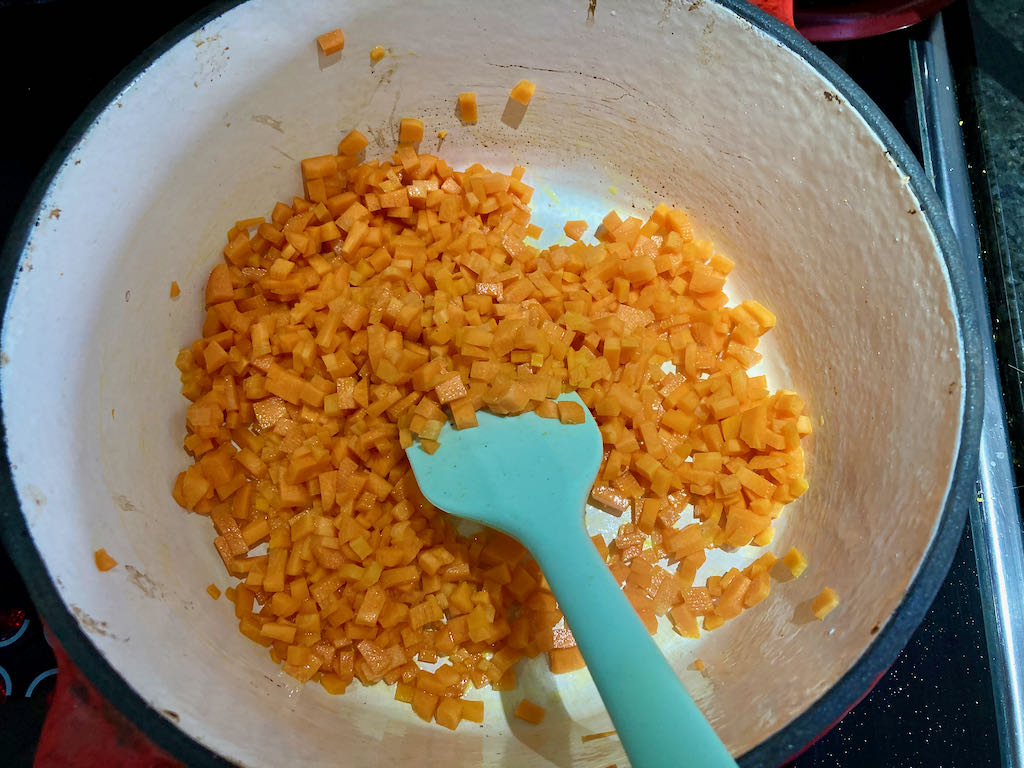
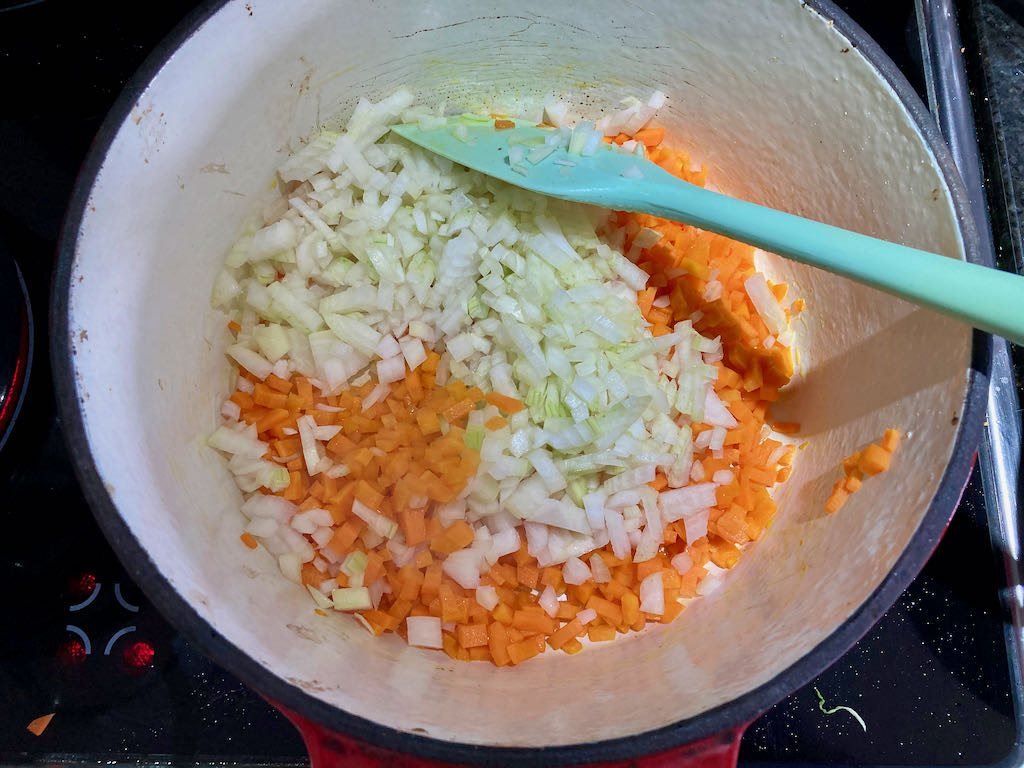
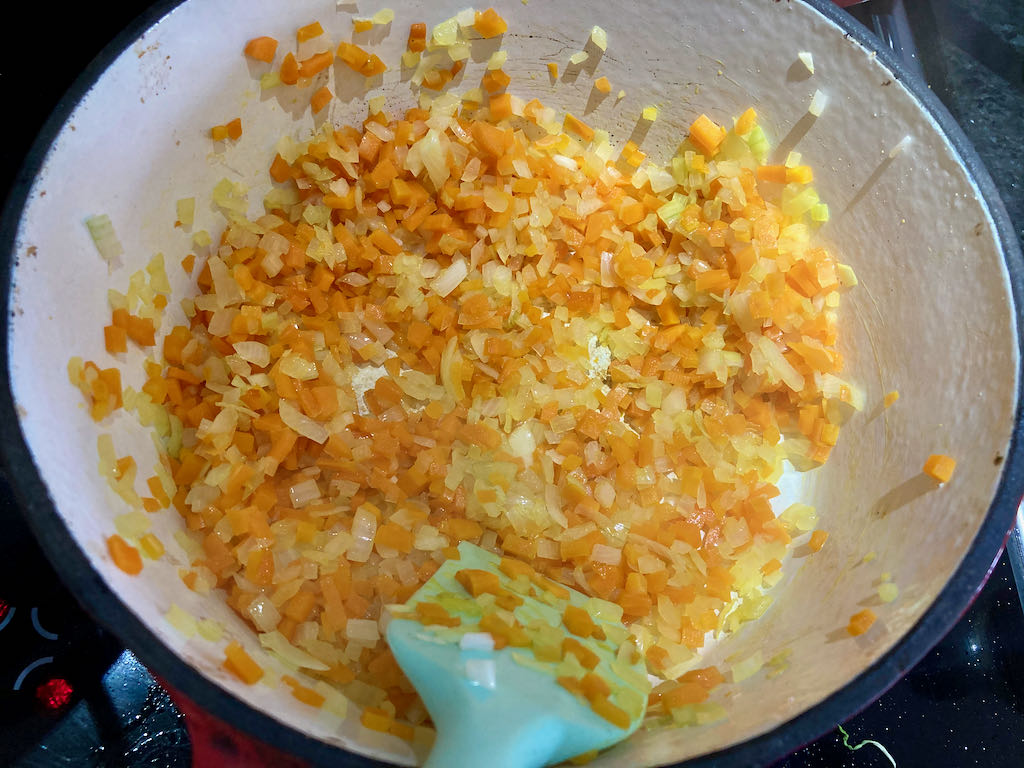
Add the onion, carrot and celery to the pan, cook for 5 to 7 minutes or until tender.
Make sure to stir the vegetables often.
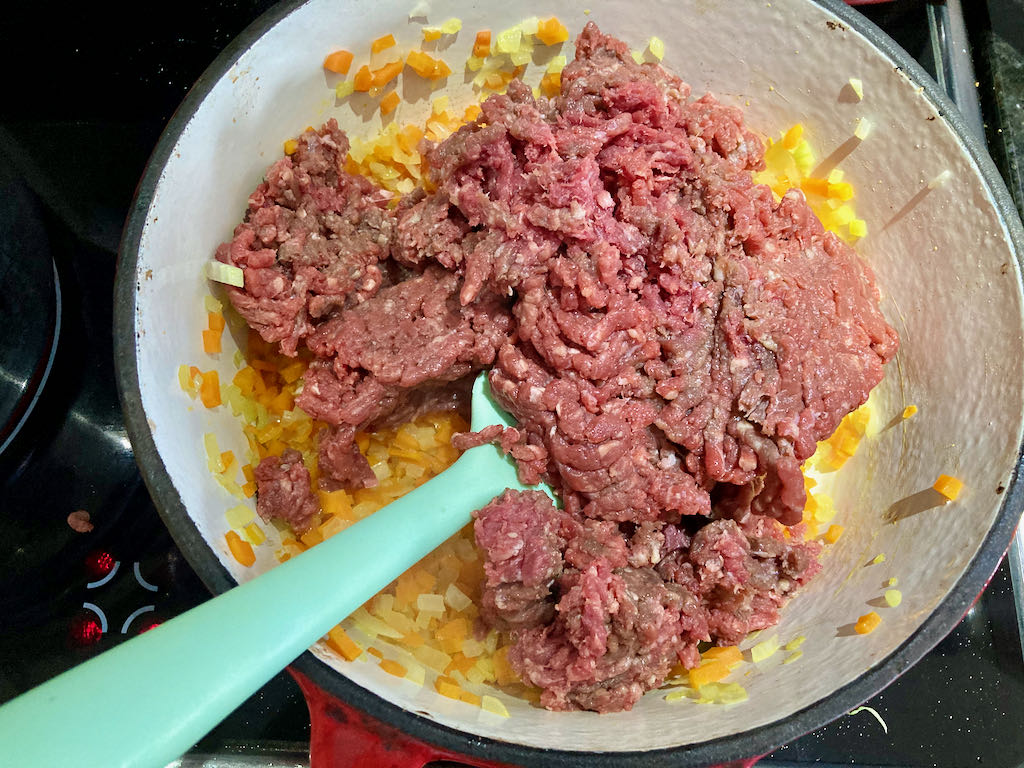
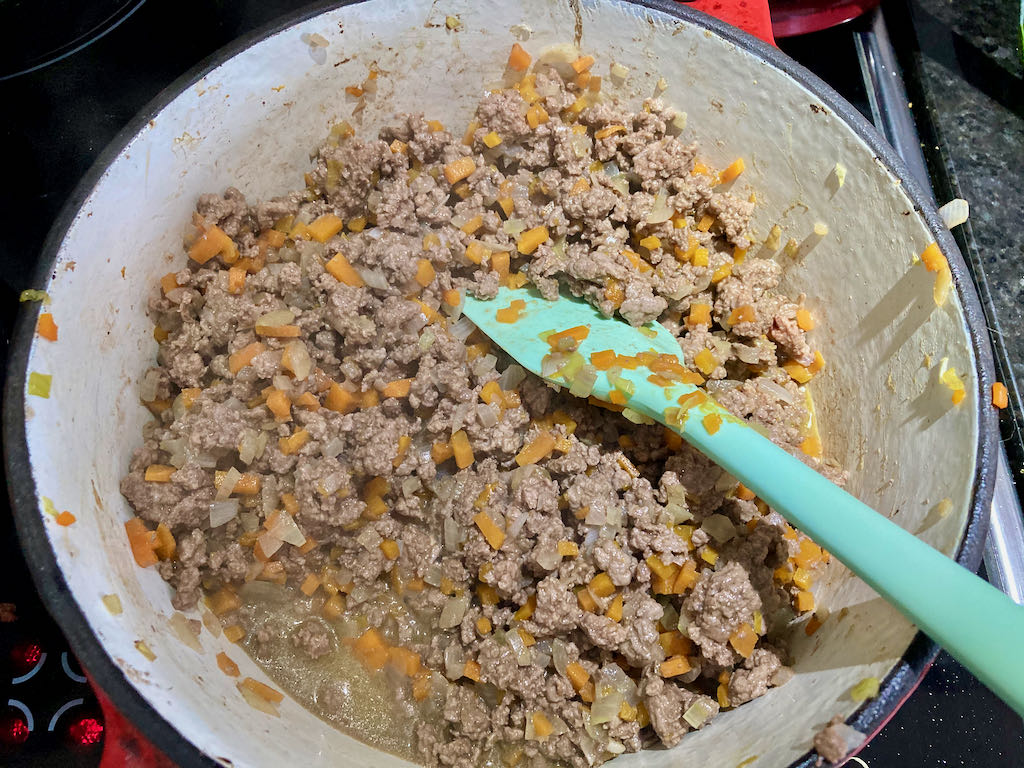
Add the mince to the pan and cook for a further 5 minutes or until mince is browned, stir regularly to break up the mince.
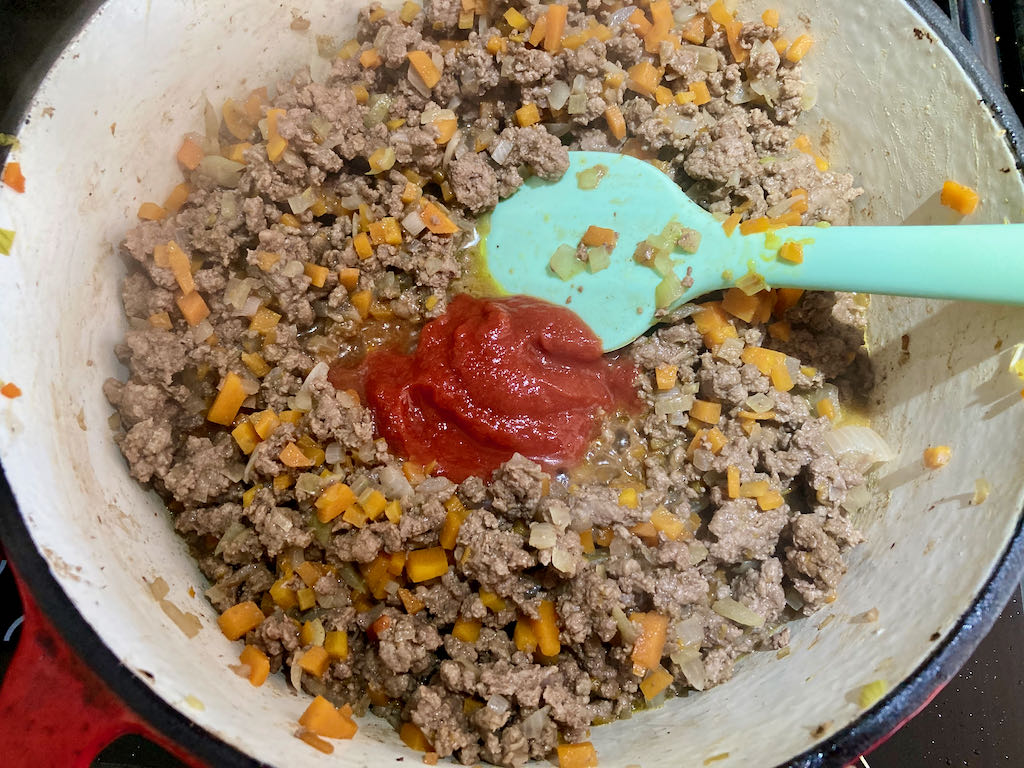
Reduce heat to medium-low, add the sauces, and season to taste.
Cover the pan and simmer for 15 minutes.
Remove the mix from the heat and set to one side.
To make your mash topping, chop the cauliflower into chunks and place in a steamer*
Steam the cauliflower until it is tender, remove from the heat and allow it cool a little.
Use a food processor to blend down the cauliflower with the butter until you get a smooth consistency.
Spoon the meat mixture into a large baking dish and top with the cauliflower mash.
Bake for 20 to 25 minutes or until piping hot and the mash is golden.
In a large frying pan, heat the oil over medium-high heat.
Add the onion, carrot and celery to the pan, cook for 5 to 7 minutes or until tender.
Make sure to stir the vegetables often.
Add the mince to the pan and cook for a further 5 minutes or until mince is browned, stir regularly to break up the mince.
Reduce heat to medium-low, add the sauces, and season to taste.
Cover the pan and simmer for 15 minutes.
Remove the mix from the heat and set to one side.
To make your mash topping, chop the cauliflower into chunks and place in a steamer*
Steam the cauliflower until it is tender, remove from the heat and allow it cool a little.
Use a food processor to blend down the cauliflower with the butter until you get a smooth consistency.
Spoon the meat mixture into a large baking dish and top with the cauliflower mash.
Bake for 20 to 25 minutes or until piping hot and the mash is golden.
*if you don’t have a steamer, you can use a colander over the top of a pan of boiling water
Nutrition
Per Serving:249 calories; 10.1 g fat; 1.1 g carbohydrates; 20.1 g protein
Equipment
Frying pan
Wooden spoon
Vegetable steamer
Tongs
Food processor
Spatula
Baking dish
Nutritionaldisclaimer
Nutrition information is provided as an estimate based on the ingredients used and available in my area (New Zealand). The nutritional information is here to help you understand the recipe; I use MyFitnessPal to generate my estimates. For more accurate nutritional information, please use a nutritional calculator with the ingredients in your area.
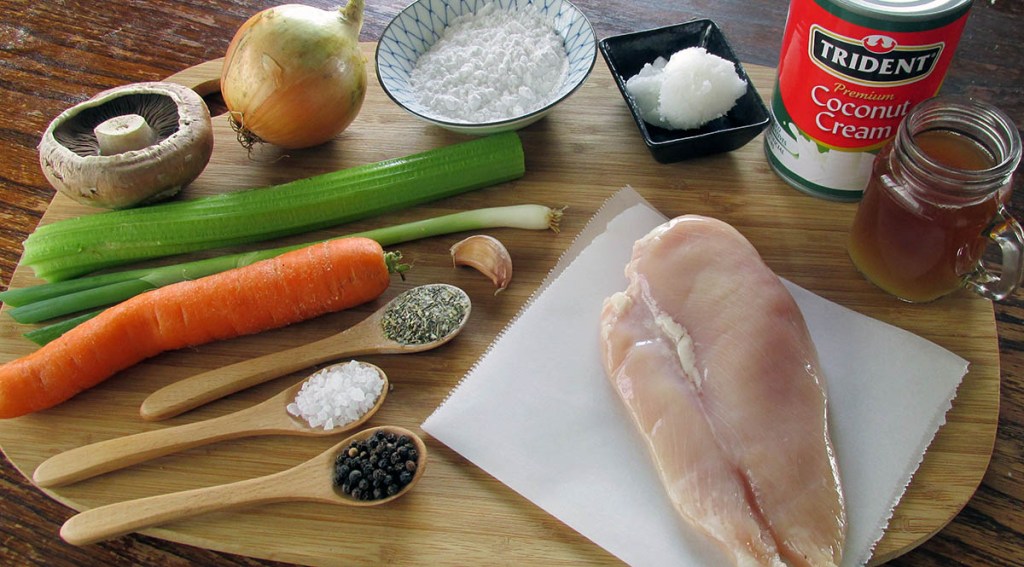
I’ve been revisiting recipes that have been some of my old-school recipes and favourites that were staples when I got started eating clean. I first posted this recipe in 2017; at that time, my step kids were fussy, vegetables had to be hidden and disguised, and there was no potential for intense flavours or spice.
Times (thankfully) changed, the kids grew up (like man-sized grown), and learned to enjoy a wide range of foods. Things like vegetables no longer meant faces being pulled, spice and chilli were consumed without complaint, and new ingredients were tried without tantrums.
As the kids grew, my recipes changed organically to meet their palates and preferences. I’ve updated this recipe because of that, but fear not; the original recipe suitable for kids and less developed palates is at the bottom of the post.
A match made in heaven
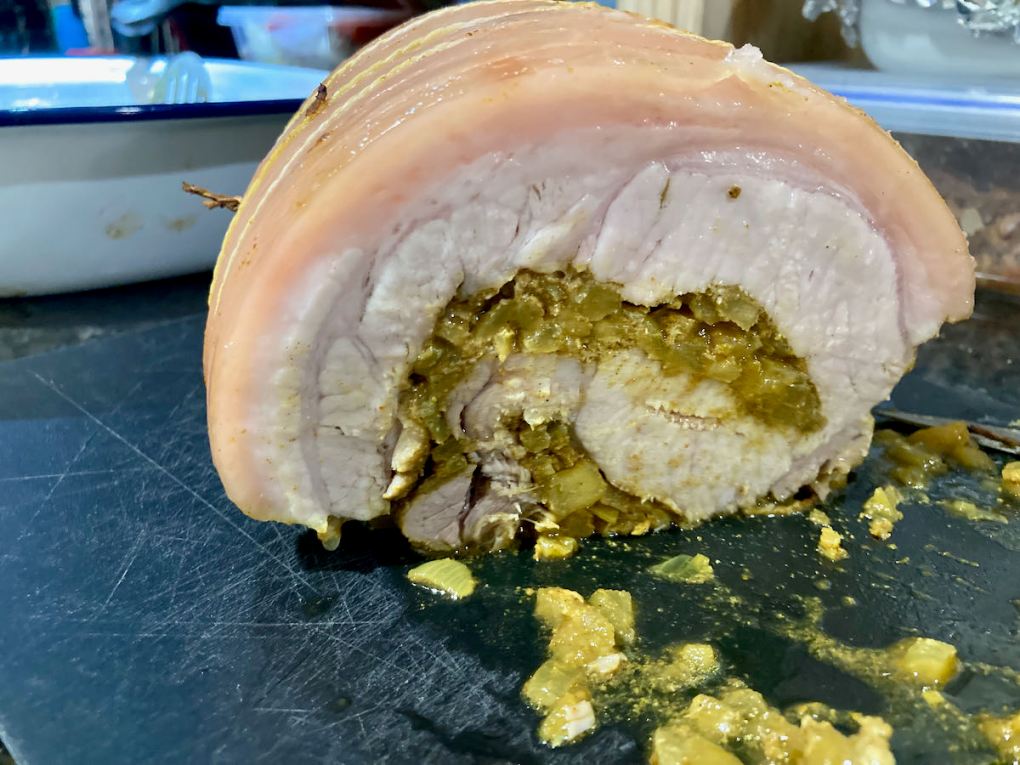
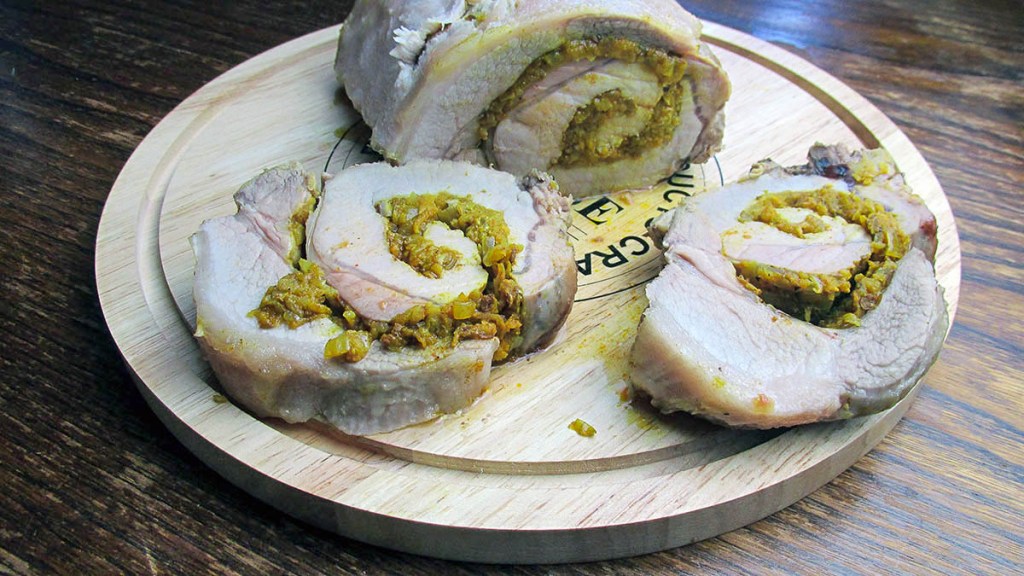
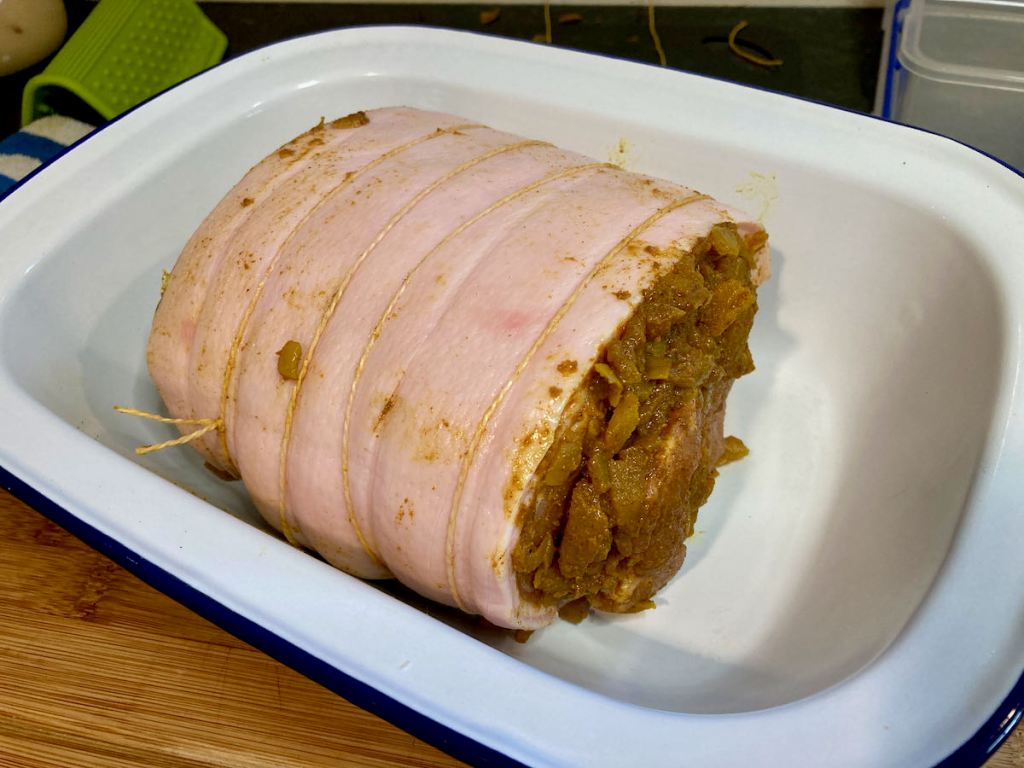
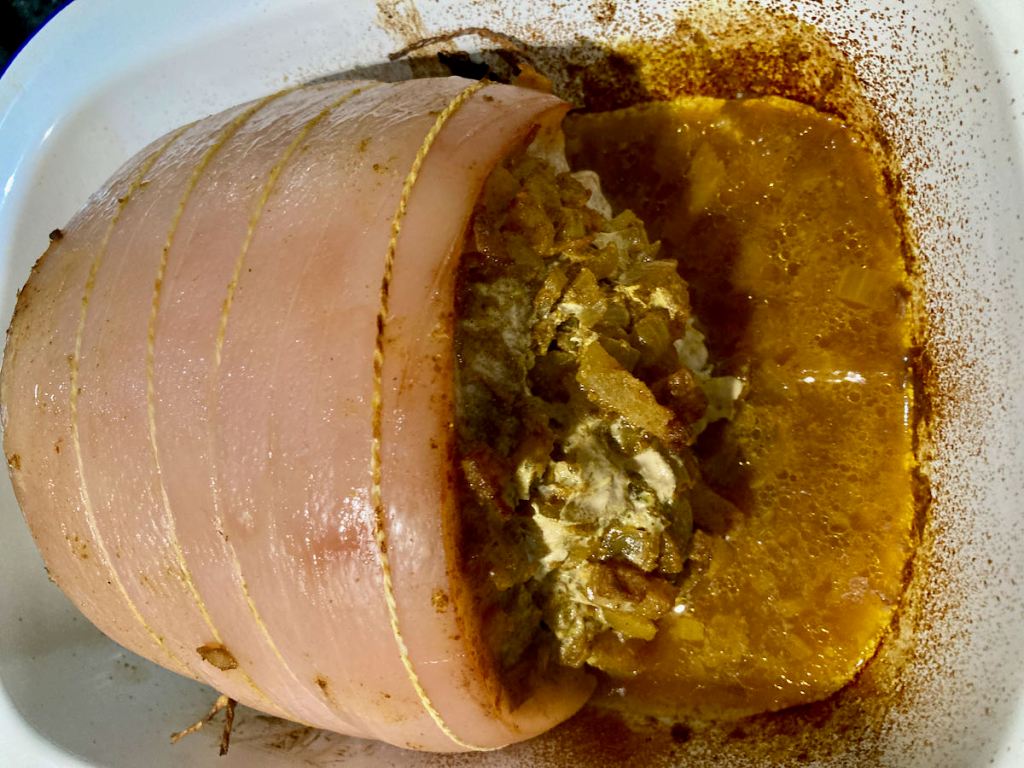
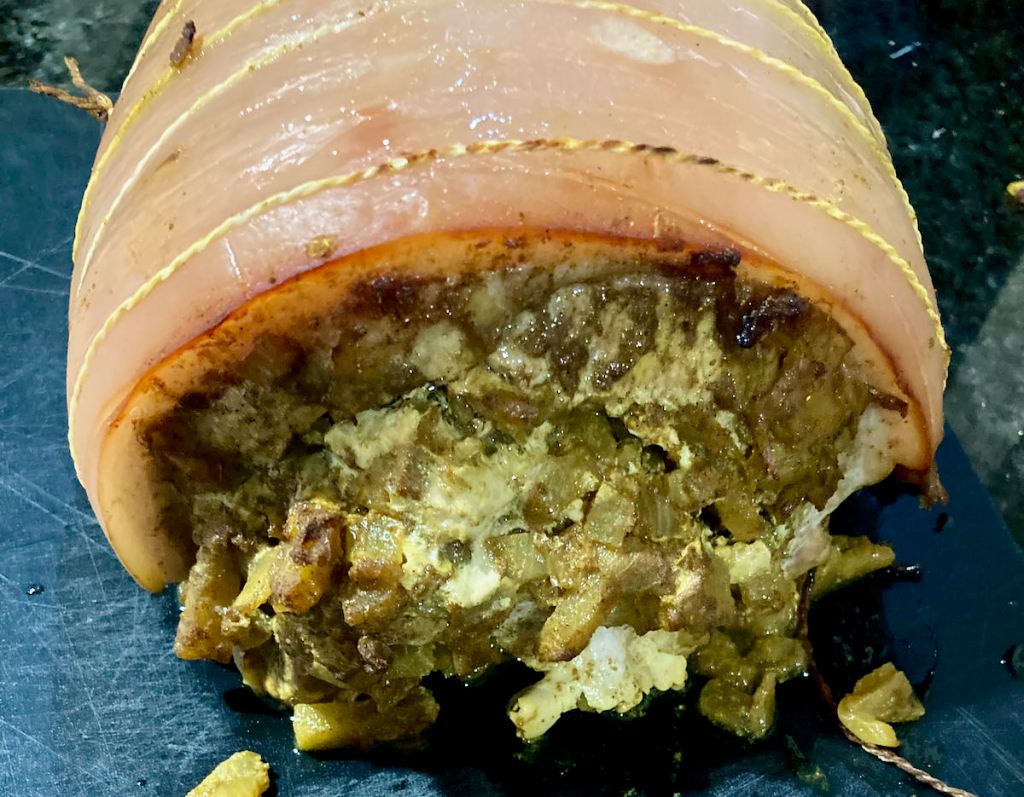
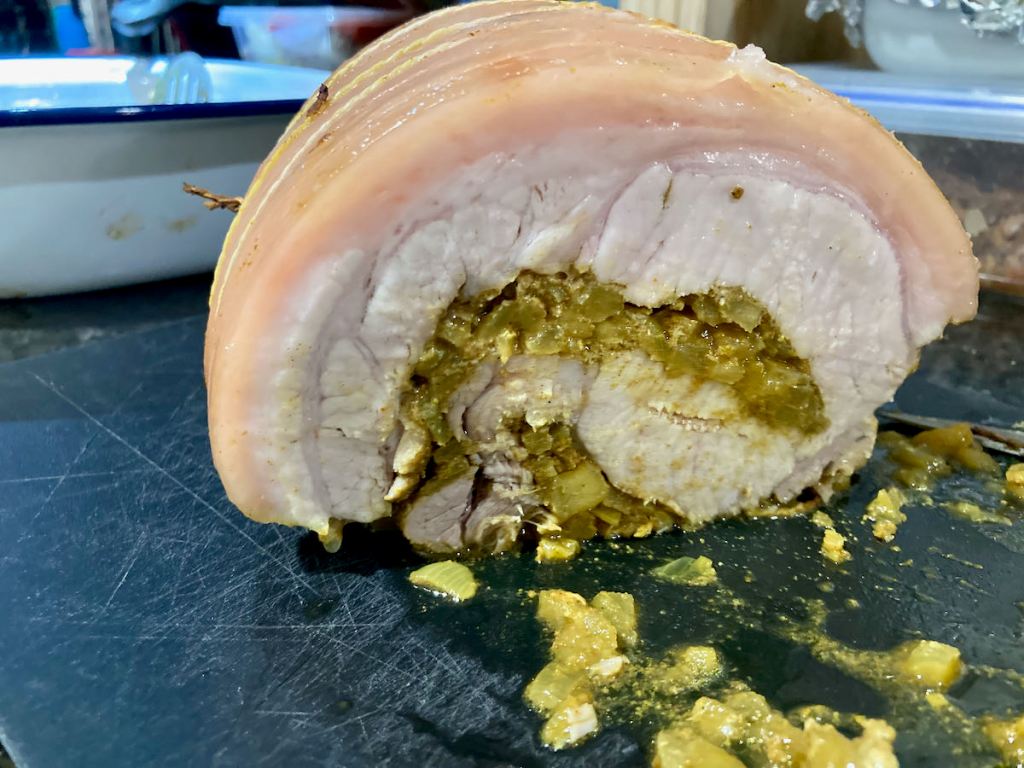
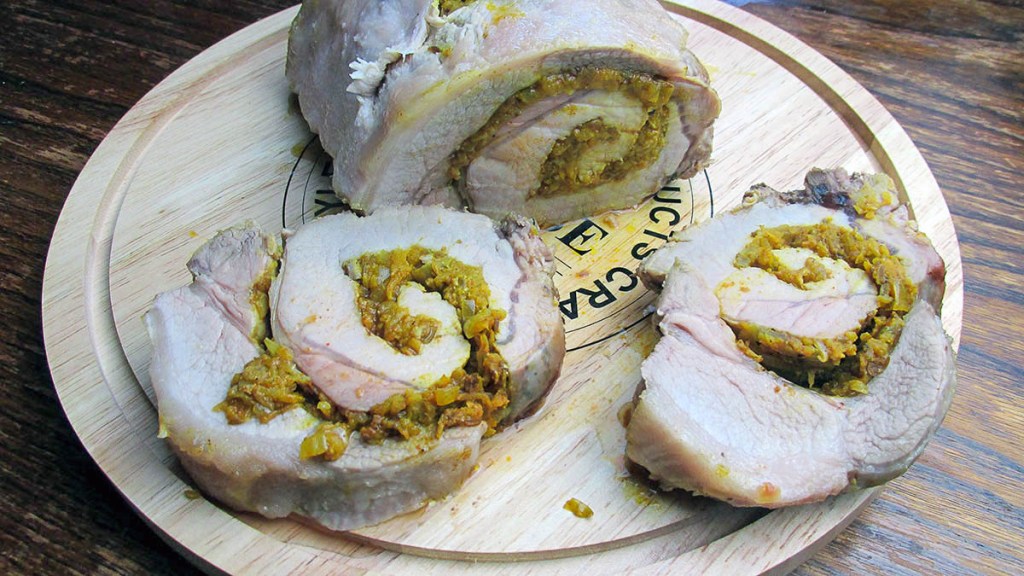
Apple and pork are a match made in food heaven. Apple stuffed pork roast is one of my favourite dishes when the weather is cooling down outside. The apple and pork taste amazing together, and the Moroccan spice adds some extra warmth to the mix. If you are looking for something a little fancy during the winter, I can highly recommend this roast.
Apple stuffed pork roast recipe
Ingredients
1 tbsp. butter
2 apples, peeled, cored, and sliced
1 onion, chopped
1 tsp. ground coriander
1 tsp. ground cumin
1 tsp. ground cinnamon
1 tsp. ground ginger
1 tsp. paprika
1/2 tsp. ground turmeric
1 tsp. salt
1 tsp.
1kg boneless pork loin roast
1 cup pressed apple juice
Instructions
Heat the oven to 220 degrees C/ 450 degrees F.
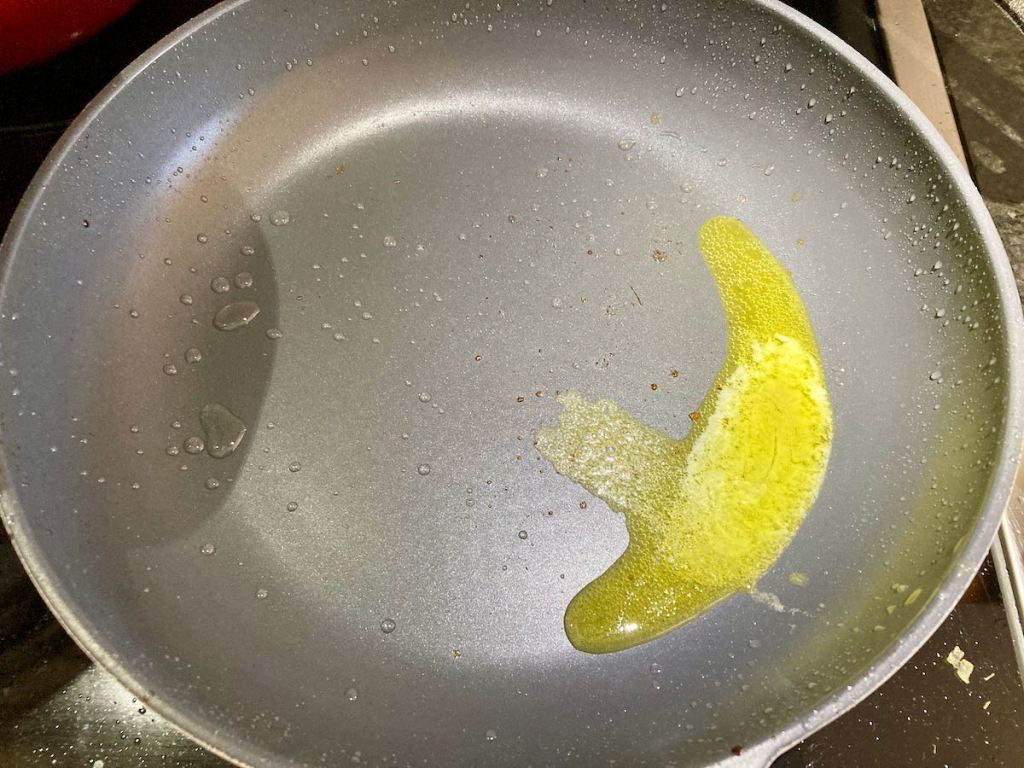
In a large frying pan, melt the butter.
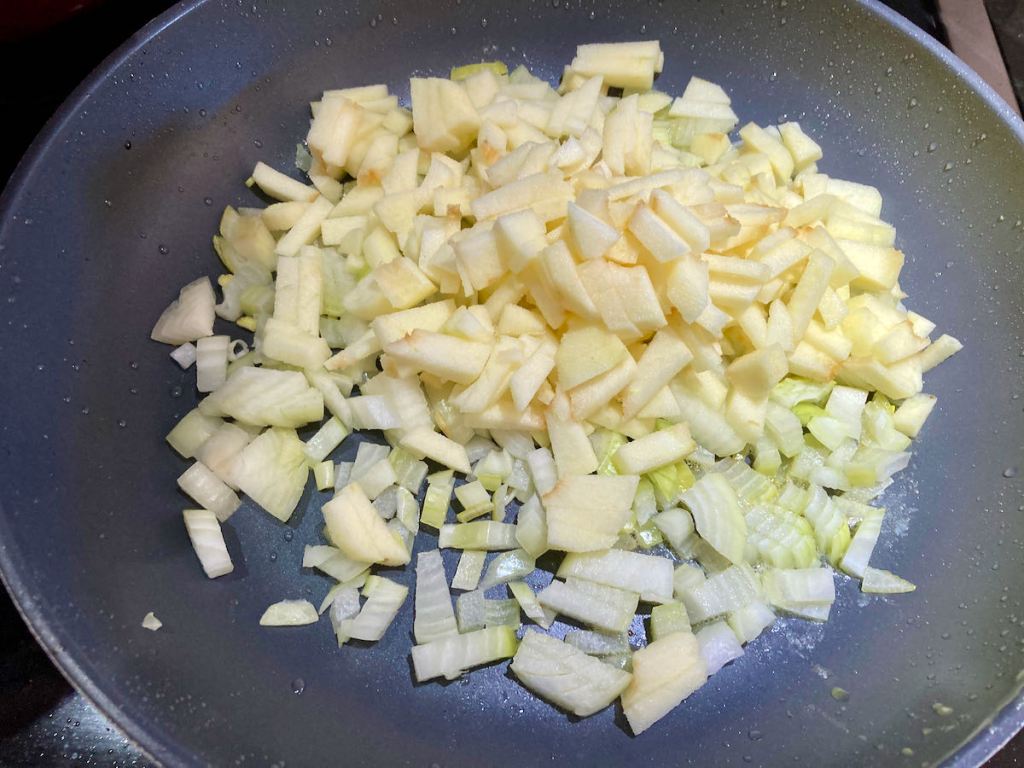
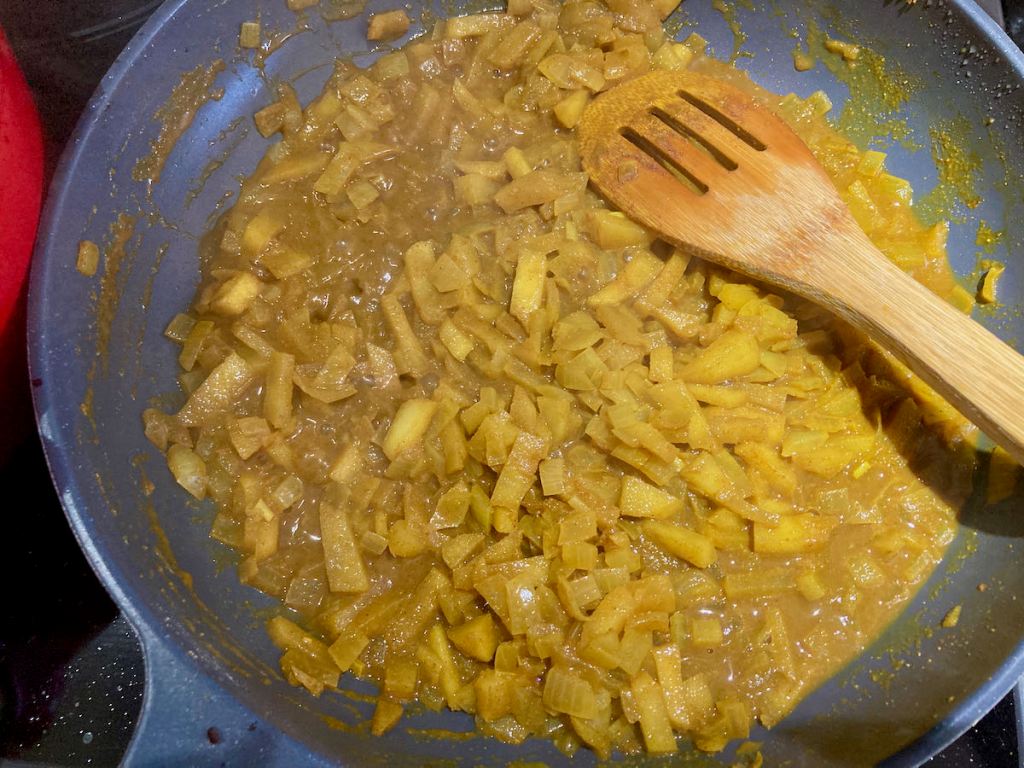
Sauté the apples and onion over a medium.
Cook until the onions are soft.
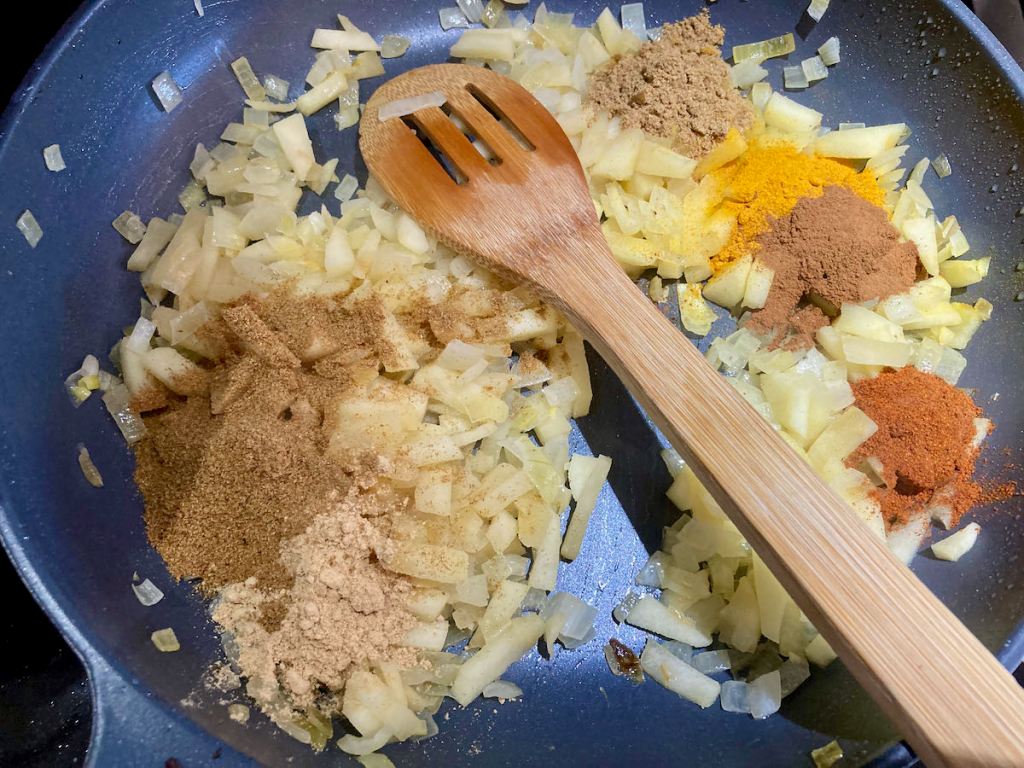
Add the coriander, cumin, cinnamon, ginger, paprika, turmeric, salt and pepper.
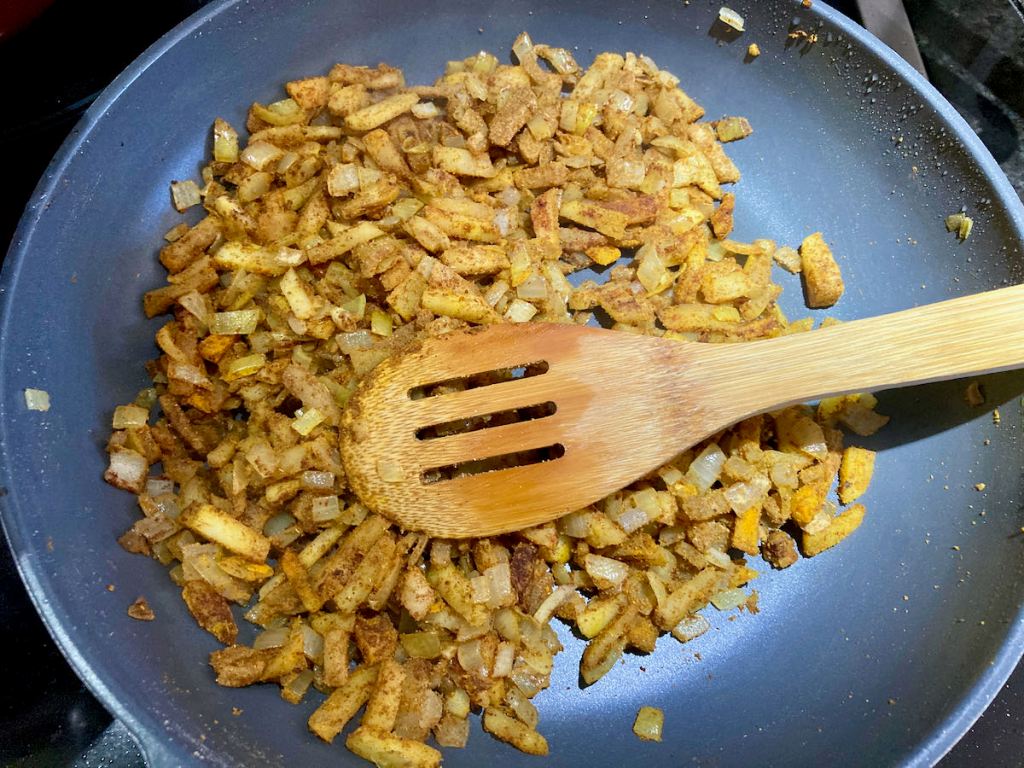
Turn down the heat and let the apples soften.
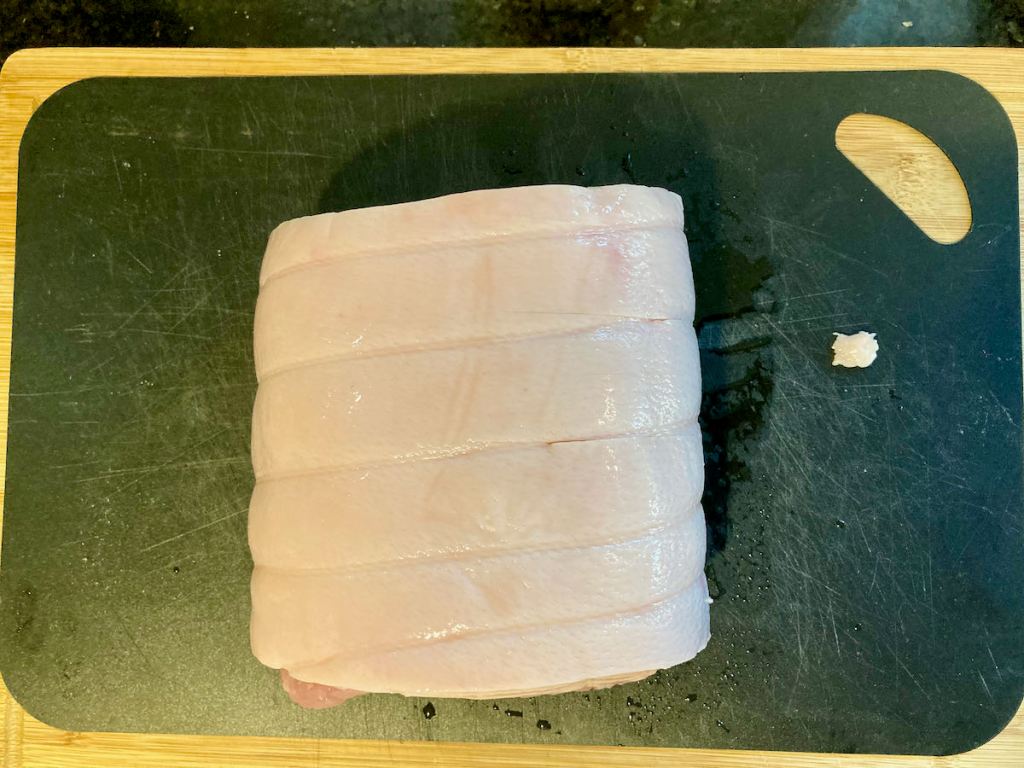
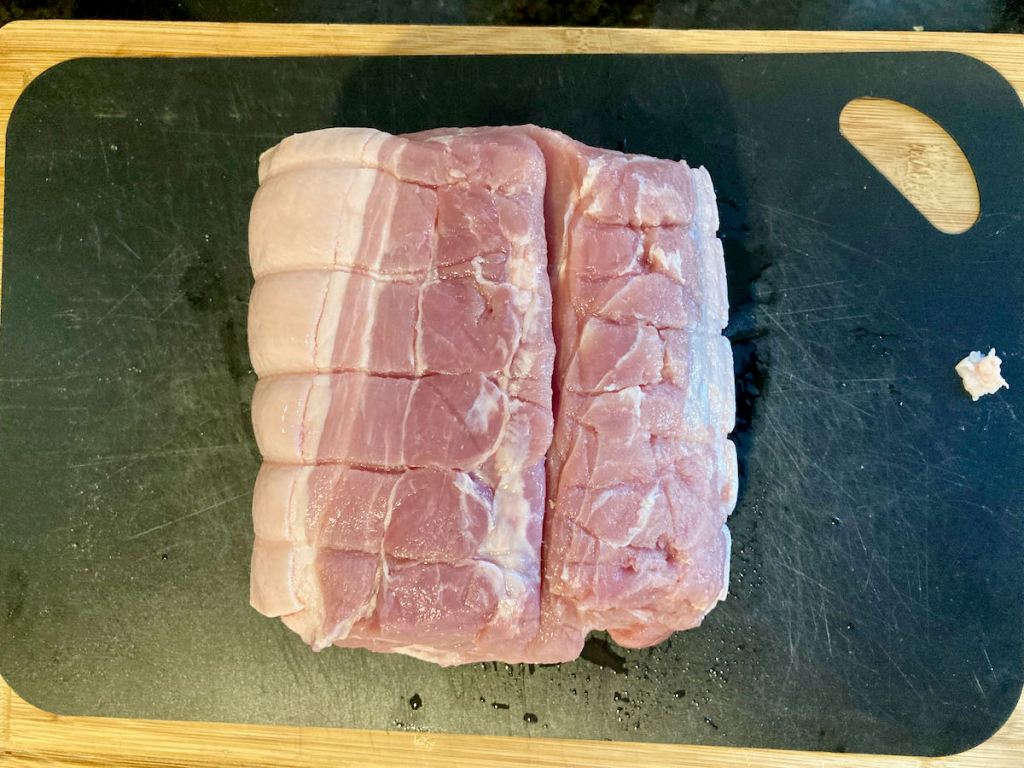
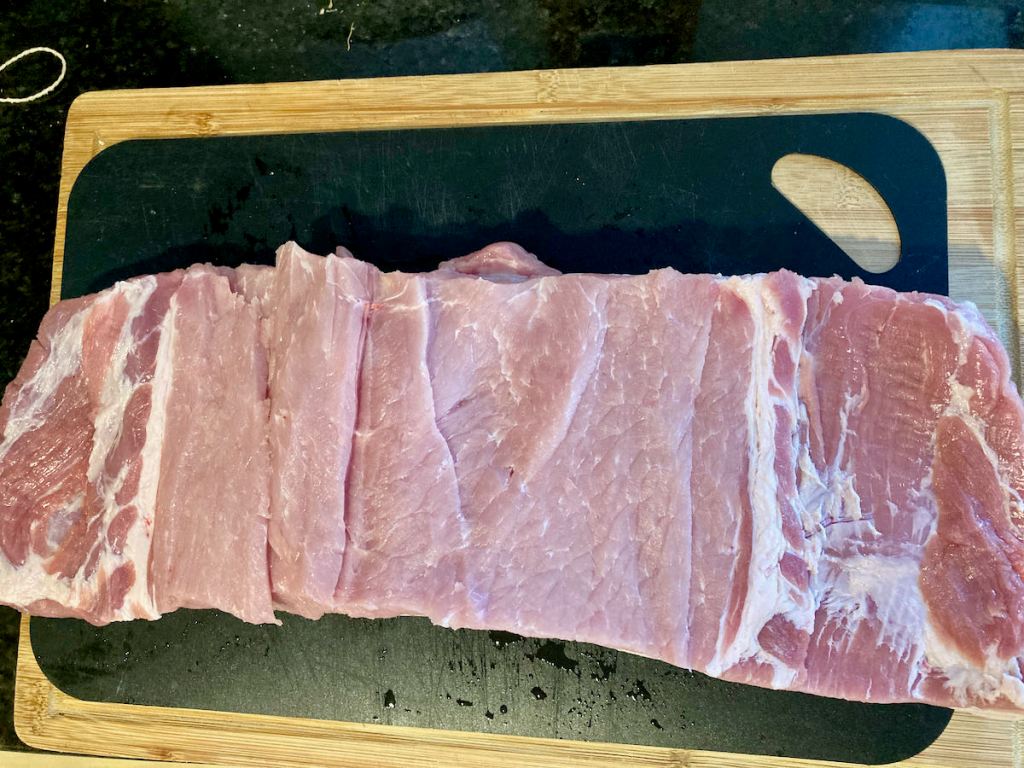
Meanwhile, please the pork roast on a stable surface.
Cut any butchers string around the roast and flatten it out as much as possible.
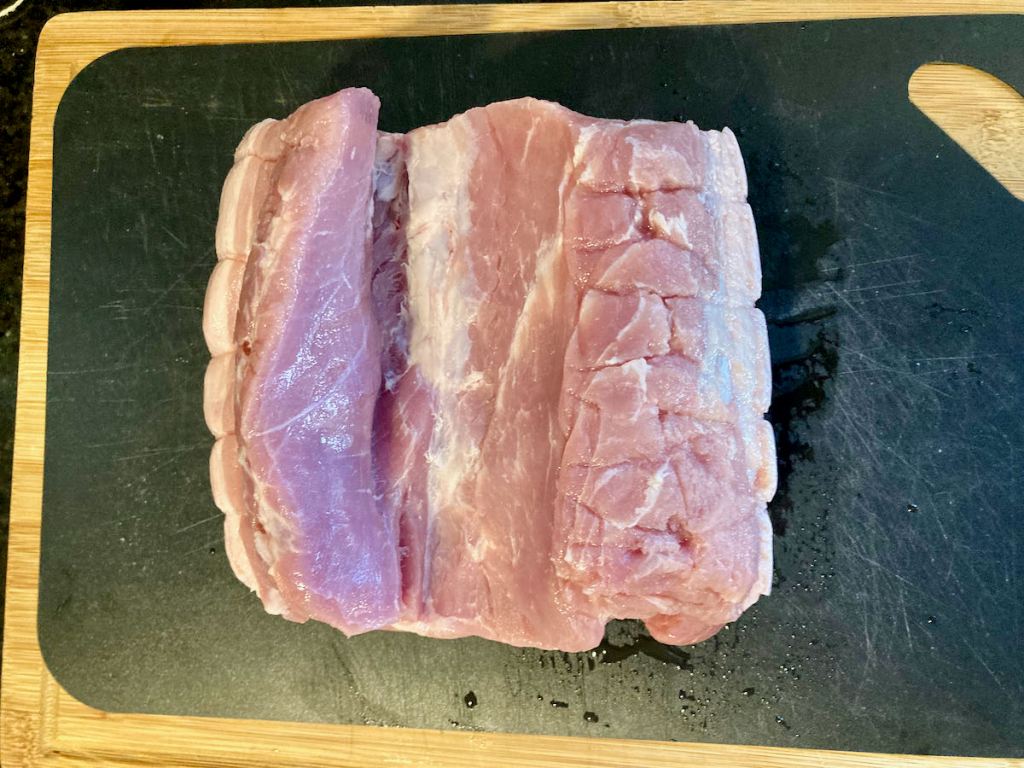
Cut a lengthwise slit down the centre of the tenderloin to within 2 cm of the bottom.
Be careful not to cut all the way through.
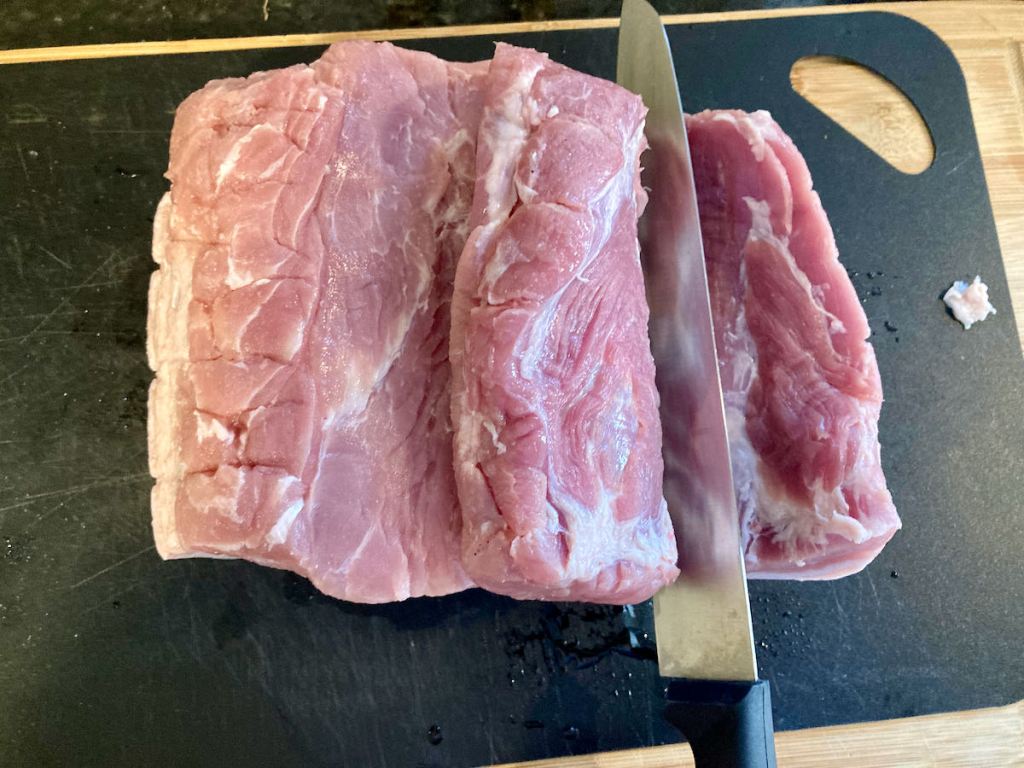
Open up the cut so that the tenderloin lies flatter.
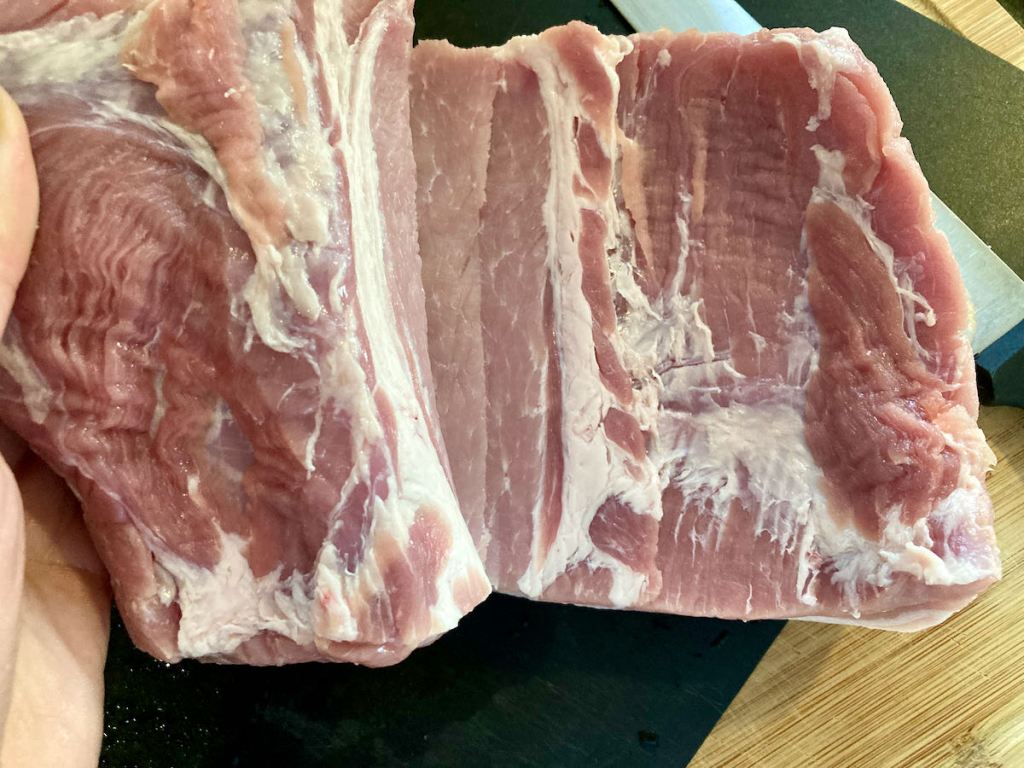
On each half, make another lengthwise slit down the centre to within 2 cm of the bottom.
If you aren’t confident with a knife, you can mallet the meat out flatter.
Cover the meat with cling film and flatten it to 1cm thickness with a mallet or rolling pin.
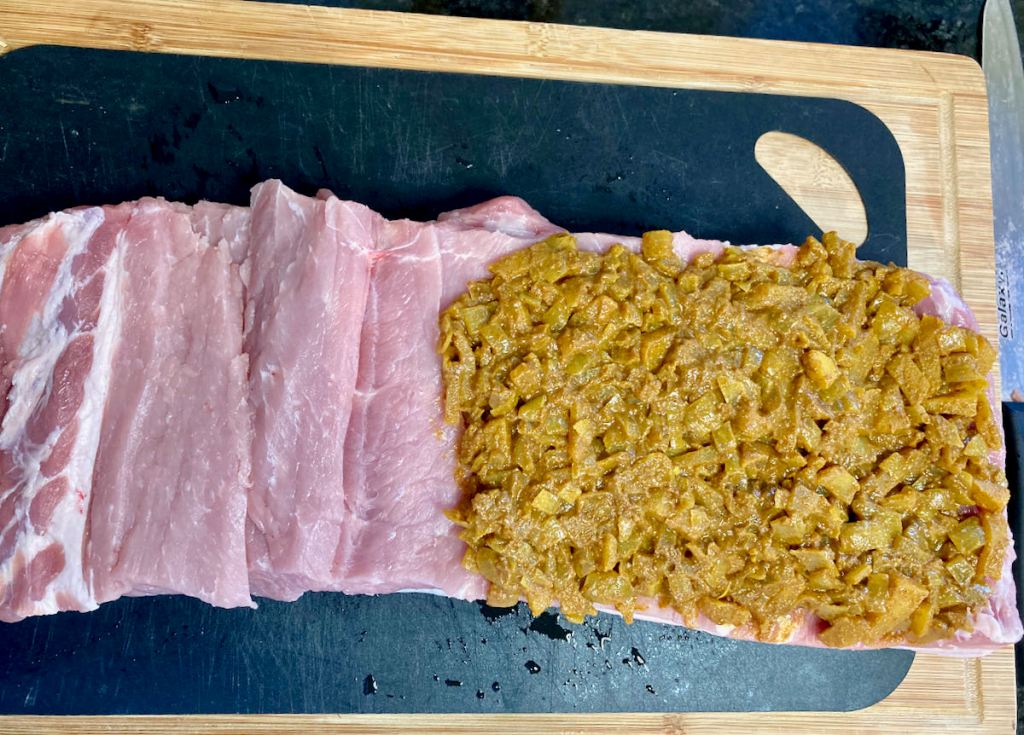
Spread the apple and onion mixture inside the pork.
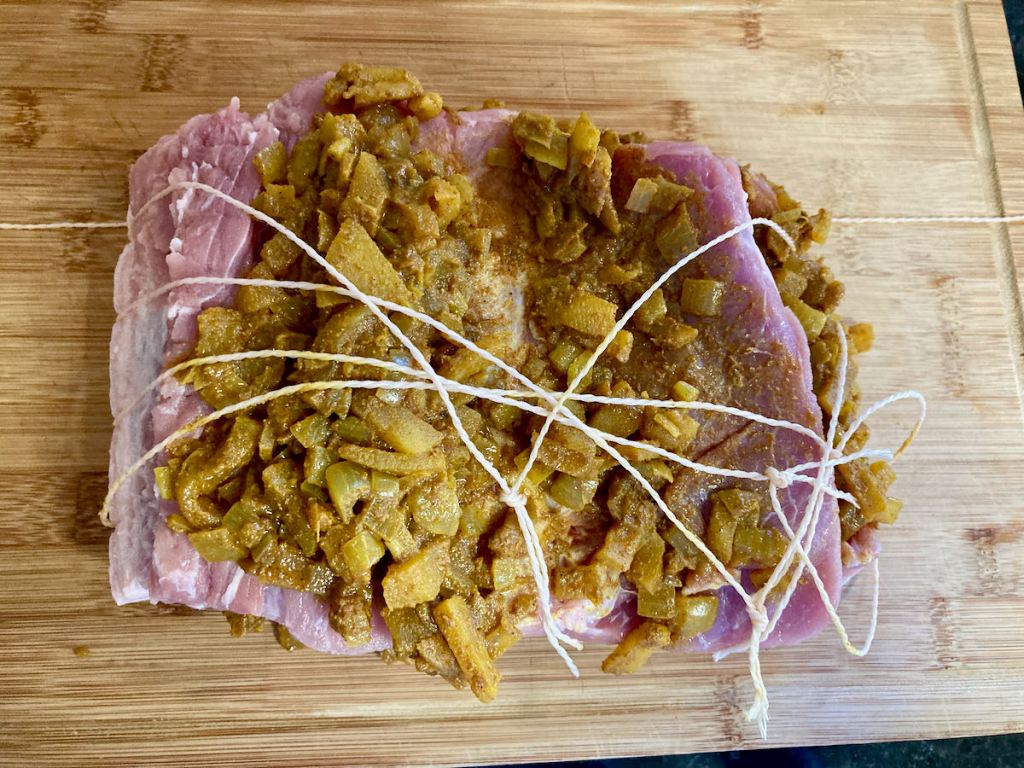
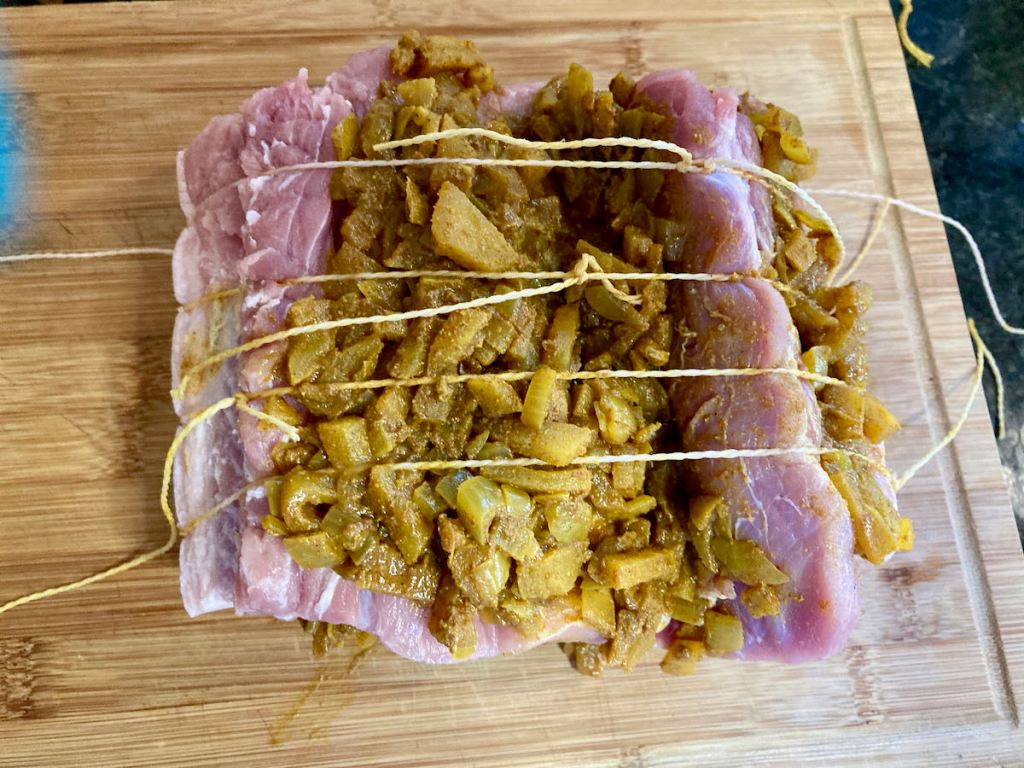
Roll the loin back up to a single roll.
With some butchers string, put some loops around the roll to keep it all together.
Season the outside of the loin with salt and pepper.
Take a large baking dish, pour in the apple juice, and transfer the loin to the baking dish.
Cover the dish with baking foil.
Roast the loin for 15 minutes at 220 degrees C/ 450 degrees F
Reduce the heat to 160 degrees C/ 325 degrees F and roast for a further 45 minutes.
While the loin is cooking, baste it with the apple juice every 15 minutes or so.
Depending on your oven, it could take between 45 minutes and an hour for the roast to be done.
–1 tsp. ground cumin
–1 tsp. ground cinnamon
–1 tsp. ground ginger
–1 tsp. paprika
–1/2 tsp. ground turmeric
–1 tsp. salt
–1 tsp. pepper
–1kg boneless pork loin roast
–1 cup pressed apple juice
Directions
Heat the oven to 220 degrees C/ 450 degrees F.
In a large frying pan, melt the butter.
Sauté the apples and onion over a medium.
Cook until the onions are soft.
Add the coriander, cumin, cinnamon, ginger, paprika, turmeric, salt and pepper.
Turn down the heat and let the apples soften.
Meanwhile, please the pork roast on a stable surface.
Cut any butchers string around the roast and flatten it out as much as possible.
Cut a lengthwise slit down the centre of the tenderloin to within 2 cm of the bottom.
Be careful not to cut all the way through.
Open up the cut so that the tenderloin lies flatter.
On each half, make another lengthwise slit down the centre to within 2 cm of the bottom.
If you aren’t confident with a knife, you can mallet the meat out flatter.
Cover the meat with cling film and flatten it to 1cm thickness with a mallet or rolling pin.
Spread the apple and onion mixture inside the pork.
Roll the loin back up to a single roll.
With some butchers string, put some loops around the roll to keep it all together.
Season the outside of the loin with salt and pepper.
Take a large baking dish, pour in the apple juice, and transfer the loin to the baking dish.
Cover the dish with baking foil.
Roast the loin for 15 minutes at 220 degrees C/ 450 degrees F
Reduce the heat to 160 degrees C/ 325 degrees F and roast for a further 45 minutes.
While the loin is cooking, baste it with the apple juice every 15 minutes or so.
Depending on your oven, it could take between 45 minutes and an hour for the roast to be done.
Let the roast rest for 10 minutes before serving.
Nutrition
Per Serving: 246 calories; 8.1 g fat; 13.7 g carbohydrates; 33.1 g protein
Equipment
Knife
Chopping board
Cling film
Meat mallet or rolling pin
Frying pan
Spatula
Butchers string
Baking dish
Tablespoon
Nutritional disclaimer
Nutrition information is provided as an estimate based on the ingredients used and available in my area (New Zealand). The nutritional information is here to help you understand the recipe; I use MyFitnessPal to generate my estimates. For more accurate nutritional information, please use a nutritional calculator with the ingredients in your area.
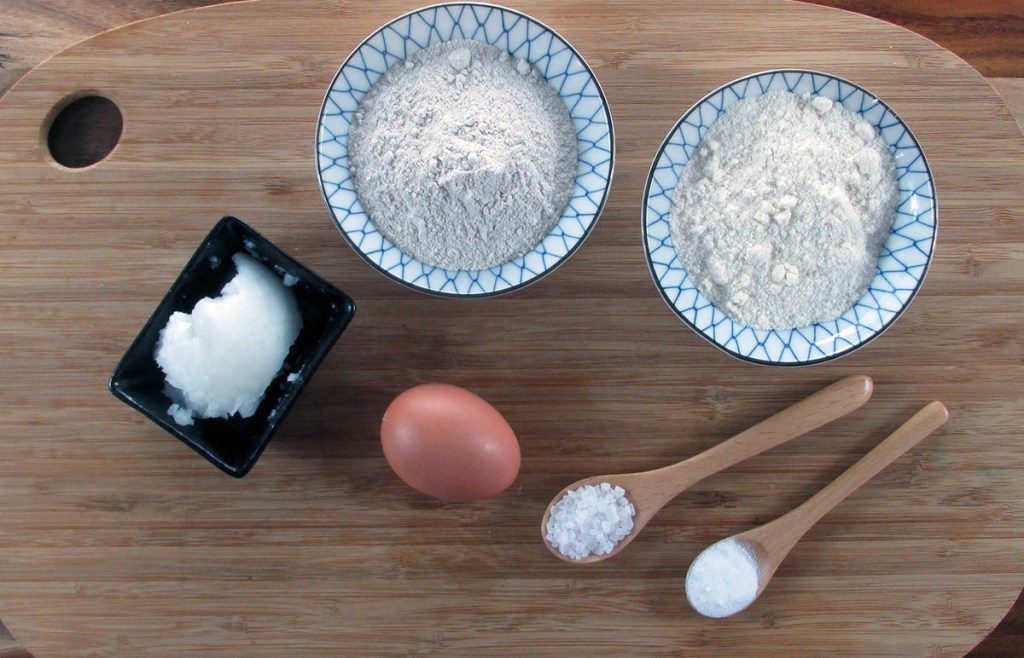
Eating clean gets a lot easier once you have mastered a few essential recipes. This recipe is basic, not like basic unicorn basic, more like beard and flannel basic. Back to the point (which isn’t Unstable unicorns), having basic skills and recipes in your arsenal means you will never be left with only UberEats as your weeknight options. Once you master this recipe, the possibilities are endless.
Revisiting familyfavourites
I’ve been revisiting recipes that have been some of my old school recipes and family favourites that were our staples when we got started as clean eaters. I first posted this recipe in 2015; at that time, the kids were fussy, vegetables had to be hidden and disguised, and there was no potential for intense flavours or spice.
Times (thankfully) have changed, the kids have grown (like man-sized grown), and they now enjoy a wide range of foods. Things like vegetables are enjoyed, spice and chilli are consumed without complaint, and new ingredients are tried without tantrums.
As the kids have grown, my recipes have changed organically to meet their palates and preferences, I’ve updated this recipe because of that, but fear not, all I have done is make it a little bit better.
Great for a bulk cook
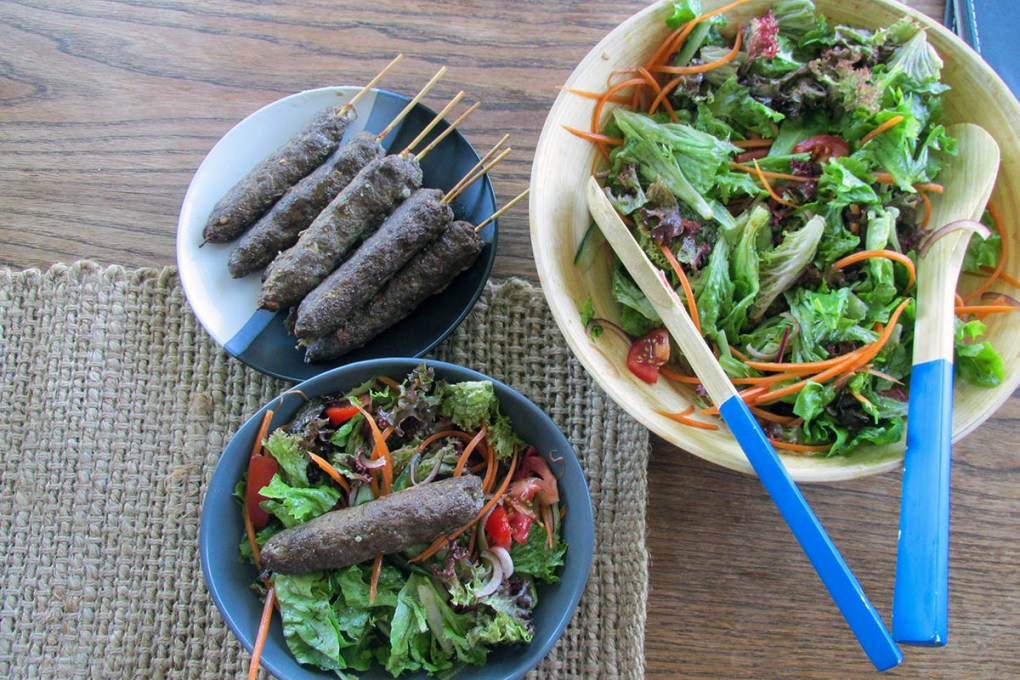
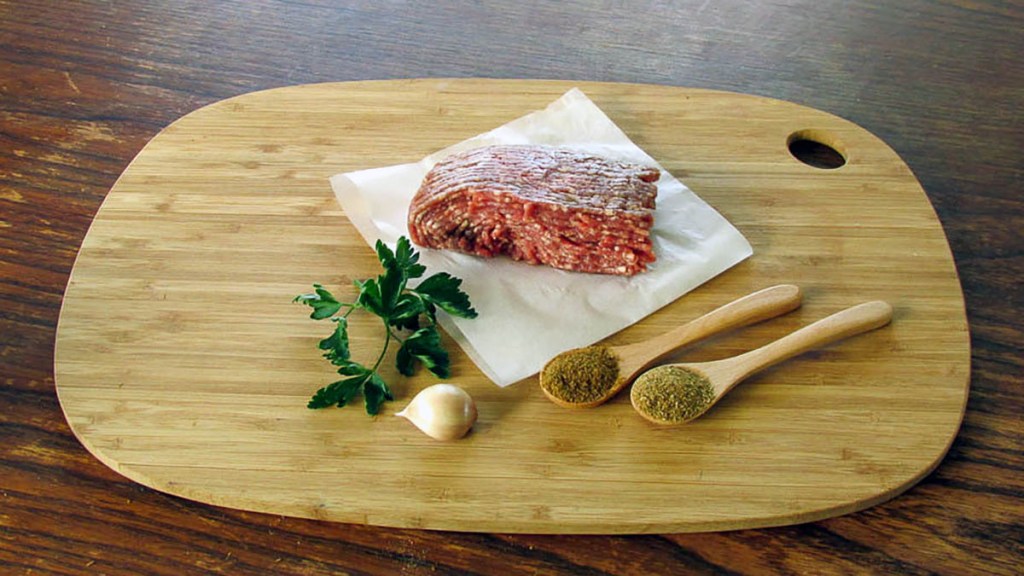
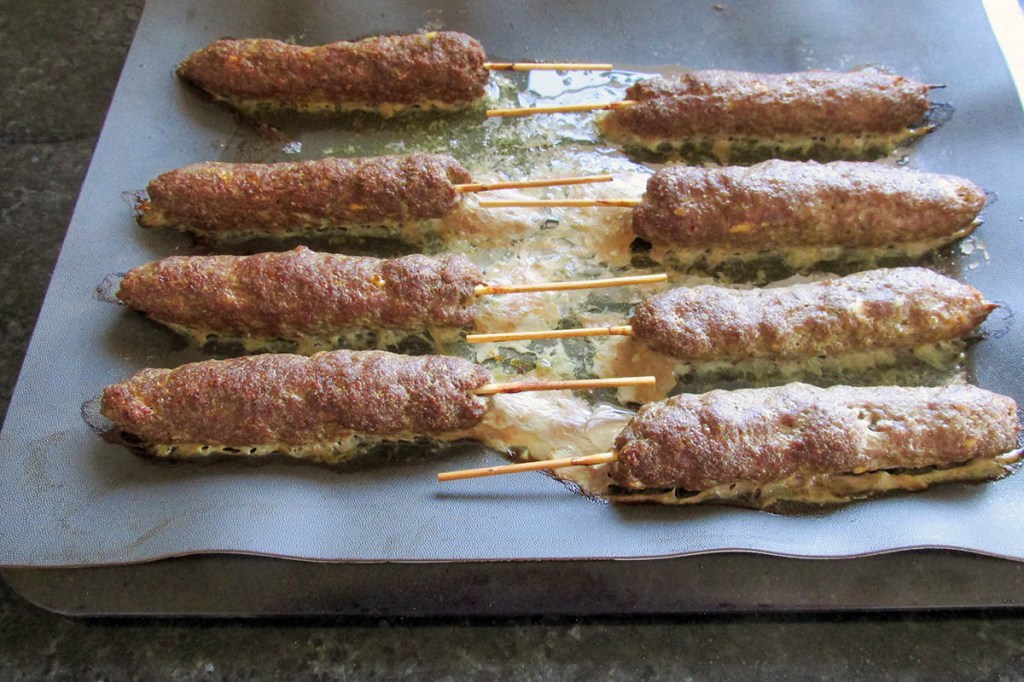
Koftas have always been one of the regular bulk cooks and freeze options in my recipe book because they are simple to make and very quick to cook. This recipe is my go whenever I find minced lamb on offer. They are a brilliant option when you have a busy week but want a quick and tasty meal, and I like to serve them with salad and a simple dressing.
Lamb koftas recipe
Ingredients
400g Lamb mince
2 tsp. parsley
1 tsp. garlic, crushed
1 tsp. ground cumin
1 1/2 tbsp. ground coriander
Soak eight bamboo skewers in a glass of water for 10 minutes.
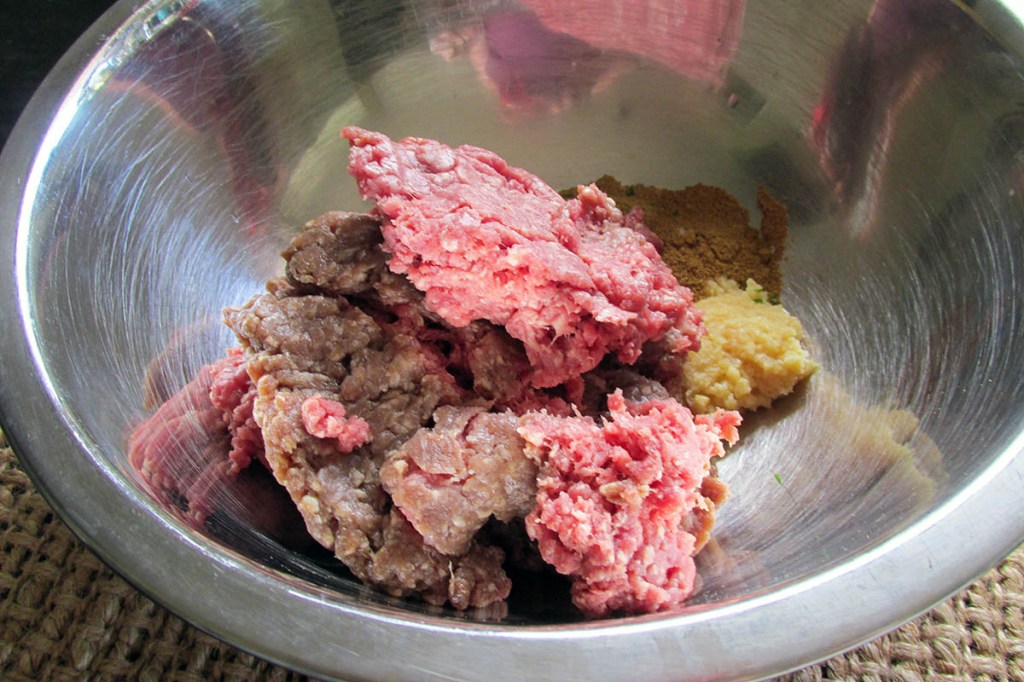
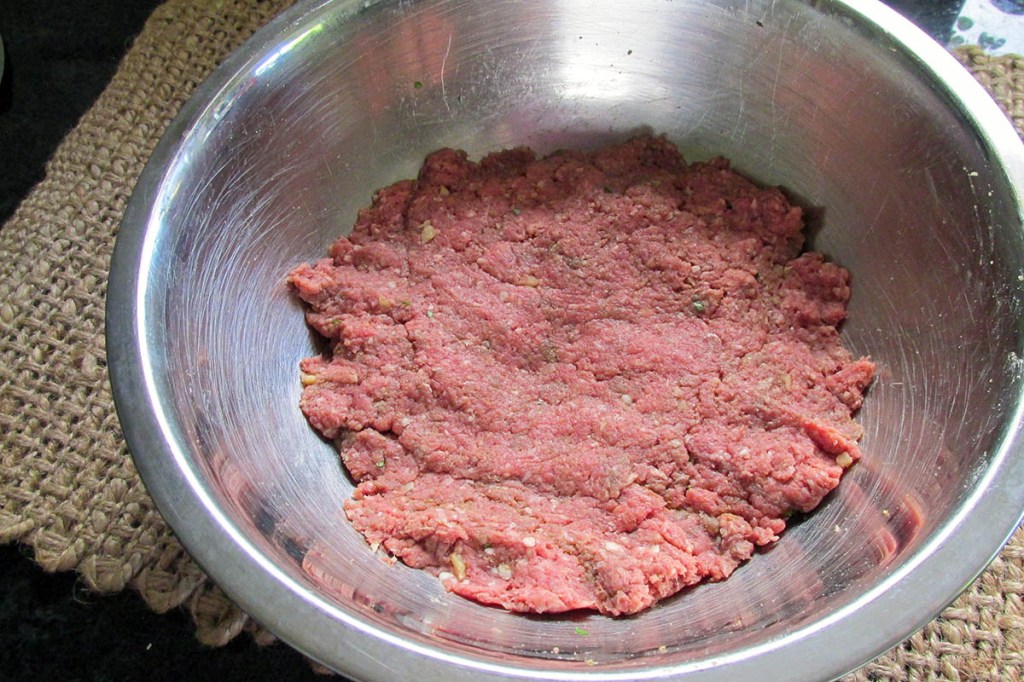
In a large mixing bowl, combine all the ingredients.
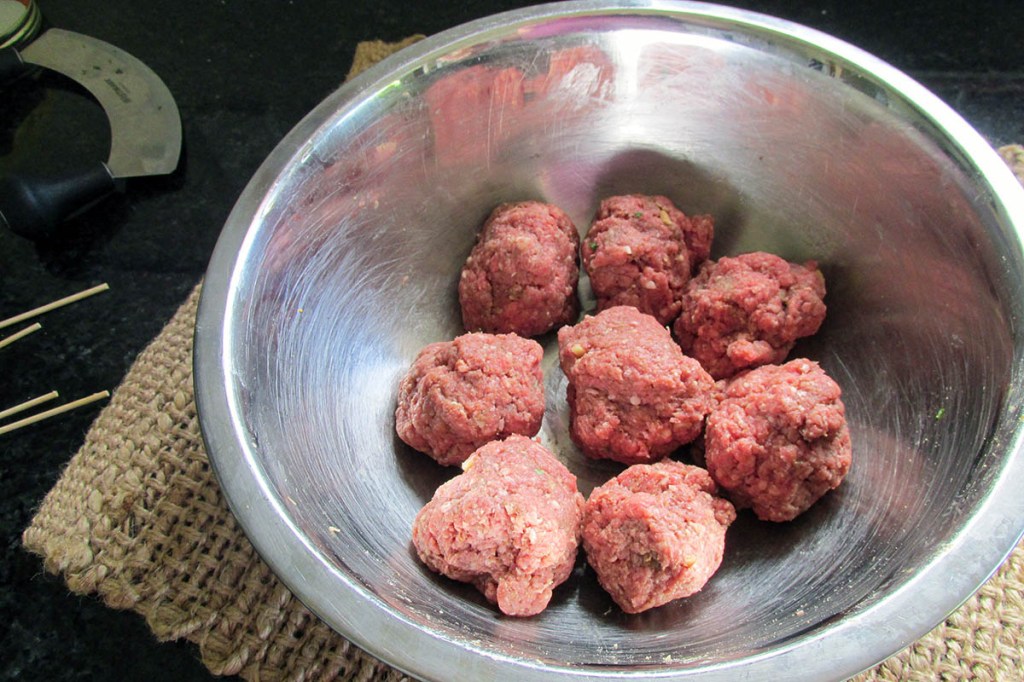
When the meat is well mixed, divide the mix into eight balls.
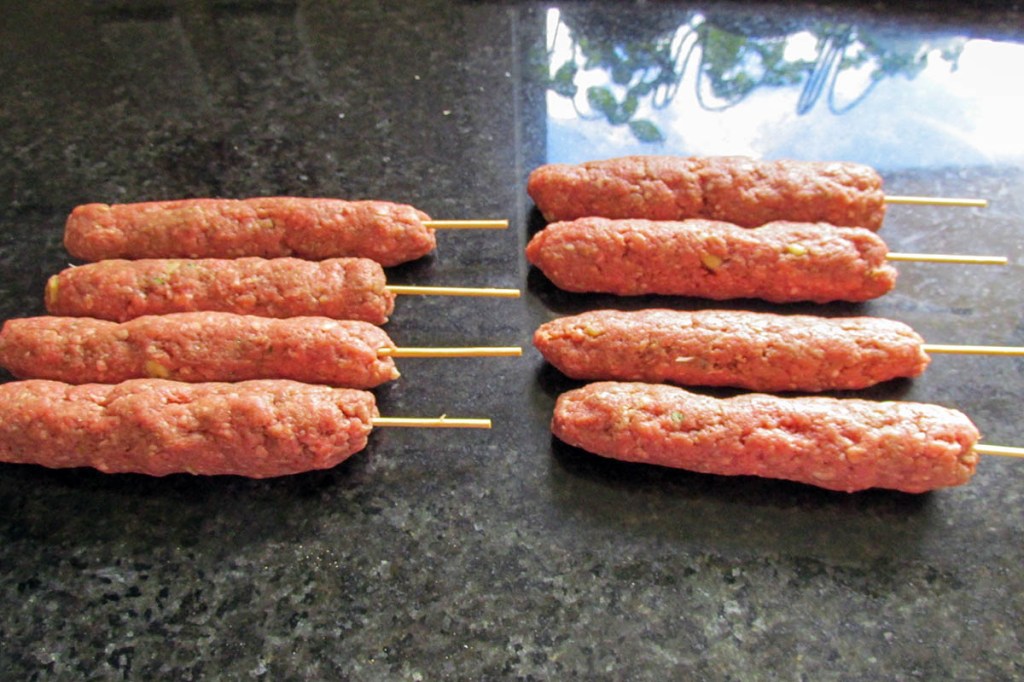
Take one of the soaked skewers and shape a ball of the meat around the skewer.
You should end up with a sausage on a stick.
Repeat with the remaining meat and skewers.
Heat a little oil in a frying pan over a medium heat.
Cook the koftas over a medium heat until the meat is browned all over.
It should take 6-10 minutes.
Alternatively, line a baking tray with baking paper or a silicone liner.
Pre heat the oven to 200 degrees C / 400 degrees F
Soak eight bamboo skewers in a glass of water for 10 minutes.
In a large mixing bowl, combine all the ingredients.
When the meat is well mixed, divide the mix into eight balls.
Take one of the soaked skewers and shape a ball of the meat around the skewer.
You should end up with a sausage on a stick.
Repeat with the remaining meat and skewers.
Heat a little oil in a frying pan over a medium heat.
Cook the koftas over a medium heat until the meat is browned all over.
It should take 6-10 minutes.
Alternatively, line a baking tray with baking paper or a silicone liner.
Pre-heat the oven to 200 degrees C/ 400 degrees F
Place the koftas on the baking tray
Bake for 10 minutes
Serve while the koftas are hot.
Nutrition
Per Serving:303 calories; 11 g fat; 2 g carbohydrates; 17 g protein
Equipment
Bamboo skewers
Mixing bowl
Frying pan
Nutritional disclaimer
Nutrition information is provided as an estimate based on the ingredients used and available in my area (New Zealand). The nutritional information is here to help you understand the recipe; I use MyFitnessPal to generate my estimates. For more accurate nutritional information, please use a nutritional calculator with the ingredients in your area.
I do like to mix things up a little when it comes to chicken. We eat a reasonable amount of chicken; it can get boring if you don’t add a bit more flavour now and then.
It is crust but not as you know it.
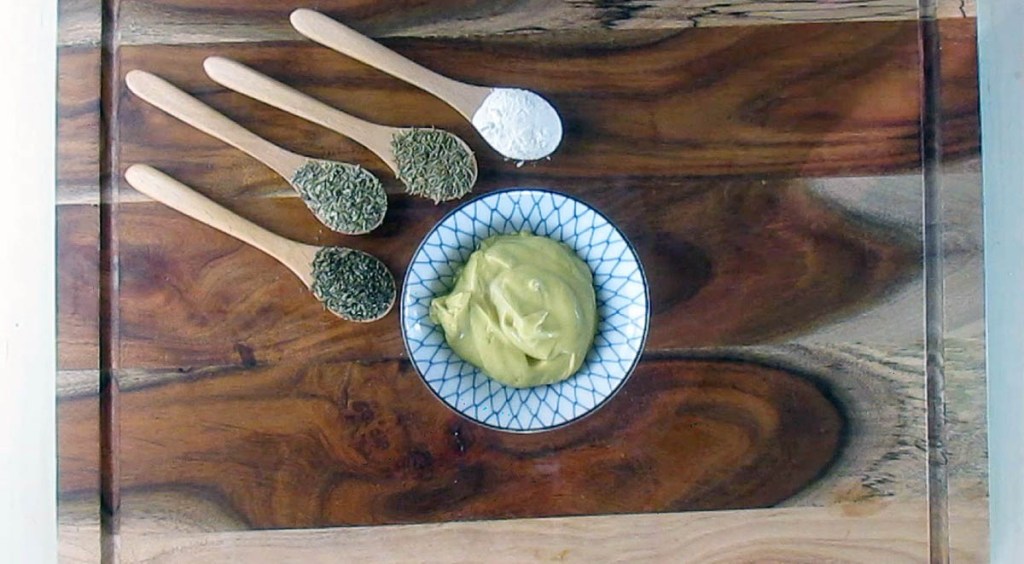
Normally crusted chicken will be panko or, but I like to do things a little differently. The crust for this chicken comes entirely from items in my pantry and fridge, a quick raid around the kitchen and I was ready to go. I didn’t have to buy anything special for this recipe, and it took very little work to get a crisp and tasty coating.
Cheese is the key
I think a great crust needs to have some crunch; it can be challenging to get a good crunch from a coating that doesn’t use breadcrumbs. The solution is to add cheese. Not all cheese will give you a crunch; most will not give you a crunch at all; you will probably get a fatty coating. To get a crunch in your coating Parmesan cheese is the key. When Parmesan cheese cooks it gives up some fat but as it cools it gives you a nice crisp crunch to your coating.
Mustard herb crusted chicken recipe
Ingredients
450g chicken breasts
1 tbsp. basil
1 tbsp. thyme
1 tbsp. oregano
2 garlic cloves, minced
6 tbsp. Dijon mustard
1/2 cup coconut flour
1/4 cup tapioca flour
1/4 cup Parmesan cheese, grated
1 tbsp. olive oil
minced parsley for serving (optional)
Preheat the oven to 200 degrees C/ 400 degrees F.
Slice each chicken breast in half lengthwise, and then flatten each cutlet out between some cling film.
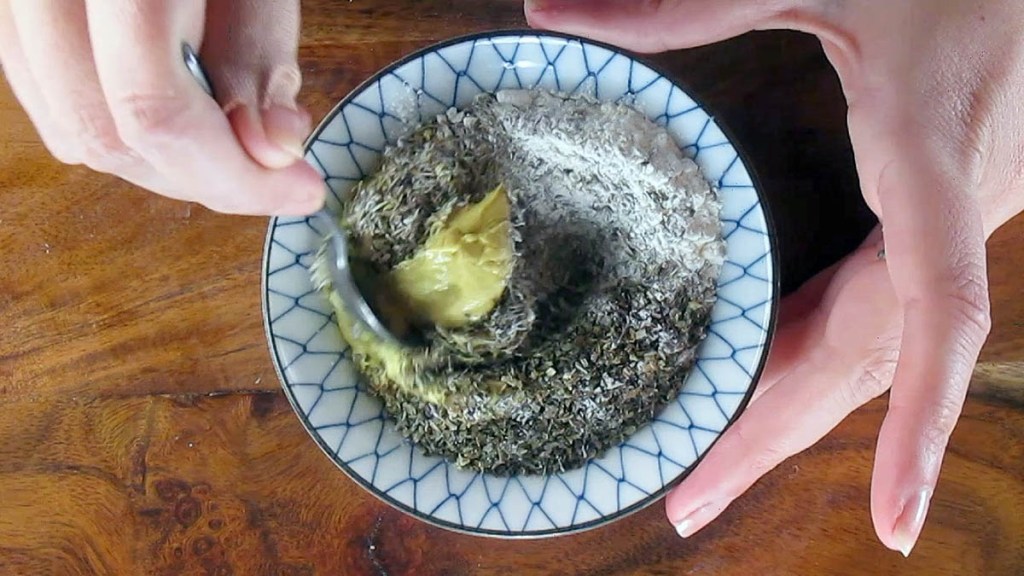
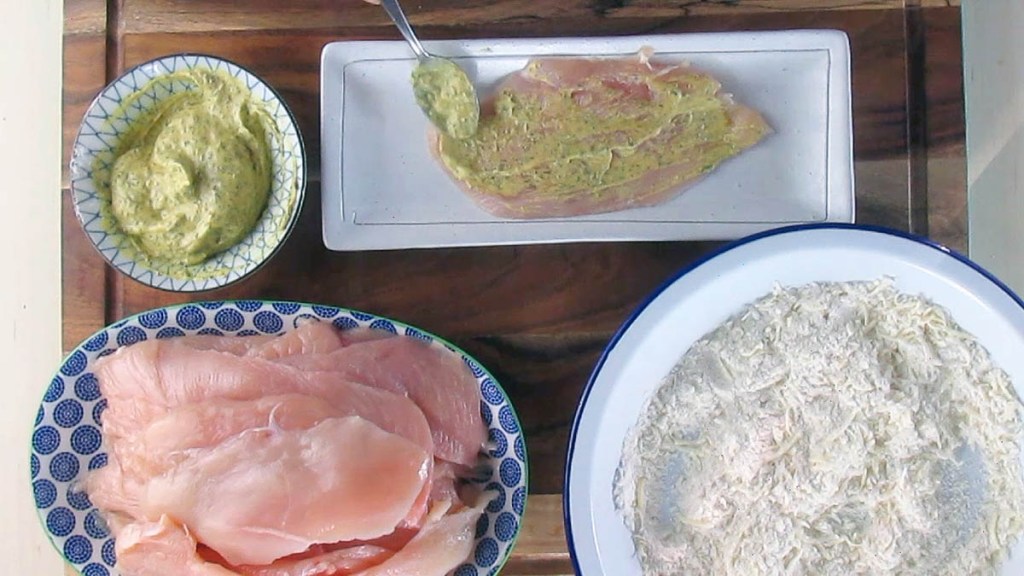
In a bowl mix together the herbs, garlic and mustard together.
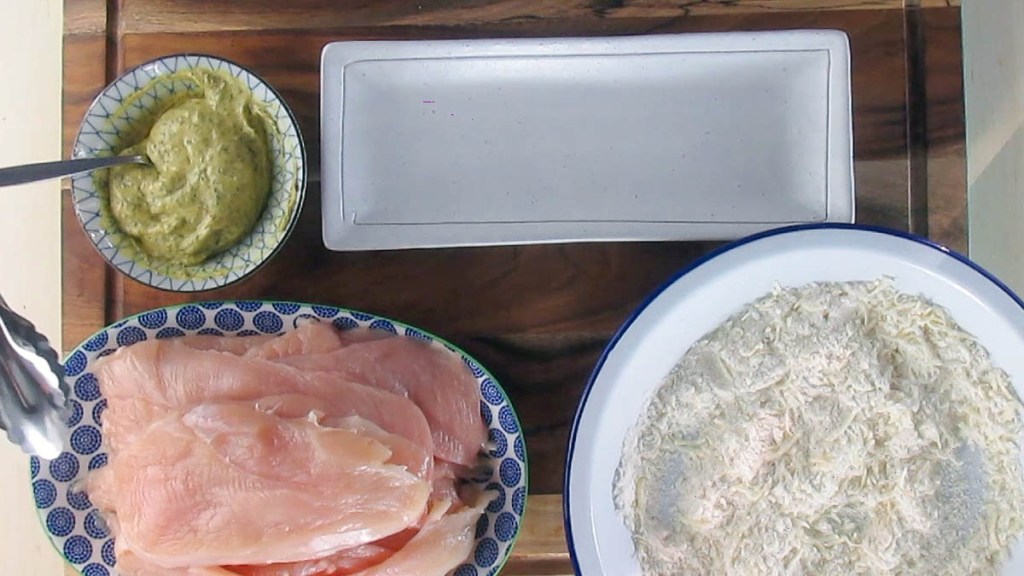
On a plate mix together the flours and cheese.
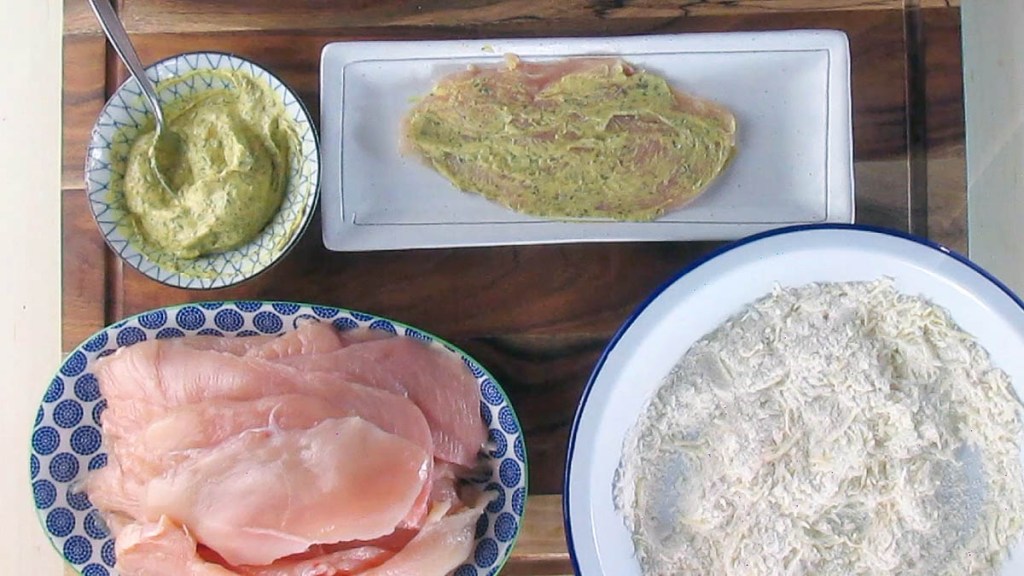
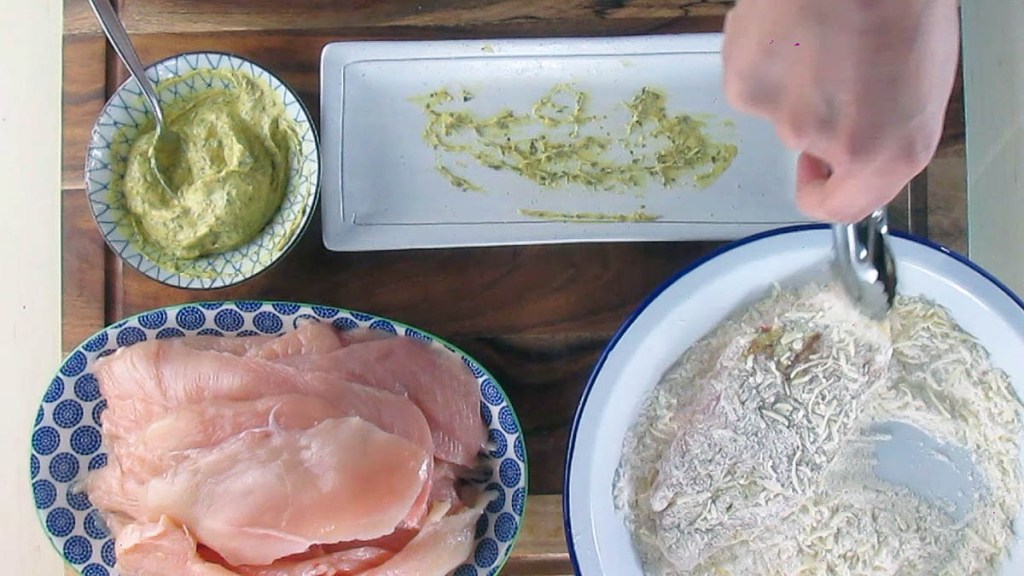
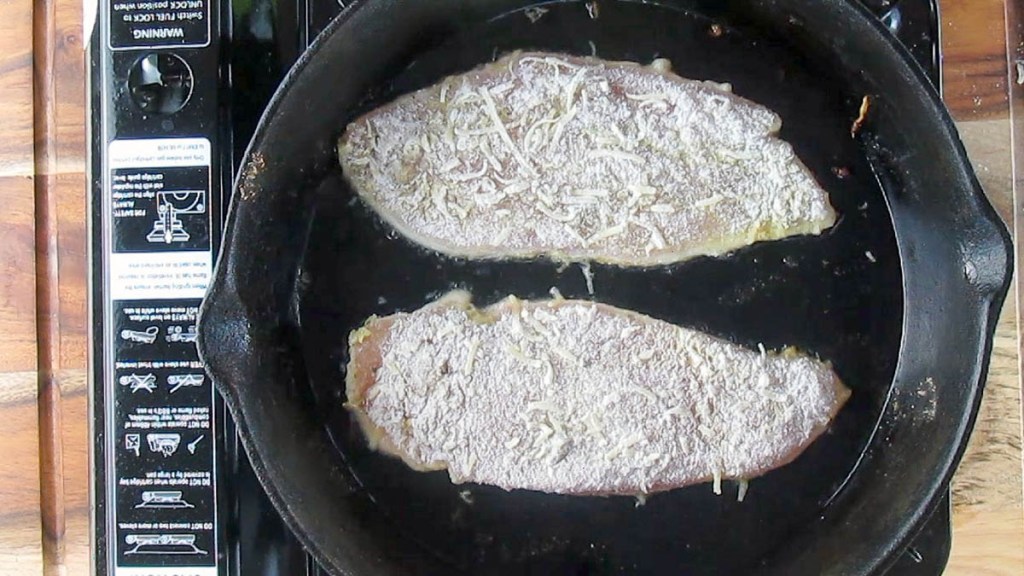
Coat each of the chicken with the mustard and herb mix before covering the chicken in the flour and cheese mixture.
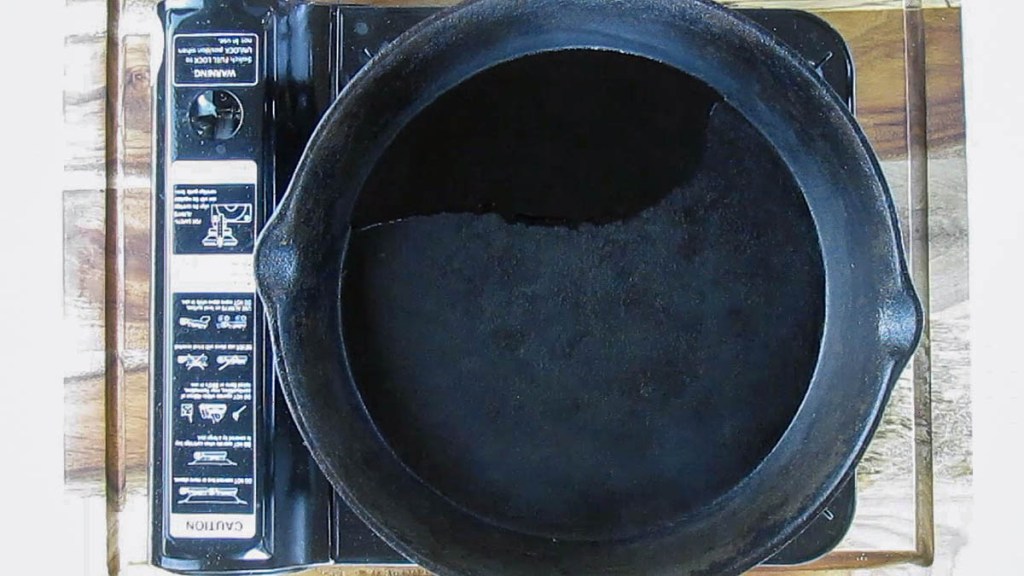
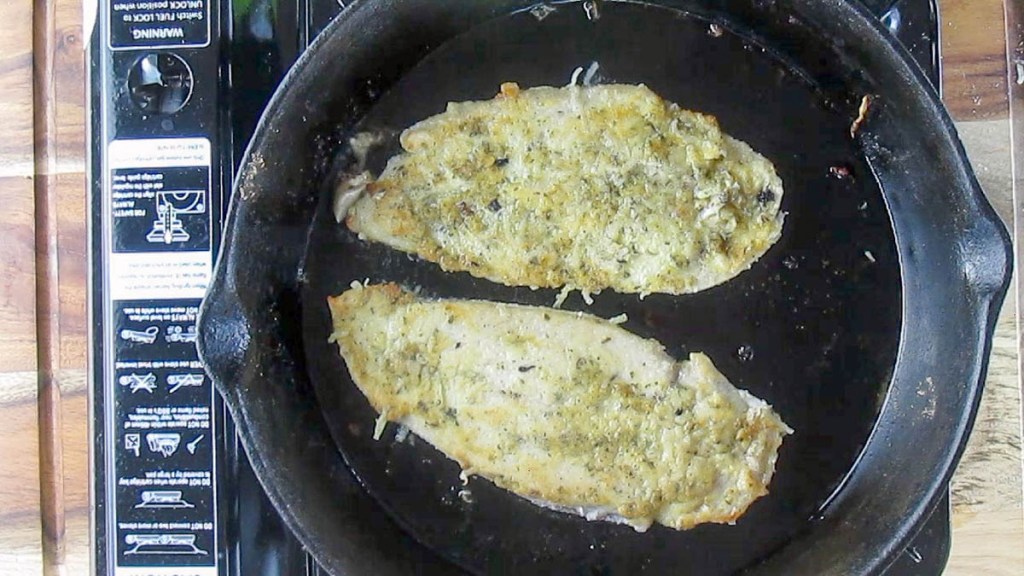
Heat some oil over a medium to high heat, fry off each of the chicken breast until they are golden brown on each side.
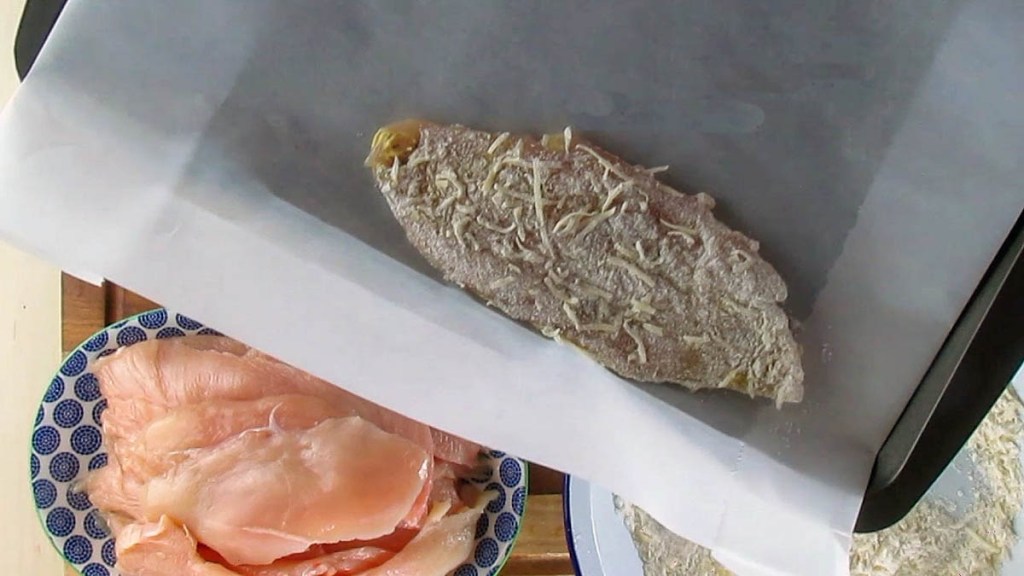
Place breasts on a baking tray lined with baking paper or a silicone liner.
Bake for 10 minutes at 165 degrees C 325 degrees F.
Slice each chicken breast in half lengthwise, and then flatten each cutlet out between some cling film.
In a bowl mix together the herbs, garlic and mustard together.
On a plate mix together the flours and cheese.
Coat each of the chicken with the mustard and herb mix before covering the chicken in the flour and cheese mixture.
Heat some oil over a medium to high heat, fry off each of the chicken breast until they are golden brown on each side.
Place breasts on a baking tray lined with baking paper or a silicone liner.
Bake for 10 minutes at 165 degrees C 325 degrees F.
Sprinkle with chopped parsley to serve.
Nutrition
Per Serving: 230 calories; 15g fat; 13g carbohydrates; 21g protein
Equipment
Knife
Chopping board
Small bowl
Plate
Frying pan
Baking tray
Baking paper or a silicone liner
Measuring spoons
Measuring cups
Scales
Nutritional disclaimer
Nutrition information is provided as an estimate based on the ingredients used and available in my area (New Zealand). The nutritional information is here to help you understand the recipe; I use MyFitnessPal to generate my estimates. For more accurate nutritional information, please use a nutritional calculator with the ingredients in your area.
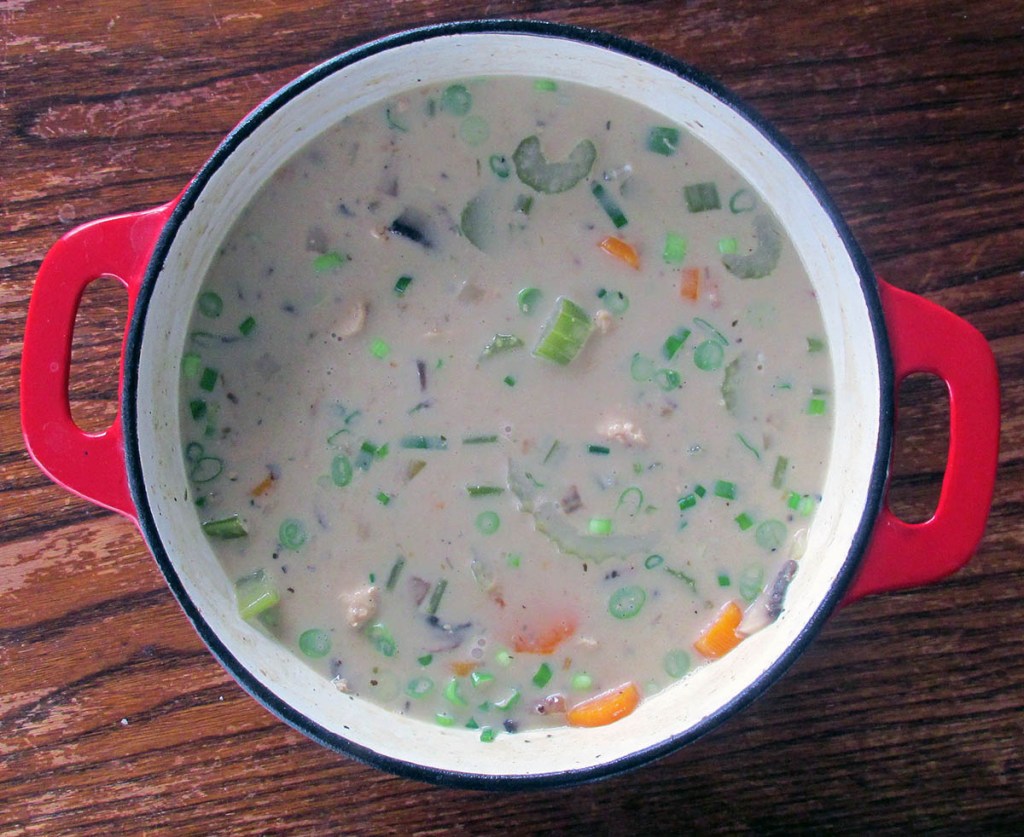
I have an abundance of avocados at that moment; they are in season here in New Zealand, which means I can’t resist picking up a bag every time I head to the supermarket. The warmer weather means I get a few ripe avocados at a time and need to do something with it. While I love guacamole and never say no to smashed avo on toast, I have to put a meal on the table that is more of a balanced meal.
Quick and easy meal
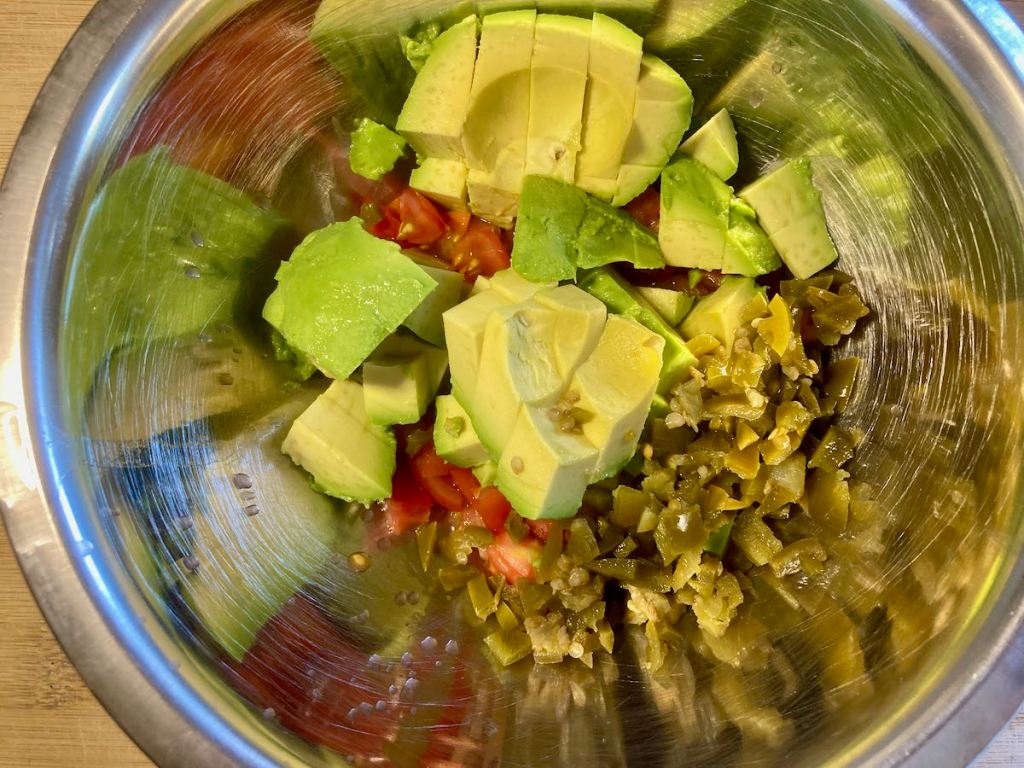
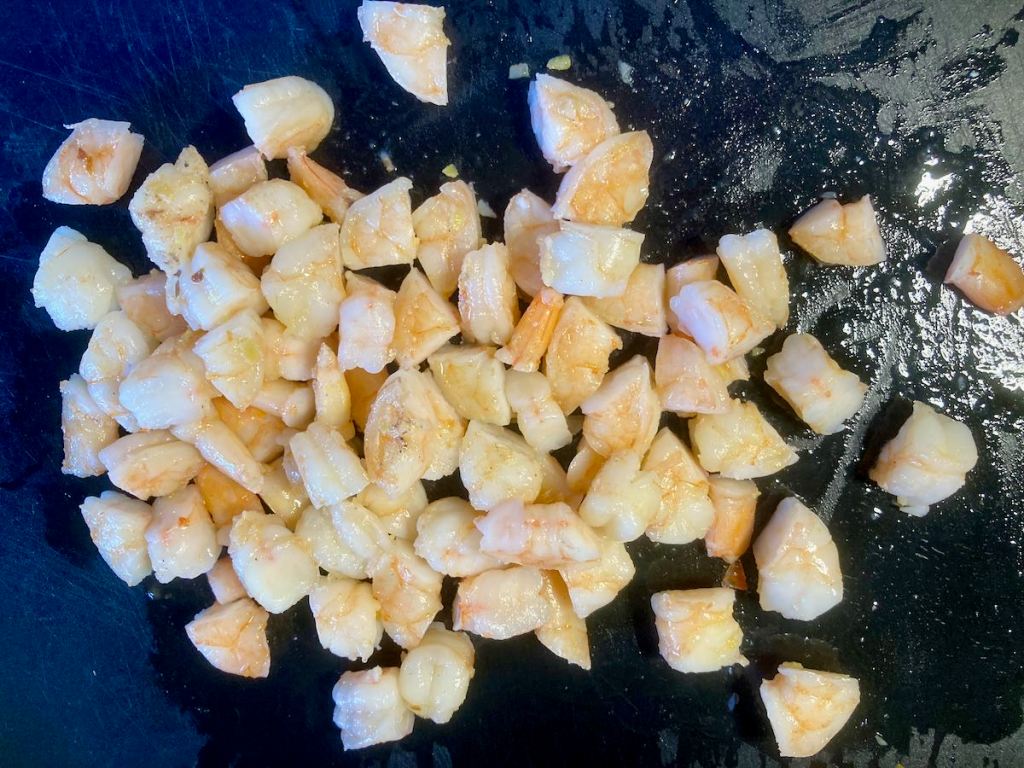
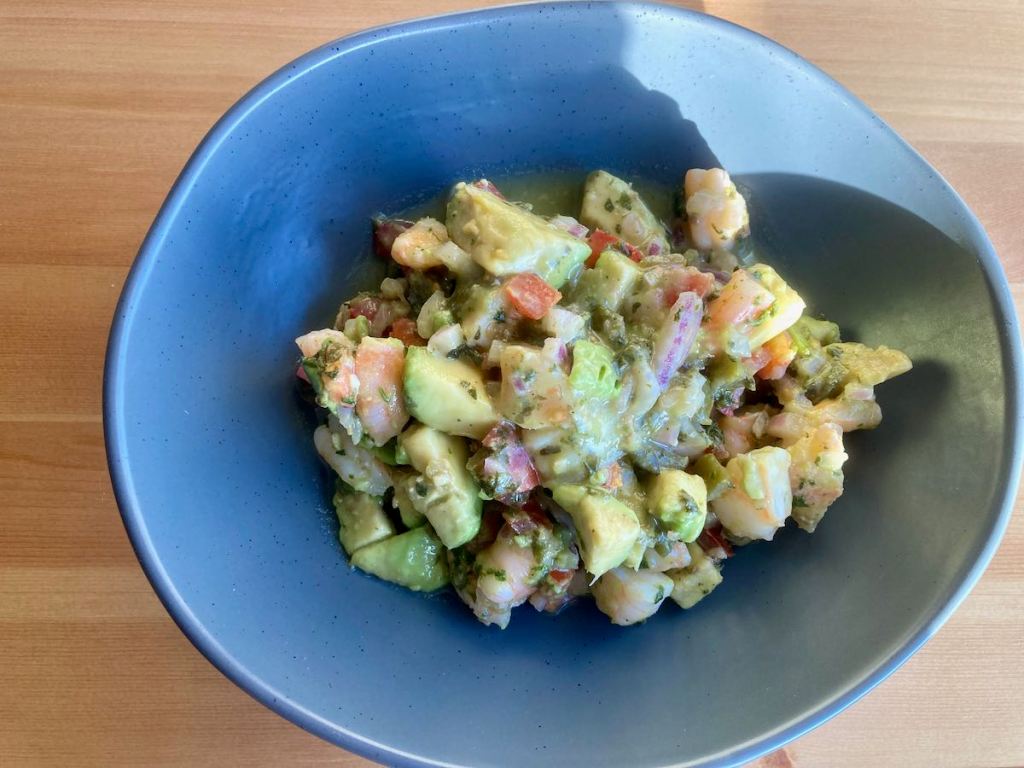
I cooked up a batch of garlic prawns the other day and had a large enough portion left to feed the family. I grabbed my perfectly ripe avocado and threw together this tasty salad in less than 20 minutes. No cooking, just chopping and mixing; if you want to save on washing up, you can even use your salad bowl to put it all together.
Prawn and avocado salad recipe
Ingredients
1/4 cup red onion, chopped
2 limes, juice of
1 tsp. olive oil
salt and black pepper to taste
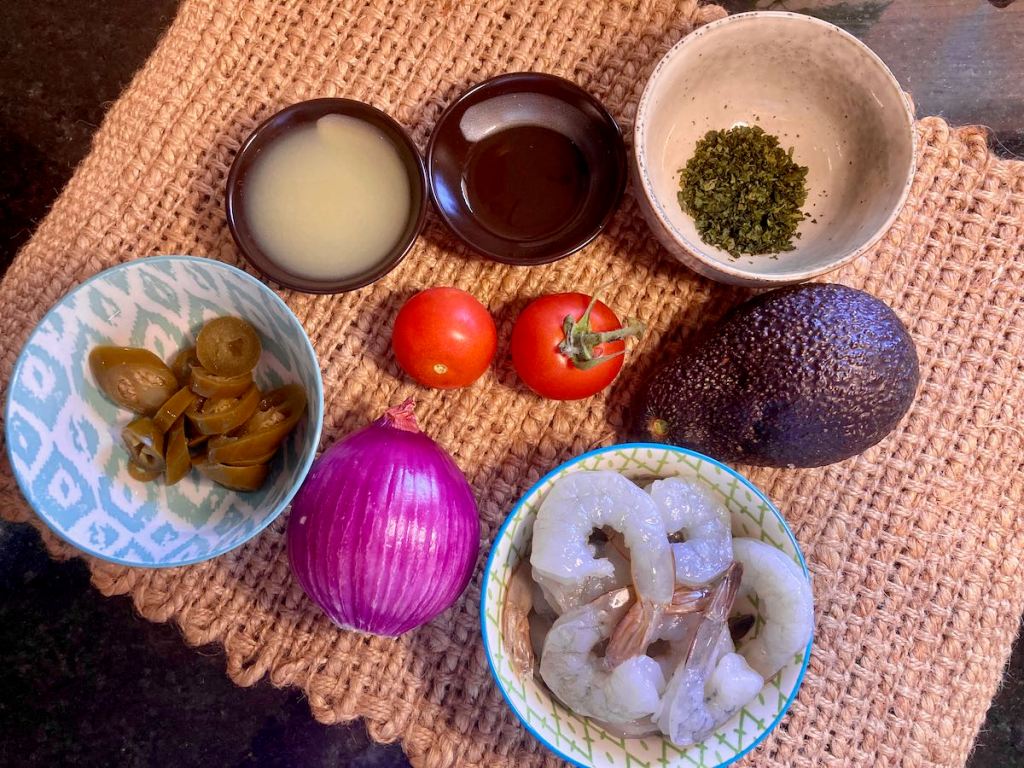
450g jumbo prawns, cooked, peeled prawns and chopped
1 tomato, diced
1 avocado, diced
1 jalapeño, diced fine
1 tbsp. coriander chopped
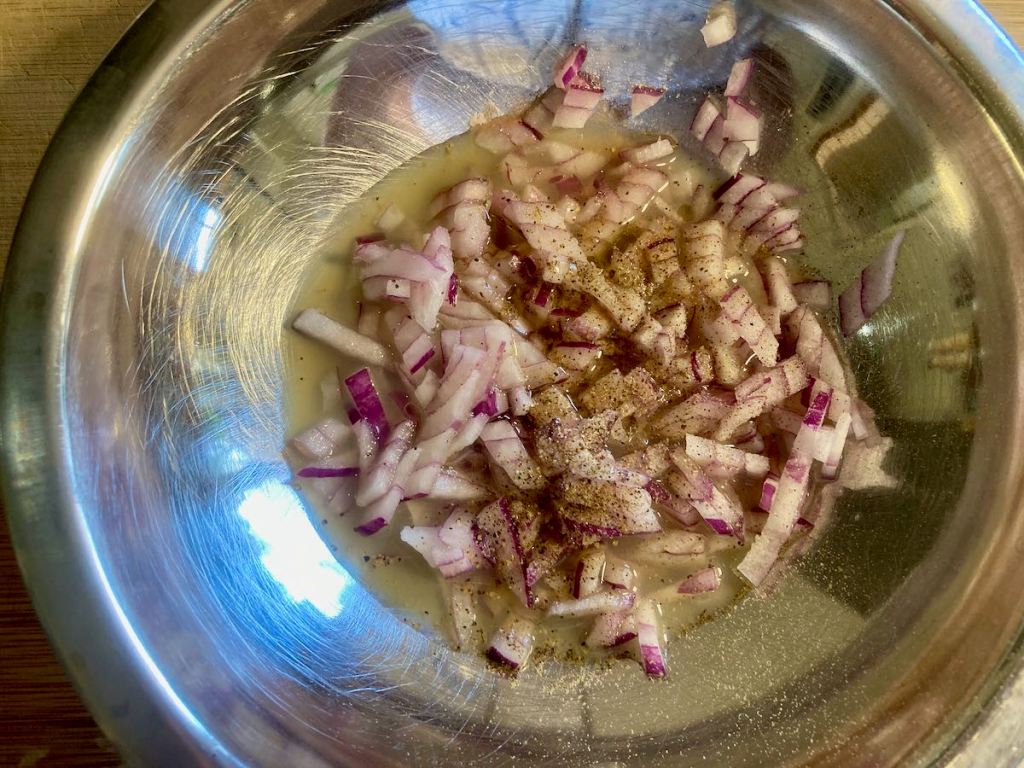
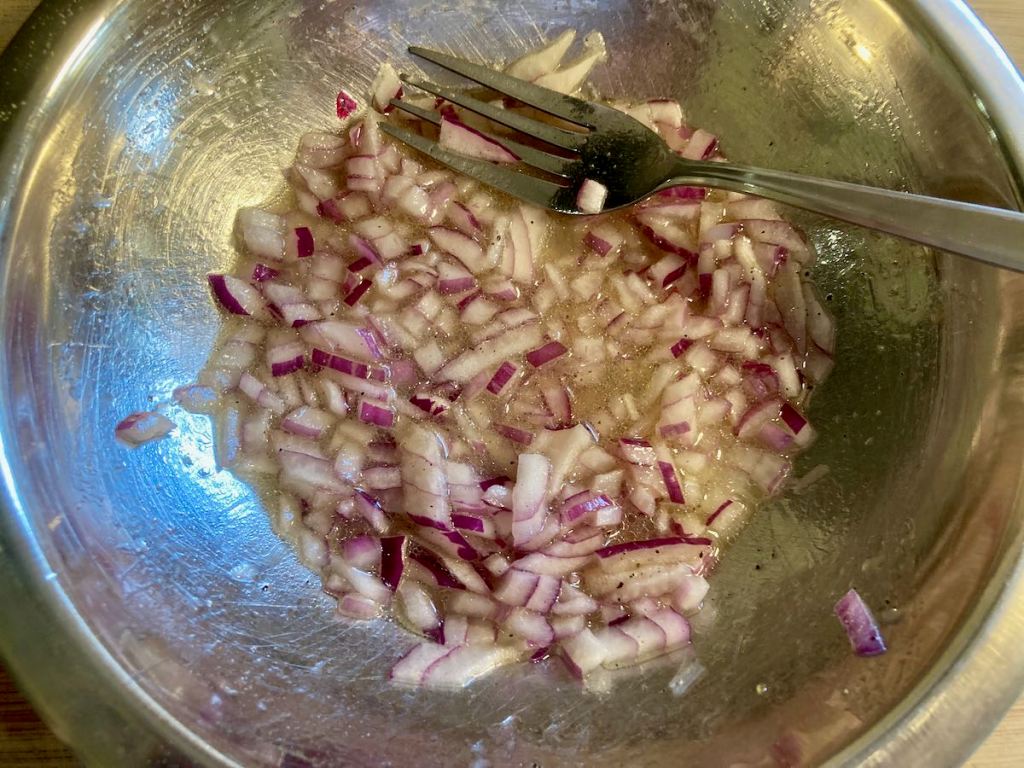
Combine the red onion, lime juice, olive oil, salt and pepper in a small bowl.
Let them marinate at least 5 minutes.
While they marinade, put together the rest of the salad.
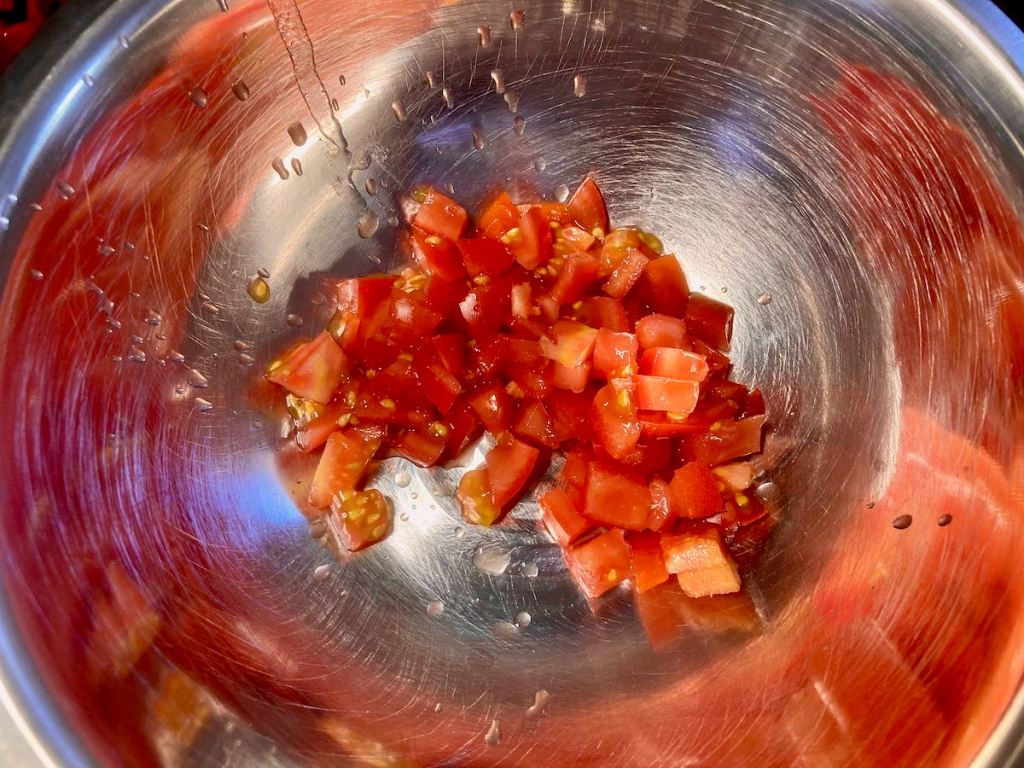
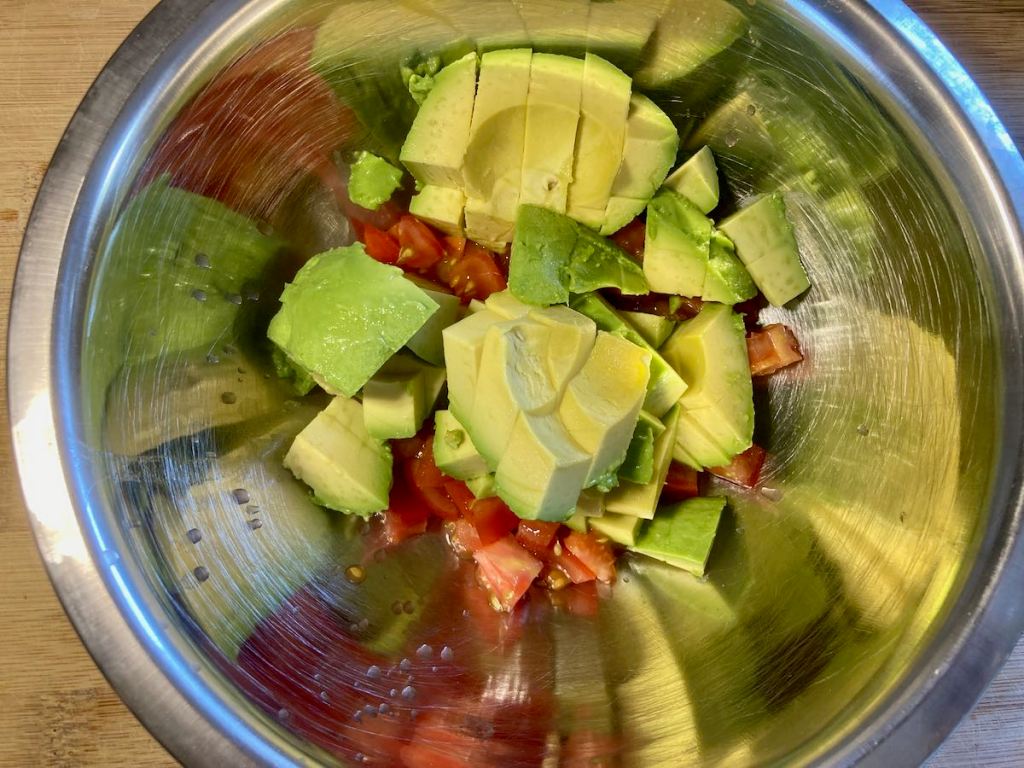
In a large bowl, combine chopped prawns, avocado, tomato, jalapeño.
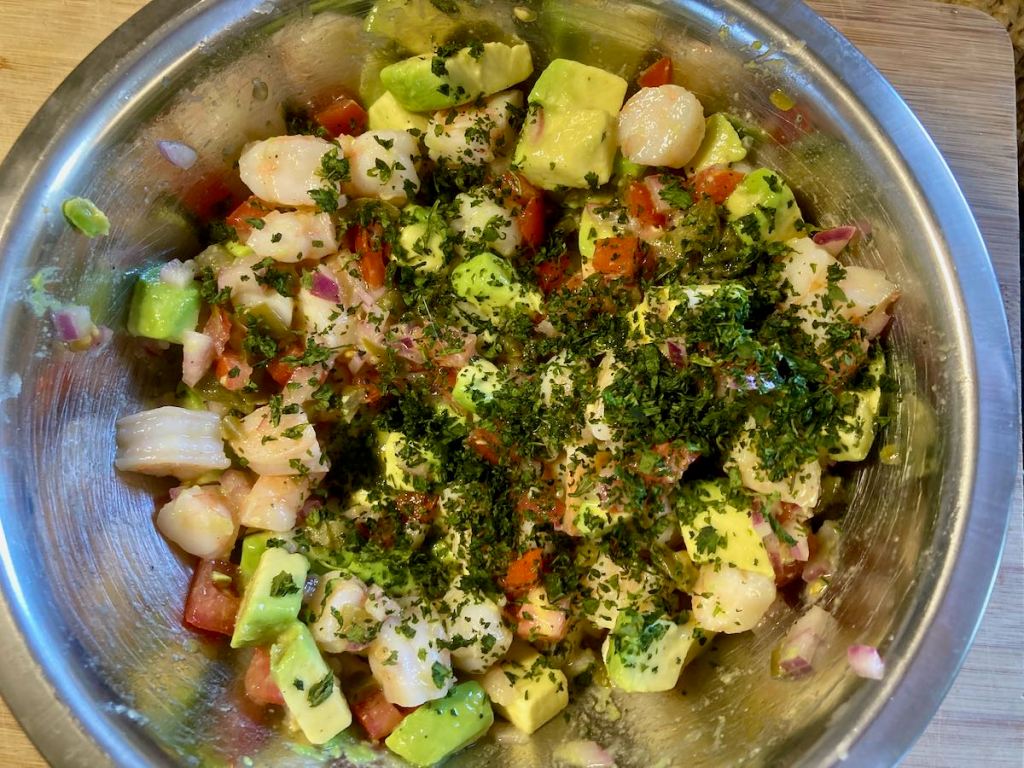
Add the marinaded onions along with the marinade to the large bowl.
Gently toss to mix everything evenly.
Season to taste, then add the coriander before serving.
450g jumbo prawns, cooked, peeled prawns and chopped
1 tomato, diced
1 avocado, diced
1 jalapeño, diced fine
1 tbsp. coriander chopped
Directions
Combine the red onion, lime juice, olive oil, salt and pepper in a small bowl.
Let them marinate at least 5 minutes.
While they marinade, put together the rest of the salad.
In a large bowl, combine chopped prawns, avocado, tomato, jalapeño.
Add the marinaded onions along with the marinade to the large bowl.
Gently toss to mix everything evenly.
Season to taste, then add the coriander before serving.
Nutrition
Per Serving: 129 calories; 5.1g fat; 5g carbohydrates; 16.5g protein
Equipment
Measuring cups
Measuring spoons
Fork/citrus juicer
Knife
Chopping board
Large mixing bowl
Small mixing bowl
Wooden spoon or spatula
Nutritional disclaimer
Nutrition information is provided as an estimate based on the ingredients used and available in my area (New Zealand). The nutritional information is here to help you understand the recipe; I use MyFitnessPal to generate my estimates. For more accurate nutritional information, please use a nutritional calculator with the ingredients in your area.
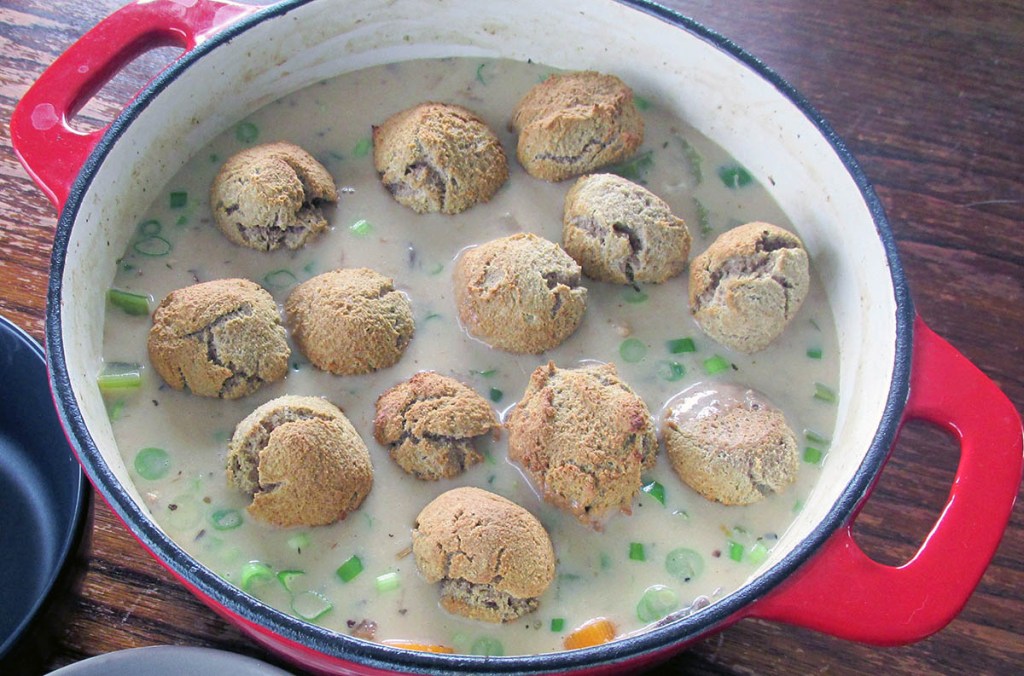
When setting off on a journey to remove processed foods from your diet, you may stop and ask yourself the question What can I eat instead of rice/couscous/pasta/bread?
The answer is to find a suitable replacement.
The options are limitless; you can find gluten-free, sugar-free, grain-free, I could go on. An easy way to eat clean and simple is to switch out the standard meal padding of rice/couscous/pasta/bread with a vegetable alternative or something you can make yourself.
This recipe is an excellent alternative that can be easily added to your meal.
Making the most of leftovers
Leftovers are not something that I am used to having, usually everything that gets cooked gets eaten right away, cauliflower rice is probably the exception to the rule. With a few pantry staples and leftovers, you can have this fresh, crunchy and very filling salad that is perfect for lunch
Add some water to the bottom of a saucepan and put a steaming basket on the top of the saucepan.
Let the water come to boil and steam started to come up through the basket.
Add the kale to the steaming basket and let it wilt, it should take about 5 minutes.
Remove the wilted kale from the basket and chop it roughly.
Add the kale to a large mixing bowl and let it cool slightly.
Add the remaining ingredients to the mixing bowl and mix well.
Serve or put in the fridge until you are ready to eat it.
Nutrition
Per Serving: 186 calories; 2.1 g fat; 10.2 g carbohydrates; 31 g protein
Equipment
Knife
Chopping board
Saucepan
Steaming basket
Mixing bowl
Tongs
Nutritional disclaimer
Nutrition information is provided as an estimate based on the ingredients used and available in my area (New Zealand). The nutritional information is here to help you understand the recipe; I use MyFitnessPal to generate my estimates. For more accurate nutritional information, please use a nutritional calculator with the ingredients in your area.
Earlier in 2021, I made a move to relocate and update my website. I’ve been making changes and improving all of the things as I go. This recipe is one of the many things I’ve tried to make better.
Protein in a small package
I like prawns; they are small, tasty and simple to make. I like to get a package of prawns to cook up and to have on hand as an easy protein portion that can be added to meals like salads or stir-frys. I like to cook the prawns all at once and portion them out; this means I can have protein in the fridge or the freezer. Prawns last about three days cooked in the fridge, which is excellent when you have an abundance of salad.
Competition for dinner
Prawns are a favourite of more than just me; my fur baby is a big fan of prawns and loves it when we have them around. Don’t believe me? Check out the face before I even open the bag.
Seared ginger prawns recipe
Ingredients
500g prawns
4 tbsp. olive oil
3 cm piece of ginger, thinly sliced
Pinch ground black pepper
Peel the prawns by first removing the head and legs.
Peel off the shell, then squeeze the prawn’s tail to remove it from the body.
Pull the vein through the opening at the head of the prawn and discard.
Place a frying pan on medium-high heat with olive oil and ginger.
When the ginger starts to colour, add the prawns to the pan.
Be careful not to burn the ginger.
Cook the prawns for 5-6 minutes or until the prawns are cooked.
Peel the prawns by first removing the head and legs.
Peel off the shell, then squeeze the prawn’s tail to remove it from the body.
Pull the vein through the opening at the head of the prawn and discard.
Place a frying pan on medium-high heat with olive oil and ginger.
When the ginger starts to colour, add the prawns to the pan.
Be careful not to burn the ginger.
Cook the prawns for 5-6 minutes or until the prawns are cooked.
Remove the prawns from the pan.
Season with black pepper to serve.
Nutrition
Per Serving:272 calories; 14 g fat; 2 g carbohydrates; 29 g protein
Equipment
Knife
Chopping board
Measuring cups
Scales
Mixing bowl
Frying pan
Tongs
Nutritional disclaimer
Nutrition information is provided as an estimate based on the ingredients used and available in my area (New Zealand). The nutritional information is here to help you understand the recipe; I use MyFitnessPal to generate my estimates. For more accurate nutritional information, please use a nutritional calculator with the ingredients in your area.
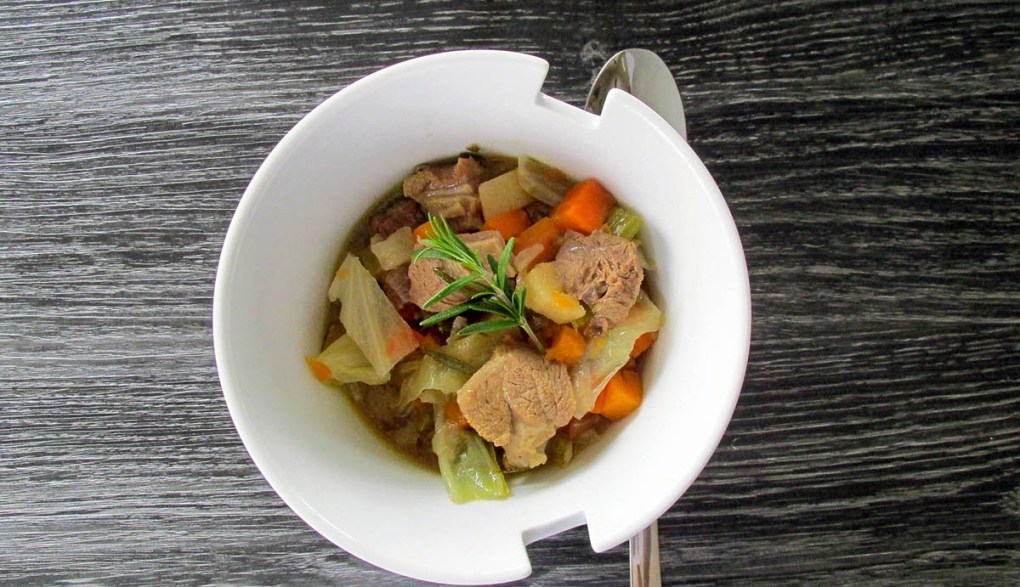
During the summer months, my mother in law has a little veg patch in her garden that keeps the family in spinach, silverbeet, cucumbers, beans, snow peas and spaghetti squash. Some years the haul from the garden is better than others, this year has been very dry, so we have had far less to eat from the garden. The snow peas have been small and kind of dry until recently, which is a shame because I do love them. last week we got a reasonable haul of snow peas to come home with, not wanting to waste the sweet crisp freshness of the snow peas I decided a tasty beef stir-fry would make the best use of the little green treats.
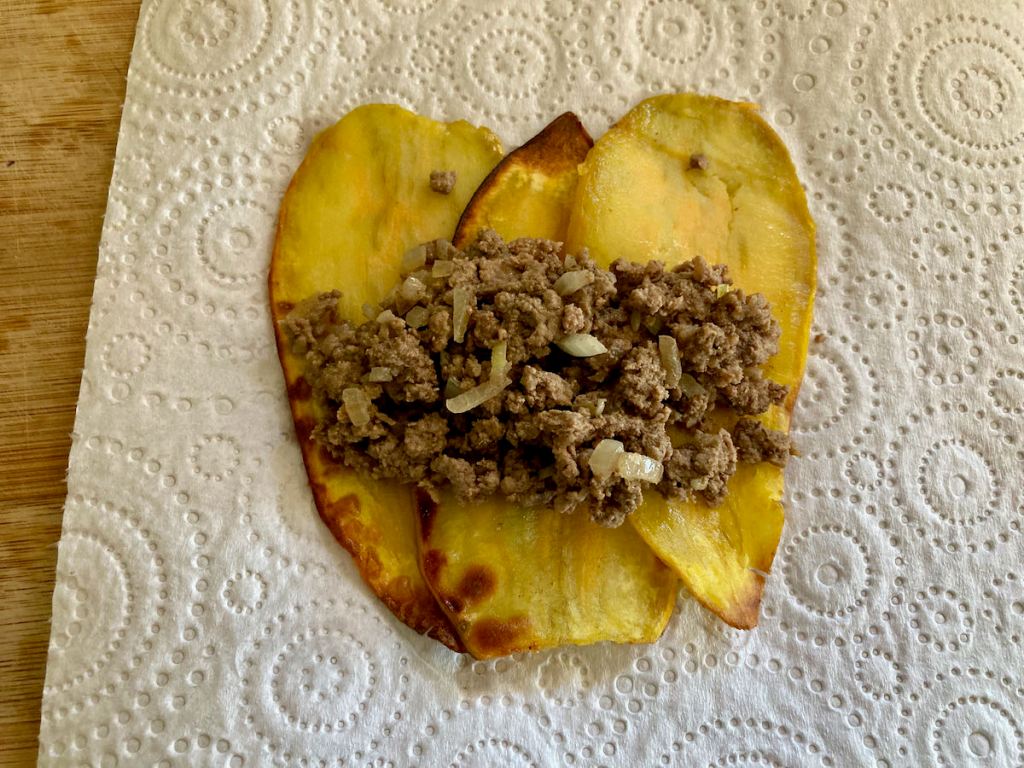
In a bowl, whisk together the coconut aminos, honey, garlic cloves, ginger, and vinegar then set aside.
Heat a wok or large frying pan, add two tablespoons of sunflower oil when you add the oil it should be smoking hot.
Add the sliced mushrooms to the wok and cook them on a high heat, occasionally stirring, when they start to brown remove them from the pan and set them to one side.
Return the wok to the heat, add the remaining sunflower oil.
Add half of the beef to the pan.
Stir the meat and cook it until it is browned, remove the cooked meat from the pan and set to one side.
Repeat with the remainder of the meat.
Add all of the meat, mushrooms, and snow peas to the pan with the sauce.
Stir everything together over a high heat for about two minutes.
Serve over the cooked cauliflower rice.
Nutrition
Per Serving: 256 calories; 14 g fat; 17 g carbohydrates; 14 g protein
Equipment
Wok or large frying pan
Measuring cups
Scales
Measuring spoons
Knife
Chopping board
Spatula
Nutritional disclaimer
Nutrition information is provided as an estimate based on the ingredients used and available in my area (New Zealand). The nutritional information is here to help you understand the recipe; I use MyFitnessPal to generate my estimates. For more accurate nutritional information, please use a nutritional calculator with the ingredients in your area.