Eating clean gets a lot easier once you have mastered a few essential recipes. This recipe is basic- not like basic unicorn basic, but more like beard and flannel basic. Back to the point (which isn’t Unstable unicorns), having basic skills and recipes in your arsenal means you will never be left with only UberEats as your weeknight options. Once you master this recipe, the possibilities are endless.
Make the most of leftovers
This is a great way to use up leftovers (if you ever have any) or a quick and easy dinner that will fill up the family. You can add pretty much anything you want, and it will still taste awesome.
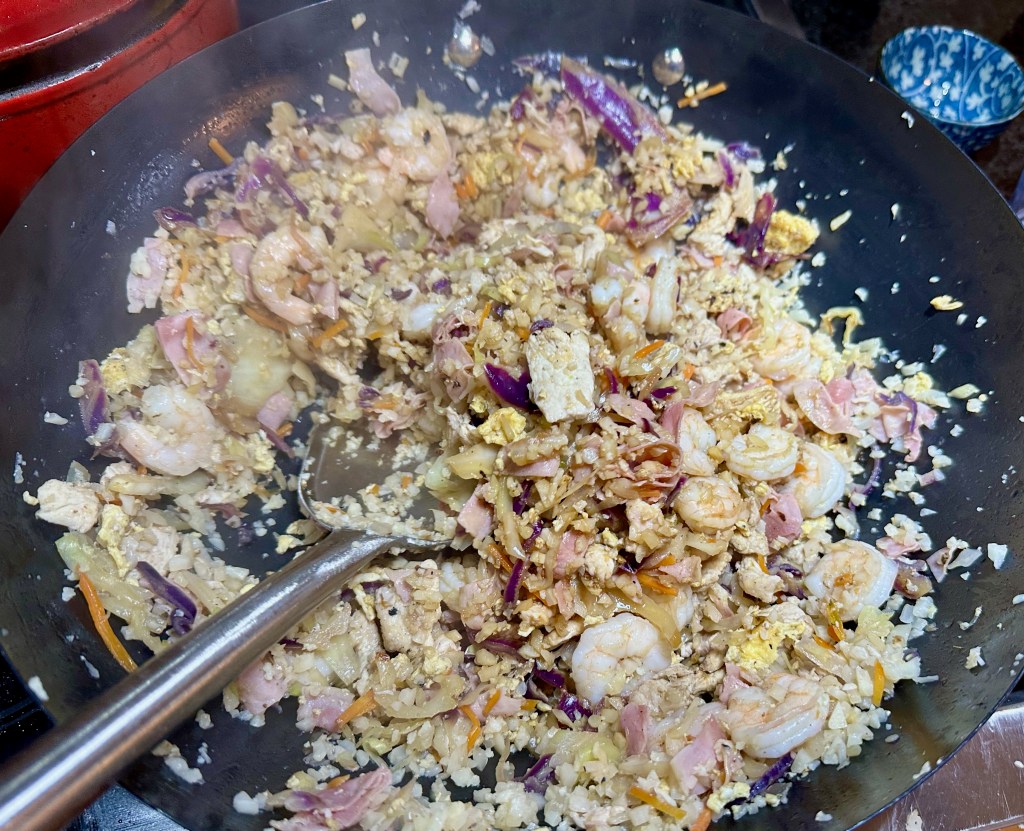
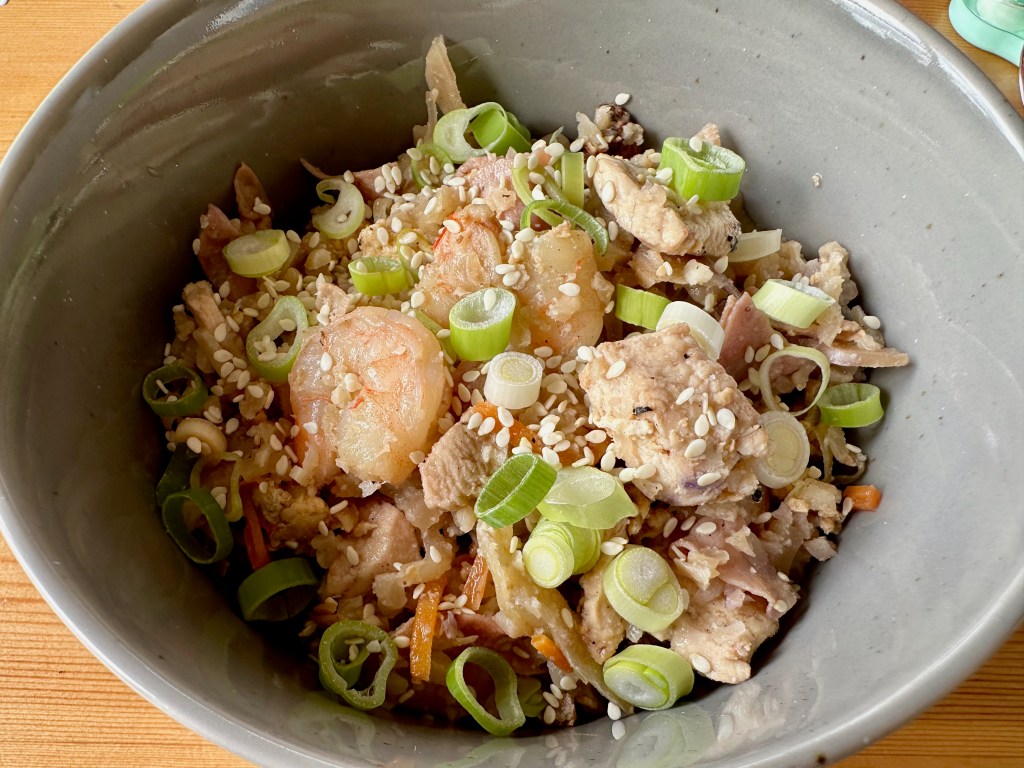
Fried rice recipe
Ingredients
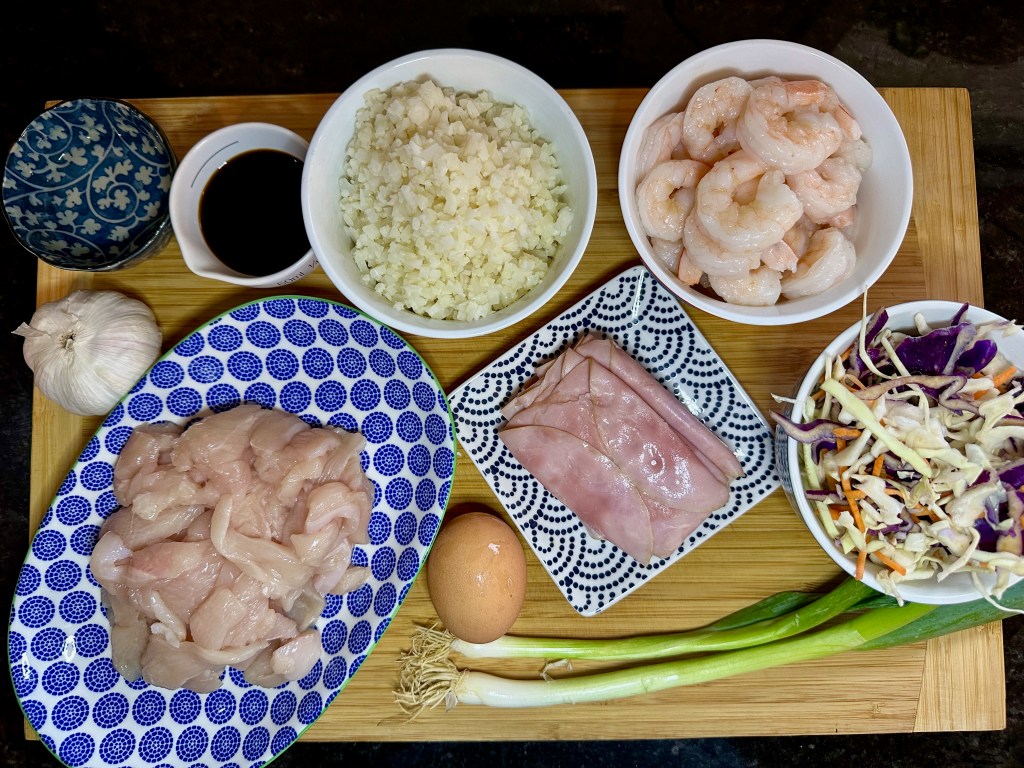
1 head cauliflower, finely grated
1/2 onion, minced
2 garlic cloves, finely minced
2 spring onions
1 cup vegetables
2 eggs
1 chicken breast
1 cup prawns
Handful of ham
1 tbsp. coconut oil
1/4 cup coconut aminos
Instructions
In a large frying pan, heat coconut oil over a medium heat
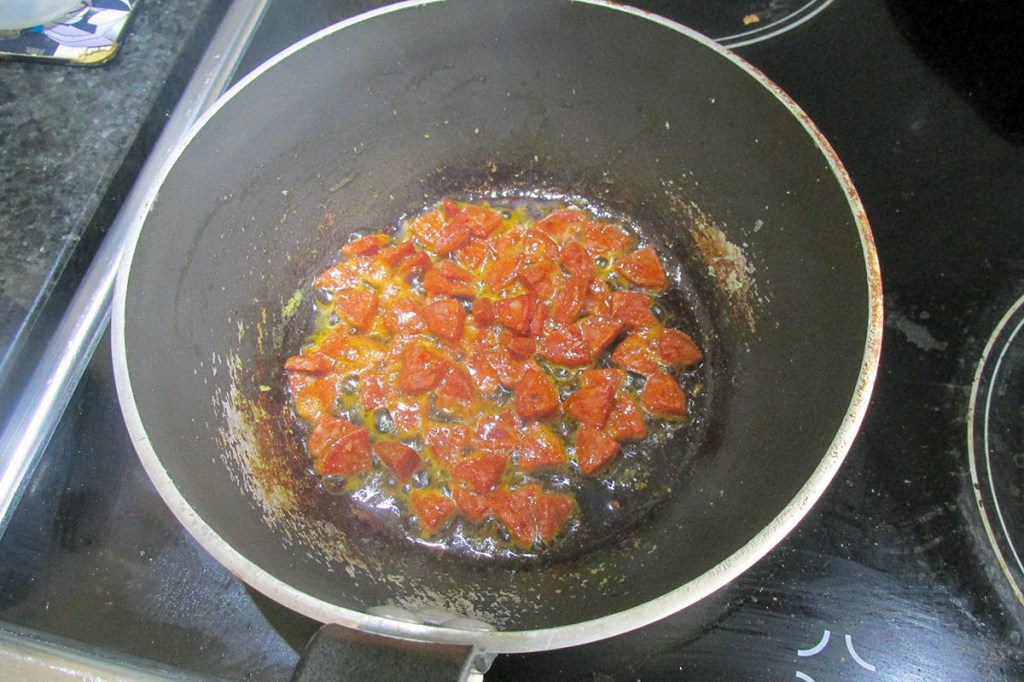
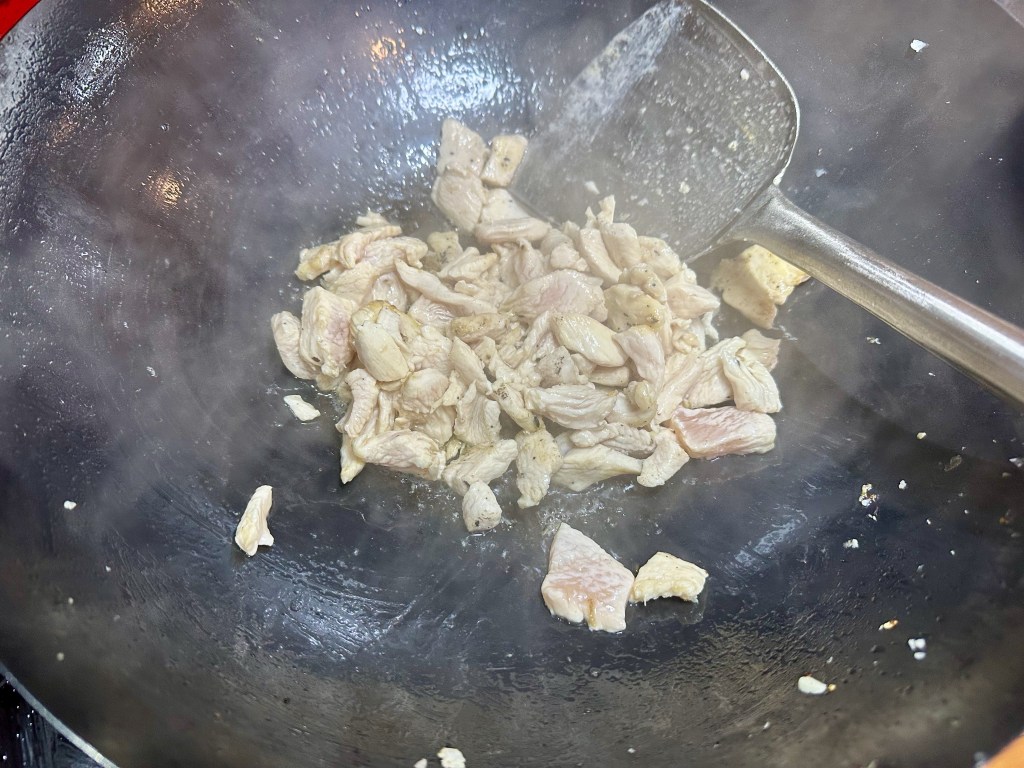
Add the chicken and cook for about 3 – 5 minutes until it is cooked most of the way.
Keep the meat moving around the pan.
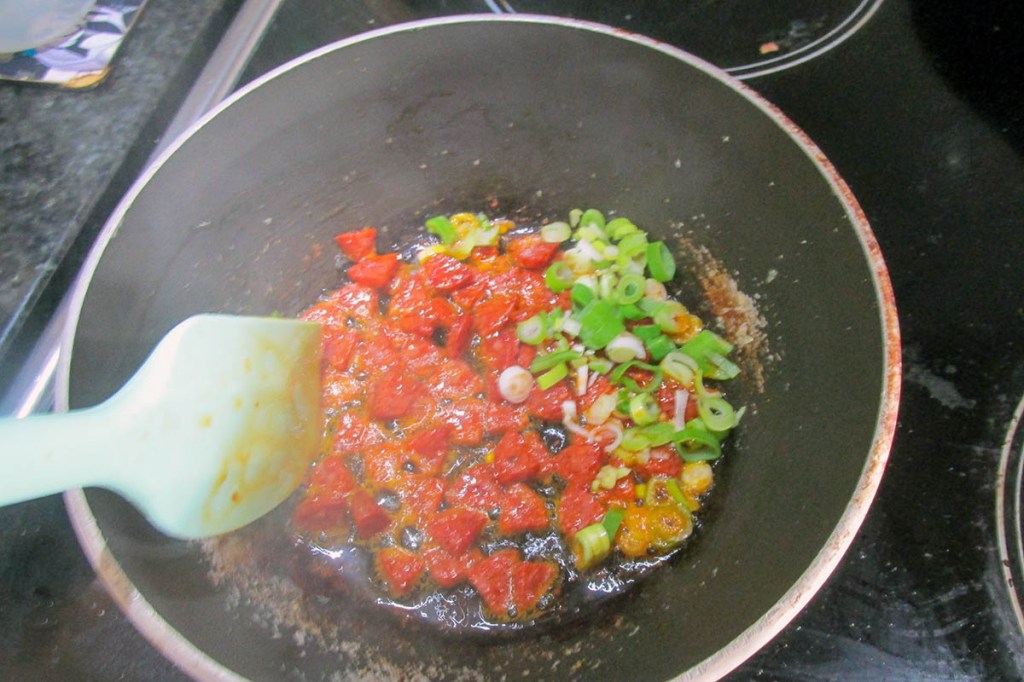
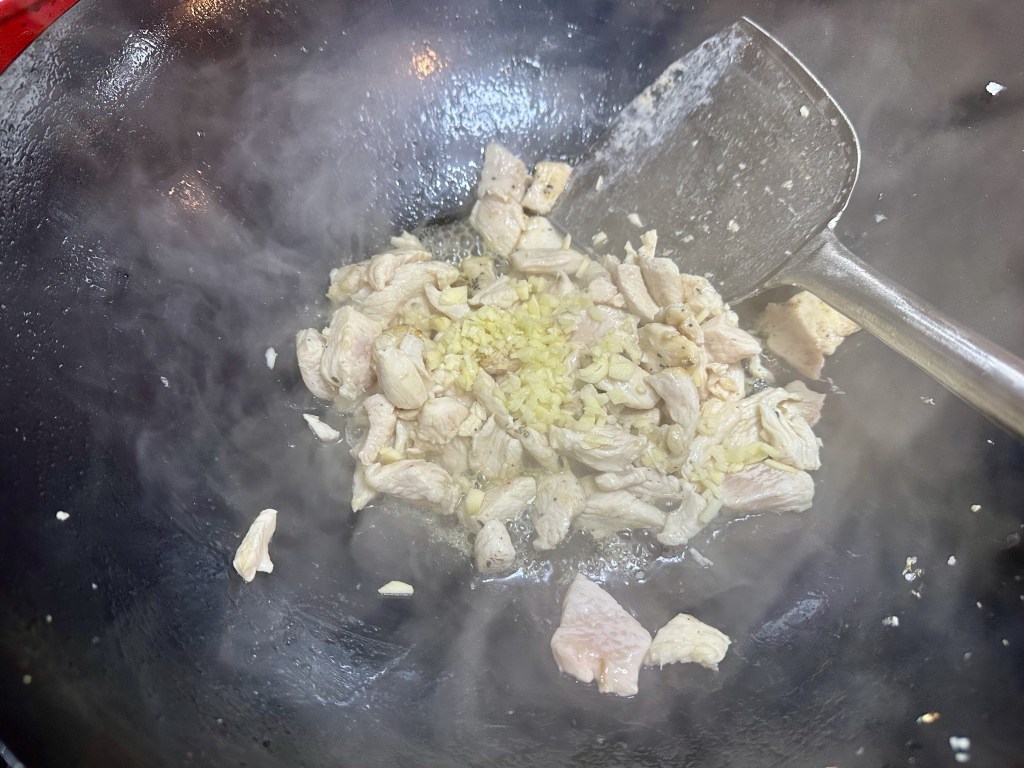
Add the garlic and cook for 1 minute.
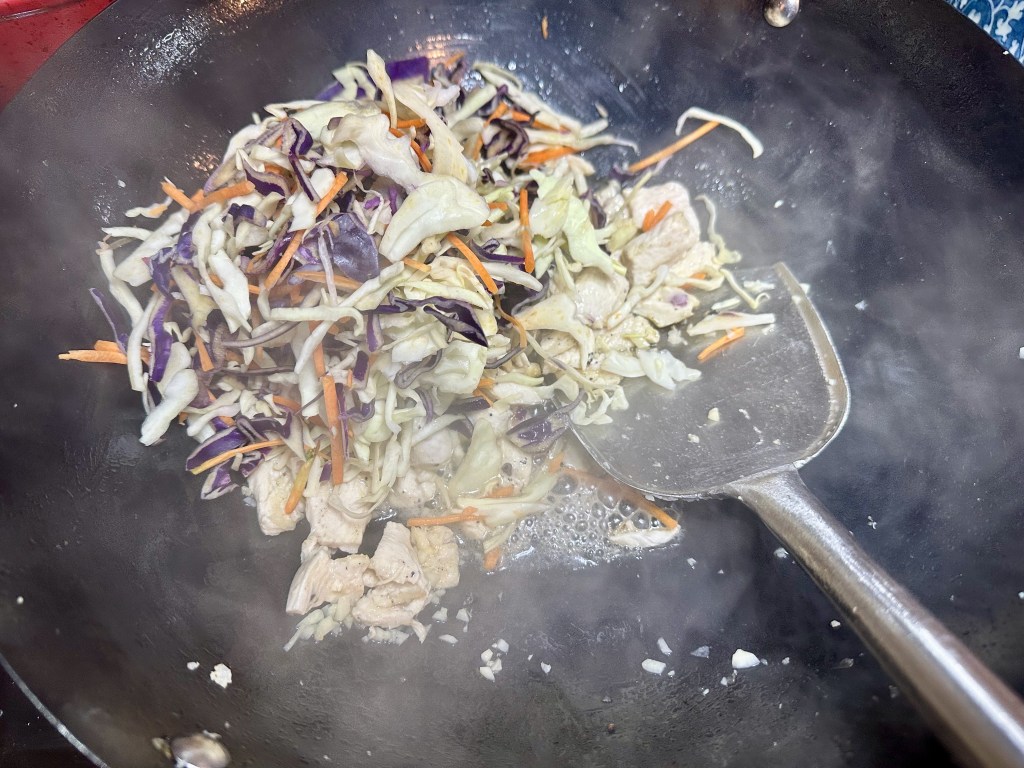
Add the vegetables and keep everything moving.
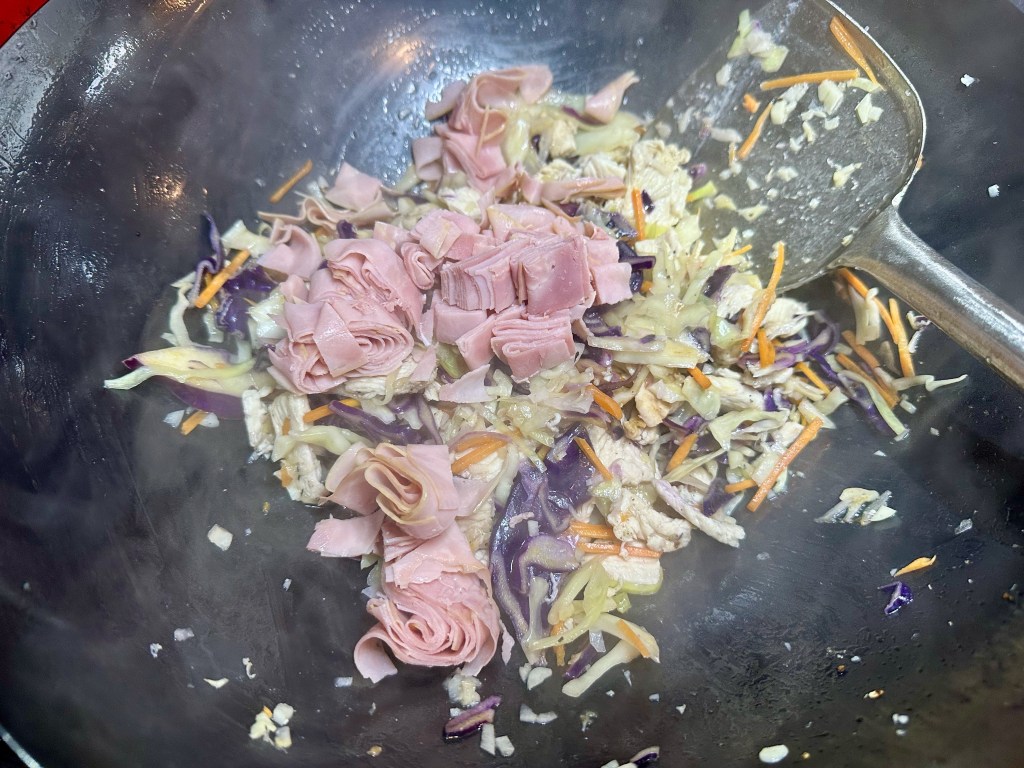
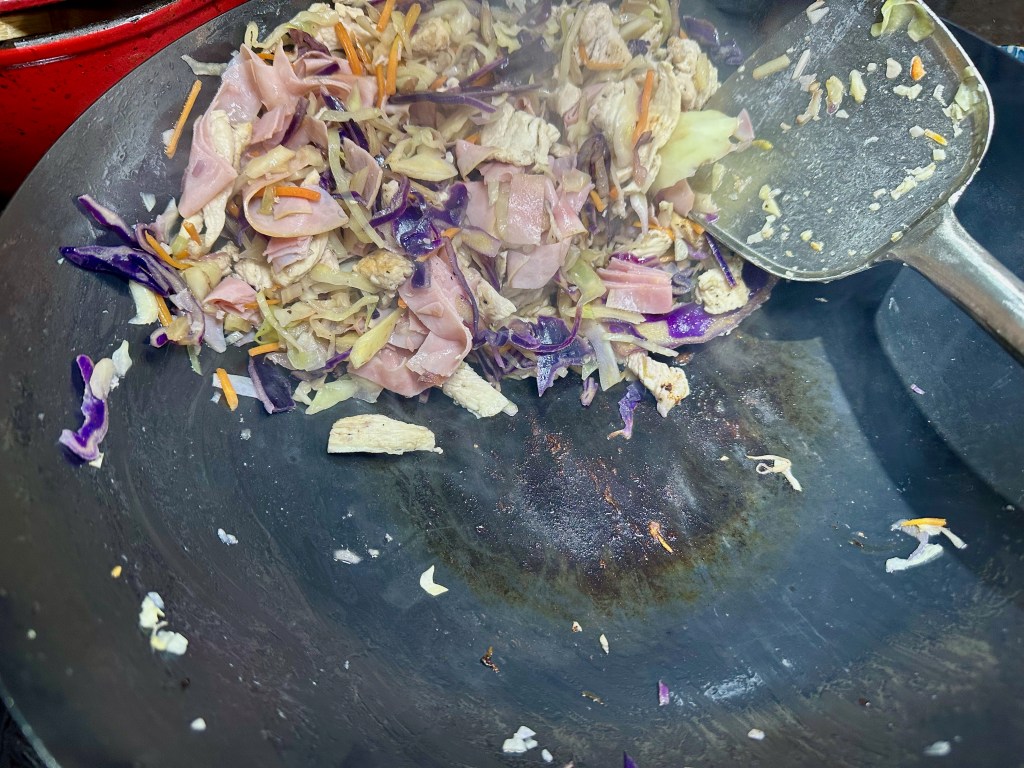
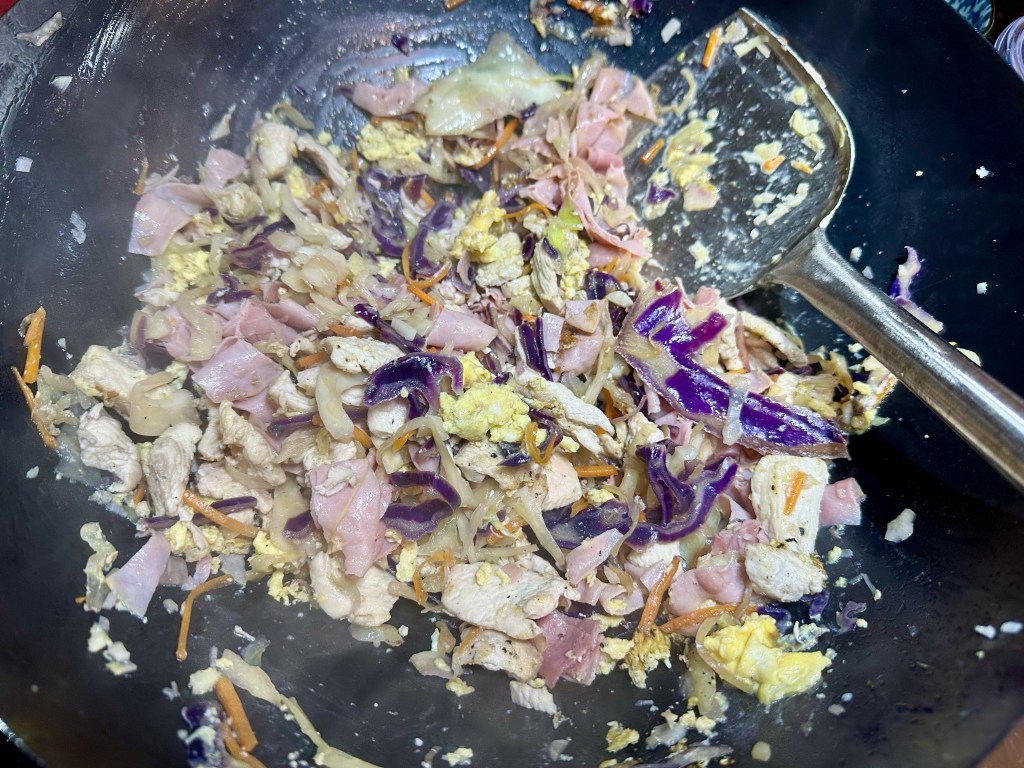
Add the ham and make sure it is well mixed in.
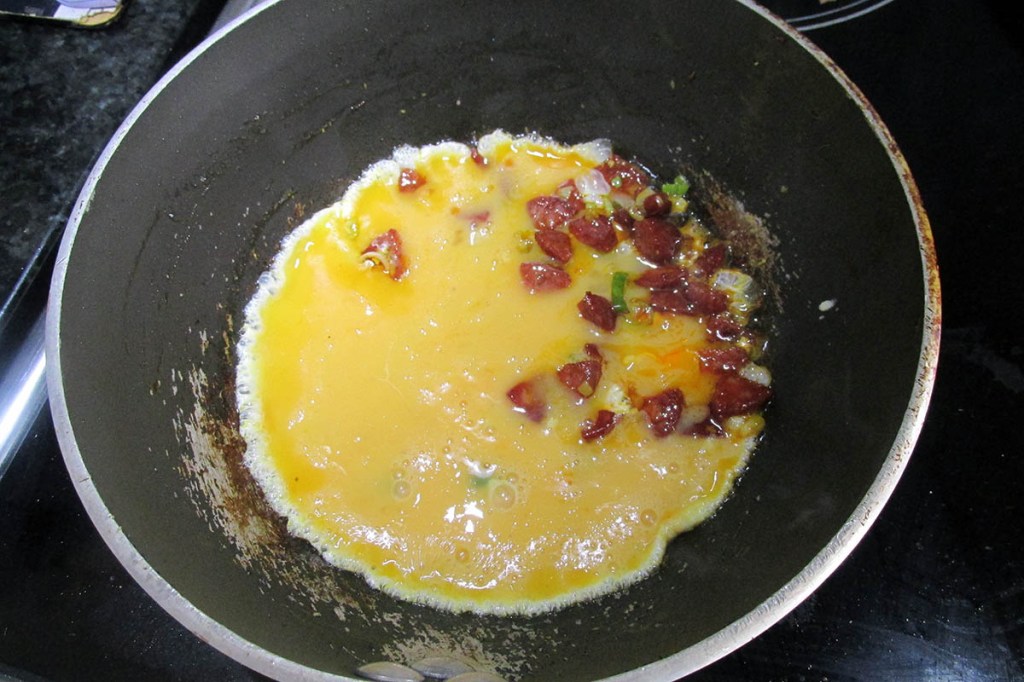
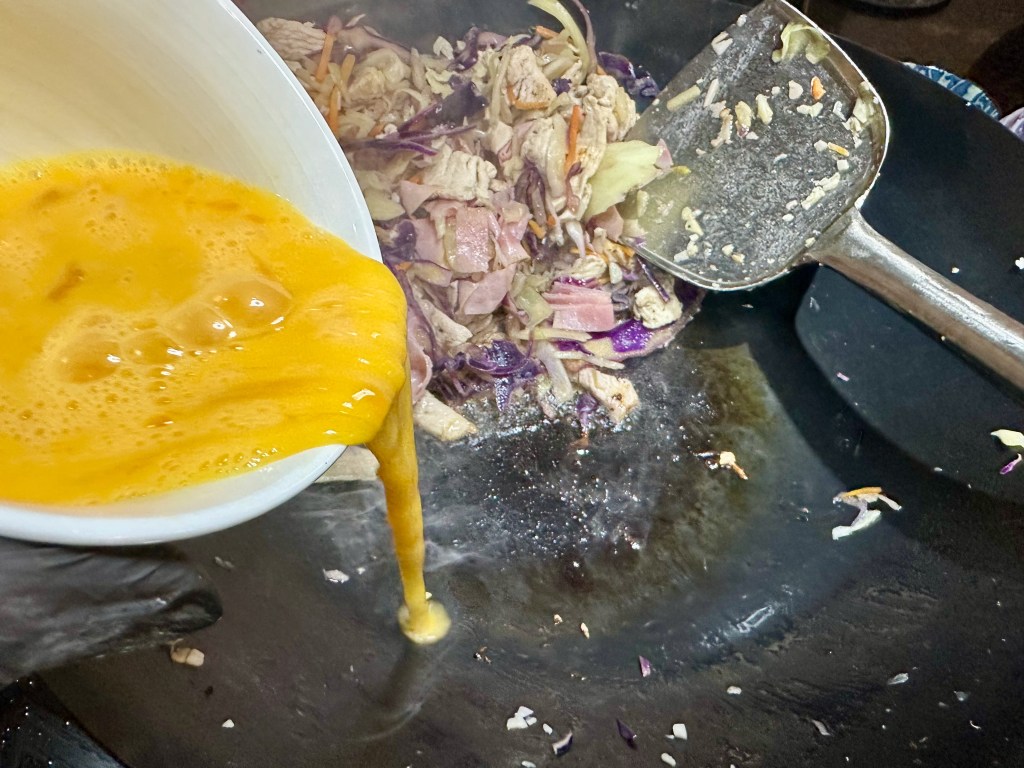
Push the meat and vegetables to the side of the wok and pour the egg into the space you have made.
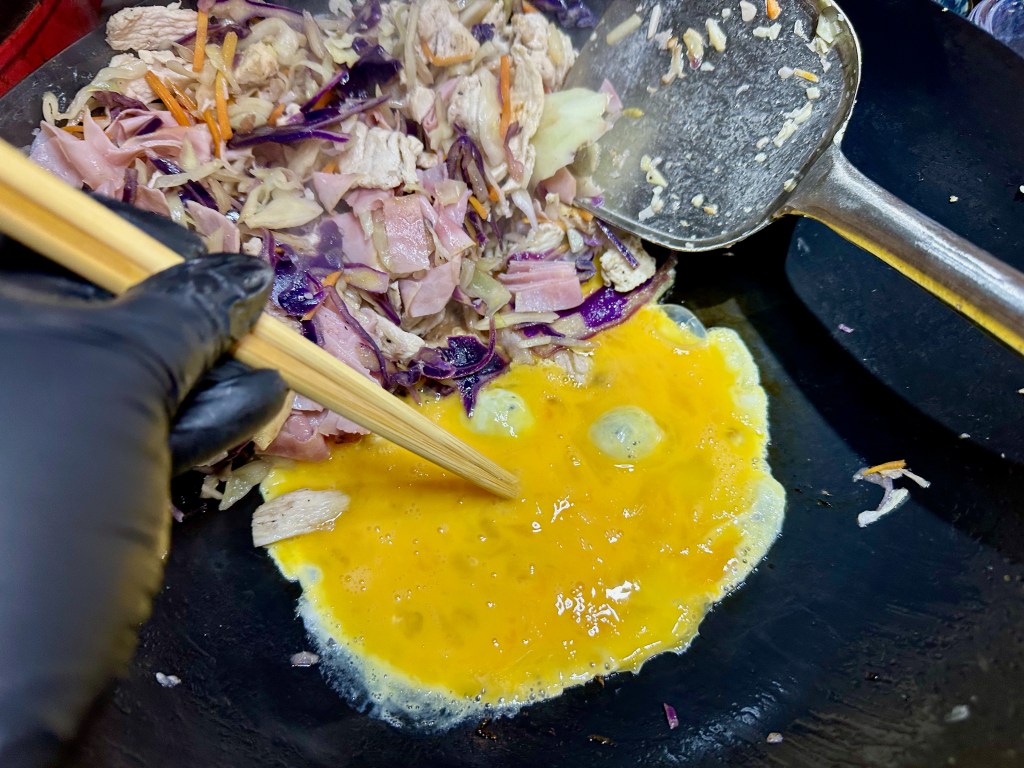
Use chopsticks or a spatula to keep the egg moving and cooking.
Mix the egg into the veggies and meat.
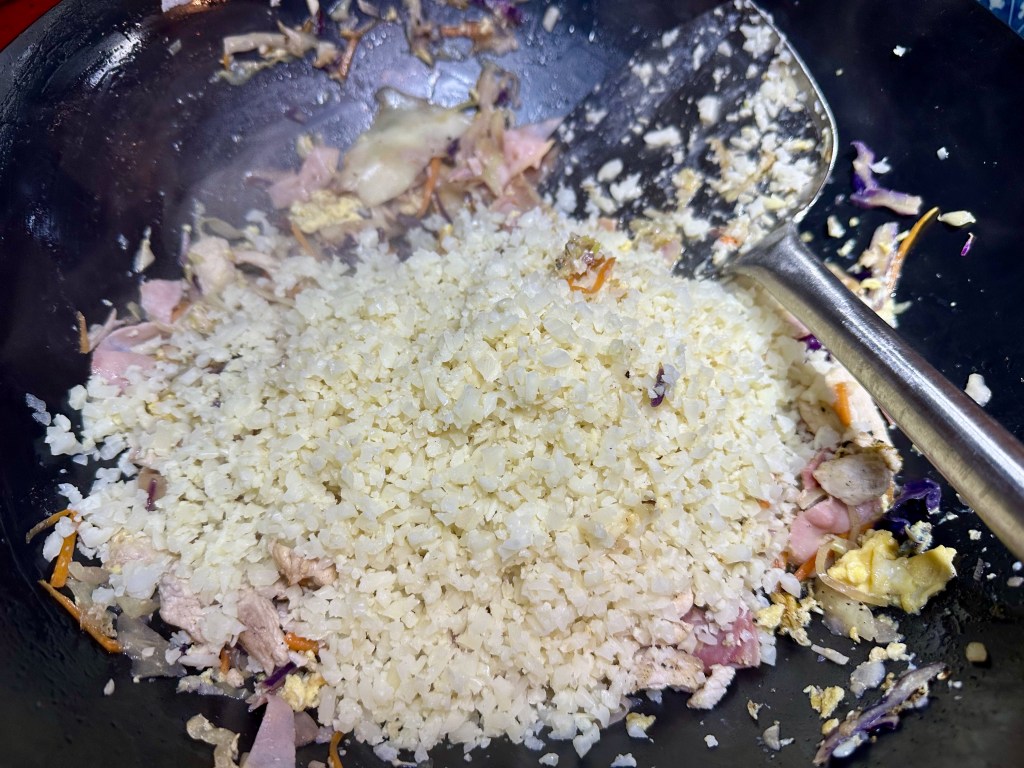
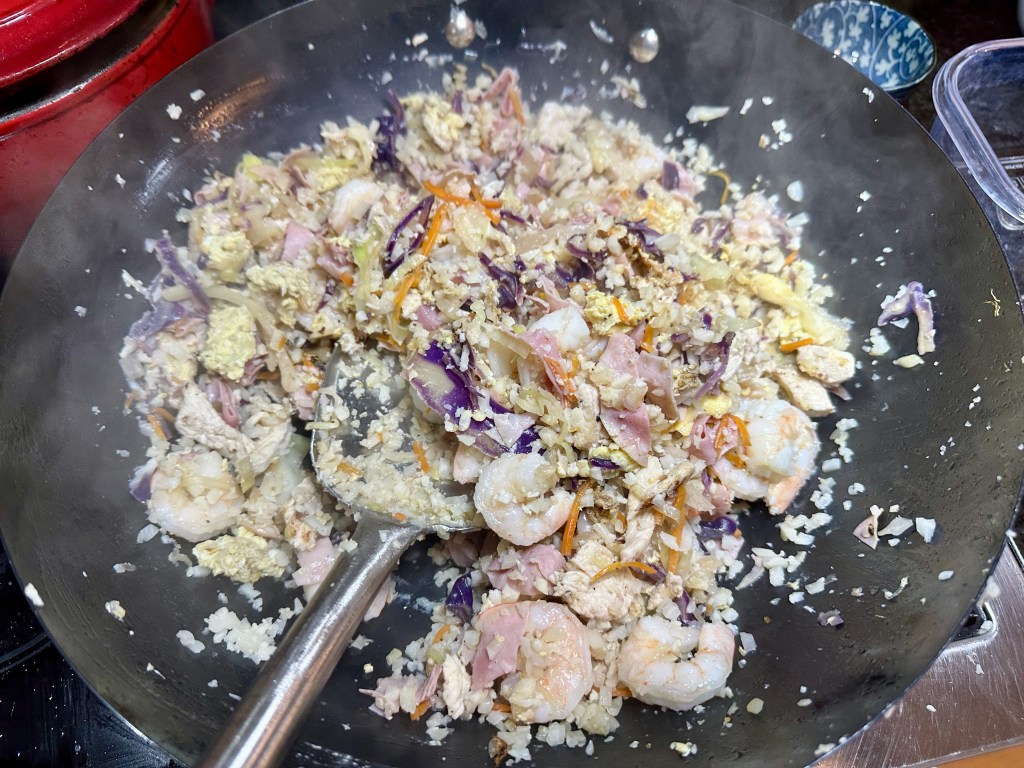
Add the cauliflower rice and the prawns to the wok and mix well.
Keep everything moving in the wok and cook for 3 minutes.
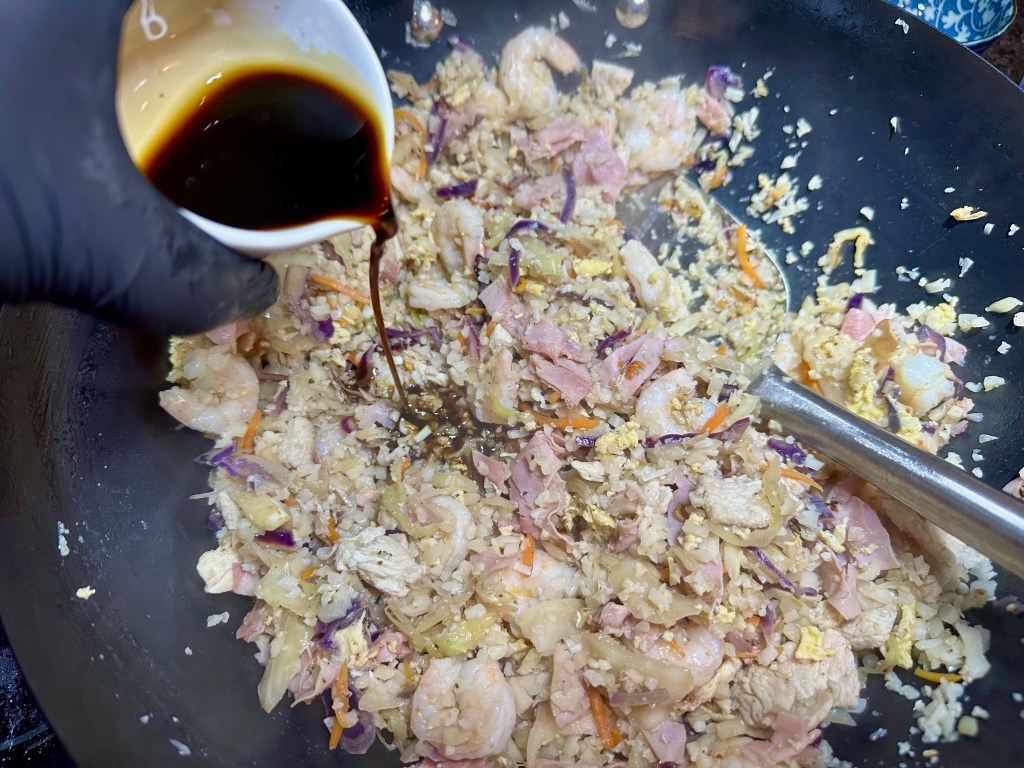
Add the coconut aminos to the wok and mix well to ensure everything gets covered.
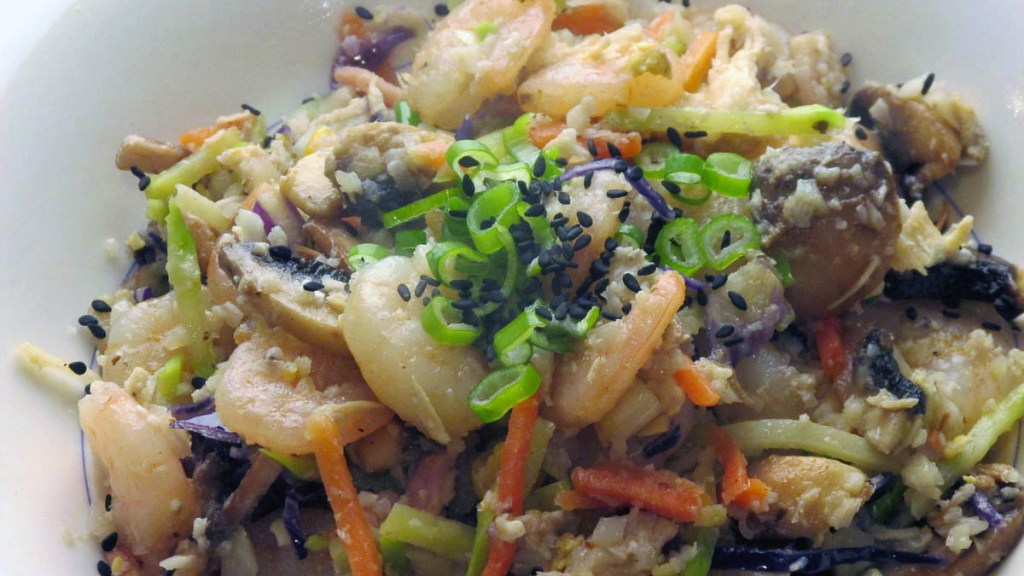
Serve with a topping of sliced spring onions and some sesame seeds.
Your healthy alternative to fried rice. Made with cauliflower rice for a low carb option for this take away favourite.
Credit: Cath @ easycleaneats
Ingredients
1 head cauliflower, finely grated
1/2 onion, minced
2 garlic cloves, finely minced
2 spring onions, sliced
1 cup vegetables
2 eggs
1 chicken breast
1 cup prawns, cooked
Handful of ham
1 tbsp. coconut oil
1/4 cup coconut aminos
Directions
In a large frying pan heat coconut oil over a medium heat
Add the chicken and cook for about 3 – 5 minutes until it is cooked most of the way.
Keep the meat moving around the pan.
Add the garlic and cook for 1 minute.
Add the vegetables and keep everything moving.
Add the ham and make sure it is well mixed in.
Push the meat and vegetables to the side of the wok and pour the egg into the space you have made.
Use chopsticks or a spatula to keep the egg moving and cooking.
Mix the egg into the veggies and meat.
Add the cauliflower rice and the prawns to the wok and mix well.
Keep everything moving in the wok and cook for 3 minutes.
Add the coconut aminos to the wok and mix well to ensure everything gets covered.
Serve with a topping of sliced spring onions and some sesame seeds.
Nutrition
Per Serving: 231 calories; 7 g fat; 12 g carbohydrates; 26 g protein
Equipment
Measuring cup
Grater
Chopping board
Knife
Frying pan
Spatula
Small bowl
Whisk
Nutritional disclaimer
Nutrition information is provided as an estimate based on the ingredients used and available in my area (New Zealand). The nutritional information is here to help you understand the recipe; I use MyFitnessPal to generate my estimates. For more accurate nutritional information, please use a nutritional calculator with the ingredients in your area.
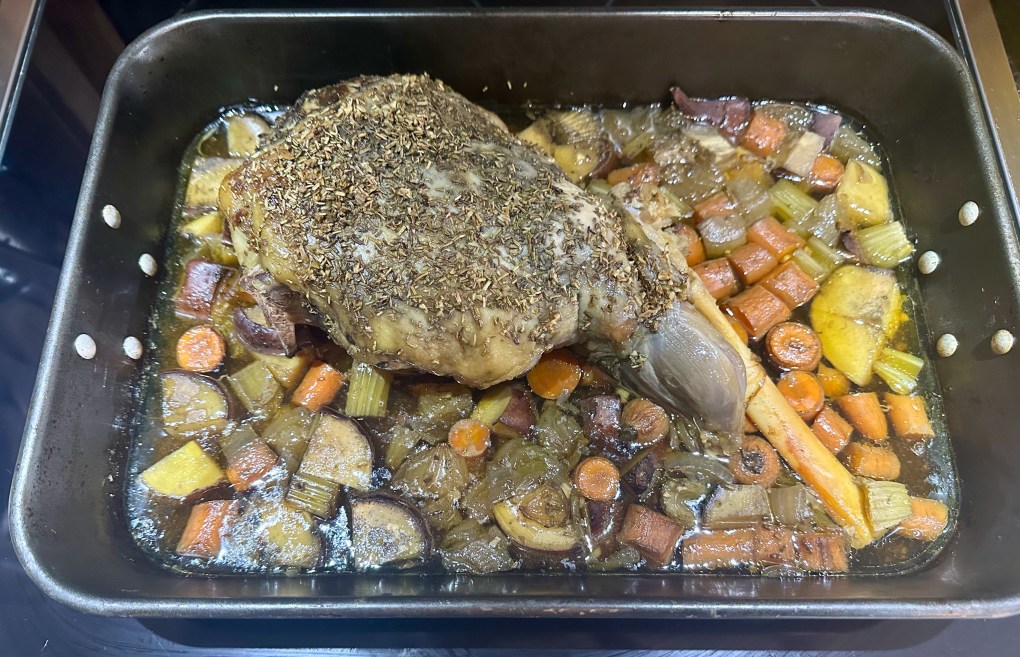
A few years ago, I upgraded my slow cooker to an Instant Pot Duo and fell in love with it. The upgrade meant having one appliance in the cupboard that was a slow cooker, and an air fryer in one. It has to be my favourite appliance for baking and roasting during summer. Usually, I would refuse to roast a chicken during the summer months for fear of heat stroke. That all changed with the Instant Pot Duo in my arsenal. The little pot happily roasts a chicken without kicking out a million degrees of heat to the room and always delivers moist chicken for any occasion. I’ve been eating through my freezer supplies over the last few weeks and found a whole chicken at the bottom of the freezer, which was begging to be made into a tasty salad.
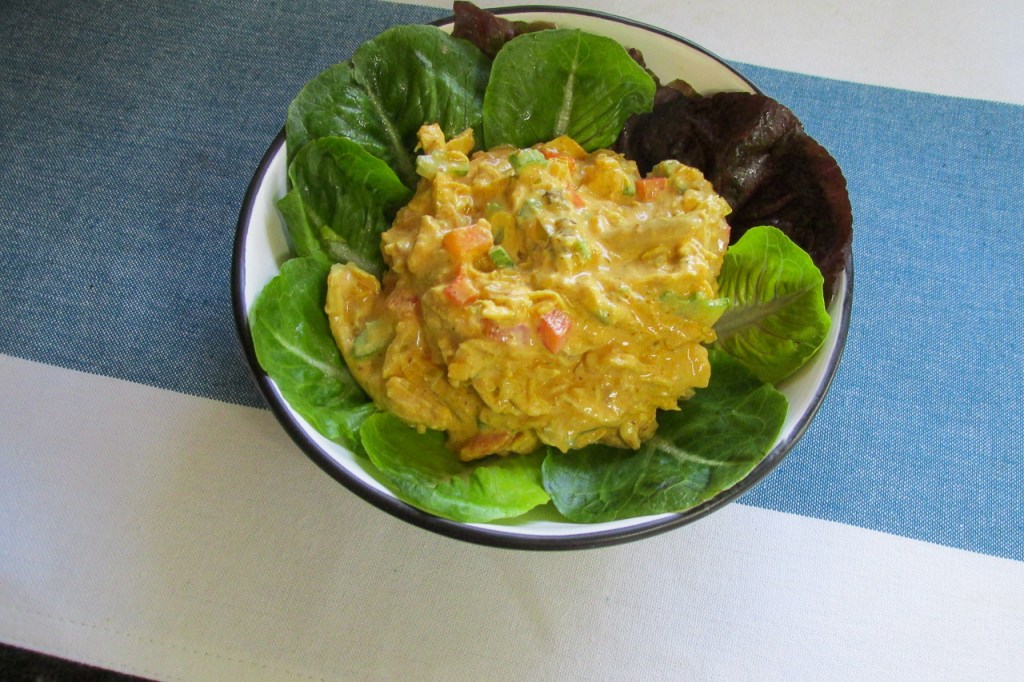
Coronation chicken
An oldie but a goodie
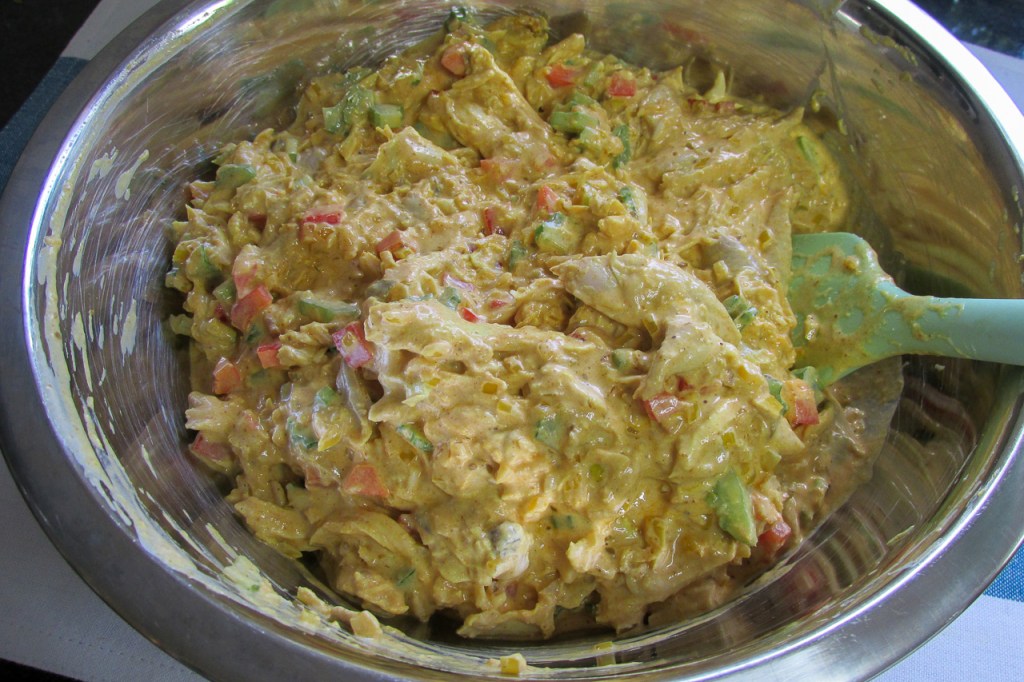
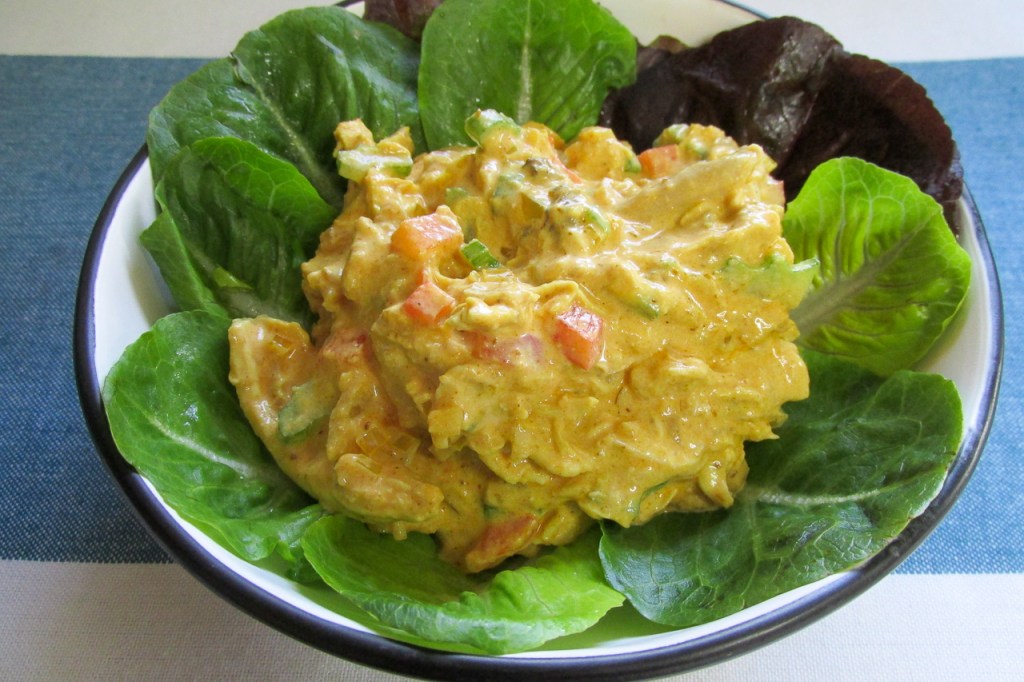
When you want something that feels like comfort food, it is far too hot to have a hot meal; try Coronation chicken salad. It is my answer to a summertime comfort meal. It’s a good old English favourite and an excellent way to add some spice to a cooked chicken. While my version of Coronation is a departure from the original recipe, it still delivers on flavour and won’t remind you of soggy sandwiches.
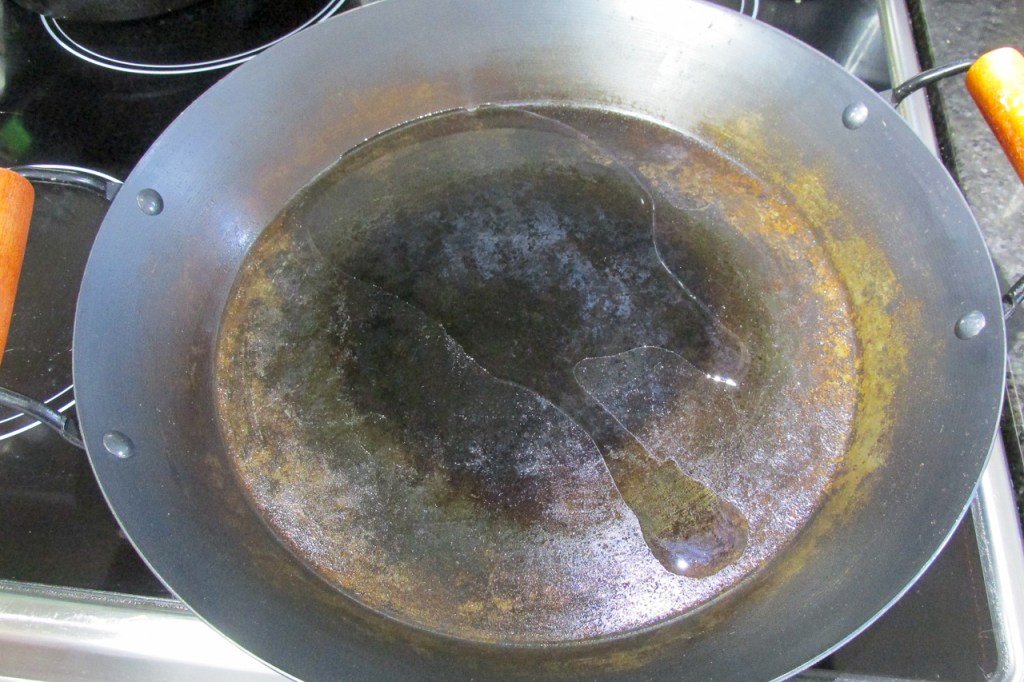
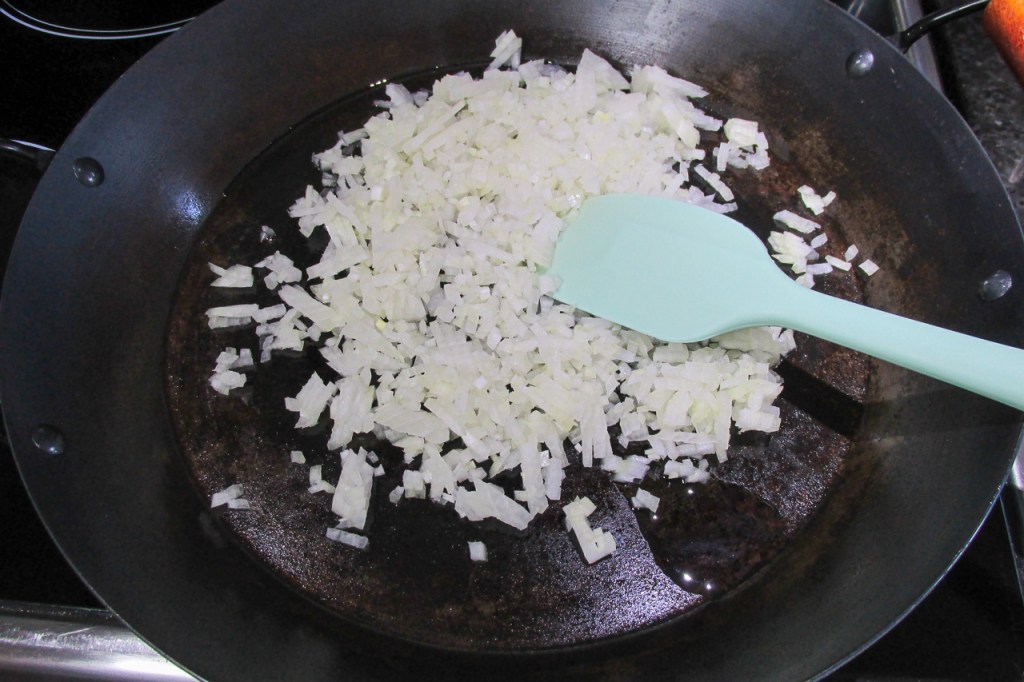
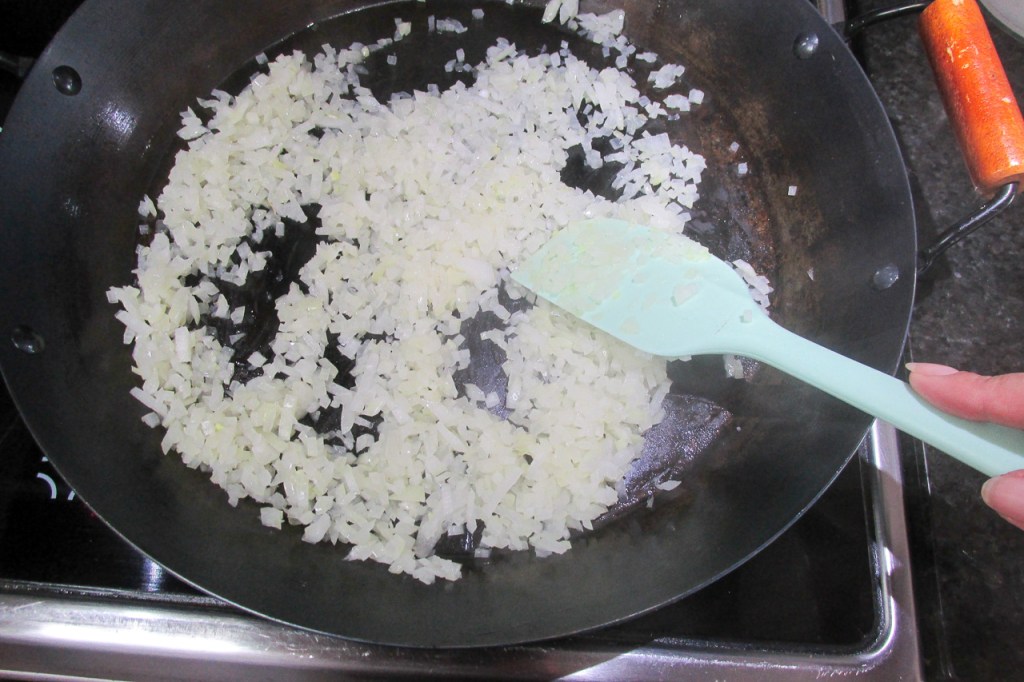
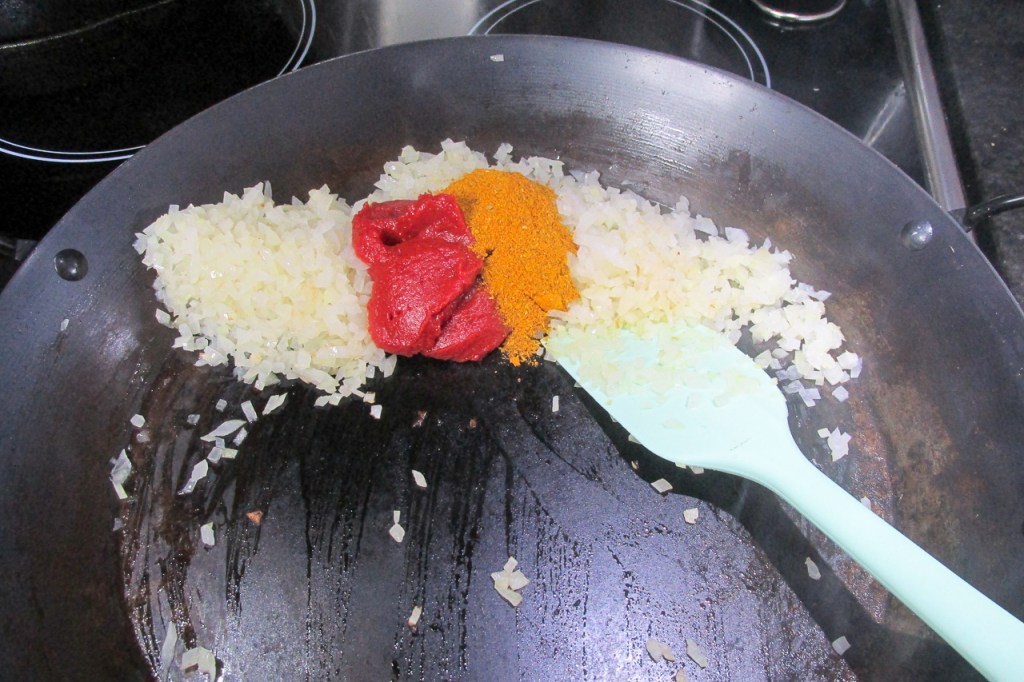
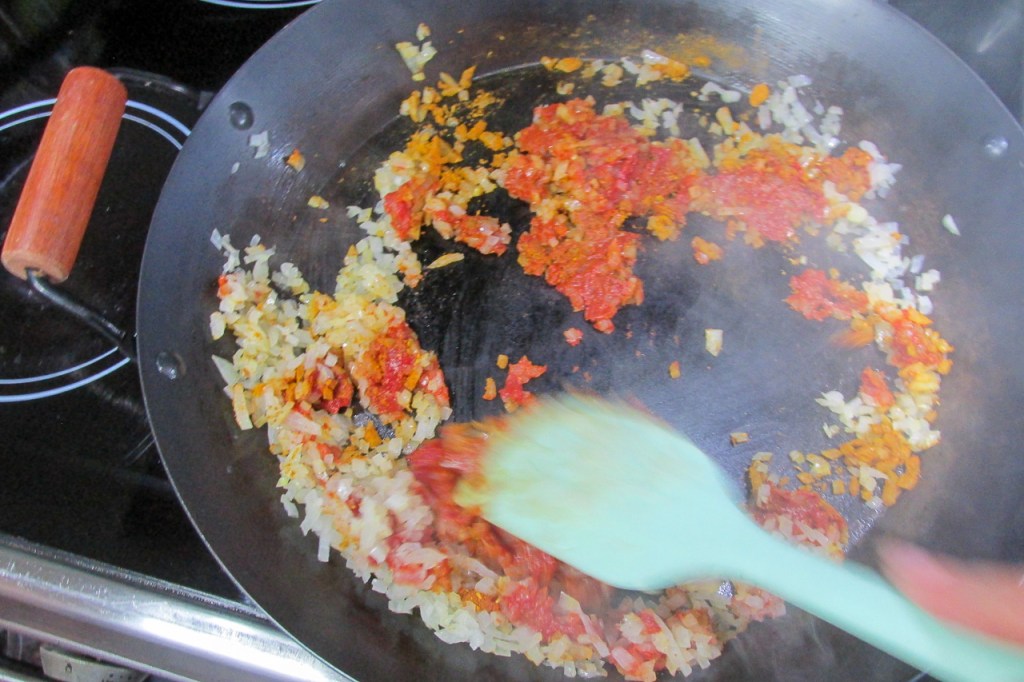
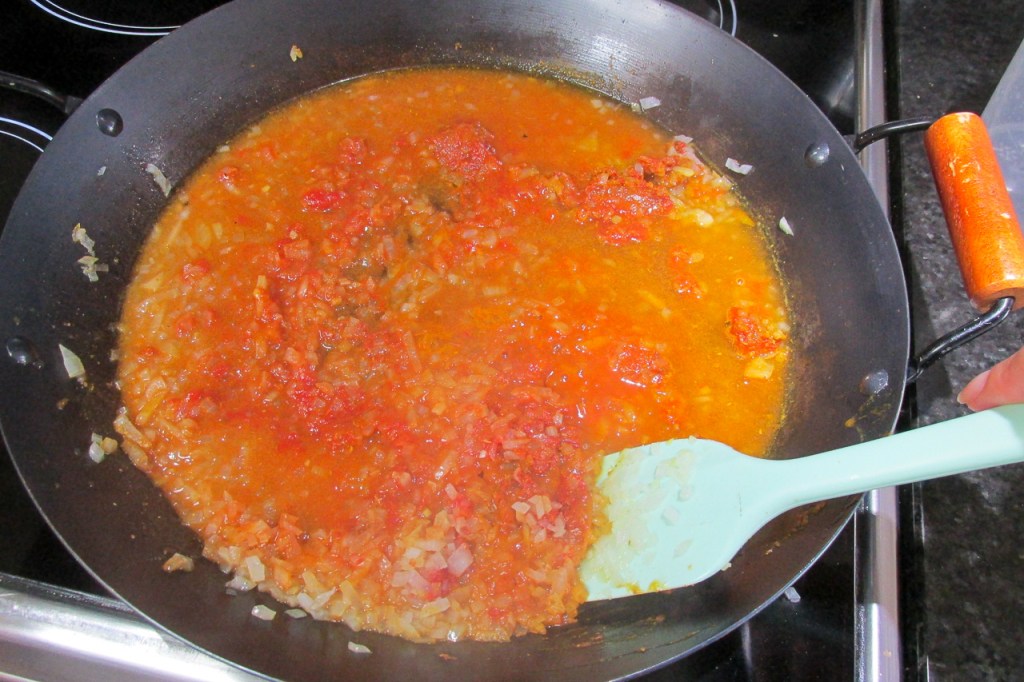
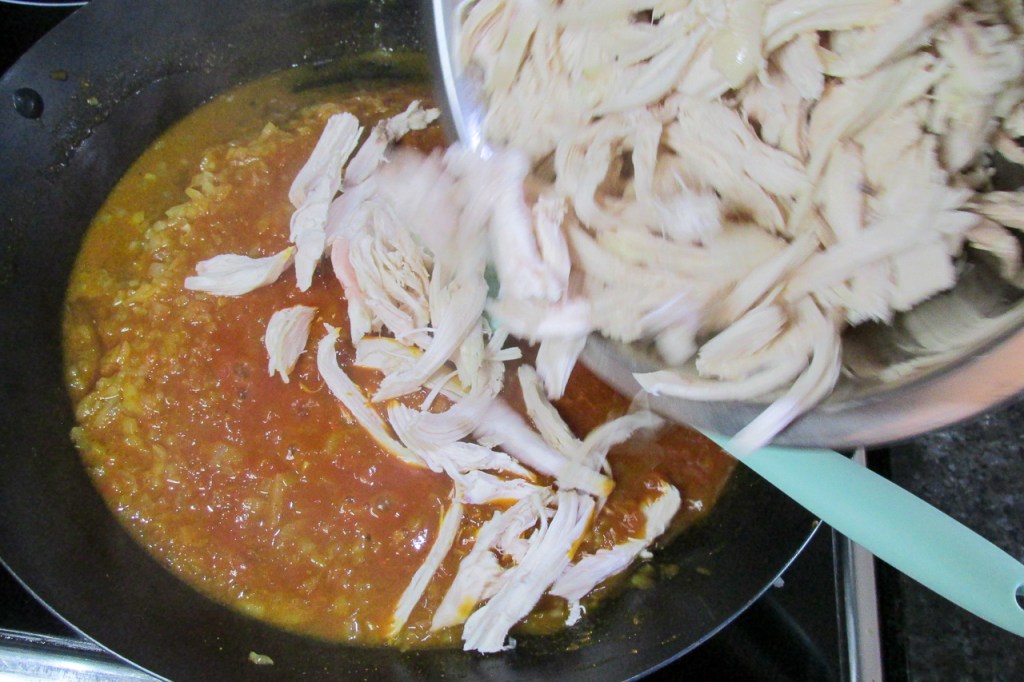
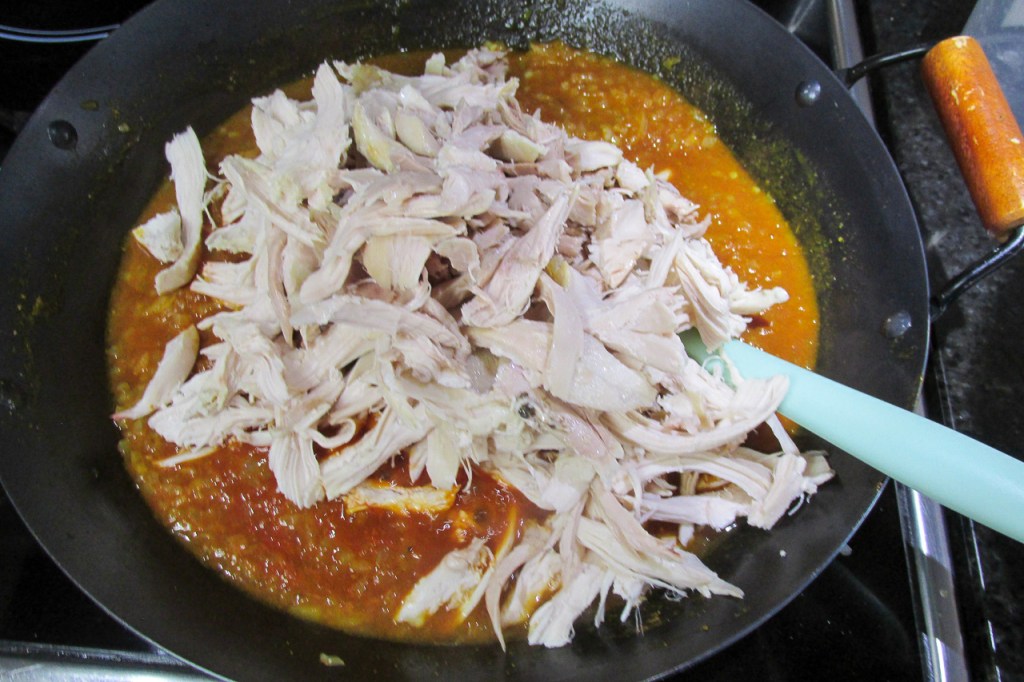
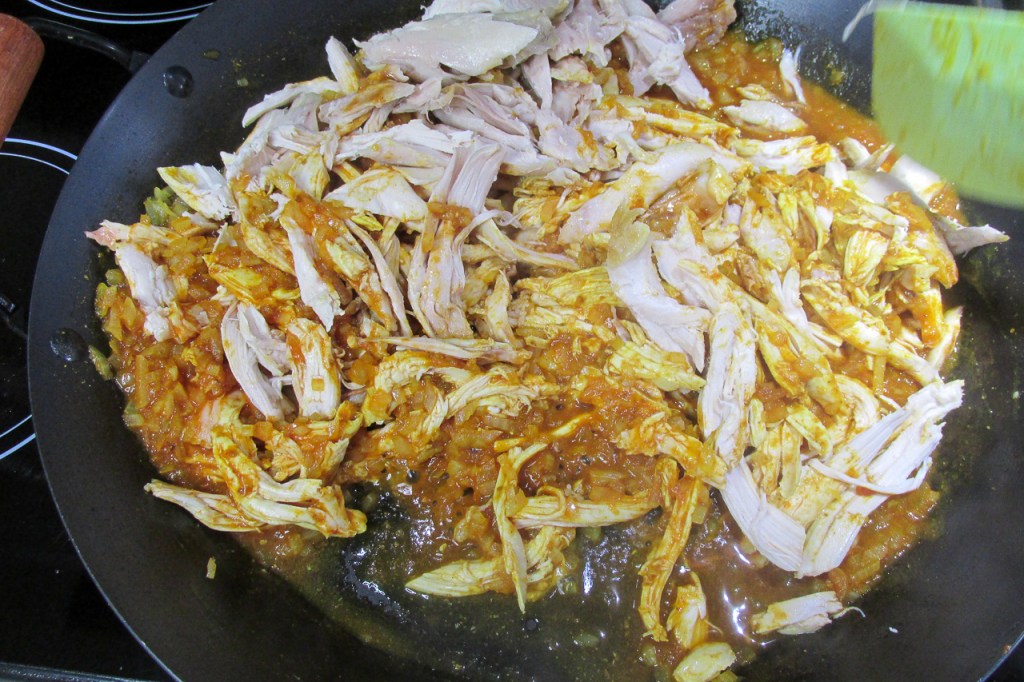
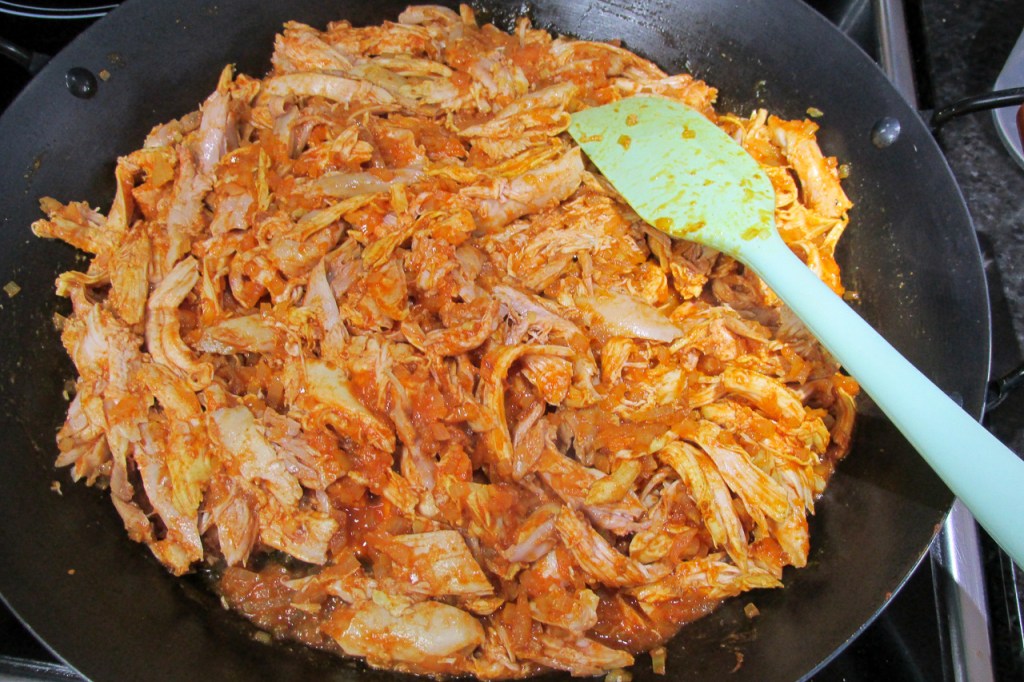
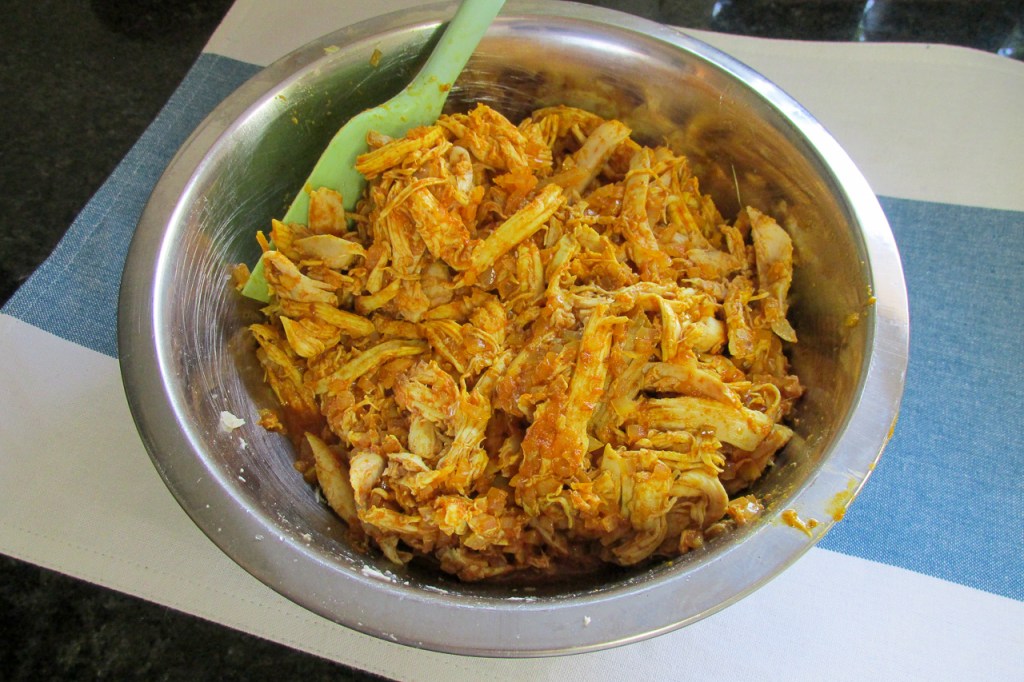
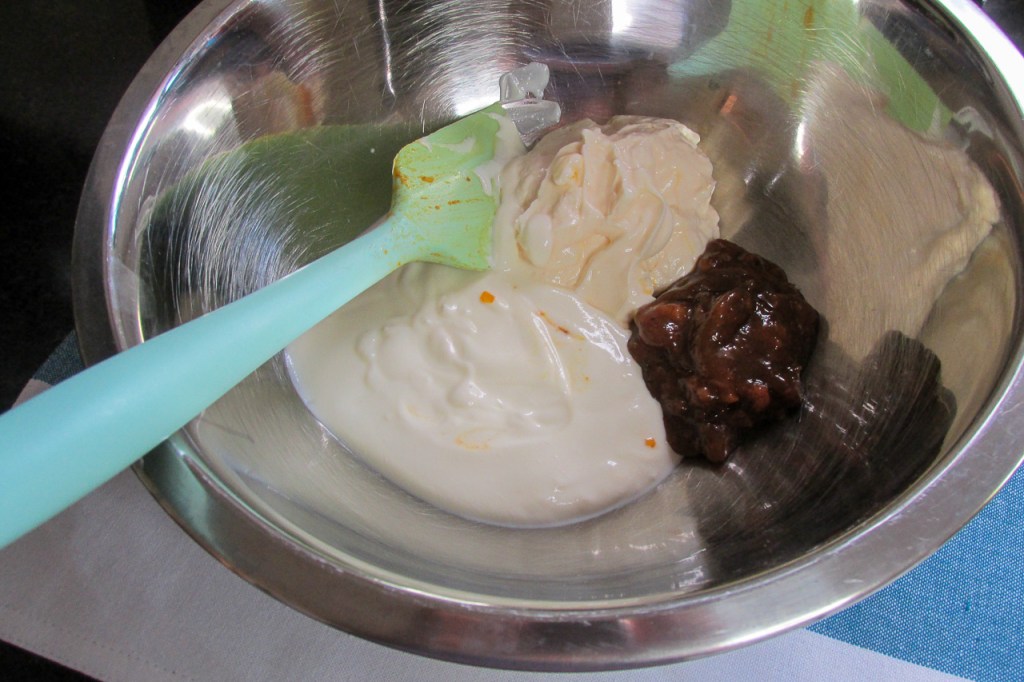
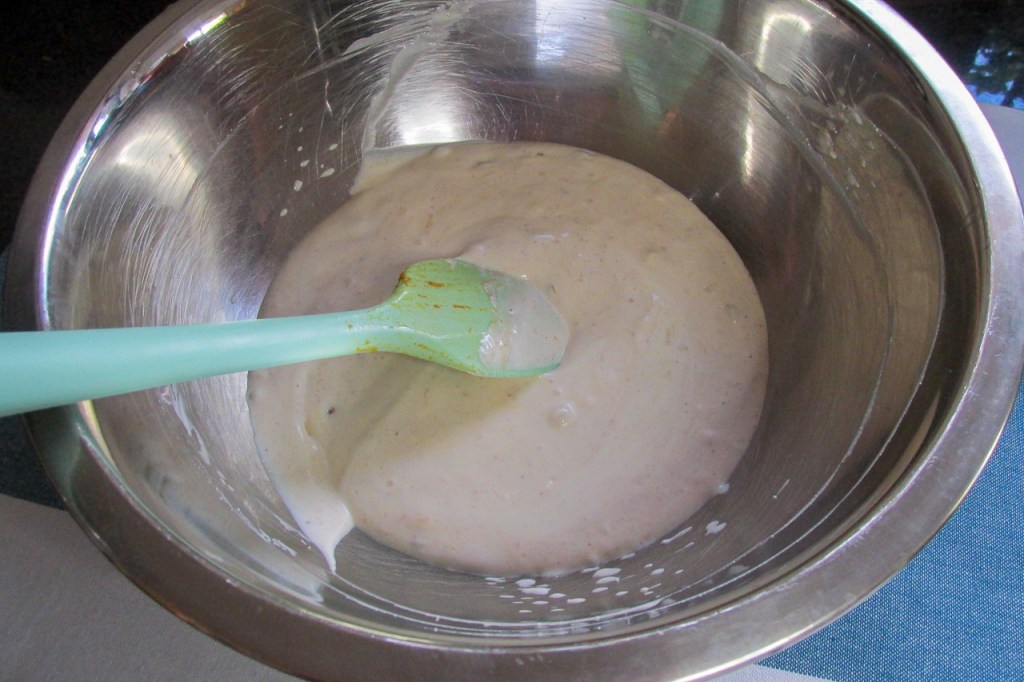
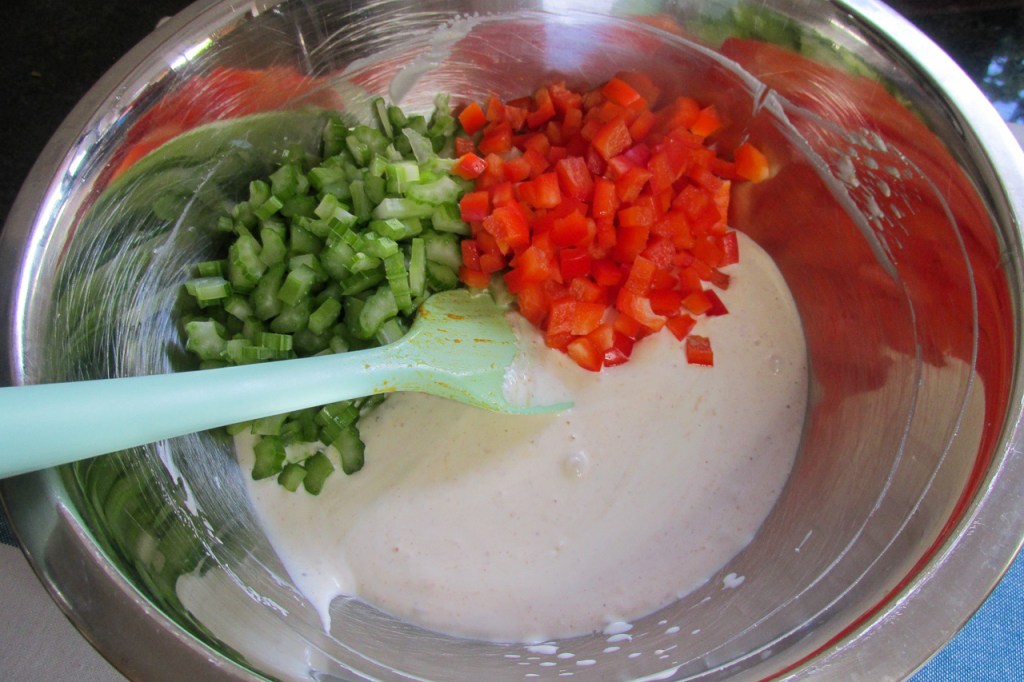
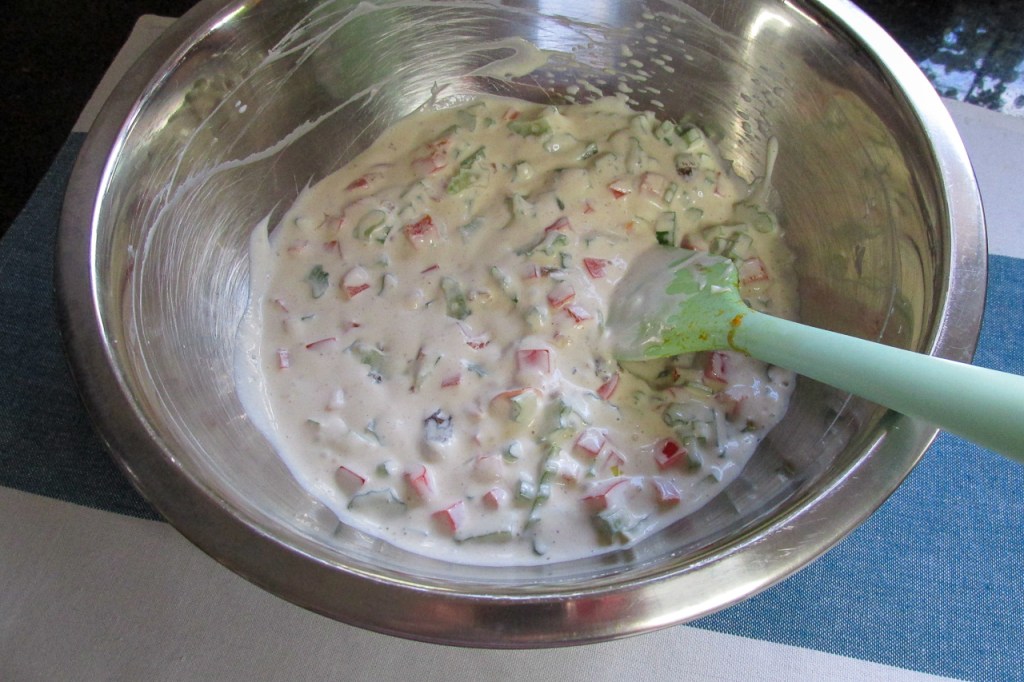
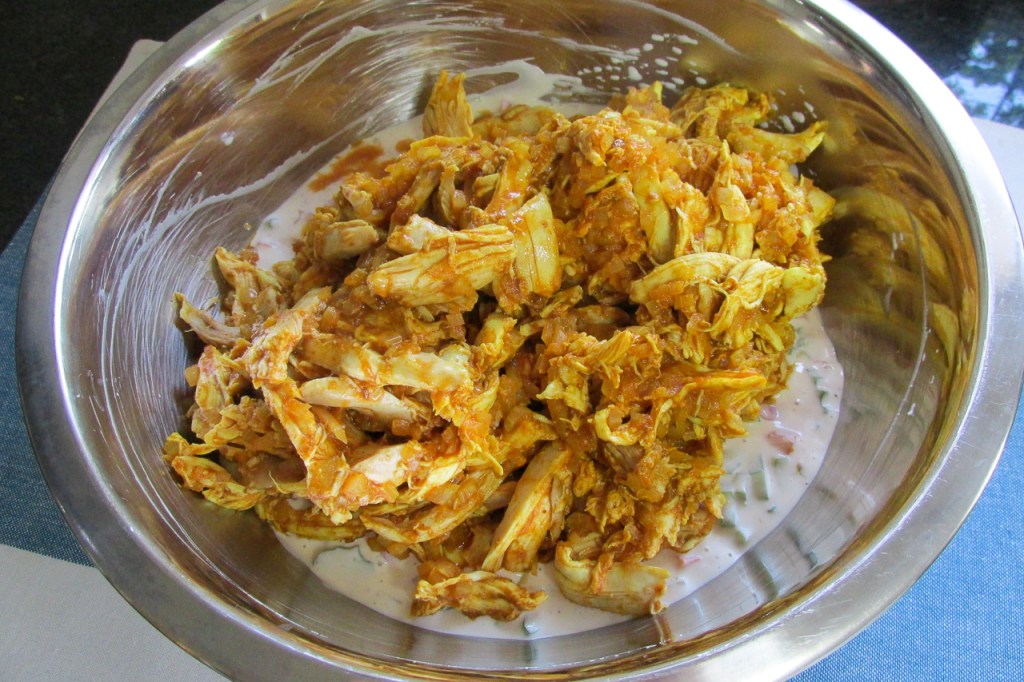
Over a medium heat in a frying pan heat some oil.Add the onions to the pan.Add the onions to the pan.Add the curry powder and tomato paste.Mix well.Then add the water and continue to mix.Add the shredded chicken to the pan and mix. Add the shredded chicken to the pan and mix. Mix well.The chicken should be coated in the sauce.Removed the chicken from the heat and set it aside to cool slightly.In another bowl add the mayo, yoghurt and chutney.Mix well.Add the peppers and celery.Mix well.Add the chicken mixture.Mix well.Serve on a bed of lettuce.
It’s a good old English favourite and a nice way to add some spice to a cooked chicken.
Credit: Cath @ easycleaneats
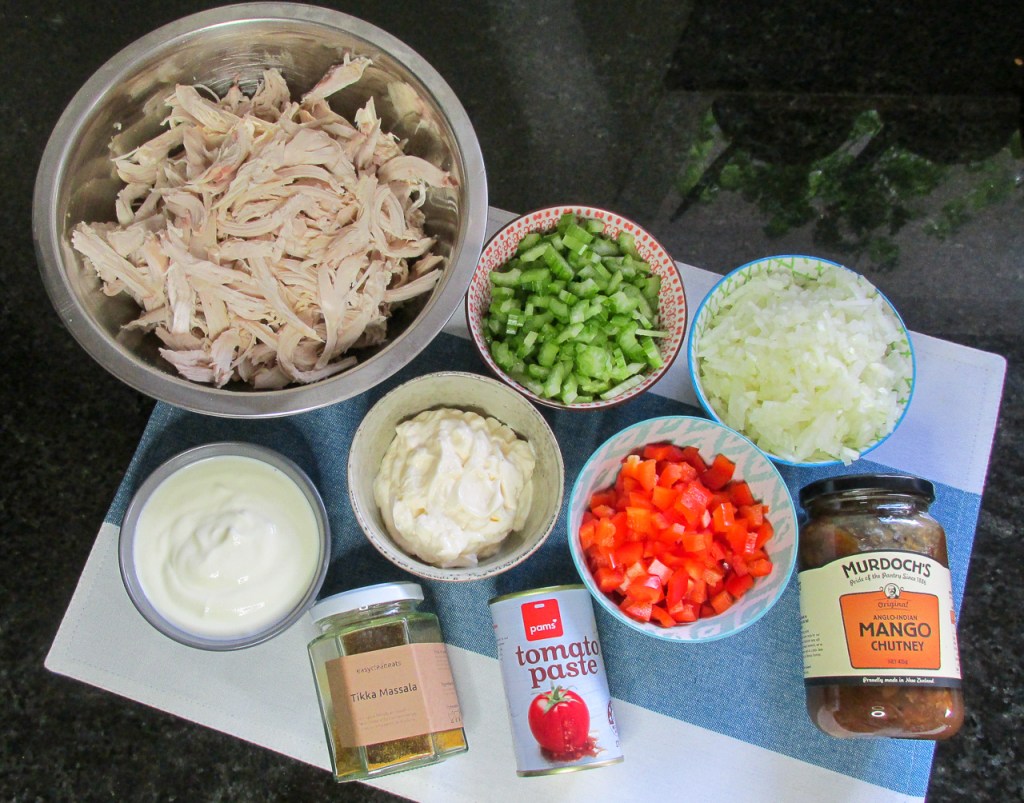
Ingredients
1 onion finely chopped
2 tsp. curry powder
1 tbsp. tomato paste
1/2 cup water
1/4 cup mango chutney
1/2 cup Greek yoghurt
1/2 cup easy mayo
2 celery sticks, chopped
1 red pepper, chopped
1 chicken, cooked
Directions
Shred the cooked chicken and set it to one side.
Over a medium heat in a frying pan heat some oil.
Fry off the onions.
When the onion has softened, add the curry powder and tomato paste to the pan and mix well.
Then add the water and continue to mix.
Add the shredded chicken to the pan and mix.
The chicken should be coated in the sauce.
Removed the chicken from the heat and set it aside to cool slightly.
In another bowl, mix together the chutney, yoghurt and mayo.
Add the chicken mixture along with the chopped pepper and celery.
Put the chicken in the fridge to cool for 30 minutes.
Serve with fresh salad leaves and a sprinkle of raisins if you want a little extra sweetness.
Nutrition
Per Serving: 285 calories; 17.3 g fat; 7.4 g carbohydrates; 28.3 g protein
Equipment
Frying pan
Wooden spoon
Mixing bowl
Whisk
Nutritional disclaimer
Nutrition information is provided as an estimate based on the ingredients used and available in my area (New Zealand). The nutritional information is here to help you understand the recipe; I use MyFitnessPal to generate my estimates. For more accurate nutritional information, please use a nutritional calculator with the ingredients in your area.
I’ve been revisiting some of my old-school recipes and favourites, which were staples when I started eating clean. I first posted this recipe in 2017; at that time, my stepkids were fussy, vegetables had to be hidden and disguised, and there was no potential for intense flavours or spice.
Times (thankfully) changed, and the kids grew up (like man-sized grown) and learned to enjoy a wide range of foods. Things like vegetables no longer meant faces being pulled, spice and chilli were consumed without complaint, and new ingredients were tried without tantrums.
As the kids grew, my recipes changed organically to meet their palates and preferences. Because of that, I’ve updated this recipe, but fear not; the original recipe, suitable for kids with less developed palates, is at the bottom of the post.
Quick, easy and spicy
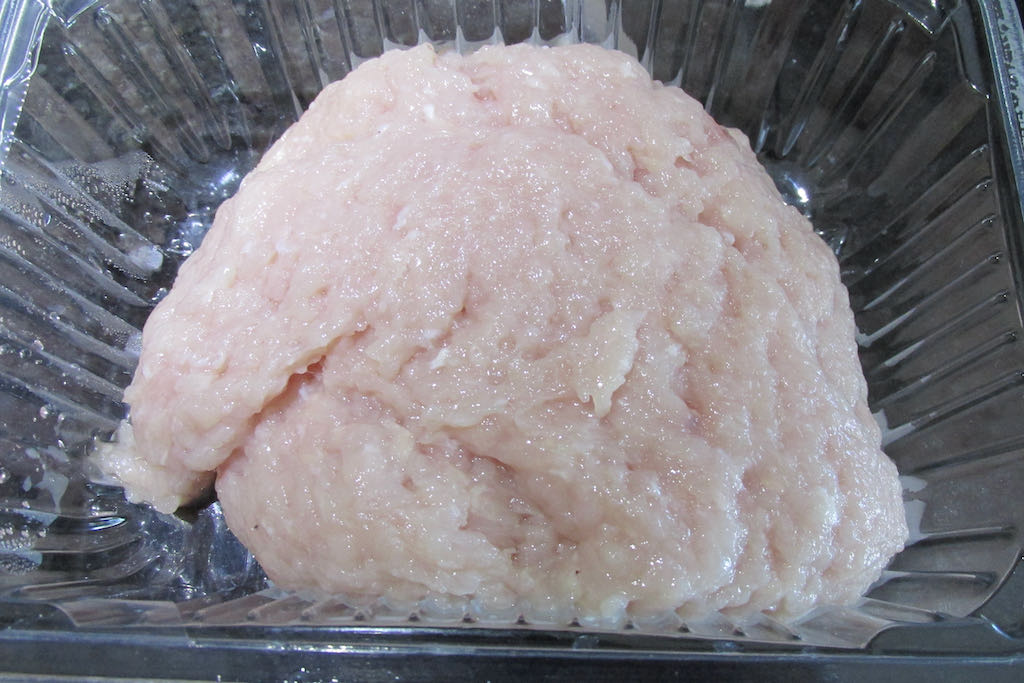
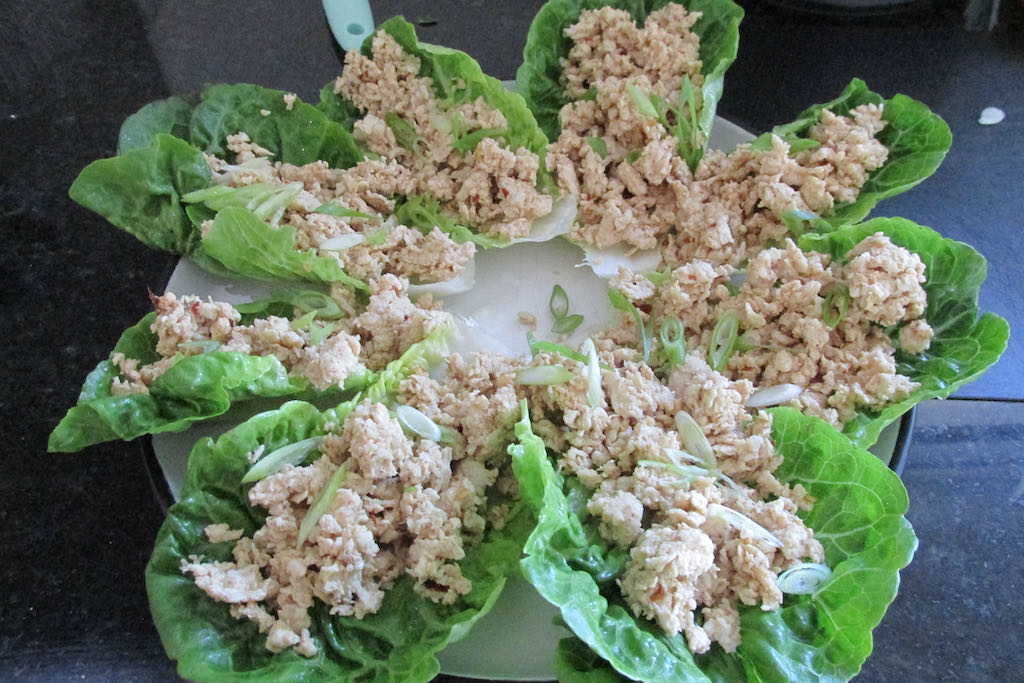
It has been another whirlwind week packed with workouts, life admin and another work trip to Wellington. No matter how much I try to keep myself organised before a work trip, I always end up on the back foot. My fridge was looking empty, and I had no energy to go shopping, so this recipe sprung to mind as it’s a great example of making something out of nothing. A well-stocked pantry means I always have something to make a sauce or spicy mix to turn essential ingredients into a tasty meal. These wraps were easy to make and were the perfect end-of-week option. If you don’t like your food with a lot of spice, reduce the amount of red pepper flakes.
Chicken chilli wraps recipe
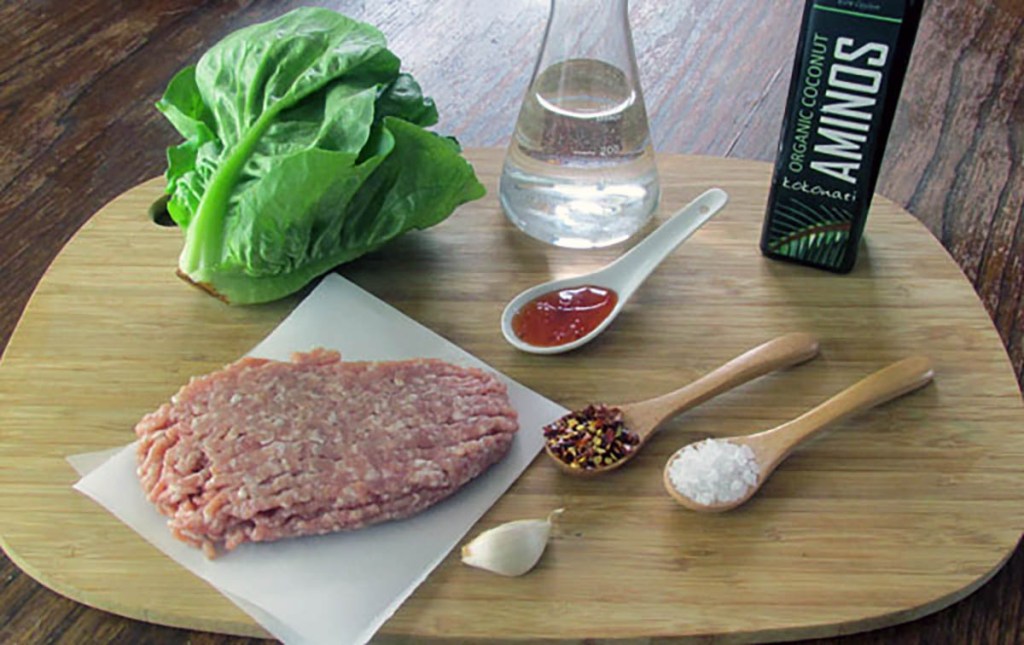
Ingredients
1 Cos Lettuce
500g chicken mince
2 tsp. red pepper flakes
2 tsp. minced garlic
1/2 tsp. salt
1 tbsp. coconut aminos
2 tbsp. water
2 tbsp. sweet chilli sauce
Instructions
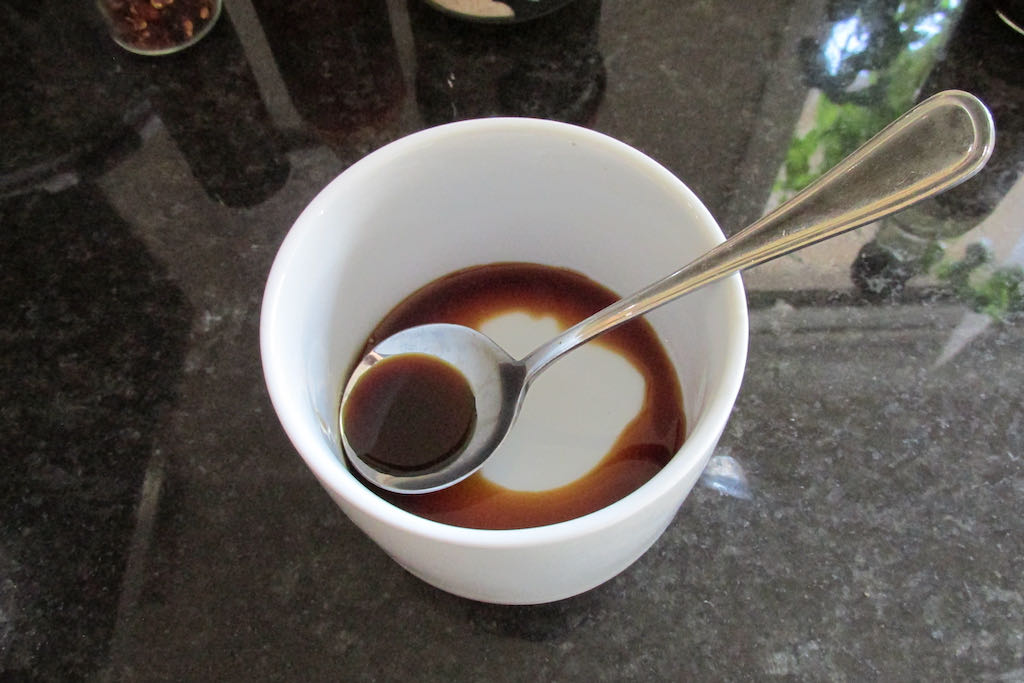
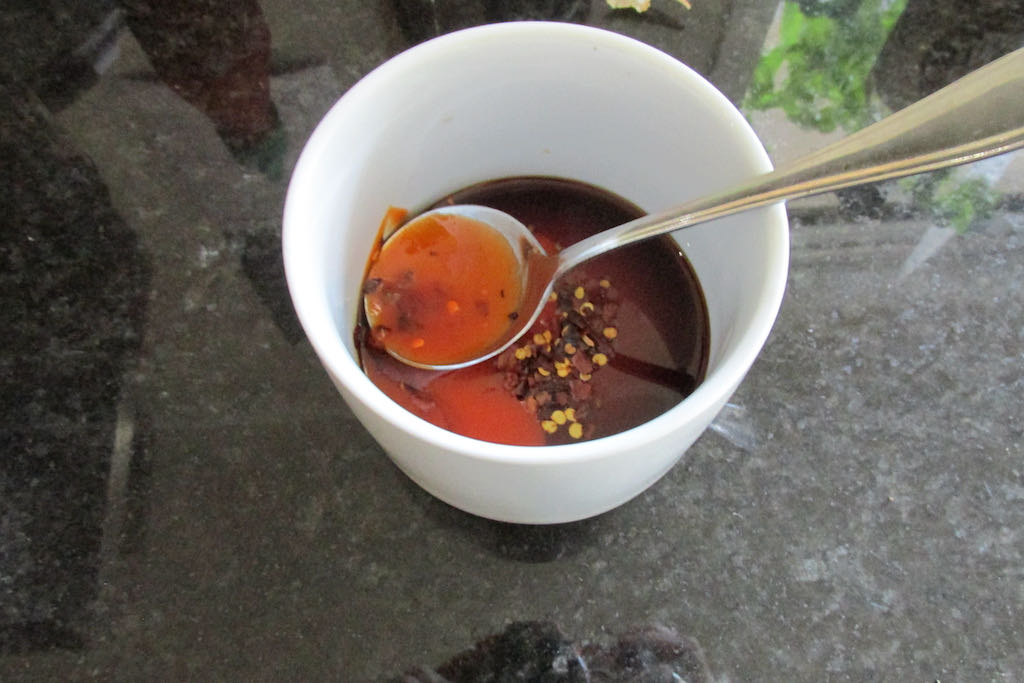
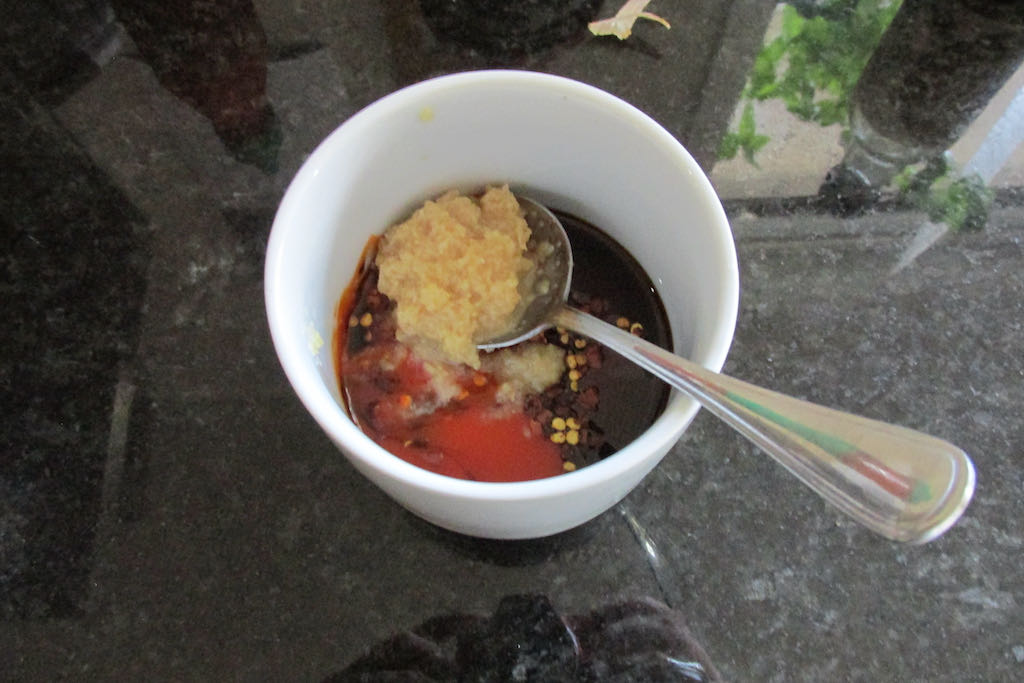
In a bowl, mix the water, coconut aminos, salt, garlic, and red pepper flakes.
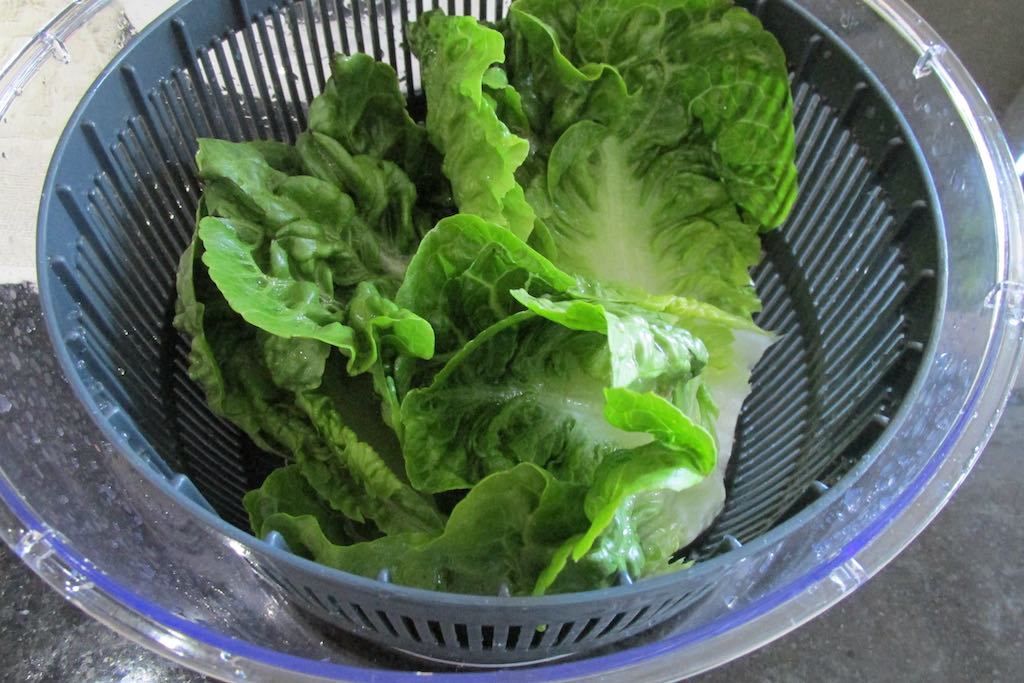
Cut the lettuce at the stalk and wash the leaves.
Dry the lettuce leaves and store them in the fridge with a damp towel over the top.
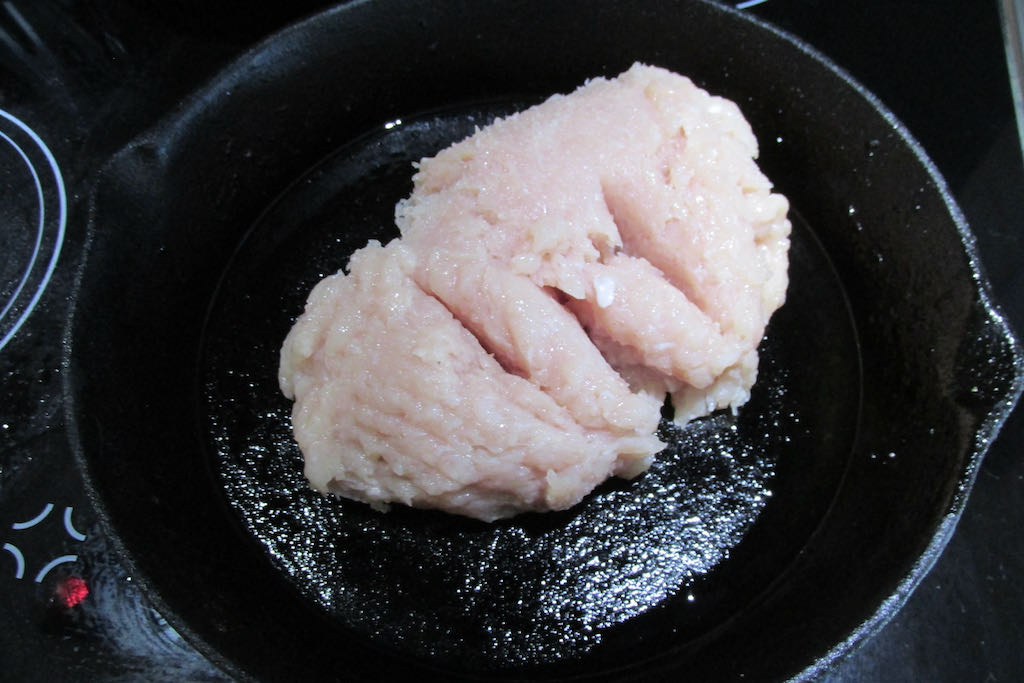
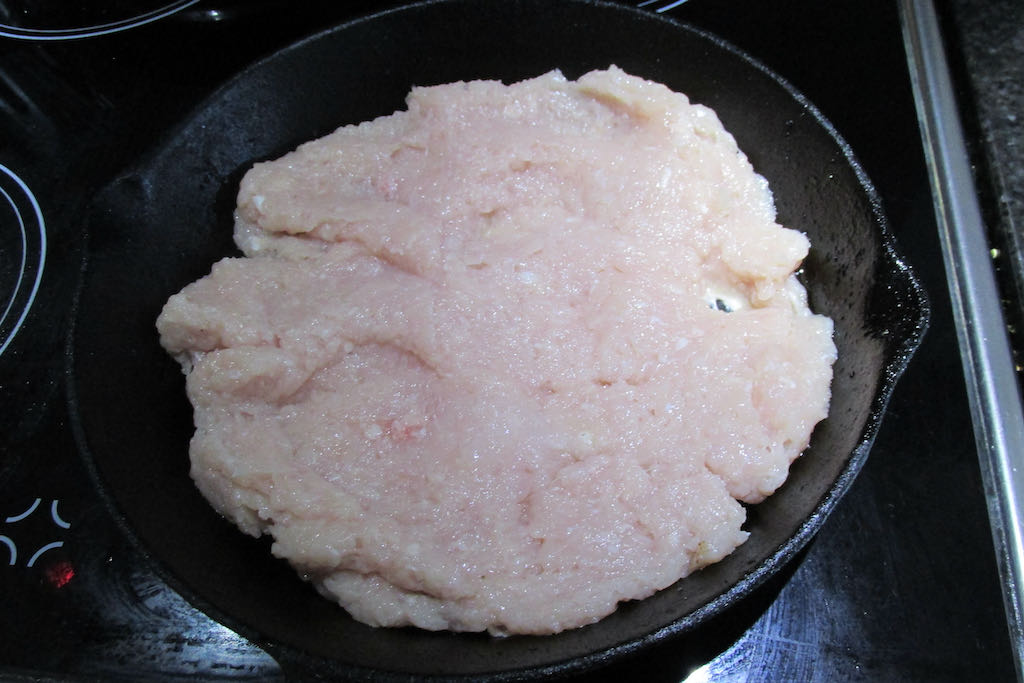
Heat some oil in a large frying pan and add the minced chicken to the pan.
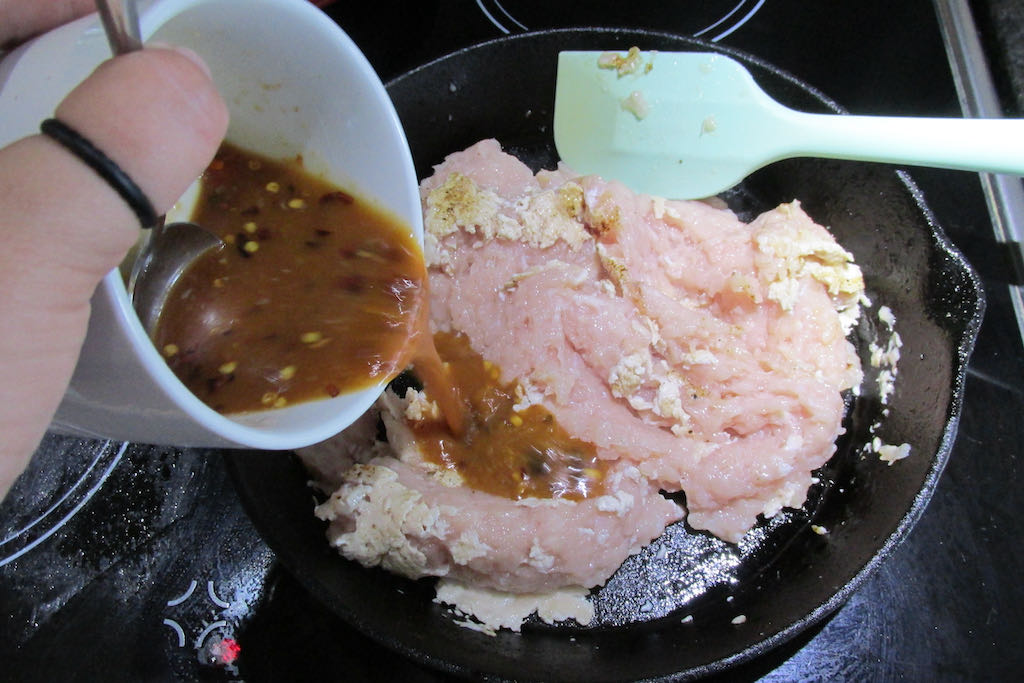
Pour the amino and chilli mixture over the chicken while it is cooking.
When the chicken is cooked, stir in the sweet chilli sauce
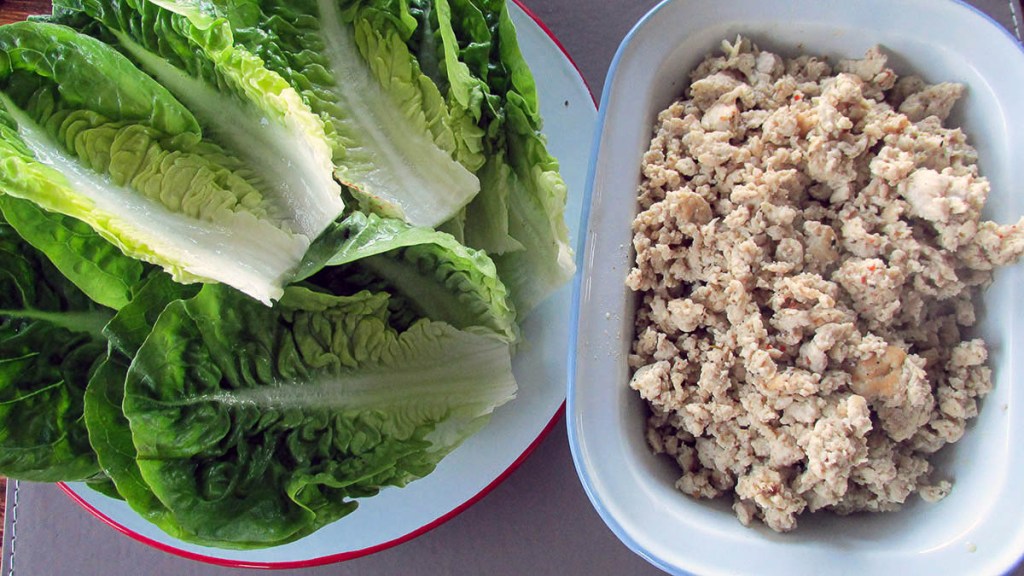
Plate up the cos leaves, spoon the cooked chicken into the leaves and serve.
In a bowl, mix the water, coconut aminos, salt, garlic, and red pepper flakes.
Cut the lettuce at the stalk and wash the leaves.
Dry the lettuce leaves and store them in the fridge with a damp towel over the top.
Heat some oil in a large frying pan and add the minced chicken to the pan.
Pour the amino and chilli mixture over the chicken while it is cooking.
When the chicken is cooked, stir in the sweet chilli sauce
Plate up the cos leaves, spoon the cooked chicken into the leaves and serve.
Nutrition
Per Serving:203 calories; 9.5g fat; 4.7g carbohydrates; 15.9g protein
Equipment
Mixing bowl
Whisk
Kitchen towel
Knife
Chopping board
Frying pan
Nutritional disclaimer
Nutrition information is provided as an estimate based on the ingredients used and available in my area (New Zealand). It is here to help you understand the recipe. I generate my estimates using MyFitnessPal. For more accurate nutritional information, please use a nutritional calculator with the ingredients in your area.
Can you believe it is 2025? I have no idea where the time is going. The last few weeks have been crazy busy at work, and non-work life has been a blur. This week I’ve had my first holiday in 3 years if you can call a 20km walk across the Tongariro Crossing as a holiday. I do; it was the first time I had been out of Auckland for over a day.
After my mini break, I had the joy of a work trip to Wellington before the end of the week, which meant I wasn’t overly enthused about spending hours in the kitchen cooking. I decided to use an easy recipe born of my laziness and a fridge raid at the end of the long Auckland Covid lockdown a few years ago.
Fridge raid
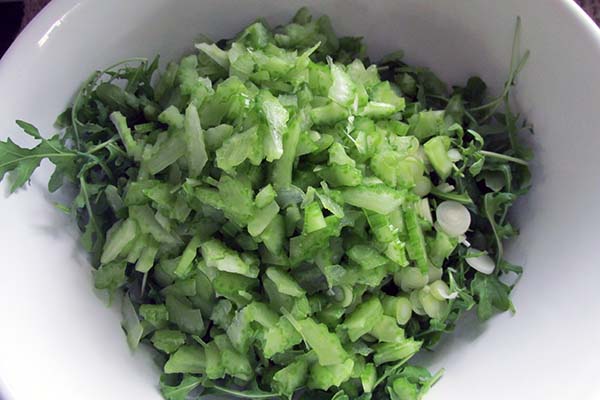
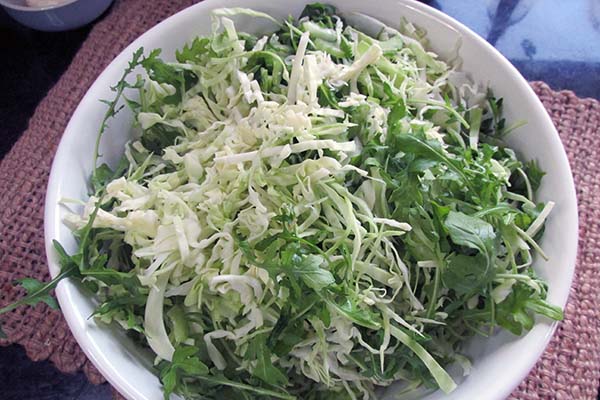
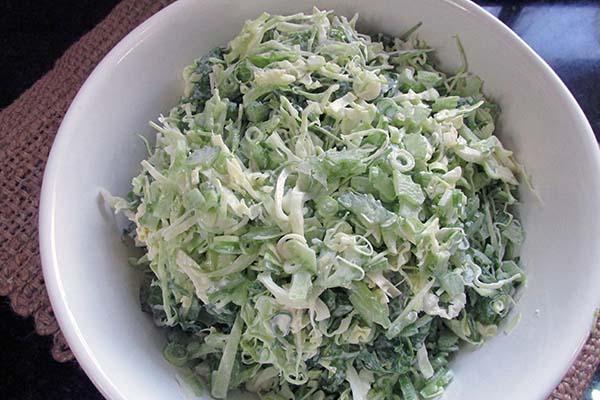
Inspirational always strikes me when I can’t be bothered to do a supermarket run but have a collection of random foods in the fridge. This is another of those kinds of recipes. A quick raid of the fridge and pantry presented the ingredients for a new type of crunchy salad to go with the chicken skewers that originally were cooking happily on the BBQ but, in this case, were ready and waiting in the fridge.
Crunch salad recipe
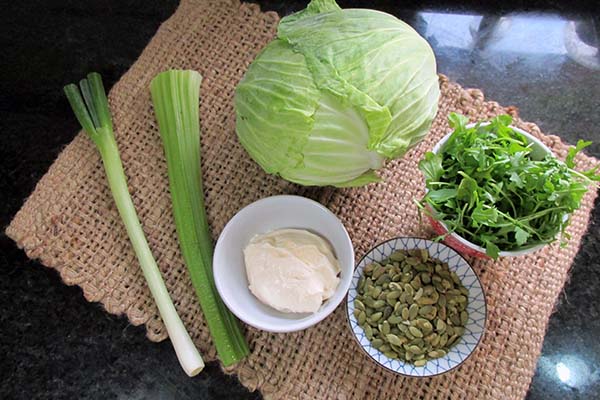
Ingredients
1/4 cup pumpkin seeds, toasted
1 head green cabbage, shredded
4 celery stalks, sliced
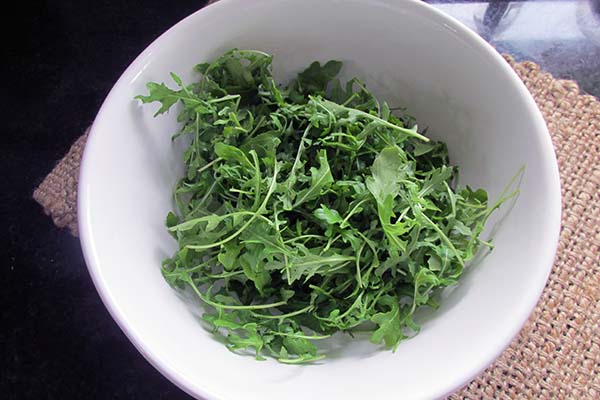
2 handfuls rocket
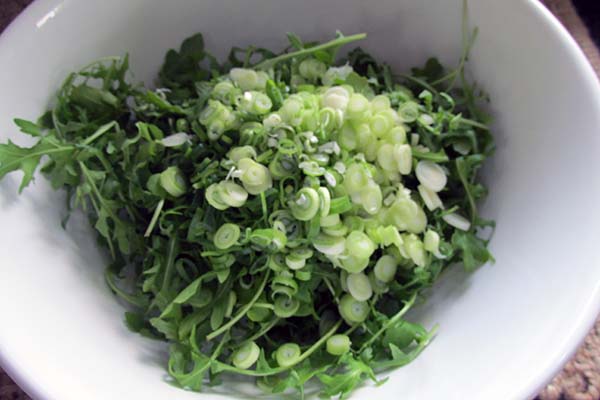
1/2 cup spring onions, sliced
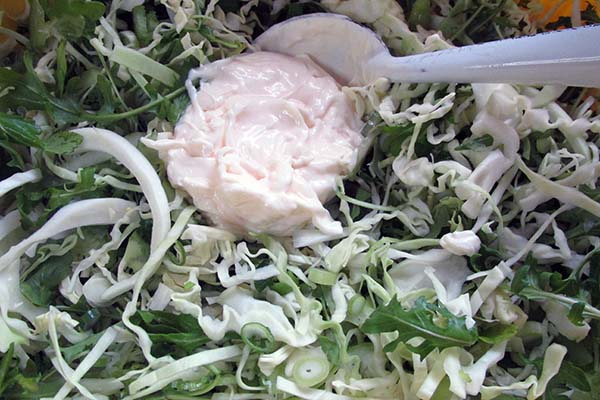
1/4 cup easy mayo
Instructions
In a large bowl mix together all of the ingredients and serve.
Per Serving: 123 calories; 9 g fat; 10 g carbohydrates; 6 g protein
Equipment
Knife
Chopping board
Measuring cups
Mixing bowl
Tongs
Nutritional disclaimer
Nutrition information is provided as an estimate based on the ingredients used and available in my area (New Zealand). The nutritional information is here to help you understand the recipe; I use MyFitnessPal to generate my estimates. For more accurate nutritional information, please use a nutritional calculator with the ingredients in your area.
I do love a good salad. Being able to put together something fresh and crunchy with a nice piece of meat might be my ideal meal. For me, salads aren’t sad bits of iceberg lettuce with a bit of tomato. They are a brilliant combination of flavours and textures.
I’m going on an adventure!!!
This week, I’m channelling my inner Bilbo, and I’m going on an adventure. Maybe I’m channelling my inner Frodo as, technically, I will be going close to Mount Doom (really known as Ngauruhoe). I’m off to do the Tongariro Crossing with a friend, which takes you past Ngauruhoe, which was where Sam and Frodo climbed to throw the one ring into the fires of the mountain. Yes, I know my geek is showing again, and I am completely fine with it. As much as I would like to climb Ngauruhoe, I would rather respect the hapū. I’ll be sticking to the Tongariro Crossing and taking as many pictures as possible of Mount Doom along the way.
With a long drive ahead and limited healthy options on the road, I’ll be taking my dinner with me to fuel up during our road trip pit stop. With summer in full swing and fresh vegetables in abundance, I’ll be packing this simple and tasty salad to keep me going on what promises to be a typical long weekend drive.
Always looking for an easy option
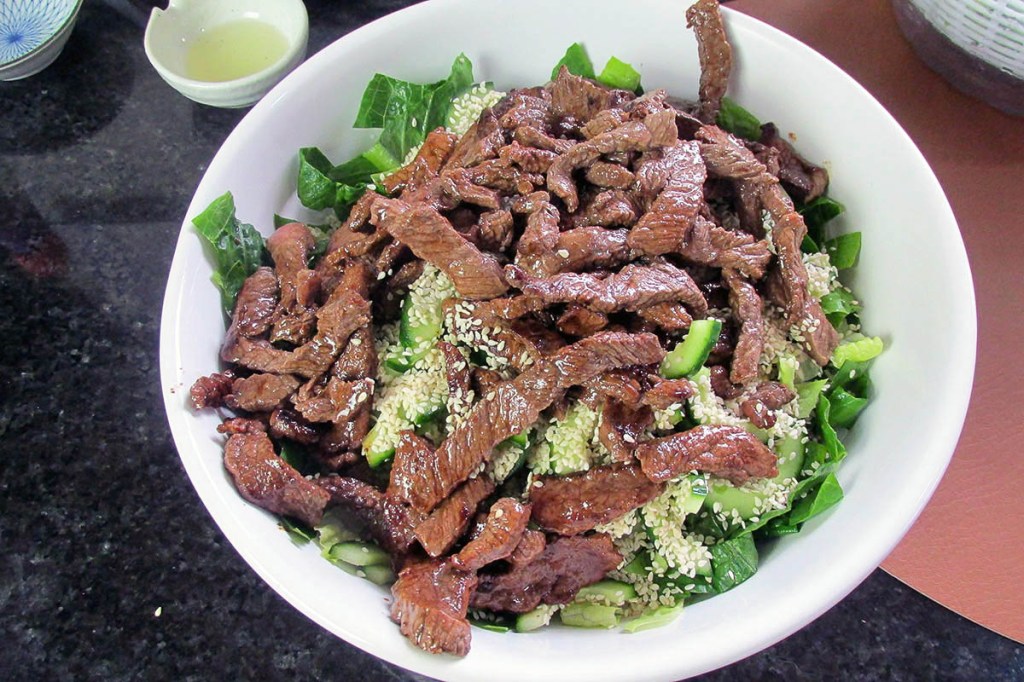
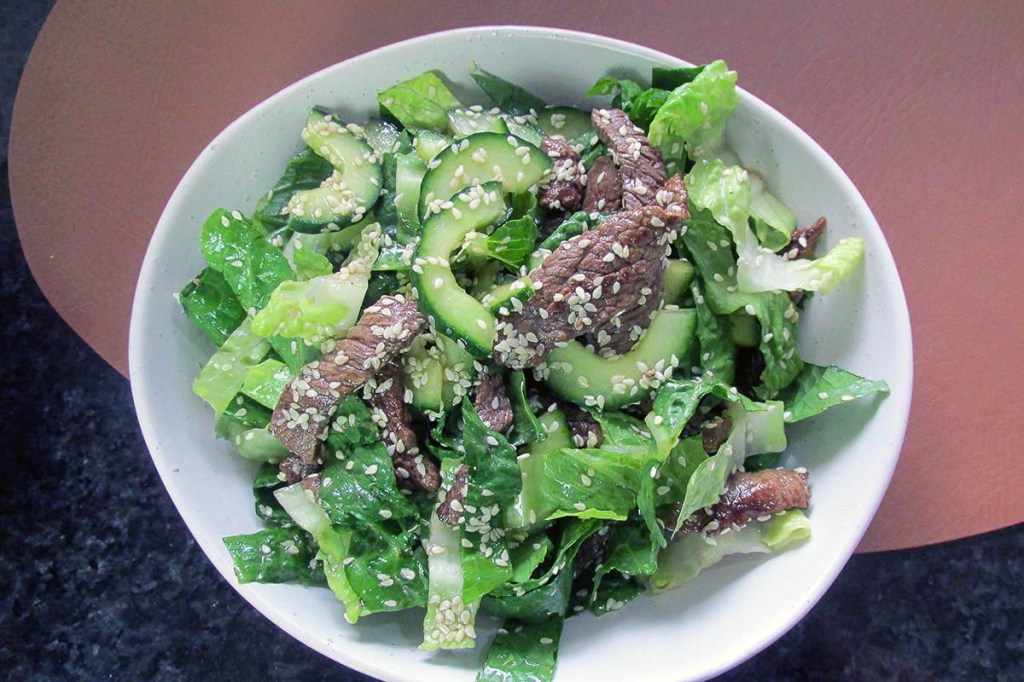
Years ago, this salad was born of my stepkids being willing to eat steak and me being unwilling to make another hot meal. In summertime in Auckland, I like to fire up the BBQ to do as much cooking and meal prep as possible on the deck. The first time I made this recipe, I had two perfectly cooked steaks from a BBQ sitting in the fridge, waiting to be made into a tasty meal. Within 10 minutes, I had a meaty salad and a set of happy campers. I warmed up the steak before I dropped dinner on the table; the instructions below tell you what you do to make this salad from scratch.
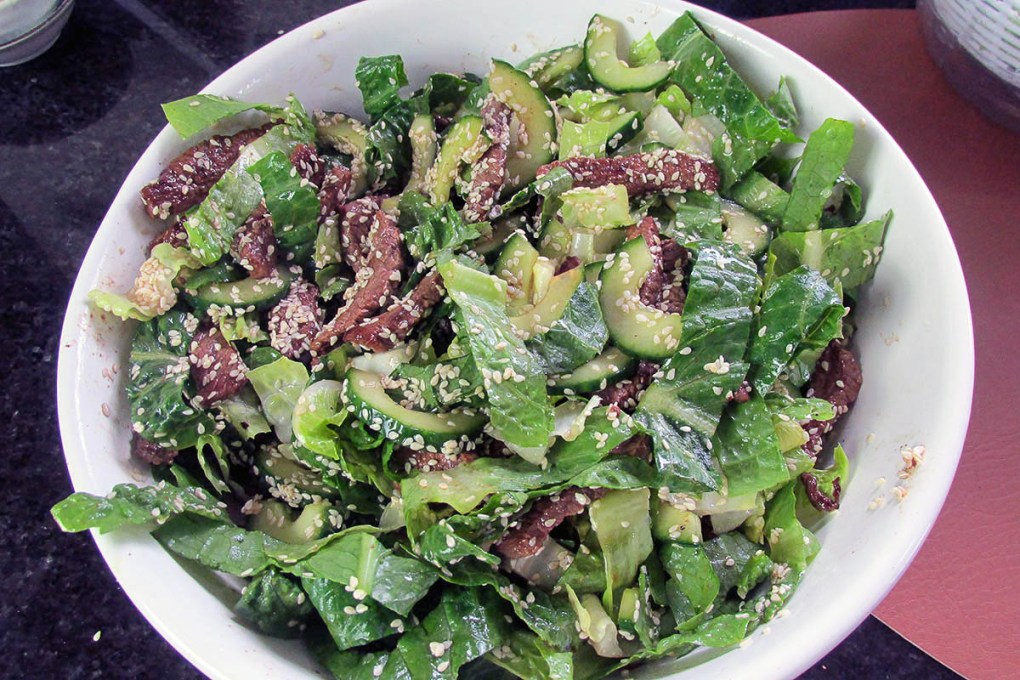
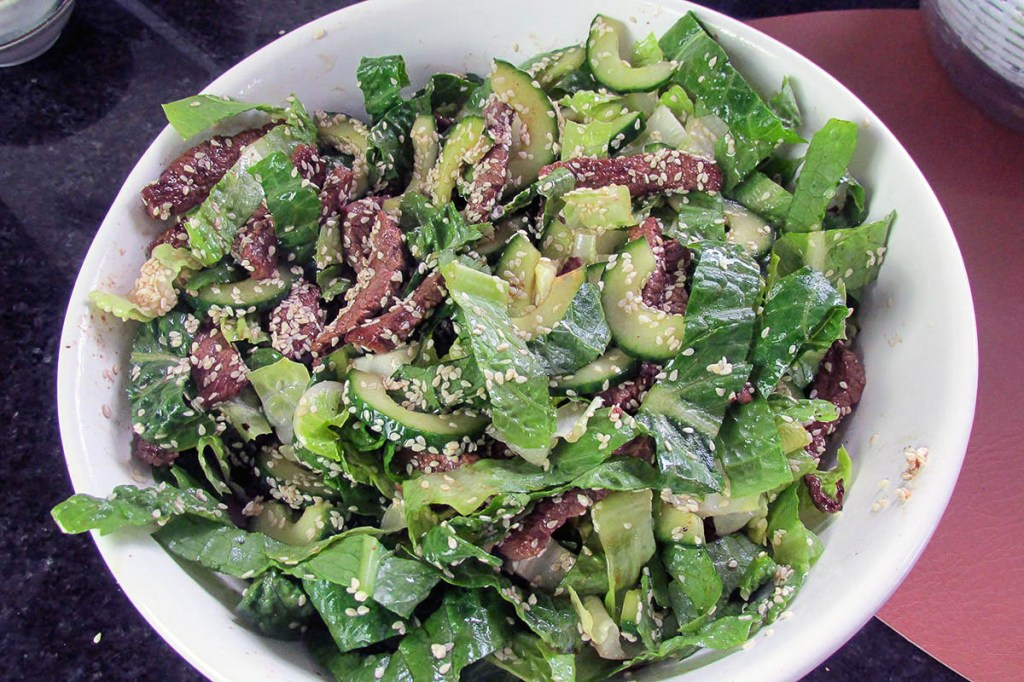
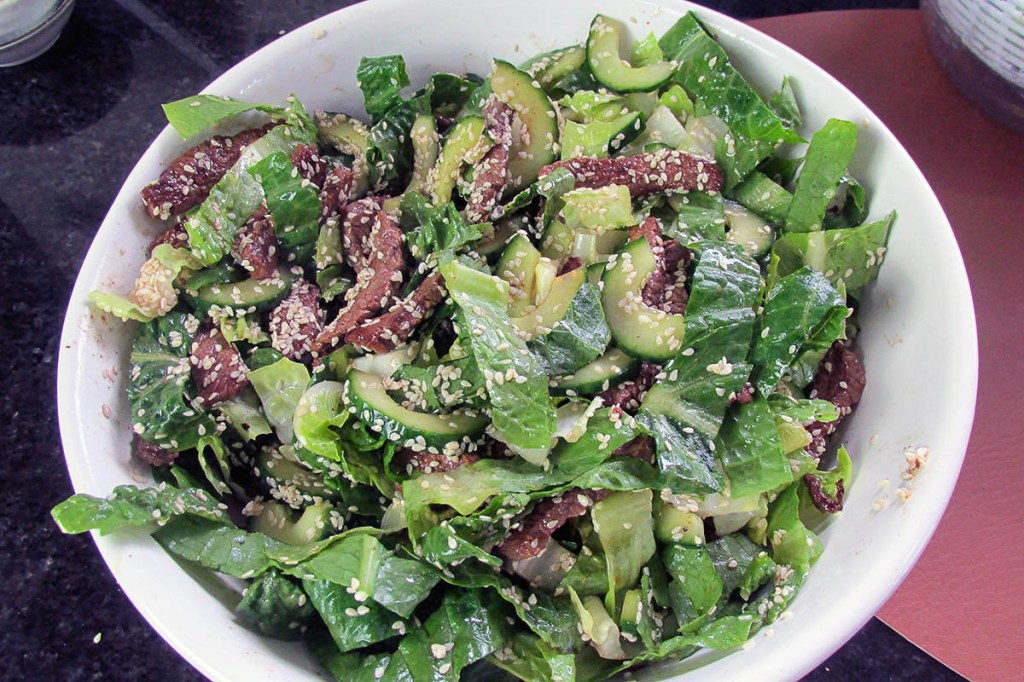
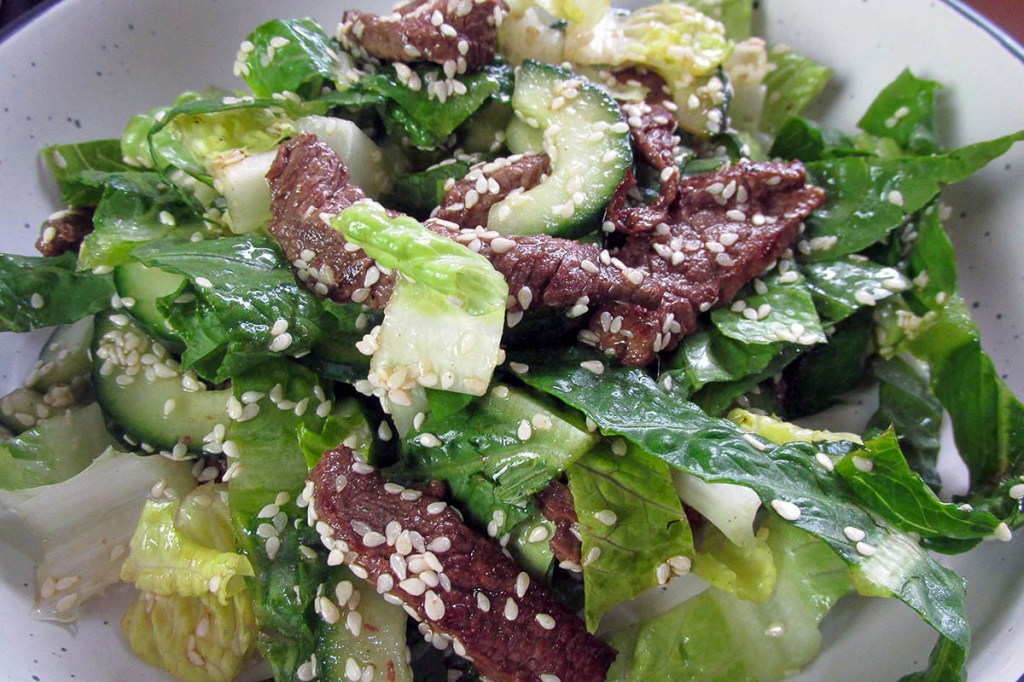
Sesame beef salad recipe
Ingredients
2 sirloin steak, sliced
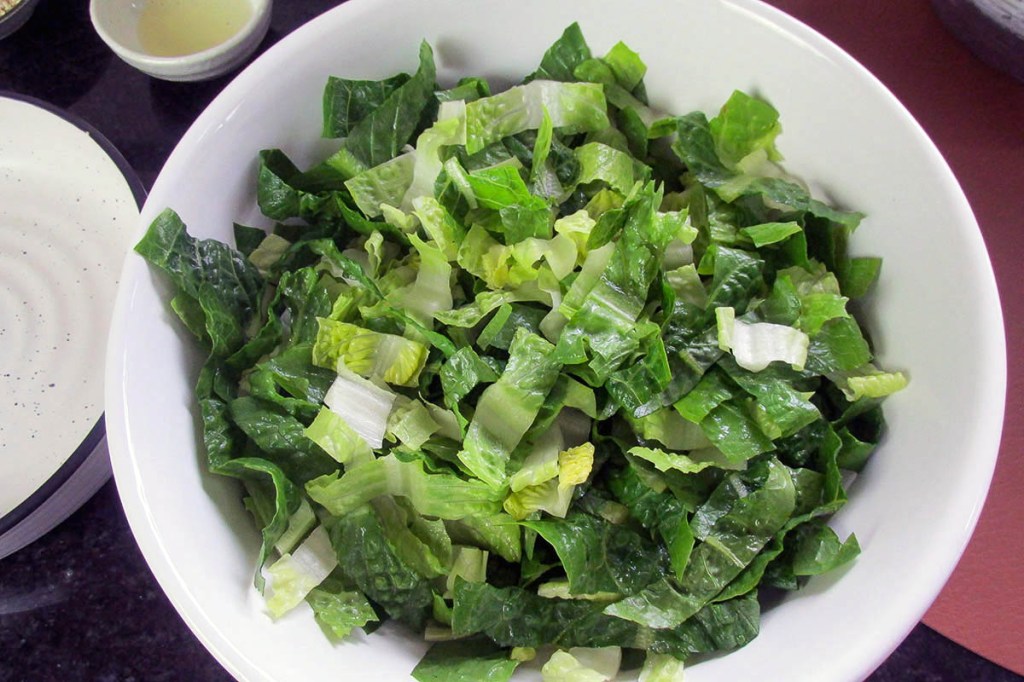
1 cos lettuce, sliced
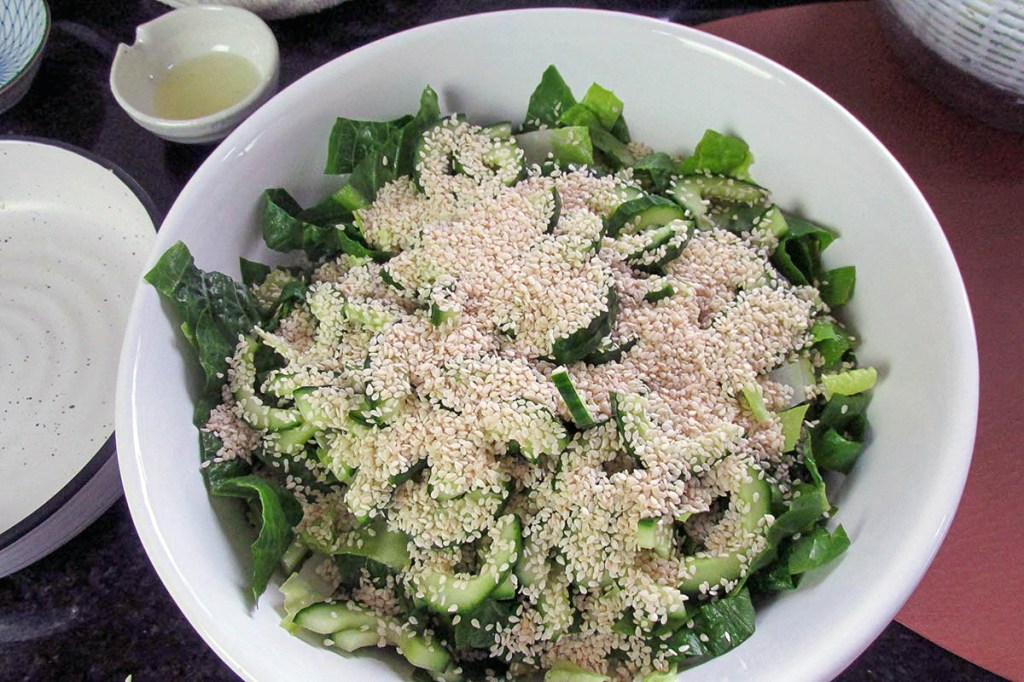
1/2 cup sesame seeds
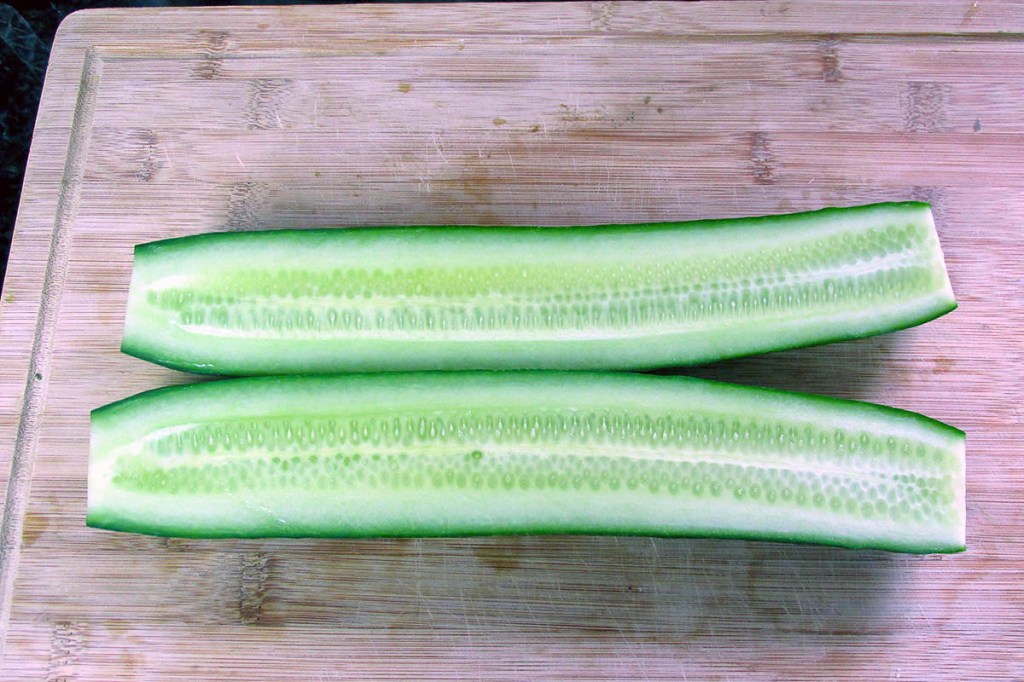
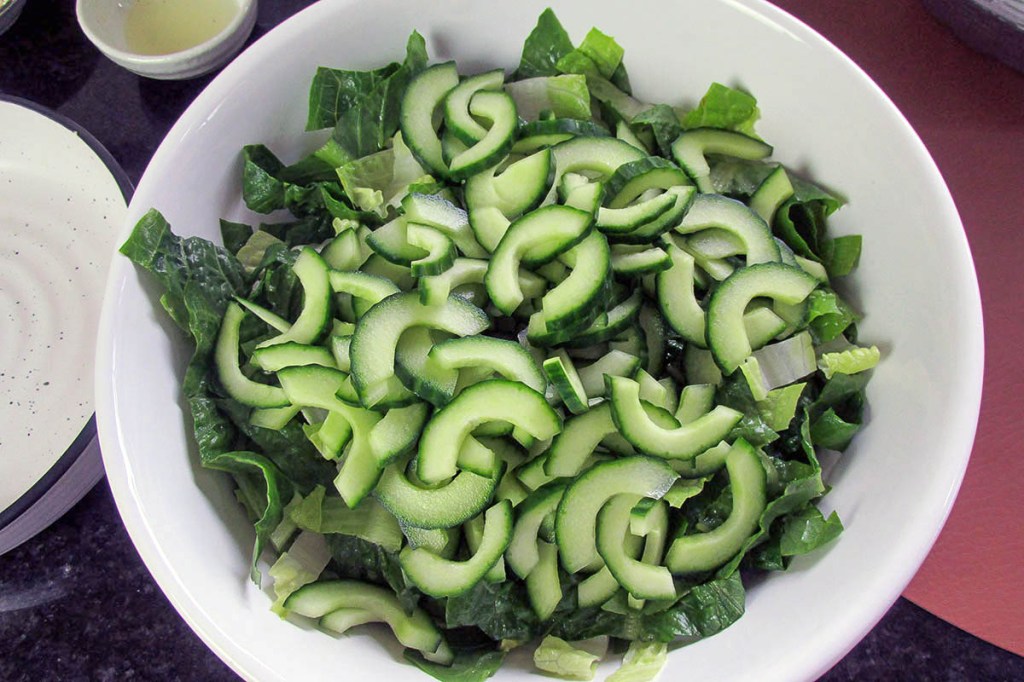
1 cucumber, seeded and sliced
1 tbsp. oil
1 tbsp. sesame seed oil
Instructions
In a bowl, mix together the lettuce, sliced cucumber and sesame seed oil.
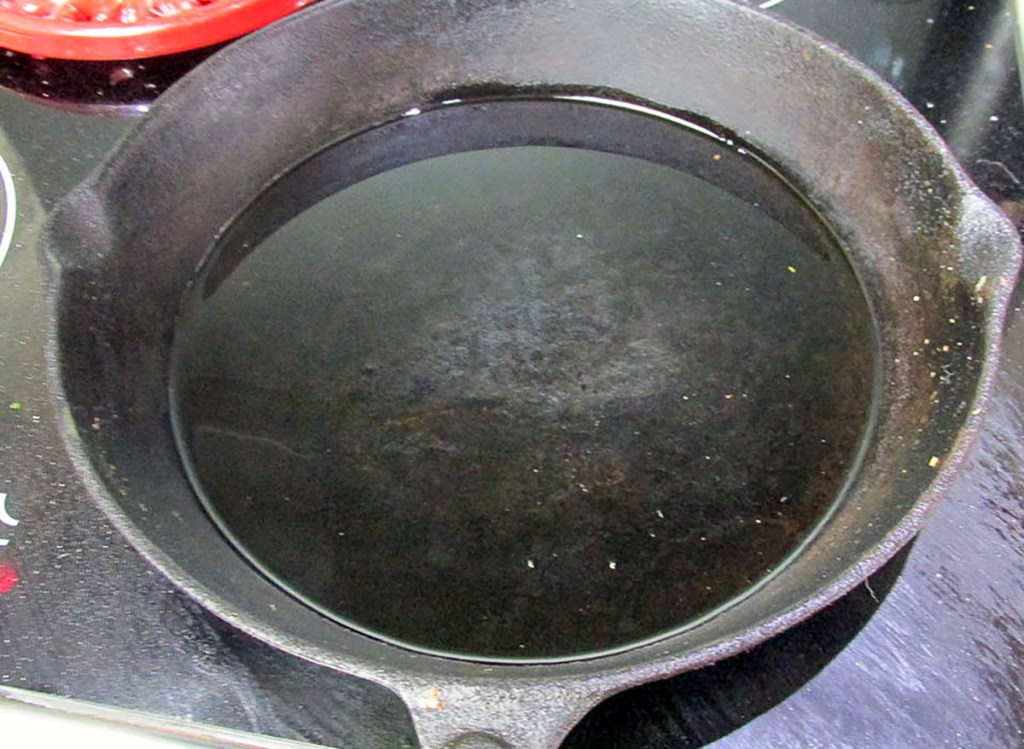
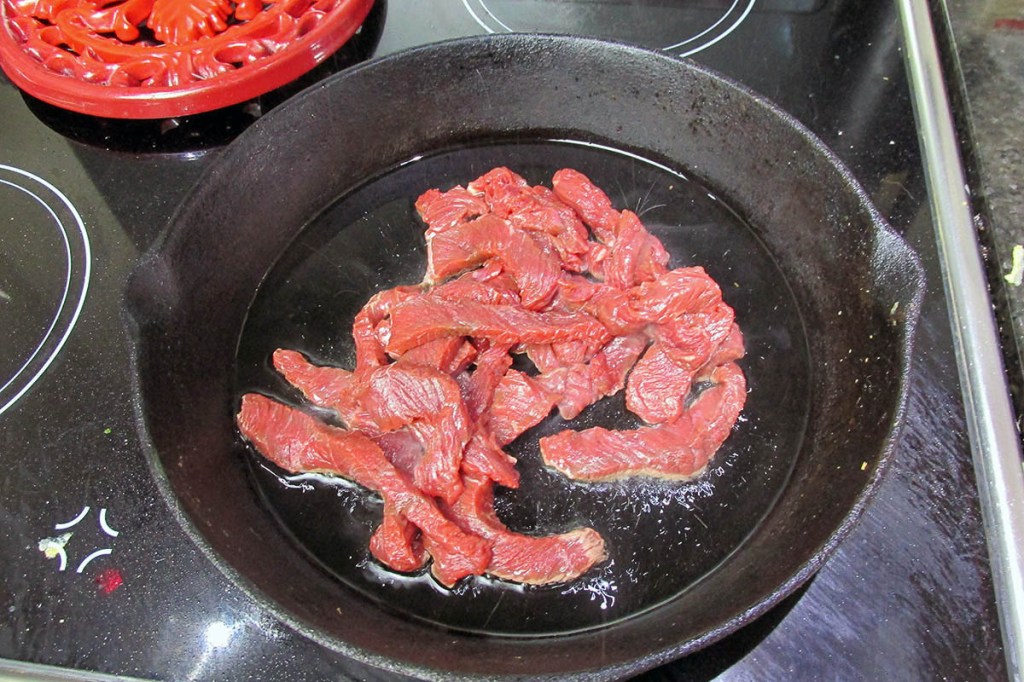
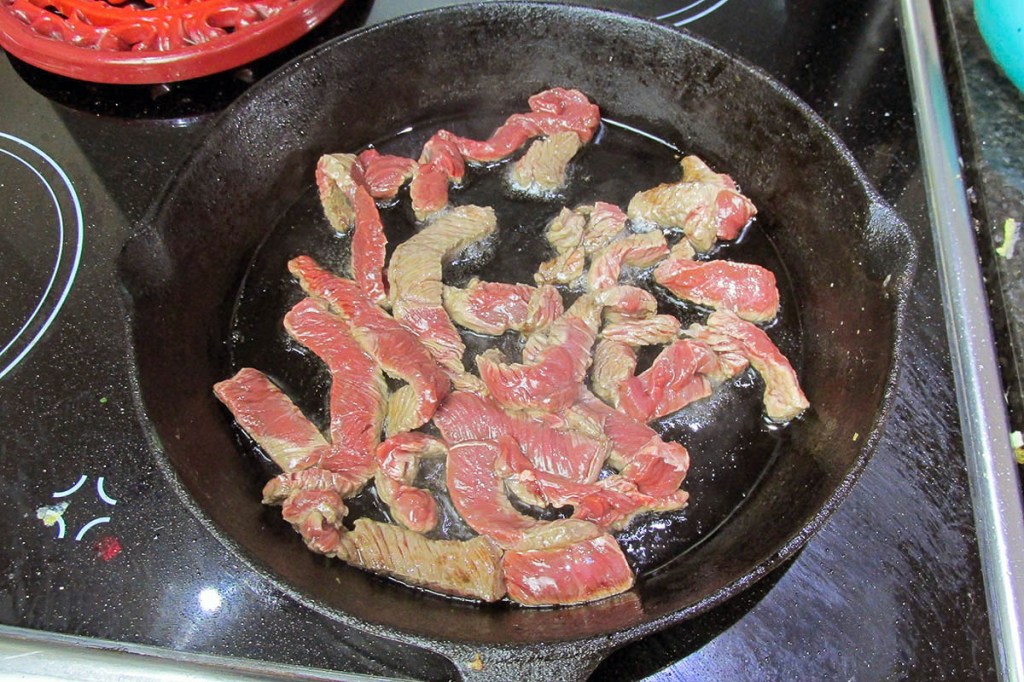
In a frying pan, heat the oil over a medium heat and fry off the steak slices, the meat should be browned on the outside,
Cook the meat in batches.
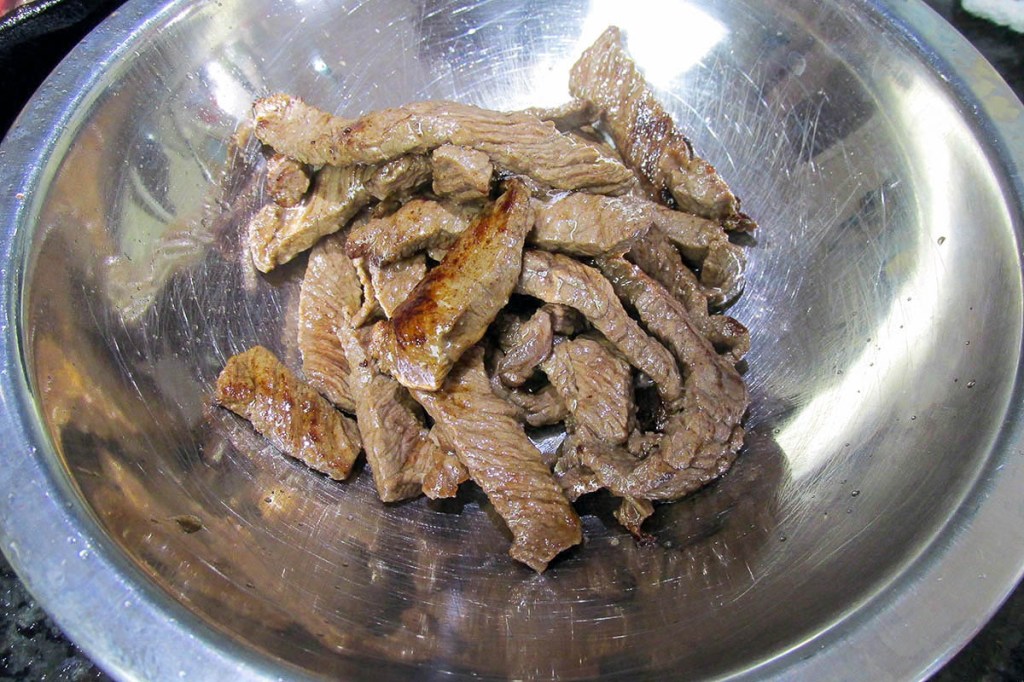
The beef should be seared on the outside and pink on the inside.
Set the beef aside to cool.
Add the beef to the salad with the sesame seed oil, toss and serve.
In a bowl, mix together the lettuce, cucumber and sesame seed oil.
In a frying pan, heat the oil over a medium heat and fry off the steak slices, the meat should be browned on the outside,
Cook the meat in batches.
The beef should be seared on the outside and pink on the inside.
Set the beef aside to cool.
Add the beef to the salad with the sesame seed oil, toss and serve.
Nutrition
Per Serving:174 calories; 11 g fat; 3 g carbohydrates; 14 g protein
Equipment
Knife
Chopping board
Frying pan
Tongs
Measuring cups
Measuring spoons
Nutritional disclaimer
Nutrition information is provided as an estimate based on the ingredients used and available in my area (New Zealand). The nutritional information is here to help you understand the recipe; I use MyFitnessPal to generate my estimates. For more accurate nutritional information, please use a nutritional calculator with the ingredients in your area.
Early in 2021, I relocated and started updating my website; I’ve been making changes and improving everything as I go. This recipe is one of the many things I’ve tried to improve.
Getting off the sugar train
Over the last year, sugar has crept back into my diet, and I’ve noticed the adverse effects of late. Between my busy work life and lots of travel for work, I have found it challenging to eat clean and stay healthy. I decided to return to the sugar-free wagon and start feeling more like myself again.
Easy snack
Apple chips are a cheap and easy snack. They make a great alternative to potato chips; they are sweet, crisp and slightly addictive. If you are looking for a way to get fruit into little people, they are a brilliant option.
Preheat your oven to 100 degrees C/ 220 degrees F.
Line two baking trays with baking paper or a silicone liner.
Cut the apples into thin slices, for uniform size slices you can use a mandolin.
Spread the apple slices on the baking trays, making sure you have no overlapping edges.
Sprinkle the ground cinnamon on top of the apples.
Place the baking trays in the oven.
Leave the chips in the oven for two hours; turn them over after the first hour.
Let the chips cool before eating.
Keep the chips in an airtight container in the fridge for up to a week
Nutrition
Per Serving: 40 calories; 0 g fat; 11 g carbohydrates; 0 g protein
Equipment
Knife
Chopping board
Mandolin
Baking tray
Baking paper or silicone liner
Nutritional disclaimer
Nutrition information is provided as an estimate based on the ingredients used and available in my area (New Zealand). The nutritional information is here to help you understand the recipe; I use MyFitnessPal to generate my estimates. For more accurate nutritional information, please use a nutritional calculator with the ingredients in your area.
One of the key things missing that I found important when removing ‘standard’ foods from my diet was knowing an alternative I could use. Many of the alternatives I discovered that were suitable for how I wanted to eat took time to discover. I considered each discovery a little triumph on my food journey. Knowing what is out there and suitable for you can be hard work. I’m all for making life easier, so here is a list of the alternative ingredients I have found and used over the years.
Removing milk – alternative coconut milk/ almond milk
Dairy is a big issue for some people. Removing milk can be challenging and take a while to get used to; having an alternative can make life much easier. Coconut and almond milk are nice alternatives available in most supermarkets and health food stores. Look for milk that doesn’t have added sugar, sweetener or preservatives; you can always make your own if you want to remove the risk of milk with added chemicals. There are other milk alternatives out there, but I highly recommend doing some interweb research on potential health impacts before you try them.
Coconut milk
Removing soy sauce – alternative coconut aminos
Coconut aminos are an excellent replacement for soy sauce. Soy is one of the most controversial foods out there; it is considered either a superfood or a hormone-disrupting poison. Instead of working through many papers that argue the pros and cons of soy and running the risk of phytoestrogens, use coconut aminos where you would normally use soy sauce. It is a nice and simple solution without compromising on flavour. Interesting facts about coconut aminos;
This is the one that I keep in my pantry use, and you can buy it in most health food stores and in some supermarkets right next to the soy sauce.
Coconut aminos
Removing flour – alternative coconut flour
Often, getting rid of wheat and grains from your diet is one of the hardest things for people to do (it was for me – oh, bread, how I loved thee). To help ease the transition, you can now access a range of grain-free flours. As I have a nut allergy, I was limited to coconut flour or gluten-free mixes, which can include extra chemicals. Coconut flour has been my primary flour as a replacement. It pays to remember that coconut flour is not the same as wheat-based flour; after much experimentation, I have found a simple formula that you can apply when using coconut flour.
Other alternatives to standard flours include almond flour, tapioca flour, and many other non-grain flours; a suitable alternative often depends on what you are trying to make. I recommend experimenting to find out which flours work best for you and the food you are making.
Coconut flour
Removing sugar – alternative honey or maple syrup
Sugar is addictive and in everything nowadays (seriously, check out the label on pretty much anything in your fridge or pantry). Removing sugar can be hard, and once it’s gone from your diet, it does not mean the craving for something sweet will go away. Honey and Maple syrup are better options when you compare them gram for gram against sugar.
Both are sweet, but without that sickly sweetness you get with processed sugar, some honey is good for you (UMF honey and benefits). Other replacements include stevia and coconut sugar. The thing to keep in mind is that sugar-free doesn’t mean calorie-free; treats sweetened with sugar alternatives should be enjoyed in moderation.
Maple syrup
Removing rice and couscous – alternative cauliflower
Replacing rice is simple when you embrace cauliflower; it is much more versatile than you think. Grating or chopping your cauliflower gives you a rice grain texture that you can use in most of the same ways you would use rice. The bonus is that it is easy to cook and is lower-calorie than rice. It goes great with curry, as a side, fried rice, stuffing for peppers and even cold as a replacement for cous cous.
Slowly but surely, New Zealand supermarkets started to have limited supplies of spaghetti squash at the end of summer. There was a time (not too long ago) that if you want spaghetti squash, you need to grow it yourself (and I did). The squash gets its name from the spaghetti strands you get when cooked. It has a mild flavour and goes with sauces, meat, and eggs. The bonus is you get an extra vegetable portion with your meal.
Spaghetti squash
Removing pasta and noodles – alternative coodles
Replacing pasta may seem difficult, but it isn’t. Coodles (carrot and courgette noodles) are perfect for filling the gap left in your life by pasta and noodles. Just like cauliflower, coodles are versatile; cut them julienne and you have noodle or pasta strands; cut in strips, you have replacement lasagne sheets or something to put your stuffing in for ravioli or use a spiraliser, and you have little pasta shapes. They are quick to cook and are another sneaky vegetable hit for your meal. Coodles
Zoodles/Coodles
Removing vegetable oil – alternative coconut oil
There are so many oils out there to choose from it could make you dizzy. You can spend hours reading about the pros and cons of vegetable oil, soybean oil, sunflower oil, canola oil, and corn oil. I could go on, but I won’t. Coconut is, as far as I can tell, the best option. It gets a bad reputation because of the saturated fat it contains, but when you compare it to all the other oils out there, it comes out on top. A bonus is you can use it for your skin and hair, not just for cooking.
Coconut oil
Removing margarine – alternative ghee or butter
Replace your margarine now! It is highly processed and in no way good for you. Replace it easily with ghee or butter. Ghee is clarified butter and is considered by most to be Paleo-friendly, as it has a lot of the impurities in butter removed from it; if you have issues with dairy products, this is the best option. If you don’t have any issues with dairy products, use organic/grass-fed butter. I look for unsalted butter, which you can use for things like bulletproof coffee..
Removing standard/ lower quality meats – alternative organic, grass-fed and free-range meats
We are reasonably fortunate that here in New Zealand, we have some of the best meat products in the world. Unlike other countries, our meat is reared, as it should be, not fed grains like corn; they graze on grass all day long as animals are supposed to do. Mass-produced meat, generally speaking, is not fed on the right things and is usually of much lower quality. Organic, free-range, and grass-fed meats cost more, but it is worth it. In the long run, the meat you get is of better quality and tastes better, and often, you don’t need as much of the meat because there is less water and fat in the meat.
Grass-fed steak
Removing potatoes – alternative sweet potatoes
Potatoes comprise a large part of many people’s diets, especially when you look at the amount of French fries, potato chips, and mashed potatoes we eat. “Meat and two veg” is a common approach to a meal; more often than not, potatoes are one of the veg. Removing them from your diet can be challenging. Thankfully, a helpful tuber is here to help. The Sweet Potato/Kumar is a popular Kiwi option that can replace your normal nightshades. You can use them for chips, potato chips, mash, and hash browns; you can even eat them raw.
Northland sweet potato/kumara
Removing peanut butter – alternative nut and seed butter
Let’s get this straight: peanuts are not nuts. They are legumes (think beans and lentils). You can make your own decision about legumes, but Peanut butter is not an option for me. More people have issues with sensitivities and allergies to things like legumes and nuts, so you may need to find an alternative. Thankfully, there are a few tasty alternatives out there. If you are good with eating nuts, you can replace your peanut butter with Almond or Cashew Butter; for those wanting a nut-free option, try Sunflower or Pumpkin Seed Butter. You can use these butters as one-to-one ratio replacements in recipes or just eat them out of the jar if that is how you like it. Sun Butterrecipe
Homemade sunflower seed butter
Removing store-bought mayo – alternative homemade mayo
You may not realise it, but store-bought mayo isn’t what you think it is; often, it’s made with ingredients you wouldn’t typically put in mayo. Store-bought mayo is increasingly made with soya bean oil and has sugar added. Making mayo is simple (seriously, even kids can do it); the beauty is that you know exactly what is going into your mayo. Here is a simple and foolproof recipe to try
Please don’t hate me. I’m not saying never to have chocolate again. Next time you get a craving, take a look at the back of your chocolate bar before buying it. Milk chocolate is loaded with milk and sugar; most brands also contain extra ingredients like soy. The good news is that chocolate itself is good for you; it has antioxidants that will do you good. Raw cacao is a great replacement; it tastes good, and you can make your own chocolate from it. Making the change means you get all the chocolate goodness without all the added nastiness. See, that was not as bad as you thought.
Raw cacao powder
Removing cage eggs for organic free-range eggs
ree-range and organic eggs are better in many ways, not just for us but also for the chickens. Chickens are born to walk around, peck in the grass, eat bugs and plants, and not live in a dark barn without room to move around or, be locked in a cage or eat grains. The quality of organic and free-range eggs is so much better than caged eggs; moving over to free-range eggs is beneficial for you and the chickens; they do cost more, but they are worth the extra cash when you can taste the difference in quality.
Free range egg
Do you have alternatives?
If you have other alternatives that you have found helpful in your diet, let me know in the comments below.
Cards on the table I hate coming home from a busy day and knowing I have to walk into the kitchen at 7 pm, cook a full meal, and then clean up. Don’t get me wrong; I love cooking, and it gives me the joy to create a beautiful meal for my family. After a 10-hour day at work, an hour commute home, and a heavy workout, cooking is not much joy. I am usually borderline hangry at the end of a long day, and I want my food as fast as possible.
This is where having a slow cooker comes into its own; I know that I can walk in and find a meal that is cooked, hot and ready to serve. That means food is served as soon as we are willing to sit down, not 30 to 60 minutes later.
Ready for a comfort meal
It has been a bit frantic at work of late, I knew that this week was going to be a rough one so I planned something comforting for dinner today to help wind down for the week. Before starting work today I put my pork chops and sauce in the slow cooker and set it up for a long slow cook. Don’t you love the delayed start function on slow cookers? Coming home to perfectly cooked chops ready to serve up was just what was needed.
Whisk together the coconut aminos, honey, tomato puree, coconut vinegar, garlic, and pineapple juice.
In a separate bowl mix together the tapioca flour and water, whisk well so that there are no lumps in the liquid.
Add the flour mixture to the sauce and whisk well.
Pour half of the sauce into the bottom of your slow cooker.
Place the pork chops into the sauce and place the pineapple slices on top of the chops.
Pour the remaining sauce over the chops and pineapple slices.
Cook the chops for 3-4 hours on high or 6-8 hours on low setting.
Serve hot over the cauliflower rice and garnish with the chopped coriander.
Nutrition
Per Serving:325 calories; 7 g fat; 31 g carbohydrates; 36 g protein
Equipment
Measuring spoons
Measuring cups
Whisk
Mixing bowl
Spoon
Nutritional disclaimer
Nutrition information is provided as an estimate based on the ingredients used and available in my area (New Zealand). The nutritional information is here to help you understand the recipe; I use MyFitnessPal to generate my estimates. For more accurate nutritional information, please use a nutritional calculator with the ingredients in your area.
I have been on a mission this year to make simple but tasty meals. The aim was to create recipes that can be prepared and cooked quickly on a busy weeknight.
We all struggle to make healthy and tasty meals while keeping on top of everything else in life.
This recipe is healthy, delicious and easy to make; you can cook on a single tray in the oven. The preparation takes no more than 20 minutes, that is all of the slicing, dicing and mixing.
Each meal is portioned to feed four adults.
Two for one
A recent trip to visit my mother in law (Hi Sue) presented me with a two for one opportunity. We have been eating lemons from the trees up North for a while now. The lemons are coming to an end now; I wanted to use them for something other than lemon curd. Sue loves salmon (as do most of us), so we wanted to give her a little treat why not use the last of the lemons with some salmon steaks?
More goodies
I could have done the boring thing and just sliced the lemon and baked them together, but I wanted to try something new.
A quick rummage around the garden and pantry scored some fresh parsley and garlic. A quick smash together with some butter gave me a thick paste, a generous spread of the paste over each salmon steak, and the salmon was ready for the oven.
Lemon garlic herb crusted salmon recipe
Ingredients
4 Salmon fillets
1 tbsp. dill
1 tbsp. chives
1 tbsp. basil
1 garlic clove
Zest of a lemon
Salt and pepper
85g Butter
Instructions
Line a baking tray with some baking paper or a silicone liner; and place the salmon fillets on the tray.
Take the remaining ingredients and place them in a small saucepan or the microwave safe bowl.
Gently heat the ingredients in the saucepan over a low heat, stir everything together as the butter melts.
Or melt the butter in the microwave and add the herbs, lemon and garlic to the butter.
When the herb butter is melted, mix it all together.
Spread the herb butter over the top of each fillet evenly.
Bake the salmon at 200 degrees C/ 400 degrees F for 10 to 20 minutes, this will depend on the size of the fillets.
This simple meal doesn't take long to make and is a great way to make use of seasonal lemons
Credit: Cath @ easycleaneats
Ingredients
4 Salmon fillets
1 tbsp. dill
1 tbsp. chives
1 tbsp. basil
1 garlic clove
Zest of a lemon
Salt and pepper
85g Butter
Directions
Line a baking tray with some baking paper or a silicone liner. and place the salmon fillets on the tray.
Take the remaining ingredients and place them in a small saucepan or the microwave safe bowl.
Gently heat the ingredients in the saucepan over a low heat, stir everything together as the butter melts.
Or melt the butter in the microwave and add the herbs, lemon and garlic to the butter.
When the herb butter is melted, mix it all together.
Spread the herb butter over the top of each fillet evenly.
Bake the salmon at 200 degrees C/ 400 degrees F for 10 to 20 minutes, this will depend on the size of the fillets.
Serve with a fresh salad or greens.
Nutrition
Per Serving: 402 calories; 31 g fat; 4 g carbohydrates; 29 g protein
Equipment
Zester
Bowl
Fork
Knife
Chopping board
Baking tray
Baking paper or a silicone liner
Spoon
Measuring spoons
Nutritional disclaimer
Nutrition information is provided as an estimate based on the ingredients used and available in my area (New Zealand). The nutritional information is here to help you understand the recipe; I use MyFitnessPal to generate my estimates. For more accurate nutritional information, please use a nutritional calculator with the ingredients in your area.
Don’t worry, I did not have a brain fart or spell that wrong; I meant to put magel. What the hell is a magel? You may be asking yourself. The easy answer is it is a bagel made out of meat, hence m-agel.
Meat with everything
I know it is an out-there idea, but the magel works when you don’t have grains as part of your diet and really want something to spread cream cheese on for breakfast. I know that there is no real alternative or replacement for bread in life, but I think that replacing bread products with cauliflower, coconut or meat may be the future.
I have tried several ways to create a bagel without grains and have to be honest; it has never ended well. There have been a few times I feared for my teeth and even more times that my taste buds have flat out said no.
I can’t say that the magel is the best replacement for the traditional bagel, but it is probably my favourite so far. If that changes, I will keep you posted.
This meaty treat is a great and filling way to start your day. The high protein breakfast is perfect for a lazy.
Sunday morning when you want something other than pancakes.
I like to add some chipotle powder to mine to give them a little kick if you don’t like spice or have kids that don’t like it you can leave it out. I love to pair my magel with a generous helping of cream cheese and fried egg with a perfectly runny yolk.
Magel recipe
Ingredients
1/2 onion finely diced
1 tbsp. butter
500g minced pork
2eggs
2 tbsp. Tomato sauce
1 tsp. Paprika
1 tsp. Salt
1/2 tsp. Ground pepper
1 tsp. chipotle powder
Preheat the oven to 180 degrees c/ 350 degrees f.
Line a baking tray with baking paper or a silicone liner .
In a frying pan sauté the onions over medium heat with some butter until they become translucent.
Remove the onions from the pan and allow them to cool before adding them to the meat.
Mix together all the ingredients in a large bowl; make sure all the ingredients are evenly distributed.
Divide the meat into 6 portions, roll into balls then flatten down on the baking dish then create a hole in the centre to form the magel.
Bake for 40 minutes or until the meat is fully cooked.
Allow the magels to cool slightly before slicing in half.
What the hell is a magel? you may be asking yourself. Easy answer it is a bagel made out of meat, hence m-agel.
Credit: Cath @ easycleaneats
Ingredients
1/2 onion finely diced
1 tbsp. butter
500g minced pork
2eggs
2 tbsp. Tomato sauce
1 tsp. Paprika
1 tsp. Salt
1/2 tsp. Ground pepper
1 tsp. chipotle powder
Directions
Preheat the oven to 180 degrees c/ 350 degrees f.
Line a baking tray with baking paper or a silicone liner .
In a frying pan sauté the onions over medium heat with some butter until they become translucent.
Remove the onions from the pan and allow them to cool before adding them to the meat.
Mix together all the ingredients in a large bowl; make sure all the ingredients are evenly distributed.
Divide the meat into 6 portions, roll into balls then flatten down on the baking dish then create a hole in the centre to form the magel.
Bake for 40 minutes or until the meat is fully cooked.
Allow the magels to cool slightly before slicing in half.Allow the magels to cool slightly before slicing in half.
Serve with cream cheese, fried eggs and bacon.
Nutrition
Per Serving: 150 calories; 7.6 g fat; 0.7 g carbohydrates; 19.7 g protein
Equipment
Baking tray
Baking paper or a silicone liner
Frying pan
Spatula
Mixing bowl
Measuring cup
Measuring spoons
Scales
Nutritional disclaimer
Nutrition information is provided as an estimate based on the ingredients used and available in my area (New Zealand). The nutritional information is here to help you understand the recipe; I use MyFitnessPal to generate my estimates. For more accurate nutritional information, please use a nutritional calculator with the ingredients in your area.