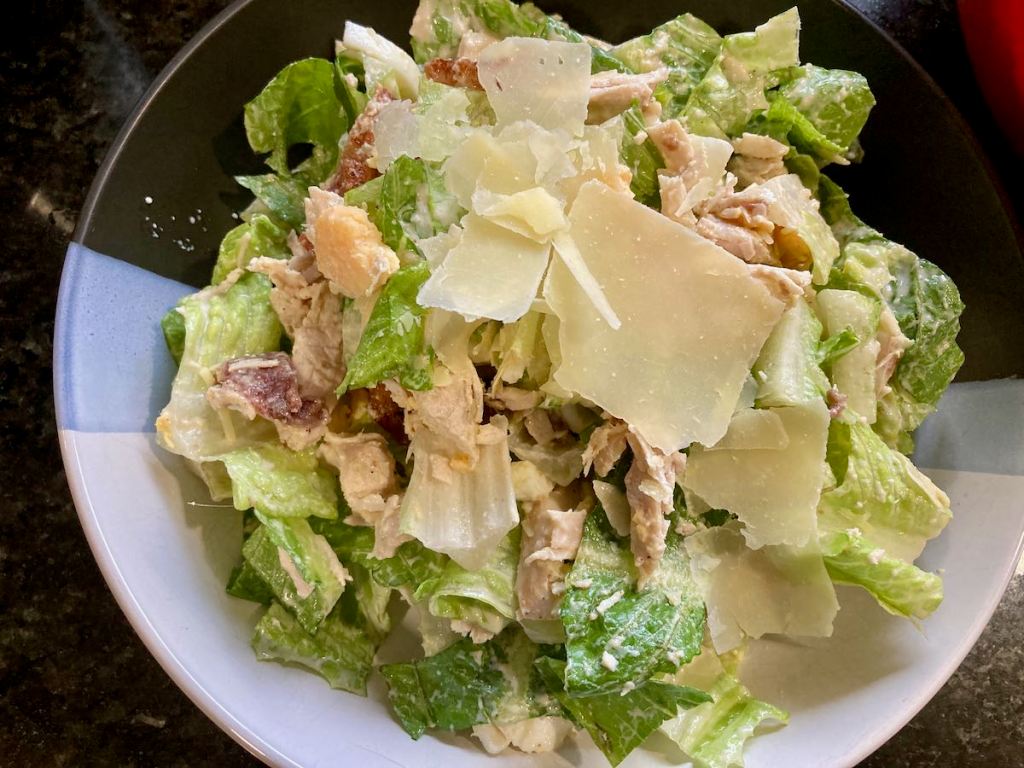
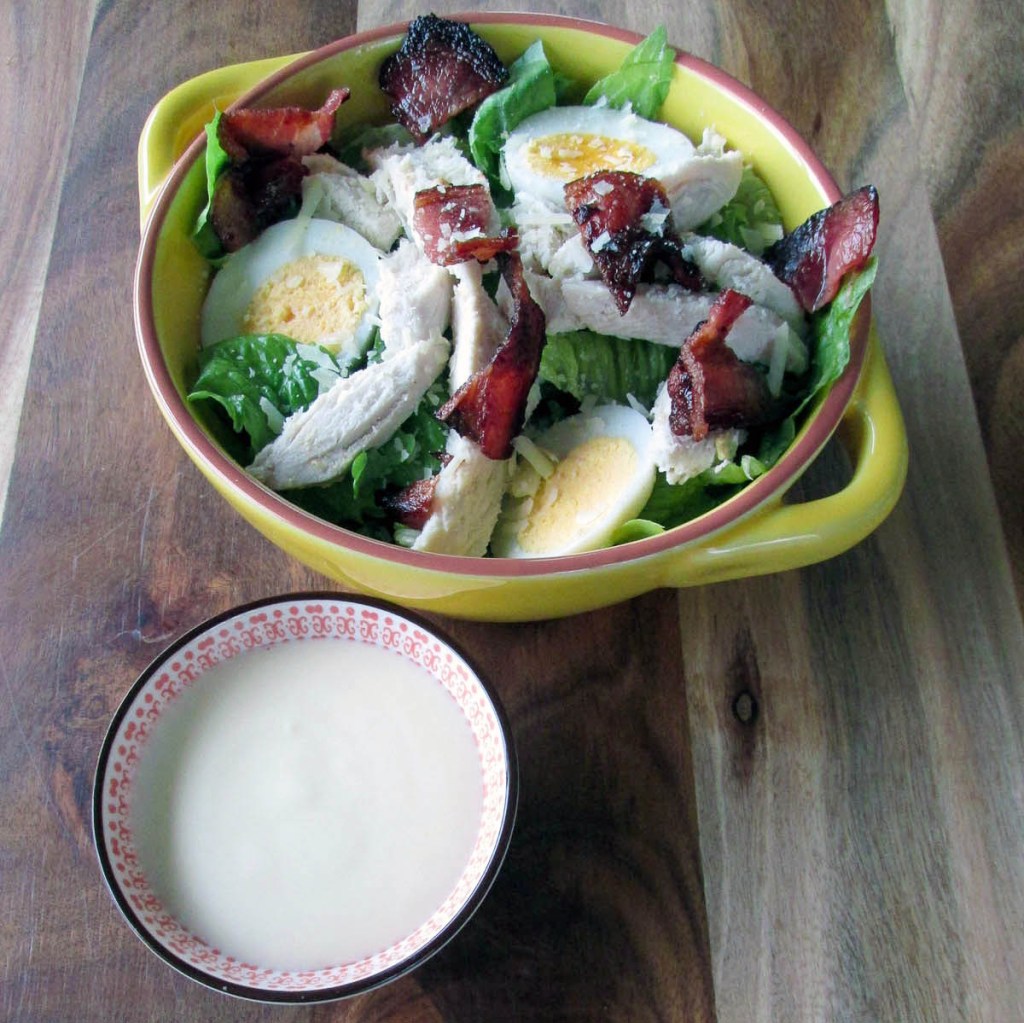
Thai inspired pork and veggie meatballs

Nut-free option

I am one of those unfortunate people that are allergic to not only peanuts but also tree nuts. When it comes to food options, not having nuts on the menu can be challenging at times and frustrating at others. There are so many foods I would love to try or eat regularly but will never get the chance, thanks to nuts. Not eating nuts doesn’t have to be the end of the world; there are always replacements and alternatives that mean you can have a nut-free option. This recipe is my attempt to create a nut-free version of a usually nut-packed recipe.
Make a big batch

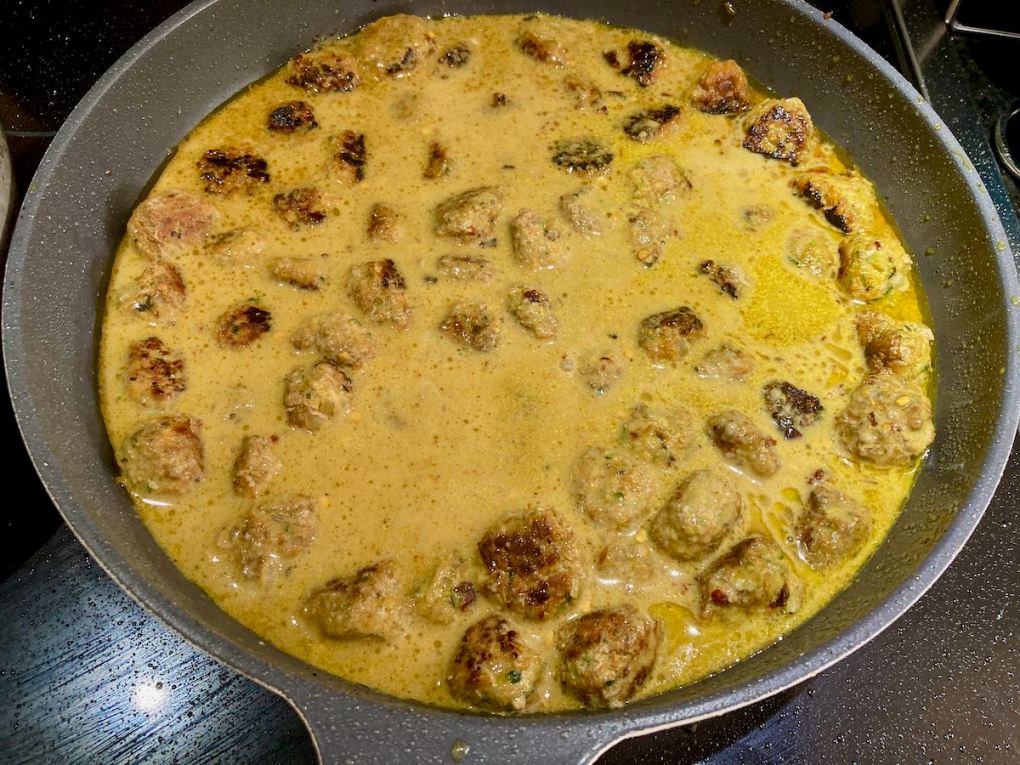
These meatballs were one of our staples back in the day; I would make double batches of them and stuff them in the freezer ready for cooking when things got busy. These meatballs are jam-packed with flavour and go great with my satay-style sauce.

Thai-inspired pork and veggie meatballs recipe
Ingredients

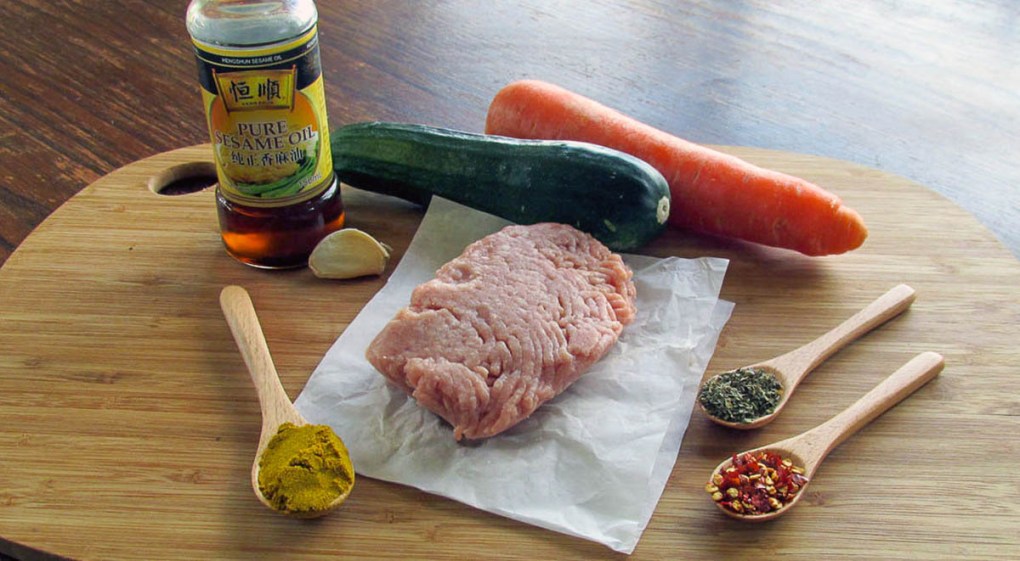
  • 2 courgettes, grated
  • 2 carrots, grated
  • 450g pork mince
  • 250g chicken mince
  • 1 tbsp. ginger, grated
  • 1 tsp. sesame oil
  • 2 tbsp. fresh basil, minced
  • 2 garlic cloves, minced
  • 1 tbsp. curry powder
  • 1/2 tsp. red chilli flakes
  • salt and pepper, to taste
  • Satay Style Sauce

Instructions

Preheat the oven to 175 degrees C/350 degrees F.

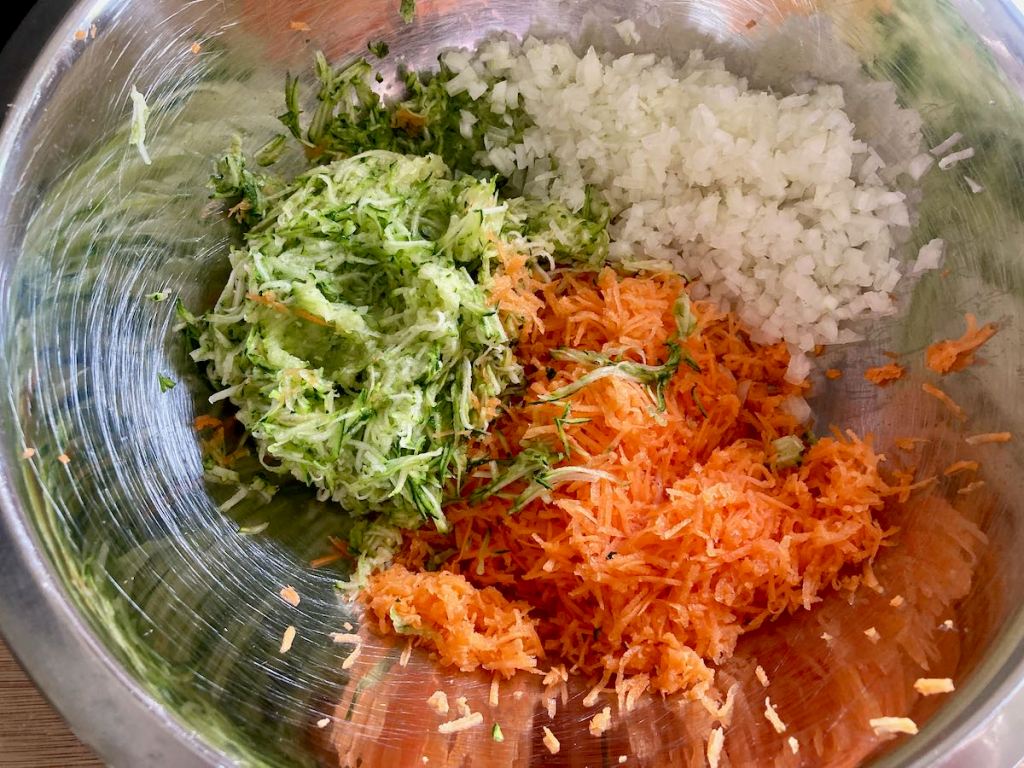
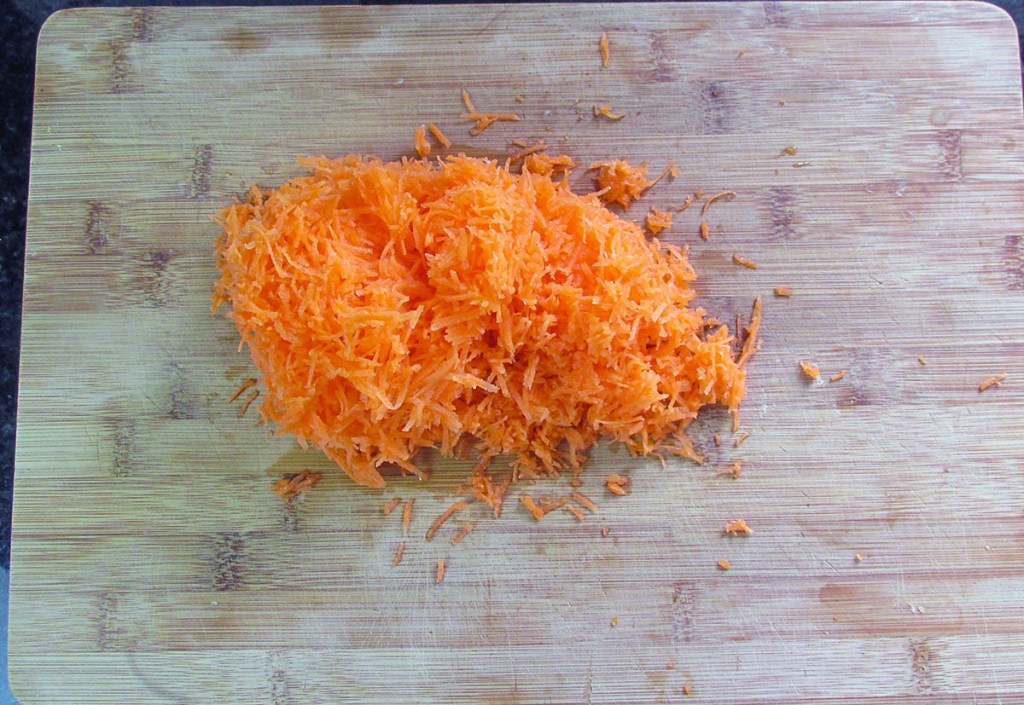
Grate the courgette and carrot; I use my food processor with a fine grating attachment.

Take a large bowl and place a large clean dishcloth in the bowl.

Add the carrot and courgette to the bowl.

Squeeze out the excess water from the carrot and courgette.

Add the carrot and courgette to a bowl along with the other ingredients.
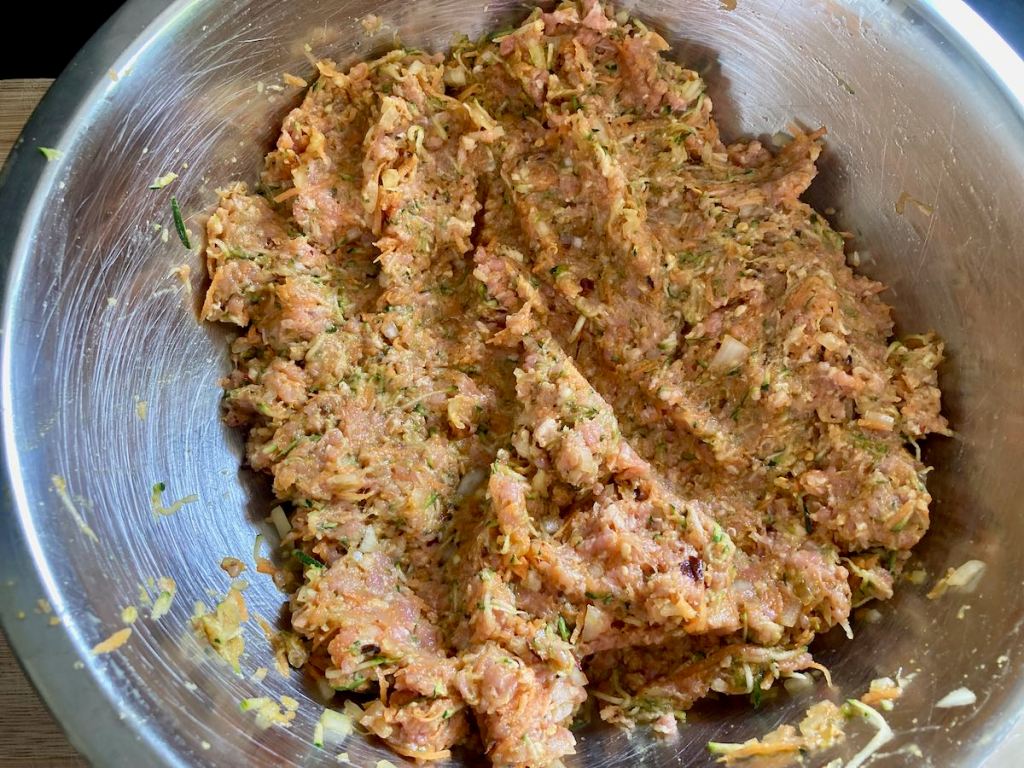
Use your hands to mix the meat and vegetables together.

Use a soup spoon or ice cream scoop to portion the meat into meatballs.

Roll the meatballs and place them on a plate. 

Depending on how large the meatballs are, you may have between 30 and 40 meatballs.

Take a large frying pan or cast iron skillet and heat some oil over medium heat.

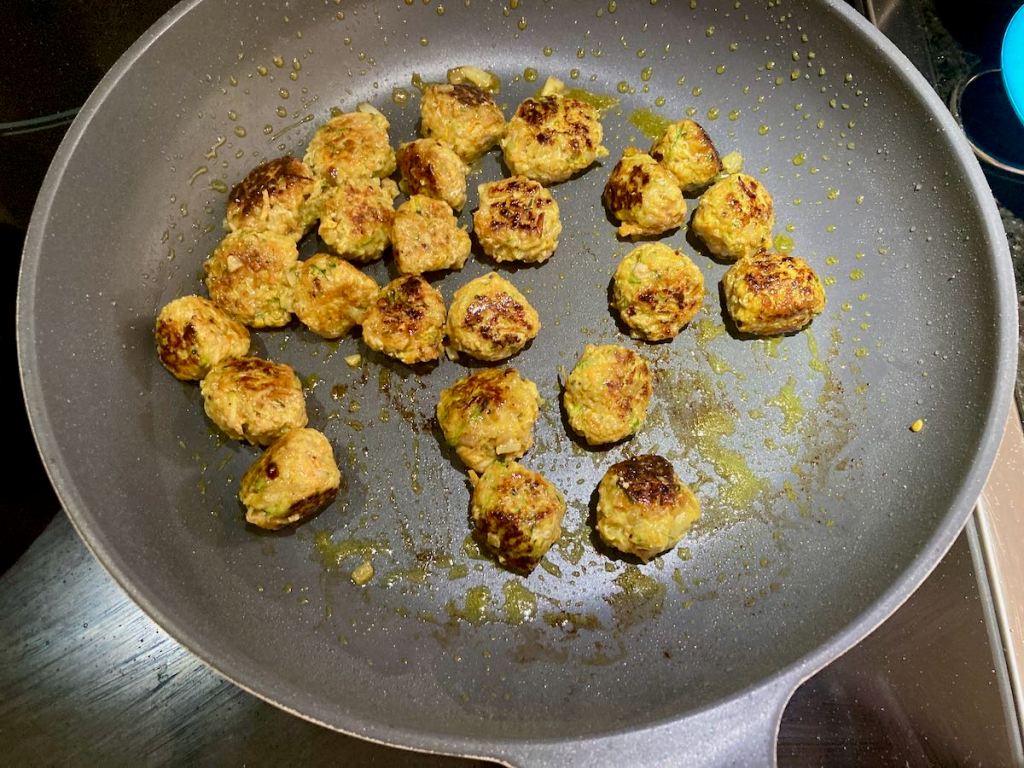
Cook the meatballs in batches, 

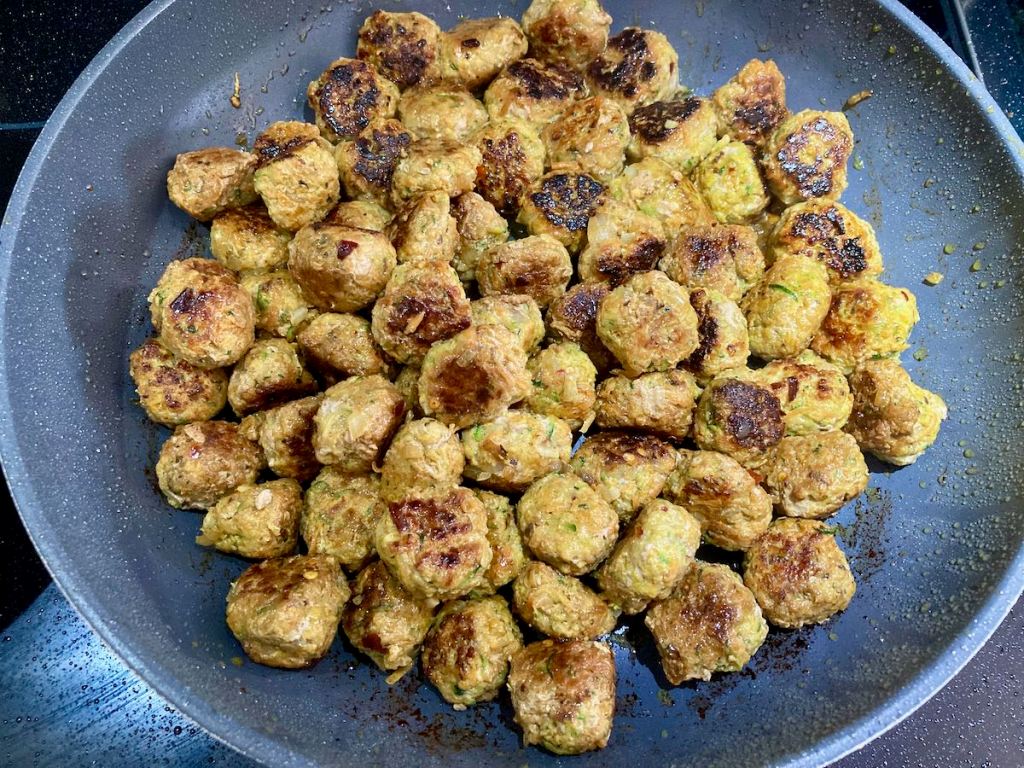
The meatballs should be browned on all sides before you take them out of the pan. 

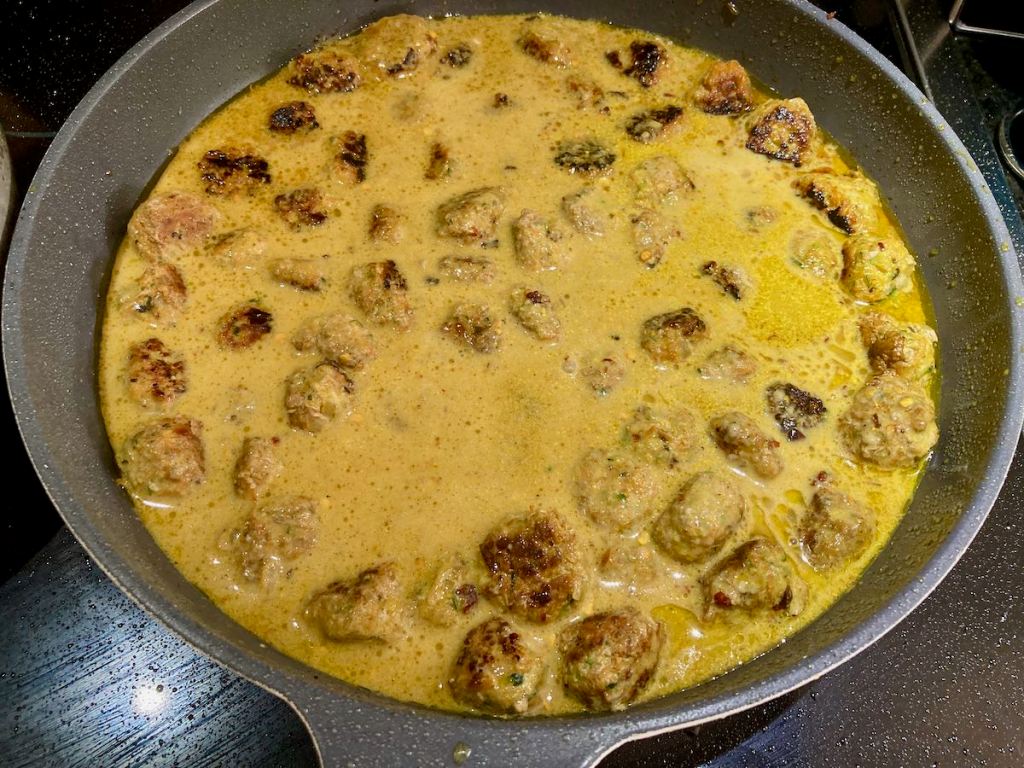
Once the meatballs have been cooked, warm up the satay-style sauce in the same pan and add the meatballs back into the pan.

Thai inspired pork and veggie meatballs

  • Rating: ★★★★★
  • Print

“This


Credit: Cath @ easycleaneats 

Ingredients

– 2 courgettes, grated – 2 carrots, grated – 450g pork mince – 250g chicken mince – 1 tbsp. ginger, grated – 1 tsp. sesame oil – 2 tbsp. fresh basil, minced – 2 garlic cloves, minced – 1 tbsp. curry powder – 1/2 tsp. red chilli flakes – salt and pepper, to taste – Satay Style Sauce

Directions

  1. Preheat the oven to 175 degrees C/350 degrees F.
  2. Grate the courgette and carrot; I use my food processor with a fine grating attachment.
  3. Take a large bowl and place a large clean dishcloth in the bowl.
  4. Add the carrot and courgette to the bowl.
  5. Squeeze out the excess water from the carrot and courgette.
  6. Add the carrot and courgette to a bowl along with the other ingredients.
  7. Use your hands to mix the meat and vegetables together.
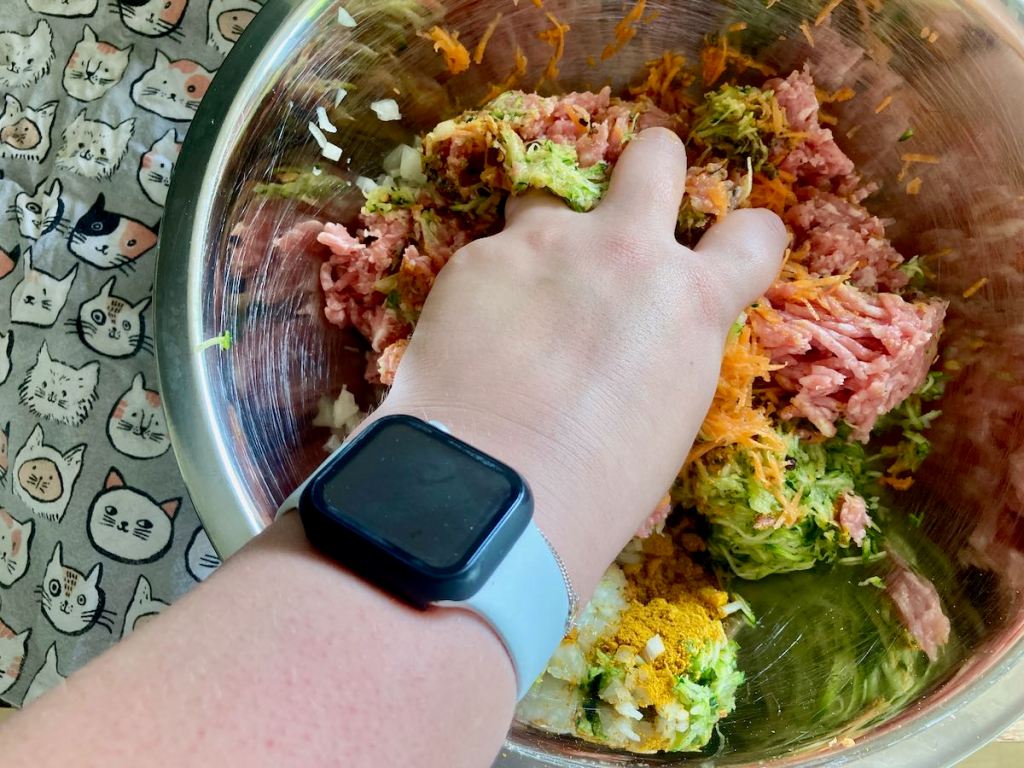
  8. Use a soup spoon or ice cream scoop to portion the meat into meatballs.
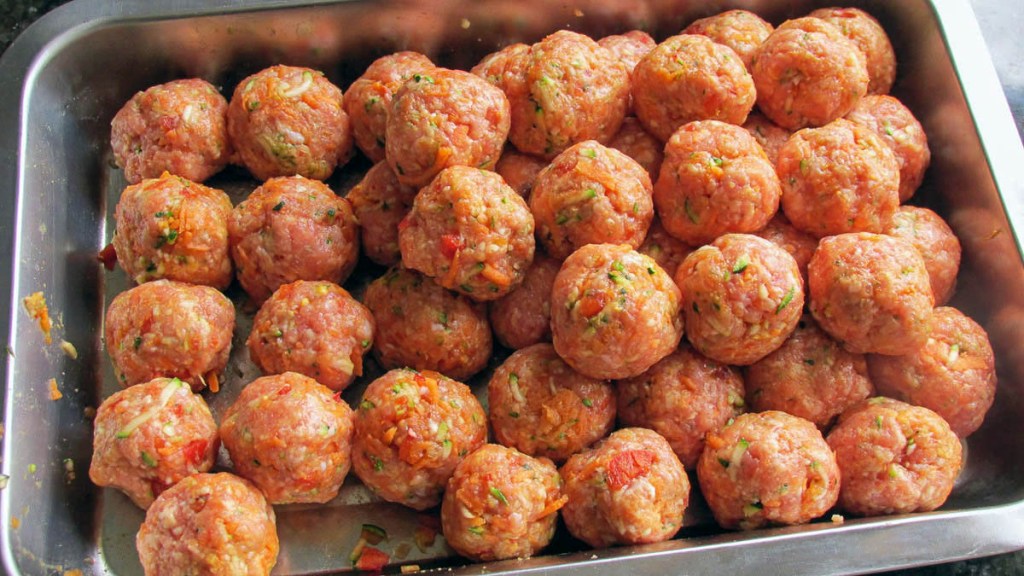
  9. Roll the meatballs and place them on a plate. 
  10. Depending on how large the meatballs are, you may have between 30 and 40 meatballs.
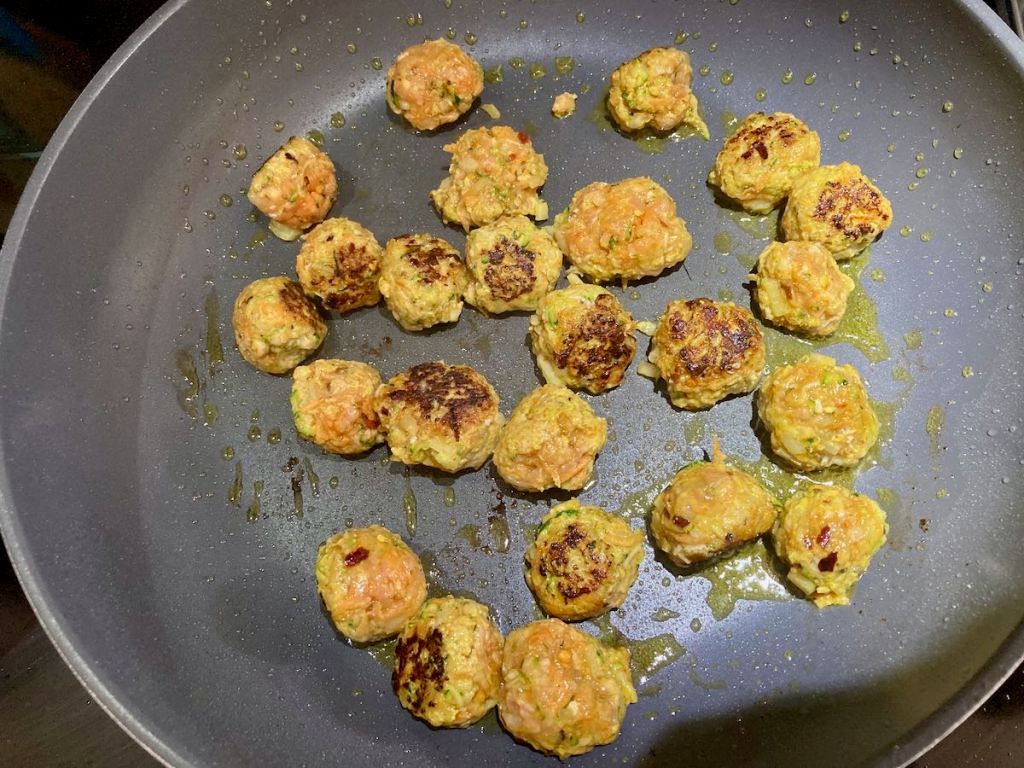
  11. Take a large frying pan or cast iron skillet and heat some oil over medium heat.
  12. Cook the meatballs in batches, 
  13. The meatballs should be browned on all sides before you take them out of the pan. 
  14. Once the meatballs have been cooked, warm up the satay-style sauce in the same pan and add the meatballs back into the pan.
  15. Simmer the sauce with the meatballs for 15-20 minutes.
  16. Serve the meatballs on a bed of noodles or cauliflower rice with satay-style sauce.

Nutrition

Per Serving:307 calories; 22.4g fat; 18.9g carbohydrates; 8.6g protein

Equipment

  • Food processor 
  • Grater attachment
  • Kitchen towel
  • Mixing bowl x2
  • Ice cream scoop
  • Plate 
  • Whisk 
  • Frying pan or skillet
  • Tongs

Nutritional disclaimer

Nutrition information is provided as an estimate based on the ingredients used and available in my area (New Zealand). The nutritional information is here to help you understand the recipe; I use MyFitnessPal to generate my estimates. For more accurate nutritional information, please use a nutritional calculator with the ingredients in your area.
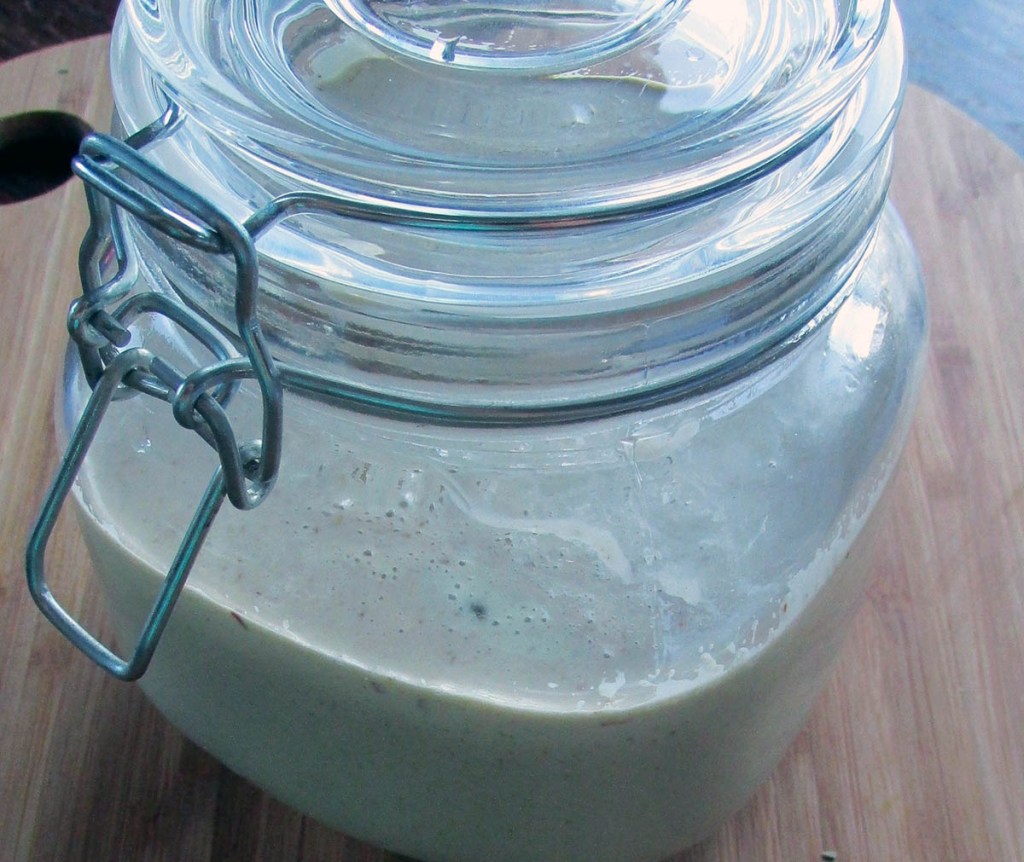
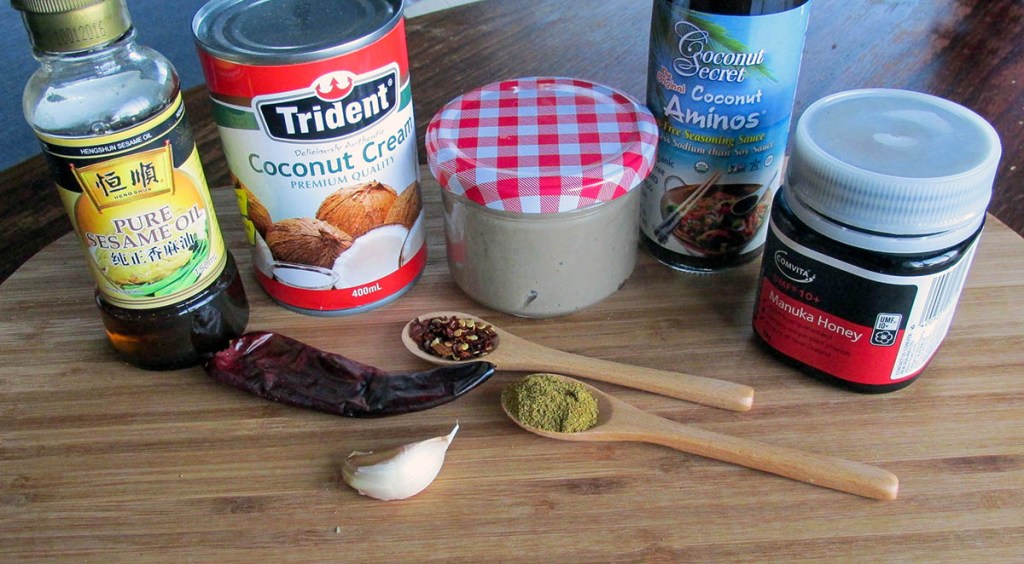
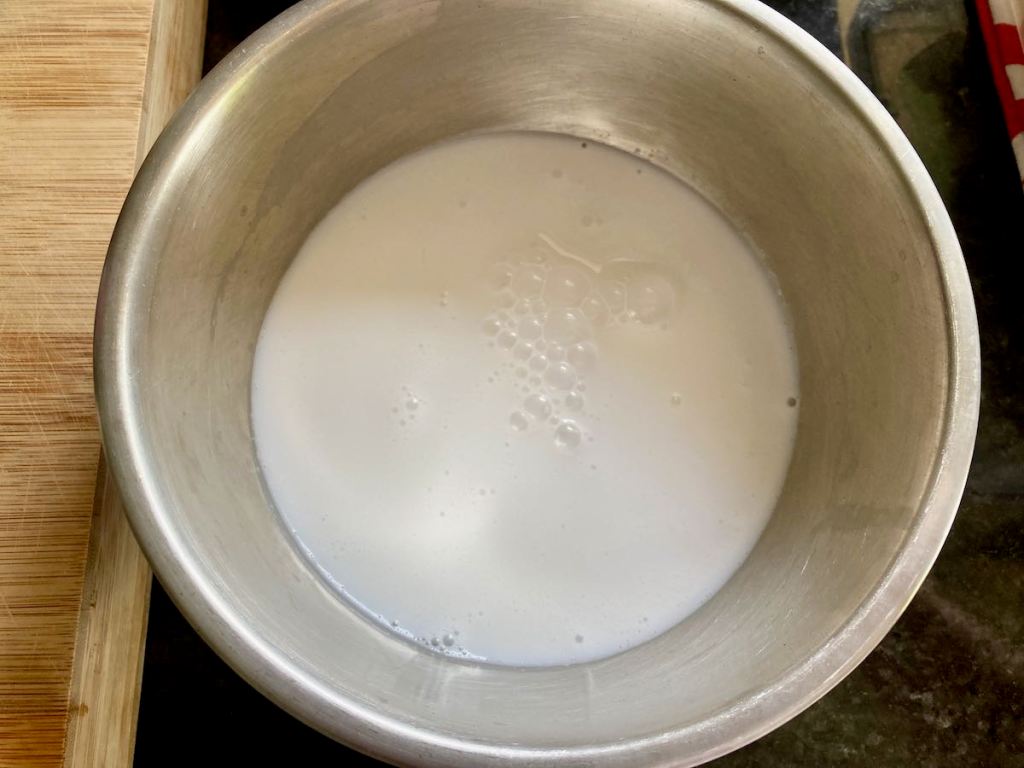
Satay style sauce

Making my own

If you are like us and you try to avoid mass-produced processed foods, the best option is to make your own. When you make your own, you get to control which ingredients you use and how much or how sweet you want it to be. Once you have a go at making your own and you realise how easy it is, you will never go back to store-bought again.

A nut-free option

I have never had the pleasure of eating satay sauce; that pesky nut and peanut allergy does get in the way, but rather than miss out, I decided to come up with a nut-free option that was easy to make and would be a great alternative to any store bought sauce.

Satay-style sauce

Ingredients

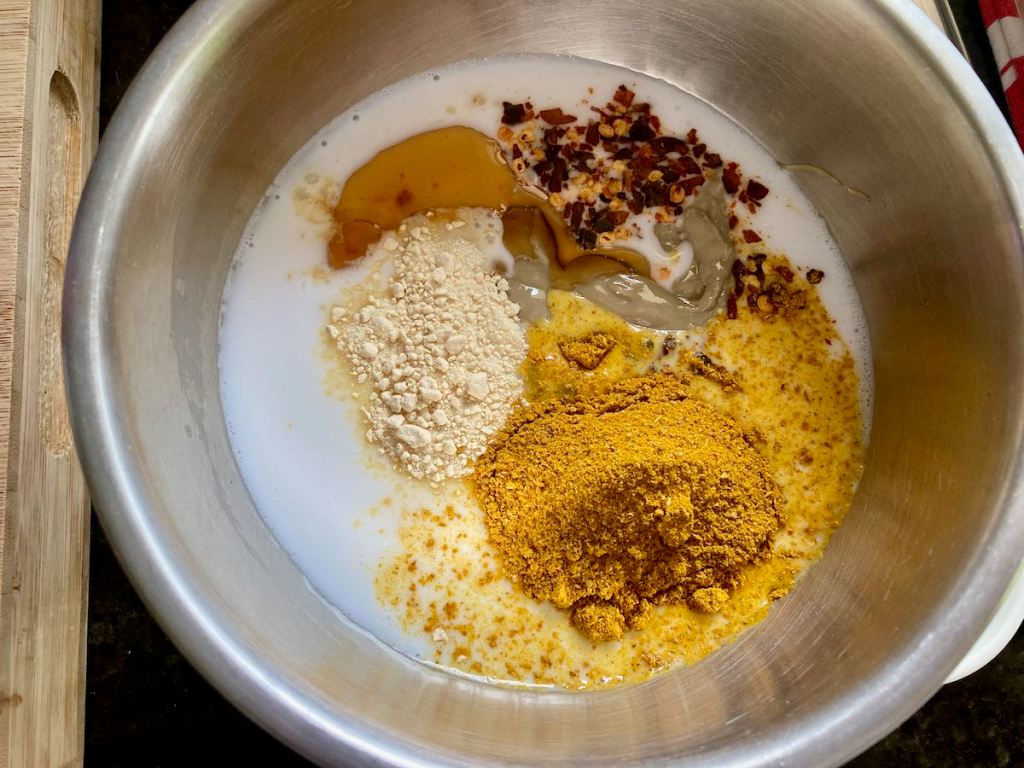
  • 1 can of coconut milk
  • 1/4 cup sun butter
  • 1 tbsp. coconut aminos
  • 1 tbsp. chilli 
  • 1 clove of garlic 
  • 1 tsp. sesame oil
  • 1 tsp. honey
  • 2 tbsp. curry powder
  • 1/2 tsp. red chilli flakes
  • A pinch of salt

Instructions

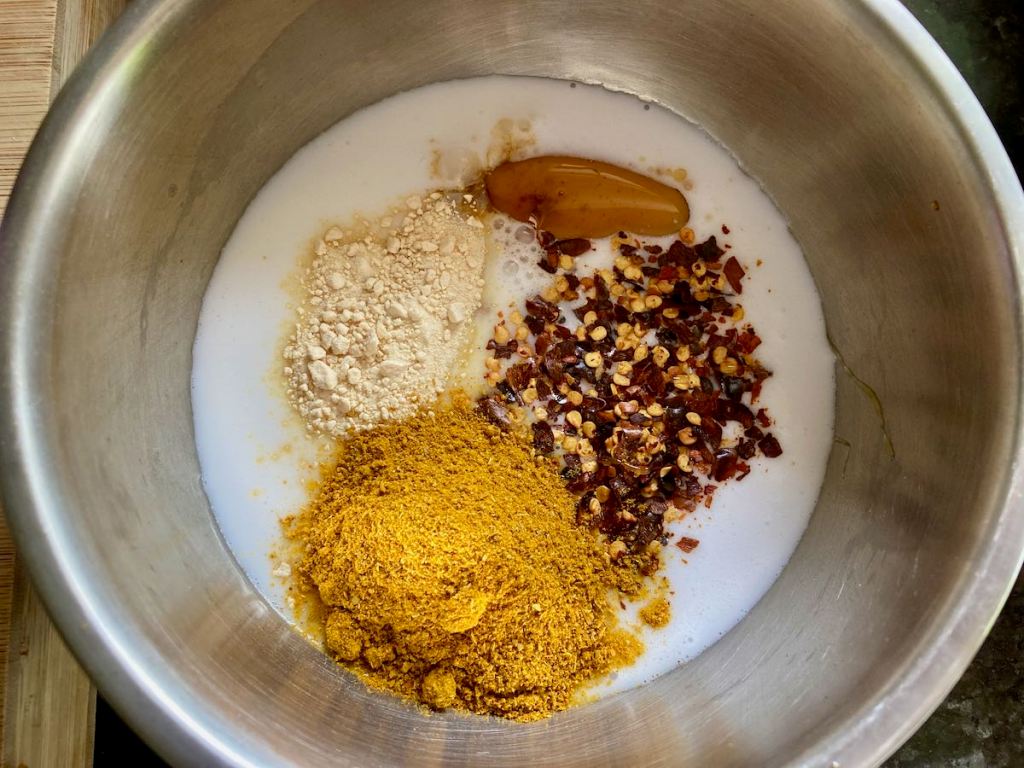
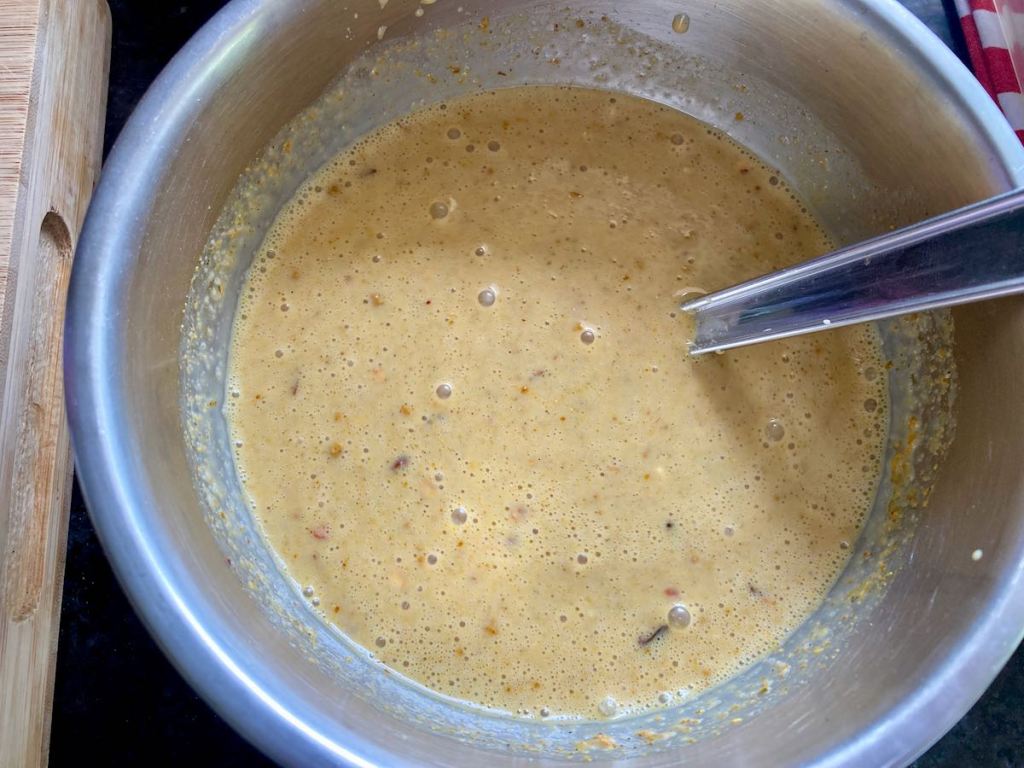
In a medium bowl, whisk together all sauce ingredients until completely combined.

“satay-style

  • Rating: ★★★★★
  • Print

“This


Credit: Cath @ easycleaneats 

Ingredients

  • 1 can of coconut milk
  • 1/4 cup sun butter
  • 1 tbsp. coconut aminos
  • 1 tbsp. chilli 
  • 1 clove of garlic 
  • 1 tsp. sesame oil
  • 1 tsp. honey
  • 2 tbsp. curry powder
  • 1/2 tsp. red chilli flakes
  • A pinch of salt

Directions

  1. In a medium bowl, whisk together all sauce ingredients until completely combined.

Nutrition

Per Serving: 106 calories; 8g fat; 6g carbohydrates; 3g protein

Equipment

  • Mixing bowl
  • Whisk
  • Measuring cups
  • Measuring spoons

Nutritional disclaimer

Nutrition information is provided as an estimate based on the ingredients used and available in my area (New Zealand). The nutritional information is here to help you understand the recipe; I use MyFitnessPal to generate my estimates. For more accurate nutritional information, please use a nutritional calculator with the ingredients in your area.

Apple slaw

Make your own

If you are like me and you try to avoid mass-produced processed foods, the best option is to make your own. When you make your own, you get to control which ingredients you use and how much or how sweet you want it to be. Once you have a go at making your own and realise how easy it is, you will never go back to store-bought again. 

Reinvention

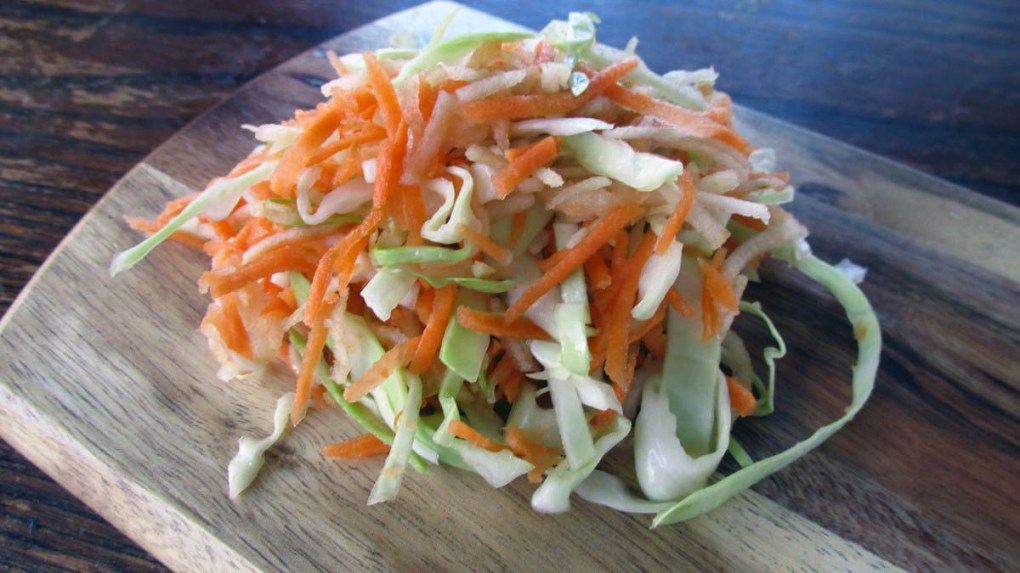
Years ago, I was looking for something to go with my garlic pulled pork. I had a great recipe from my former mother-in-law for a classic slaw that I decided to tinker with. This recipe is what I ended up with. The crisp apple goes so well with the crunchy cabbage and tangy honeygar. Like the normal slaw, it is quick and easy to make but packs a lot more punch in the flavour stakes.

If you have the attachments on a food processor, I recommend using the shredding and grating features to make it even faster to make your slaw. 

Apple slaw recipe

Ingredients

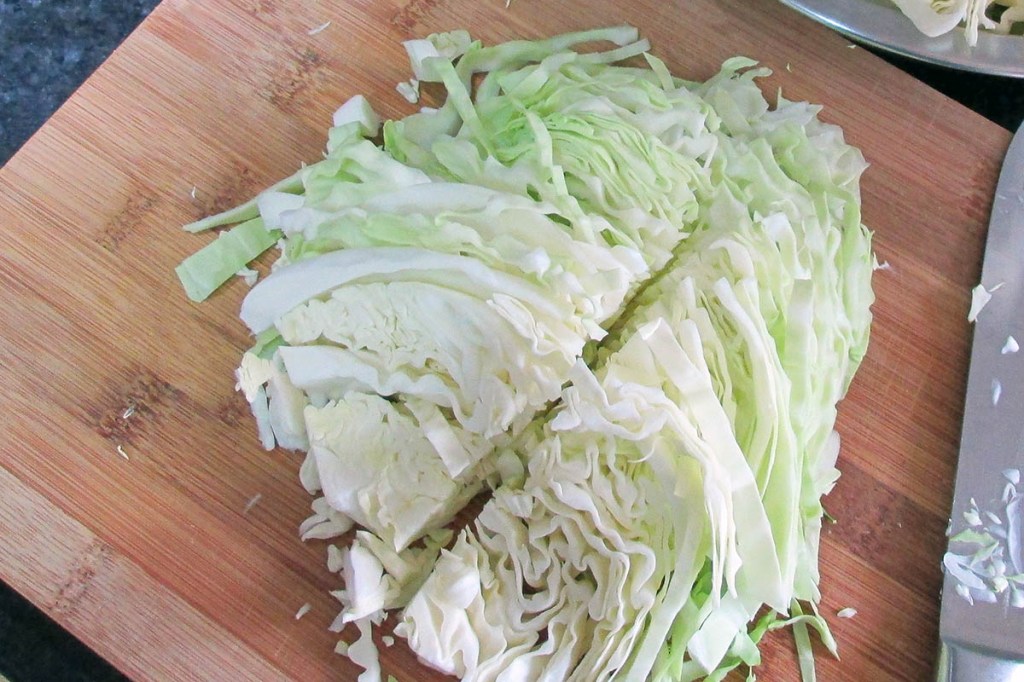
  • 1/2 head cabbage, finely sliced
  • 2 carrots, finely grated
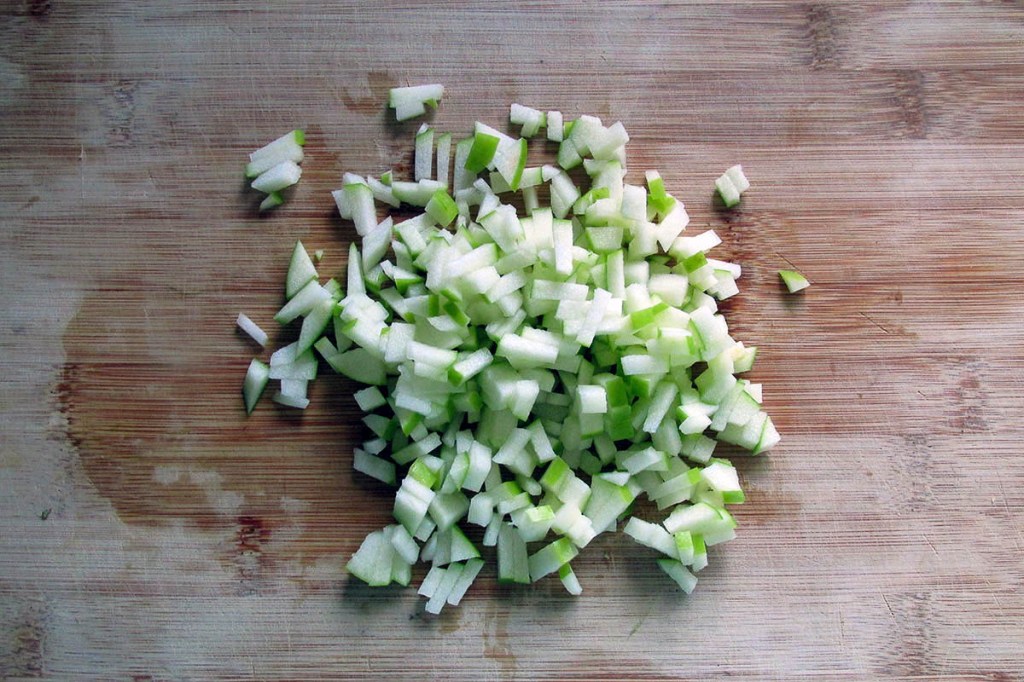
  • 2 apples, finely grated or diced
  • 2 tbsp. honey-gar
  • 1 tbsp. lemon juice

Instructions
Mix vegetables together in a bowl.


Add in the honeygar and lemon juice, mix and serve.
This makes enough slaw to go with a 2kg pork shoulder and will easily fill six grown and hungry men.

“Apple

  • Rating: ★★★★★
  • Print

“The


Credit: Cath @ easycleaneats

Ingredients

  • 1/2 head cabbage, finely sliced
  • 2 carrots, finely grated
  • 2 apples, finely grated
  • 2 tbsp. honey-gar
  • 1 tbsp. lemon juice

Directions


Mix vegetables together in a bowl.
Add in the honeygar and lemon juice, mix and serve.

Nutrition

Per Serving: 71 calories; 0.2g fat; 17.5g carbohydrates; 1.8g protein

Equipment

  • Chopping board
  • Knife
  • Grater
  • Vegetable peeler
  • Mixing bowl
  • Fork 

Nutritional disclaimer

Nutrition information is provided as an estimate based on the ingredients used and available in my area (New Zealand). The nutritional information is here to help you understand the recipe; I use MyFitnessPal to generate my estimates. For more accurate nutritional information, please use a nutritional calculator with the ingredients in your area.

Primal Fish

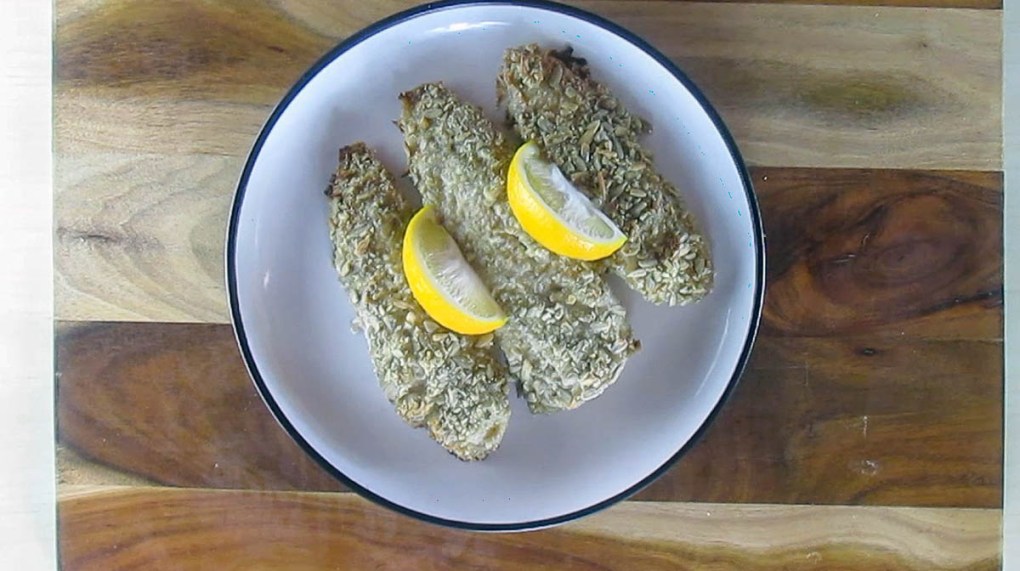
Are you looking for a way to make that white fish fillet more interesting? What if you could have a creamy fillet with a crunchy crust that takes 15 minutes to cook? Would you be game? This take on a crusted fish fillet is easy to make, tasty and a great weeknight option.

More nut challenges

I am one of those unfortunate people that are allergic to not only peanuts but also tree nuts. When it comes to food options, not having nuts on the menu can be challenging at times and frustrating at others. There are so many foods I would love to try or eat regularly but will never get the chance, thanks to nuts. Not eating nuts doesn’t have to be the end of the world; there are always replacements and alternatives that mean you can have a nut-free option. This recipe is my attempt to create a nut-free version of a usually nut-packed recipe.

No almond crust, thanks

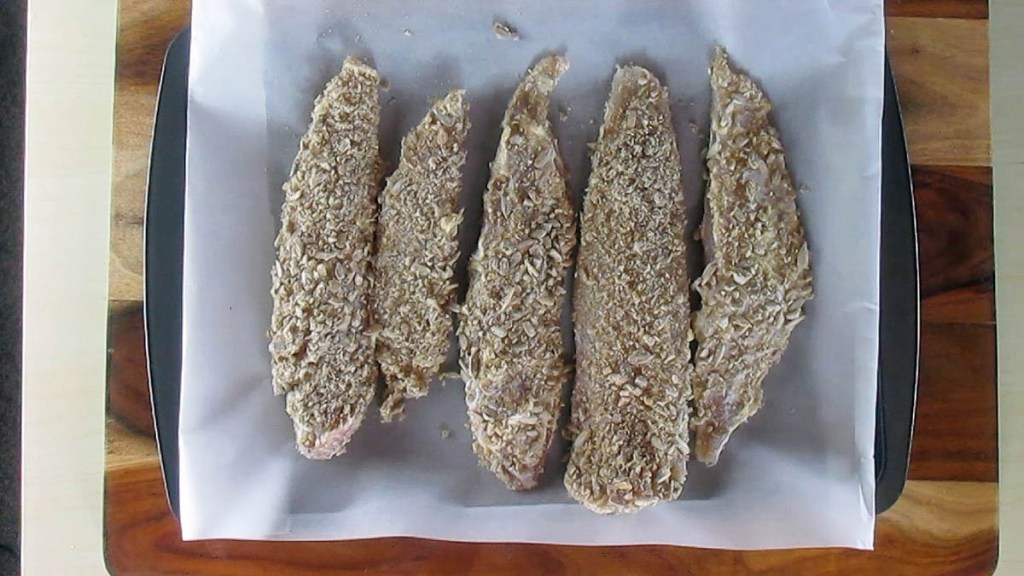
At a restaurant a few years ago I saw almond-crusted fish that looked and sounded delicious, but there was no way I would get to find out how delicious it was. Thankfully I love the challenge of making something I’ve seen but never tasted. I set about trying to make a crust full of flavour that had a great crunch and would make everyone in the family happy. This is what I came up with. The sunflower seeds give the fish a great crunch; toasting them adds an extra level to their flavour and makes them a great alternative to nuts. 

Primal fish recipe

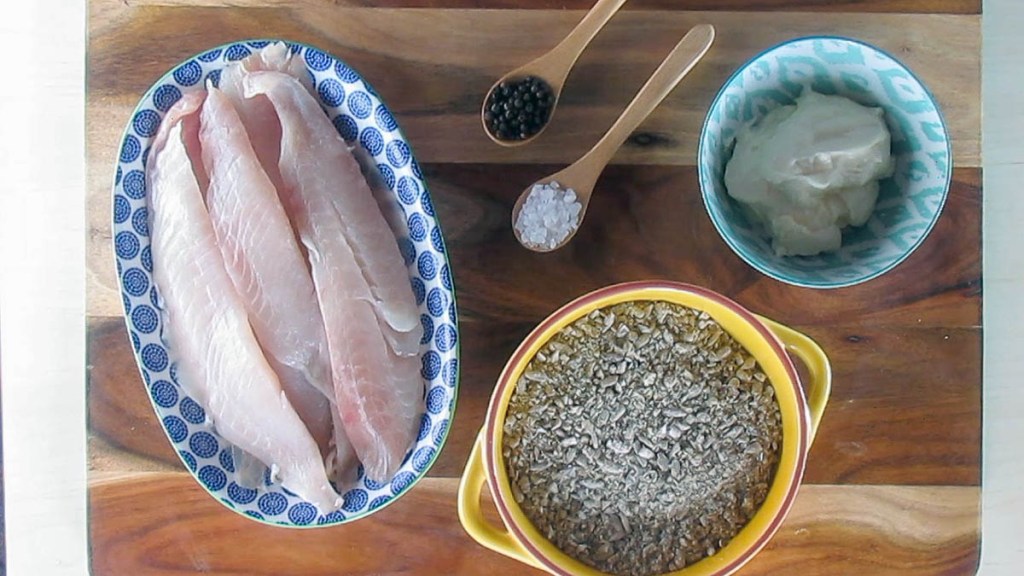
Ingredients

  • 1 tbsp. Avocado oil 
  • Salt and pepper 
  • 300g halibut fillets
  • 1/2 cup easy mayo
  • 1 1/2 cups toasted sunflower seeds, finely chopped

Instructions

Preheat the oven to 190 degrees C/ 375 degrees F. 

Line a baking tray with baking paper or a silicone liner.

Lightly grease the liner or paper with the avocado oil. 

Take a large frying pan and place it over medium heat.

Add half the sunflower seeds to the pan when the pan is warm.

Move the seeds around, so they don’t burn, but so they can get some colour. 

When the seeds are golden, transfer them to a plate to cool slightly.

Repeat with the remaining seeds.

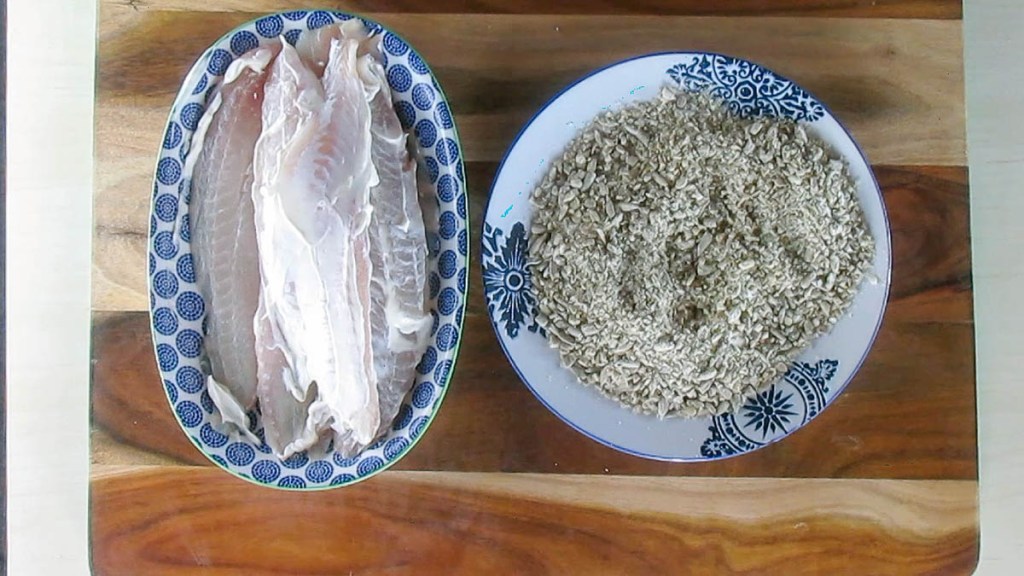
Place the seeds in a food pressor and blitz to break up the seeds. 

Take care not to over-process them; you don’t want sunflower seed meal.

Place the seeds on a plate and put them to one side.

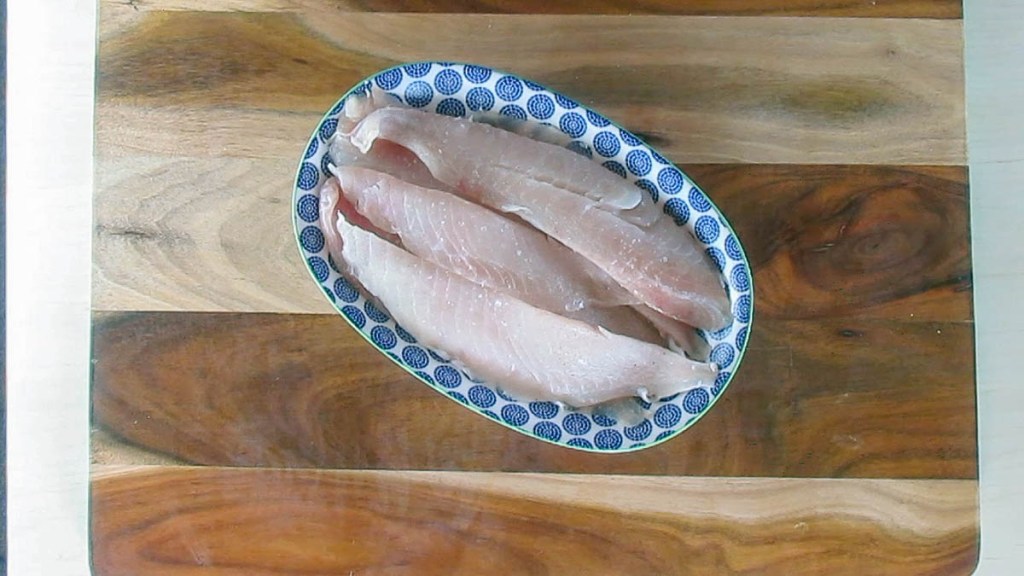
Place the fish fillets on a flat surface and season them.

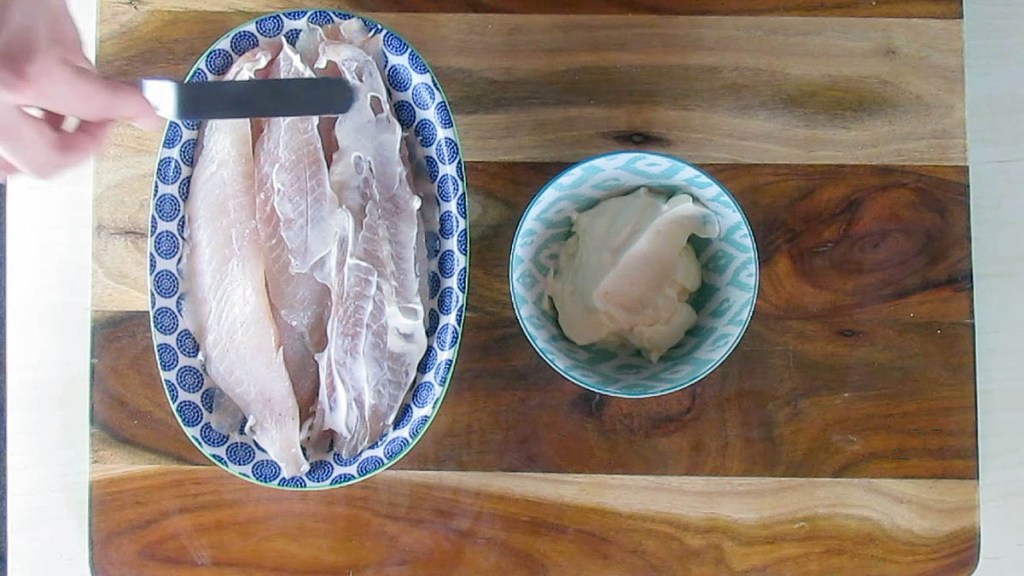
Once seasoned, brush the fish with a coating of mayo; you can do this with a knife or a brush.

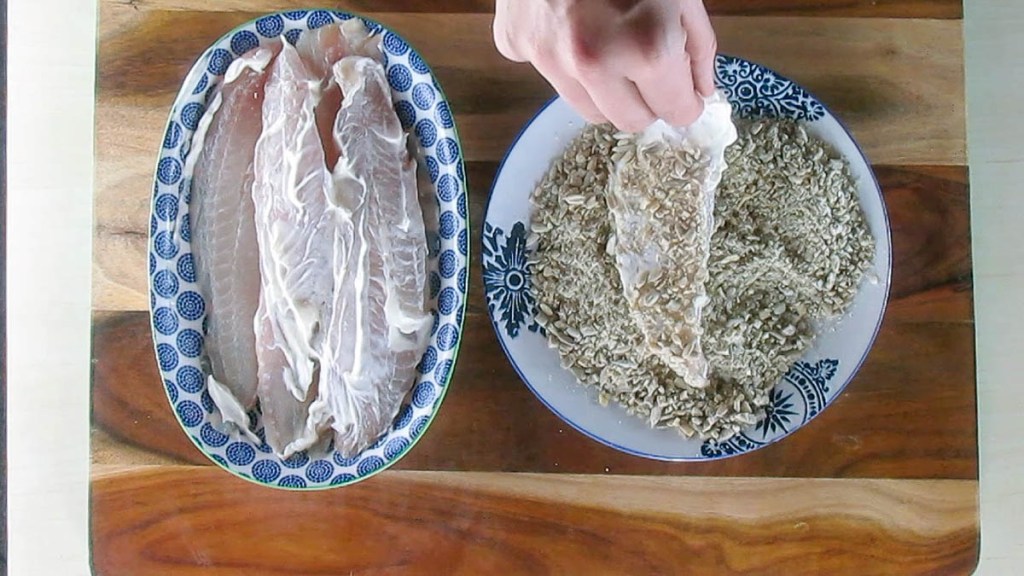
Roll each of the fish fillets in the seeds, and be sure to coat them all over.

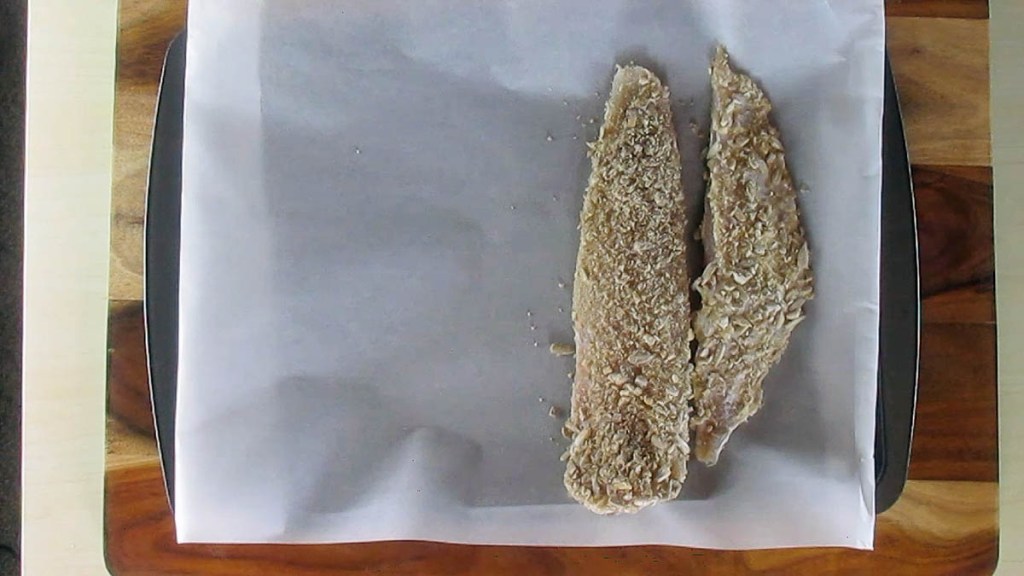
Place the coated fillets on the baking tray.

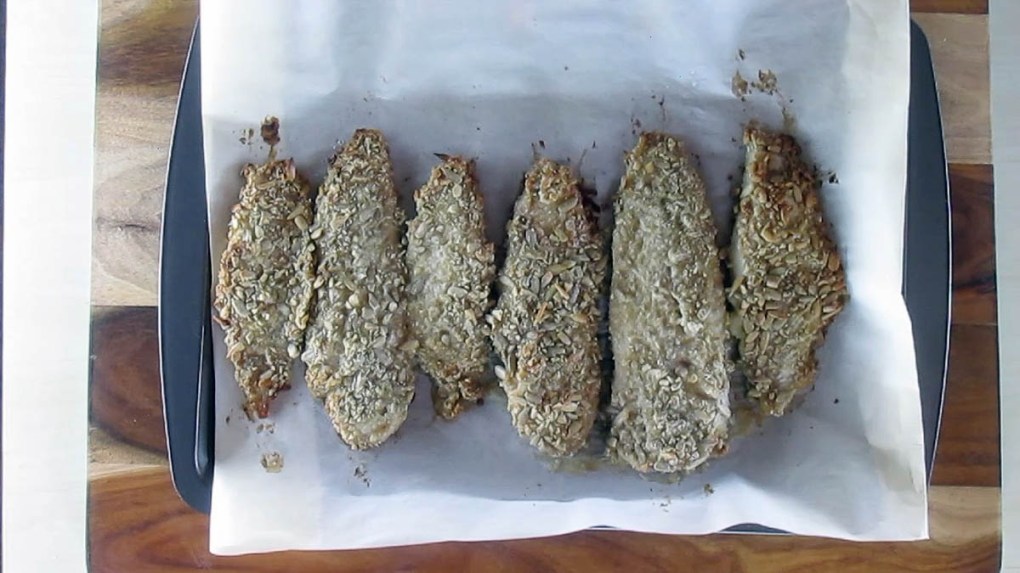
Bake the fish for 15 minutes or until the fish flakes easily with a fork. 

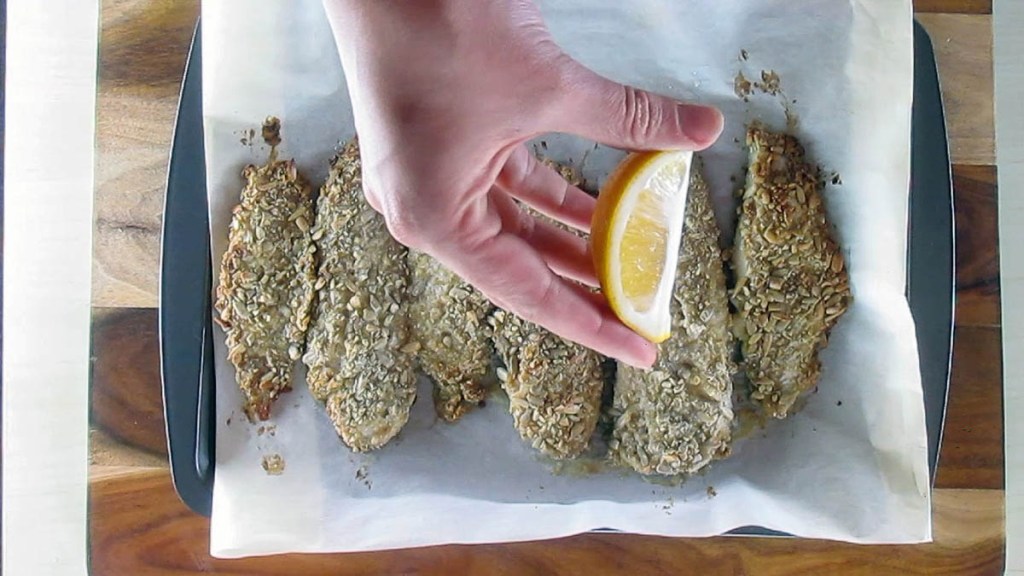
When the fish is cooked, remove it from the oven and squeeze the lemon over the fish. 

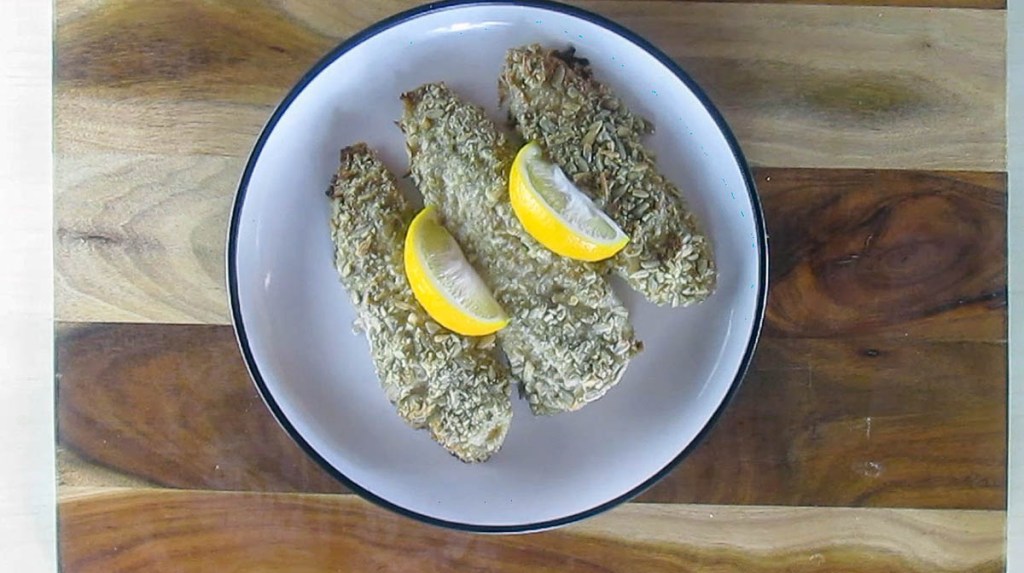
Serve with a salad or roasted vegetables.

Primal fish

  • Rating: ★★★★★
  • Print

“This


Credit: Cath @ easycleaneats 

Ingredients

  • 1 tbsp. Avocado oil 
  • Salt and pepper 
  • 300g halibut fillets
  • 1/2 cup easy mayo 
  • 1 1/2 cups toasted sunflower seeds, finely chopped

Directions

  1. Preheat the oven to 190 degrees C/ 375 degrees F. 
  2. Line a baking tray with baking paper or a silicone liner.
  3. Lightly grease the liner or paper with the avocado oil. 
  4. Take a large frying pan and place it over medium heat.
  5. Add half the sunflower seeds to the pan when the pan is warm.
  6. Move the seeds around, so they don’t burn, but so they can get some colour. 
  7. When the seeds are golden, transfer them to a plate to cool slightly.
  8. Repeat with the remaining seeds.
  9. Place the seeds in a food pressor and blitz to break up the seeds. 
  10. Take care not to over-process them; you don’t want sunflower seed meal.
  11. Place the seeds on a plate and put them to one side.
  12. Place the fish fillets on a flat surface and season them.
  13. Once seasoned, brush the fish with a coating of mayo; you can do this with a knife or a brush.
  14. Roll each of the fish fillets in the seeds, and be sure to coat them all over.
  15. Place the coated fillets on the baking tray.
  16. Bake the fish for 15 minutes or until the fish flakes easily with a fork. 
  17. When the fish is cooked, remove it from the oven and squeeze the lemon over the fish.
  18. Serve with a salad or roasted vegetables.

Nutrition

Per Serving: 471 calories; 37.7g fat; 14g carbohydrates; 25.2g protein

Equipment

  • Measuring cup
  • Measuring spoons
  • Knife
  • Chopping board
  • Baking tray
  • Baking paper or a silicone liner 
  • Fork 
  • Frying pan
  • Spatula
  • Food processor

Nutritional disclaimer

Nutrition information is provided as an estimate based on the ingredients used and available in my area (New Zealand). The nutritional information is here to help you understand the recipe; I use MyFitnessPal to generate my estimates. For more accurate nutritional information, please use a nutritional calculator with the ingredients in your area.


Omelettes

Master the basics

Eating clean gets a lot easier once you have mastered a few essential recipes. This recipe is basic; not like basic unicorn basic, more like beard and flannel basic. Back to the point (which isn’t Unstable unicorns), having basic skills and recipes in your arsenal means you will never be left with only Uber Eats as your weeknight option. Once you master this recipe, the possibilities are endless.

Simple meal

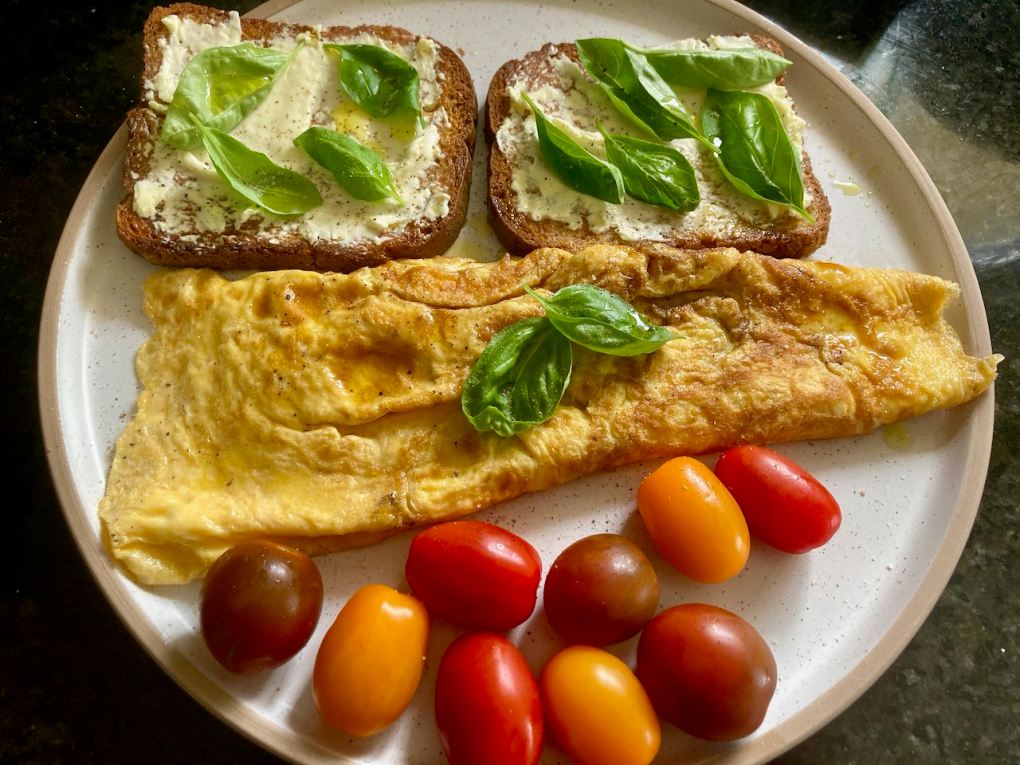
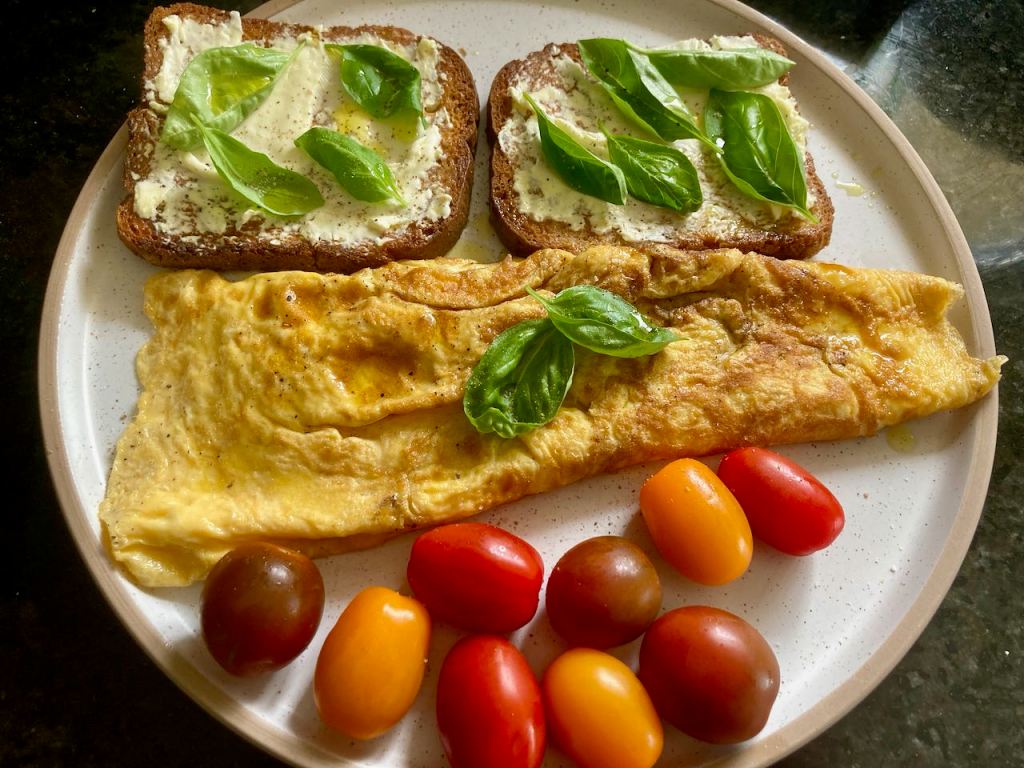
The omelette is stupidly easy and only takes a few minutes to make. The omelette is one of my go-to recipes when I’m short on time and low on options. They are an excellent option for breakfast, lunch or even a simple dinner with a salad. The method is simple, and you can add extras whenever you want to make some tasty meals.

Omelette recipe

Ingredients

  • 2 eggs
  • Salt and pepper to taste
  • A small knob of butter

Instructions

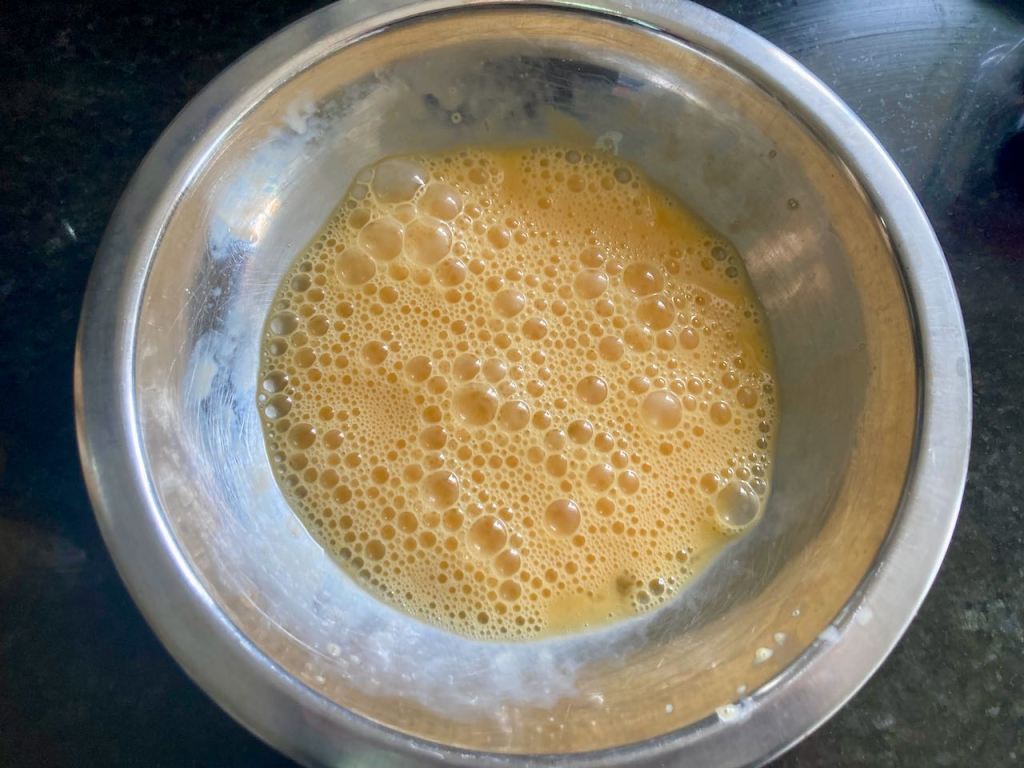
Crack eggs into a mixing bowl and beat them well.

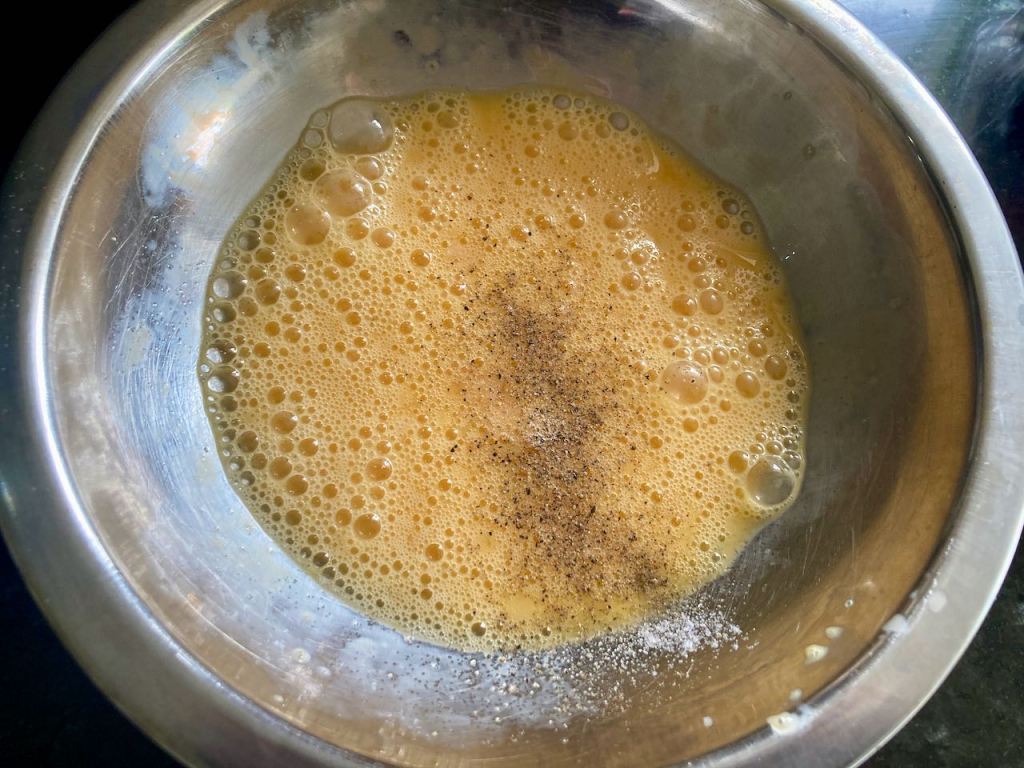
Add a pinch of salt and pepper.

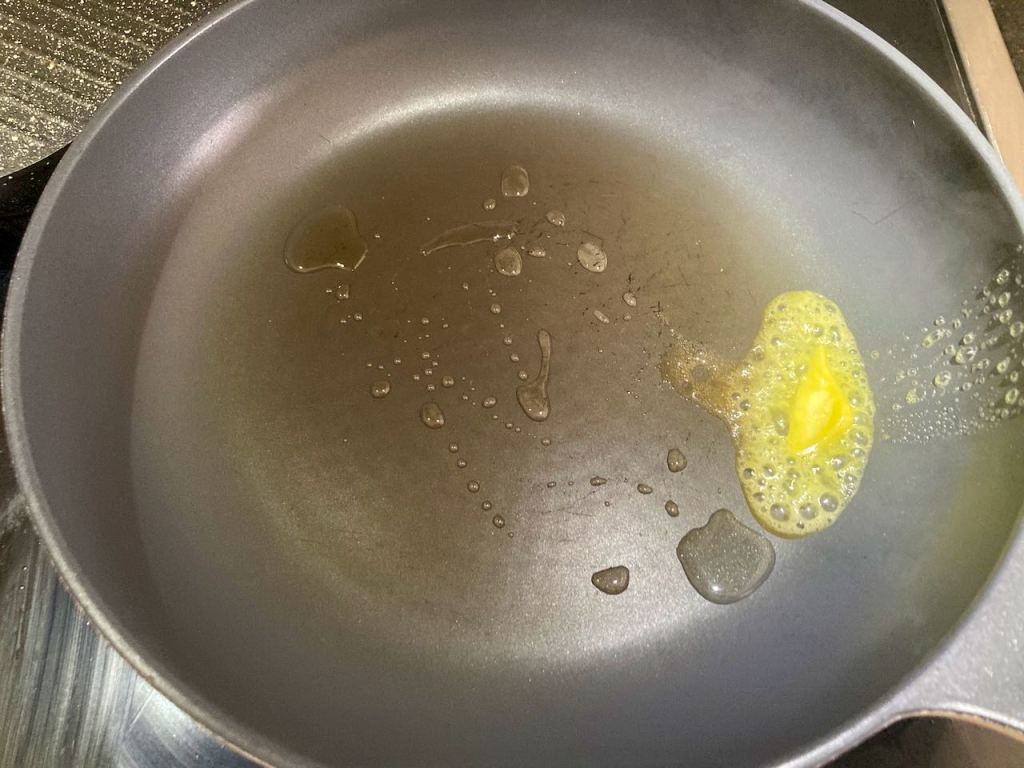
Over low heat, melt the butter in a frying pan.

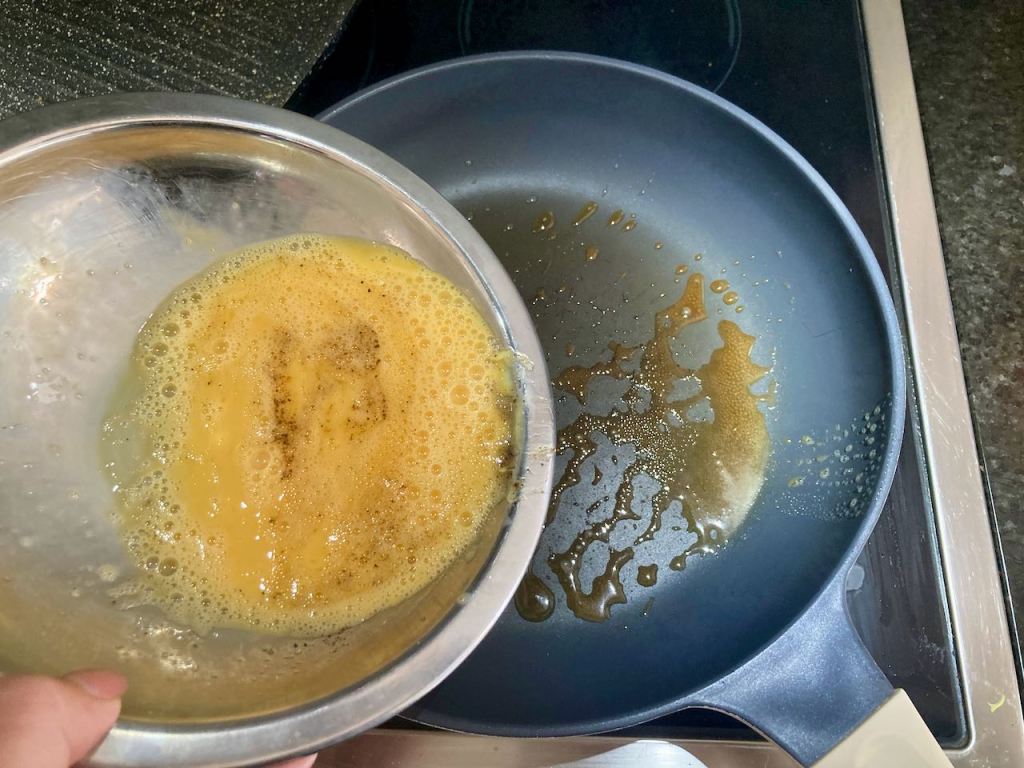
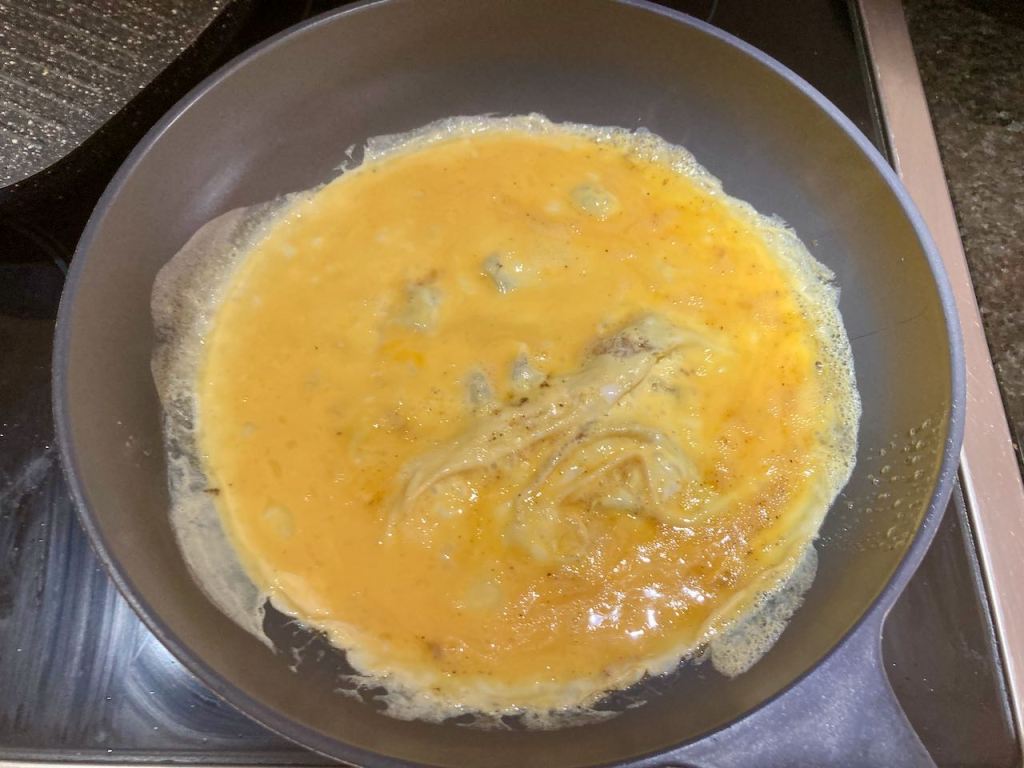
When the butter has melted, and the pan is hot, pour in the eggs.

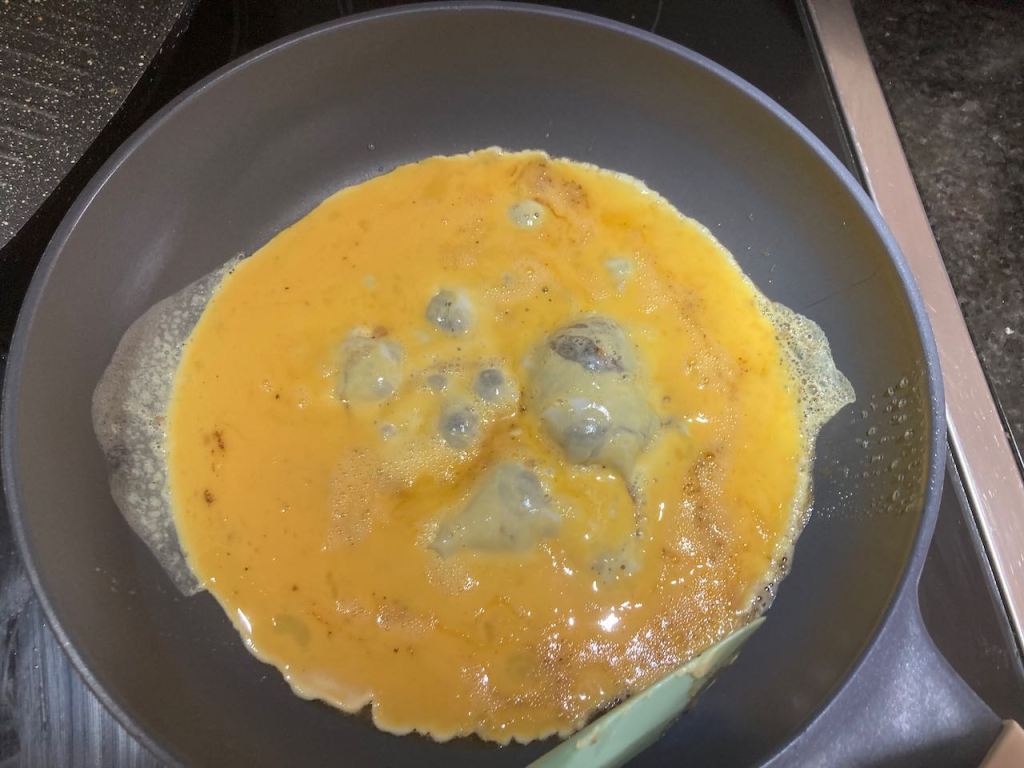
Make sure the eggs are evenly spread in the pan.

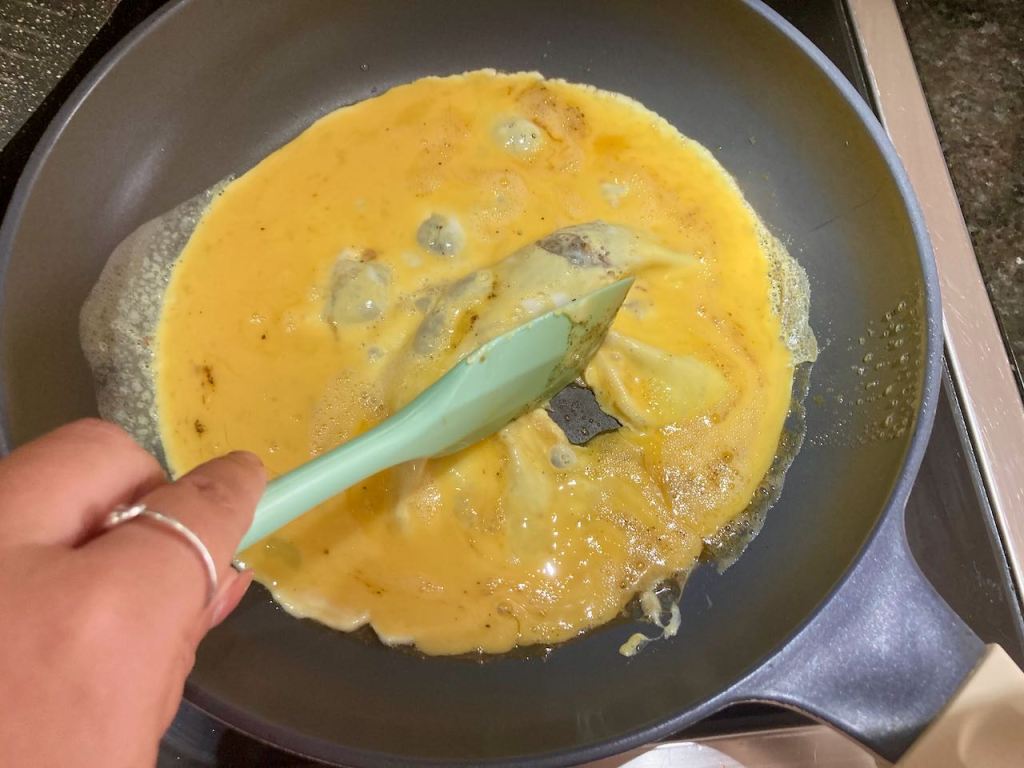
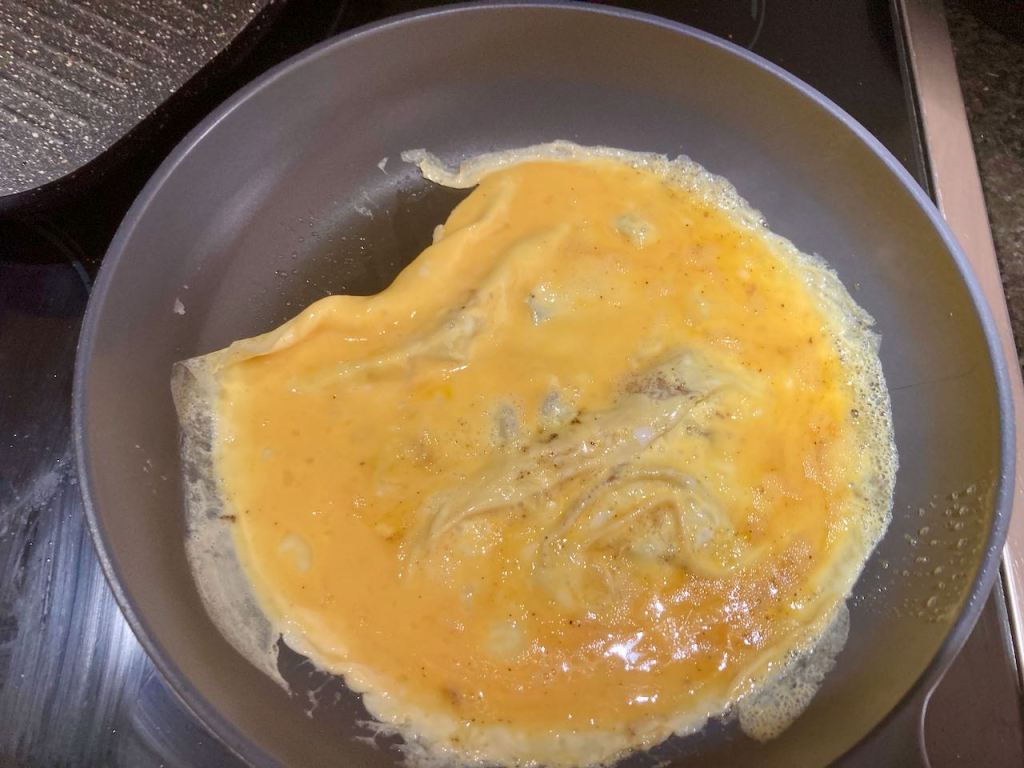
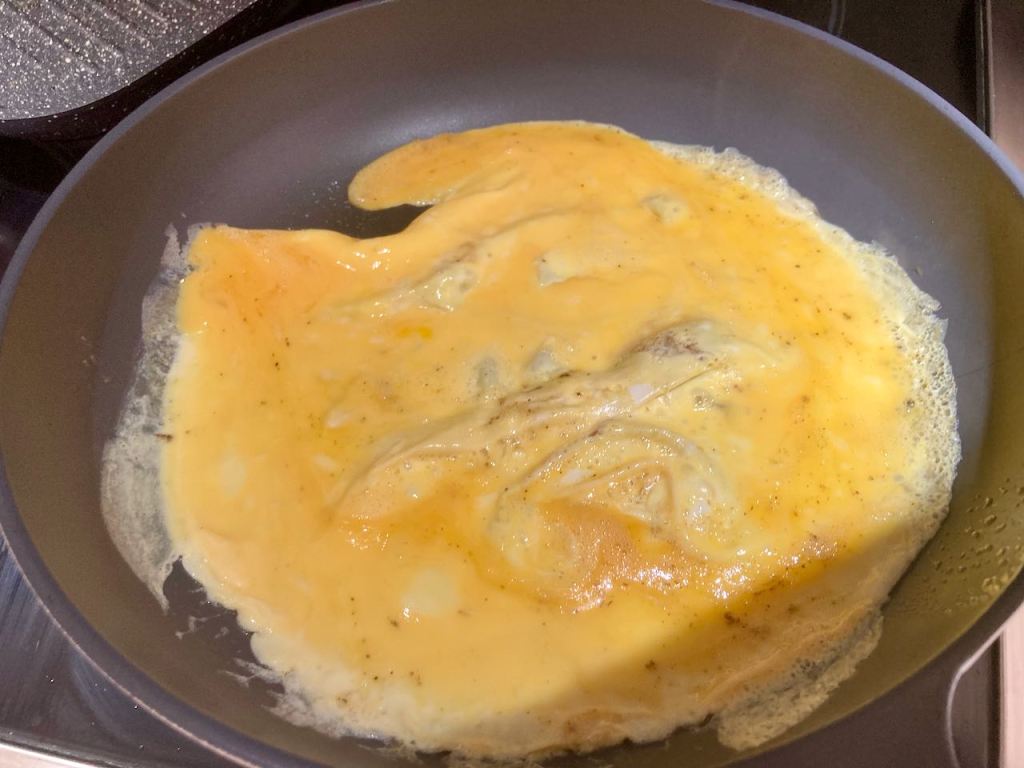
The eggs will set and start to firm around the edges; if you have any liquid egg on top, gently push the egg away from the edge and allow the liquid egg to move into the space created.

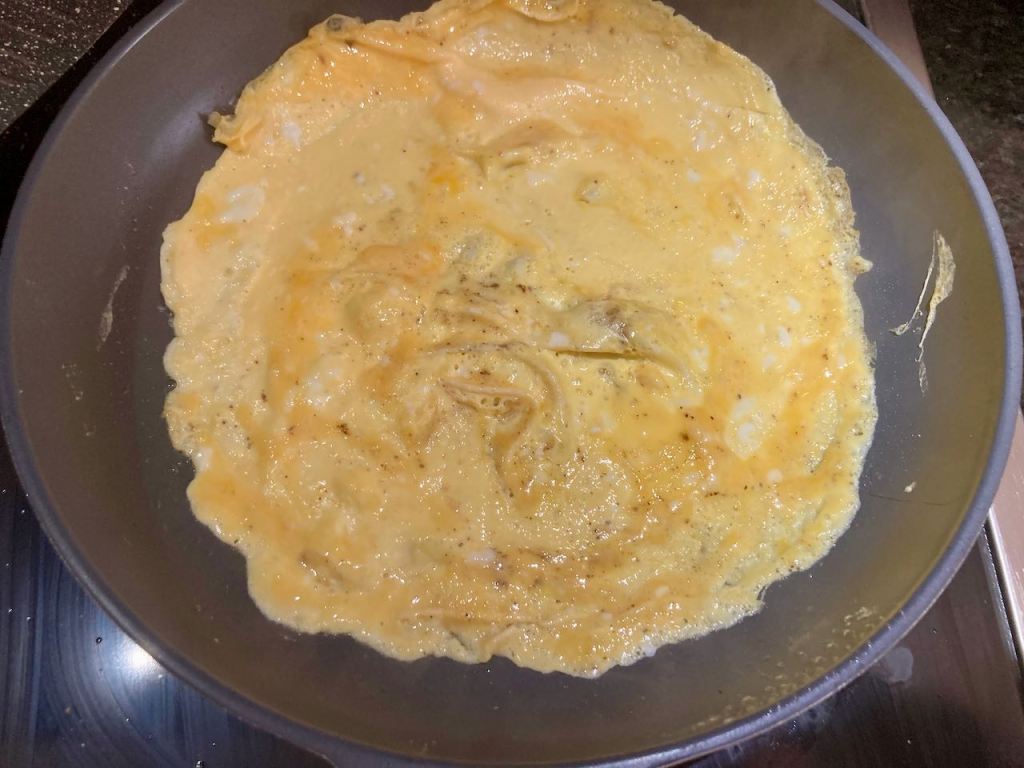
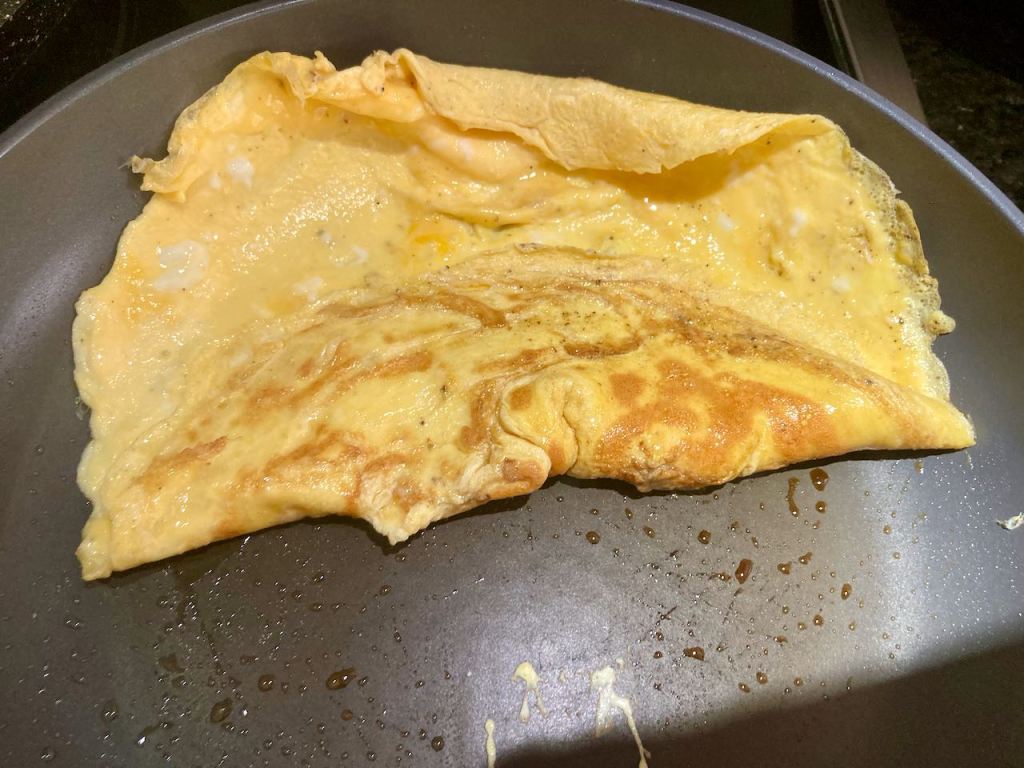
When all of the egg looks set, use your spatula to fold the omelette in half. 

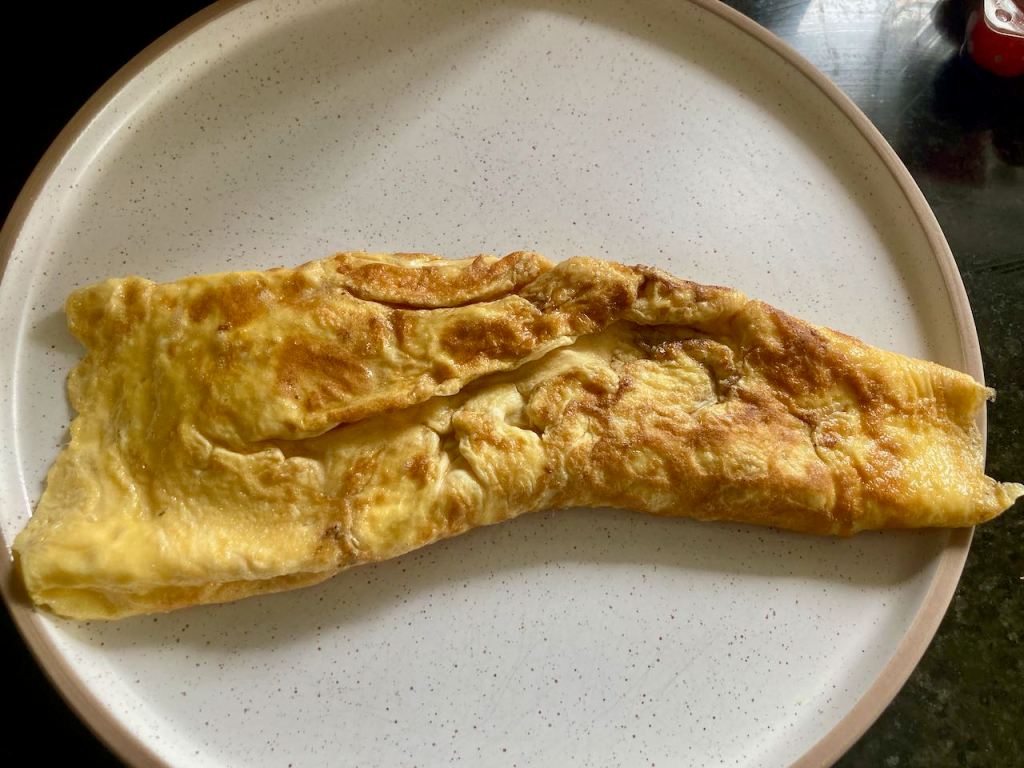
When the bottom is golden brown underneath, it is ready to serve.

Transfer the omelette and serve.

  • Servings: 1
  • Rating: ★★★★
  • Print

“A


Credit: Cath @ easycleaneats 

Ingredients

  • 2 eggs
  • Salt and pepper to taste
  • A small knob of butter

Directions


Crack eggs into a mixing bowl and beat them well.
Add a pinch of salt and pepper.
Over low heat, melt the butter in a frying pan.
When the butter has melted, and the pan is hot, pour in the eggs.
Make sure the eggs are evenly spread in the pan.
The eggs will set and start to firm around the edges; if you have any liquid egg on top, gently push the egg away from the edge and allow the liquid egg to move into the space created.
When all of the egg looks set, use your spatula to fold the omelette in half. 
When the bottom is golden brown underneath, it is ready to serve.
Transfer the omelette and serve.

Nutrition

Per Serving: 173 calories; 14g fat; 0g carbohydrates; 12g protein

Equipment

  • Mixing bowl 
  • Whisk
  • Frying pan
  • Spatula  

Nutritional disclaimer

Nutrition information is provided as an estimate based on the ingredients used and available in my area (New Zealand). The nutritional information is here to help you understand the recipe; I use MyFitnessPal to generate my estimates. For more accurate nutritional information, please use a nutritional calculator with the ingredients in your area.

Balsamic glaze

Make your own

If you are like us and you try to avoid mass-produced processed foods, the best option is to make your own. When you make your own, you get to control which ingredients you use and how much or how sweet you want it to be. Once you have a go at making your own and realise how easy it is, you will never go back to store-bought again.

Easy to make

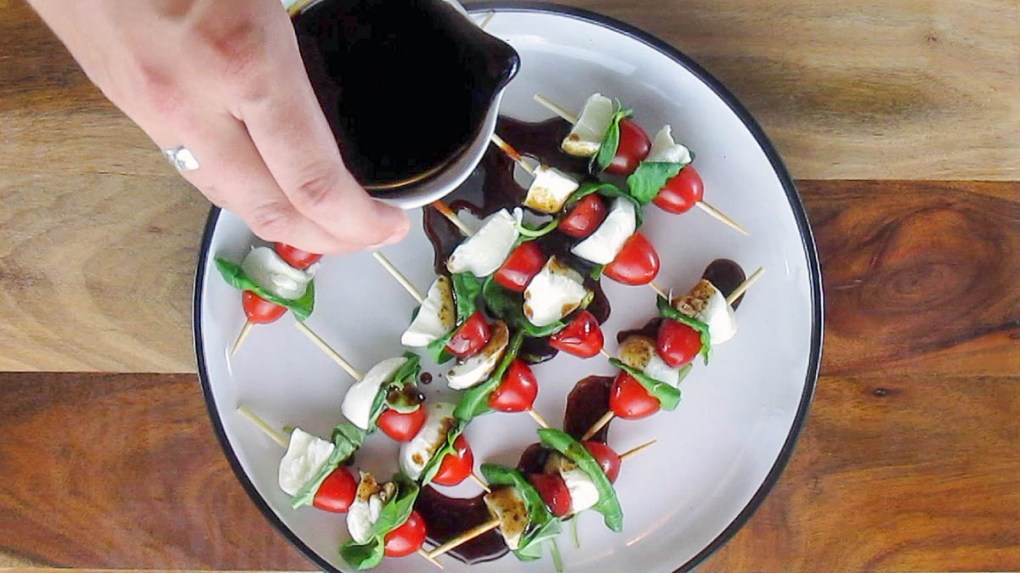
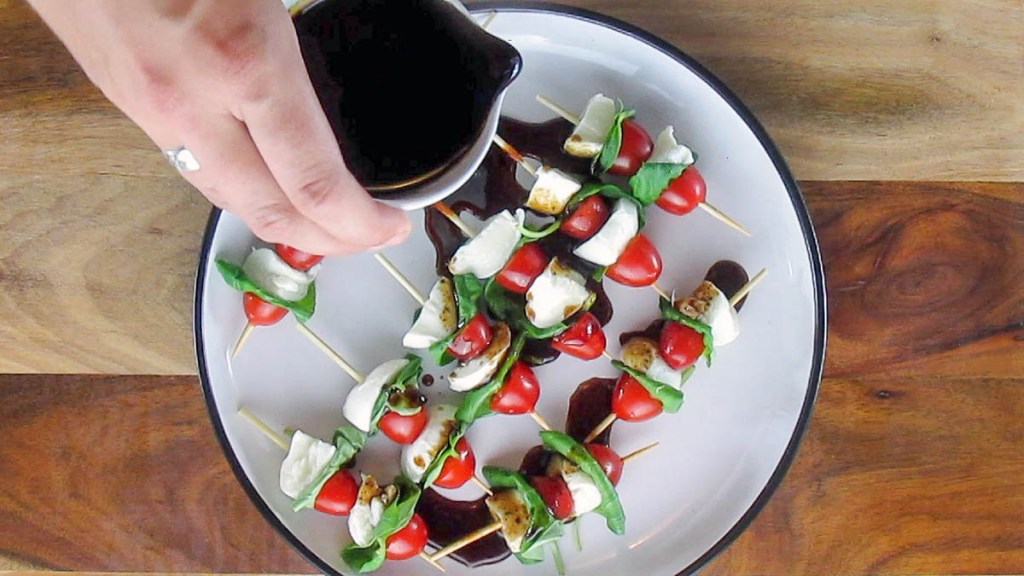
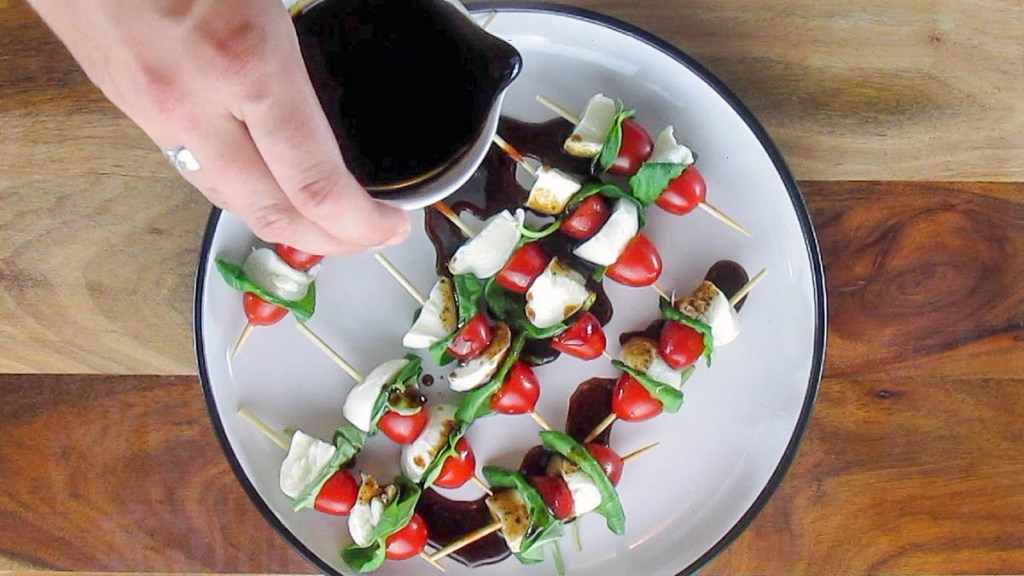
Most store-bought balsamic glaze comes with added ingredients like colouring, preservatives and sweeteners, which none of us wants. This glaze is simple to make, has only two ingredients, and can be used on salads, pizzas, chicken, and anything else you think needs a flavour elevation. 

Quality ingredients make a difference

To ensure you get the best balsamic glaze, you want to start with the best quality vinegar you can; this can significantly impact the flavour. If you have good-quality vinegar, you can make the glaze without adding any sweetener. 

Balsamic glaze recipe

Ingredients

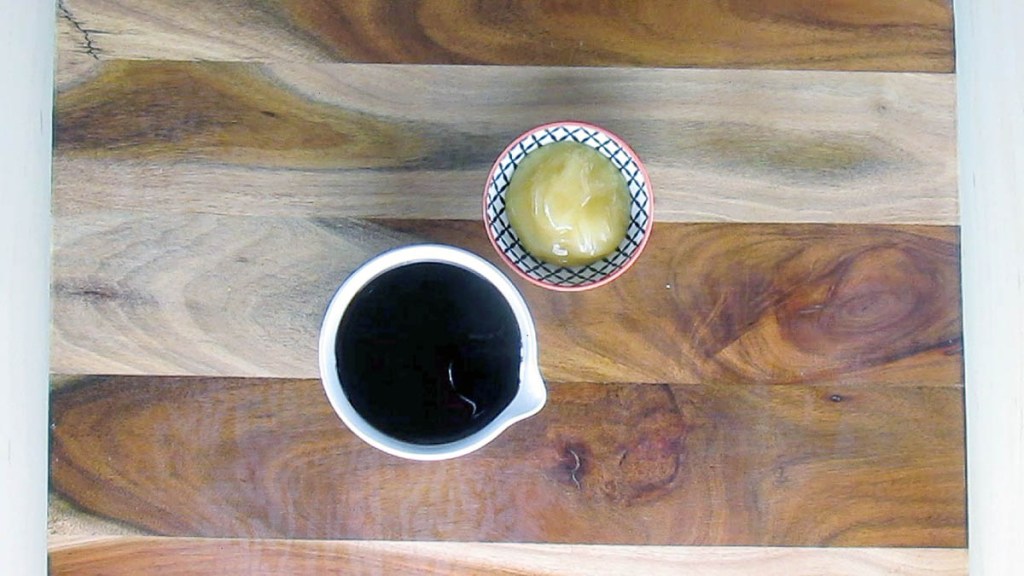
  • 1 cup balsamic vinegar
  • 2 tbsp. honey

Instructions

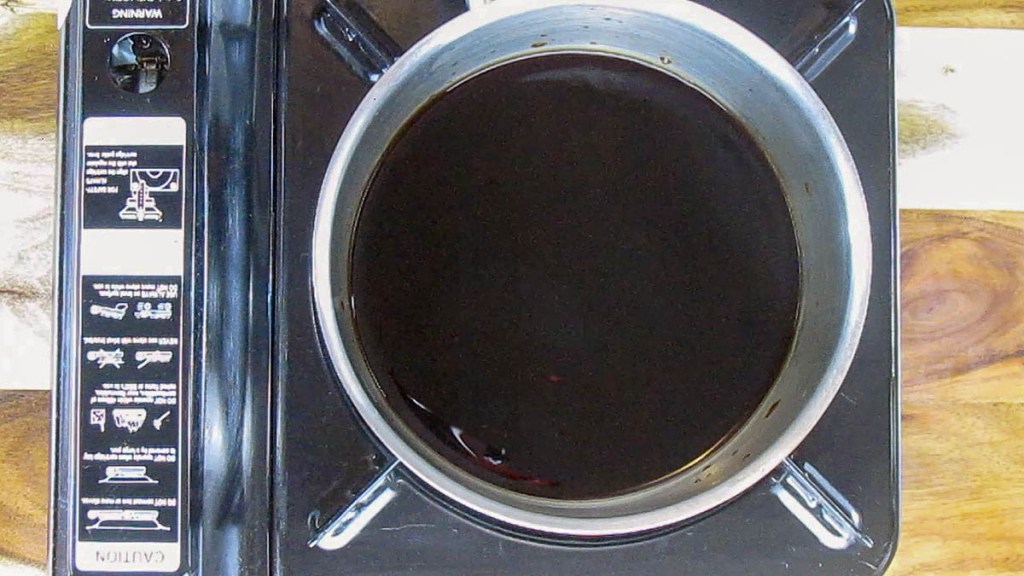
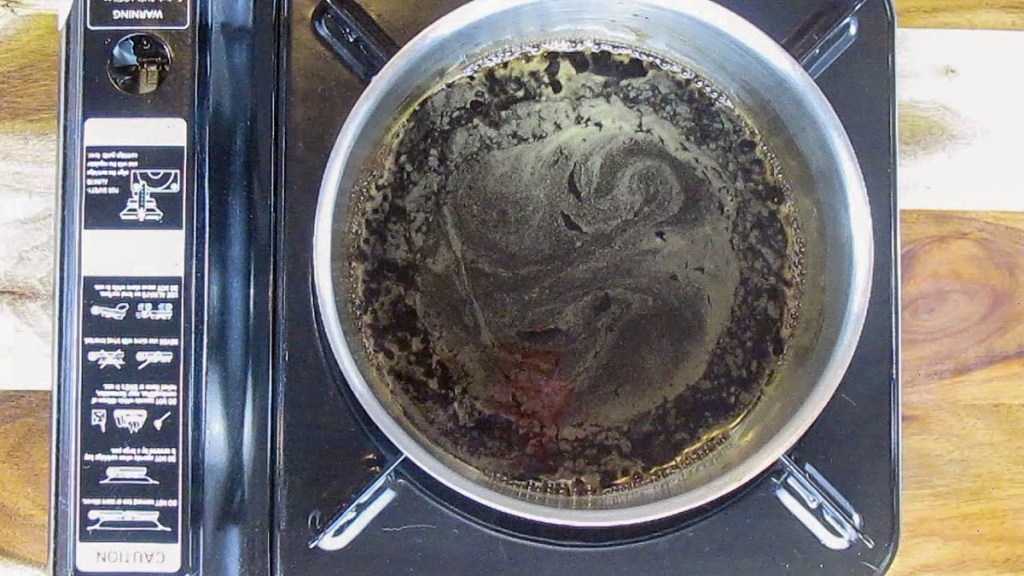
In a saucepan over medium heat, mix together the honey and vinegar.

Mix until the honey is dissolved.

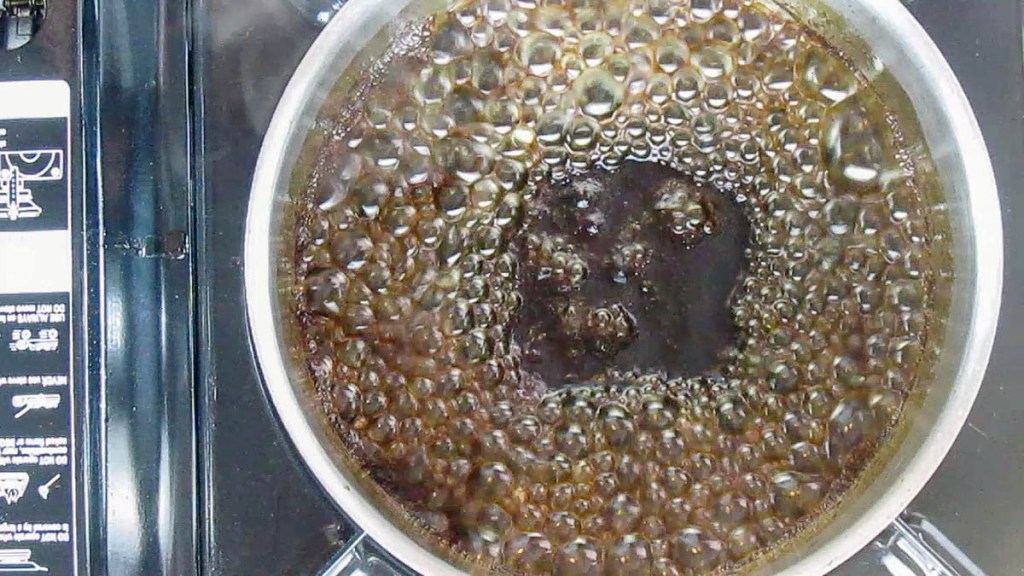
Bring the liquid to a boil, then reduce the heat to a simmer.

Stir the vinegar occasionally to check how much it has reduced.

The glaze is ready when it coats the back of a spoon. 

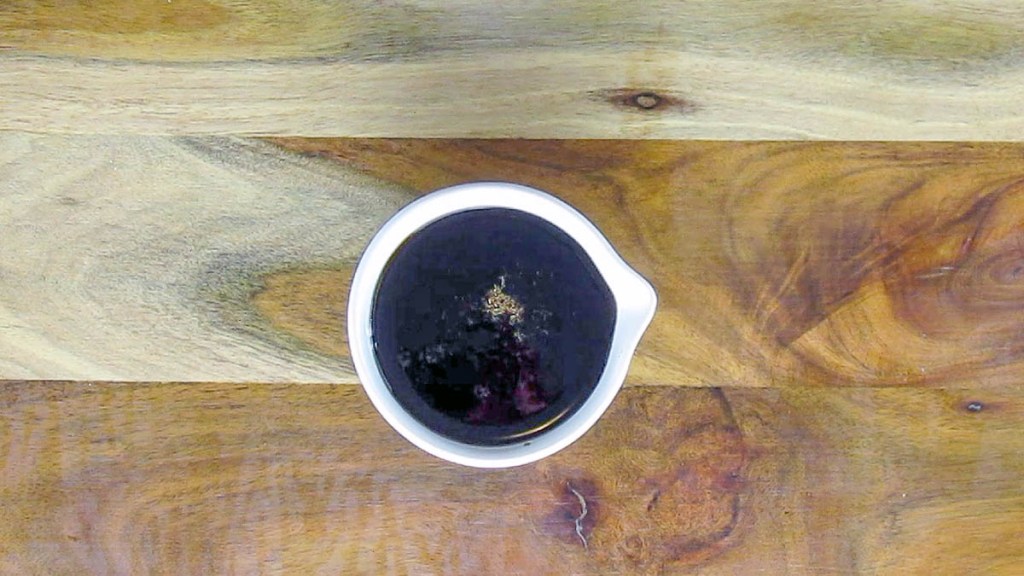
Take it off the heat and transfer it to a glass jar as soon as possible.

The glaze will thicken as it cools.

  • Rating: ★★★★★
  • Print

“This


Credit: Cath @ easycleaneats 

Ingredients

  • 1 cup balsamic vinegar
  • 2 tbsp. honey

Directions

  1. In a saucepan over medium heat, mix together the honey and vinegar.
  2. Mix until the honey is dissolved.
  3. Bring the liquid to a boil, then reduce the heat to a simmer.
  4. Stir the vinegar occasionally to check how much it has reduced.
  5. The glaze is ready when it coats the back of a spoon. 
  6. Take it off the heat and transfer it to a glass jar as soon as possible.
  7. The glaze will thicken as it cools.

Nutrition

Per Serving: 24 calories; 0g fat; 6.9g carbohydrates; 0g protein

Equipment

  • Saucepan
  • Whisk 
  • Spoon

Nutritional disclaimer

Nutrition information is provided as an estimate based on the ingredients used and available in my area (New Zealand). The nutritional information is here to help you understand the recipe; I use MyFitnessPal to generate my estimates. For more accurate nutritional information, please use a nutritional calculator with the ingredients in your area.

Avocado mousse

Did you know you could freeze avocado? 

I only recently discovered that you could freeze them, with that piece of information you now get to have avocado all year round. With this potential abundance of avocado in your life, you will need to find new and interesting uses for avocado. 

Enter avocado desserts

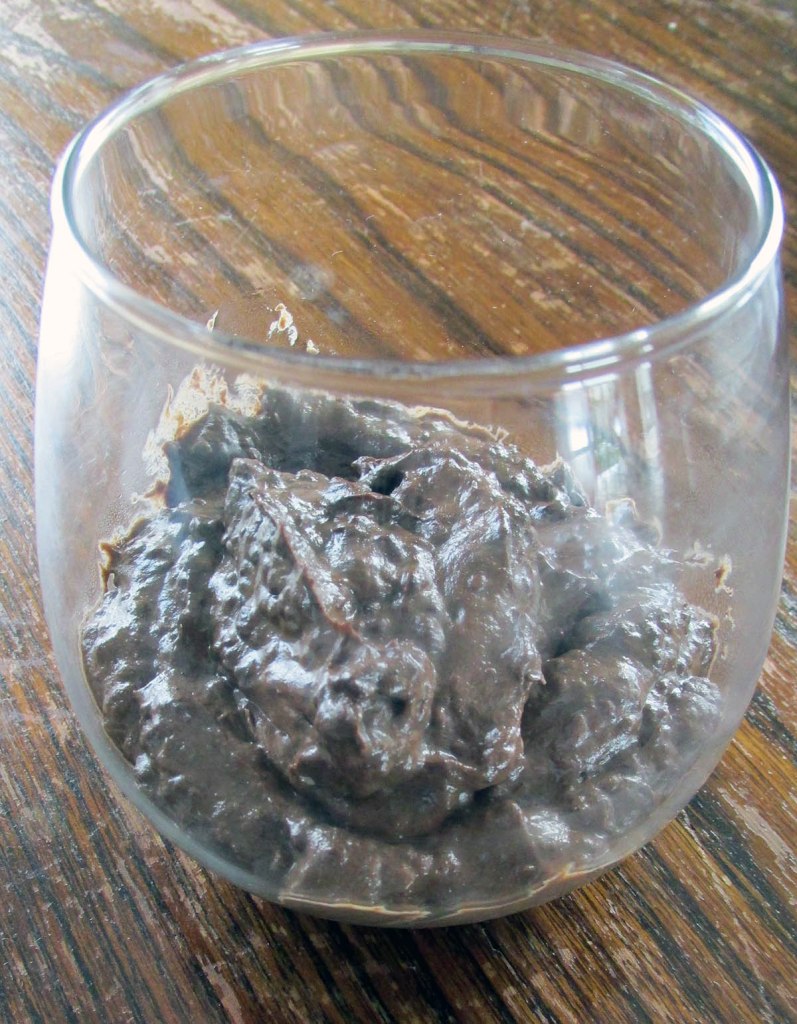
I love this dessert because it is quick, easy and packed with healthy ingredients, what more can you ask for? 

We are working hard to eat clean with no slip ups so having a dessert that tastes like really rich chocolate while being good for you is a big tick in the win column. 

This mousse passed the little (and big) boy chocolate test, they thought it tasted just as good as mousse that you buy.

The beauty of this dessert is that you can make it before dinner and put it in the fridge.

Avocado mousse recipe

Ingredients

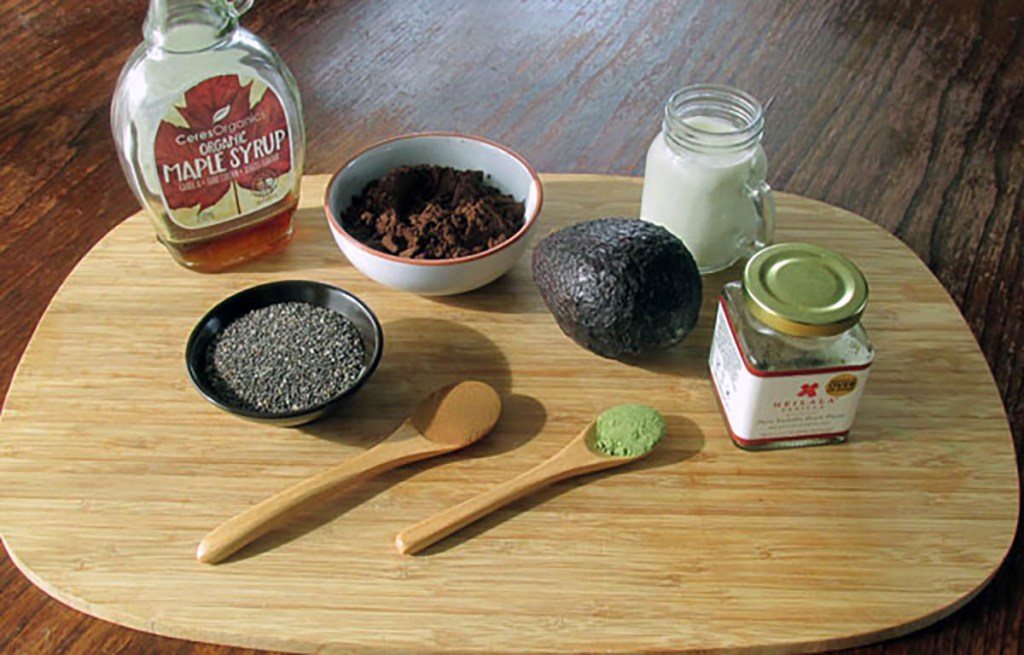
  • 2 avocados
  • 125ml milk
  • 1/4 cup cacao powder
  • 1 tbsp. chia seeds
  • 1 tsp. stevia
  • 1 tsp. maple syrup
  • 1 tsp. vanilla bean paste
  • 1/2 tsp. ground cinnamon

Place all of the ingredients into a food processor and blend until everything is smooth.

Put the mousse into glasses and chill for an hour before serving.

Avocado mousse

  • Servings: 4
  • Rating: ★★★★★
  • Print

Chocolate and avocado are a match made in heaven, this rich mousse is perfect for a weeknight treat


Credit: Cath @ easycleaneats

Ingredients

  • 2 avocados
  • 125ml milk
  • 1/4 cup cacao powder
  • 1 tbsp. chia seeds
  • 1 tsp. stevia
  • 1 tsp. maple syrup
  • 1 tsp. vanilla bean paste
  • 1/2 tsp. ground cinnamon

Directions

  1. Place all of the ingredients into a food processor and blend until everything is smooth.
  2. Put the mousse into glasses and chill for an hour before serving.

Nutrition

Per Serving: 60 calories; 2.2 g fat; 7.8 g carbohydrates; 2.7 g protein

Equipment

  • Measuring spoons
  • Measuring jug
  • Knife
  • Chopping board
  • Spoon 
  • Food processor
  • Spatula
  • Glasses  

Nutritional disclaimer

Nutrition information is provided as an estimate based on the ingredients used and available in my area (New Zealand). The nutritional information is here to help you understand the recipe; I use MyFitnessPal to generate my estimates. For more accurate nutritional information, please use a nutritional calculator with the ingredients in your area.

Easy Hollandaise Sauce

Make your own

If you are like us and you try to avoid mass-produced processed foods, the best option is to make your own. When you make your own, you get to control which ingredients you use and how much or how sweet you want it to be. Once you have a go at making your own and you realise how easy it is, you will never go back to store-bought again.

Master the basics

Eating clean gets a lot easier once you have mastered a few essential recipes. This recipe is basic, not like basic unicorn basic, more like beard and flannel basic. Back to the point (which isn’t Unstable unicorns), having basic skills and recipes in your arsenal means you will never be left with only UberEats as your weeknight options. Once you master this recipe, the possibilities are endless.

Something fancy for the weekend

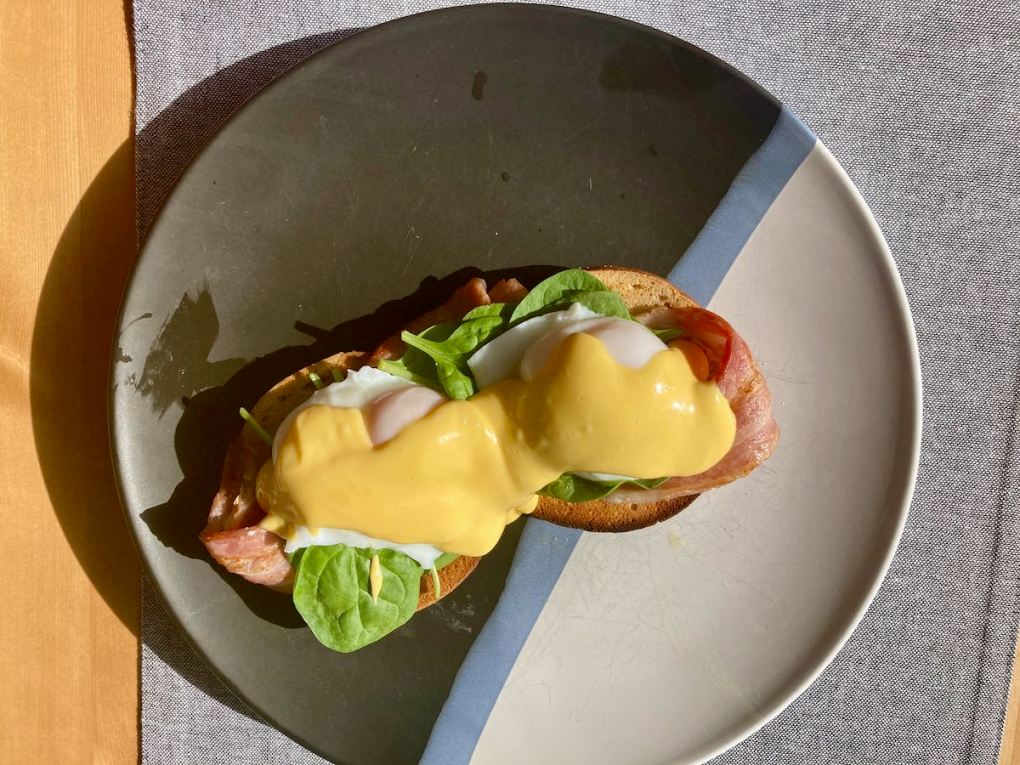
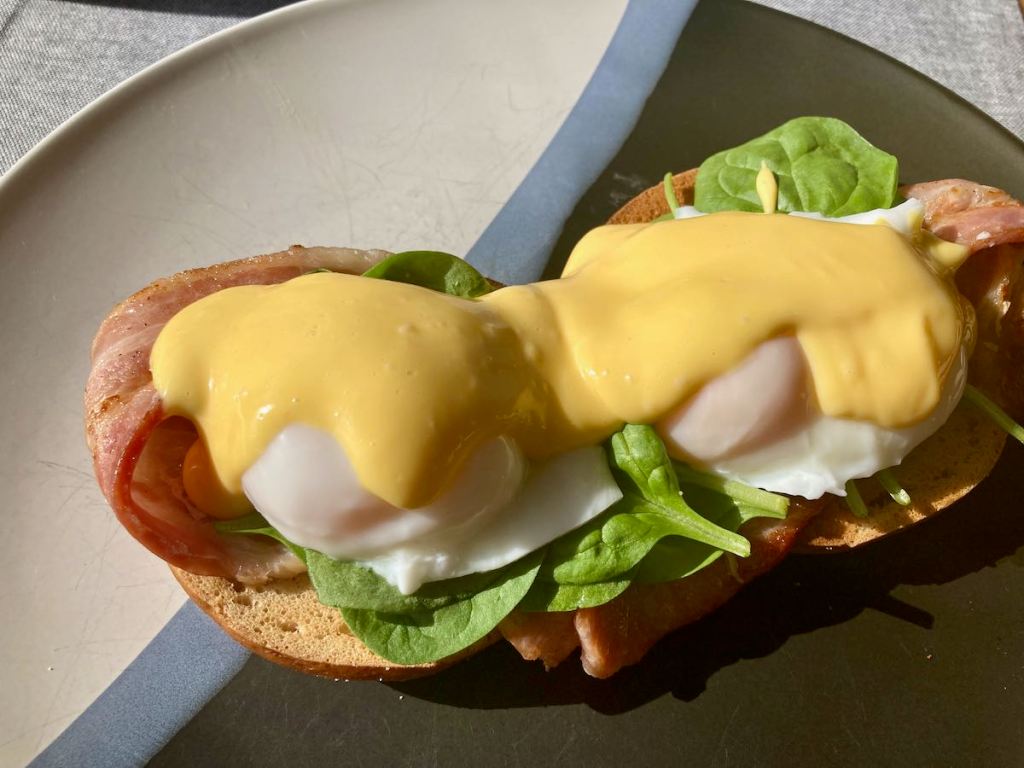
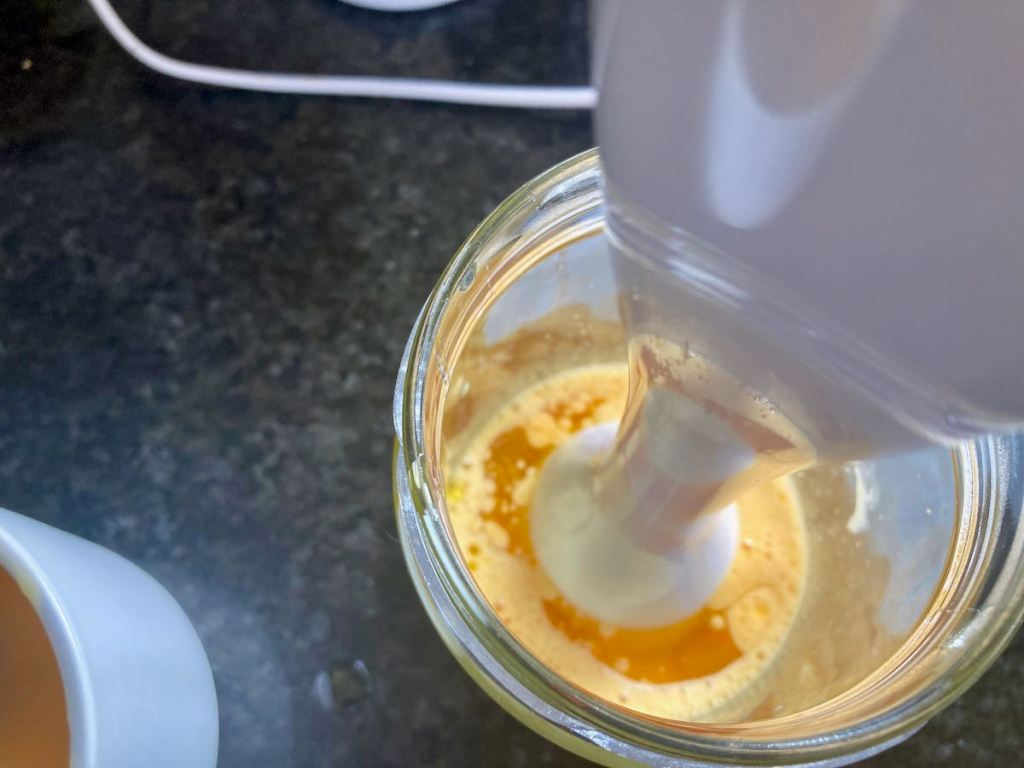
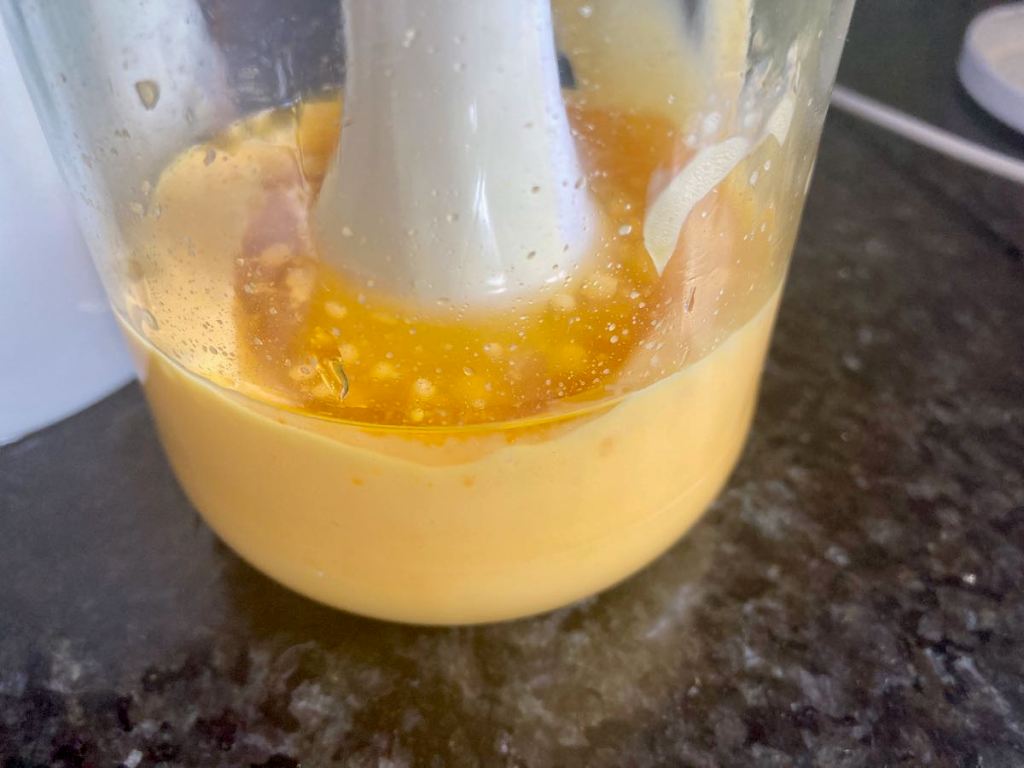
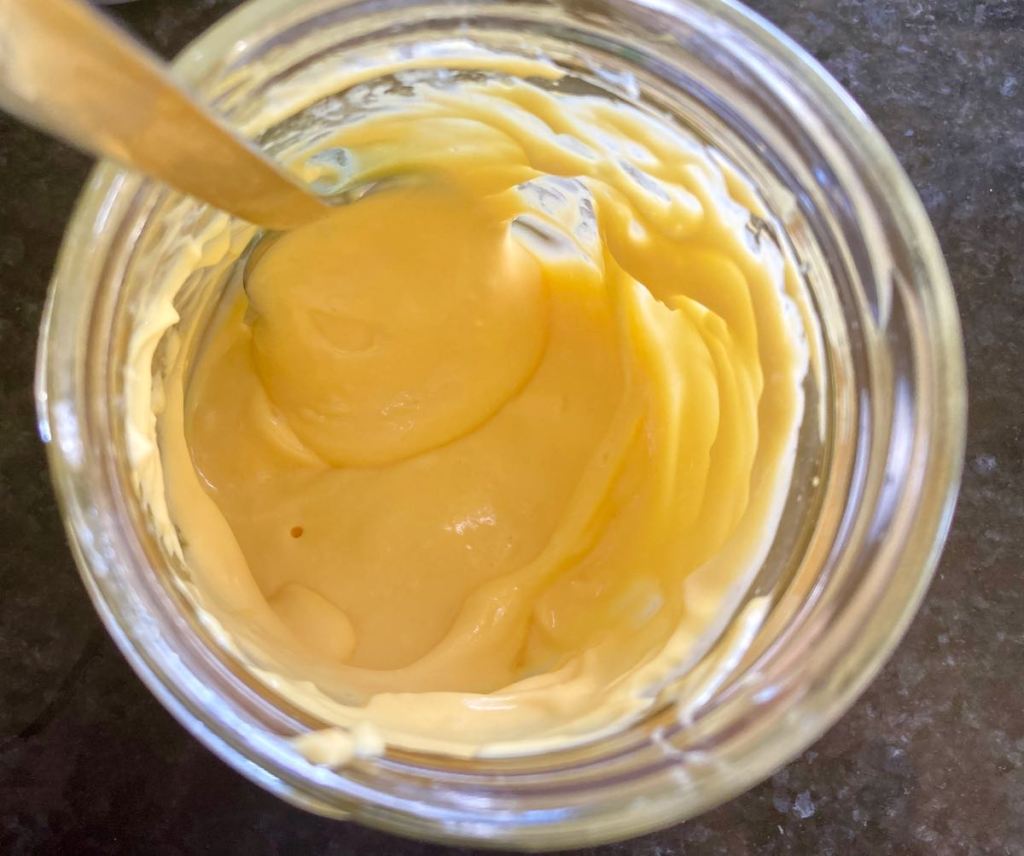
I’ve been craving a brunch fix for a few weekends, so I decided to do something about it. Hollandaise sauce is the perfect opulent topping for poached eggs and crisp bacon. I was fortunate enough to be gifted a stick blender not long ago, so I had a go at making my hollandaise with that instead of my blender jug. After a bit of trial and runny sauce, I handed on the perfect method to create thick and creamy hollandaise for my homemade eggs bene.

Easy hollandaise sauce recipe

Ingredients

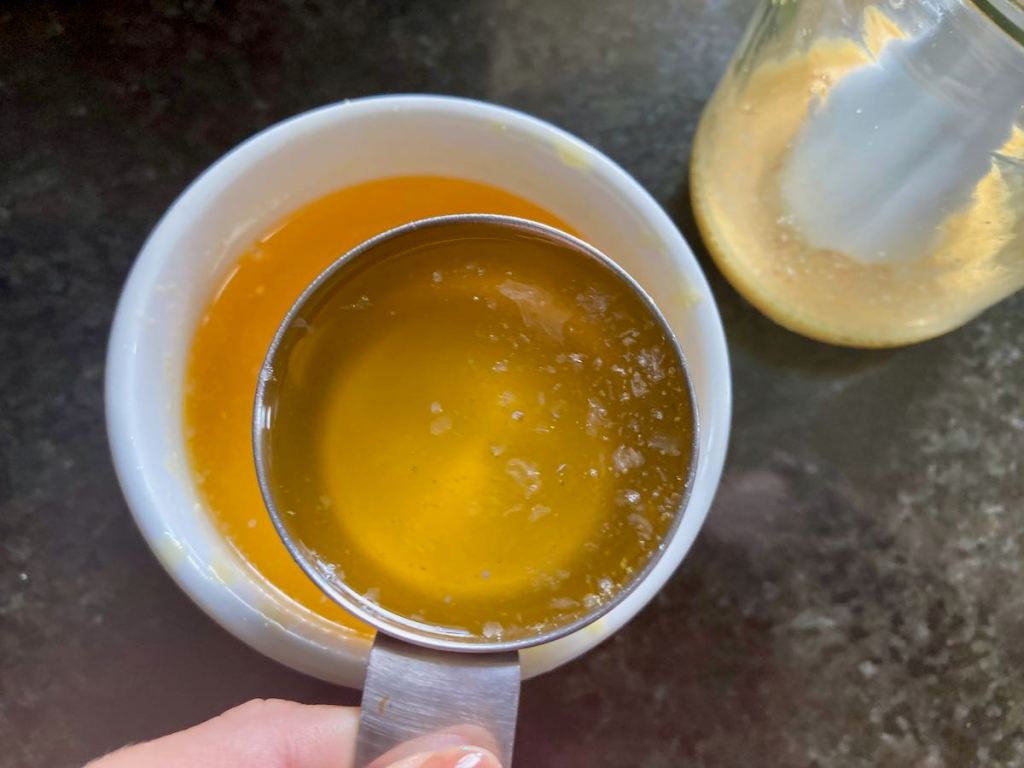
  • 1/2 cup ghee, melted
  • 2 egg yolks
  • 1 tbsp. lemon juice
  • salt
  • pepper or cayenne papper

Instructions

Using a stick blender

Place the egg yolks, lemon juice in a glass jar with some salt, and pepper.

Pulse the eggs to break them up.

Add 2 tablespoons of the melted ghee to the jar and blend until the ghee has emulsified.

Continue to add 2 tablespoons of ghee to the jar at a time and blend until you have a thick and silky sauce.

Easy hollandaise sauce

  • Rating: ★★★★★
  • Print

“This


Credit: Cath @ easycleaneats

Ingredients

  • 1/2 cup ghee, melted
  • 2 egg yolks
  • 1 tbsp. lemon juice
  • salt
  • pepper

Directions

    1.Melt the ghee over low heat or in the microwave, it should be liquid, not boiling.
  1. Using a blender
  2. Place the egg yolks, lemon juice in the blender with some salt, and pepper.
  3. Start the blender on low and run for about 30 seconds.
  4. Slowly pour the ghee into the blender through the hole in the lid.
  5. You must go slowly so that the emulsion does not separate.
  6. When all the ghee is added, and the sauce has thickened, you are finished.
  7. Using a stick blender
  8. Place the egg yolks, lemon juice in a glass jar with some salt, and pepper.
  9. 10.Pulse the eggs to break them up.
  10. Add 2 tablespoons of the melted ghee to the jar and blend until the ghee has emulsified.
  11. Continue to add 2 tablespoons of ghee to the jar at a time and blend until you have a thick and silky sauce.

Nutrition

Per Serving:153 calories; 16.2 g fat; 0.1 g carbohydrates; 1.6 g protein

Equipment

  • Saucepan
  • Blender
  • Spatula  

Nutritional disclaimer

Nutrition information is provided as an estimate based on the ingredients used and available in my area (New Zealand). The nutritional information is here to help you understand the recipe; I use MyFitnessPal to generate my estimates. For more accurate nutritional information, please use a nutritional calculator with the ingredients in your area.


No Sugar Meringue

What are Meringues?

The meringue started as little cookies that were crispy on the outside and chewy inside. There are a few different types of meringues from across Europe that have slightly different ingredients and techniques. Meringue has been used for cookies, pavlova, Eton mess, and lemon meringue pies.

Big on sugar

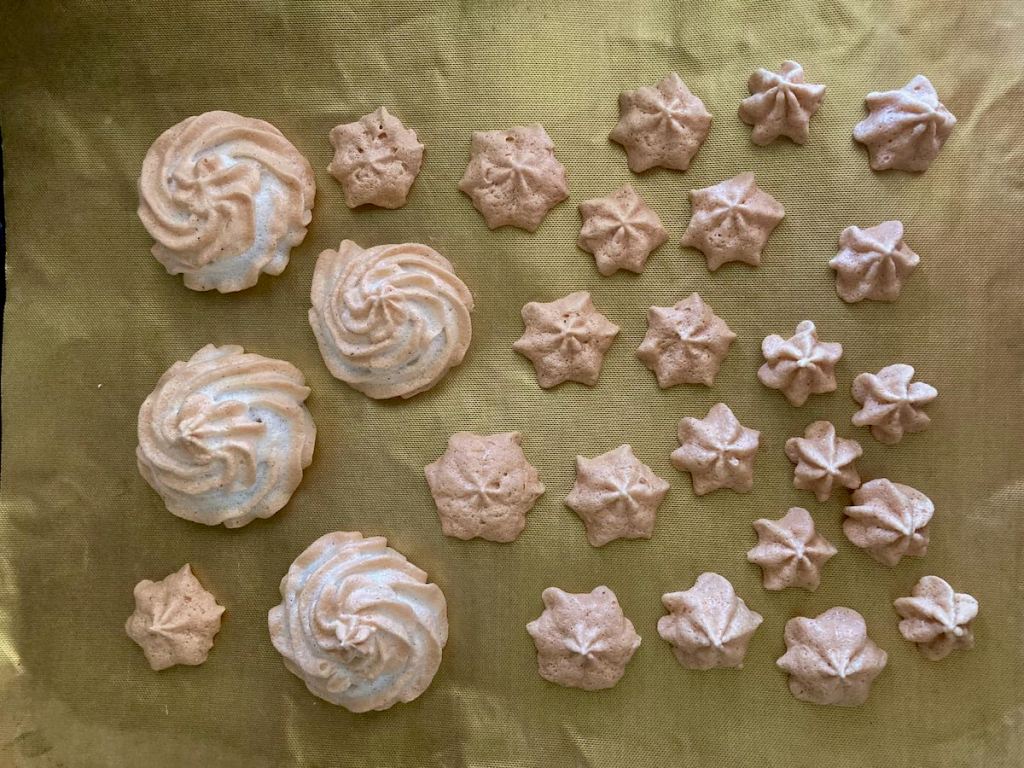
There is one thing that all meringues have in common is a considerable amount of sugar, which isn’t my bag. Some recipes take a long time to get right from a technical cooking perspective and others from a flavour perspective, it is usually one thing or another, but in this instance, it took a long time to get the flavour and the technique right. I will save you the tale of woe and the many failed experiments to get a recipe that gave me silky meringues that once baked were crisp on the outside and chewy on the inside. All you need to know is the best combination of cream of tartar, apple cider vinegar and monkfruit sweetener. 

No sugar meringue recipe

Ingredients

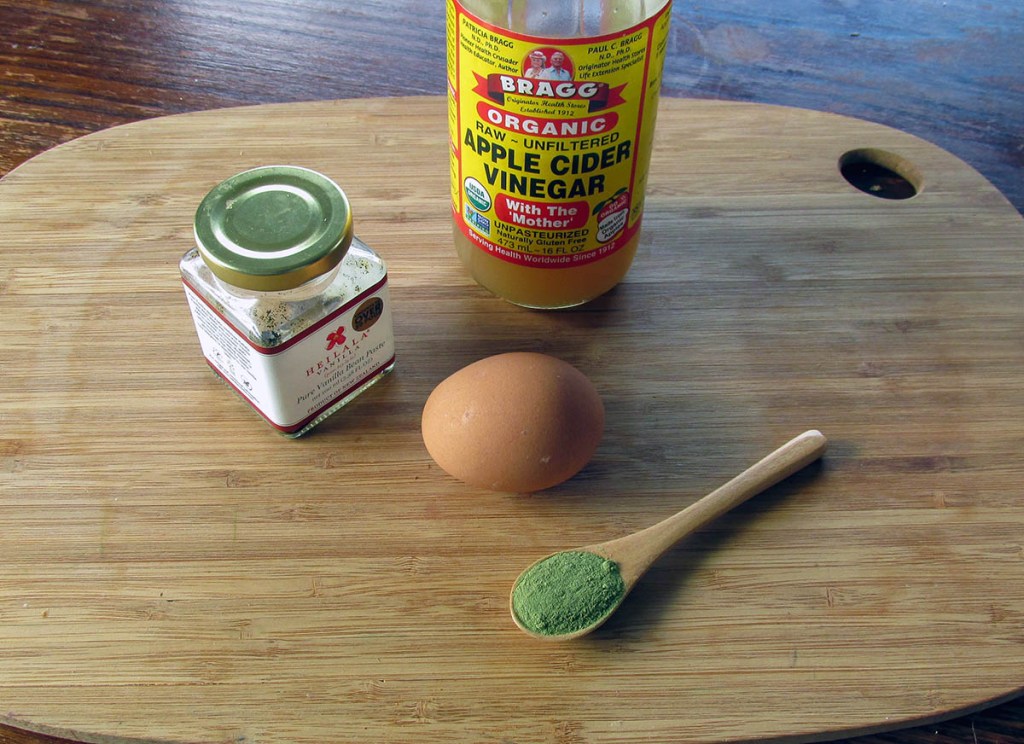
  • 3 egg whites
  • 1/2 tsp. apple cider vinegar
  • 1/4 tsp. Cream of tartar
  • 3 tbsp. Monkfruit sweetener
  • 1/4 tsp. vanilla bean powder

Preheat to 135 degrees C / 275 degrees F.

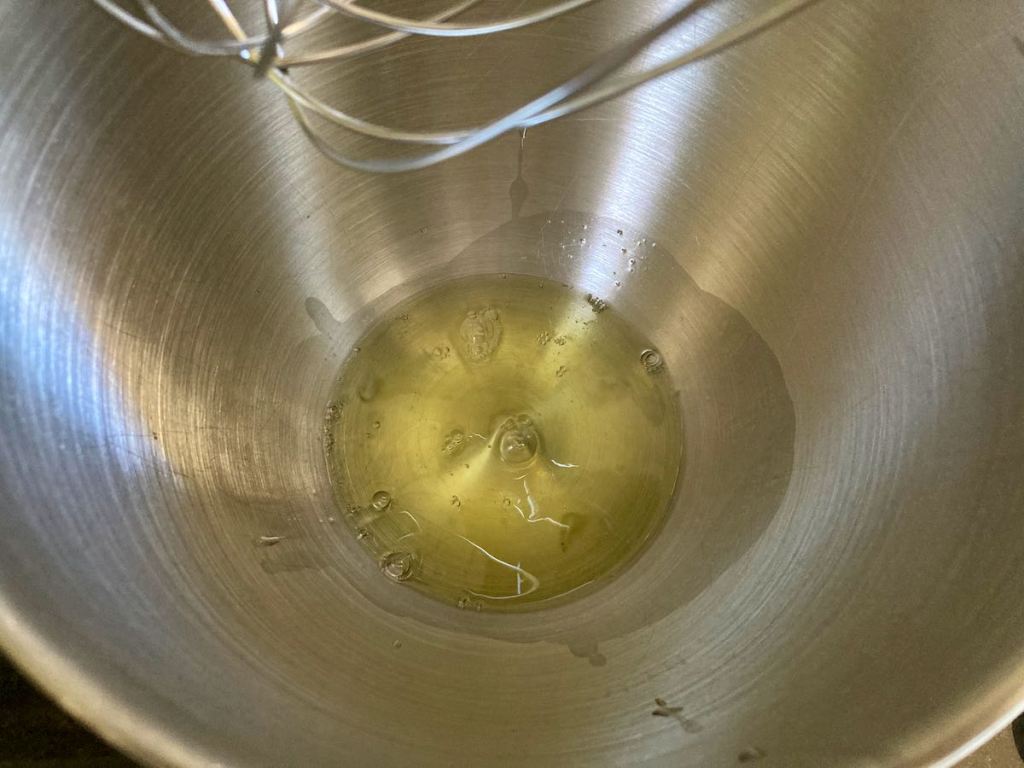
Crack the eggs and separate the egg whites from the yolks*.

Place the egg whites into a large, clean bowl or a mixer.

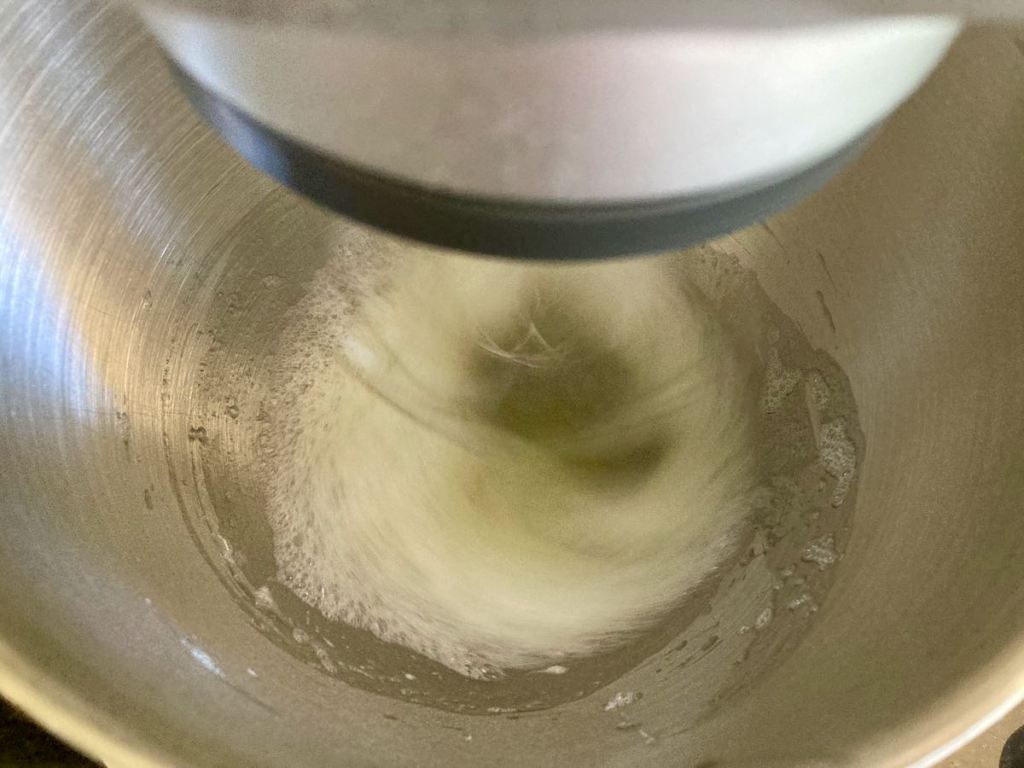
Using an electric whisk, start to beat the egg whites, use a medium speed setting on the whisk.

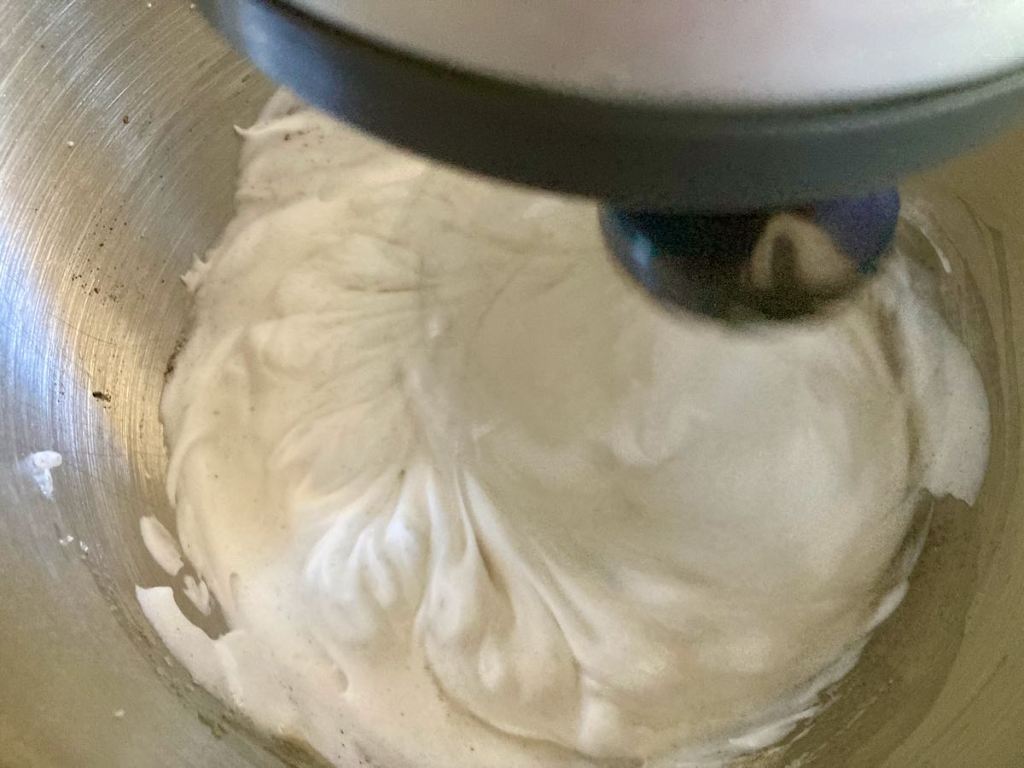
Beat the whites until they become foamy.

Whisk in the apple cider vinegar.

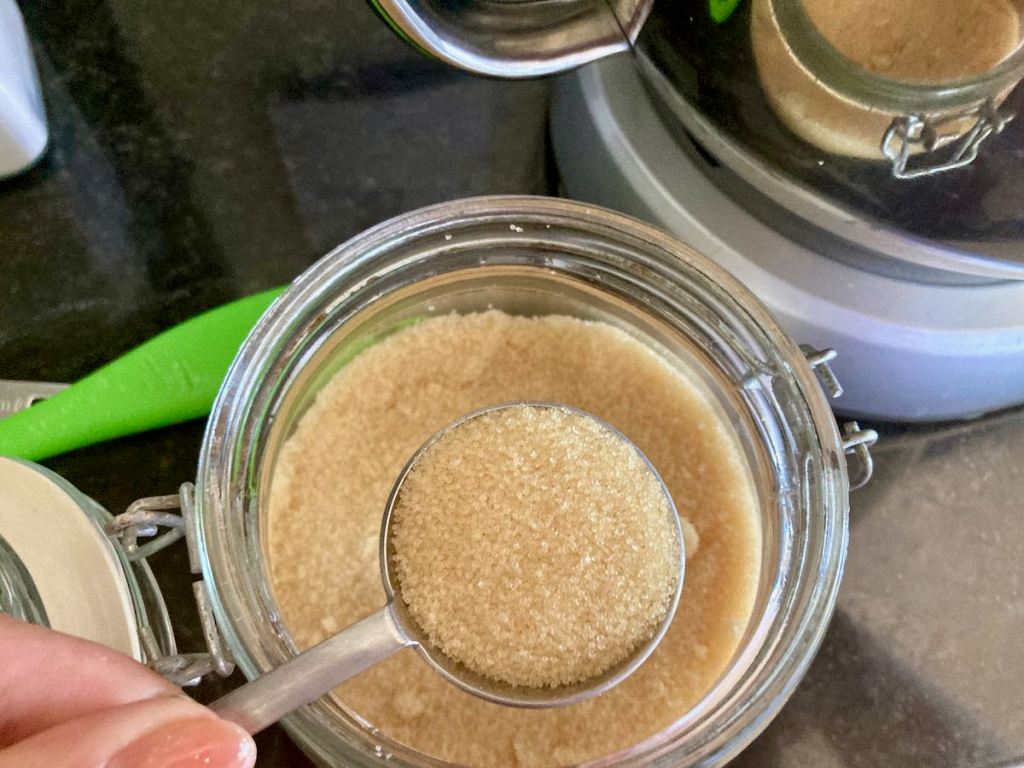
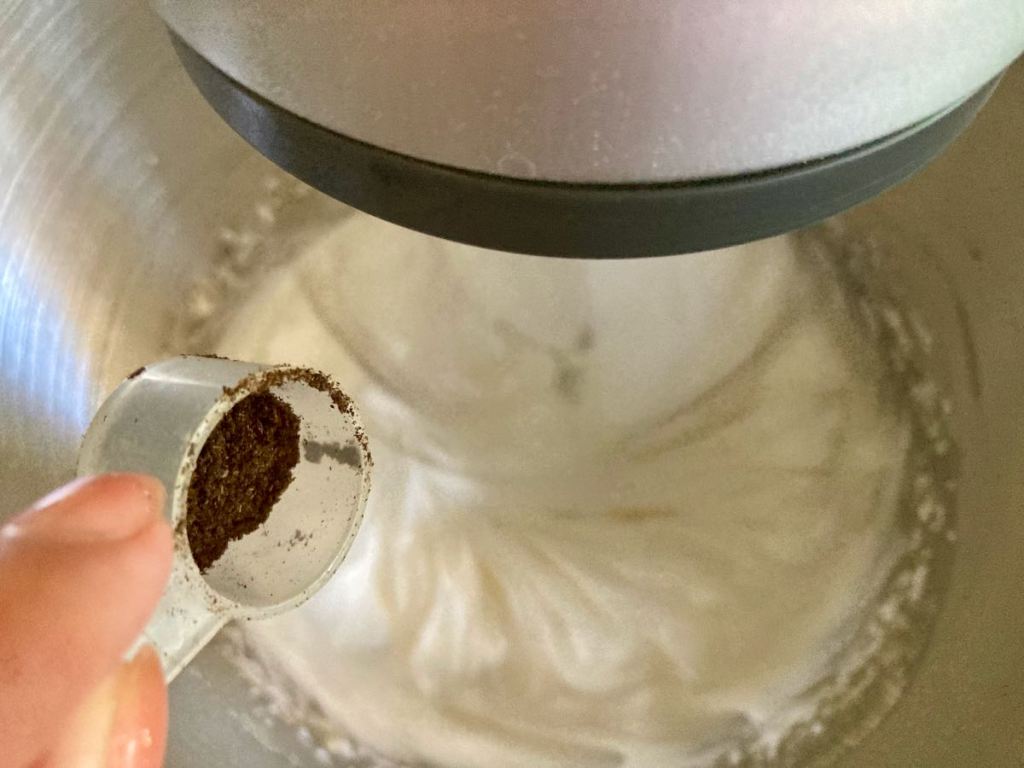
Add the monkfruit sweetener one tablespoon at a time, then whisk in the vanilla bean powder.

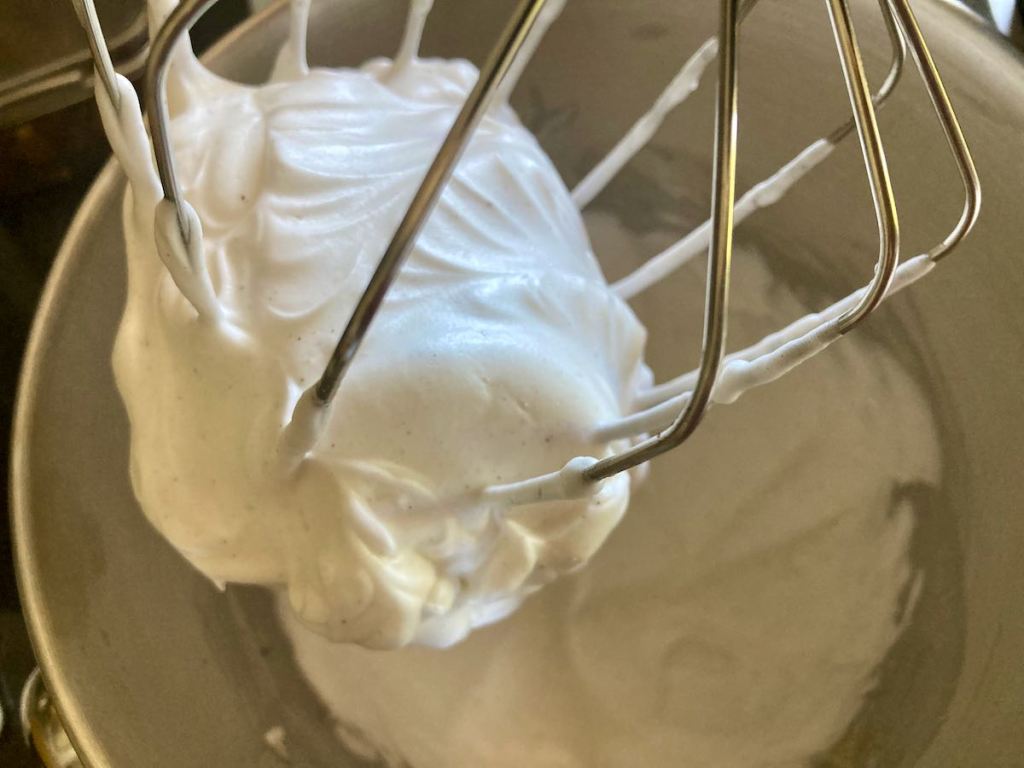
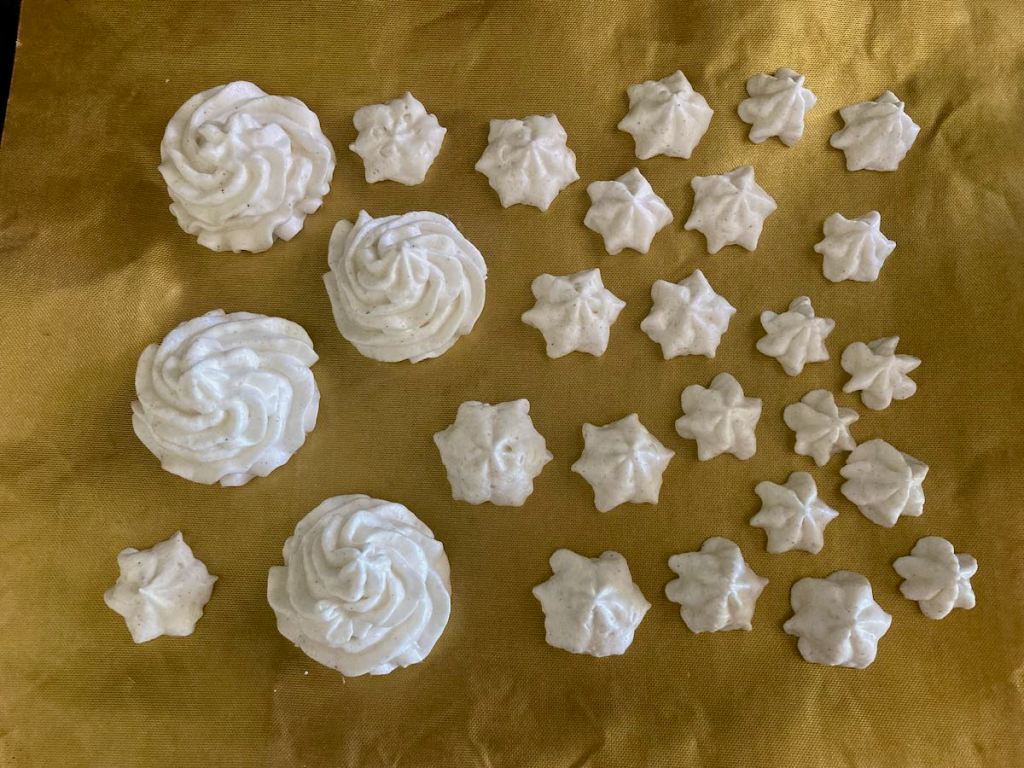
Keep beating the egg whites until they are stiff peaks and look glossy.

Line a baking tray with baking paper or a silicone liner.

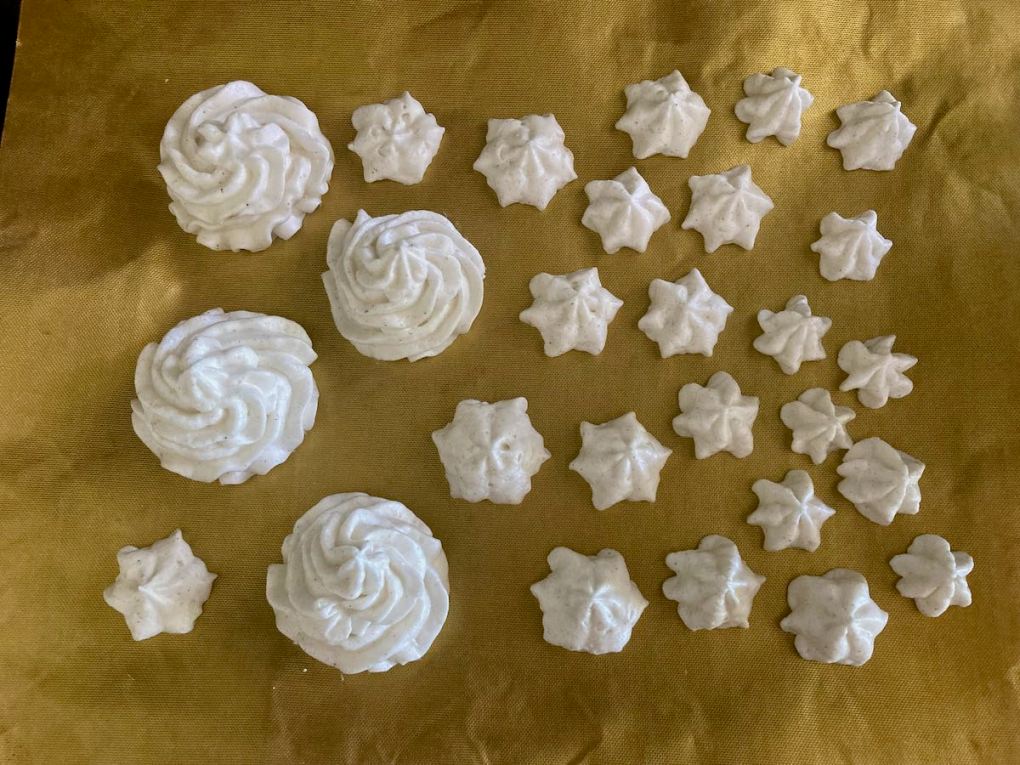
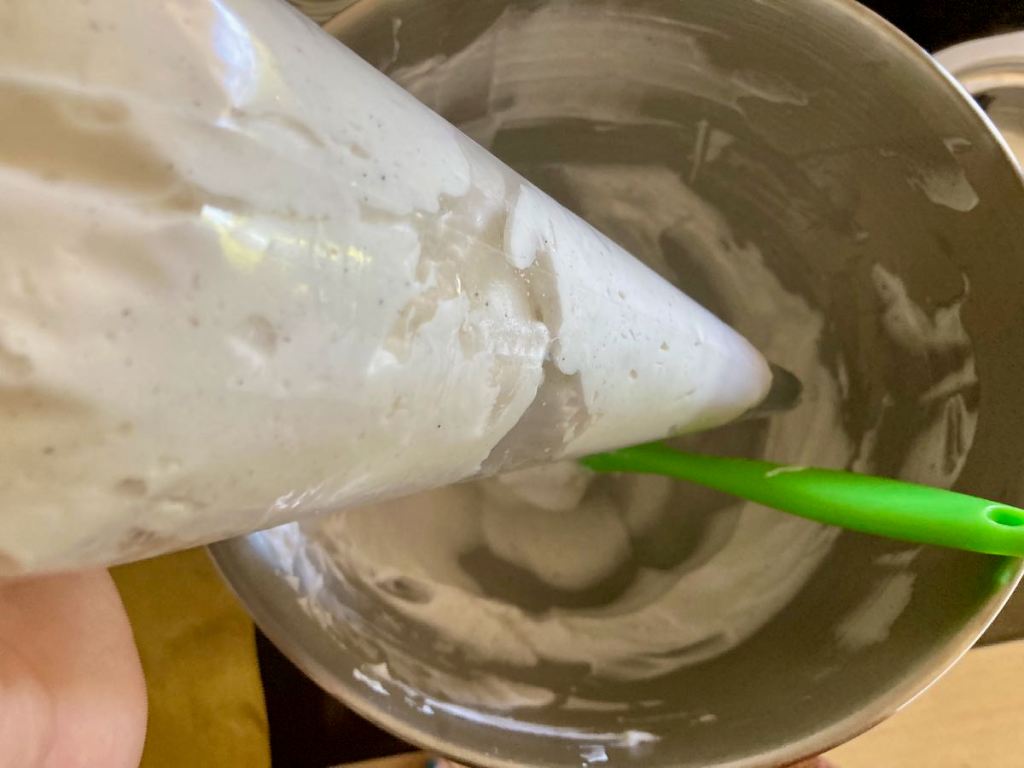
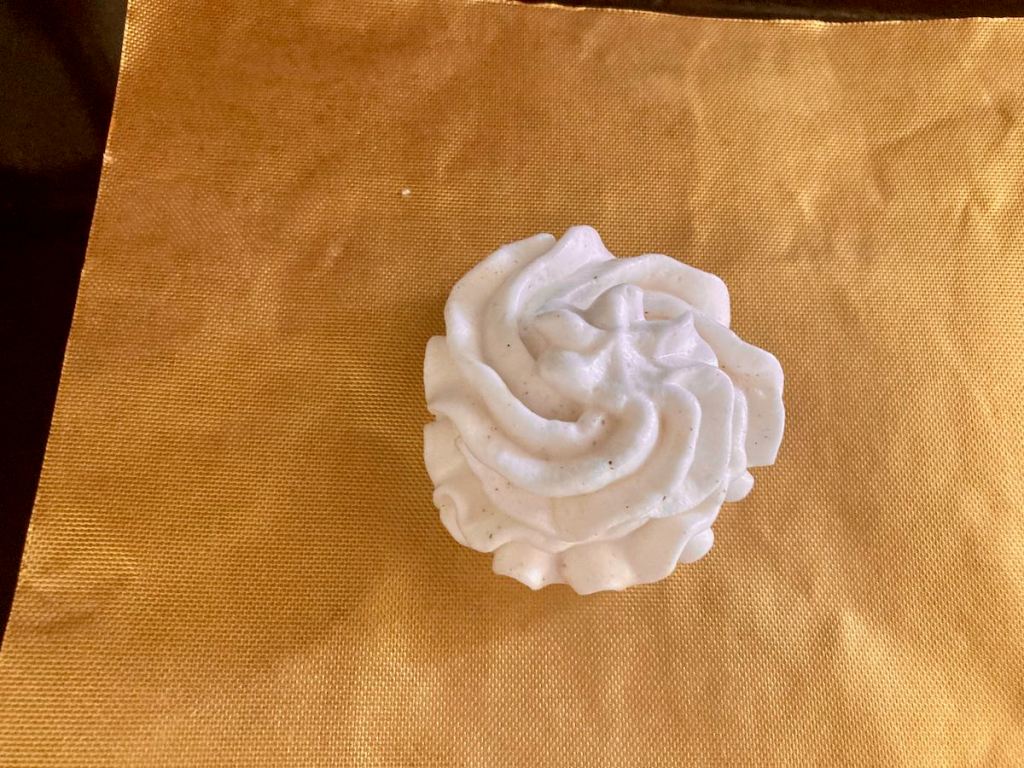
You can use a spoon to put the whites onto the baking tray; alternatively, you can use a piping bag to create shaped meringues.

Bake at 135 degrees C 275 degrees F for 15 minutes.

After 15 minutes, turn down the oven’s temperature to 100 degrees C 210 degrees F and cook for another hour.

After an hour, turn the oven off and keep the meringues in for another 2 hours.

When the oven has cooled completely, remove the meringues and put them into an airtight container.

You can store the meringues at room temperature until you need them.

*keep the yolks. You can add them to your homemade mayo to make it more creamy

No sugar meringue

  • Servings: 24“
  • Rating: ★★★★★
  • Print

“These


Credit: Cath @ easycleaneats 

Ingredients

– 3 egg whites – 1/2 tsp. apple cider vinegar – 1/4 tsp. Cream of tartar – 3 tbsp. Monkfruit sweetener – 1/4 tsp. vanilla bean powder

Directions

  1. Preheat to 135 degrees C / 275 degrees F.
  2. Crack the eggs and separate the egg whites from the yolks*.
  3. Place the egg whites into a large, clean bowl or a mixer.
  4. Using an electric whisk, start to beat the egg whites, use a medium speed setting on the whisk. Beat the whites until they become foamy.
  5. Whisk in the apple cider vinegar.
  6. Add the monkfruit sweetener one tablespoon at a time, then whisk in the vanilla bean powder.
  7. Keep beating the egg whites until they are stiff peaks and look glossy.
  8. Line a baking tray with baking paper or a silicone liner.
  9. You can use a spoon to put the whites onto the baking tray; alternatively, you can use a piping bag to create shaped meringues.
  10. Bake at 135 degrees C 275 degrees F for 15 minutes.
  11. After 15 minutes, turn down the oven’s temperature to 100 degrees C 210 degrees F and cook for another hour.
  12. After an hour, turn the oven off and keep the meringues in for another 2 hours.
  13. When the oven has cooled completely, remove the meringues and put them into an airtight container.
  14. You can store the meringues at room temperature until you need them.

Nutrition

Per Serving:14 calories; 0.1g fat; 0.3g carbohydrates; 3.3g protein

Equipment

  • Mixing bowl
  • Electric whisk
  • Baking tray
  • Baking paper or silicone liner
  • Piping bag
  • Star piping tip 

Nutritional disclaimer

Nutrition information is provided as an estimate based on the ingredients used and available in my area (New Zealand). The nutritional information is here to help you understand the recipe; I use MyFitnessPal to generate my estimates. For more accurate nutritional information, please use a nutritional calculator with the ingredients in your area.

Chicken Caesar salad

Master the basics

Eating clean gets a lot easier once you have mastered a few essential recipes. This recipe is basic; not like basic unicorn basic, more like beard and flannel basic. Back to the point (which isn’t Unstable unicorns), having basic skills and recipes in your arsenal means you will never be left with only UberEats as your weeknight options. Once you master this recipe, the possibilities are endless.

Always make friends with salad

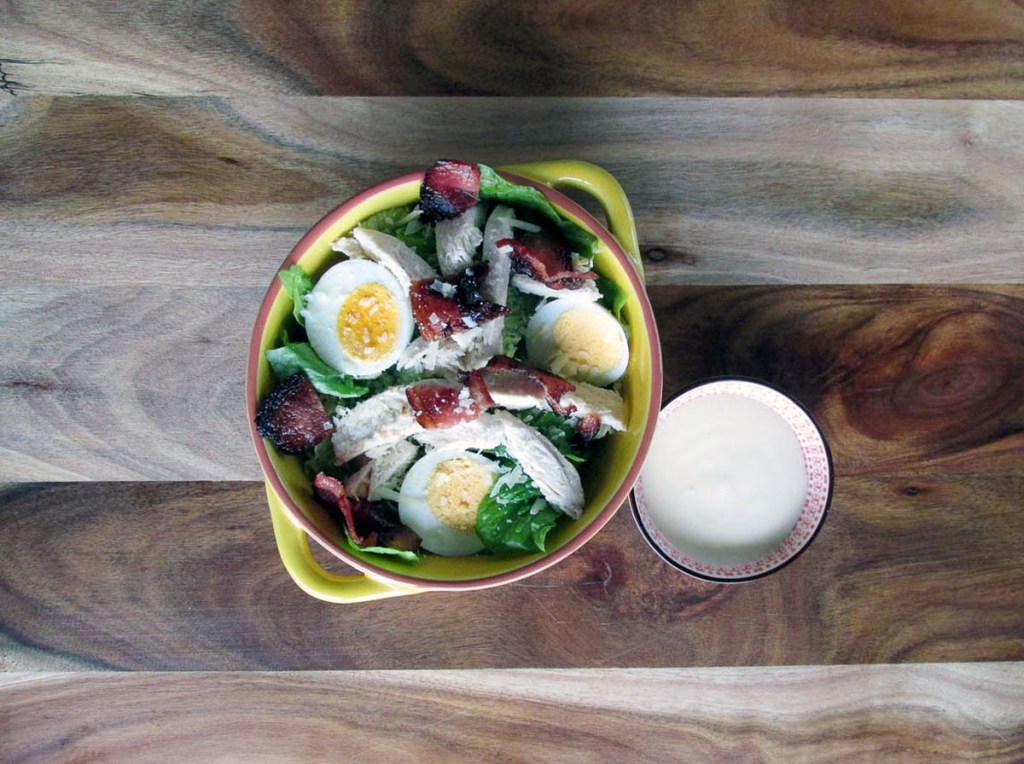
In my book, salad is something to get excited about; it is an amazingly fresh meal full of endless possibilities, not limp lettuce, sad dressing and soggy tomatoes. I’m one of those strange people that could happily eat salad for every meal. Gone are the days when I couldn’t plan to have salad as a family meal; I still can’t get away with a salad at every meal, but I do get a lot more salad than I once did. 

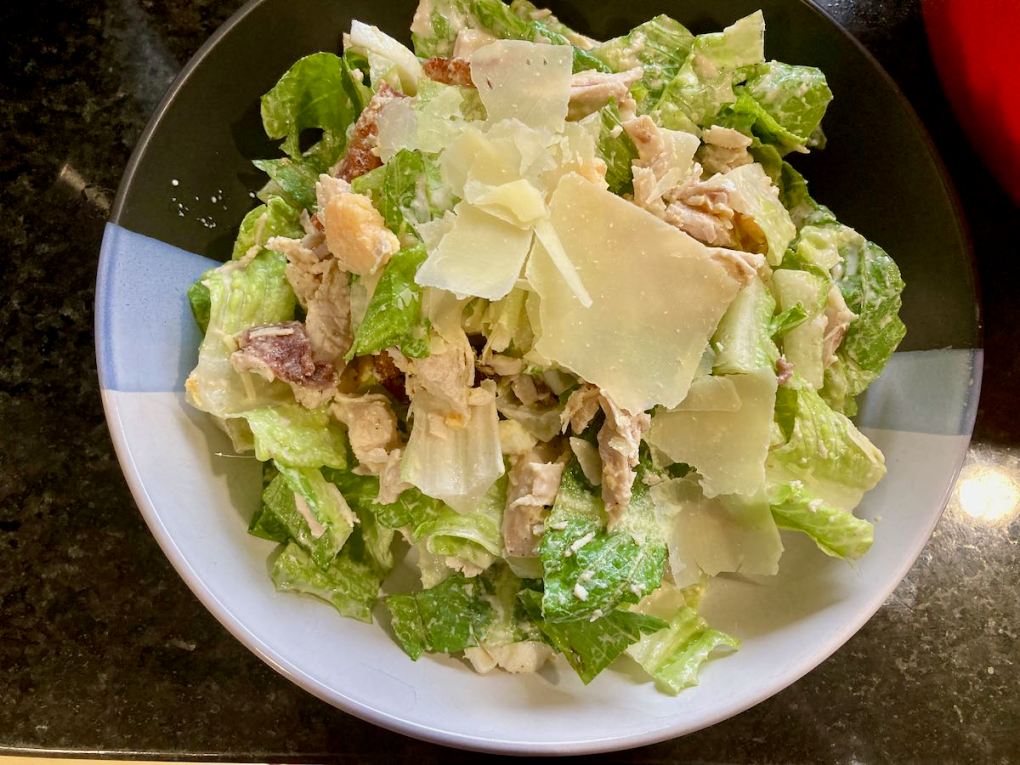
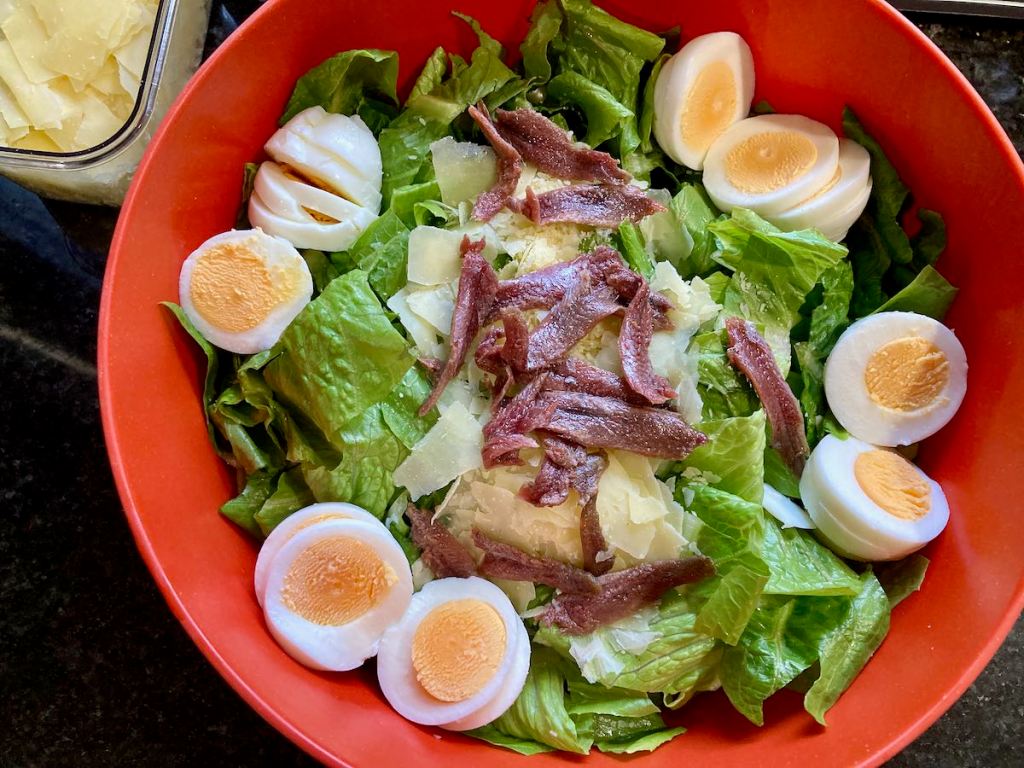
This is my take on the classic Caesar salad, it is portioned for one person but can easily be increased to feed more people.

Chicken Caesar salad recipe

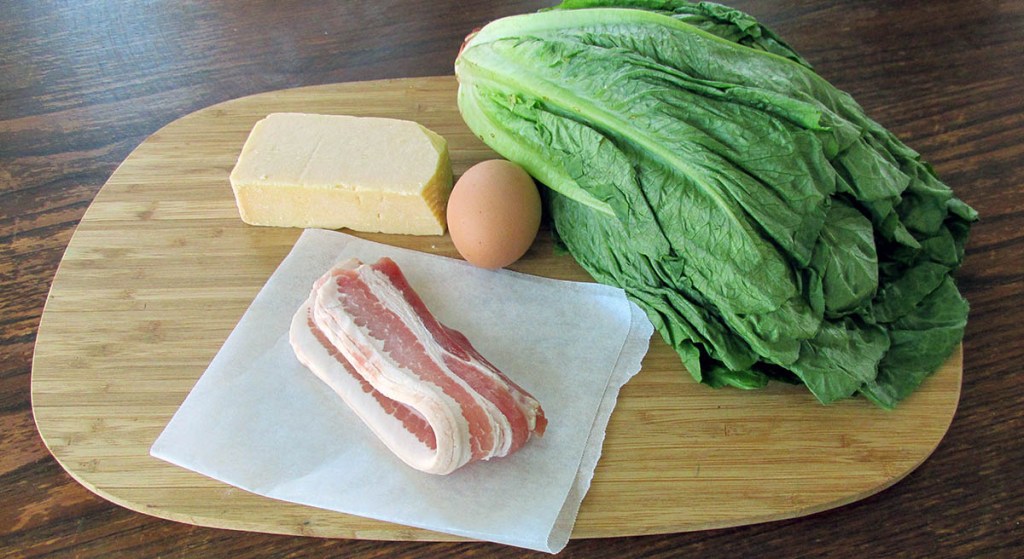
Ingredients

  • 200g chicken breast, cooked
  • 1 egg, hard-boiled
  • 2 pieces streaky bacon, cooked
  • 100g cos lettuce leaves, chopped into 4 pieces
  • Shaved parmesan cheese
  • 2 tbsp. Caesar salad dressing
  • Rating: ★★★★★
  • Print


Credit: Cath @ easycleaneats

Ingredients

  • 200g chicken breast, cooked
  • 1 egg, hard-boiled
  • 2 pieces streaky bacon, cooked
  • 100g cos lettuce leaves, chopped into 4 pieces
  • Shaved parmesan cheese
  • 2 tbsp. Caesar salad dressing
  • 2 anchovy fillets – optional

Directions

  1. Place the cos lettuce into a bowl or onto a platter.
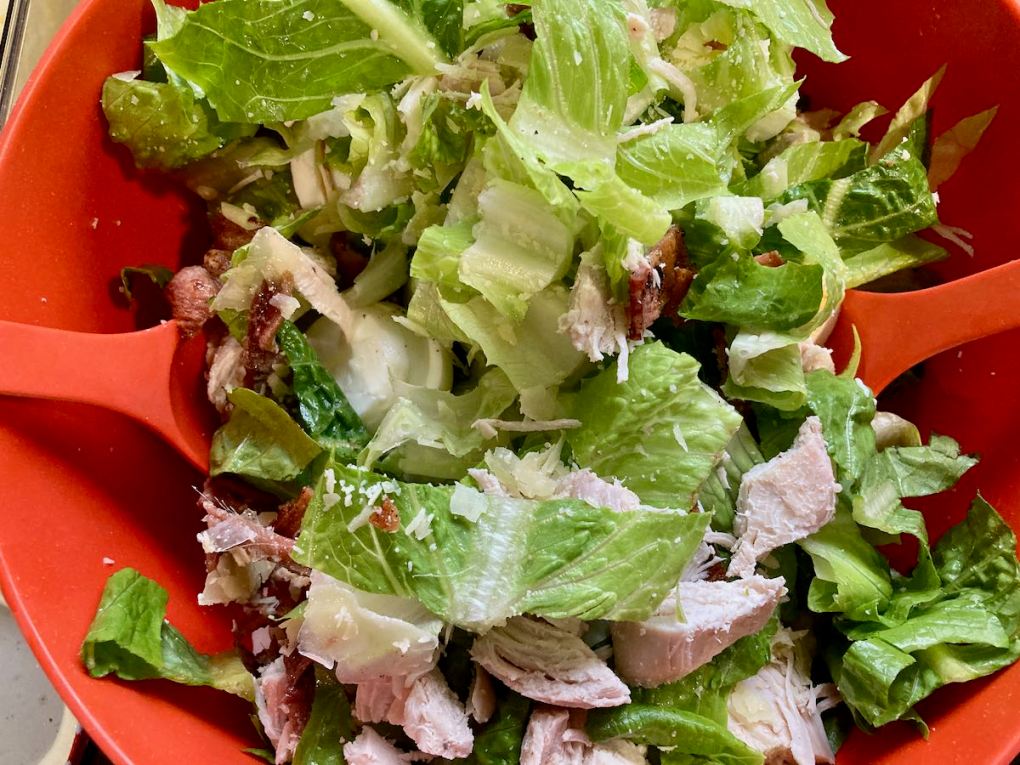
  2. Slice the egg, chicken and bacon and layer them on top of the lettuce.
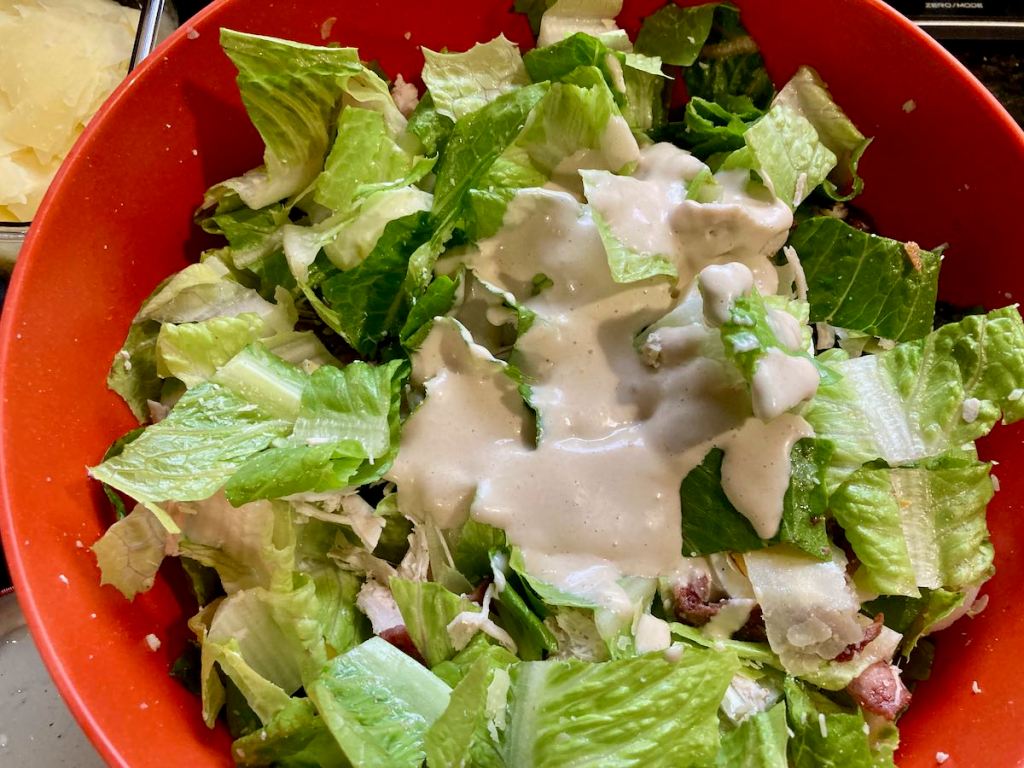
  3. Drizzle the Caesar dressing over the top.
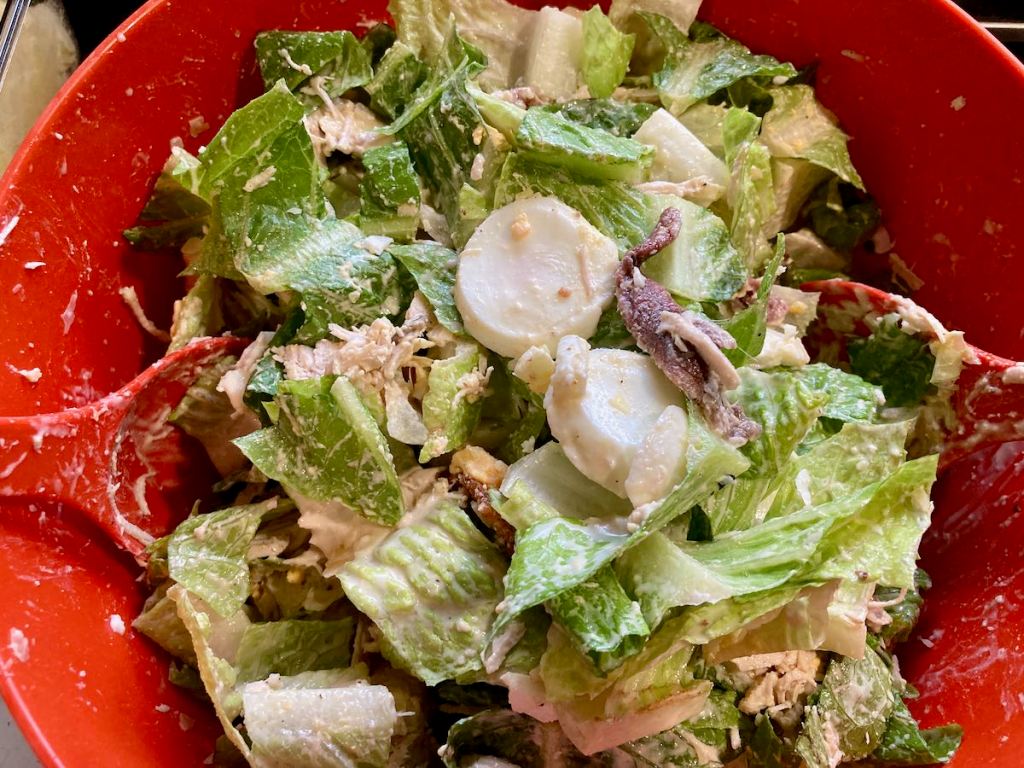
  4. Mix gently to cover the cos
  5. Add the shaved parmesan cheese and anchovies before serving.

Nutrition

Per Serving: 244 calories; 10.5 g fat; 3.3 g carbohydrates; 30.3 g protein

Equipment

  • Knife
  • Chopping board
  • Mixing bowl or platter 
  • Scales

Nutritional disclaimer

Nutrition information is provided as an estimate based on the ingredients used and available in my area (New Zealand). The nutritional information is here to help you understand the recipe; I use MyFitnessPal to generate my estimates. For more accurate nutritional information, please use a nutritional calculator with the ingredients in your area.