Strawberry balsamic sauce

Last of the berries  

I have a few cups of strawberries in the freezer and the last of the berries off the garden. To make the most of the final berries I am making this strawberry balsamic sauce to capture the taste of summer.  

Strawberry balsamic sauce on pancakes.

Sweet and sour  

The flavour combination of sweet and sour has been around for a long time. If you can get the balance right, it is incredible. I think the combination of strawberries which are sweet and juicy with the tart flavour of a good quality balsamic vinegar is perfect.  

Multi-use sauce  

This sauce has many uses and is a great way to keep the taste of summer in the fridge for a few weeks. This sauce is an excellent topping on ice cream, pancakes, a cheesecake, cake, Panna cotta or even added to a smoothie. Alternatively, you can turn this sauce into jellies, if you do be warned the kids won’t want to eat them.  

Strawberry balsamic sauce recipe 

Ingredients 

  • ¼cup balsamic vinegar 
  • 2 cups strawberries 
  • 2tbsp. honey 
  • 1tbsp. fresh lemon juice 
  • 1tsp. vanilla extract 
  • ¼tsp. salt 
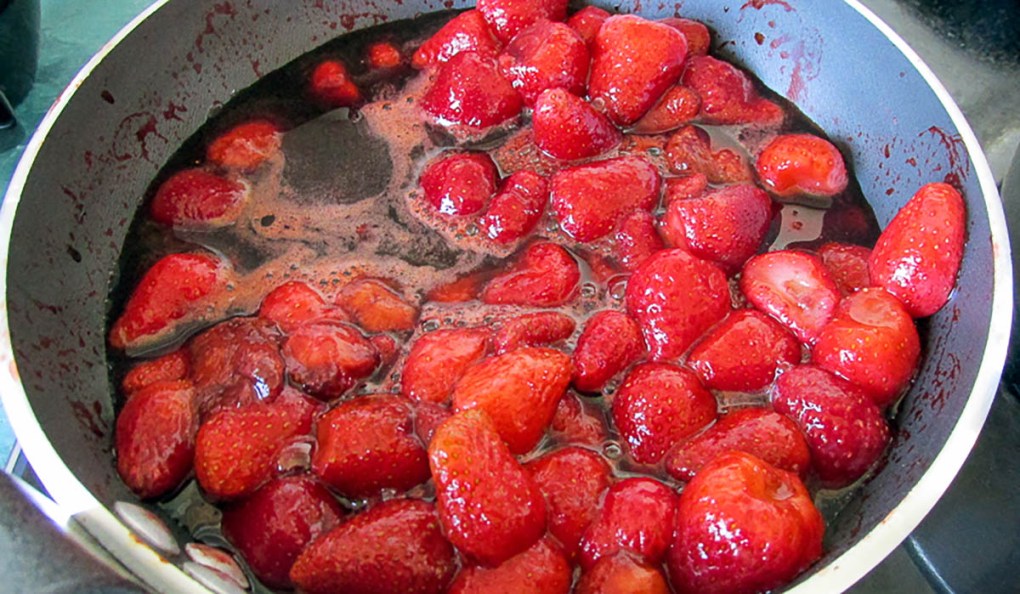
Strawberries cooking down.
Strawberry balsamic sauce on pancakes.

Strawberry balsamic sauce 

  • Servings: 12
  • Rating: ★★★★★
  • Print

Sweet and tangy sauce is just for grown ups


Credit: Cath @ easycleaneats

Ingredients

  • 1/4 cup balsamic vinegar 
  • 2 cups strawberries 
  • 2 tbsp. honey 
  • 1 tbsp. fresh lemon juice 
  • 1 tsp. vanilla extract 
  • 1/4 tsp. salt 

Directions

  1. Instructions 
  2. In a pan heat up the balsamic vinegar over high heat. 
  3. When the vinegar begins to bubble, turn the heat down to medium, let it simmer until it has reduced by half. 
  4. When the vinegar is thick and syrupy in texture, add the strawberries to the pan. 
  5. Then add the honey, lemon, vanilla and salt. 
  6. Simmer the mix over a medium heat until the strawberries break down, anywhere from 20 30 minutes. 
  7. For a smoother sauce blend it then strain. 
  8. Store the sauce in the fridge for up to a week. Store the sauce in the fridge for up to a week. 

Nutrition

Per Serving: 16 calories; 0 g fat; 4 g carbohydrates; 0 g protein

Equipment 

  • Saucepan 
  • Spoon 
  • Measuring spoons
  • Measuring cups
  • Blender
  • Sieve

Nutritional disclaimer

Nutrition information is provided as an estimate based on the ingredients used and available in my area (New Zealand). The nutritional information is here to help you understand the recipe; I use MyFitnessPal to generate my estimates. For more accurate nutritional information, please use a nutritional calculator with the ingredients in your area.


Coconut meatballs

Something different

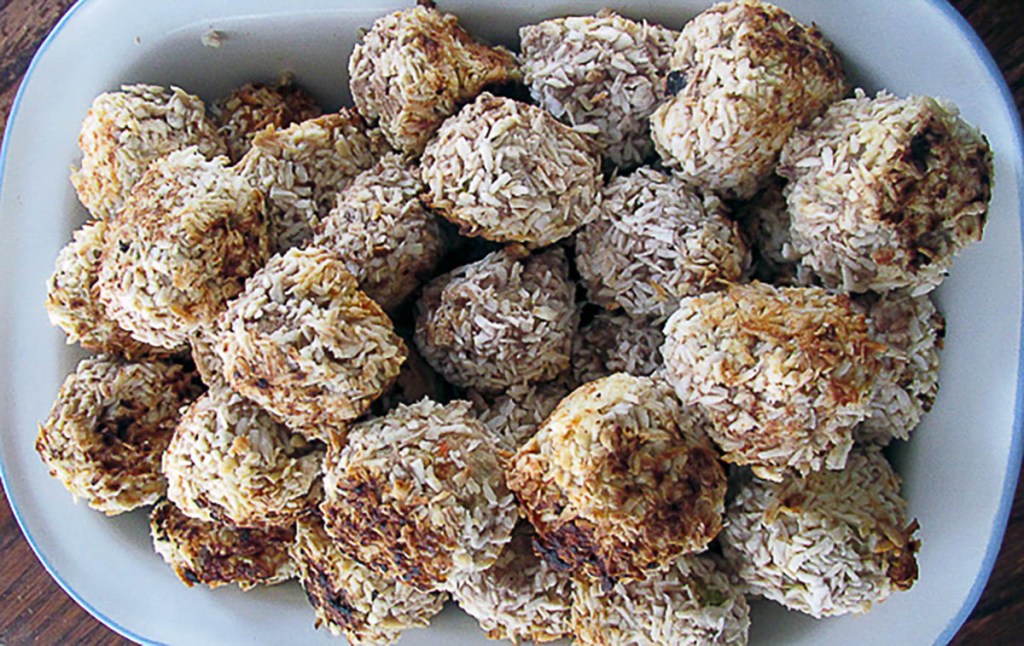
Sweet and savoury balls of awesome. If you have come this far, you obviously want some new flavour combinations to try. Coconut and pineapple go well together. We all know the Pina colada principle applies. We also know pineapple and pork go well together. Hawaiian Pizza is a firm favourite around here. Enter some creative madness (or genius) why not combine all three flavours?

Pork, pineapple and coconut

Genius doesn’t always mean perfect. This recipe was no exception. Knowing that these flavours would work didn’t make the recipe easy to develop. As always eating your mistakes helps to refine the recipe but this one felt the envy genius might have been madness. After. Many tries (6 in total) I finally got it right.

Coconut meatballs recipe

Coconut meatball ingredients

Ingredients

  • 1 cup toasted coconut threads
  • 1 tsp. cayenne pepper
  • 1 cup crushed pineapple
  • 2 tsp. coconut aminos
  • 1 1/2 tsp. ginger 
  • 3 garlic cloves minced
  • 1/2 tsp. chilli
  • 4 spring onions, thinly sliced
  • 2 eggs, beaten
  • 1 kg minced pork
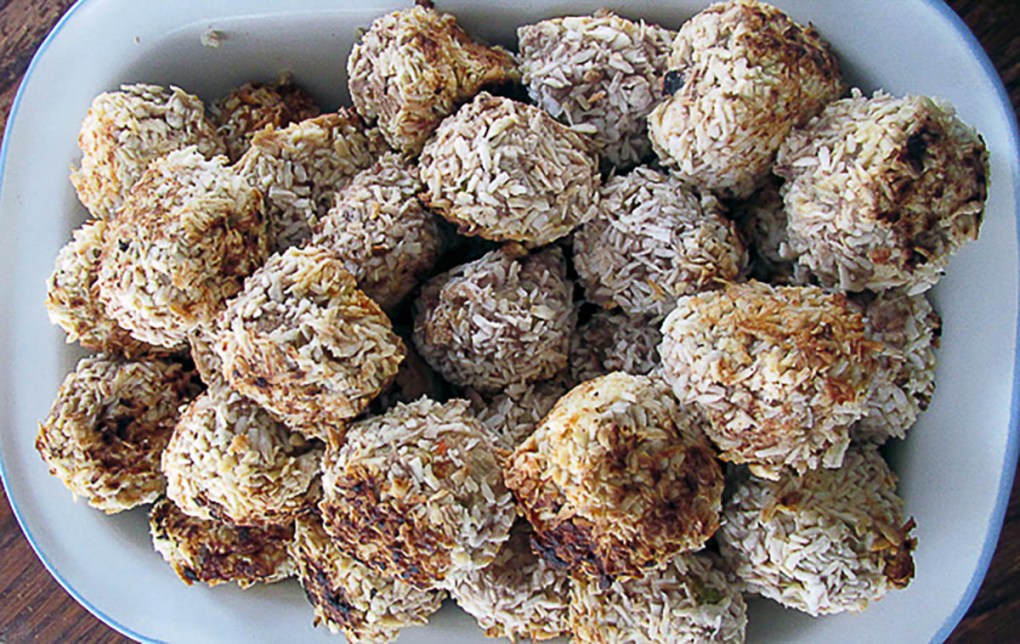
Coconut meatballs

Coconut meatballs

  • Servings: 10
  • Rating: ★★★★★
  • Print

“Sweet


Credit: Cath @ easycleaneats

Ingredients

  • 1 cup toasted coconut threads
  • 1 tsp. cayenne pepper
  • 1 cup crushed pineapple
  • 2 tsp. coconut aminos
  • 1 1/2 tsp. ginger 
  • 3 garlic cloves minced
  • 1/2 tsp. chilli
  • 4 spring onions, thinly sliced
  • 2 eggs, beaten
  • 1 kg minced pork

Directions

  1. Mix all ingredients together in a large bowl until evenly mixed.
  2. Roll the meat into small balls about the equivalent of one heaped teaspoon per ball.
  3. Place the balls on a baking tray lined with baking paper or a silicone liner.
  4. Bake in a preheated oven at 180 degrees C/ 350 degrees F for 30 minutes until the balls are golden all over.

Nutrition

Per Serving: 243 calories; 16 g fat; 5 g carbohydrates; 21 g protein

Equipment

  • Bowl
  • Baking tray
  • Baking paper or a silicone liner
  • Tongs
  • Measuring cups
  • Measuring spoons
  • Scales
  • Knife
  • Chopping board

Nutritional disclaimer

Nutrition information is provided as an estimate based on the ingredients used and available in my area (New Zealand). The nutritional information is here to help you understand the recipe; I use MyFitnessPal to generate my estimates. For more accurate nutritional information, please use a nutritional calculator with the ingredients in your area.


BLT salad in a jar

Easy meals are what I live for, this salad one of the easiest things to make and so tasty it is ridiculous.

A classic with a spin

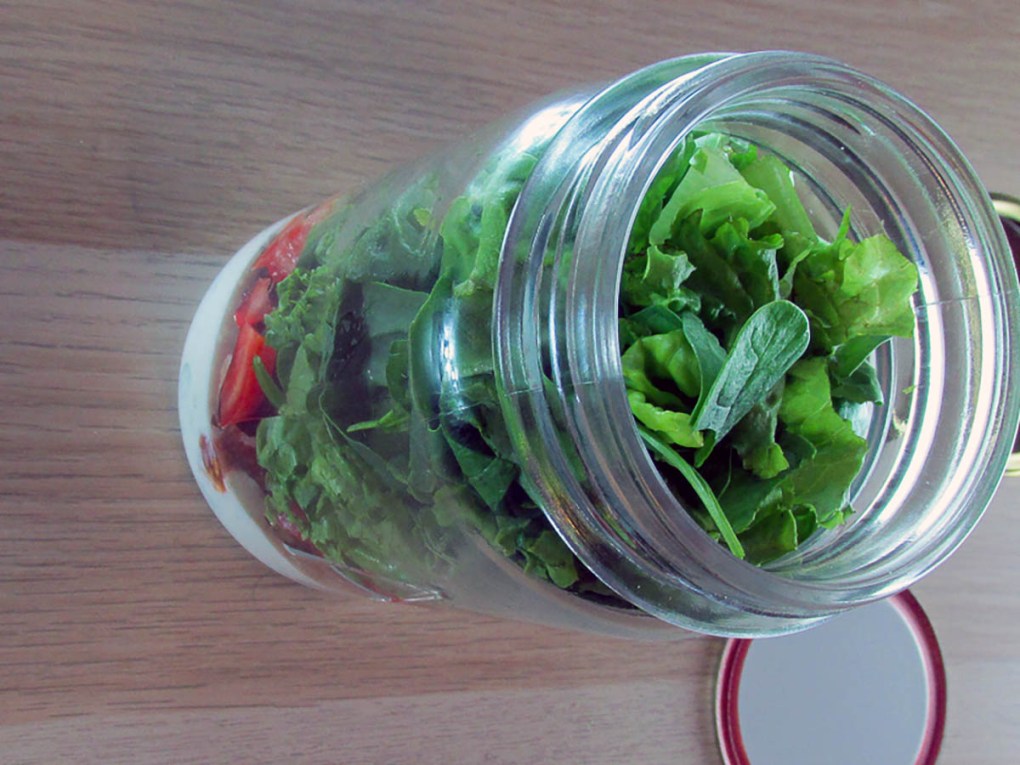
Bacon, lettuce and tomato in a jar with a simple dressing. I love this salad as a take to work lunch option. On the rare occasion that we have bacon leftover from breakfast this is what I use it for. Bonus points for a plastic free meal when you use a big glass jar. 

BLT salad in a jar recipe

Ingredients

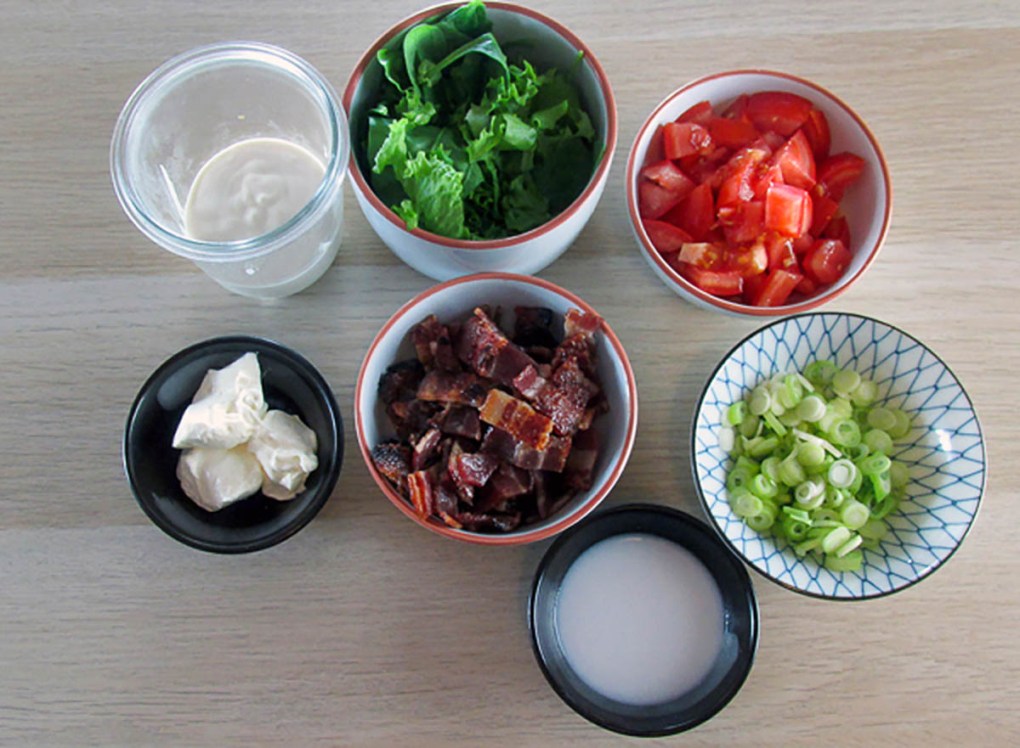
BLT salad in a jar ingredients
  • 4 slices bacon, cooked and crumbled
  • 2 tomatoes, diced
  • 2 cups cos lettuce
  • 2 cups iceberg lettuce
  • 1/4 cup easy mayo
  • 2 tbsp. milk
  • 2 tbsp. sour cream
  • Salt and pepper
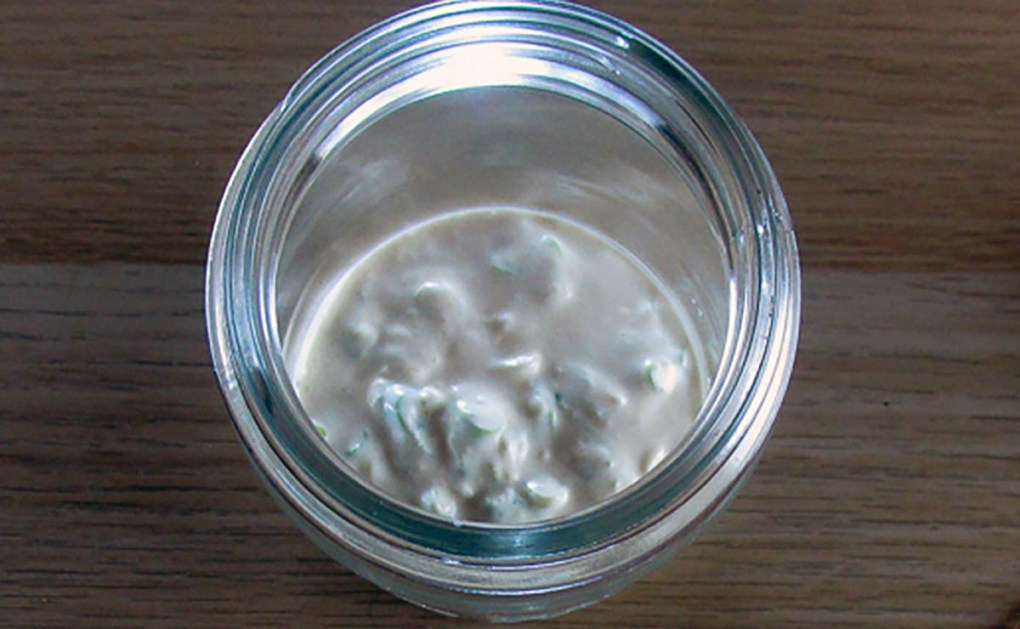
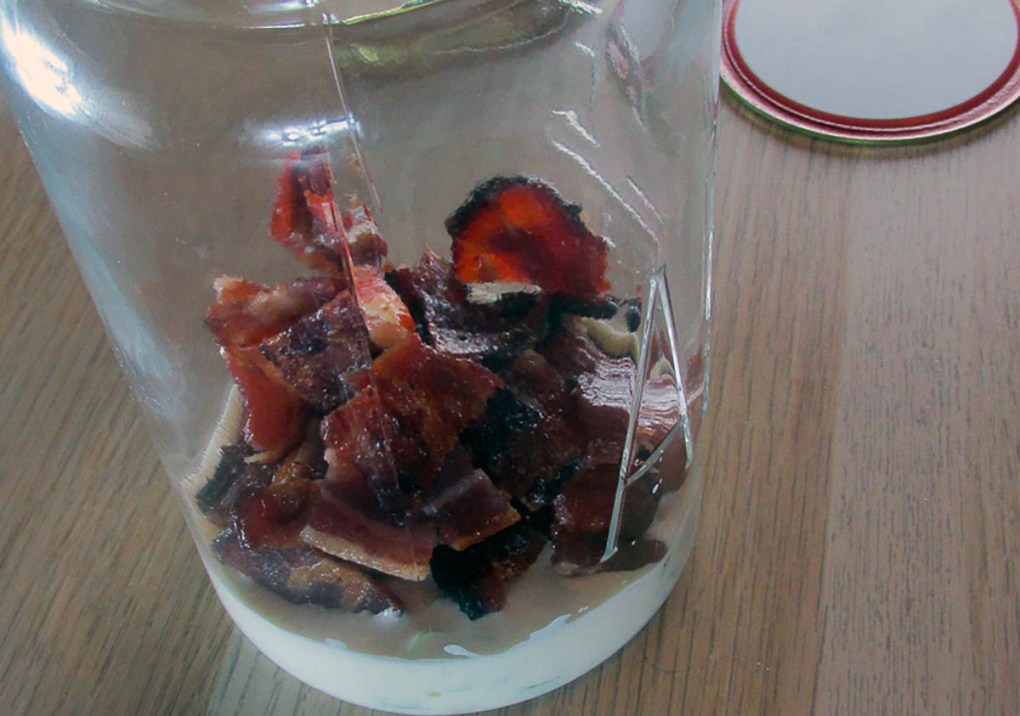
Make the dressing and put some at the bottom of the jar
Make the dressing and put some in the bottom of the jar
Add the bacon to the jar
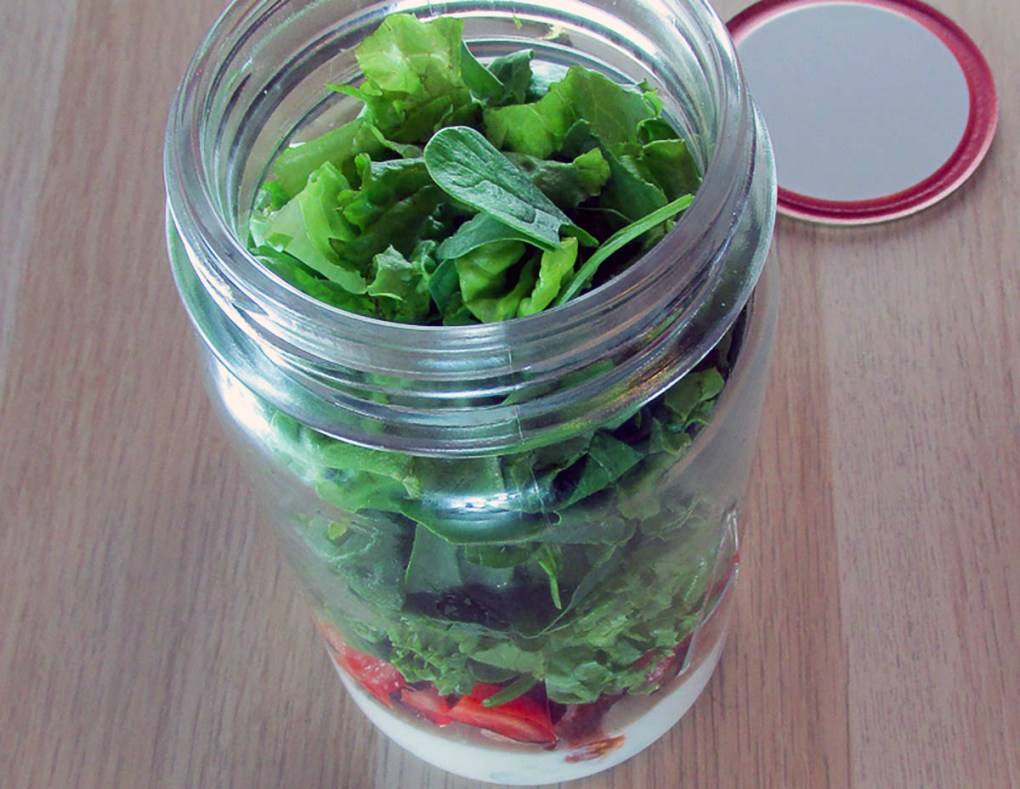
Add the tomato to the jar
Next add the tomato
Finally add the lettuce to the jar
Shake and serve salad.
Salad ready for a shake and serve

BLT salad in a jar 

  • Servings: 2
  • Rating: ★★★★★
  • Print

This easy salad is a great lunchtime and simple to make ahead


Credit: Cath @ easycleaneats

Ingredients

Directions

  1. Instructions 
  2. In the bottom of a jar mix together the mayo, milk, sour cream, salt and pepper.
  3. Add the bacon to the jar followed by the spring onions, tomatoes, iceberg lettuce, and then the cos lettuce.

Nutrition

Per Serving: 239 calories; 20 g fat; 11 g carbohydrates; 8 g protein

Equipment

  • Mason jar
  • Fork or whisk
  • Knife
  • Chopping board
  • Measuring cups
  • Measuring spoons

Nutritional disclaimer

Nutrition information is provided as an estimate based on the ingredients used and available in my area (New Zealand). The nutritional information is here to help you understand the recipe; I use MyFitnessPal to generate my estimates. For more accurate nutritional information, please use a nutritional calculator with the ingredients in your area.


Nut-free pesto

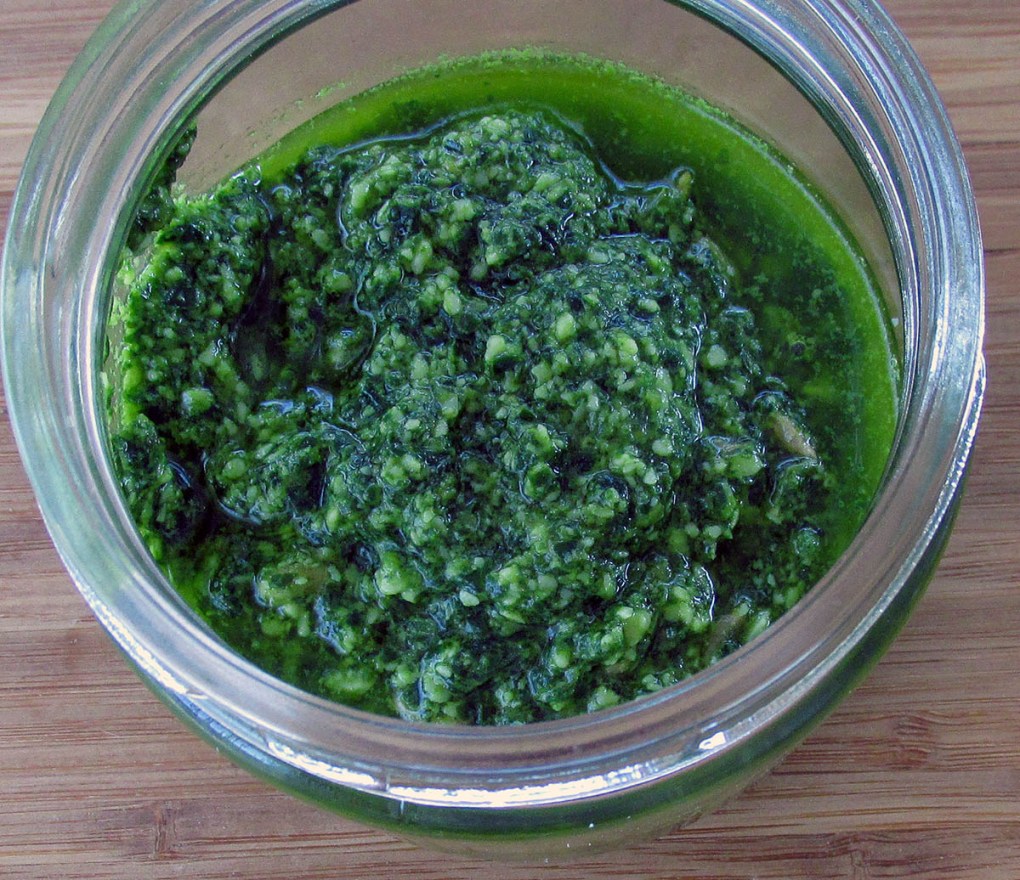
Nut free pesto

Pesto that won’t kill me

Stupid nut allergies have prevented me from trying a number of foods over the years that look, smell and no doubt taste amazing. Pesto was one of the things I had wanted to try for years, but as it contains pine nuts it’s been a no go. 

I had a moment of genius (or madness, I can never really tell the difference) and figured that I could replace the pine nuts with something else, after a little trial and error I found a combination that worked.

The verdict 

My taste tester assures me that the flavours are in the same balance as normal pesto made with nuts the only difference is the texture of the sunflower seeds, I suppose I have to take his word for it because I don’t fancy the hospital trip that I would get if I checked.

If you don’t have to avoid nuts sub the sunflower seeds for the same amount of pine nuts.

Nut-free pesto recipe

Ingredients

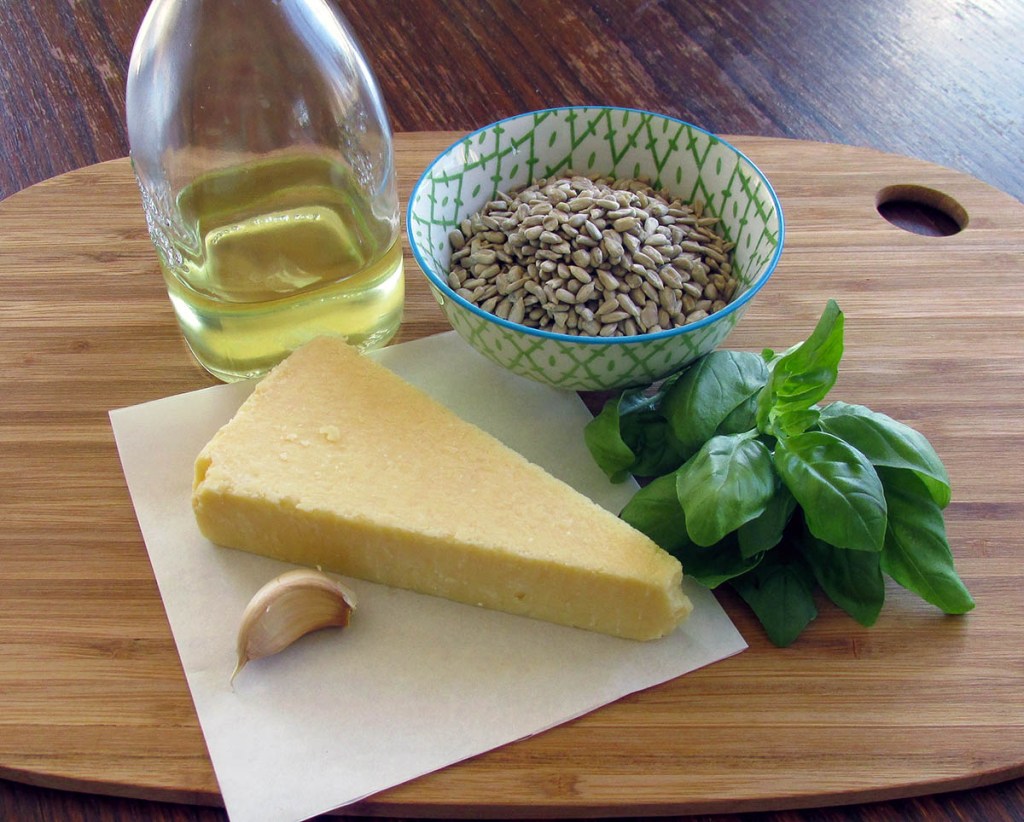
  • 1/2 garlic clove, chopped
  • 3 handfuls fresh basil leaves, picked and chopped
  • 1 handful sunflower seeds, very lightly toasted
  • 1 handful Parmesan cheese, freshly grated
  • 3 tbsp. olive oil
  • Salt and pepper to taste

Nut-free pesto

  • Servings: 10
  • Rating: ★★★★★
  • Print

This nut-free pesto is a great alternative for anyone that has to stay away from tree nuts.


Credit: Cath @ easycleaneats

Ingredients

  • 1/2 garlic clove, chopped
  • 3 handfuls fresh basil leaves, picked and chopped
  • 1 handful sunflower seeds, very lightly toasted
  • 1 handful Parmesan cheese, freshly grated
  • 3 tbsp. olive oil
  • Salt and pepper to taste

Directions

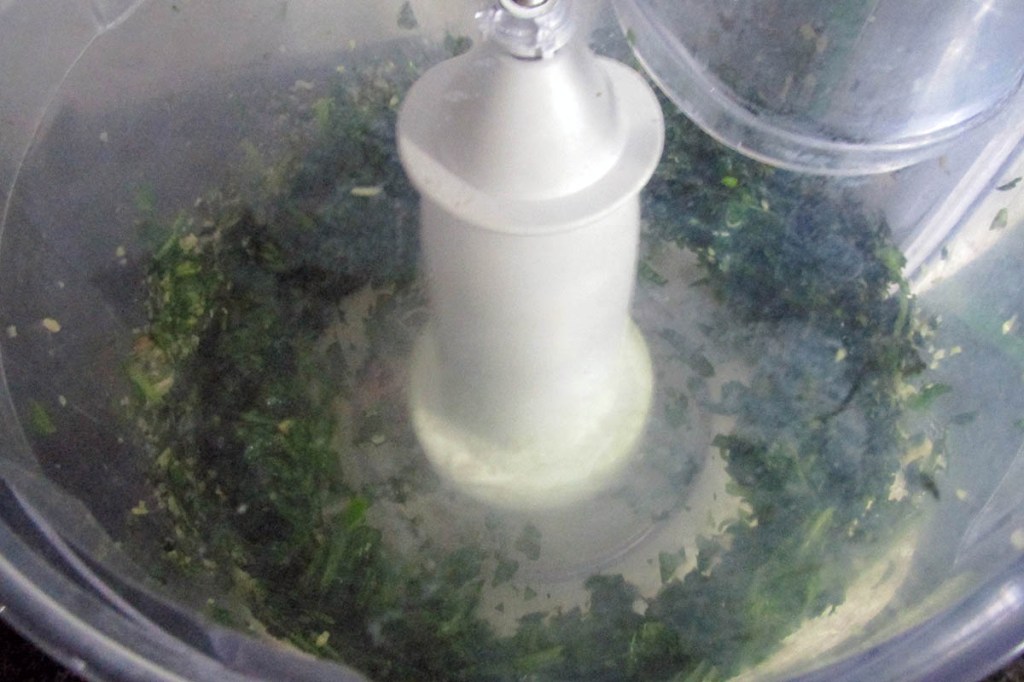
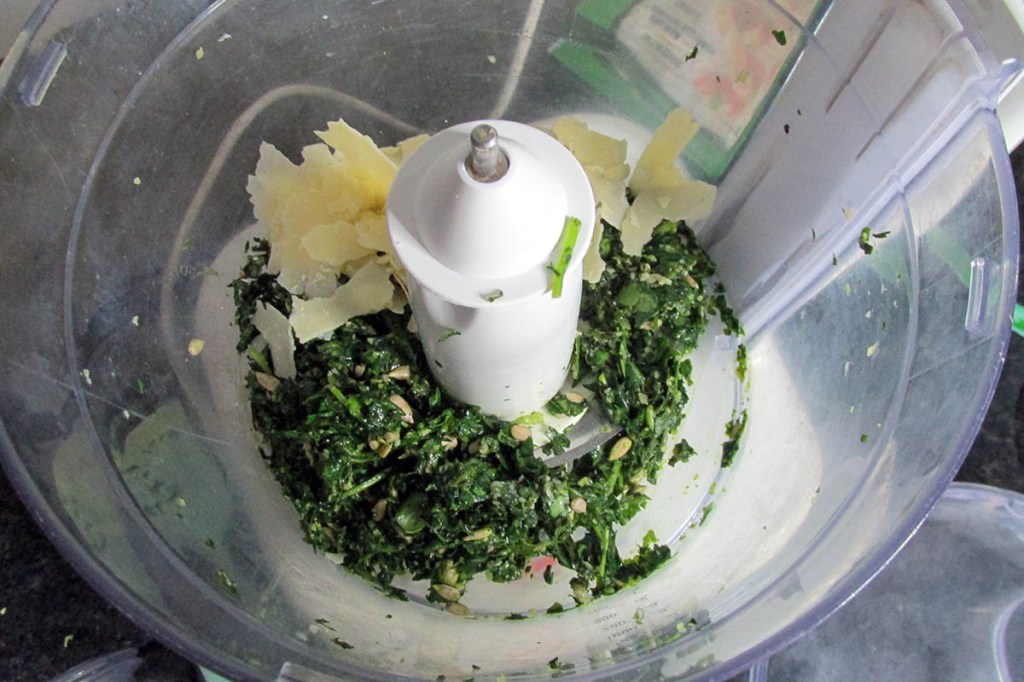
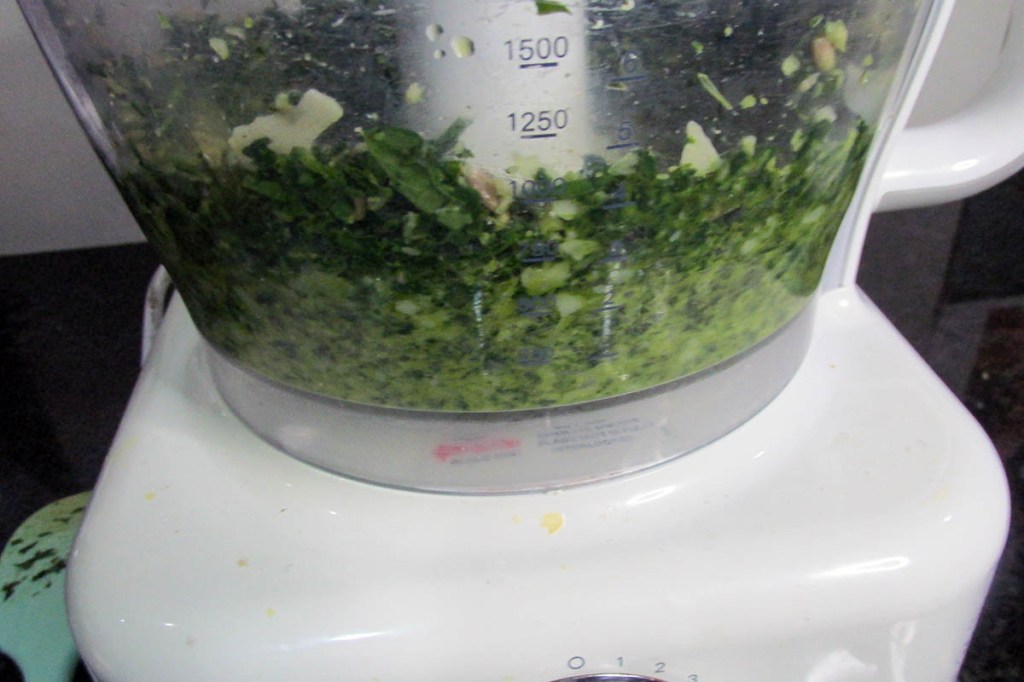
  1. Pound the garlic and the basil leaves in a pestle and mortar, or pulse in a food processor.
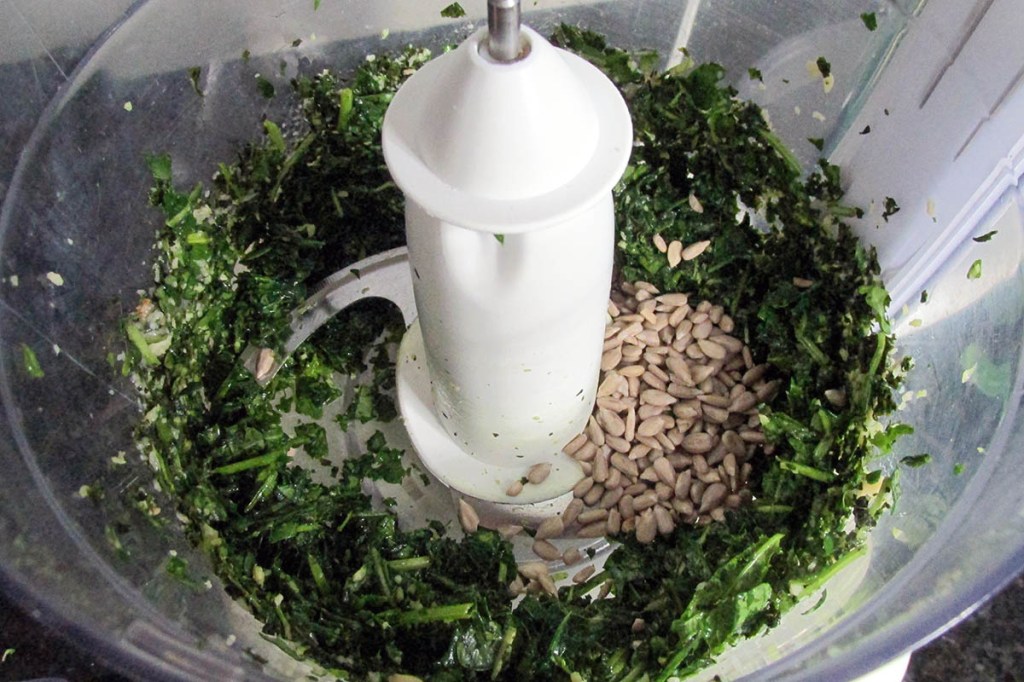
  2. Add the sunflower seeds to the mixture and pound or pulse again.
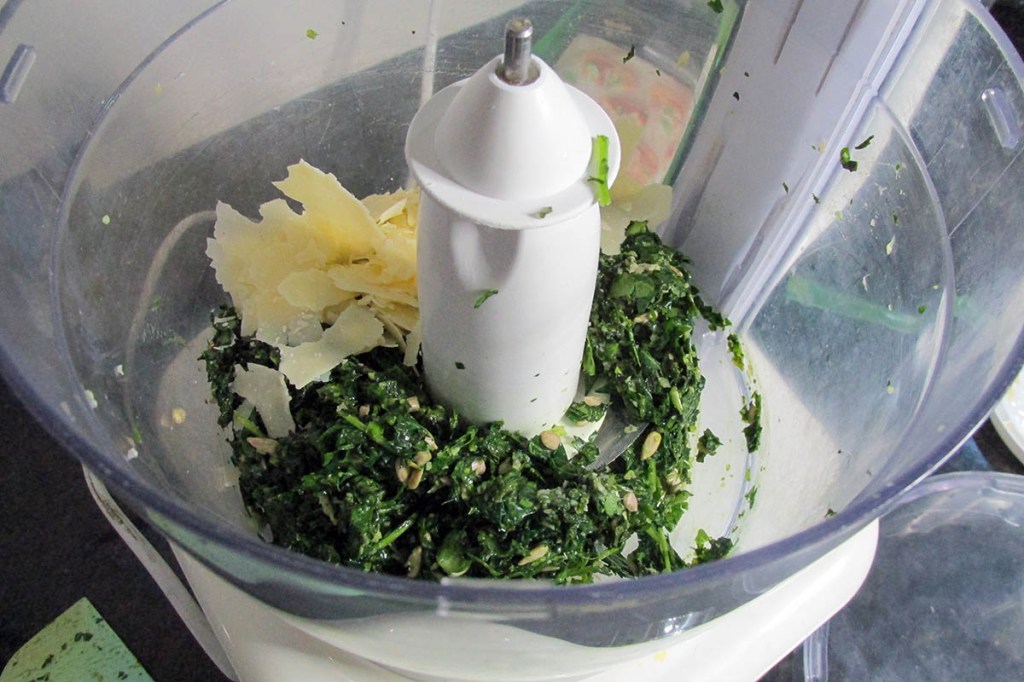
  3. Add the parmesan and mix with a spoon or do a quick pulse again.
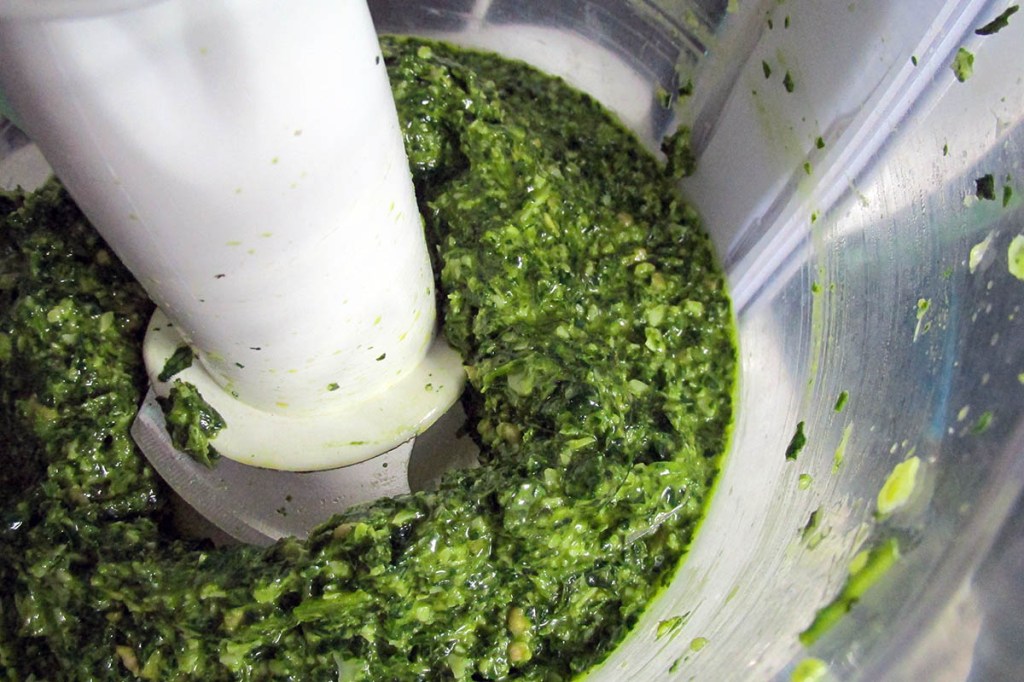
  4. Stir gently and add olive oil or put the food processor on its lowest setting and pour in the oil.
  5. Add a little oil at a time so you don’t drown everything else.
  6. Season to taste.
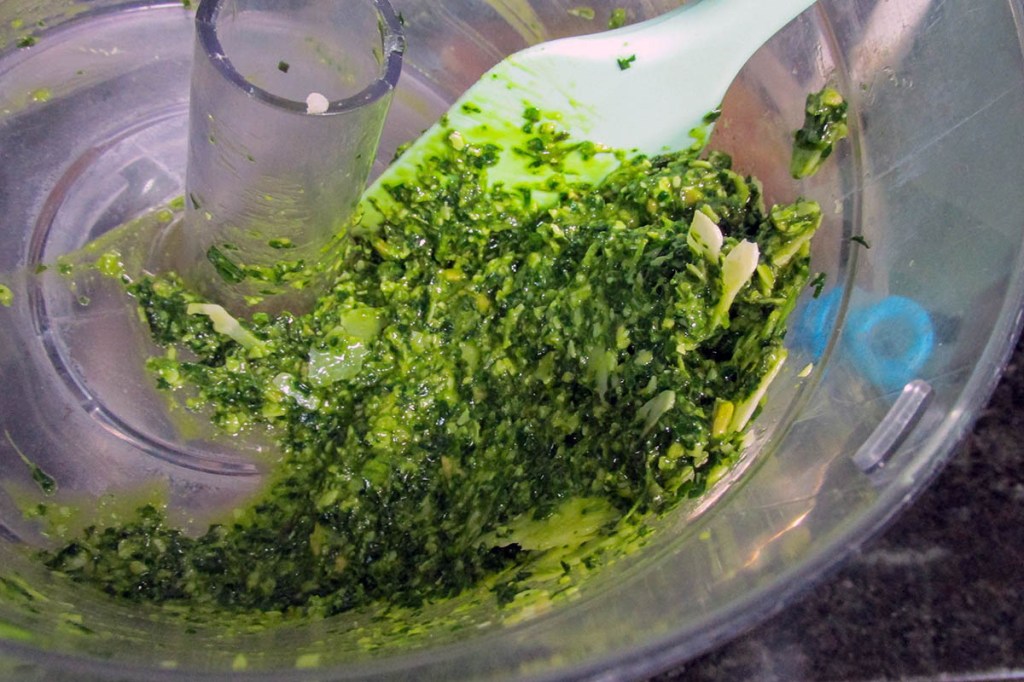
  7. Add the remaining cheese and oil to your taste and preferred consistency.
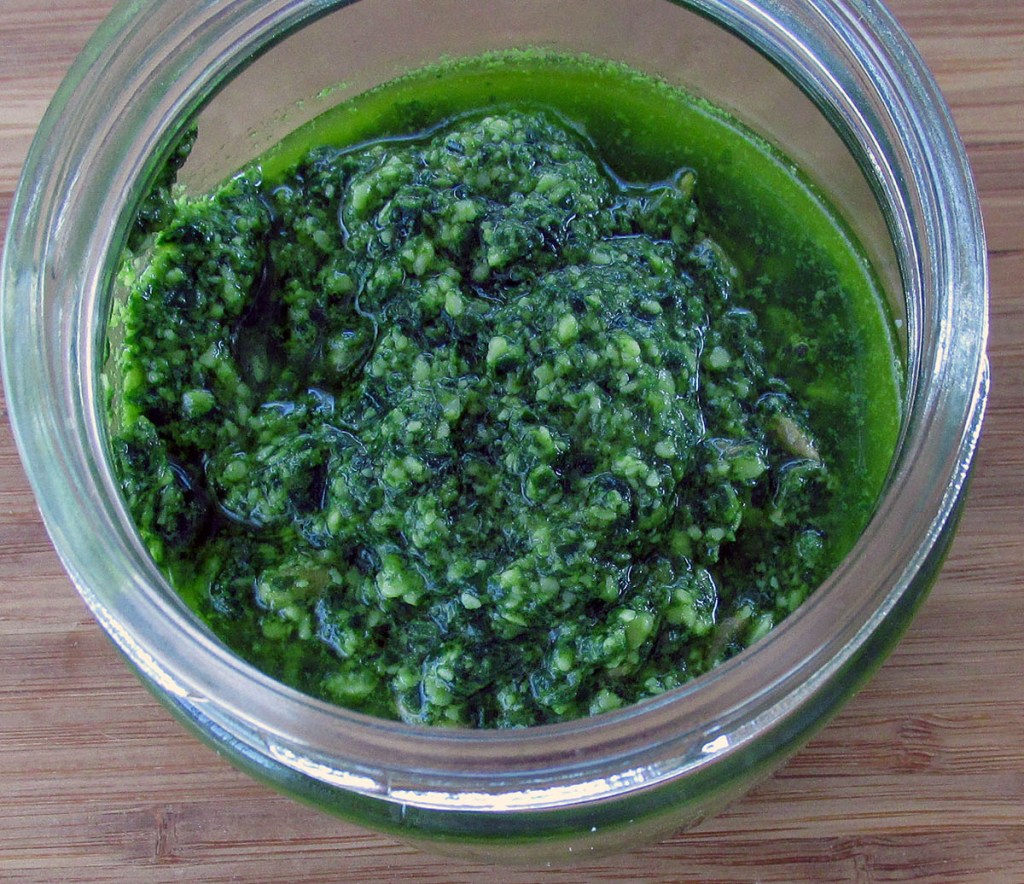
  8. The finished pesto should look shiny and a little creamy. The finished pesto should look shiny and a little creamy.

Nutrition

Per Serving: 123 calories; 10.1 g fat; 2.1 g carbohydrates; 6.2 g protein

Equipment

  • Food processor
  • Spatula 
  • Measuring spoons 

Nutritional disclaimer

Nutrition information is provided as an estimate based on the ingredients used and available in my area (New Zealand). The nutritional information is here to help you understand the recipe; I use MyFitnessPal to generate my estimates. For more accurate nutritional information, please use a nutritional calculator with the ingredients in your area.


Sausage and pepper salad

Some advantages to going out of town

My partner in crime has to travel around a bit as part of his job. Usually, it’s a few trips a year and the odd day trip down to Hamilton thrown in to make life interesting.  I don’t like it when he heads out of town, I kind of like having him around, so it sucks when he goes away. The exception to this is when he goes to Hamilton. Trips south of Auckland usually come with a pit stop at Pokeno bacon.

What is Pokeno bacon?

Pokeno Bacon is the place to go for the best sausages and bacon in New Zealand, hands down.  Their products are made using fresh locally-sourced pork. This means you get the best quality product and they support the local community. 

If you find yourself driving into Auckland from the south, you will come across the Mercer service station. Even if you don’t need fuel or a leg stretch you should stop off and head into the Pokeno Bacon Mercer cafe. 

Pokeno Bacon’s pork products taste like childhood. You can taste the love and care in the bacon and sausages. 

Not pig arseholes and sawdust

I try not to buy big brand sausages, after reading the ingredients and finding wood pulp in some I don’t trust them anymore. Pokeno Bacon’s sausages are different. Their sausages are made with pork and spices and believe me you can taste the difference.  Jaime brings homes every time he makes a pit stop at Pokeno Bacon.  I am a big fan of the Texan Chilli sausages and the Chorizo Sausages but love the Pork & Bacon Sausages.  This recipe came about after Jay made a stop at Mercer. I wanted to make the most of the Pork & Bacon Sausages that Jay brought home along with some red peppers that I had roasted the day before.  This salad is simple to make and can be made using hot or cold sausages so find some Pokeno Bacon sausages and give it a go.

Sausage and pepper salad recipe

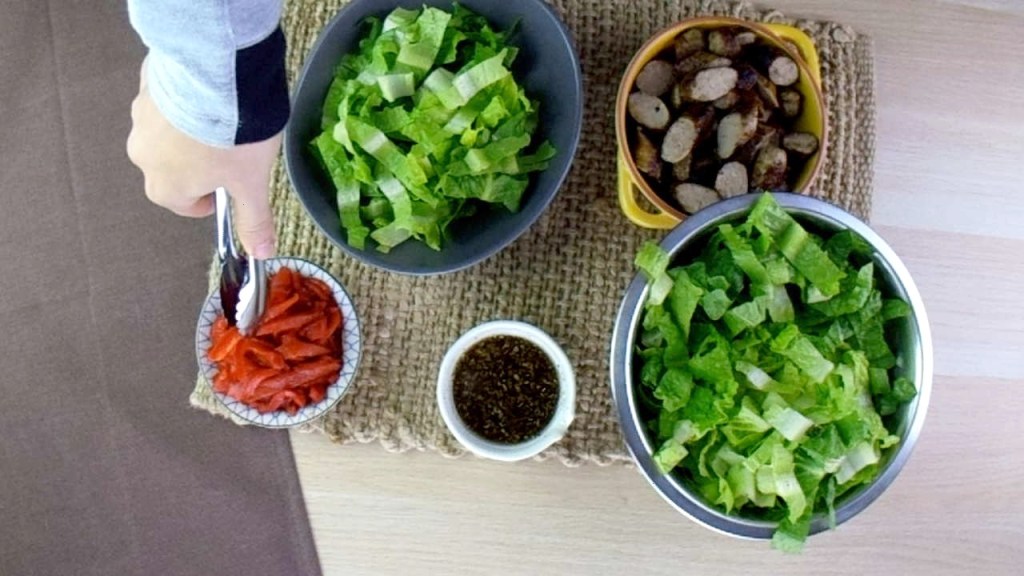
Sausage and pepper salad ingredients

Ingredients

  • 4 pork sausages, cooked and sliced
  • 1 red pepper, roasted and sliced
  • 1 clove garlic, minced
  • 2 tsp fresh oregano, chopped
  • 1 tbsp. balsamic vinegar
  • 1 tbsp. extra virgin olive oil
  • salt & pepper
  • 4 cup cos lettuce
Mix together the ingredients for the dressing
Build the salad starting with the lettuce.
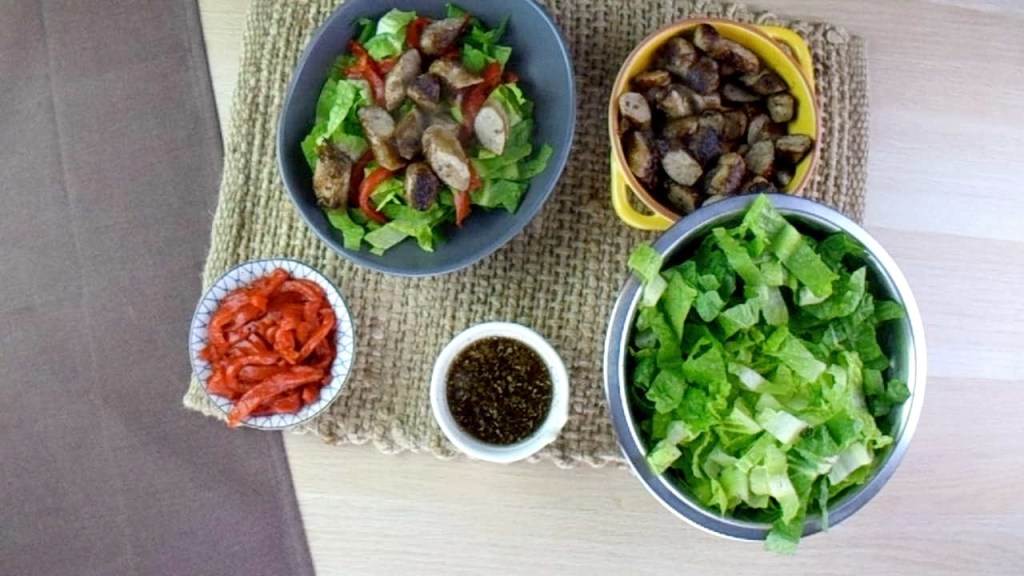
Followed by the peppers
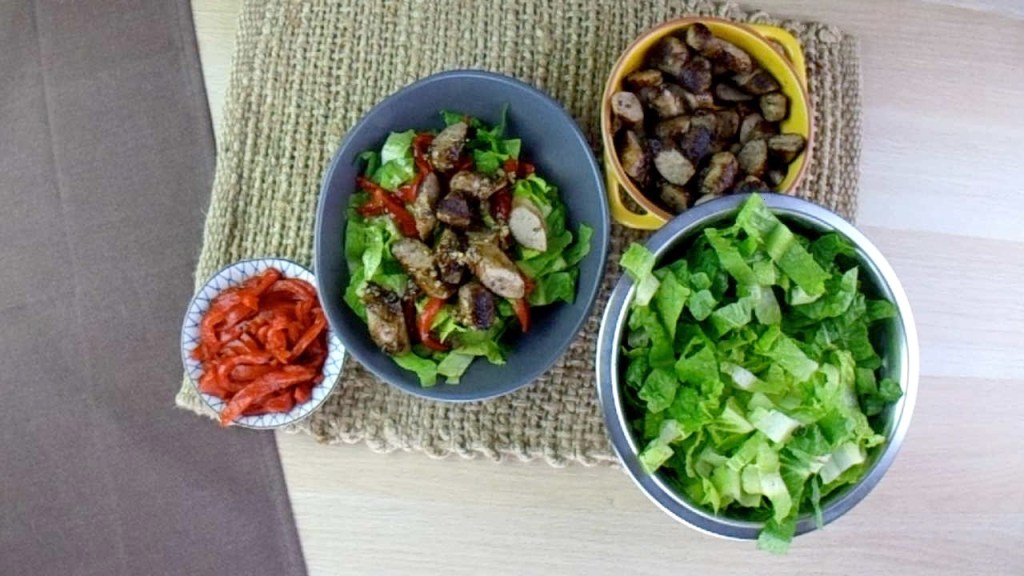
Add the sausages and dressing
Serve
Serve

Sausage and pepper salad

  • Servings: 4
  • Rating: ★★★★★
  • Print

A simple and tasty salad to make use of those tasty bangers


Credit: Cath @ easycleaneats

Ingredients

  • 4 pork sausages, cooked and sliced
  • 1 red pepper, roasted and sliced
  • 1 garlic clove, minced
  • 2 tsp. fresh oregano, chopped
  • 1 tbsp. balsamic vinegar
  • 1 tbsp. extra virgin olive oil
  • salt and pepper
  • 4 cup cos lettuce

Directions

  1. In a bowl whisk together the garlic, oregano, olive oil, balsamic vinegar, salt and pepper.
  2. Build the salad on a plate, start with the cos, followed by the pepper slices, sausages and then drizzle the dressing over the top.

Nutrition

Per Serving: 345 calories; 26 g fat; 10 g carbohydrates; 17 g protein

Equipment

  • Knife
  • Chopping board
  • Bowl
  • Whisk
  • Plate/Salad bowl
  • Measuring spoons

Nutritional disclaimer

Nutrition information is provided as an estimate based on the ingredients used and available in my area (New Zealand). The nutritional information is here to help you understand the recipe; I use MyFitnessPal to generate my estimates. For more accurate nutritional information, please use a nutritional calculator with the ingredients in your area.


Food allergies, intolerances and sensitivities

This is an issue I have strong feelings about so I thought it was time to say something about it.

Food allergy

I sit in camp one; I have an allergy to nuts. This wonderful allergy means that I was have always been very good at reading the back on packets. Always looking to see if what I wanted to buy contained nuts or had traces of nuts. It sucks, really it does, I have to go so far as to read what my shampoo, soap and deodorant contains. Believe me that almond oil in shampoo isn’t good. I will be honest allergies can be problematic at times. I know there are far worse things to have allergies to so I won’t complain … well, I will but not too much.

Not the only one

We got a great surprise in 2015 when we discovered the little man in our family (my stepson) appears to have developed a sensitivity to nuts. As I have no input to his genetic make-up I can’t be blamed on this one. I have to admit I was intrigued that he developed sensitivity all of a sudden; he had never been interested in or liked nuts but never had any issue with them. As far as we know there are no other family members with nut allergies, so the fact he had eaten them then had a reaction was odd. I decided to find out what can trigger a reaction, so I did some reading.

The basics

I know and understand the basic science around sensitivities and allergies. The body attacks the item of food the same way it does a foreign bacteria or a virus. The bodies reaction is what is dangerous; the best case scenario is hives and generalised swelling. The worst-case scenario is an anaphylactic reaction that will land you in hospital or dead. In my experience, there is not a lot of understanding of how serious a food allergy is. A big issue I find is that people think your allergy is a lifestyle choice, like people who say they can’t eat gluten but are not diagnosed Celiac. Knowing what a food allergy means is important.

Understanding the difference

So what is the difference between food sensitivity, intolerances, and allergies? Here is a simple breakdown.

Food allergy

We can start with an allergy, this is an immune reaction to a food, this is similar to how the body fights infection it’s just that the body uses its defences to attack food. An allergic reaction could be something mild like itching or hives; on the other hand, it could be something as severe as anaphylaxis which causes swelling of the throat and tongue, trouble breathing and dizziness. The more you are exposed to an allergen the more severe a reaction can become. Most people start with the itching and hive, but you can have an anaphylactic reaction the first time to eat something.

Food intolerance

Food intolerance is when your body is missing a vital enzyme needed to process a specific food. There are symptoms associated with food intolerance. Usually, some form of gastric distress or inflammation, prolonged exposure to foods you cannot process can lead to intestinal damage, but it cannot trigger anaphylaxis.

Food sensitivities

So that leaves food sensitivities, these are a little more board, you can have an unpleasant reaction to food like reflux brought on my spicy foods, headaches or bloating. Sensitivities are not fun, but they are not life-threatening. Sensitivities can be the start of the journey to a food allergy, but most of the time they are not a big issue.

Here in New Zealand

Recently here in New Zealand, there have been some incidents of hospitalisation due to food allergies and even the tragic death of a teenager. It has been good to see that food safety is being taken seriously, but prevention is preferable to apologies.

In some cases, I think New Zealand is pretty good when it comes to food allergies. A school-based survey in 2013 that found over 8% of school kids reported they had an allergy to one or more food. I know that schools here in New Zealand are taking steps to minimise the risks to their students by banning some foods from lunchboxes because so many children have allergies and sensitivities. While this is a step in the right direction, it isn’t enough. Understanding is the key.

What are people allergic to?

While trooping around the interweb, I found a heap of people talking about their reactions to food and the reactions their children were having to things like;

  • Lactose
  • Wheat
  • Gluten
  • Rice
  • Egg
  • Sugar
  • Nuts
  • Yeast
  • Soy

These are just the most commonly mentioned foods; the full list is much longer.

Seems to be more allergies

I have to admit I was shocked at how many people are developing food allergies and intolerances. Now I know that in some cases people are self-diagnosed, so the exact numbers may never be known, but there seems to be an increase of instances. From everything I’ve read, no one knows why we are seeing this increase in food allergies and sensitivities. There are plenty of theories about potential causes but nothing that would suggest a way to reduce the number of people developing allergies or prevent us from developing them in the first place. I don’t have any answers, but I do hope that one day someone can help those of us who have allergies and sensitivities.

Prevention

So if we aren’t able to prevent people from developing sensitivities, intolerances, and allergies what can we do? I think a key difference we can make is educating people. Those of us who live with these things every day understand the consequences of eating the wrong things, so we avoid them at all costs. Not everyone understands how serious the consequences can be.

Proper education

One of the major concerns I have is the lack of understanding of those who do not suffer from food allergies. I am especially concerned with those who are responsible for serving food. I believe that there should be more information about how dangerous allergies are and how their actions can put those of us who have allergies in harm’s way. While little signs keep popping up on counters in cafes and restaurants about advising servers about allergies they don’t mean much. Last time I did disclose an allergy I was promptly told that you recommended I didn’t order any food. Hardly what you want to hear at brunch.

Standards might not be right

It is all well putting up signs that warn customers that there are allergens in food, but it doesn’t resolve the real issue – poor food service and handling practices. Don’t get me wrong I am not bashing individuals; I am bashing the system. A few years ago I completed the Basic Food Handling course that food service/manufacturing staff in New Zealand are supposed to attend. I was surprised there was very little information included about food allergies, what they are, what you should do and how to prevent cross-contact of foods.

Cross-contact

I’m talking about cross-contact, not to be confused with cross contamination. Cross-contamination when foods are mixed, like raw meat with cooked meat. For anyone who cooks knows the fundaments to prevent cross-contamination, if you mix raw with cooked someone will get sick. The Basic Food Handling course explains the reasons why cross contamination is bad and clear step on how to prevent it. Cross-contact, on the other hand, is not explained, and it is not highlighted how dangerous it can be.

What is it?

Cross-contact happens when one food comes into contact with another food and their proteins mix. When that happens, each food then contains a small amount of the other food. What people don’t always understand is that even this tiny amount of food that is transferred can cause reactions in people with food allergies. Unlike cross-contamination, cooking food does not remove allergens; the only way to prevent a reaction is to avoid any food that has come into contact with an allergen source.

Most cross contact is accidental, using the same thongs to pick up a piece of cake that was used to pick up a nut and seed slice or using the same spatula to flip a cheeseburger as you use for a hamburger. I want to think that this kind of cross contact is rare, sadly it isn’t. I can also say that from experience when you flag that something like that had occurred the response is never good.

What would I do?

With the rise of food allergies, we need to make some changes. I think that information about cross-contact should be included as part of the food safety training. It is just as important as knowing about cross-contamination and can have serious consequences. Teach people about safe food handling and preparation in a broader context. It isn’t hard to keep people safe and prevent cross contact with allergens. Some simple things can be done to avoid cross-contact and to make it safer for those with allergies to eat out.

  • Using utensils, cutting boards and pans that have been thoroughly washed with soap and water when working with allergens.
  • Have separate utensils such as thongs for each of the foods being served
  • Using separate utensils and dishes for making and serving safe foods. Some families choose a different colour like red for preparation of foods with allergens.
  • If you are making several foods, cook the allergy-safe foods first.
  • Keep the safe foods covered and away from other foods that may splatter.
  • If food has come into contact with an allergen, make it clear that the food may cause a reaction.
  • Clearly label foods and state any allergens on the menu
  • Wash your hands with soap and water before touching anything else if you have handled a food allergen. Soap and water or commercial wipes will remove a food allergen.
  • Scrub down counters and tables with soap and water after making meals.

Until the foodservice and manufacturing industries make some changes, those of us with food allergies will have to remain vigilant when it comes to buying foods and eating out. It doesn’t make life fun, but it could be worse.

Remember – The world is full of things that can kill you, but no one wants to be killed by their dinner.


Courgette tots

Once upon a time

Not so long ago there was a little boy that had a very limited diet. If was not a white carbohydrate or a sausage he wasn’t interested. The only vegetable he would eat was a potato. Fast forward a few years and that same boy now has a diet that includes carrots, peas, broccoli, kale and even the odd bit of lettuce. It was not an easy journey from ‘only potato’ to ‘can I try that?’. It took a great deal of patience, honesty and building trust. 

Courgette tots

Broccoli and beyond

Broccoli tots were our first real win on the vegetable front. I don’t know what it was that made them so successful with the little man but every time I made them he (and everyone else) cleared them out. They have been requested and enjoyed on a regular basis since then. 

Eat with the seasons

We try to eat with the seasons as much as possible, at the moment we have an abundance of courgettes. There is only so much courgette ravioli a girl can make before losing her mind, so I decided to try making a new variation of broccoli tots. 

This recipe kills two birds new veg for the kids to try out and Jaime not having to find a new girlfriend because of ravioli. This recipe is just the same as the original broccoli tots, it is only the preparation of the courgette is the key difference. The high water content in courgettes means that you have to take the extra step of removing the excess liquid, if not you have some soggy tots. 

Courgette tots recipe

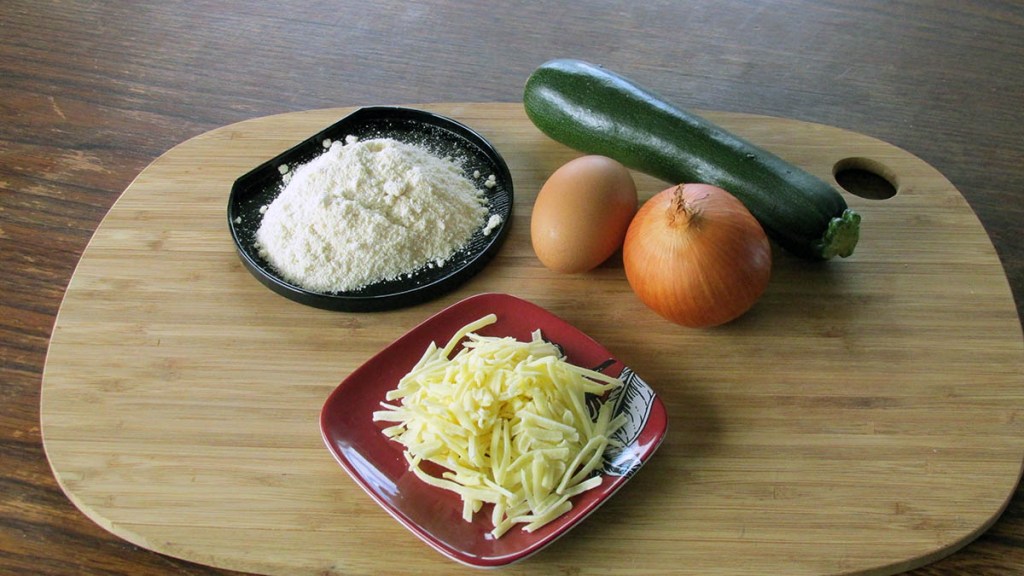
Courgette tots ingredients

Ingredients

  • 1 cup courgette, grated
  • 1 egg
  • 1/4 onion, minced
  • 1/4 cup cheddar cheese, grated
  • 2 tbsp. seasoned coconut flour salt and black pepper to taste
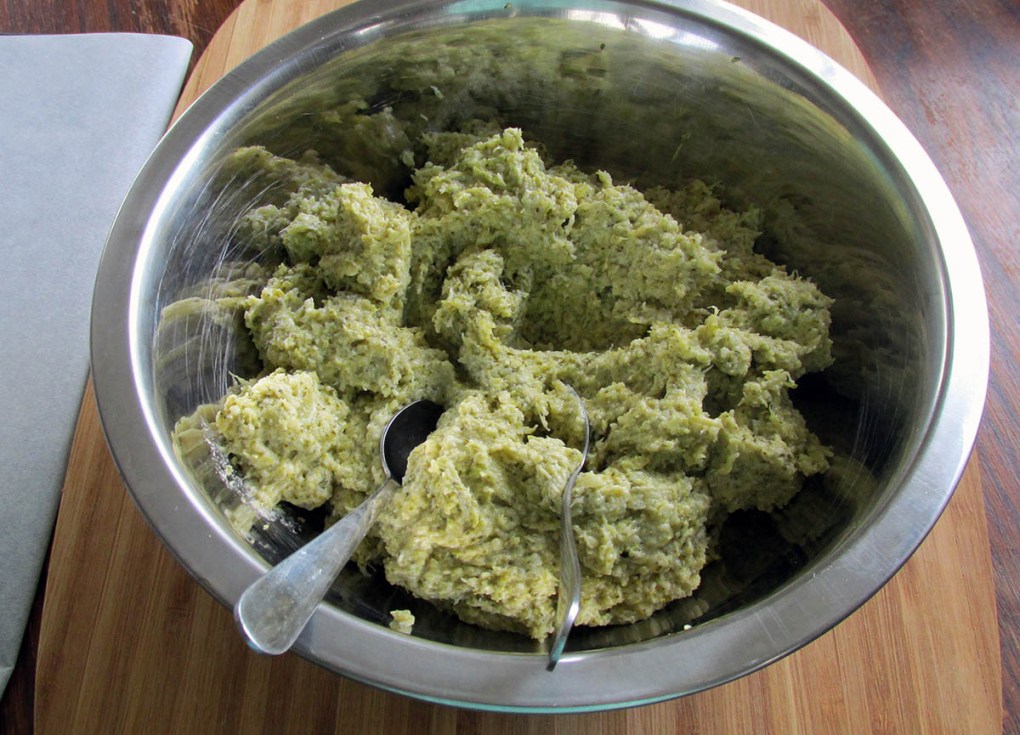
In a medium bowl, combine all of the ingredients and season with salt and pepper to taste.
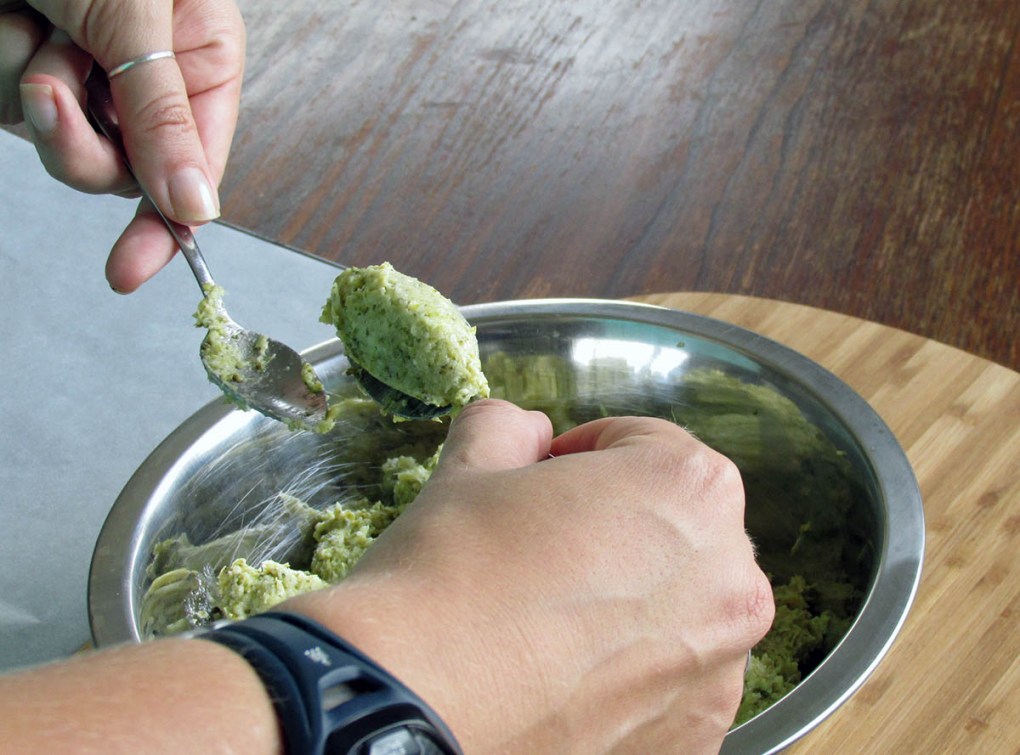
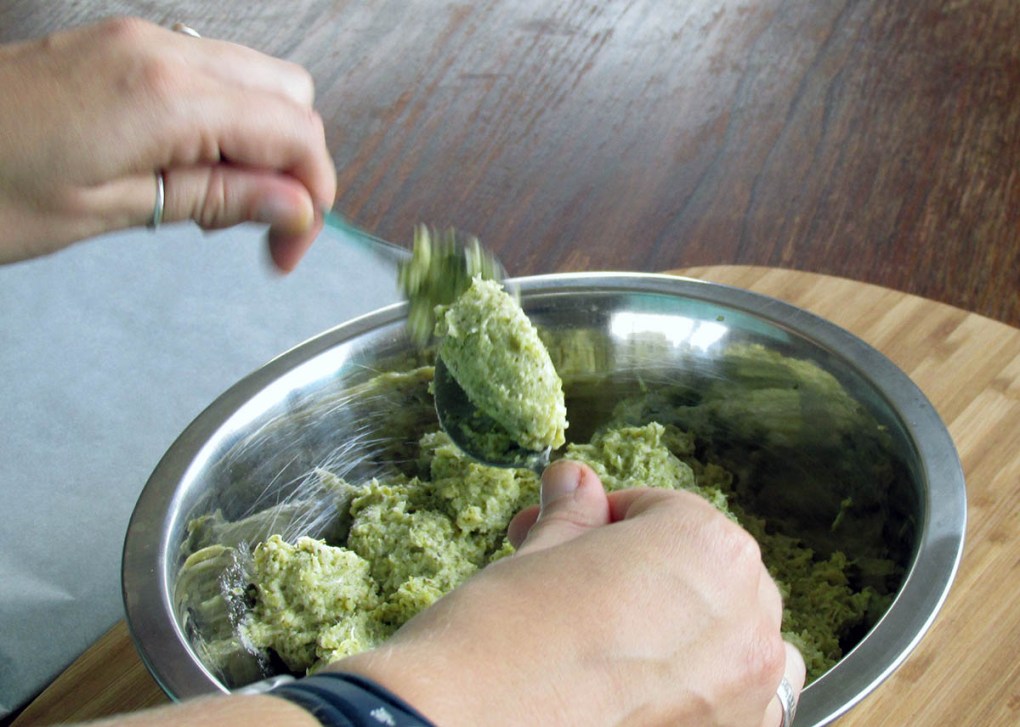
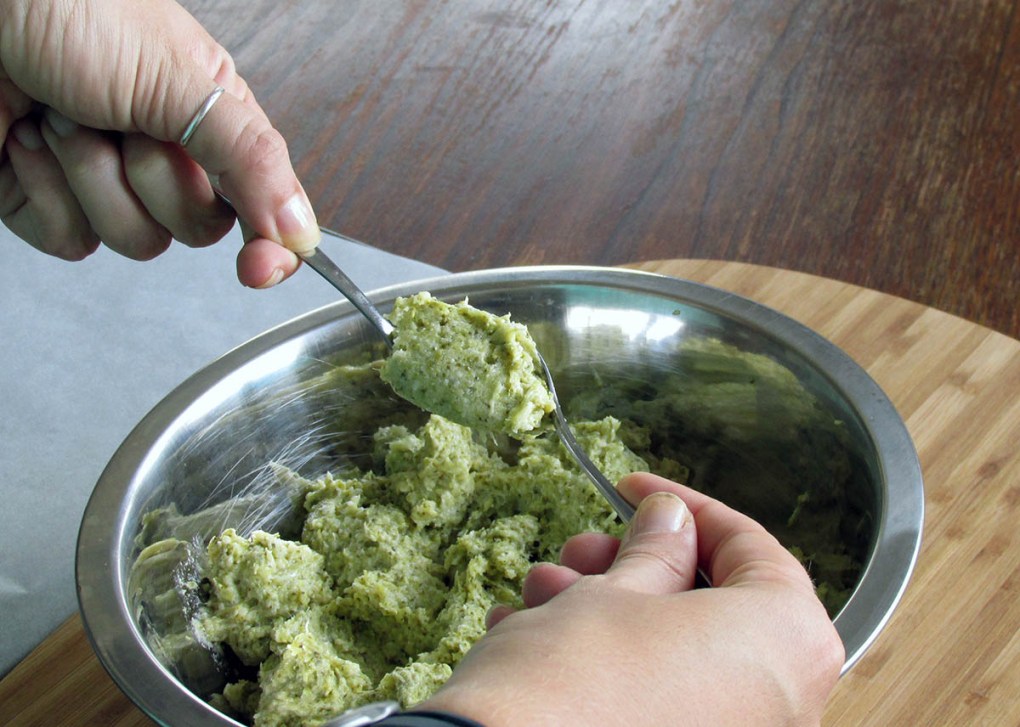
Take two teaspoons and create a Quenelle, scoop up a mound of the mixture,
Pass the mixture from one spoon to the other gently smoothing into an oval shape.
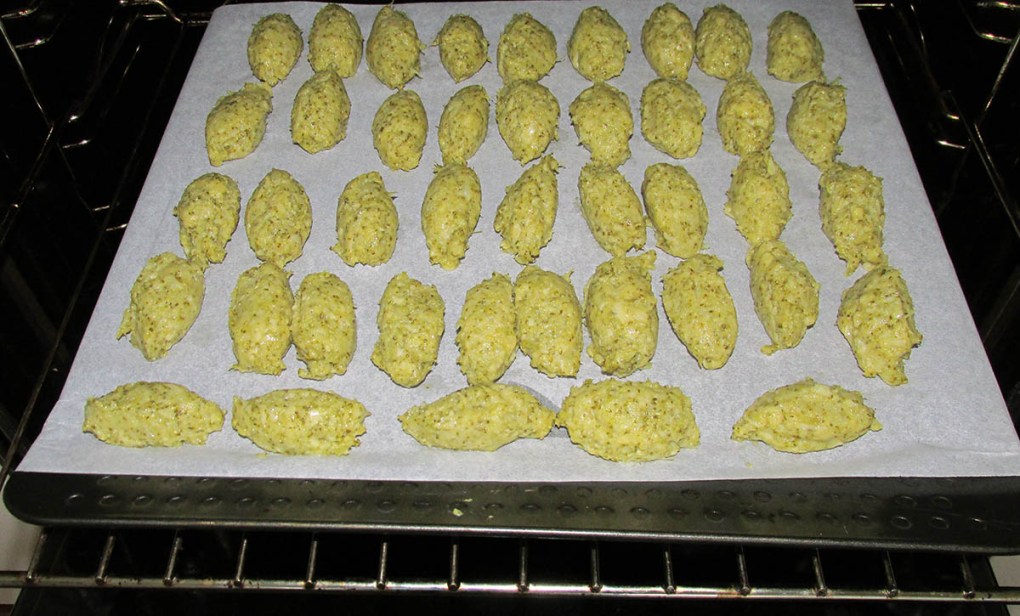
Place on the baking tray
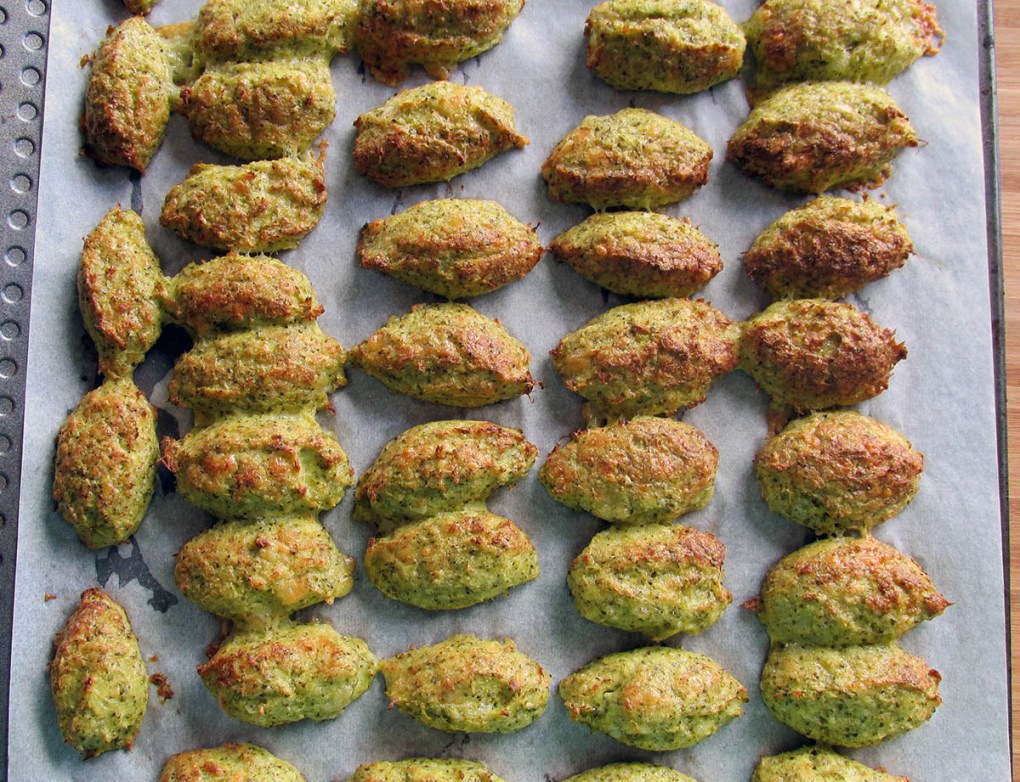
Bake for 16-18 minutes, turning halfway through cooking until golden.
Serve hot
Serve hot

Courgette tots

  • Servings: 8
  • Rating: ★★★★★
  • Print

These tots last seconds on the plate; truth be told they are a huge hit with everyone. They are a little messy and can take some time to make, but they are worth the effort.


Credit: Cath @ easycleaneats

Ingredients

  • 1 cup courgette, grated
  • 1 egg
  • 1/4 onion, minced
  • 1/4 cup cheddar cheese, grated
  • 2 tbsp. seasoned coconut flour
  • salt and black pepper to taste

Directions

  1. Preheat the oven to 200 degrees C/ 400 degrees F
  2. Line a baking tray with baking paper or a silicone liner
  3. Grate the courgette and press it to remove any excess liquid, I like to use a clean cotton dishtowel.
  4. In a medium bowl, combine all of the ingredients and season with salt and pepper to taste.
  5. There are two ways to make the tots
  6. 1. take a tablespoon, get a heaped spoon of the mixture, and roll it into an oval.
  7. 2. take two teaspoons and create a Quenelle, scoop up a mound of the mixture, pass the mixture from one spoon to the other gently smoothing into an oval shape.
  8. Place on the baking tray and bake for 16-18 minutes, turning halfway through cooking until golden.Place on the baking tray and bake for 16-18 minutes, turning halfway through cooking until golden.

Nutrition

Per Serving: 38 calories; 2 g fat; 2 g carbohydrates; 2 g protein

Equipment

  • Baking tray
  • Baking paper or a silicone liner
  • Grater
  • Kitchen towel
  • Mixing bowl
  • Tablespoons 
  • Tongs 

Nutritional disclaimer

Nutrition information is provided as an estimate based on the ingredients used and available in my area (New Zealand). The nutritional information is here to help you understand the recipe; I use MyFitnessPal to generate my estimates. For more accurate nutritional information, please use a nutritional calculator with the ingredients in your area.


Small vanilla cupcakes with vanilla icing

Vanilla cupcakes

Something sweet 

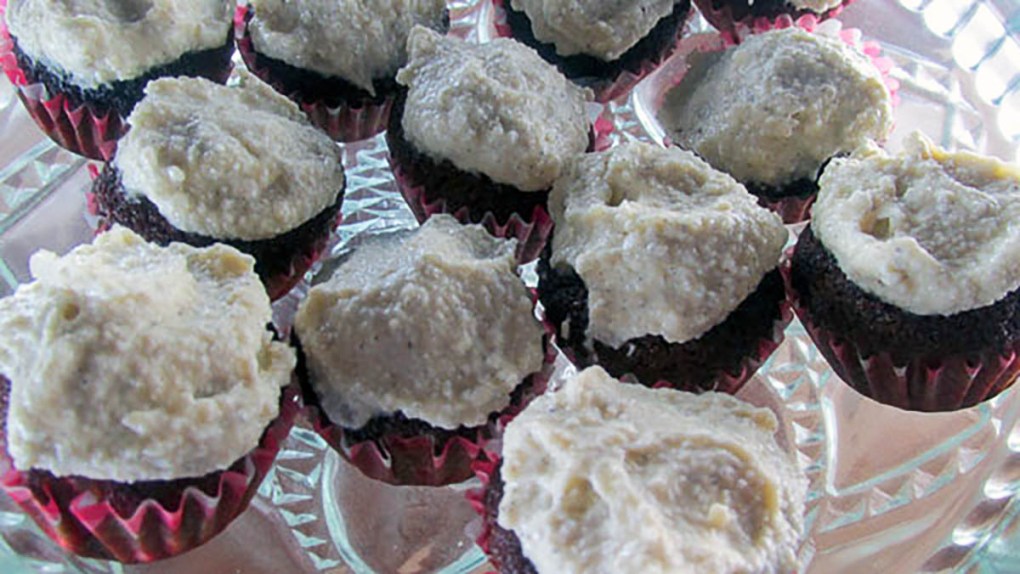
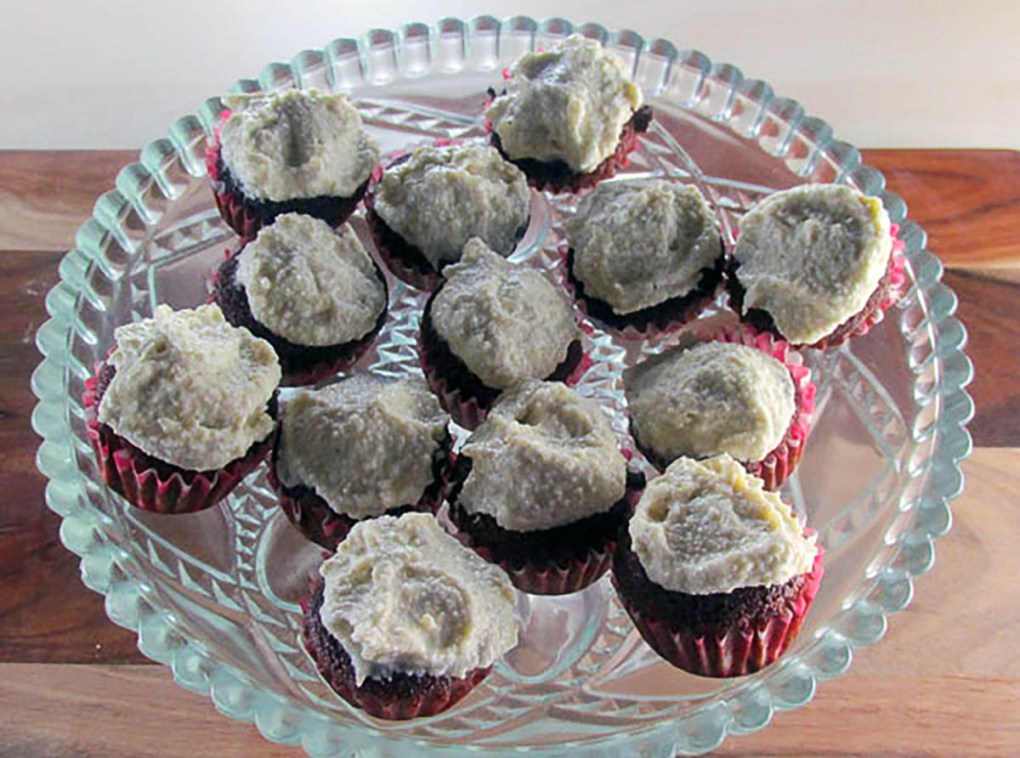
I realised recently that I don’t post a lot of sweet treats so thought I would give your something sweet this week. This is my grain-free vanilla cupcakes with sugar-free frosting. The cake mix is soft and airy which gives these cupcakes a real cake texture and taste without any sugar or grains.

Making it feel like real cake 

I often find that making cakes taste like cakes when you aren’t using standard cake ingredients is difficult. The light and fluffy texture are not easy to achieve unless you know that eggs hold the key. It has taken me a while to get the technique right, but I think I have it. Egg whites whisked to stiff peaks that are folded into a cake batter make grain free cakes light, fluffy and airy. You would swear you were biting into a sponge cake. 

Coconut flour 

Jaime has come to a decision that he doesn’t like coconut flour; he doesn’t like cookies and cakes baked with coconut flour. I didn’t have the heart to tell him that the tray of cupcakes he ate in one afternoon was made from coconut flour, I didn’t want to ruin his afternoon. When you bake with coconut flour, it is a good idea to remember that not all coconut flour is made equally. Sometimes coconut flour can be very dry, it will soak up all the liquid in your recipe and leave you with something difficult to eat. When I bake cakes with a new bag or brand of coconut flour, I like to leave the batter to hang out for 10 minutes. This is to make sure that the flour doesn’t steal all the moisture in my cake. If the flour is super thirsty, you can add a little more liquid and save the cake before you bake. 

Vanilla cupcakes recipe

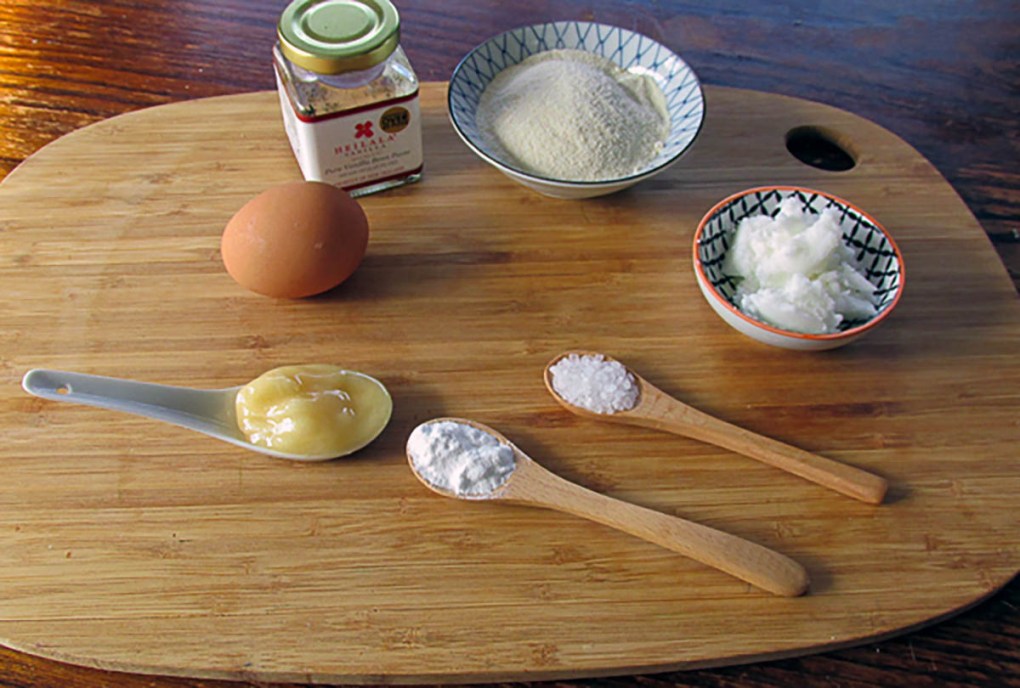
Ingredients

  • 1/4 cup coconut flour
  • 1/8 tsp. salt
  • 1/8 tsp. baking soda
  • 3 eggs
  • 1/4 cup coconut oil
  • 2 tbsp. honey
  • 1 tbsp. vanilla bean paste

Vanilla cupcakes

  • Servings: 12
  • Rating: ★★★★★
  • Print

The cake mix is soft and airy which gives these cupcakes a real cake texture and taste without any sugar or grains.


Credit: Cath @ easycleaneats

Ingredients

  • 1/4 cup coconut flour
  • 1/8 tsp. salt
  • 1/8 tsp. baking soda
  • 3 eggs
  • 1/4 cup coconut oil
  • 2 tbsp. honey
  • 1 tbsp. vanilla bean paste

Directions

  1. Instructions
  2. Separate the egg whites and yolks. 
  3. Put the egg whites in a clean mixing bowl and whisk until they are stiff peaks. 
  4. Set the egg whites to one side
  5. Put the remaining ingredients into a food processor and blend together to create a smooth batter.
  6. Gently fold the egg whites into the batter.
  7. Line a 12- cup muffin pan with cupcake wrappers, the number of cakes you get will depend on how large your cake pan is
  8. Pour the batter into the cupcake wrappers, don’t overfill the cupcake wrappersPour the batter into the cupcake wrappers, don’t overfill the cupcake wrappers
  9. Bake at 180 degrees C/ 350 degrees F for 20 minutes
  10. Allow the cakes to cool completely before icing

Nutrition

Per Serving: 80 calories; 6 g fat; 5 g carbohydrates; 2 g protein

Equipment

  • Whisk
  • Bowl
  • Food processor
  • Muffin tin
  • Cupcake wrappers
  • Measuring cups
  • Measuring spoons

Nutritional disclaimer

Nutrition information is provided as an estimate based on the ingredients used and available in my area (New Zealand). The nutritional information is here to help you understand the recipe; I use MyFitnessPal to generate my estimates. For more accurate nutritional information, please use a nutritional calculator with the ingredients in your area.


Waldorf salad

Easy make ahead salad 

It is a summer of salads!! The warm months mean lots of fresh veggies and endless possibilities for salad. Anyone that knows me knows I could eat salad for every meal, I love them, lots. Most of the time I stick with the simple mixture of protein, lettuce leaves, crunchy veg and a simple dressing. On occasion, I like to make something a little fancier. 

Classic Waldorf salad 

The original version of the Waldorf salad was made with apples, celery and mayonnaise. Later on, chopped walnuts were added to the dish and became integral. Every time I have seen Waldorf on a menu, it had walnuts included, thanks to my stupid nut allergy I have never had the pleasure of enjoying the salad. Until now. 

Switch it up 

Regular visitors here will know I can’t leave things alone, I have to mess around with recipes and switch out ingredients. The Waldorf salad was a prime candidate for me to mess with. First up was an alternative to walnuts. As with many recipes, I find that switching out nuts with sunflower seeds, this means you get all the crunch with no risk of death. Next up was bumping up the protein. Generally speaking, I have a high protein diet so having meat as part of my salad is essential. In this instance, I went with some cooked and cooled chicken. 

Meal prep winner 

This salad is one of my favourites for mixing up a big batch and portioning out for meals for the week. I like to make a double batch of the salad and keep it in the fridge ready for lunches, snacks and easy dinners when it is too hot to make a meal. 

Chicken Waldorf salad recipe

Ingredients 

Chicken Waldorf salad ingredients
  • 2 cups of cooked diced chicken 
  • 1 apple, diced 
  • 1 cup chopped celery 
  • 1 cup grapes, halved 
  • 1/2 cup chopped sunflower seeds 
  • 1/4 cup easy mayo
  • 2 tsp. lime juice 
  • 2 tsp. honey 
  • salt and pepper 
Chicken Waldorf salad

Chicken Waldorf salad

  • Servings: 8
  • Rating: ★★★★★
  • Print

A nut-free take on this classic salad


Credit: Cath @ easycleaneats

Ingredients

  • 2 cups of cooked diced chicken 
  • 1 apple, diced 
  • 1 cup chopped celery 
  • 1 cup grapes, halved 
  • 1/2 cup chopped sunflower seeds 
  • 1/4 cup easy mayo 
  • 2 tsp. lime juice 
  • 2 tsp. honey 
  • salt and pepper 

Directions

  1. In a bowl, combine chicken, apple, celery, and seeds. 
  2. In a bowl, combine the mayonnaise, lime juice, and honey. 
  3. Season to taste. 
  4. Spoon dressing over chicken salad and toss to coat. 

Nutrition

Per Serving: 262 calories; 10.6 g fat; 9.4 g carbohydrates; 11.4 g protein

Equipment

  • Large mixing bowl
  • Small mixing bowl
  • Whisk
  • Spoon
  • Measuring cups
  • Measuring spoons

Nutritional disclaimer

Nutrition information is provided as an estimate based on the ingredients used and available in my area (New Zealand). The nutritional information is here to help you understand the recipe; I use MyFitnessPal to generate my estimates. For more accurate nutritional information, please use a nutritional calculator with the ingredients in your area.


Broccoli pesto frittata

Something quick and easy, please

It is hot and sticky here in Auckland, the last thing I want to be doing in spending hours over a hot stove. This week’s recipe comes from the I don’t want to be in a hot kitchen collection but still want a home-cooked meal. This Broccoli Pesto Frittata is a quick and easy recipe that takes minutes to prepare and can be served hot or cold.

Broccoli pesto frittata

Leftovers are welcome

My fridge is a mish-mash of food at the minute, there are about four kinds of cheese, a range of cut meats, jars of sauces and cooked vegetables. Post-Christmas and New Year meals are generally an effort to empty the fridge as fast as possible. With three hungry mouths to feed I had a quick rummage around the fridge and cupboards. I had a stash of nut-free pesto and steamed broccoli in the fridge this week which was the inspiration for this recipe.

Broccoli pesto frittata recipe

Ingredients

Broccoli pesto frittata
  • 3 tbsp. nut free pesto
  • 2 tsp. butter 
  • 1 red onion, chopped
  • 4 cups broccoli, steamed and roughly chopped
  • 8 eggs
  • Salt and pepper

Broccoli pesto frittata

  • Servings: 8
  • Rating: ★★★★★
  • Print

This quick and easy frittata is a great way to use up late leftover pesto


Credit: Cath @ easycleaneats

Ingredients

  • 3 tbsp. nut free Pesto
  • 2 tsp. butter 
  • 1 red onion, chopped
  • 4 cups broccoli, steamed and roughly chopped
  • 8 eggs

Directions


1. Preheat the oven to 190 degrees C/375 degrees F. 
2. In an oven-safe pan or cast-iron skillet, heat the butter over medium heat.
3. Add the onion to the pan and cook for 10 minutes or until the onion is soft.
4. Add the broccoli to the onions and mix.
5. Beat 4 of the eggs and add them to the pan. 
6. Spread the 3 tablespoons of pesto on top of the eggs.
7. Beat the remaining eggs and pour them over the pesto.
8. Put the pan into the oven and bake for 20 minutes or until the eggs are browned on top.
9. Remove the pan from the oven and let the frittata cool for 10 minutes before slicing and serving.
recipe-directions]

Nutrition

Per Serving: 128 calories; 9 g fat; 5 g carbohydrates; 8 g protein

Equipment

  • Cast-iron
  • Knife
  • Chopping board
  • Spatula
  • Spoon 
  • Measuring cups
  • Measuring spoons
  • Mixing bowl
  • Whisk 

Nutritional disclaimer

Nutrition information is provided as an estimate based on the ingredients used and available in my area (New Zealand). The nutritional information is here to help you understand the recipe; I use MyFitnessPal to generate my estimates. For more accurate nutritional information, please use a nutritional calculator with the ingredients in your area.