
One of the key things missing that I found important when removing ‘standard’ foods from my diet was knowing an alternative I could use. Many of the alternatives I discovered that were suitable for how I wanted to eat took time to discover. I considered each discovery a little triumph on my food journey. Knowing what is out there and suitable for you can be hard work. I’m all for making life easier, so here is a list of the alternative ingredients I have found and used over the years.
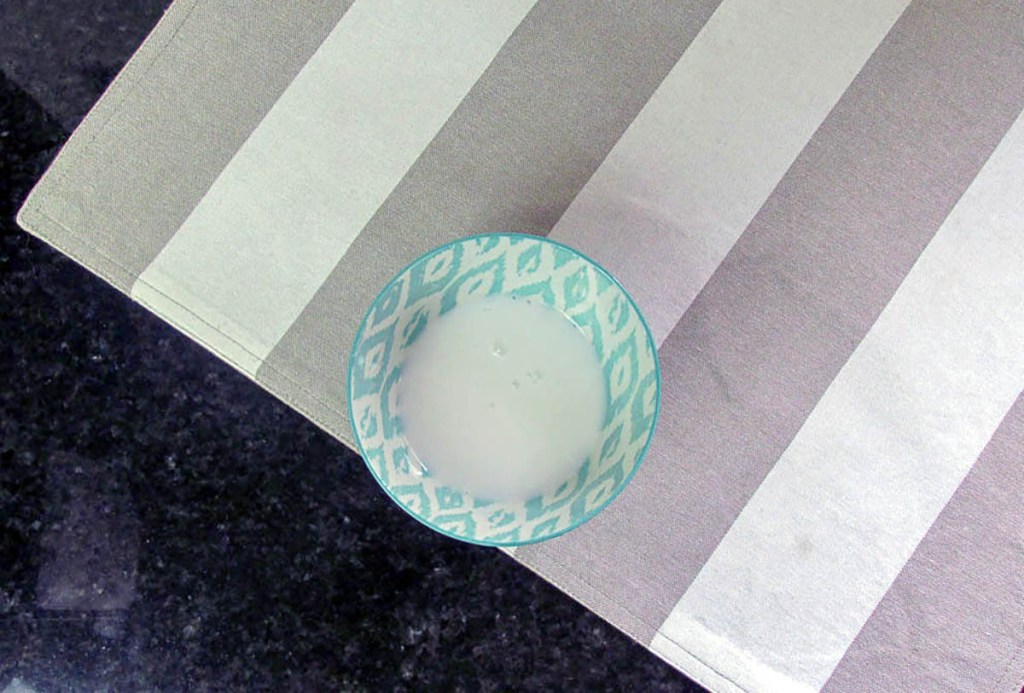
Removing milk – alternative coconut milk/ almond milk
Dairy is a big issue for some people. Removing milk can be challenging and take a while to get used to; having an alternative can make life much easier. Coconut and almond milk are nice alternatives available in most supermarkets and health food stores. Look for milk that doesn’t have added sugar, sweetener or preservatives; you can always make your own if you want to remove the risk of milk with added chemicals. There are other milk alternatives out there, but I highly recommend doing some interweb research on potential health impacts before you try them.
Removing soy sauce – alternative coconut aminos
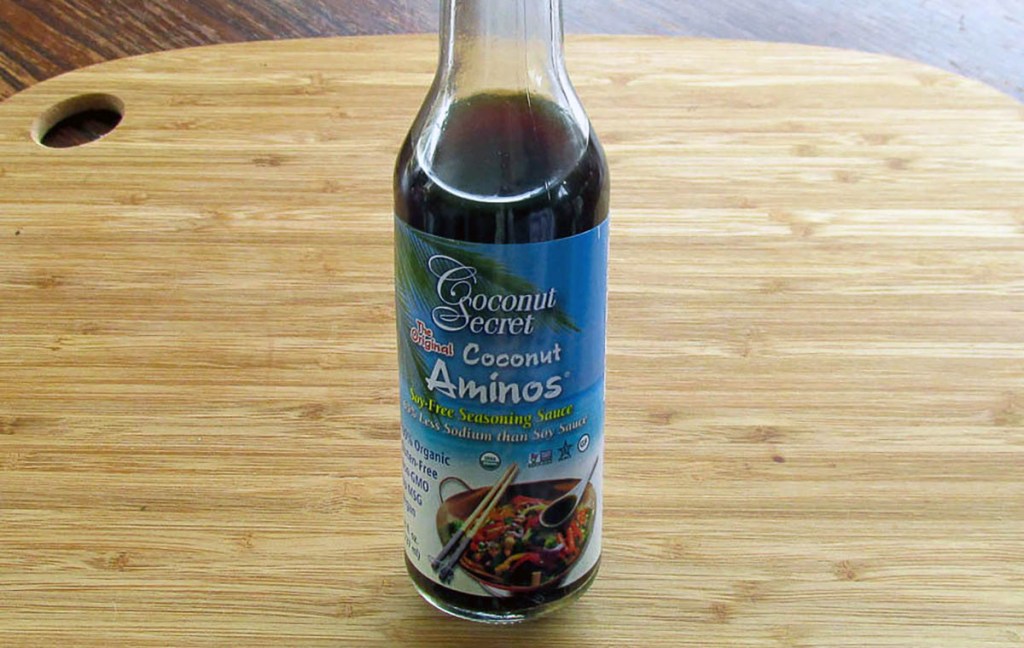
Coconut aminos are an excellent replacement for soy sauce. Soy is one of the most controversial foods out there; it is considered either a superfood or a hormone-disrupting poison. Instead of working through many papers that argue the pros and cons of soy and running the risk of phytoestrogens, use coconut aminos where you would normally use soy sauce. It is a nice and simple solution without compromising on flavour. Interesting facts about coconut aminos;
- 65% Less Sodium than Soy Sauce!
- High Source of Liquid aminos
- 100% Organic
- Gluten-Free
- Dairy-Free
- Non-GMO
- Certified Organic by OCIA
This is the one that I keep in my pantry use, and you can buy it in most health food stores and in some supermarkets right next to the soy sauce.
Removing flour – alternative coconut flour
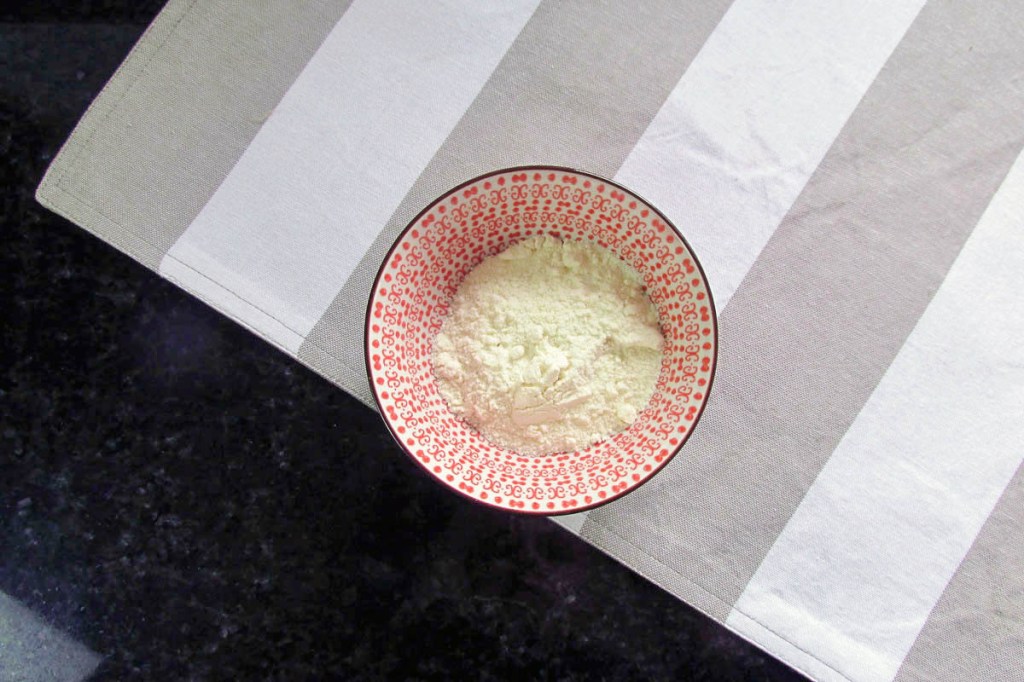
Often, getting rid of wheat and grains from your diet is one of the hardest things for people to do (it was for me – oh, bread, how I loved thee). To help ease the transition, you can now access a range of grain-free flours. As I have a nut allergy, I was limited to coconut flour or gluten-free mixes, which can include extra chemicals. Coconut flour has been my primary flour as a replacement. It pays to remember that coconut flour is not the same as wheat-based flour; after much experimentation, I have found a simple formula that you can apply when using coconut flour.
Other alternatives to standard flours include almond flour, tapioca flour, and many other non-grain flours; a suitable alternative often depends on what you are trying to make. I recommend experimenting to find out which flours work best for you and the food you are making.
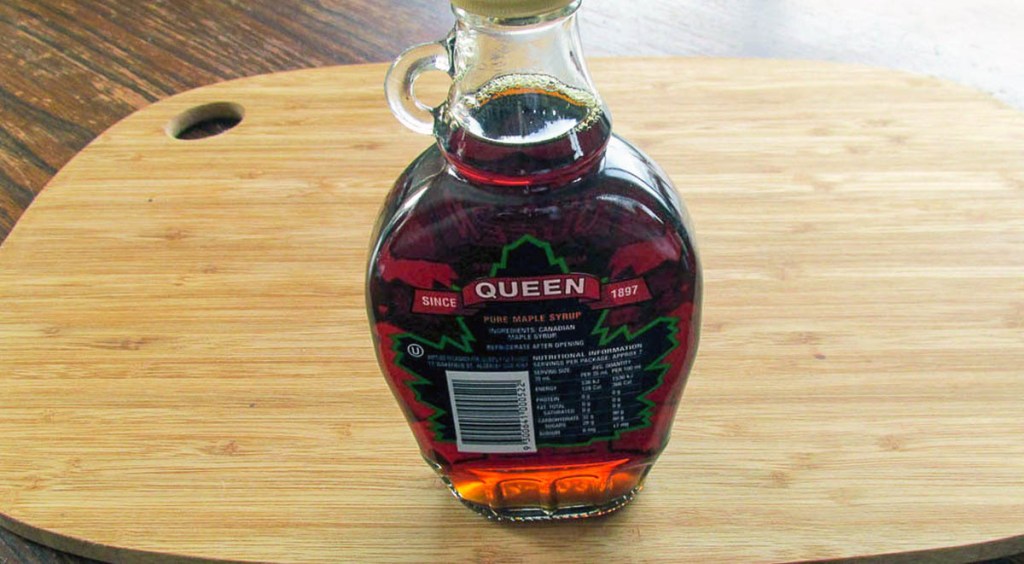
Removing sugar – alternative honey or maple syrup
Sugar is addictive and in everything nowadays (seriously, check out the label on pretty much anything in your fridge or pantry). Removing sugar can be hard, and once it’s gone from your diet, it does not mean the craving for something sweet will go away. Honey and Maple syrup are better options when you compare them gram for gram against sugar.
Both are sweet, but without that sickly sweetness you get with processed sugar, some honey is good for you (UMF honey and benefits). Other replacements include stevia and coconut sugar. The thing to keep in mind is that sugar-free doesn’t mean calorie-free; treats sweetened with sugar alternatives should be enjoyed in moderation.
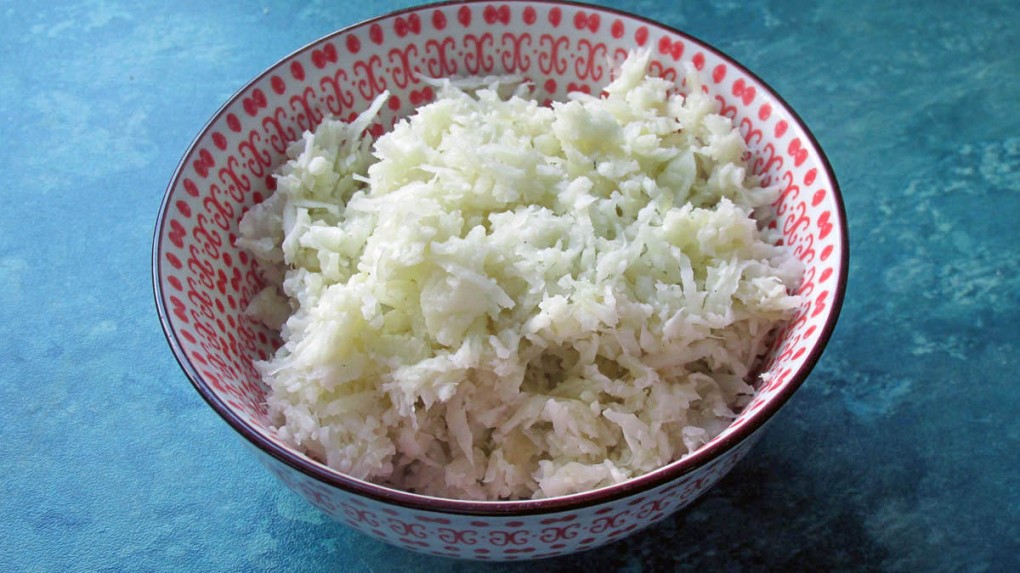
Removing rice and couscous – alternative cauliflower
Replacing rice is simple when you embrace cauliflower; it is much more versatile than you think. Grating or chopping your cauliflower gives you a rice grain texture that you can use in most of the same ways you would use rice. The bonus is that it is easy to cook and is lower-calorie than rice. It goes great with curry, as a side, fried rice, stuffing for peppers and even cold as a replacement for cous cous.
Removing spaghetti – alternative spaghetti squash
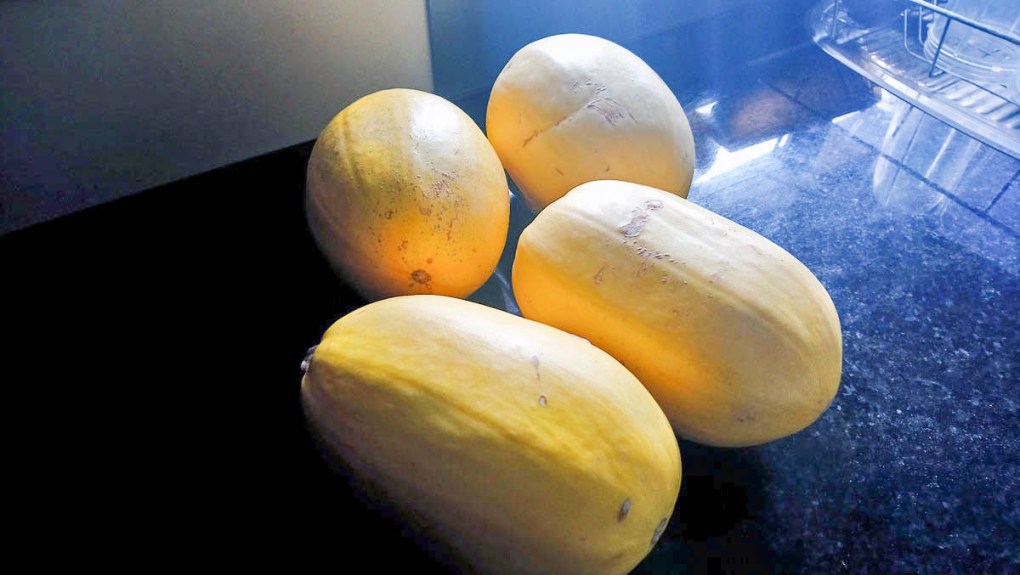
Slowly but surely, New Zealand supermarkets started to have limited supplies of spaghetti squash at the end of summer. There was a time (not too long ago) that if you want spaghetti squash, you need to grow it yourself (and I did). The squash gets its name from the spaghetti strands you get when cooked. It has a mild flavour and goes with sauces, meat, and eggs. The bonus is you get an extra vegetable portion with your meal.

Removing pasta and noodles – alternative coodles
Replacing pasta may seem difficult, but it isn’t. Coodles (carrot and courgette noodles) are perfect for filling the gap left in your life by pasta and noodles. Just like cauliflower, coodles are versatile; cut them julienne and you have noodle or pasta strands; cut in strips, you have replacement lasagne sheets or something to put your stuffing in for ravioli or use a spiraliser, and you have little pasta shapes. They are quick to cook and are another sneaky vegetable hit for your meal.
Coodles

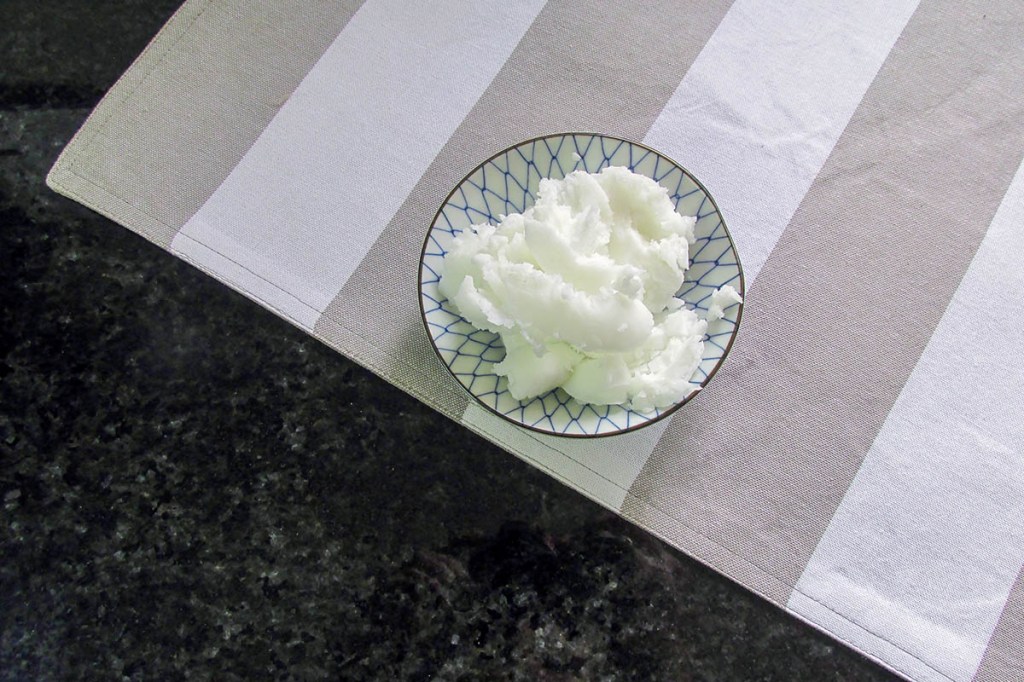
Removing vegetable oil – alternative coconut oil
There are so many oils out there to choose from it could make you dizzy. You can spend hours reading about the pros and cons of vegetable oil, soybean oil, sunflower oil, canola oil, and corn oil. I could go on, but I won’t. Coconut is, as far as I can tell, the best option. It gets a bad reputation because of the saturated fat it contains, but when you compare it to all the other oils out there, it comes out on top. A bonus is you can use it for your skin and hair, not just for cooking.
Removing margarine – alternative ghee or butter
Replace your margarine now! It is highly processed and in no way good for you. Replace it easily with ghee or butter. Ghee is clarified butter and is considered by most to be Paleo-friendly, as it has a lot of the impurities in butter removed from it; if you have issues with dairy products, this is the best option. If you don’t have any issues with dairy products, use organic/grass-fed butter. I look for unsalted butter, which you can use for things like bulletproof coffee..
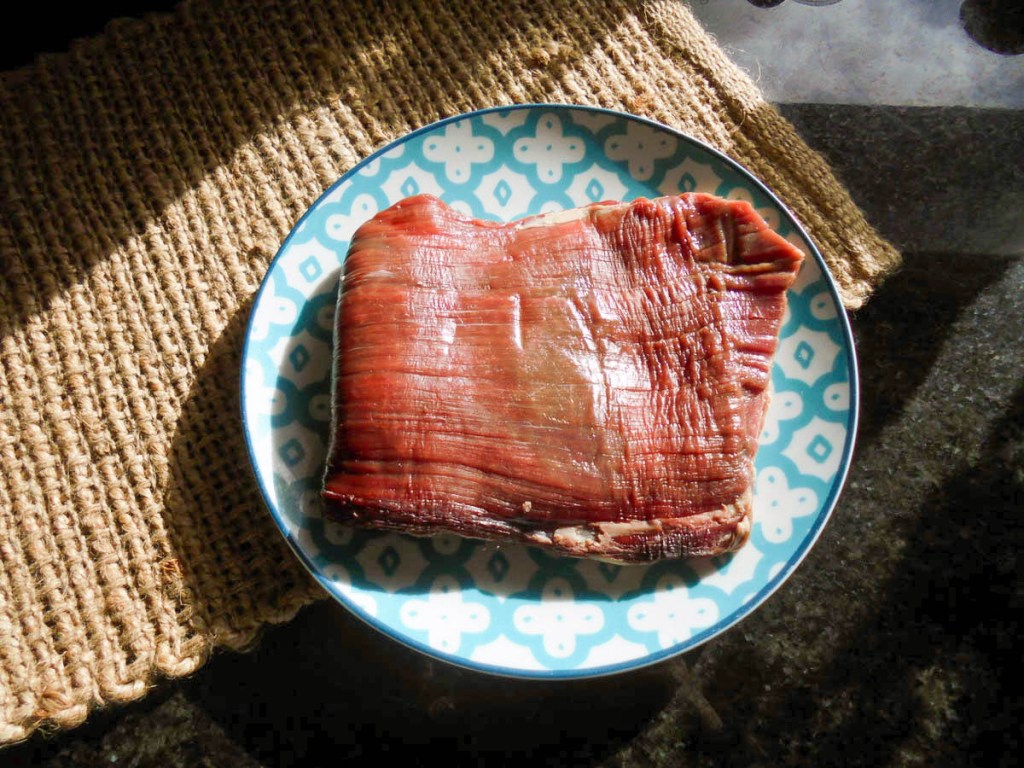
Removing standard/ lower quality meats – alternative organic, grass-fed and free-range meats
We are reasonably fortunate that here in New Zealand, we have some of the best meat products in the world. Unlike other countries, our meat is reared, as it should be, not fed grains like corn; they graze on grass all day long as animals are supposed to do. Mass-produced meat, generally speaking, is not fed on the right things and is usually of much lower quality. Organic, free-range, and grass-fed meats cost more, but it is worth it. In the long run, the meat you get is of better quality and tastes better, and often, you don’t need as much of the meat because there is less water and fat in the meat.
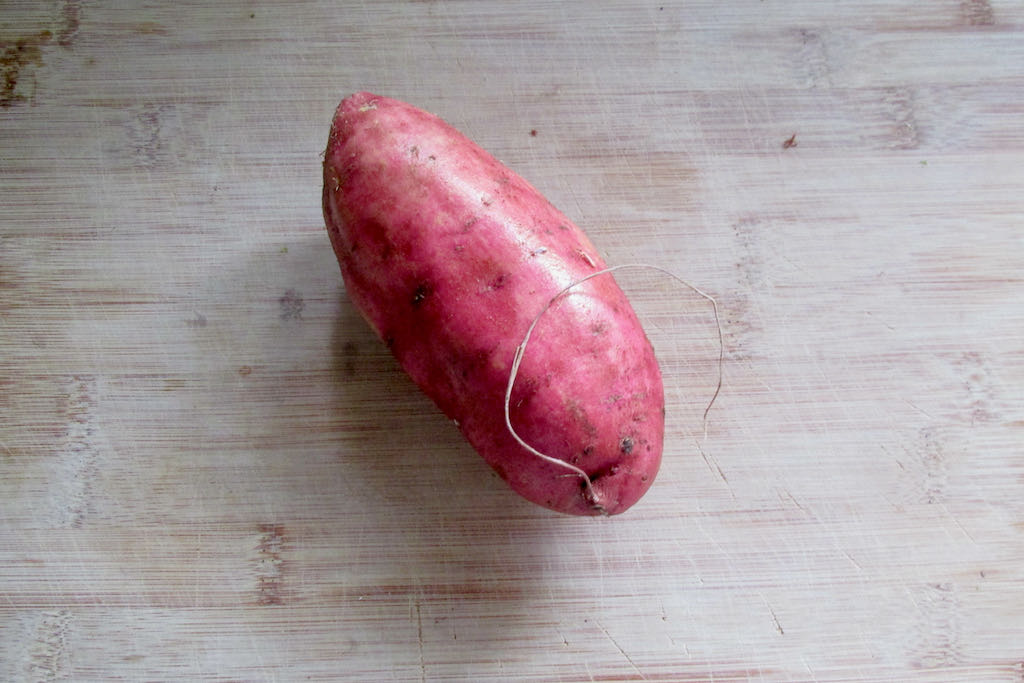
Removing potatoes – alternative sweet potatoes
Potatoes comprise a large part of many people’s diets, especially when you look at the amount of French fries, potato chips, and mashed potatoes we eat. “Meat and two veg” is a common approach to a meal; more often than not, potatoes are one of the veg. Removing them from your diet can be challenging. Thankfully, a helpful tuber is here to help. The Sweet Potato/Kumar is a popular Kiwi option that can replace your normal nightshades. You can use them for chips, potato chips, mash, and hash browns; you can even eat them raw.
Removing peanut butter – alternative nut and seed butter
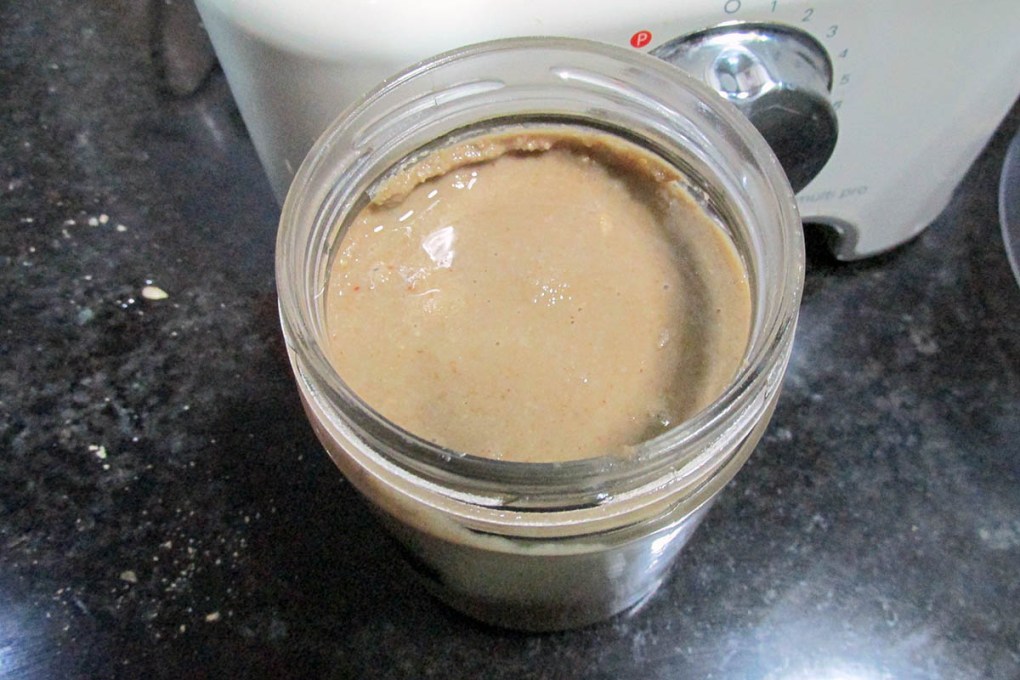
Let’s get this straight: peanuts are not nuts. They are legumes (think beans and lentils). You can make your own decision about legumes, but Peanut butter is not an option for me. More people have issues with sensitivities and allergies to things like legumes and nuts, so you may need to find an alternative. Thankfully, there are a few tasty alternatives out there. If you are good with eating nuts, you can replace your peanut butter with Almond or Cashew Butter; for those wanting a nut-free option, try Sunflower or Pumpkin Seed Butter. You can use these butters as one-to-one ratio replacements in recipes or just eat them out of the jar if that is how you like it.
Sun Butter recipe
Removing store-bought mayo – alternative homemade mayo
You may not realise it, but store-bought mayo isn’t what you think it is; often, it’s made with ingredients you wouldn’t typically put in mayo. Store-bought mayo is increasingly made with soya bean oil and has sugar added. Making mayo is simple (seriously, even kids can do it); the beauty is that you know exactly what is going into your mayo. Here is a simple and foolproof recipe to try

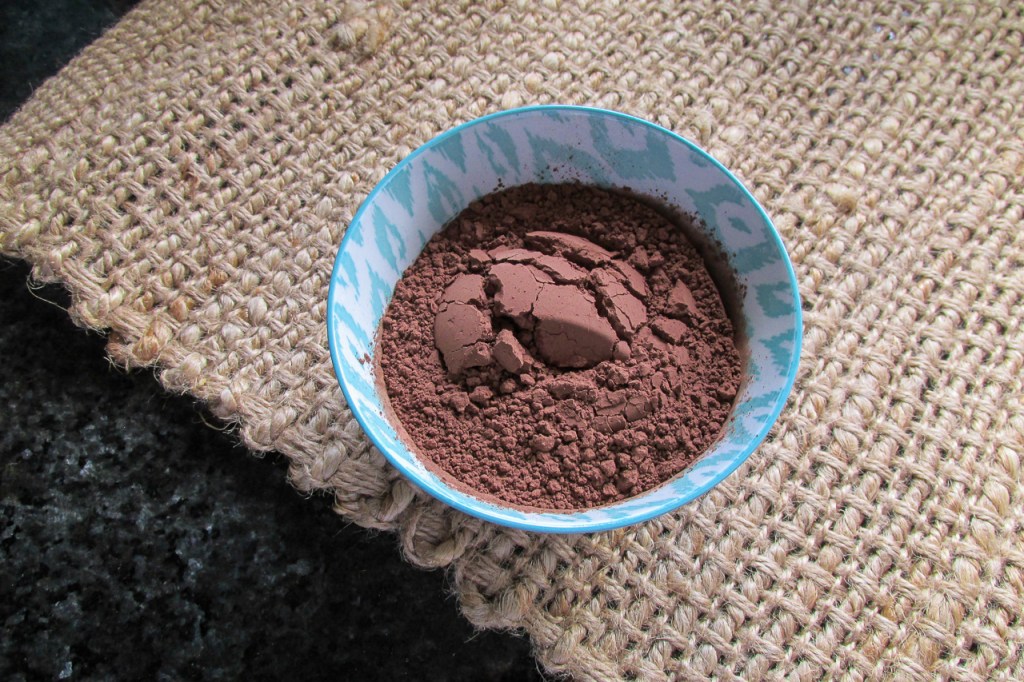
Removing chocolate – alternative raw cacao
Please don’t hate me. I’m not saying never to have chocolate again. Next time you get a craving, take a look at the back of your chocolate bar before buying it. Milk chocolate is loaded with milk and sugar; most brands also contain extra ingredients like soy. The good news is that chocolate itself is good for you; it has antioxidants that will do you good. Raw cacao is a great replacement; it tastes good, and you can make your own chocolate from it. Making the change means you get all the chocolate goodness without all the added nastiness. See, that was not as bad as you thought.
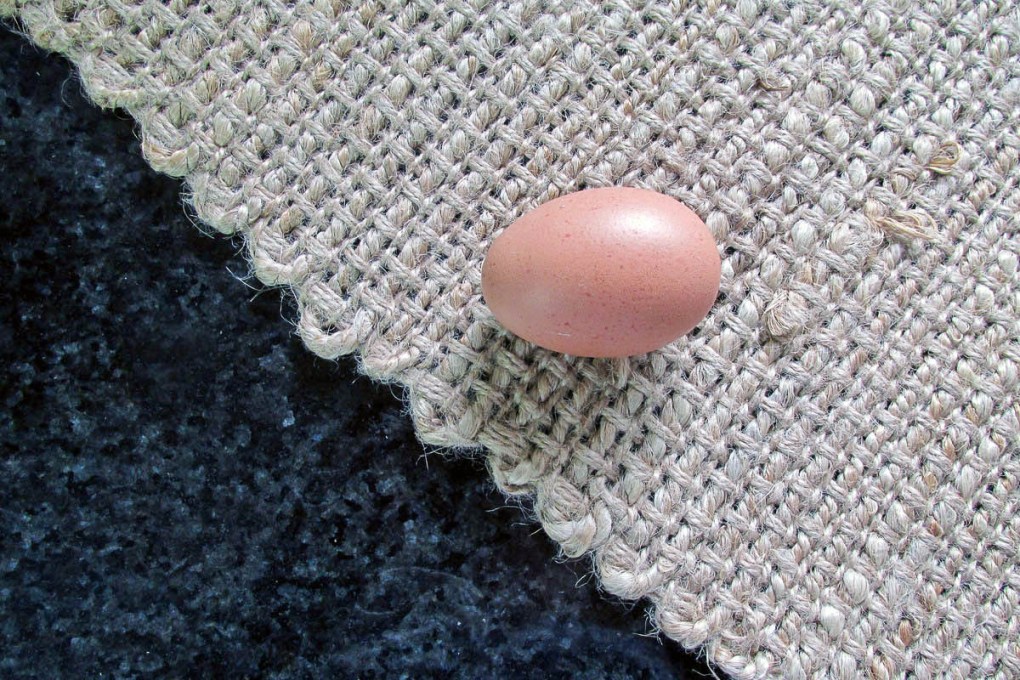
Removing cage eggs for organic free-range eggs
ree-range and organic eggs are better in many ways, not just for us but also for the chickens. Chickens are born to walk around, peck in the grass, eat bugs and plants, and not live in a dark barn without room to move around or, be locked in a cage or eat grains. The quality of organic and free-range eggs is so much better than caged eggs; moving over to free-range eggs is beneficial for you and the chickens; they do cost more, but they are worth the extra cash when you can taste the difference in quality.
Do you have alternatives?
If you have other alternatives that you have found helpful in your diet, let me know in the comments below.
 Easy Clean Eats