How to roast peppers

Here is another quick, easy and practical post to add to your kitchen skill toolbox.

Let’s talk about peppers

Today I want to talk about peppers. It might not seem important, but the ability to roast your own peppers is not only a must but also super easy to do. As with most ingredients how you prepare them can enhance the flavour. This holds very true for roasting peppers. The roasting process brings out their sweetness. 

Yes, you can go to the supermarket and buy roasted peppers in a jar, but you miss out on the freshly roasted flavours. Plus you have to figure out what that firming agent is.

Roasted peppers can be used in a range of recipes; you can replace that tomato sauce for a pizza, add them to a salad or blend them down into soup.

Three ways to roast

There are a few methods you could use to roast your peppers

  • Oven roasting
  • Grill
  • Stovetop roasting

Stovetop Roasting 

If you are fortunate enough to have a gas cooker this method is the perfect option for roasting one or two peppers at a time. This method requires a little more effort from you but is still great.

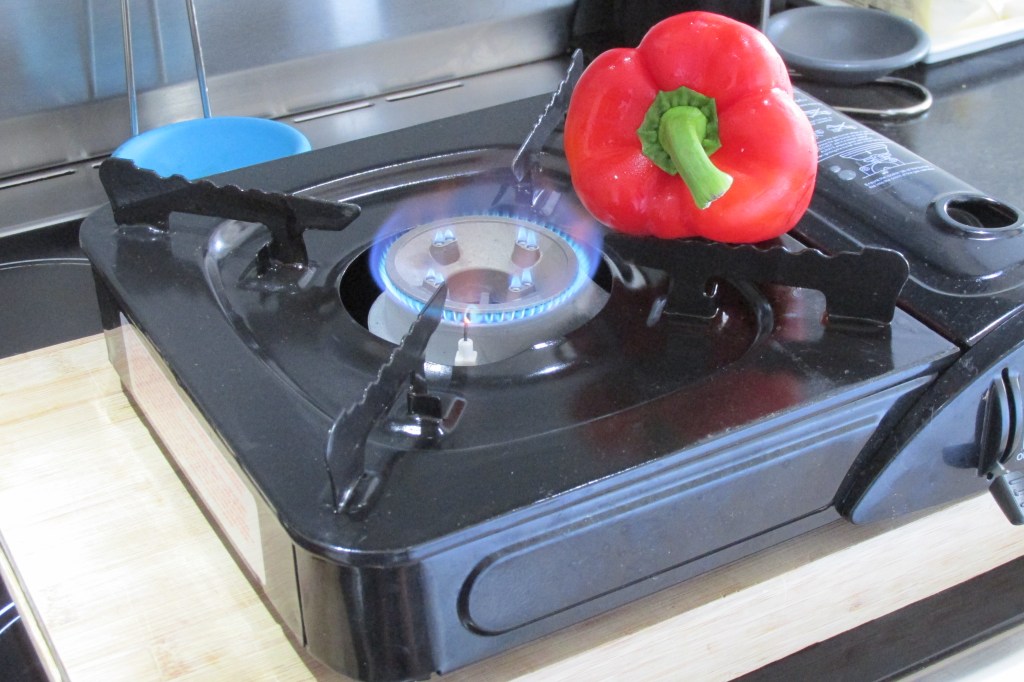
  1. Turn your gas flame on to a low to medium heat.
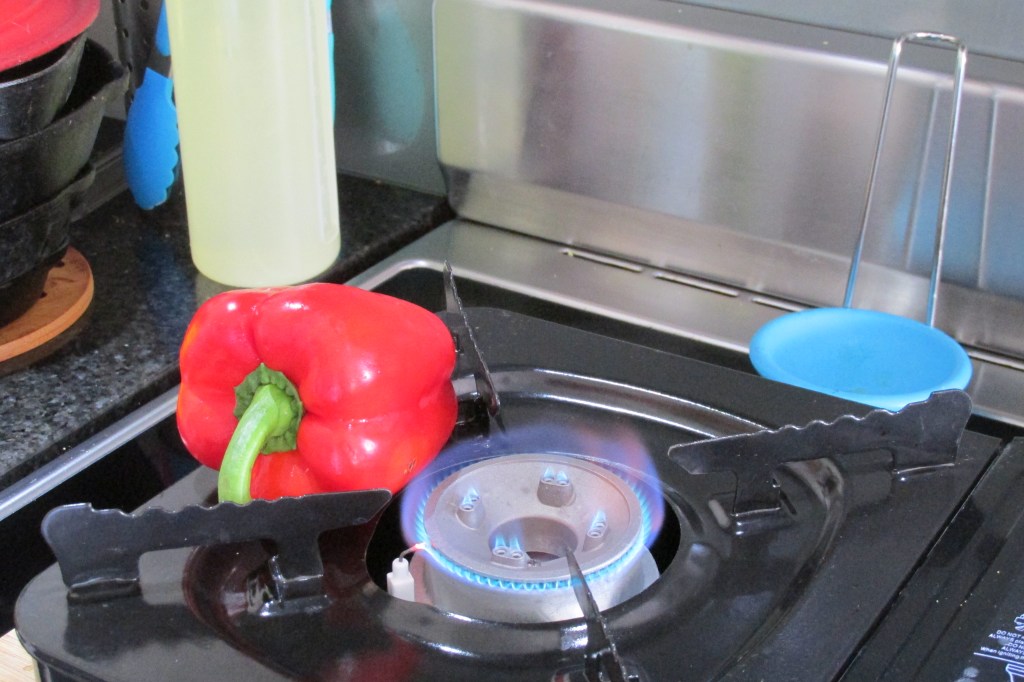
  2. Place the pepper over the flame; I lean the pepper against the metal for pans. 
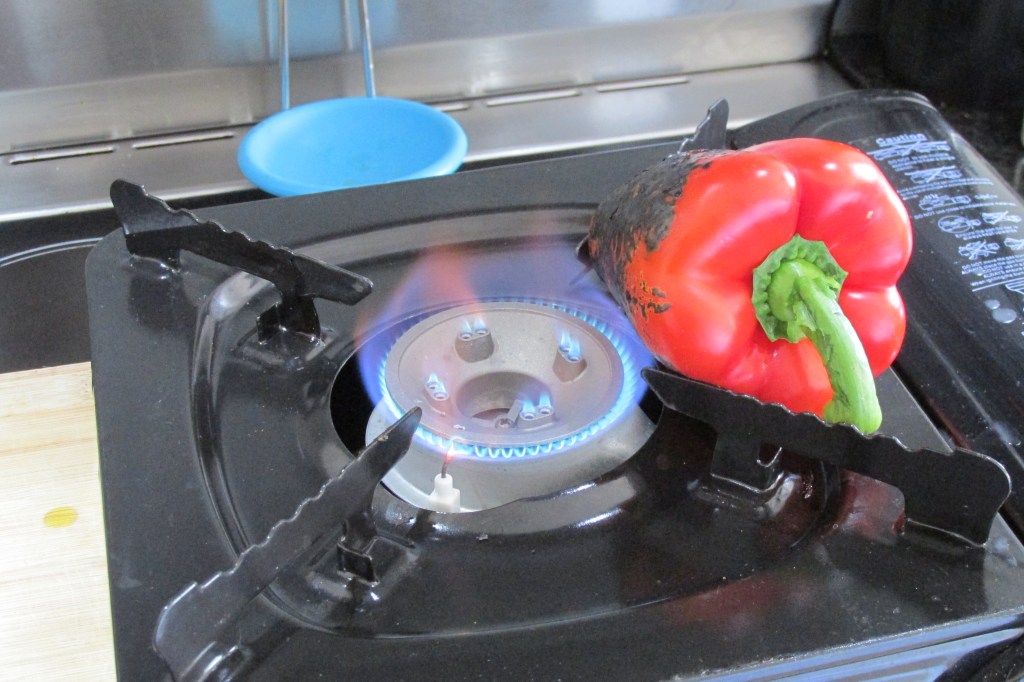
  3. When the skin of the pepper starts to colour rotate the pepper so that a new part of the skin is over the flame. Keep turning the pepper when the skin begins to colour.
  4. Keep turning the pepper when the skin begins to colour.
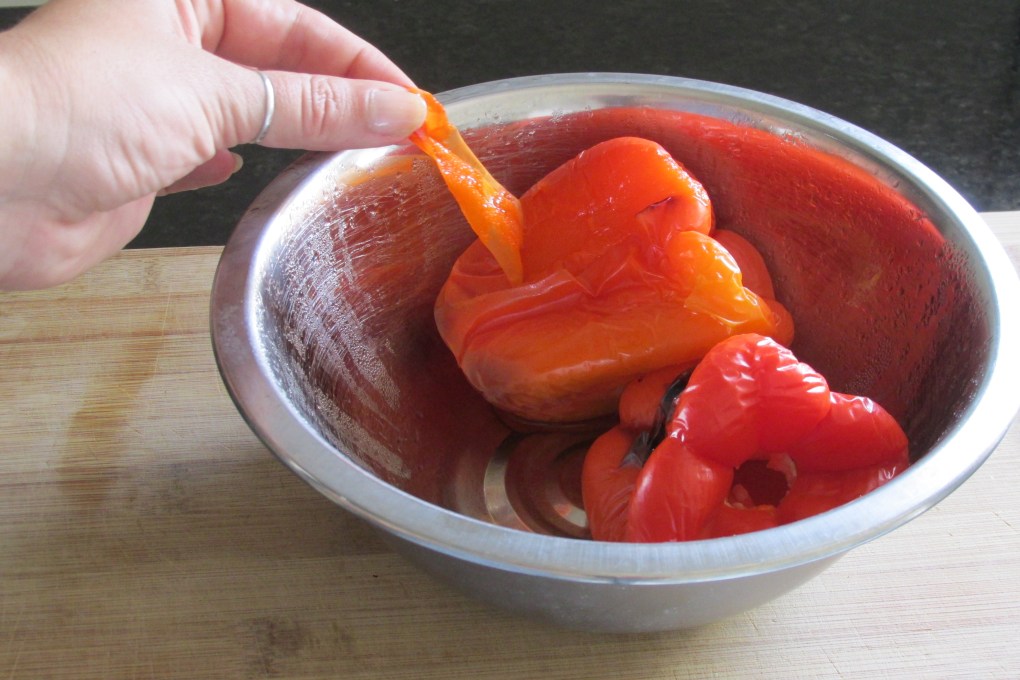
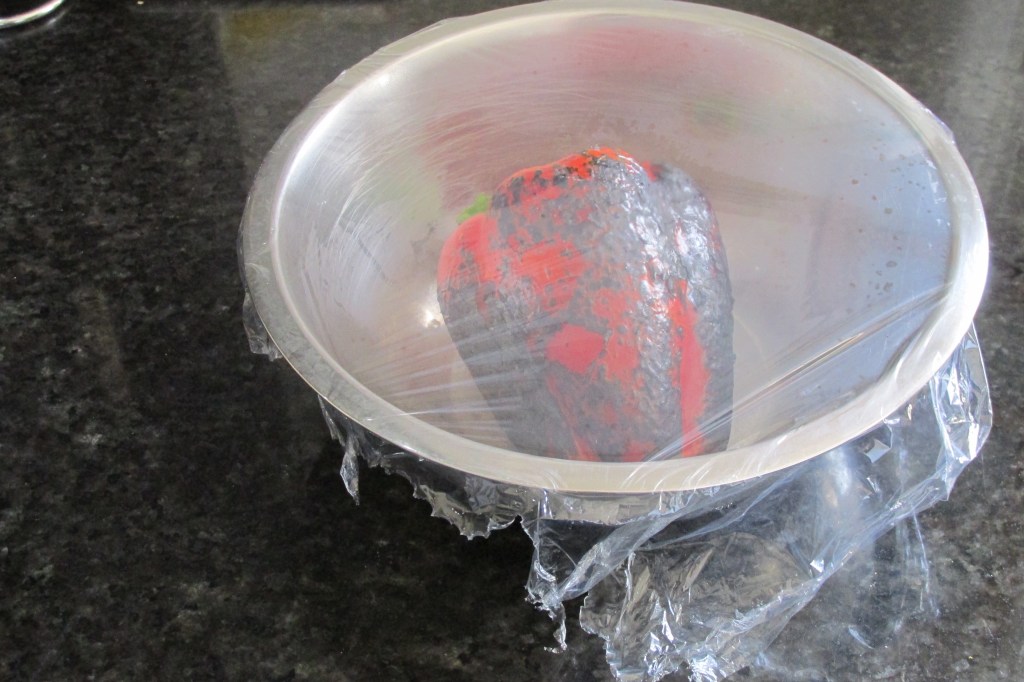
  5. When the pepper is charred take it off the heat, put them in a bowl, cover the bowl with cling film and let the peppers steam for 10 minutes
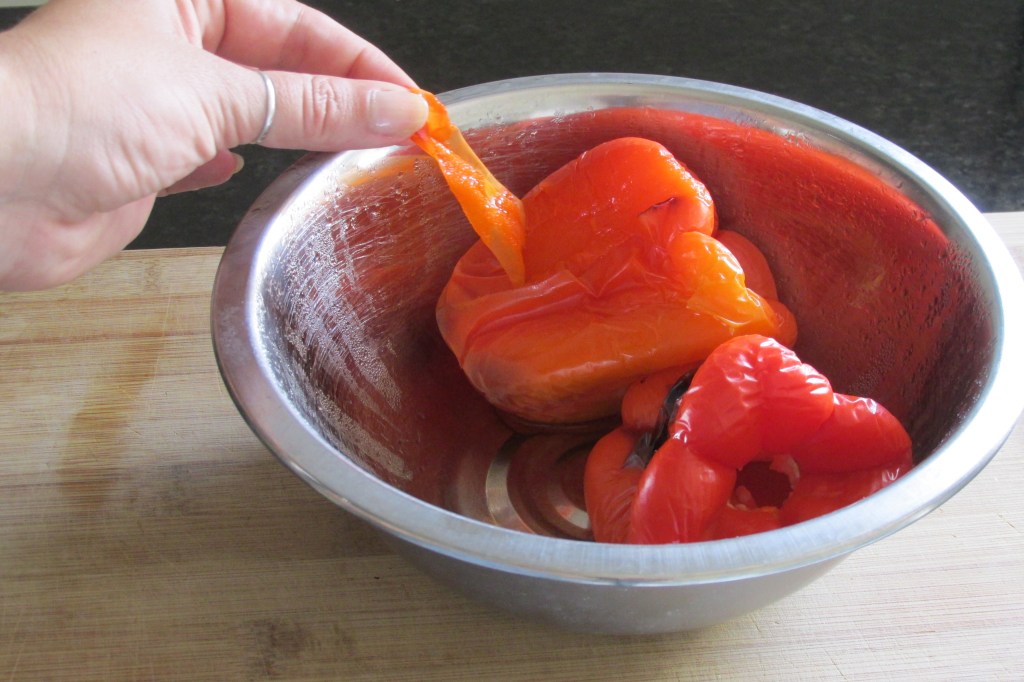
  6. After 10 minutes take the peppers out of the bowl and use your fingers to peel the skin away
  7. Use your fingers to peel the skin away
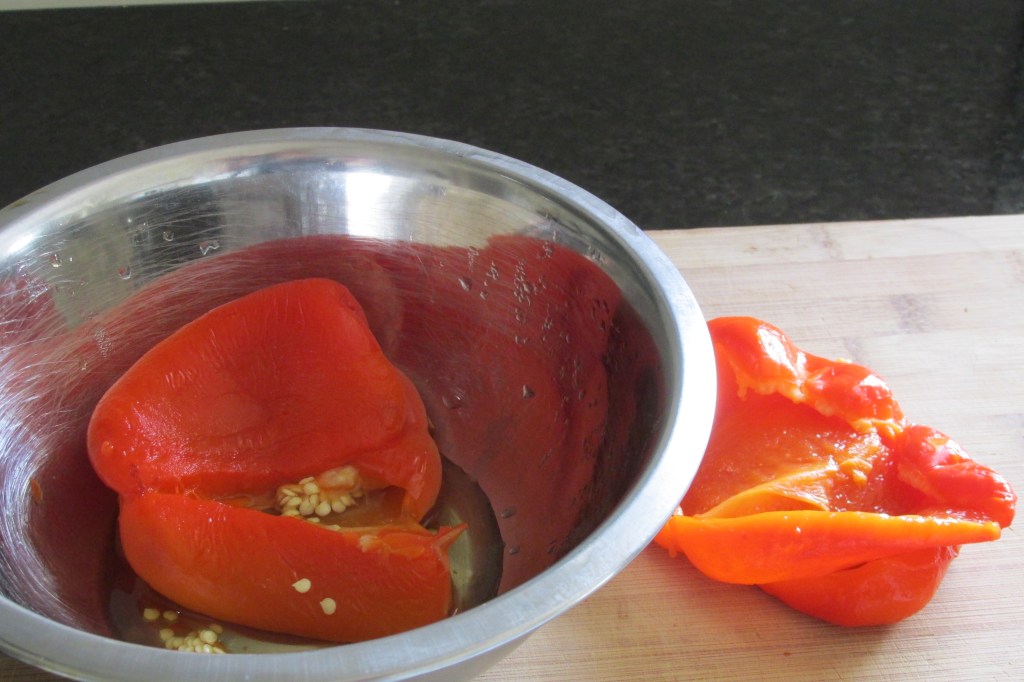
  8. Pull the stem out of the pepper and use a knife to scrape out the seeds.

Turn your gas flame on to a low to medium heat.

Place the pepper over the flame; I lean the pepper against the metal for pans. 

When the skin of the pepper starts to colour rotate the pepper so that a new part of the skin is over the flame. Keep turning the pepper when the skin begins to colour.

Keep turning the pepper when the skin begins to colour.

When the pepper is charred take it off the heat, put them in a bowl, cover the bowl with cling film and let the peppers steam for 10 minutes

After 10 minutes take the peppers out of the bowl and use your fingers to peel the skin awayUse your fingers to peel the skin away

Pull the stem out of the pepper and use a knife to scrape out the seeds.

Oven roasting

This is the easiest method because you can roast lots of peppers at the same time and the clean-up is a lot easier. 

  1. Preheat your oven to 200 degrees C/ 400 degrees F
  2. Start with some fresh peppers
  3. Line a baking tray with some aluminium foil
  4. Place the peppers on the baking sheet
  5. Place the peppers on the baking sheet
  6. Roast the peppers for 20 minutes then turn them and roast for another 20 minutes. When the peppers are soft and have collapsed in on themselves, they are ready. 
  7. When the peppers are soft and have collapsed in on themselves, they are ready.
  8. Remove the peppers from the oven and put them in a bowl, cover the bowl with cling film and let the peppers steam for 10 minutes
  9. Remove the peppers from the oven and put them in a bowl,
  10. After 10 minutes take the peppers out of the bowl and use your fingers to peel the skin away
  11. Use your fingers to peel the skin away
  12. Pull the stem out of the pepper and use a knife to scrape out the seeds.

Grilling

This method is similar to the oven roasting method, you can’t roast as many under a grill, but it is still an easy cleanup.

  1. Preheat your oven grill to its highest setting
  2. Line a baking tray with some aluminium foil
  3. Place the peppers on the baking sheet
  4. Grill the peppers for until the skin starts to colour, turn the peppers and continue to grill and turn until all parts of the pepper are coloured. 
  5. When the peppers are soft and have collapsed in on themselves, they are ready. 
  6. Remove the peppers from the oven and put them in a bowl, cover the bowl with cling film and let the peppers steam for 10 minutes
  7. After 10 minutes take the peppers out of the bowl and use your fingers to peel the skin away
  8. Pull the stem out of the pepper and use a knife to scrape out the seeds.

Ready to use

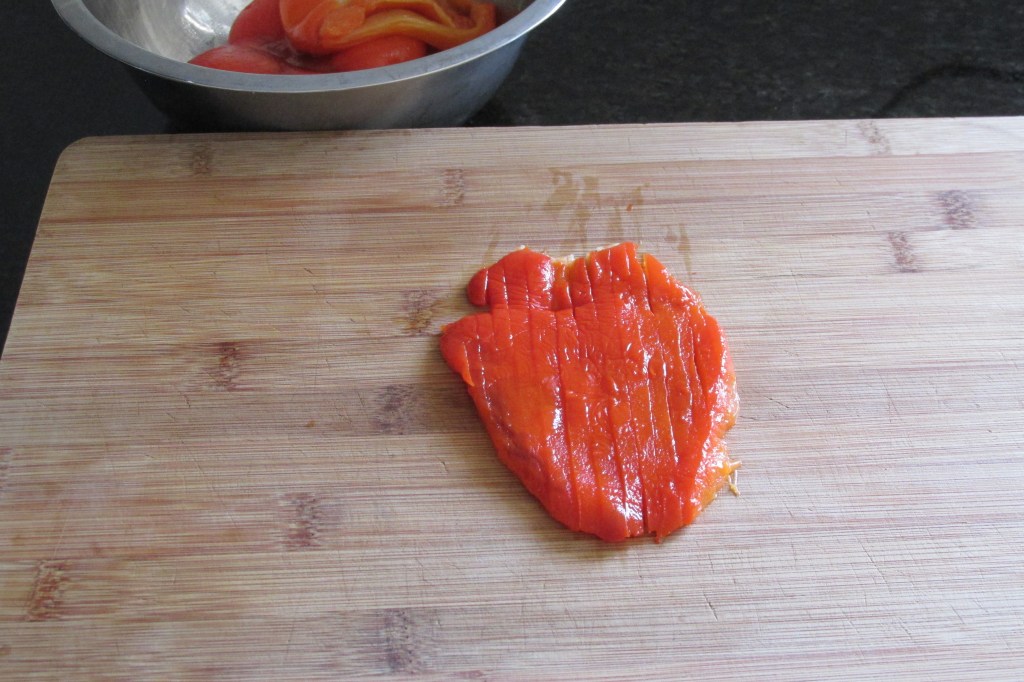
Once the peppers have been skinned and deseeded they are ready to slice and use. If you plan to keep them sort a while you can store the peppers on oil in the fridge, they should last for about a week.

Sliced peppers ready to use

How do you eat yours?

If you roast peppers what do you eat them with, let me know in the comments below


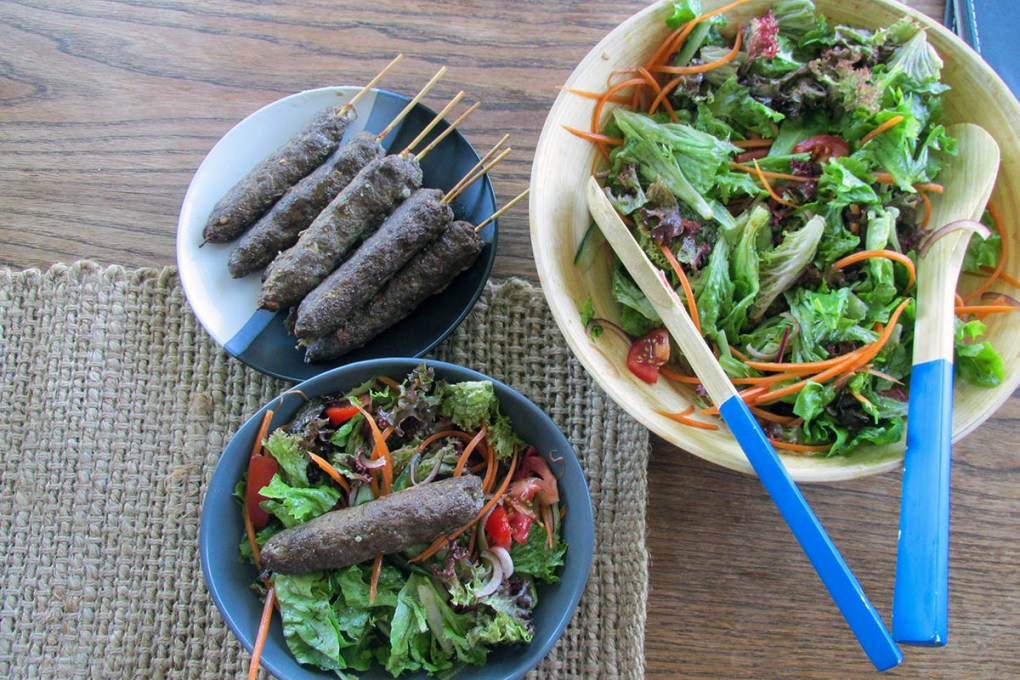
Lamb Koftas

Master the basics

Eating clean gets a lot easier once you have mastered a few essential recipes. This recipe is basic, not like basic unicorn basic, more like beard and flannel basic. Back to the point (which isn’t Unstable unicorns), having basic skills and recipes in your arsenal means you will never be left with only UberEats as your weeknight options. Once you master this recipe, the possibilities are endless. 

Revisiting family favourites

I’ve been revisiting recipes that have been some of my old school recipes and family favourites that were our staples when we got started as clean eaters. I first posted this recipe in 2015; at that time, the kids were fussy, vegetables had to be hidden and disguised, and there was no potential for intense flavours or spice. 

Times (thankfully) have changed, the kids have grown (like man-sized grown), and they now enjoy a wide range of foods. Things like vegetables are enjoyed, spice and chilli are consumed without complaint, and new ingredients are tried without tantrums.

As the kids have grown, my recipes have changed organically to meet their palates and preferences, I’ve updated this recipe because of that, but fear not, all I have done is make it a little bit better.

Great for a bulk cook

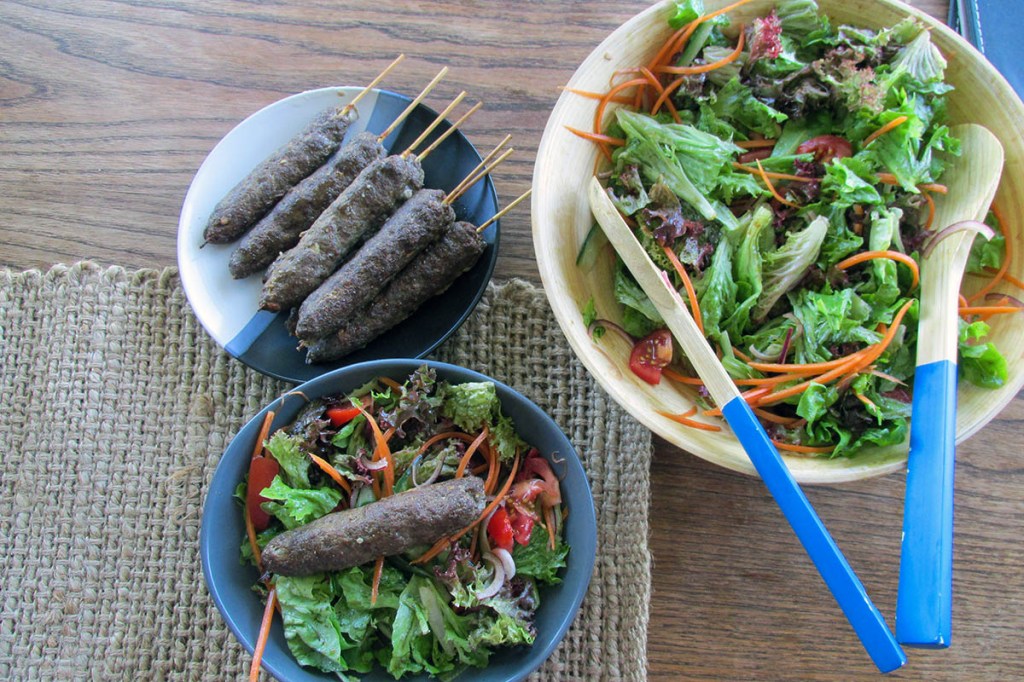
Koftas have always been one of the regular bulk cooks and freeze options in my recipe book because they are simple to make and very quick to cook. This recipe is my go whenever I find minced lamb on offer. They are a brilliant option when you have a busy week but want a quick and tasty meal, and I like to serve them with salad and a simple dressing.

Lamb koftas recipe

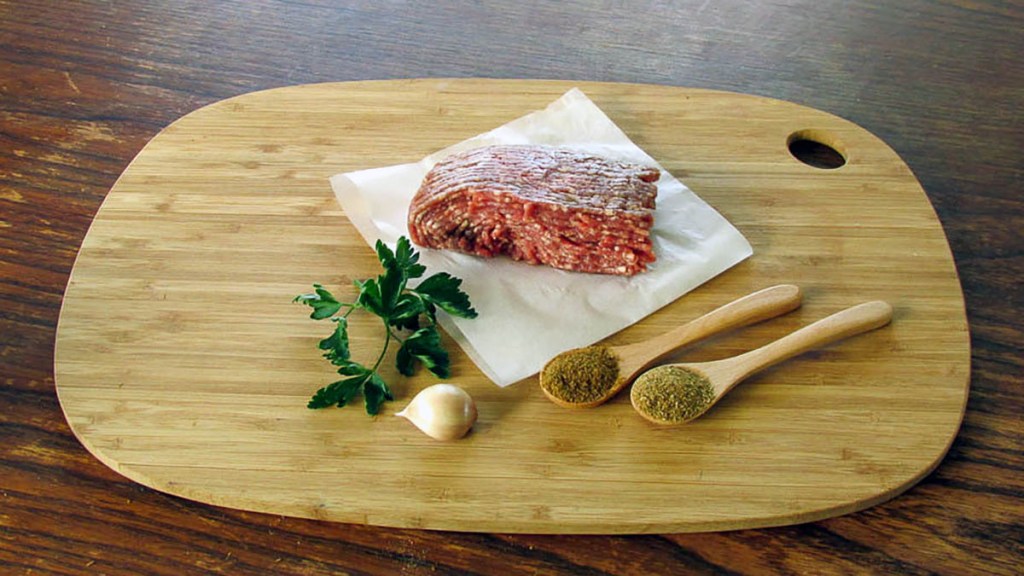
Ingredients

  • 400g Lamb mince
  • 2 tsp. parsley
  • 1 tsp. garlic, crushed
  • 1 tsp. ground cumin
  • 1 1/2 tbsp. ground coriander 

Soak eight bamboo skewers in a glass of water for 10 minutes.

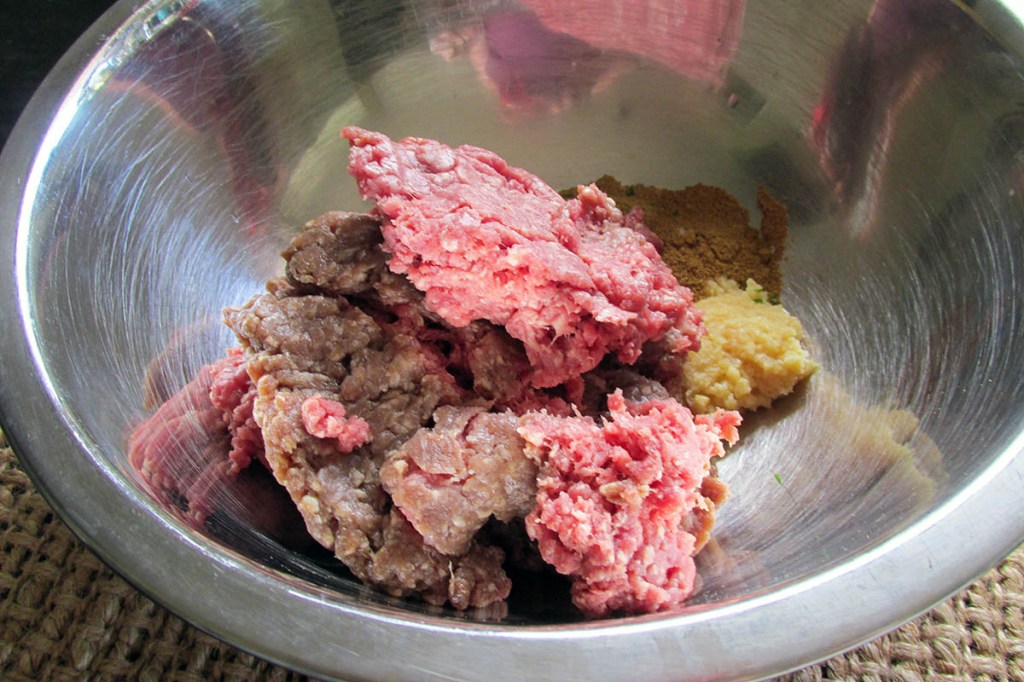
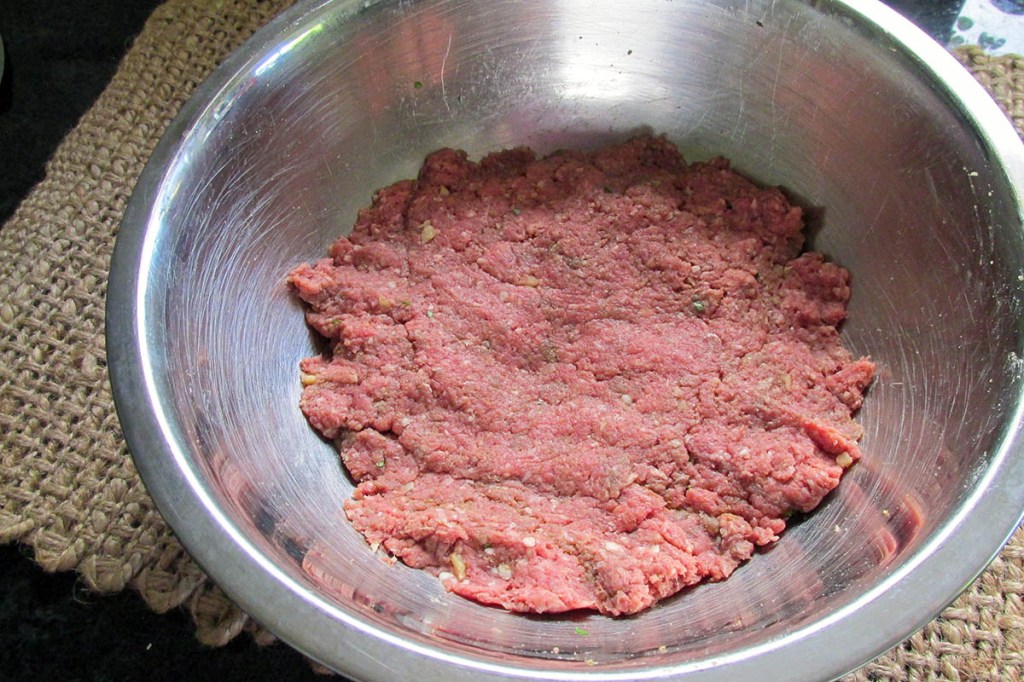
In a large mixing bowl, combine all the ingredients. 

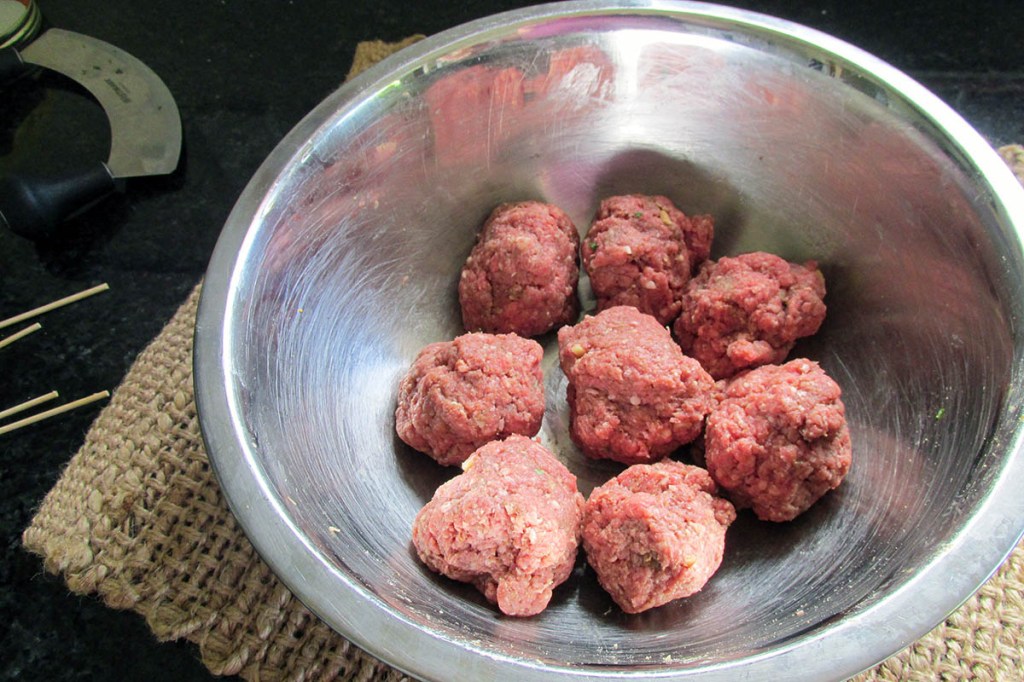
When the meat is well mixed, divide the mix into eight balls.

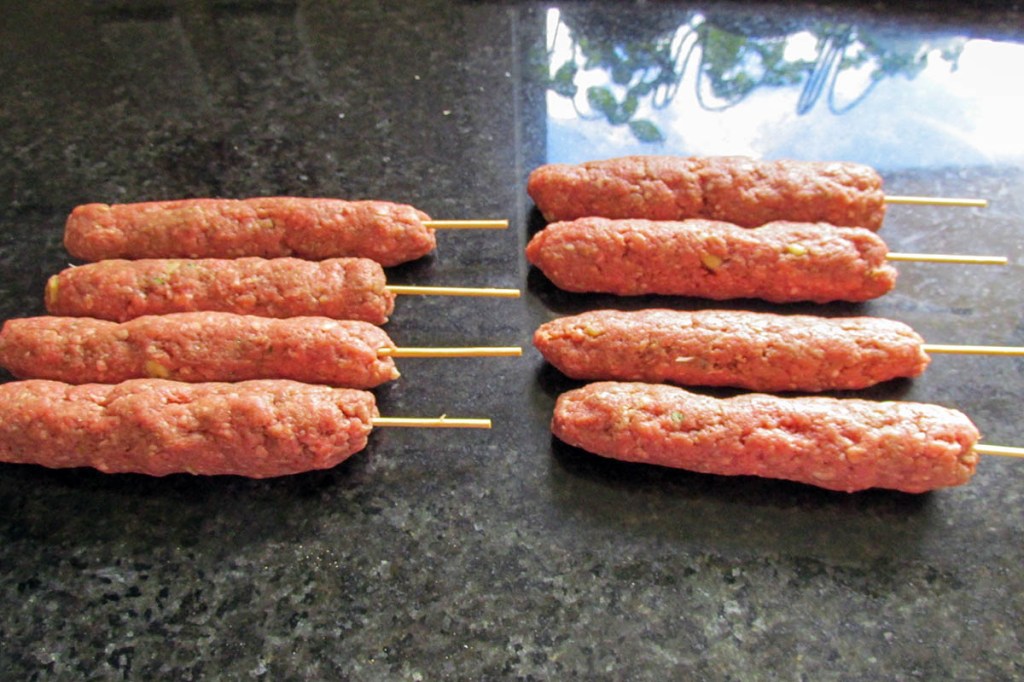
Take one of the soaked skewers and shape a ball of the meat around the skewer. 

You should end up with a sausage on a stick.

Repeat with the remaining meat and skewers.

Heat a little oil in a frying pan over a medium heat.

Cook the koftas over a medium heat until the meat is browned all over. 

It should take 6-10 minutes. 

Alternatively, line a baking tray with baking paper or a silicone liner.

Pre heat the oven to 200 degrees C / 400 degrees F

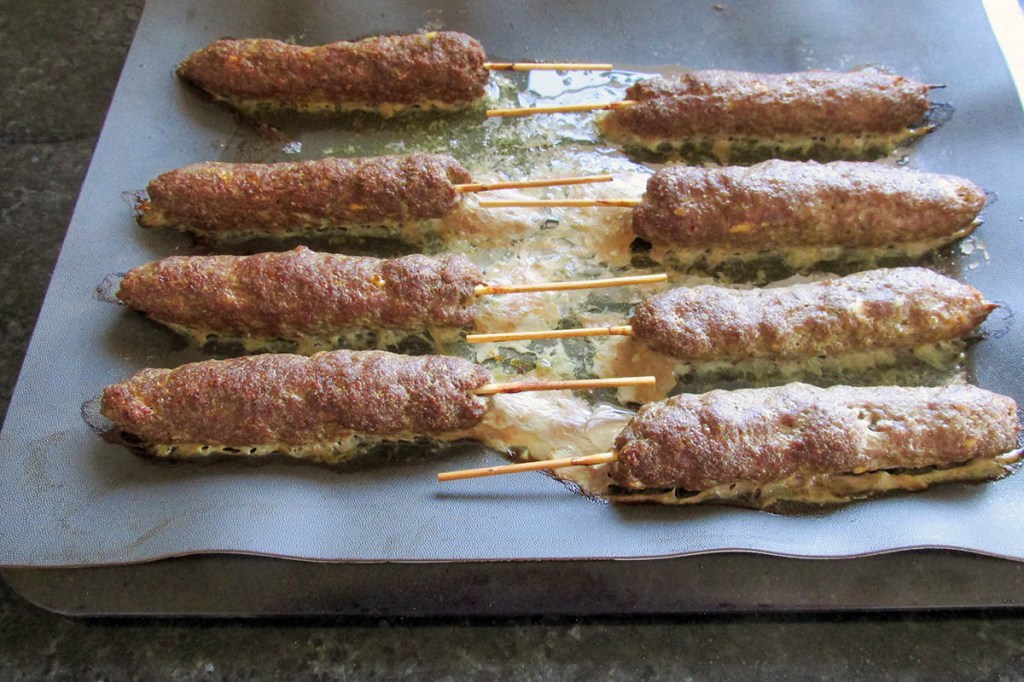
Place the koftas on the baking tray

Bake for 10 minutes

Serve while the koftas are hot.

“Lamb

  • Rating: ★★★★★
  • Print

“A


Credit: Cath @ easycleaneats 

Ingredients

  • 400g Lamb mince
  • 2 tsp. parsley
  • 1 tsp. garlic, crushed
  • 1 tsp. ground cumin
  • 1 1/2 tbsp. ground coriander 

Directions

  1. Soak eight bamboo skewers in a glass of water for 10 minutes.
  2. In a large mixing bowl, combine all the ingredients. 
  3. When the meat is well mixed, divide the mix into eight balls.
  4. Take one of the soaked skewers and shape a ball of the meat around the skewer. 
  5. You should end up with a sausage on a stick.
  6. Repeat with the remaining meat and skewers.
  7. Heat a little oil in a frying pan over a medium heat.
  8. Cook the koftas over a medium heat until the meat is browned all over. 
  9. It should take 6-10 minutes. 
  10. Alternatively, line a baking tray with baking paper or a silicone liner.
  11. Pre-heat the oven to 200 degrees C/ 400 degrees F
  12. Place the koftas on the baking tray
  13. Bake for 10 minutes
  14. Serve while the koftas are hot.

Nutrition

Per Serving:303 calories; 11 g fat; 2 g carbohydrates; 17 g protein

Equipment

  • Bamboo skewers
  • Mixing bowl
  • Frying pan

Nutritional disclaimer

Nutrition information is provided as an estimate based on the ingredients used and available in my area (New Zealand). The nutritional information is here to help you understand the recipe; I use MyFitnessPal to generate my estimates. For more accurate nutritional information, please use a nutritional calculator with the ingredients in your area.
Mustard herb crusted chicken

Chicken again? 

I do like to mix things up a little when it comes to chicken. We eat a reasonable amount of chicken; it can get boring if you don’t add a bit more flavour now and then.  

It is crust but not as you know it. 

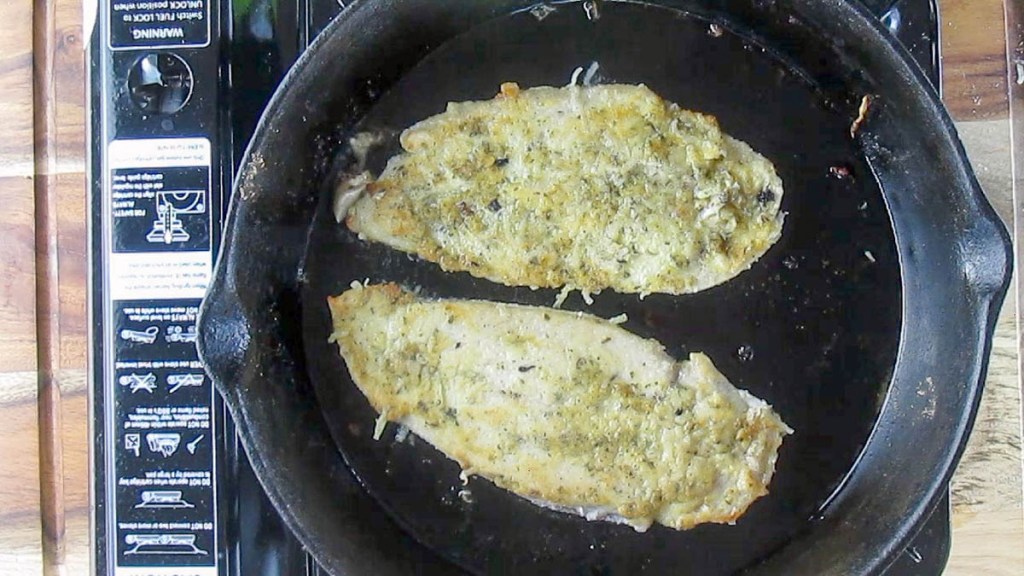
Normally crusted chicken will be panko or, but I like to do things a little differently. The crust for this chicken comes entirely from items in my pantry and fridge, a quick raid around the kitchen and I was ready to go. I didn’t have to buy anything special for this recipe, and it took very little work to get a crisp and tasty coating. 

Cheese is the key 

I think a great crust needs to have some crunch; it can be challenging to get a good crunch from a coating that doesn’t use breadcrumbs. The solution is to add cheese. Not all cheese will give you a crunch; most will not give you a crunch at all; you will probably get a fatty coating. To get a crunch in your coating Parmesan cheese is the key. When Parmesan cheese cooks it gives up some fat but as it cools it gives you a nice crisp crunch to your coating.

Mustard herb crusted chicken recipe

Ingredients

  • 450g chicken breasts
  • 1 tbsp. basil
  • 1 tbsp. thyme
  • 1 tbsp. oregano
  • 2 garlic cloves, minced
  • 6 tbsp. Dijon mustard
  • 1/2 cup coconut flour
  • 1/4 cup tapioca flour
  • 1/4 cup Parmesan cheese, grated
  • 1 tbsp. olive oil
  • minced parsley for serving (optional)

Preheat the oven to 200 degrees C/ 400 degrees F.

Slice each chicken breast in half lengthwise, and then flatten each cutlet out between some cling film.

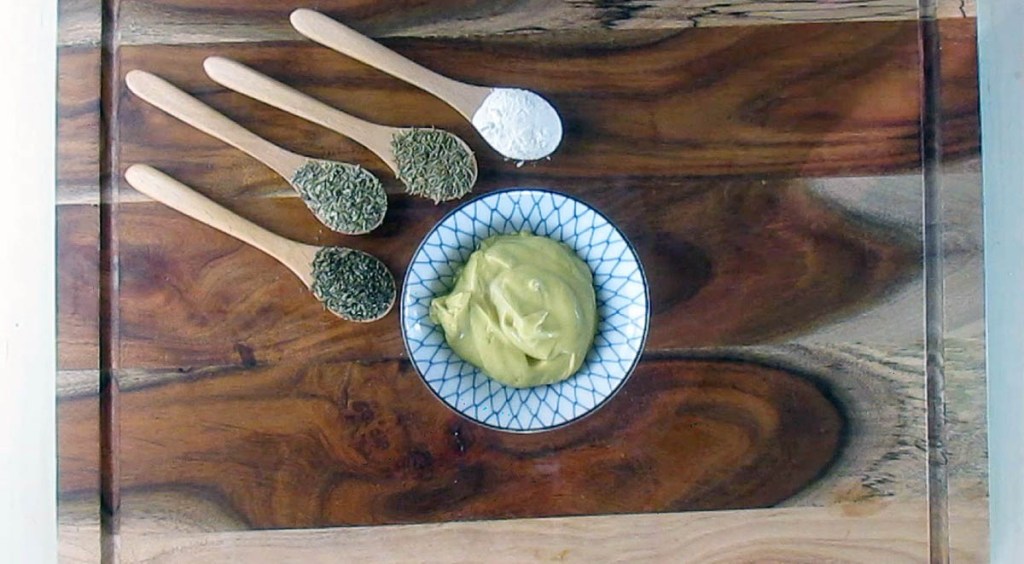
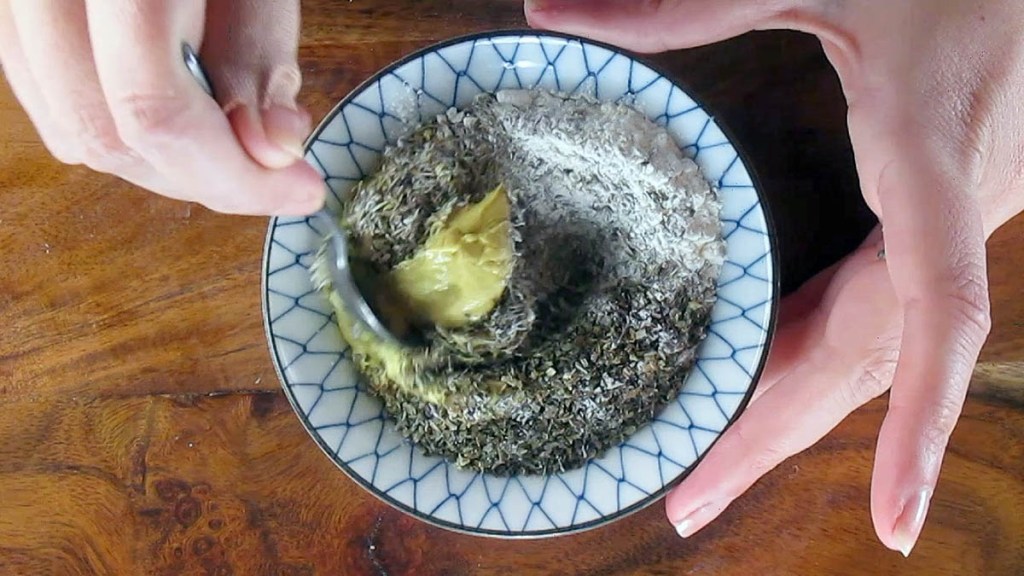
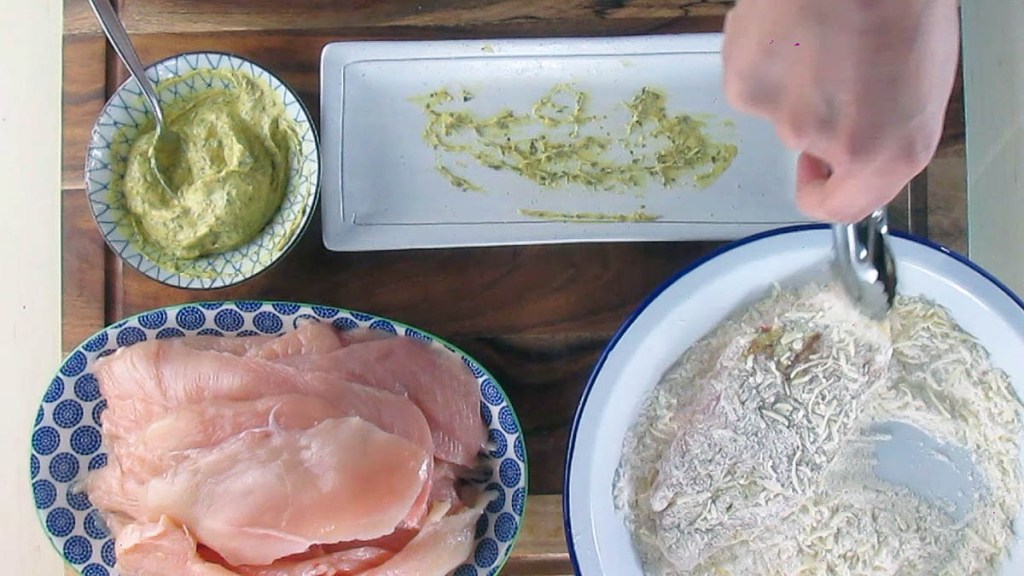
In a bowl mix together the herbs, garlic and mustard together.

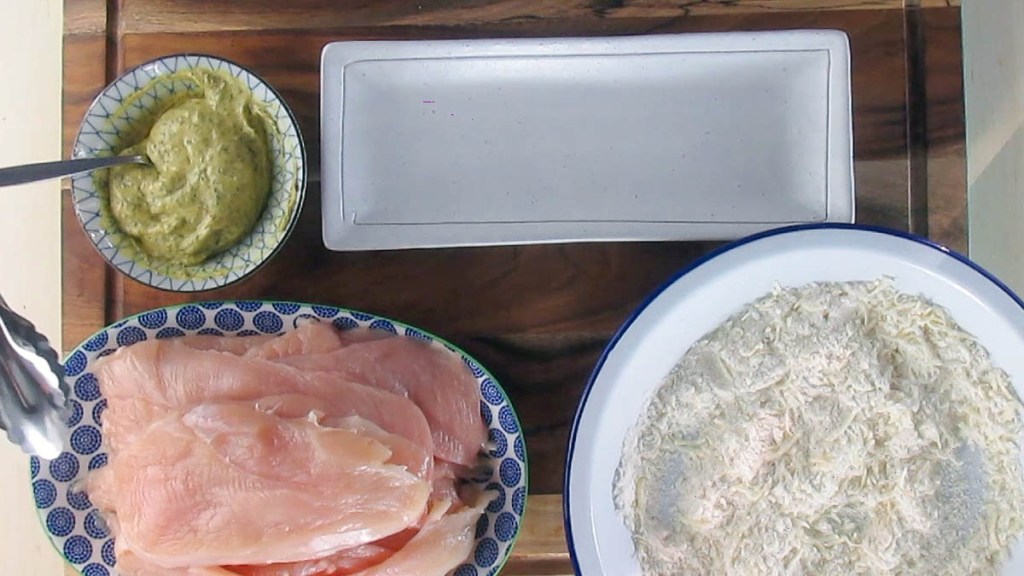
On a plate mix together the flours and cheese.

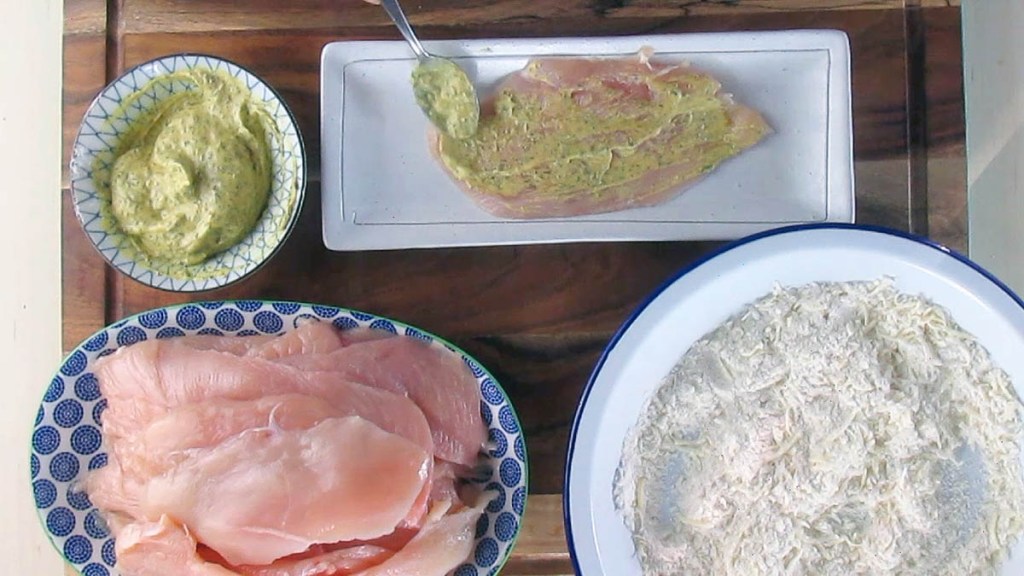
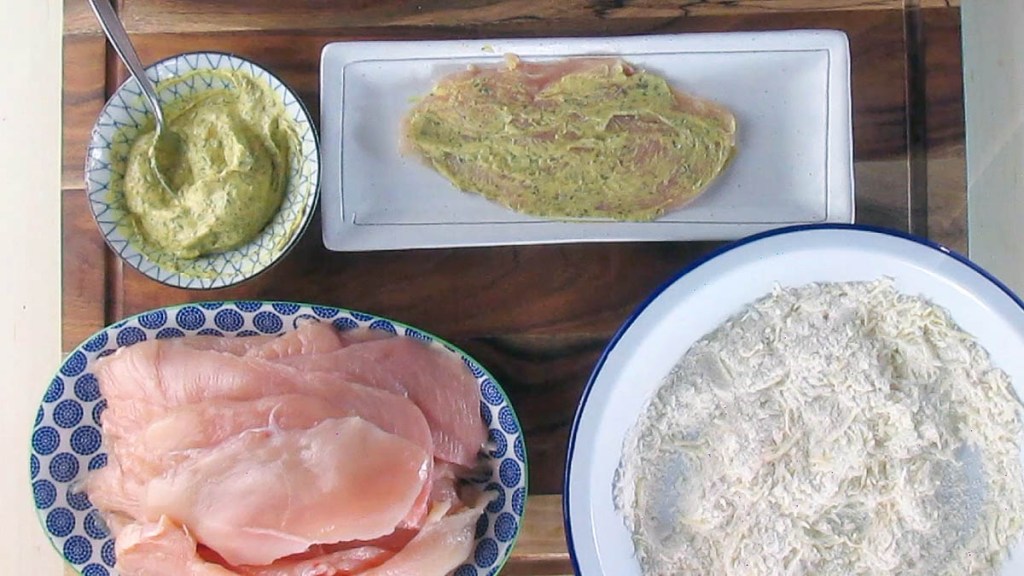
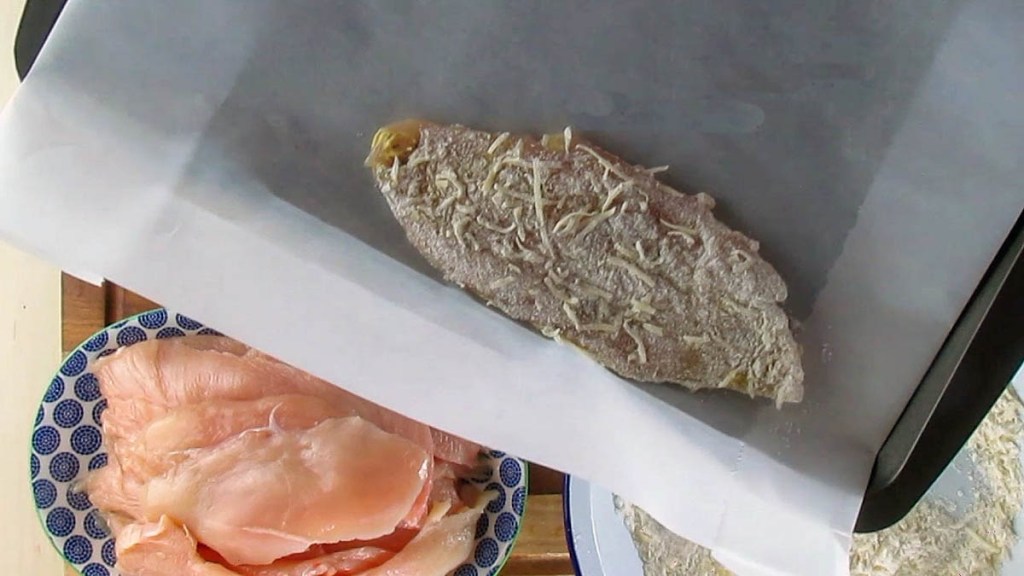
Coat each of the chicken with the mustard and herb mix before covering the chicken in the flour and cheese mixture.

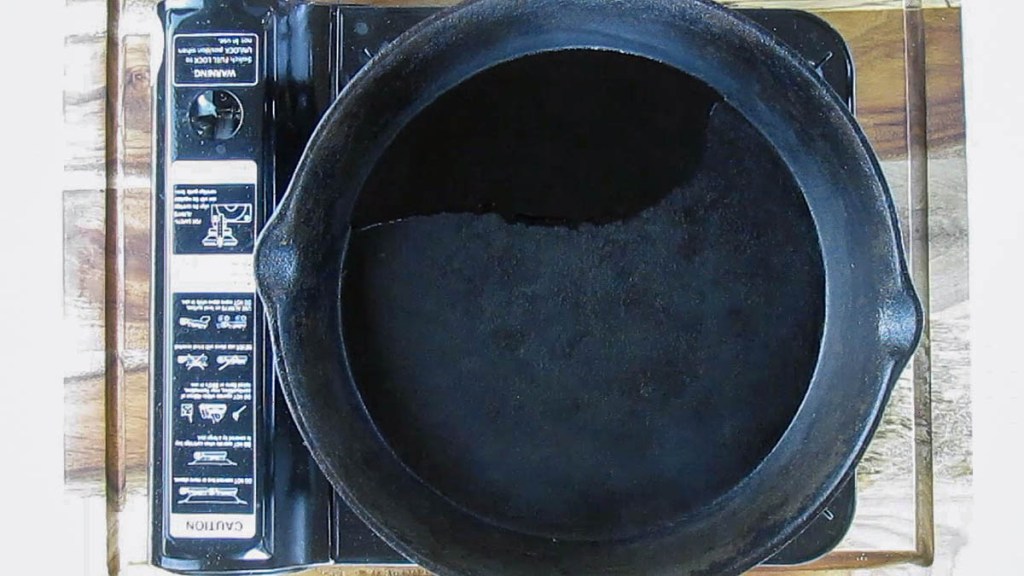
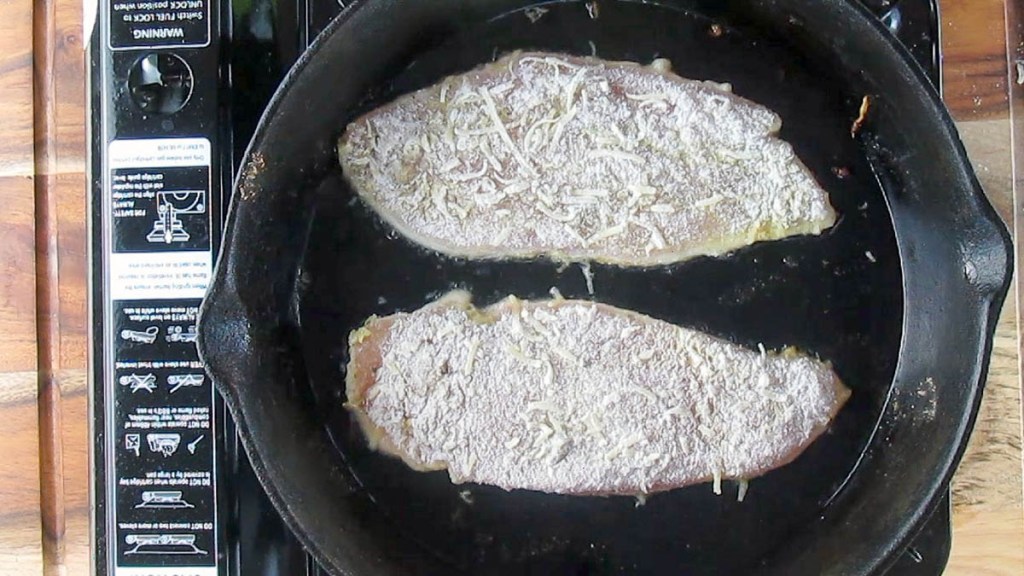
Heat some oil over a medium to high heat, fry off each of the chicken breast until they are golden brown on each side.

Place breasts on a baking tray lined with baking paper or a silicone liner.

Bake for 10 minutes at 165 degrees C 325 degrees F.

Sprinkle with chopped parsley to serve.

Mustard herb crusted chicken

  • Servings:
  • Rating: ★★★★★
  • Print

“This


Credit: Cath @ easycleaneats

Ingredients

  • 450g chicken breasts
  • 1 tbsp. basil
  • 1 tbsp. thyme
  • 1 tbsp. oregano
  • 2 garlic cloves, minced
  • 6 tbsp. Dijon mustard
  • 1/2 cup coconut flour
  • 1/4 cup tapioca flour
  • 1/4 cup Parmesan cheese, grated
  • 1 tbsp. olive oil
  • minced parsley for serving (optional)

Directions

  1. Preheat the oven to 200 degrees C/ 400 degrees F.
  2. Slice each chicken breast in half lengthwise, and then flatten each cutlet out between some cling film.
  3. In a bowl mix together the herbs, garlic and mustard together.
  4. On a plate mix together the flours and cheese.
  5. Coat each of the chicken with the mustard and herb mix before covering the chicken in the flour and cheese mixture.
  6. Heat some oil over a medium to high heat, fry off each of the chicken breast until they are golden brown on each side.
  7. Place breasts on a baking tray lined with baking paper or a silicone liner.
  8. Bake for 10 minutes at 165 degrees C 325 degrees F.
  9. Sprinkle with chopped parsley to serve.

Nutrition

Per Serving: 230 calories; 15g fat; 13g carbohydrates; 21g protein

Equipment

  • Knife
  • Chopping board
  • Small bowl
  • Plate
  • Frying pan
  • Baking tray
  • Baking paper or a silicone liner
  • Measuring spoons
  • Measuring cups
  • Scales

Nutritional disclaimer

Nutrition information is provided as an estimate based on the ingredients used and available in my area (New Zealand). The nutritional information is here to help you understand the recipe; I use MyFitnessPal to generate my estimates. For more accurate nutritional information, please use a nutritional calculator with the ingredients in your area.

Prawn and Avocado Salad

What to do with extra avo

I have an abundance of avocados at that moment; they are in season here in New Zealand, which means I can’t resist picking up a bag every time I head to the supermarket. The warmer weather means I get a few ripe avocados at a time and need to do something with it. While I love guacamole and never say no to smashed avo on toast, I have to put a meal on the table that is more of a balanced meal.

Quick and easy meal

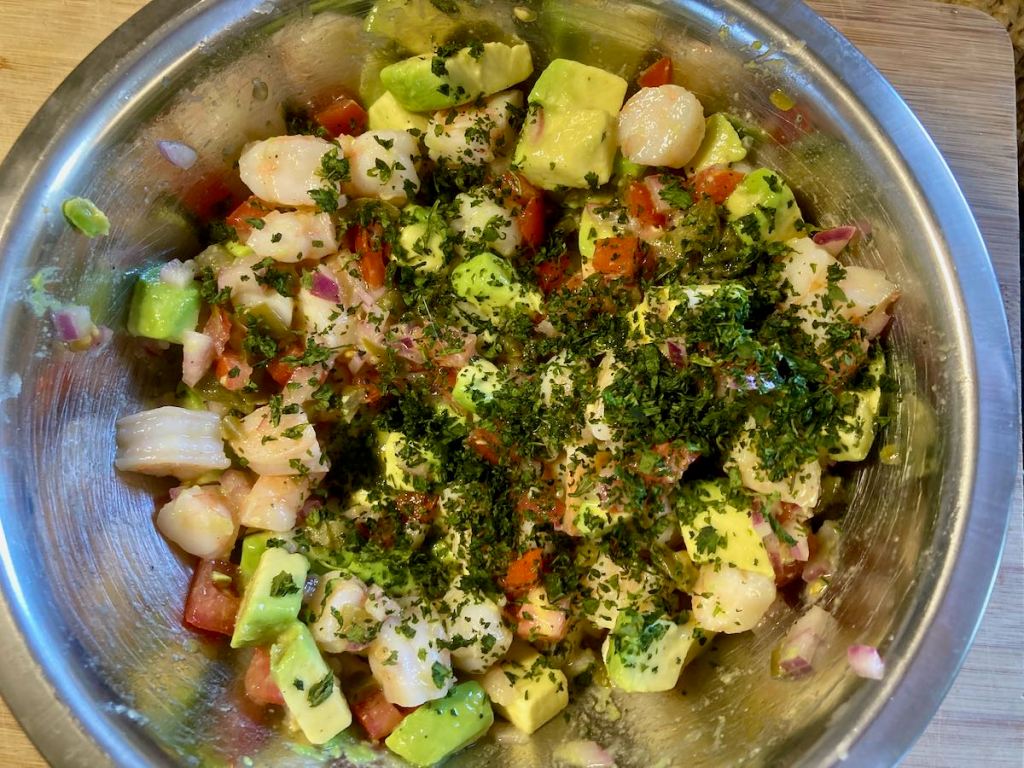
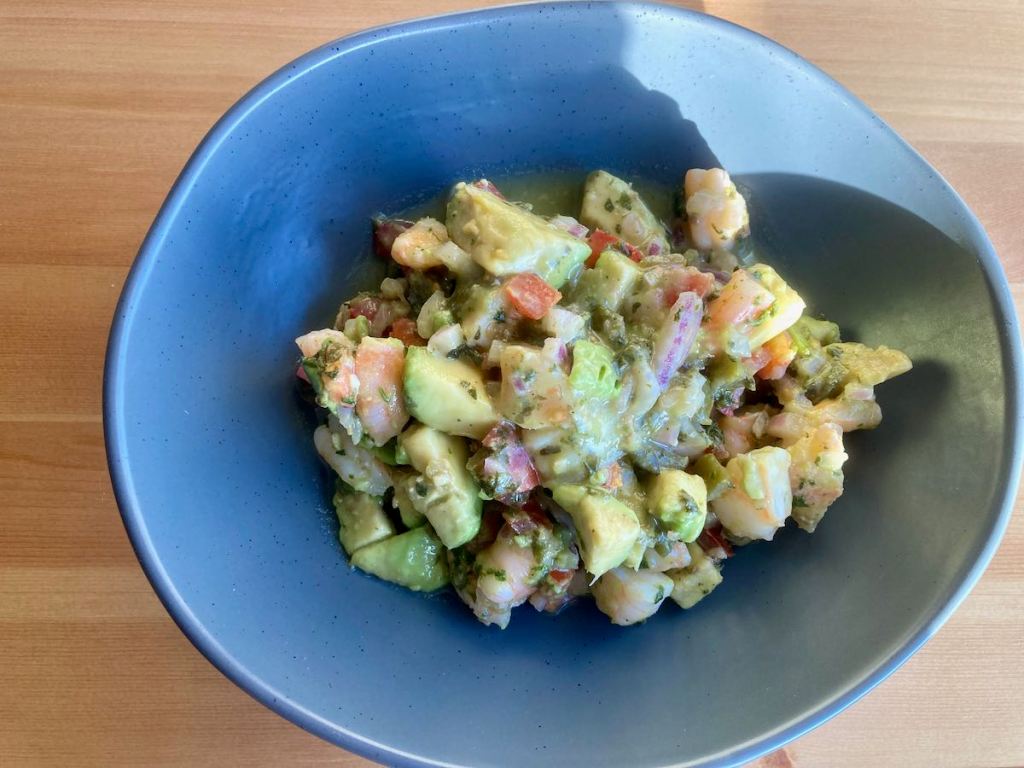
I cooked up a batch of garlic prawns the other day and had a large enough portion left to feed the family. I grabbed my perfectly ripe avocado and threw together this tasty salad in less than 20 minutes. No cooking, just chopping and mixing; if you want to save on washing up, you can even use your salad bowl to put it all together.

Prawn and avocado salad recipe

Ingredients

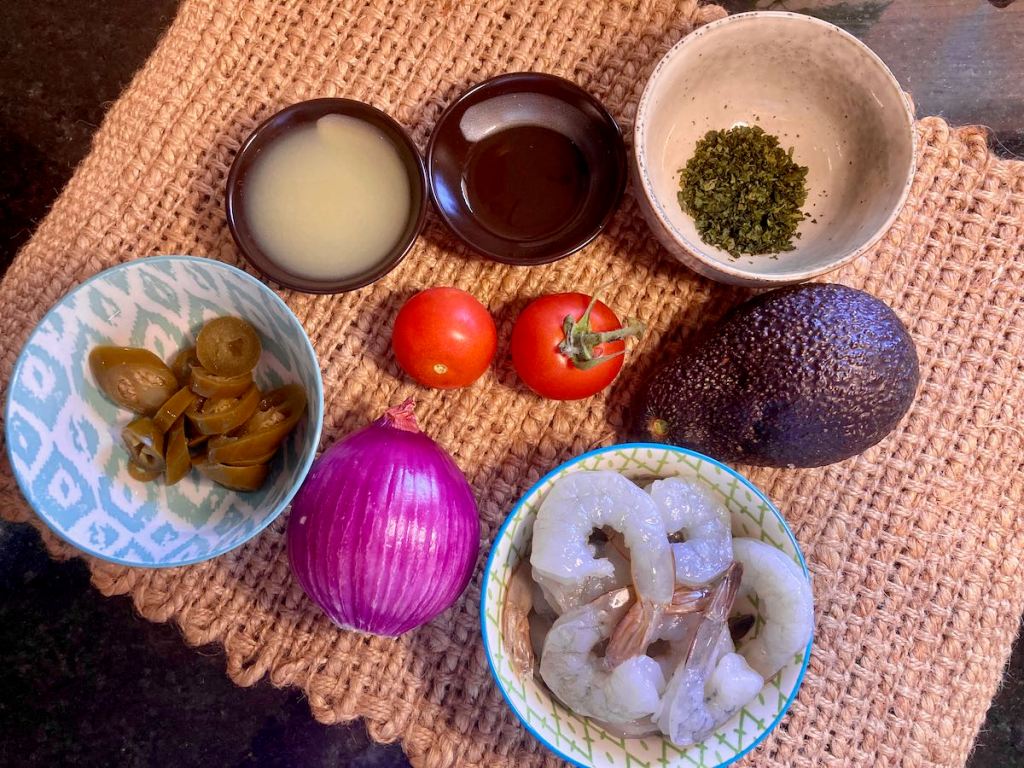
  • 1/4 cup red onion, chopped
  • 2 limes, juice of
  • 1 tsp. olive oil
  • salt and black pepper to taste
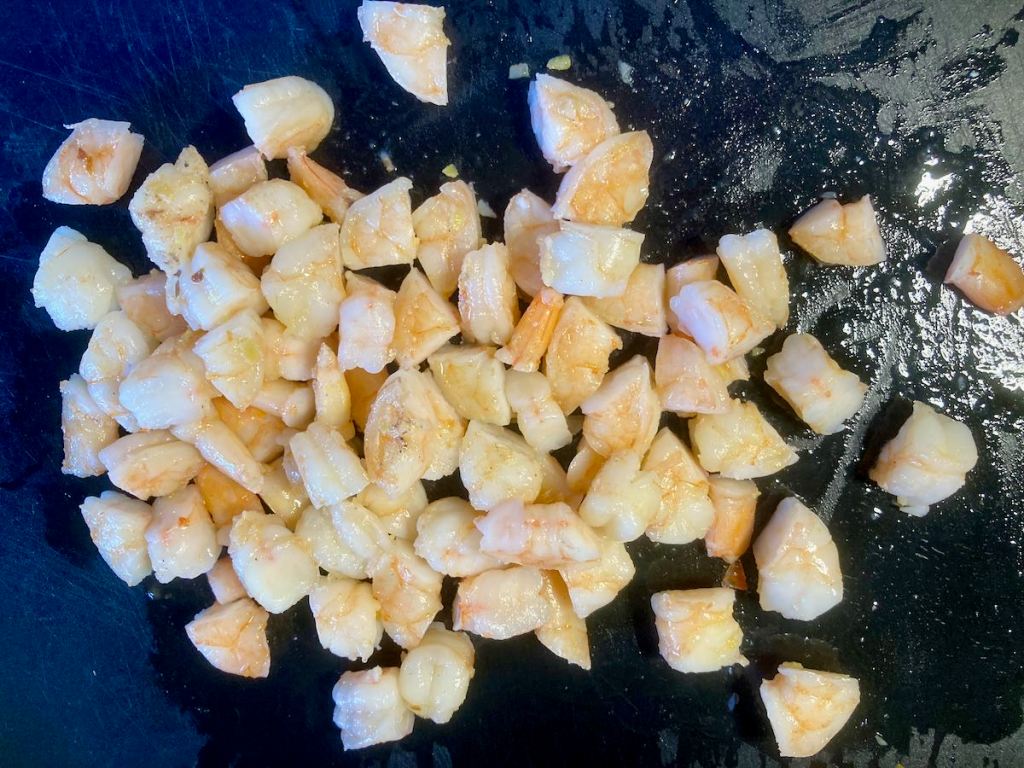
  • 450g jumbo prawns, cooked, peeled prawns and chopped
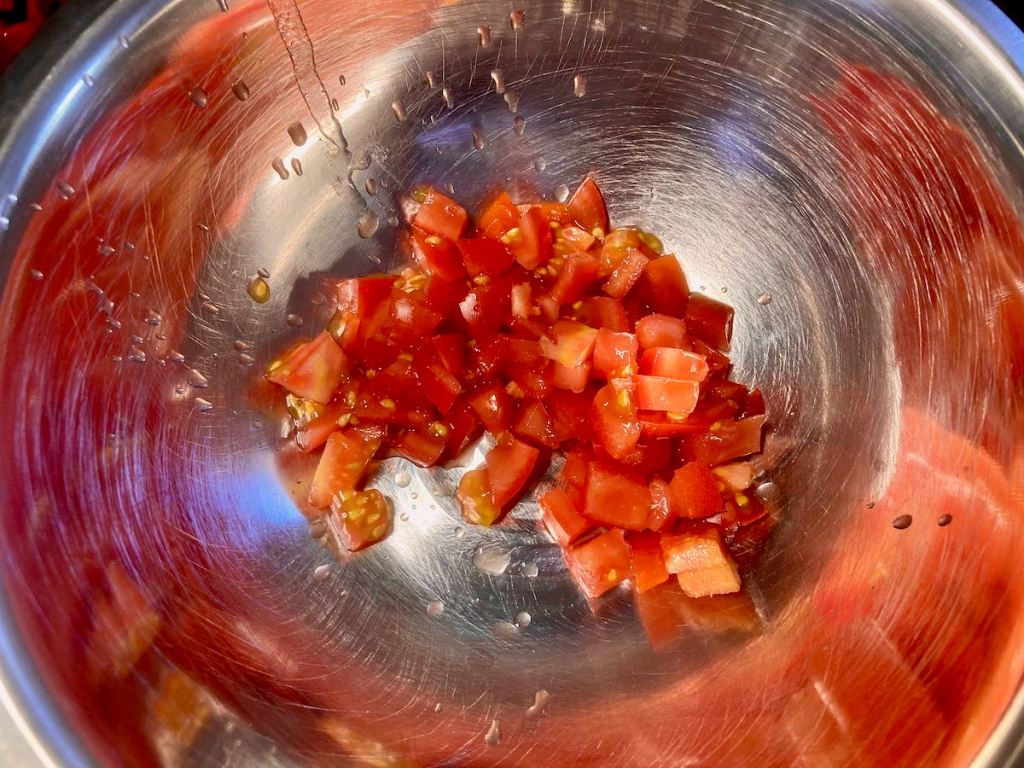
  • 1 tomato, diced
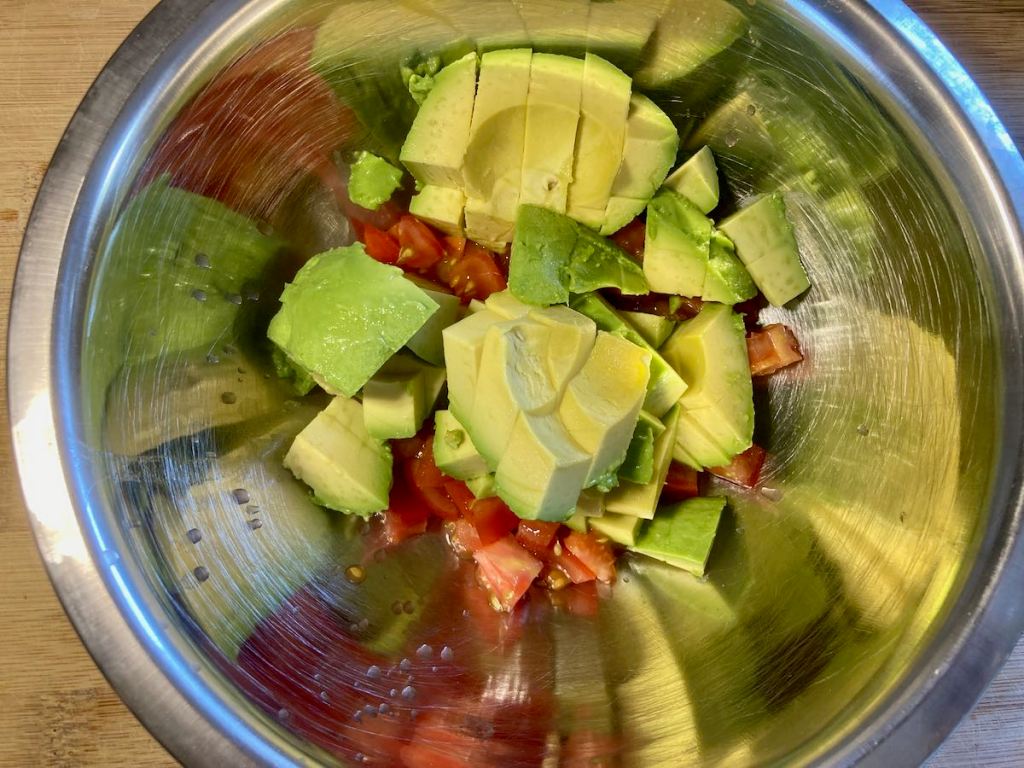
  • 1 avocado, diced
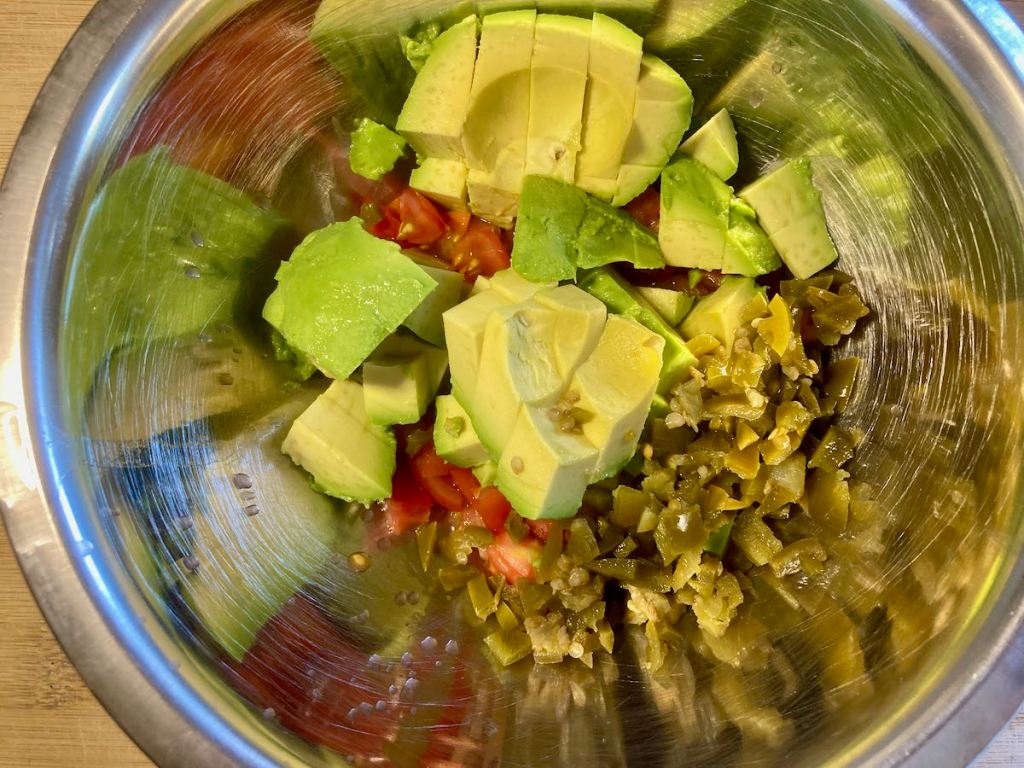
  • 1 jalapeño, diced fine
  • 1 tbsp. coriander chopped

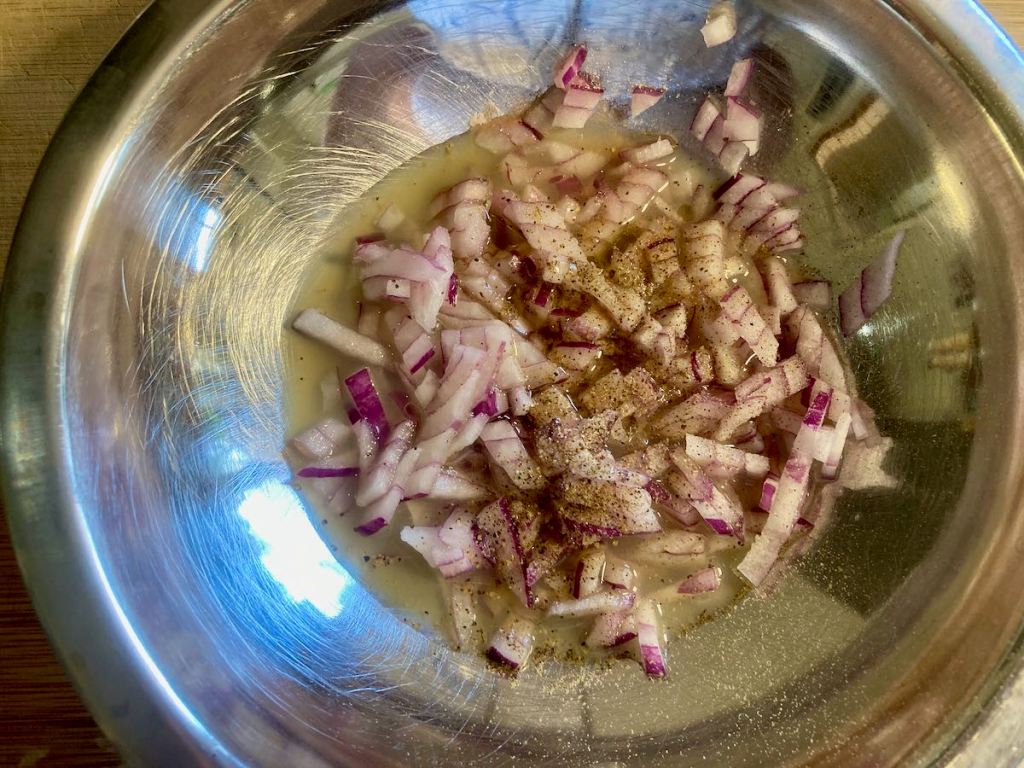
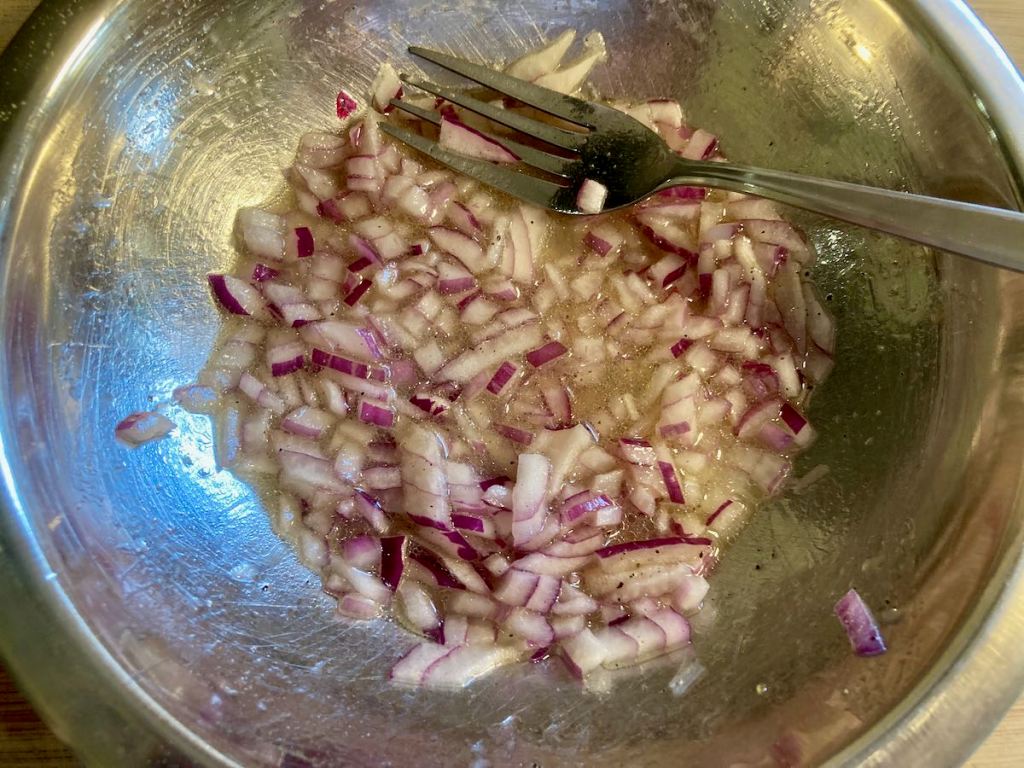
Combine the red onion, lime juice, olive oil, salt and pepper in a small bowl.

Let them marinate at least 5 minutes.

While they marinade, put together the rest of the salad.

In a large bowl, combine chopped prawns, avocado, tomato, jalapeño.

Add the marinaded onions along with the marinade to the large bowl.

Gently toss to mix everything evenly.

Season to taste, then add the coriander before serving.

Prawn and avocado salad

  • Rating: ★★★★★
  • Print

“No


Credit: Cath @ easycleaneats

Ingredients

  • 1/4 cup red onion, chopped
  • 2 limes, juice of
  • 1 tsp. olive oil
  • salt and black pepper to taste
  • 450g jumbo prawns, cooked, peeled prawns and chopped
  • 1 tomato, diced
  • 1 avocado, diced
  • 1 jalapeño, diced fine
  • 1 tbsp. coriander chopped

Directions

  1. Combine the red onion, lime juice, olive oil, salt and pepper in a small bowl.
  2. Let them marinate at least 5 minutes.
  3. While they marinade, put together the rest of the salad.
  4. In a large bowl, combine chopped prawns, avocado, tomato, jalapeño.
  5. Add the marinaded onions along with the marinade to the large bowl.
  6. Gently toss to mix everything evenly.
  7. Season to taste, then add the coriander before serving.

Nutrition

Per Serving: 129 calories; 5.1g fat; 5g carbohydrates; 16.5g protein

Equipment

  • Measuring cups
  • Measuring spoons
  • Fork/citrus juicer
  • Knife
  • Chopping board
  • Large mixing bowl
  • Small mixing bowl
  • Wooden spoon or spatula

Nutritional disclaimer

Nutrition information is provided as an estimate based on the ingredients used and available in my area (New Zealand). The nutritional information is here to help you understand the recipe; I use MyFitnessPal to generate my estimates. For more accurate nutritional information, please use a nutritional calculator with the ingredients in your area.

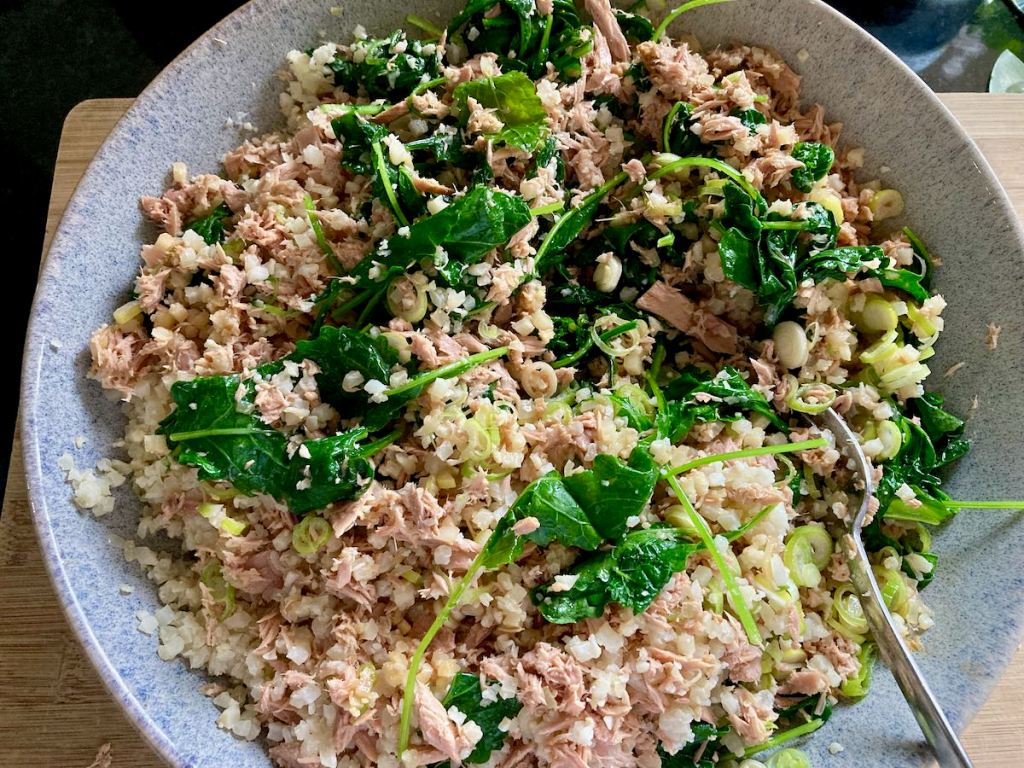
Tuna and Kale Salad

What do you do?

When setting off on a journey to remove processed foods from your diet, you may stop and ask yourself the question What can I eat instead of rice/couscous/pasta/bread? 

The answer is to find a suitable replacement.

The options are limitless; you can find gluten-free, sugar-free, grain-free, I could go on. An easy way to eat clean and simple is to switch out the standard meal padding of rice/couscous/pasta/bread with a vegetable alternative or something you can make yourself. 

This recipe is an excellent alternative that can be easily added to your meal. 

Making the most of leftovers

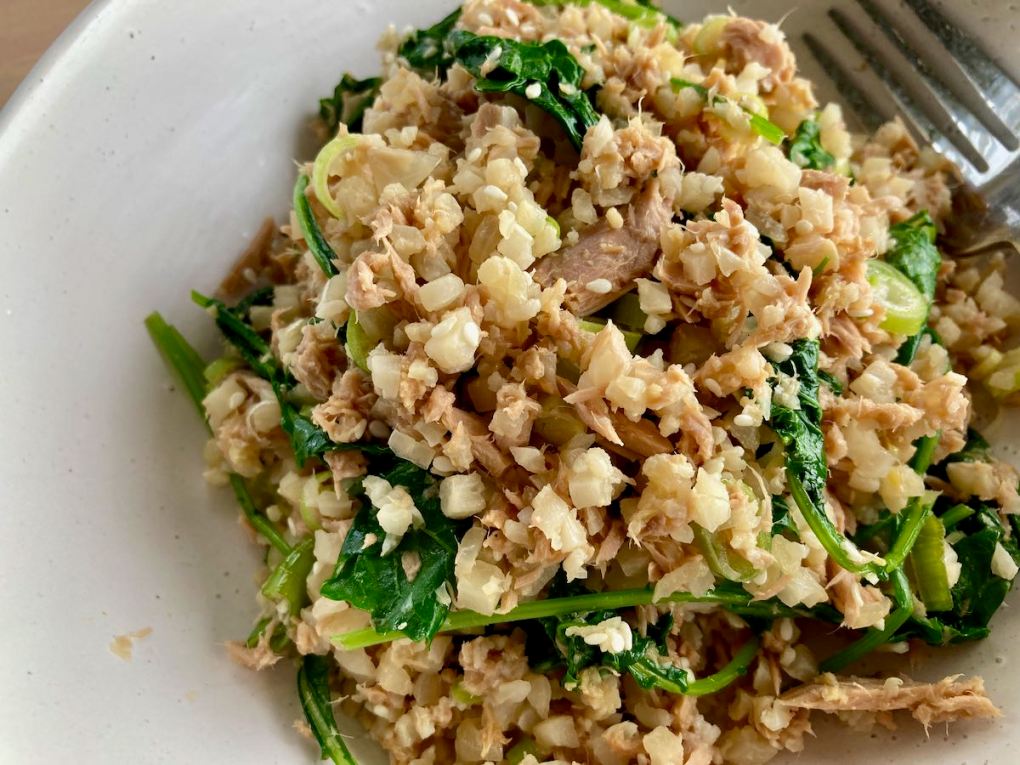
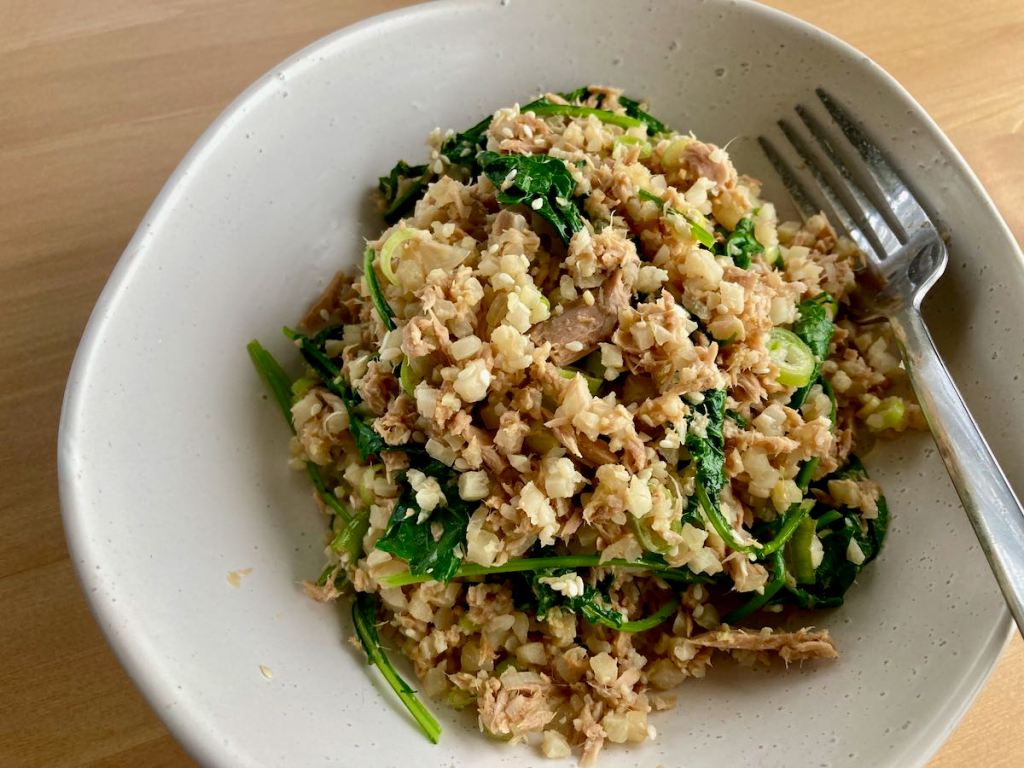
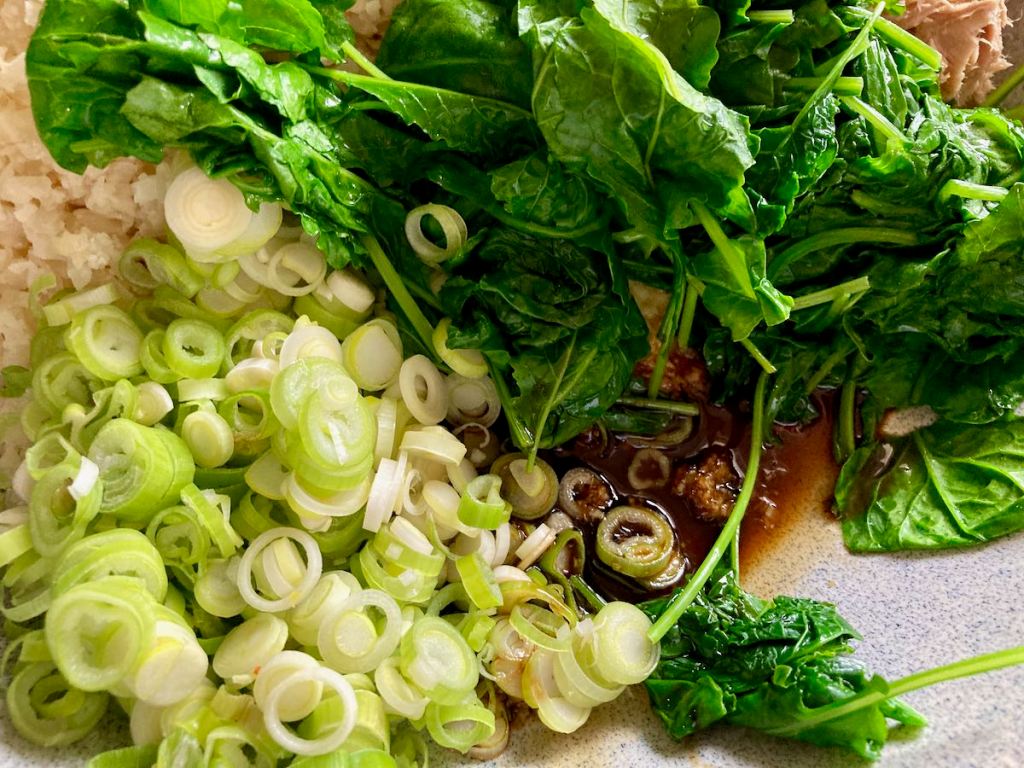
Leftovers are not something that I am used to having, usually everything that gets cooked gets eaten right away, cauliflower rice is probably the exception to the rule. With a few pantry staples and leftovers, you can have this fresh, crunchy and very filling salad that is perfect for lunch

Tuna and kale salad recipe

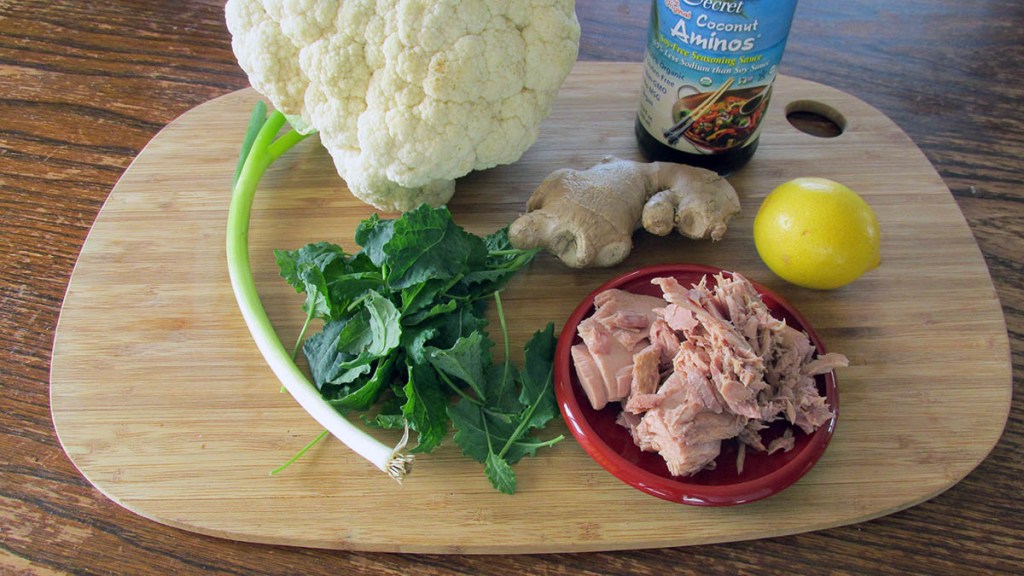
Ingredients

  • 1 bunch kale
  • 425g tinned tuna in spring water
  • 1 tbsp. ginger, grated
  • 1/4 cup herbs, chopped
  • 3 spring onions
  • 2 cups cauliflower rice
  • 2 tbsp. coconut aminos
  • 2 tbsp. lime juice
  • Sprinkle of sesame seeds – optional

Instructions

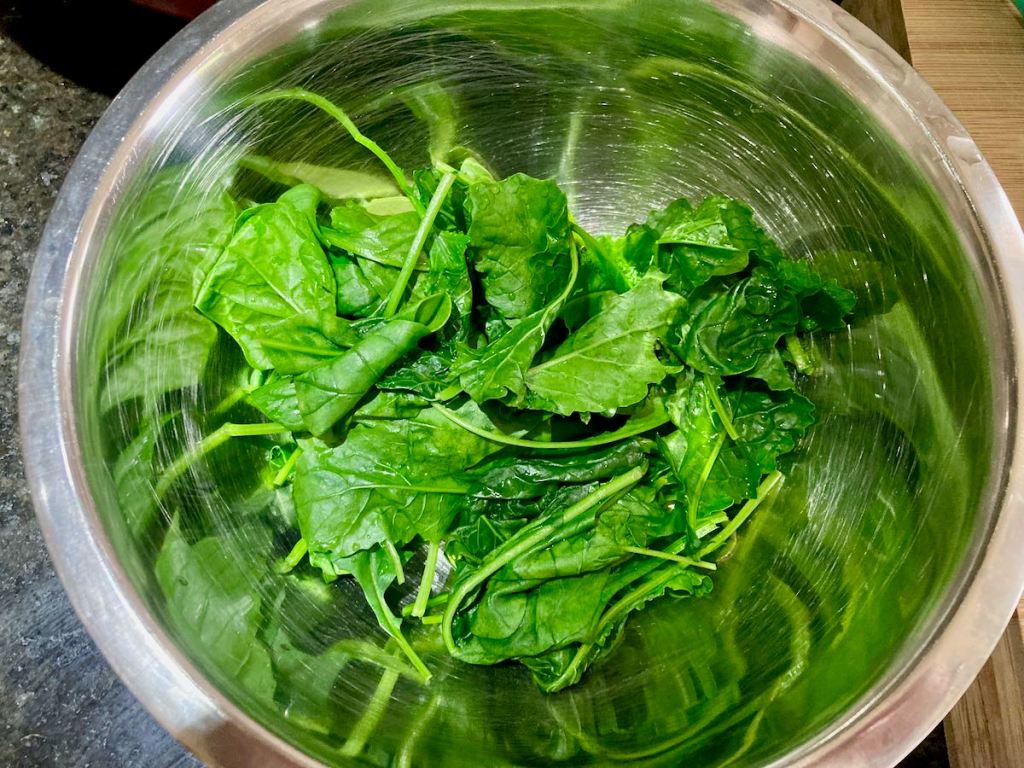
Remove the stems from the kale.

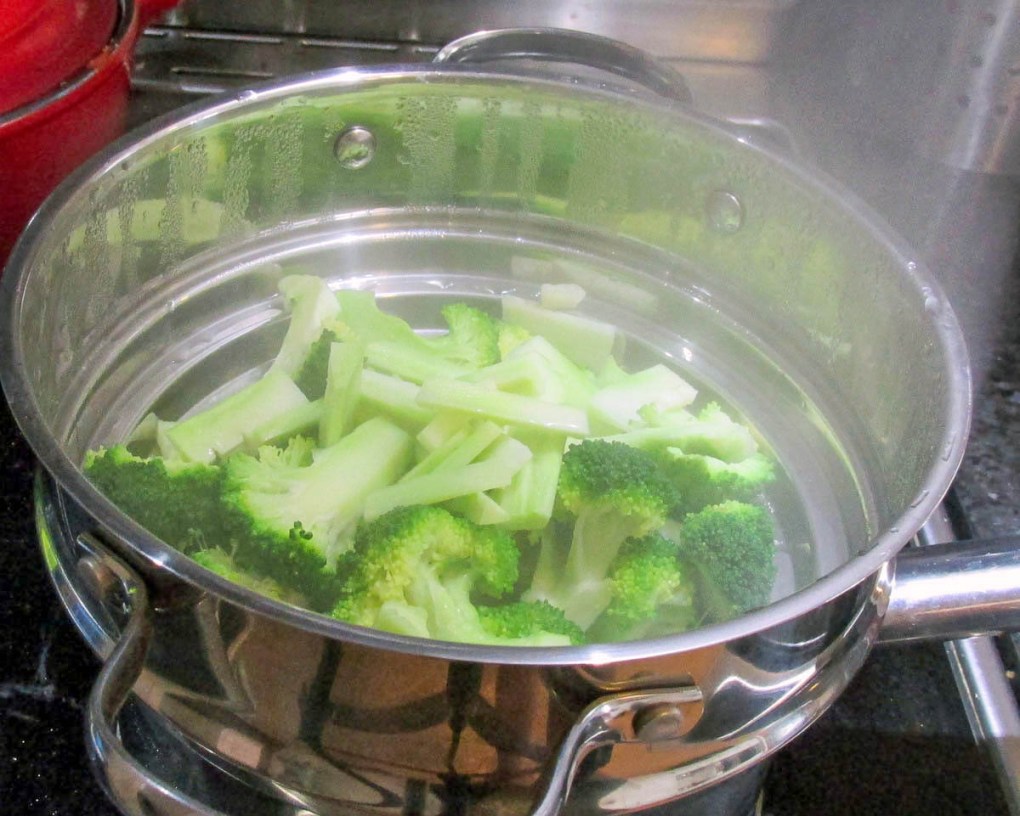
Add some water to the bottom of a saucepan and put a steaming basket on the top of the saucepan.

Let the water come to boil and steam started to come up through the basket.

Add the kale to the steaming basket and let it wilt, it should take about 5 minutes.

Remove the wilted kale from the basket and chop it roughly.

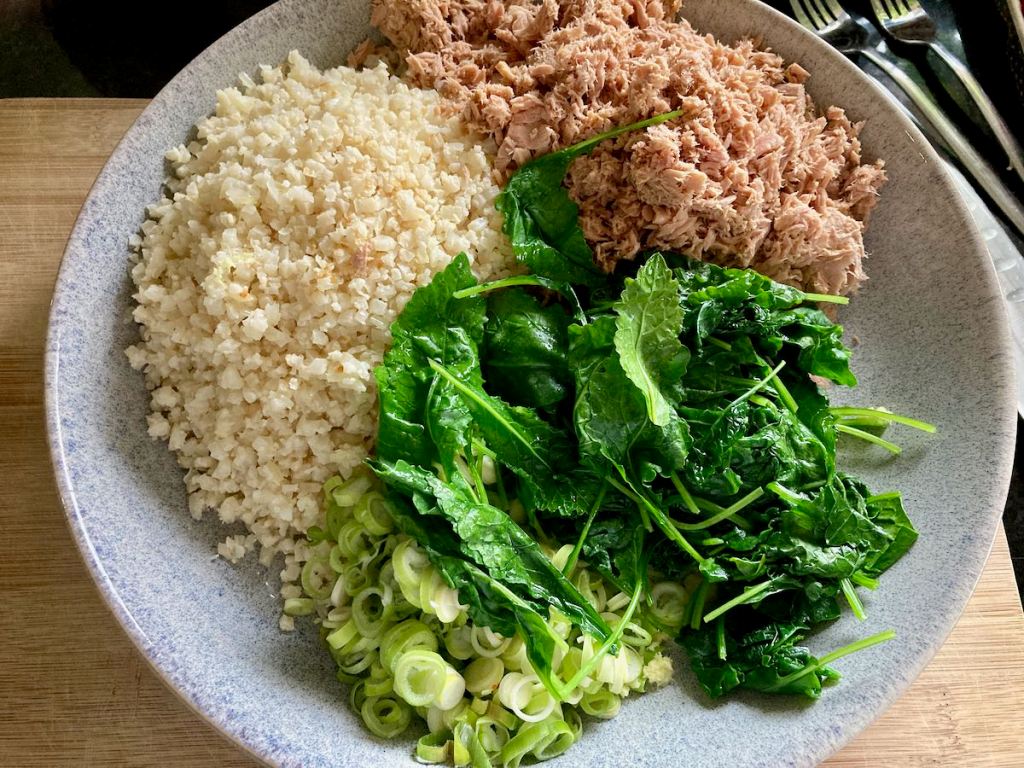
Add the kale to a large mixing bowl and let it cool slightly.

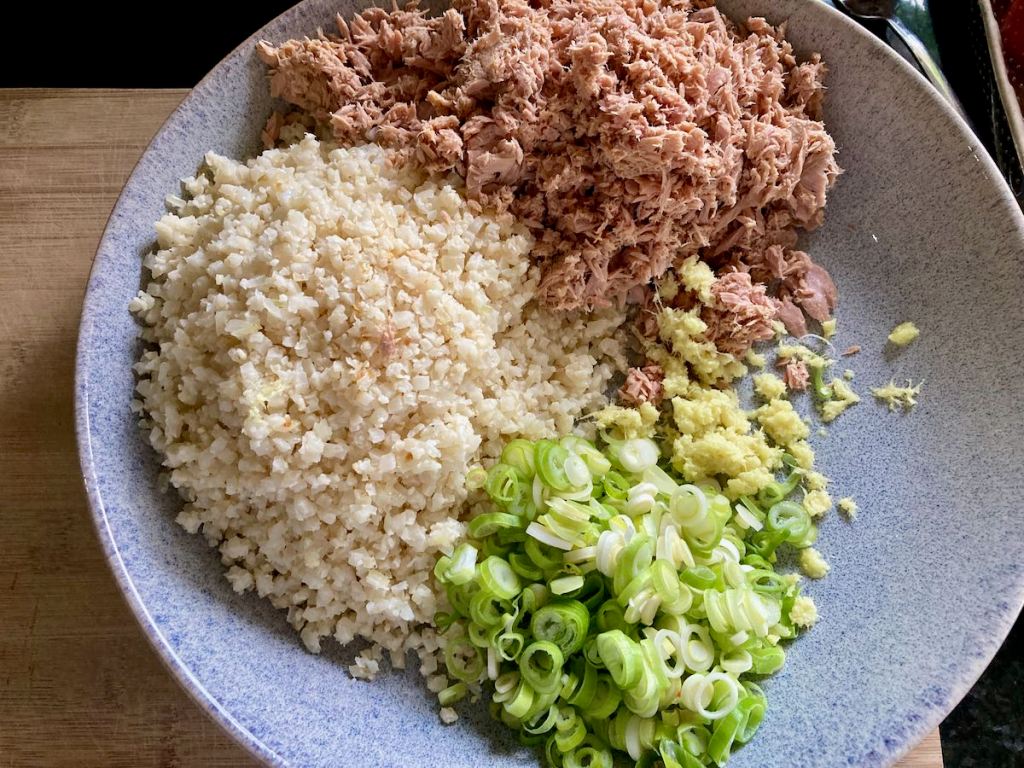
Add the remaining ingredients to the mixing bowl and mix well.

Serve or put in the fridge until you are ready to eat it.

  • Rating: ★★★★★
  • Print

“This


Credit: Cath @ easycleaneats

Ingredients

  • 1 bunch kale
  • 425g tinned tuna in spring water
  • 1 tbsp. ginger, grated
  • 1/4 cup herbs, chopped
  • 3 spring onions
  • 2 cups cauliflower rice
  • 2 tbsp. coconut aminos
  • 2 tbsp. lime juice

Directions

  1. Remove the stems from the kale.
  2. Add some water to the bottom of a saucepan and put a steaming basket on the top of the saucepan.
  3. Let the water come to boil and steam started to come up through the basket.
  4. Add the kale to the steaming basket and let it wilt, it should take about 5 minutes.
  5. Remove the wilted kale from the basket and chop it roughly.
  6. Add the kale to a large mixing bowl and let it cool slightly.
  7. Add the remaining ingredients to the mixing bowl and mix well.
  8. Serve or put in the fridge until you are ready to eat it.

Nutrition

Per Serving: 186 calories; 2.1 g fat; 10.2 g carbohydrates; 31 g protein

Equipment

  • Knife
  • Chopping board
  • Saucepan
  • Steaming basket
  • Mixing bowl
  • Tongs  

Nutritional disclaimer

Nutrition information is provided as an estimate based on the ingredients used and available in my area (New Zealand). The nutritional information is here to help you understand the recipe; I use MyFitnessPal to generate my estimates. For more accurate nutritional information, please use a nutritional calculator with the ingredients in your area.

How to steam vegetables

Steaming vegetables is a quick and easy option for getting vegetables onto your plate. 

Steaming your vegetables is a great way of keeping some of the crunch in your vegetables, none of us likes soggy broccoli with dinner. 

Here are some things you may need to know about how you can get perfect steamed vegetables every time. 

One important factor in steaming vegetables is keeping your vegetables the same size, if vegetables are cut to the same size they will cook at the same rate, this means you will be getting consistent texture in the finished vegetables.

Do not overfill the steamer, too much in one batch will mean some vegetables will overcook and others will barely be heated through.

Steam the dense vegetables first; things like carrots take slightly longer to cook than things like broccoli, if you are steaming a mix of vegetables try adding the dense first and tender vegetables towards the end. 

If you do not want mushy vegetables set a timer, steaming is quick so try checking your veggies after 3 minutes; you should be able to tell how much longer they need to cook.

Take the vegetables out just before they are done, this means you will not overcook them and end up with a mushy mess but perfectly cooked vegetables.

Different vegetables take different lengths of time to steam; this is a rough idea of how long some commonly used vegetables take to steam 

  • Spinach and Rocket: 3 minutes 
  • Peas: 3 minutes 
  • Broccoli Florets, Cauliflower Florets, Green Beans: 5 to 7 minutes 
  • Carrots, Potatoes, Turnips, Squash: 8 to 20 minutes 
  • Kale and Collards: 10 minutes 

How to Steam Vegetables 

Ingredients 

  • Any vegetables you want to steam 

Equipment 

  • Chopping board 
  • Chef’s knife 
  • Small saucepan with lid 
  • Steamer basket or colander 

Instructions

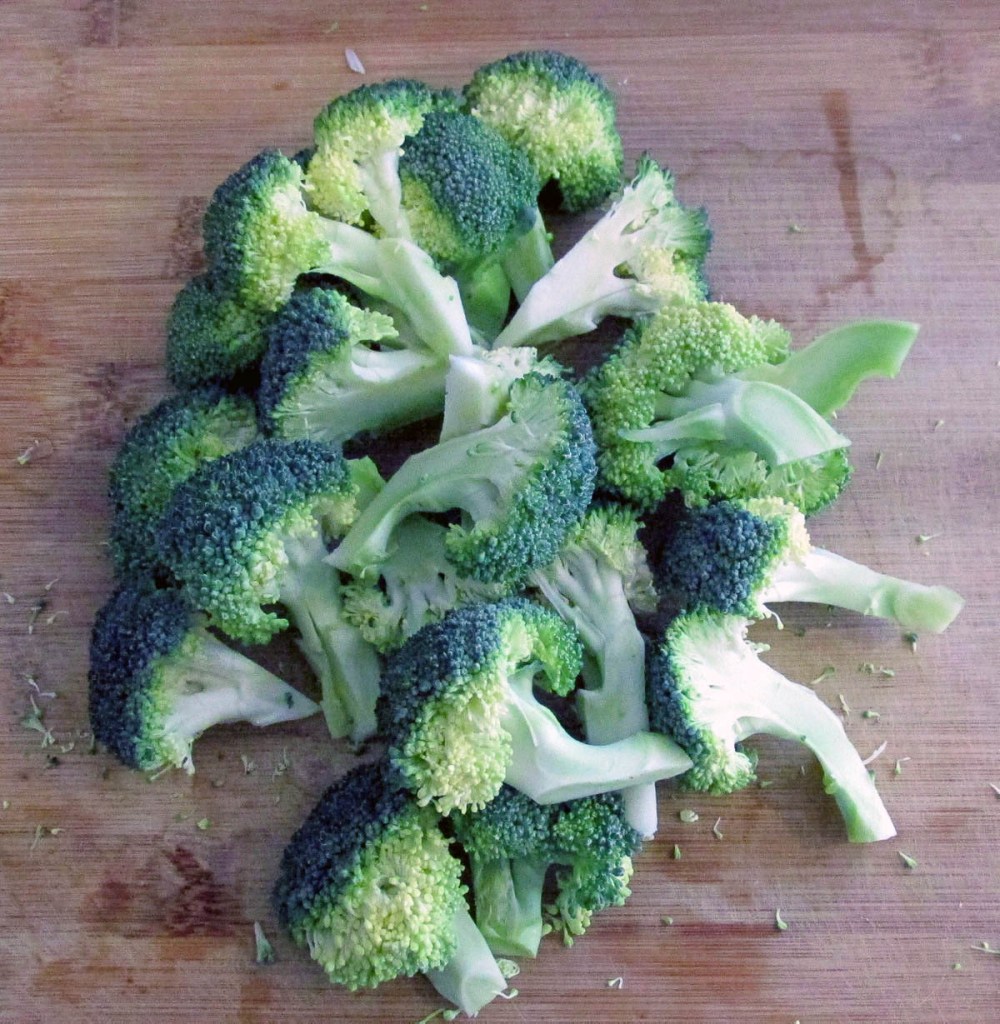
Cut the vegetables into uniformly sized pieces. The smaller the pieces the faster they will cook. 

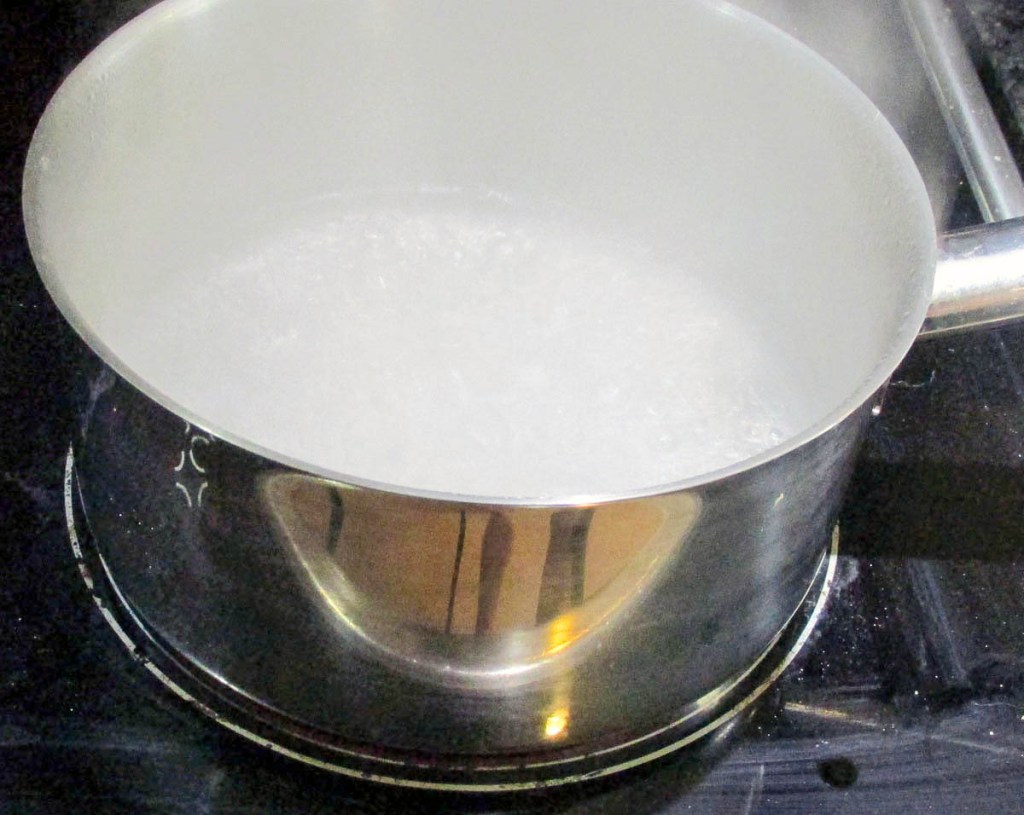
Add 2-3cm of water to the pan and place the steamer basket or colander on top of the pan, the basket or colander should not touch the water. 

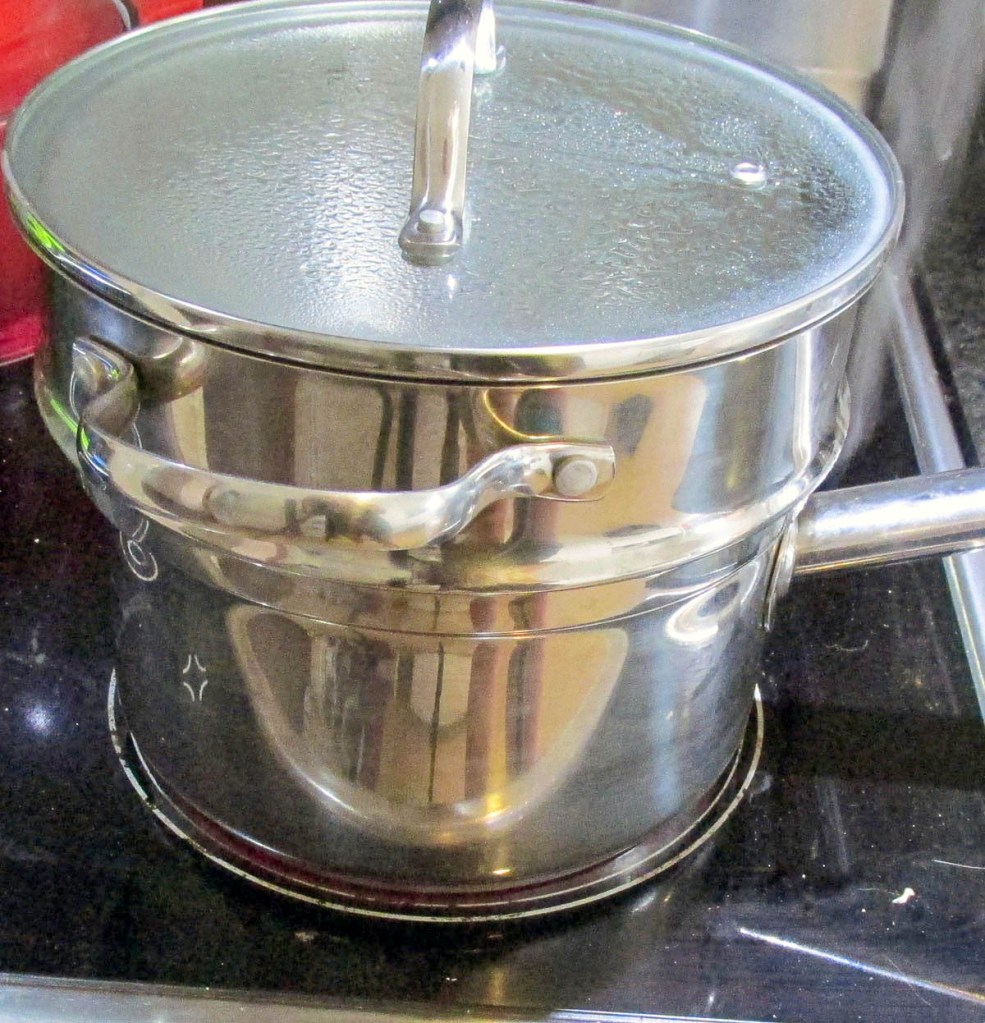
Bring the water to a boil, when you can see steam rising from the pot it is ready to use. 

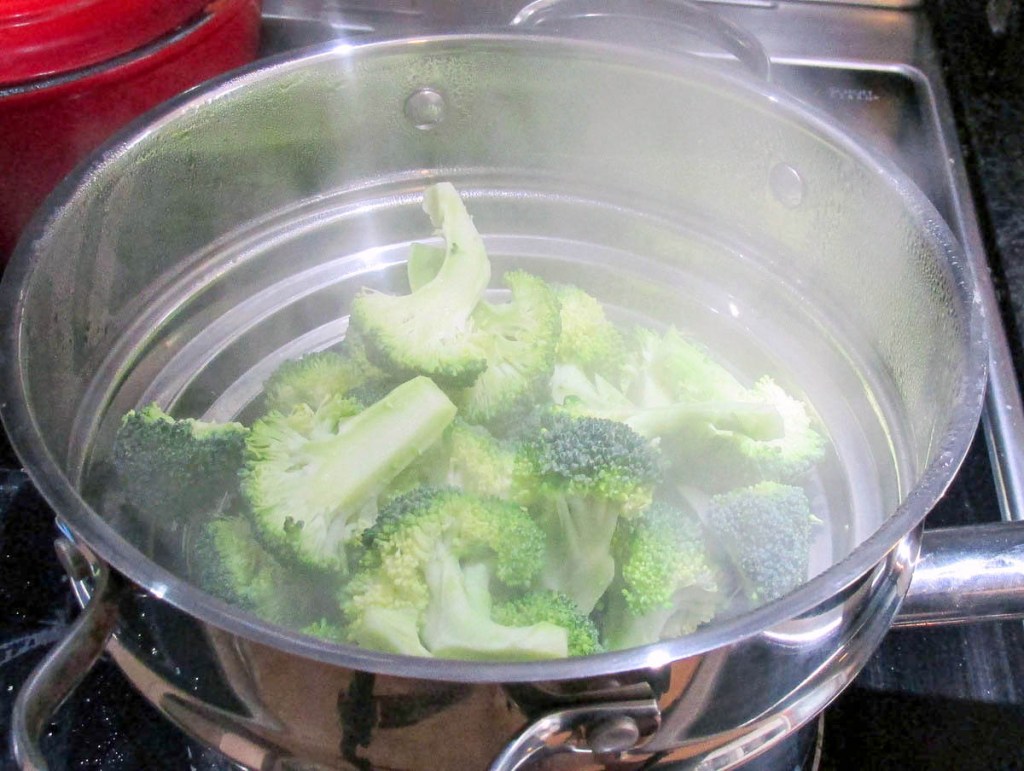
Add your vegetables to the steamer basket or colander and cover with a lid. 

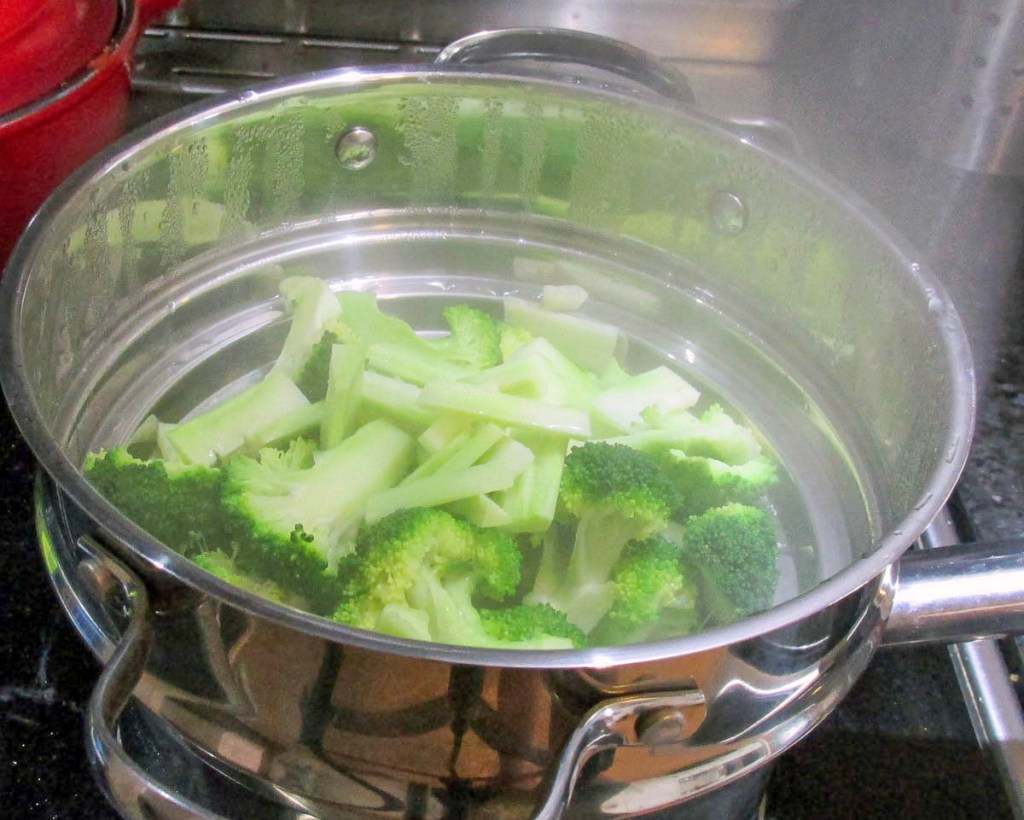
Check on the vegetables after approximately 3 minutes, vegetables will be ready when they are just tender and often look vibrantly and brightly coloured when they are ready. 

Remove the vegetables when they have a little crunch left, they will continue to cook even when they come out of the steamer 

Freshly steamed vegetables are great served with a little olive oil or some butter. 

Instructions

  1. Cut the vegetables into uniformly sized pieces. The smaller the pieces the faster they will cook. 
  2. Add 2-3cm of water to the pan and place the steamer basket or colander on top of the pan, the basket or colander should not touch the water. 
  3. Bring the water to a boil, when you can see steam rising from the pot it is ready to use. 
  4. Add your vegetables to the steamer basket or colander and cover with a lid. 
  5. Check on the vegetables after approximately 3 minutes, vegetables will be ready when they are just tender and often look vibrantly and brightly coloured when they are ready. 
  6. Remove the vegetables when they have a little crunch left, they will continue to cook even when they come out of the steamer 
  7. Freshly steamed vegetables are great served with a little olive oil or some butter. 

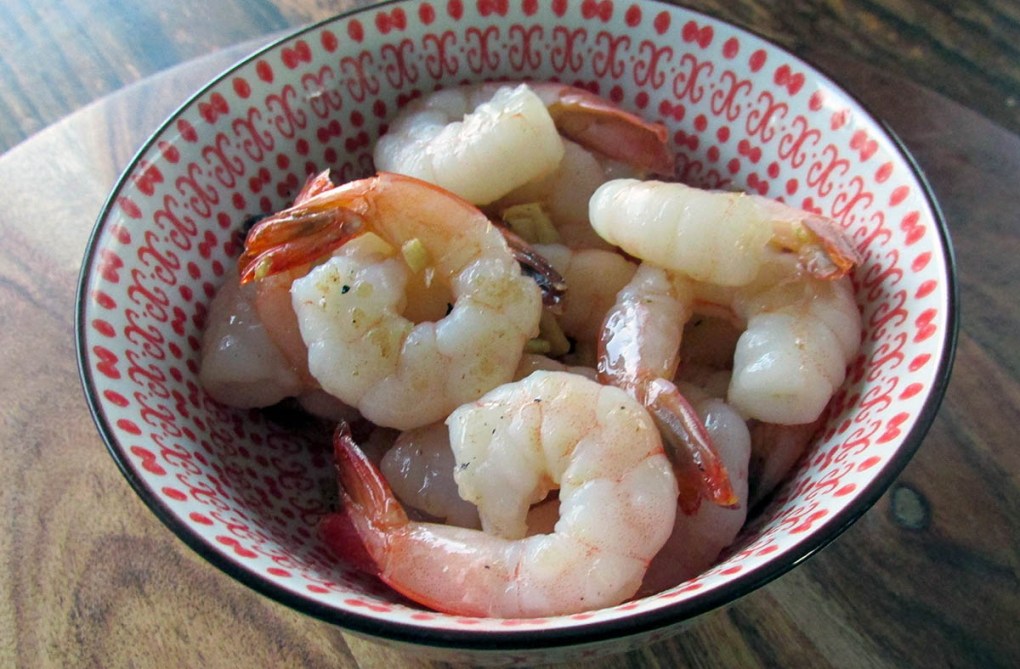
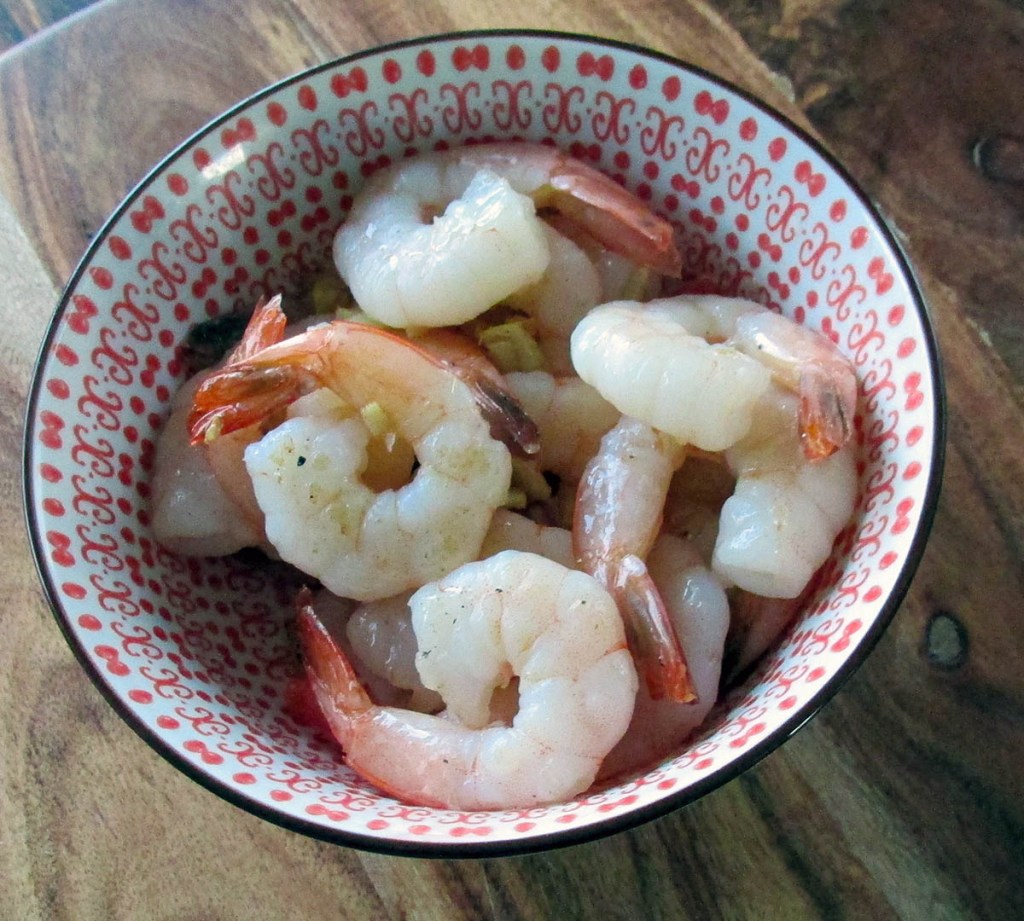
Seared Ginger Prawns

Updating as we go

Earlier in 2021, I made a move to relocate and update my website. I’ve been making changes and improving all of the things as I go. This recipe is one of the many things I’ve tried to make better. 

Protein in a small package

I like prawns; they are small, tasty and simple to make. I like to get a package of prawns to cook up and to have on hand as an easy protein portion that can be added to meals like salads or stir-frys. I like to cook the prawns all at once and portion them out; this means I can have protein in the fridge or the freezer. Prawns last about three days cooked in the fridge, which is excellent when you have an abundance of salad.

Competition for dinner

Prawns are a favourite of more than just me; my fur baby is a big fan of prawns and loves it when we have them around. Don’t believe me? Check out the face before I even open the bag. 

Seared ginger prawns recipe

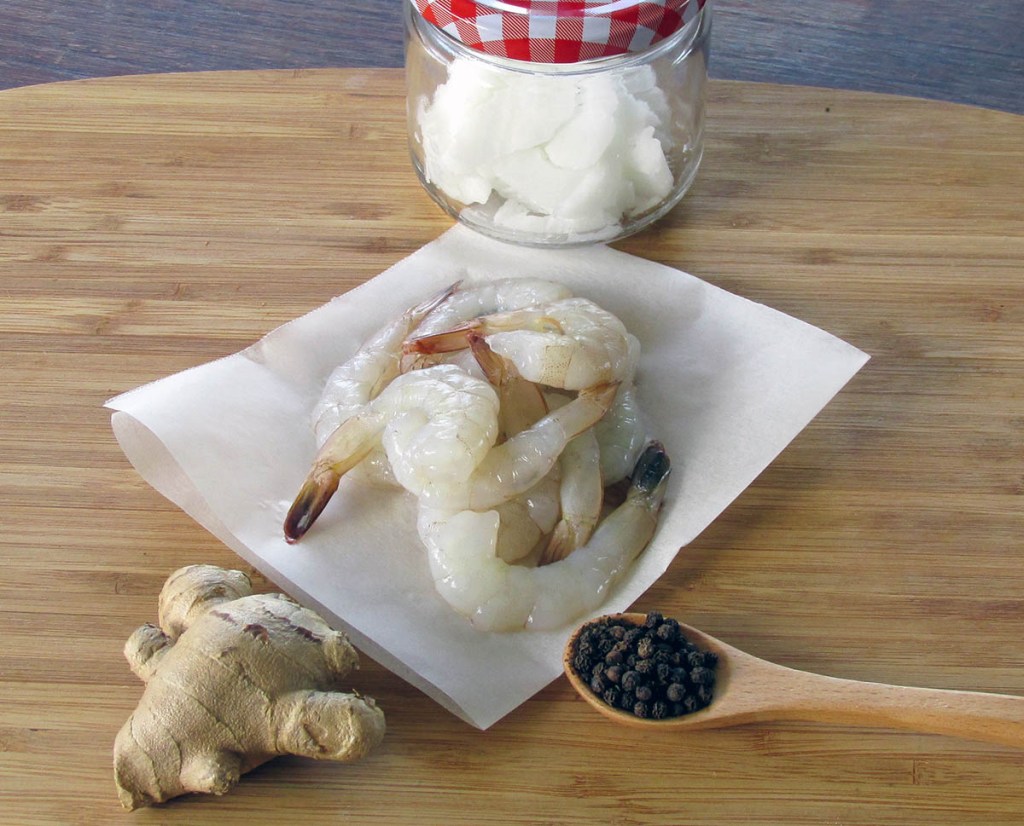
Ingredients

  • 500g prawns
  • 4 tbsp. olive oil
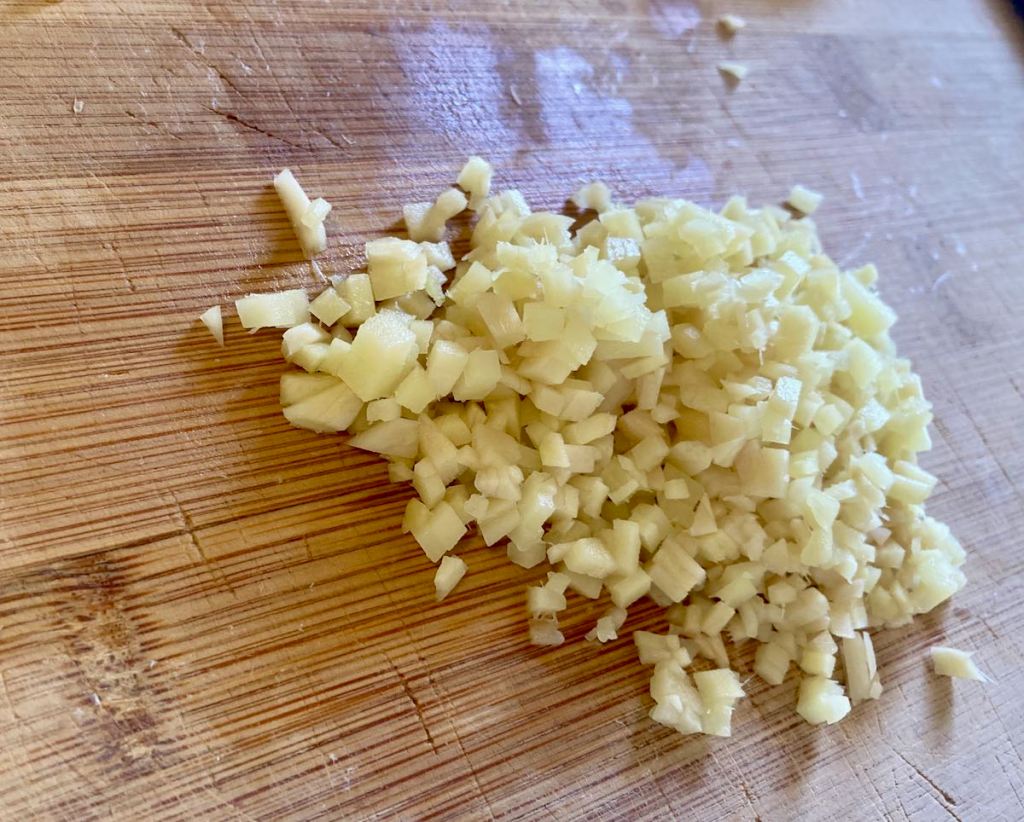
  • 3 cm piece of ginger, thinly sliced
  • Pinch ground black pepper

Peel the prawns by first removing the head and legs. 

Peel off the shell, then squeeze the prawn’s tail to remove it from the body. 

Pull the vein through the opening at the head of the prawn and discard.

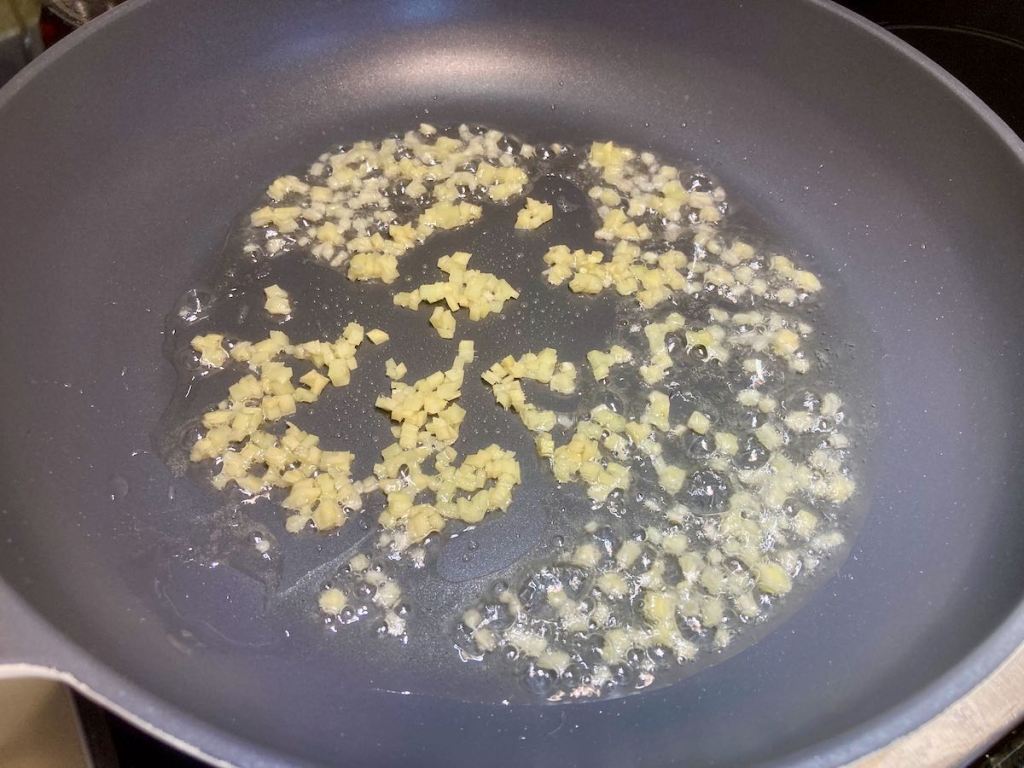
Place a frying pan on medium-high heat with olive oil and ginger.

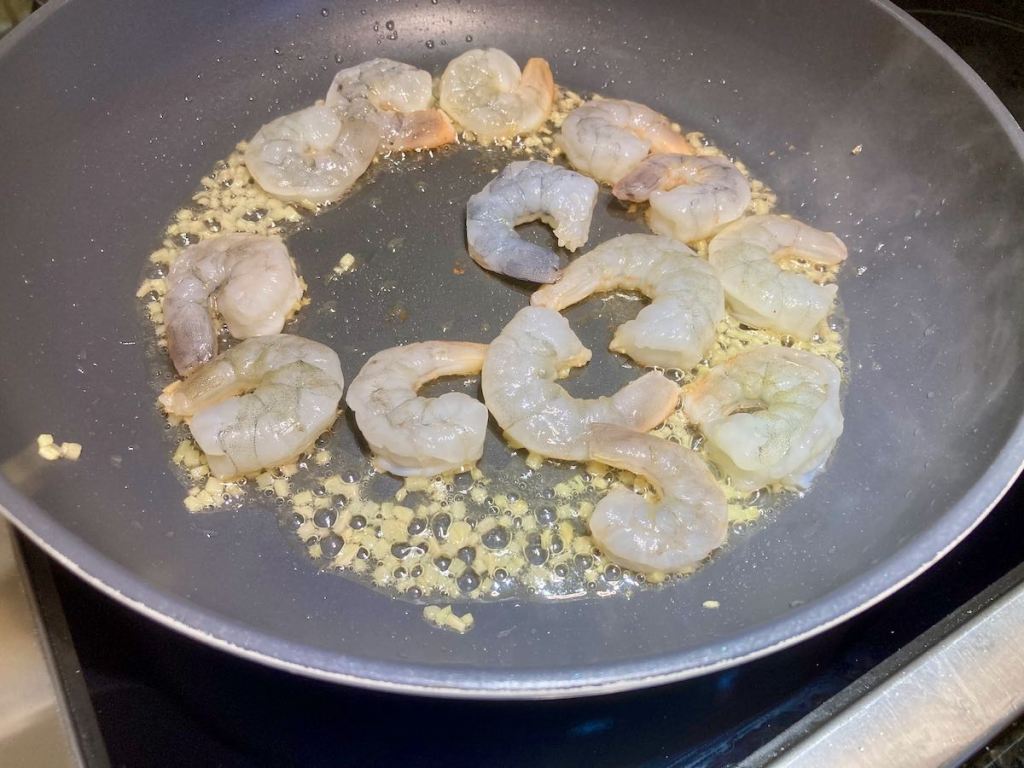
When the ginger starts to colour, add the prawns to the pan.

Be careful not to burn the ginger.

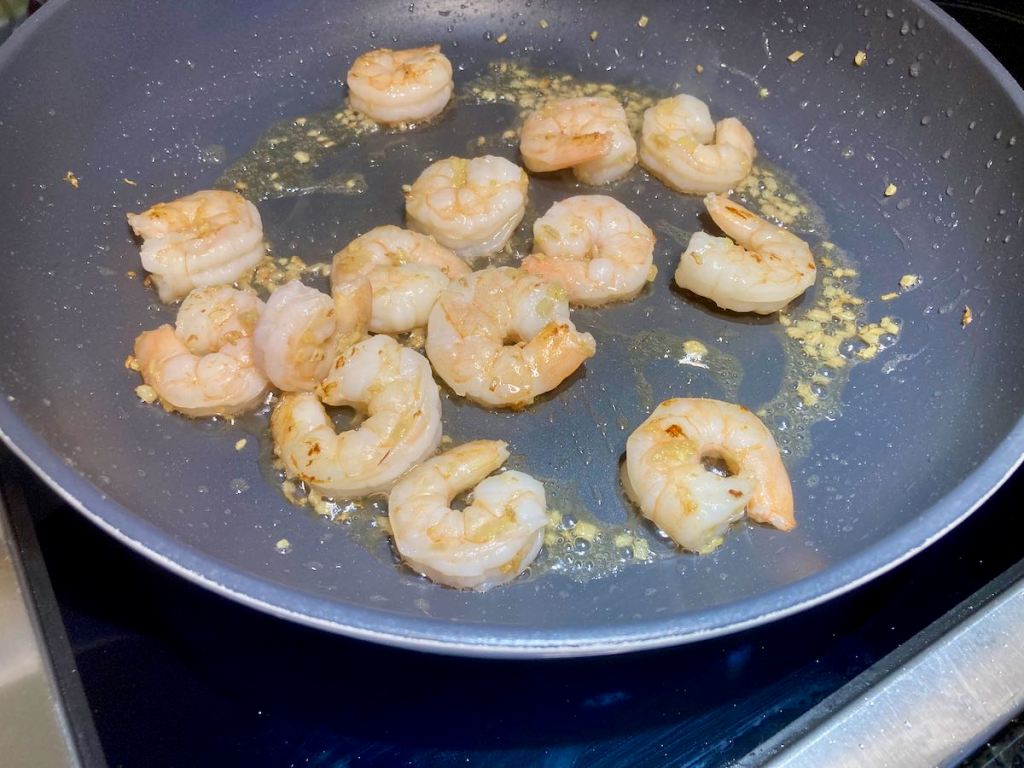
Cook the prawns for 5-6 minutes or until the prawns are cooked.

Remove the prawns from the pan.

Season with black pepper to serve.

“Seared

  • Rating: ★★★★★
  • Print

“Fast


Credit: Cath @ easycleaneats

Ingredients

  • 500g prawns
  • 1/4 cup olive oil
  • 8 garlic cloves, finely grated
  • 2 spring onions, thinly sliced

Directions

  1. Peel the prawns by first removing the head and legs. 
  2. Peel off the shell, then squeeze the prawn’s tail to remove it from the body. 
  3. Pull the vein through the opening at the head of the prawn and discard.
  4. Place a frying pan on medium-high heat with olive oil and ginger.
  5. When the ginger starts to colour, add the prawns to the pan.
  6. Be careful not to burn the ginger.
  7. Cook the prawns for 5-6 minutes or until the prawns are cooked.
  8. Remove the prawns from the pan.
  9. Season with black pepper to serve.

Nutrition

Per Serving:272 calories; 14 g fat; 2 g carbohydrates; 29 g protein

Equipment

  • Knife
  • Chopping board
  • Measuring cups
  • Scales
  • Mixing bowl
  • Frying pan
  • Tongs  

Nutritional disclaimer

Nutrition information is provided as an estimate based on the ingredients used and available in my area (New Zealand). The nutritional information is here to help you understand the recipe; I use MyFitnessPal to generate my estimates. For more accurate nutritional information, please use a nutritional calculator with the ingredients in your area.

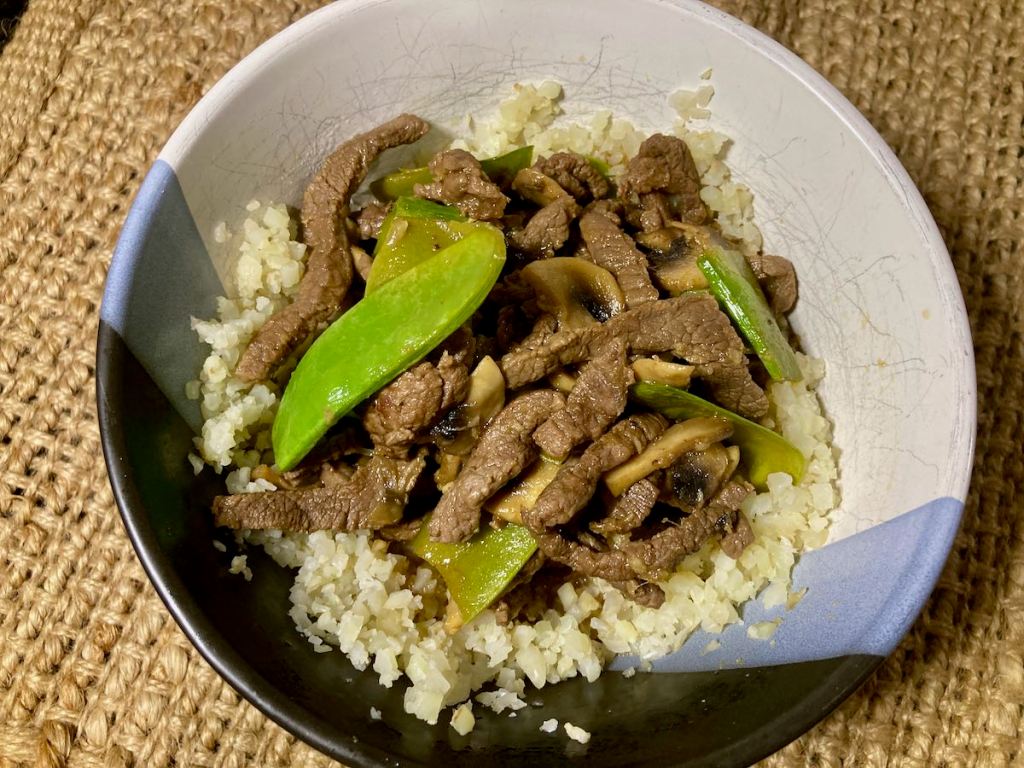
Beef and snow pea stir-fry

Last of the Snow peas

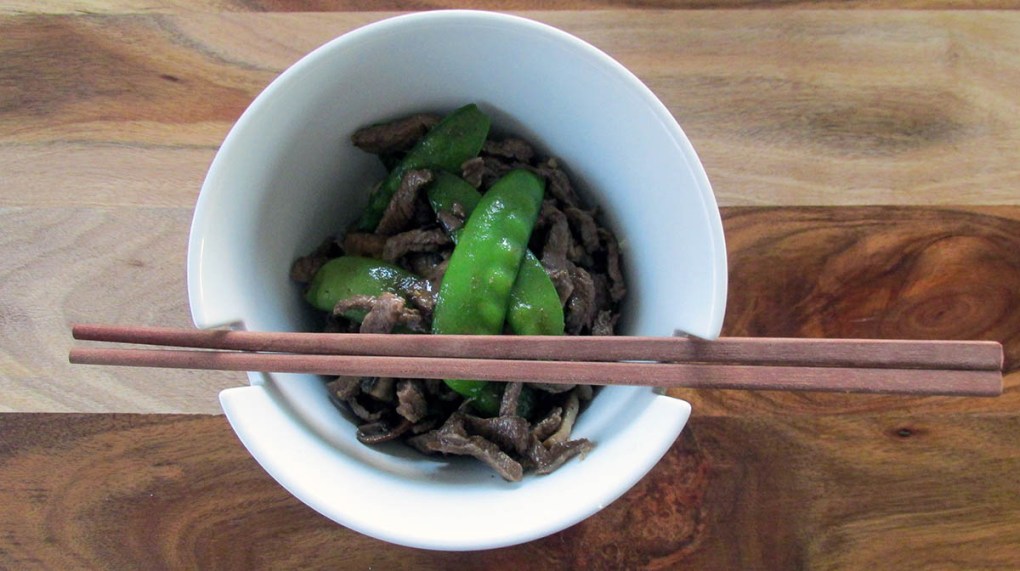
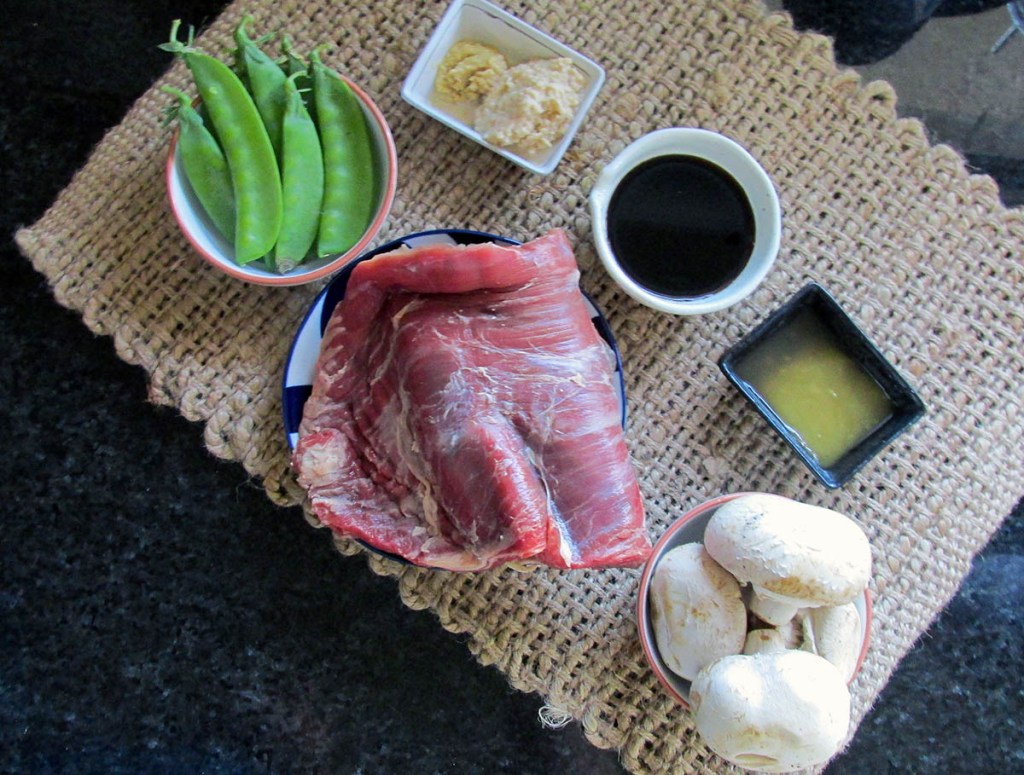
During the summer months, my mother in law has a little veg patch in her garden that keeps the family in spinach, silverbeet, cucumbers, beans, snow peas and spaghetti squash. Some years the haul from the garden is better than others, this year has been very dry, so we have had far less to eat from the garden. The snow peas have been small and kind of dry until recently, which is a shame because I do love them. last week we got a reasonable haul of snow peas to come home with, not wanting to waste the sweet crisp freshness of the snow peas I decided a tasty beef stir-fry would make the best use of the little green treats.

Beef and snow pea stir-fry recipe

Ingredients 

  • 1/2 cup coconut aminos
  • 1 tbsp. honey
  • 6 garlic cloves, minced
  • 1/2 tsp. ginger
  • 2 tsp. apple cider vinegar
  • 300g snow peas
  • 4 tbsp. sunflower oil
  • 300g mushrooms sliced thinly
  • 500g beef, thinly sliced
  • 2 cups cooked cauliflower rice 

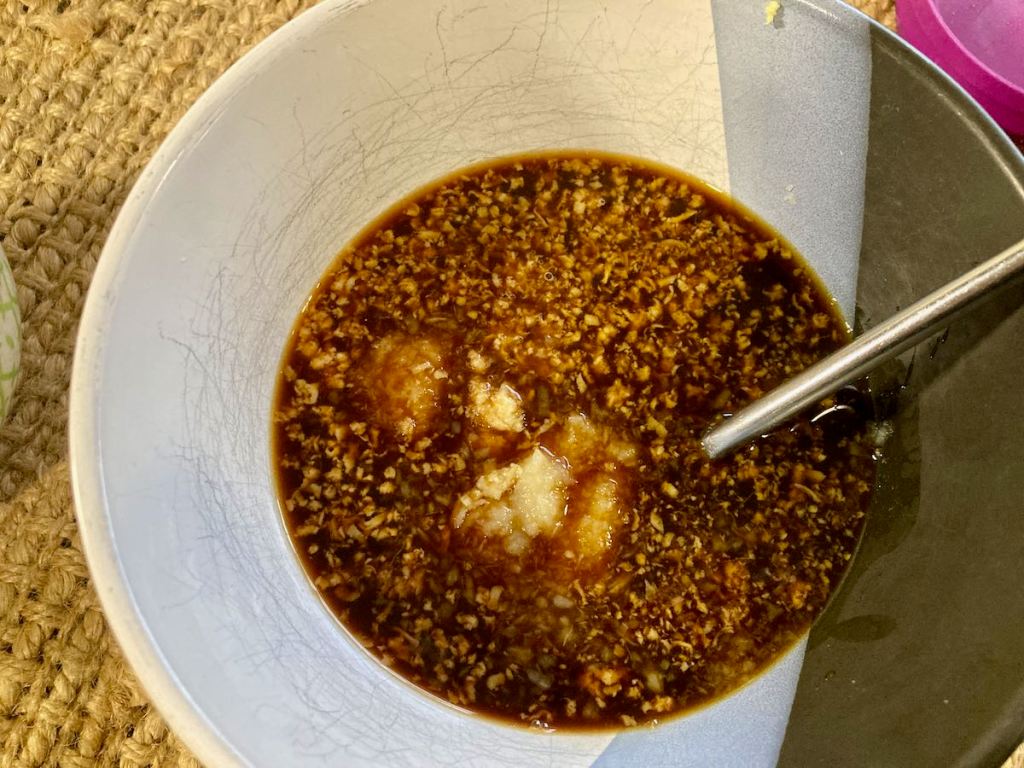
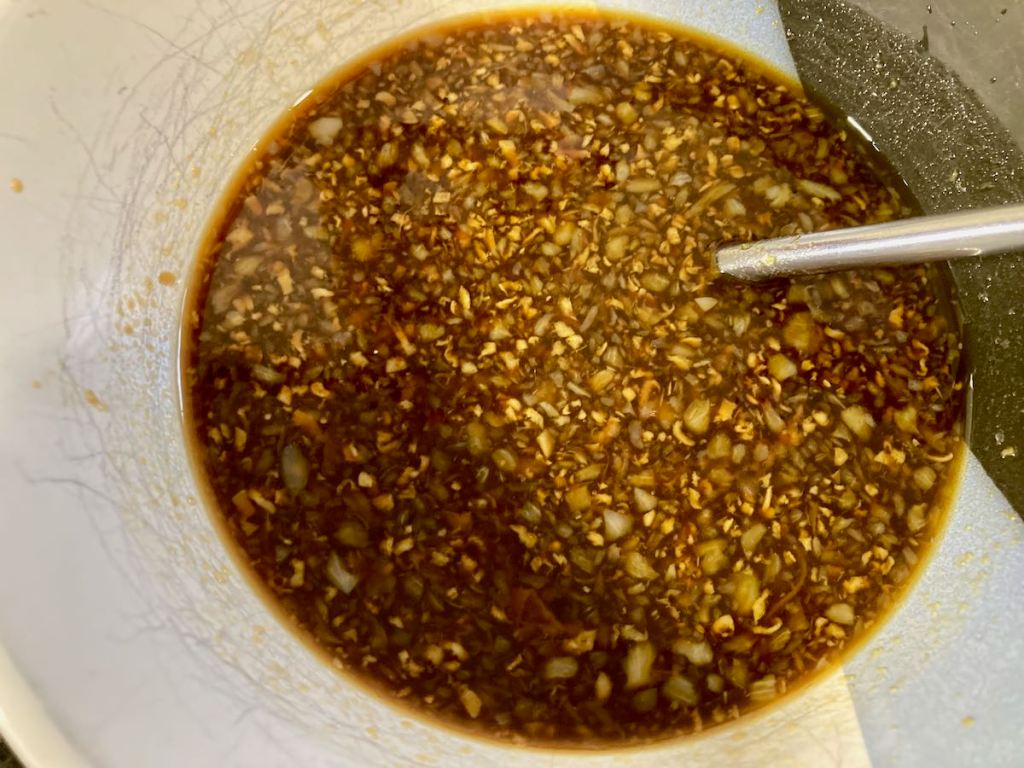
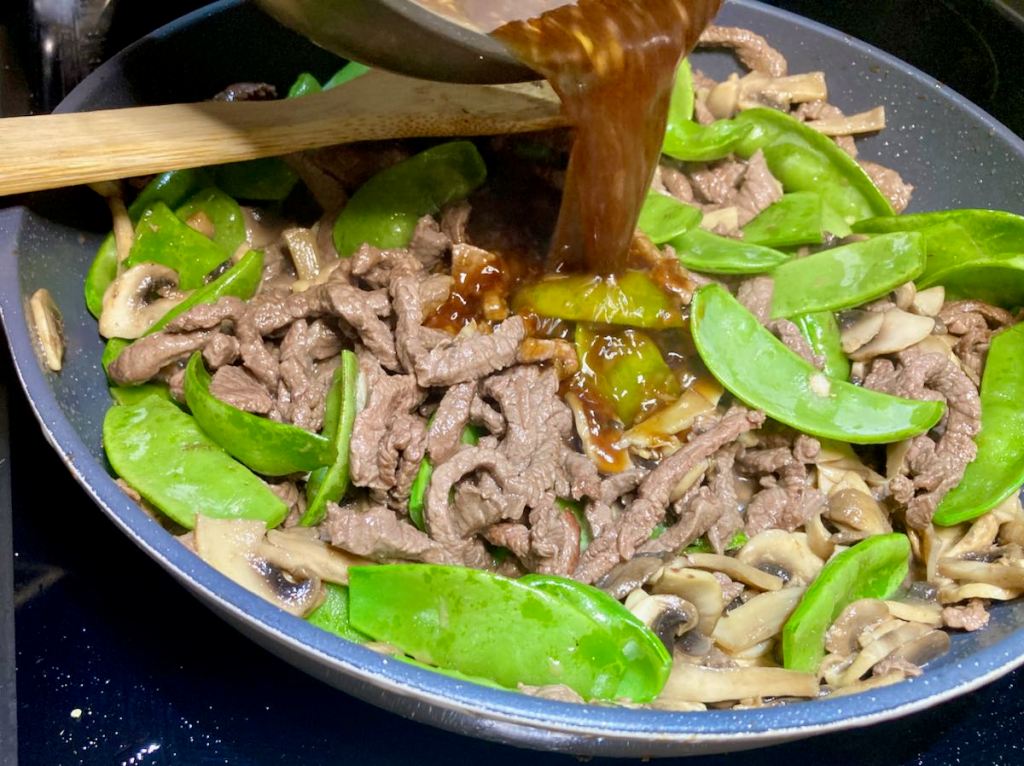
Whisk together the coconut aminos, honey, garlic cloves, ginger, and vinegar in a bowl, then set aside.

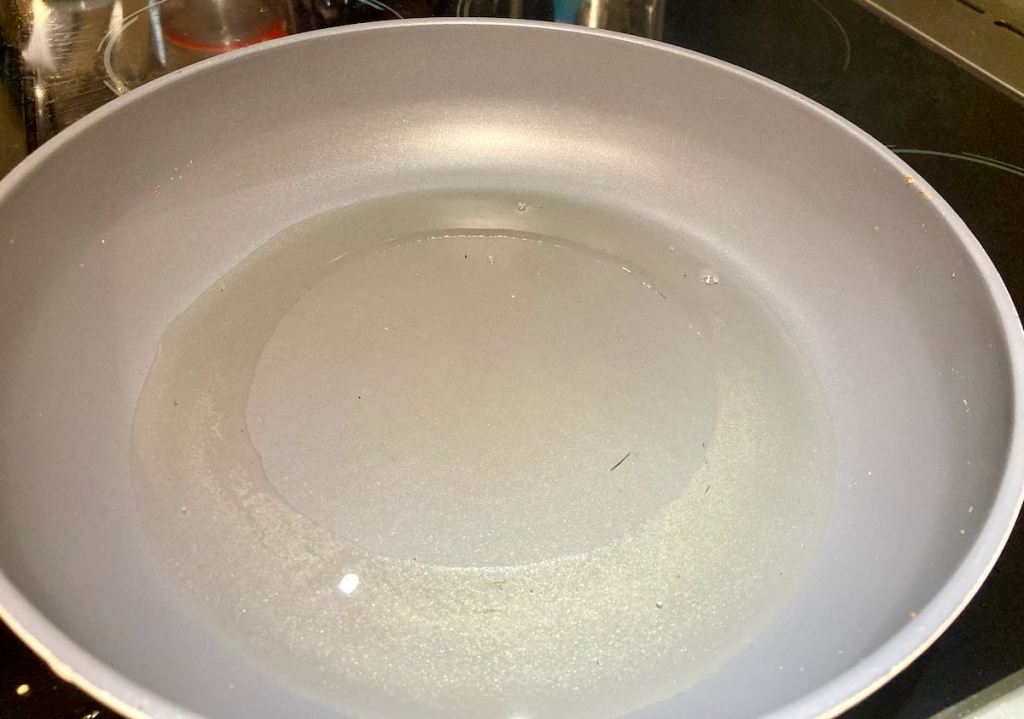
Heat a wok or large frying pan, add two tablespoons of sunflower oil. 

When you add the oil, it should be smoking hot.

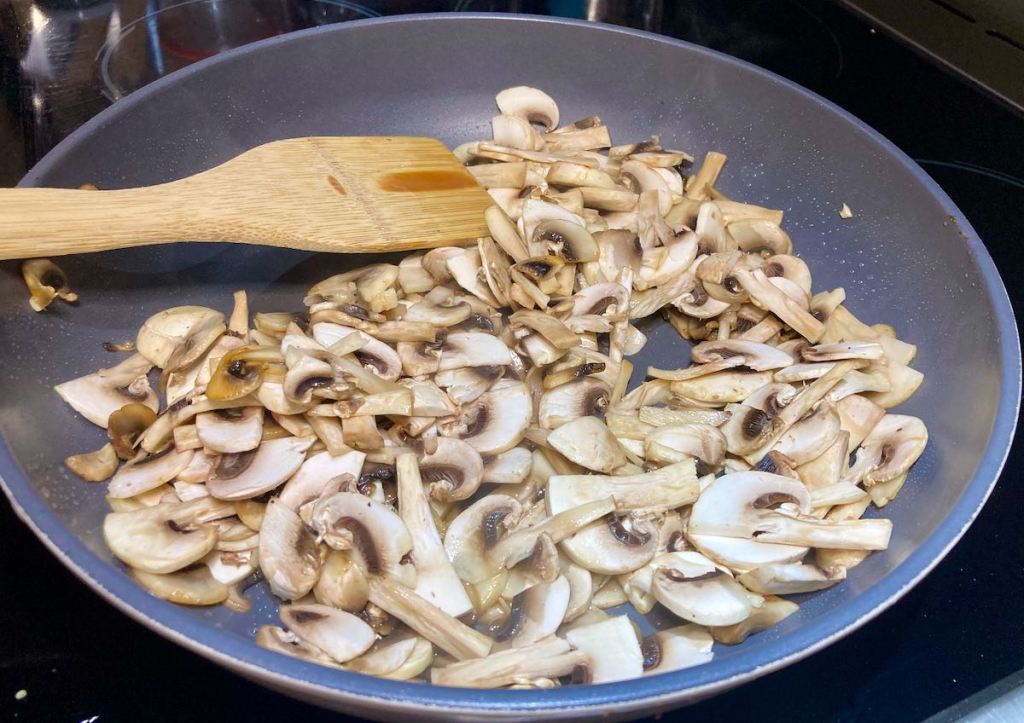
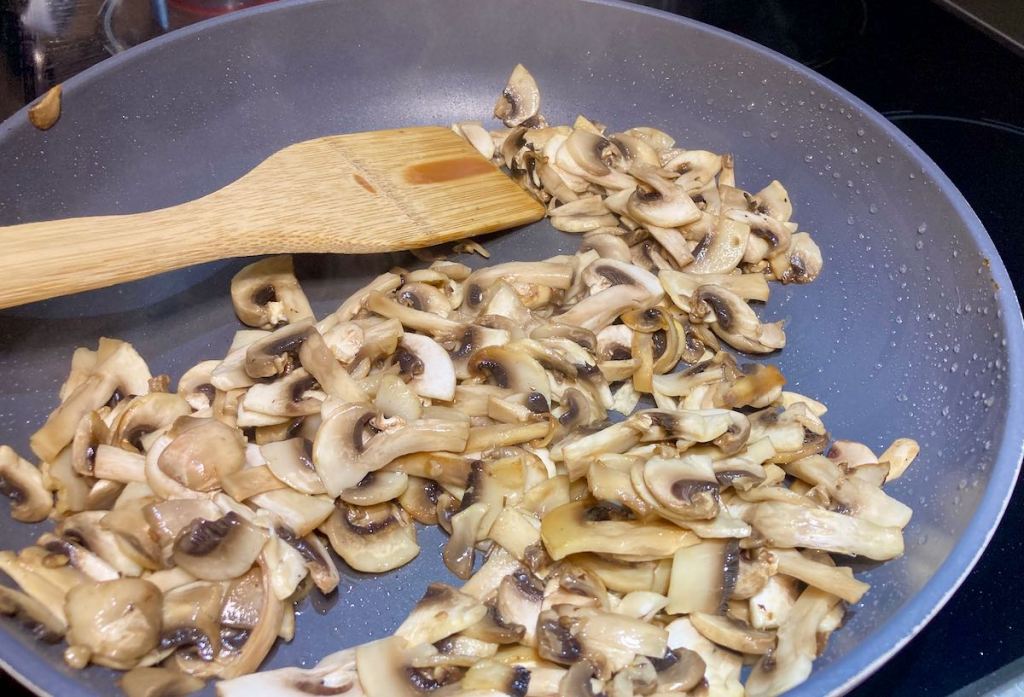
Add the sliced mushrooms to the wok and cook them on high heat, occasionally stirring. 

When they start to brown, remove them from the pan and set them to one side.

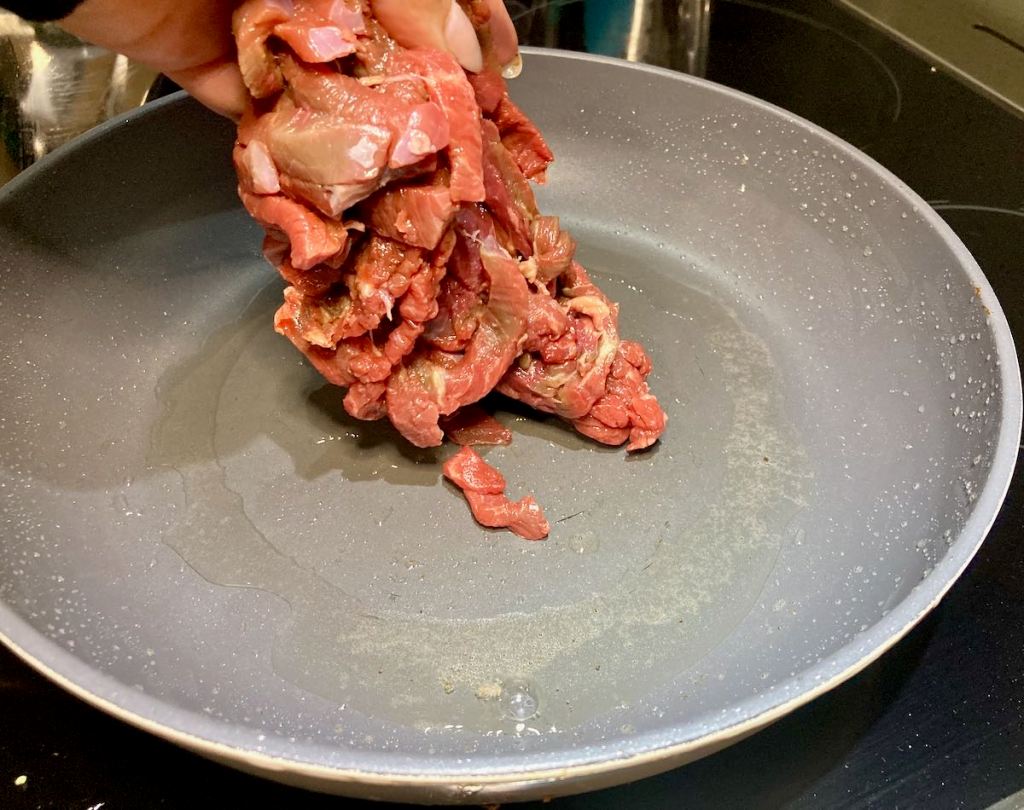
Return the wok to the heat, add the remaining sunflower oil.

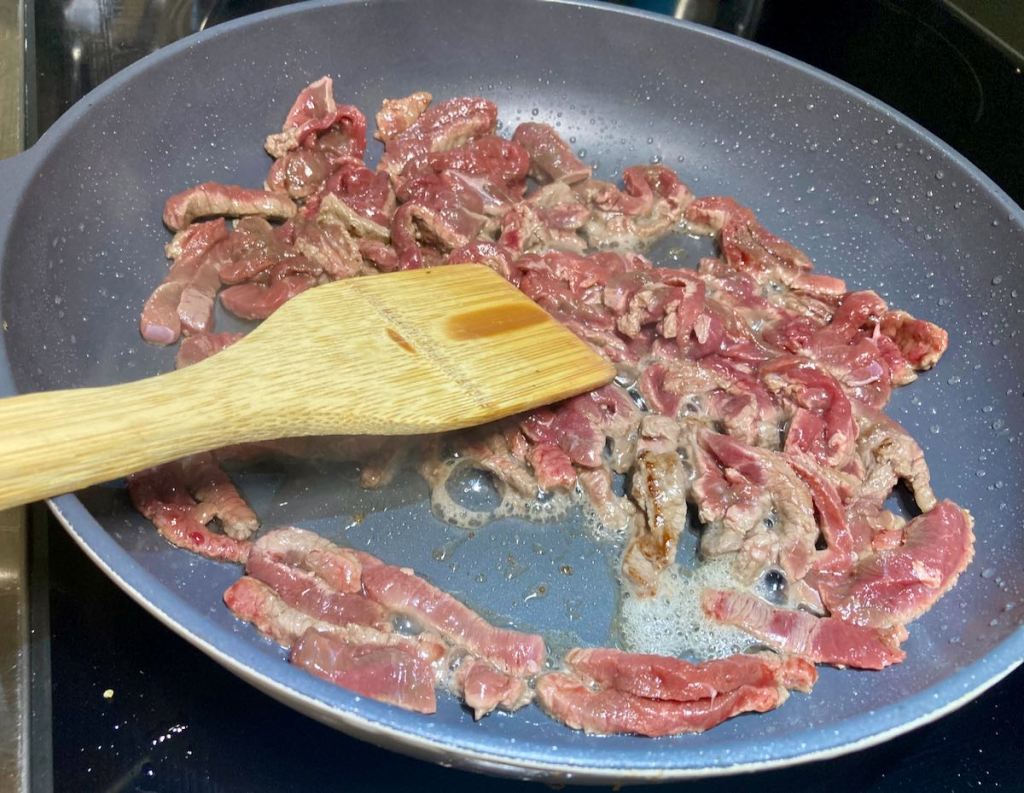
Add half of the beef to the pan.  

Stir the meat and cook it until it is browned. 

Remove the cooked meat from the pan and set it to one side.  

Repeat with the remainder of the meat.

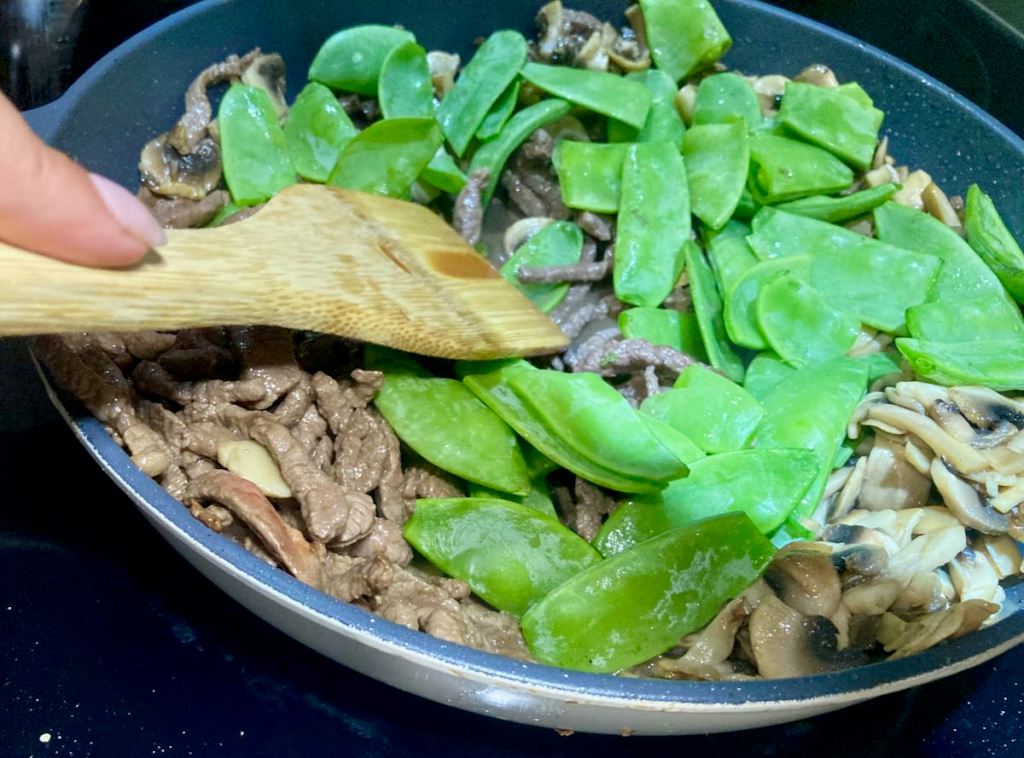
Add all of the meat, mushrooms, and snow peas to the pan with the sauce.  

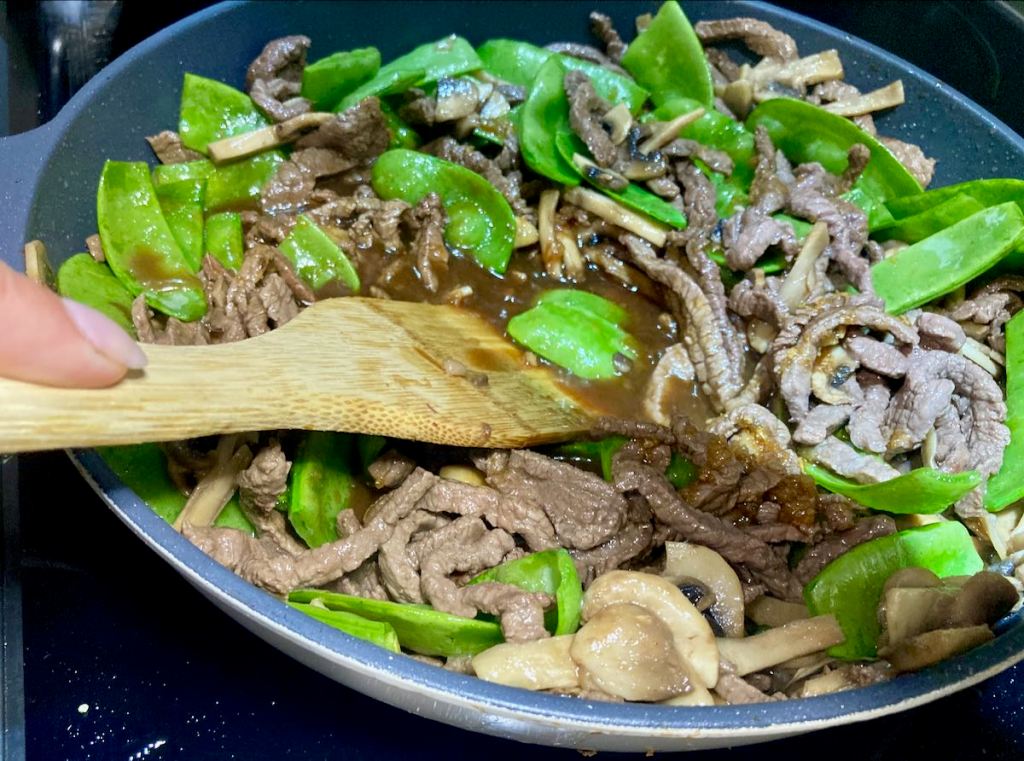
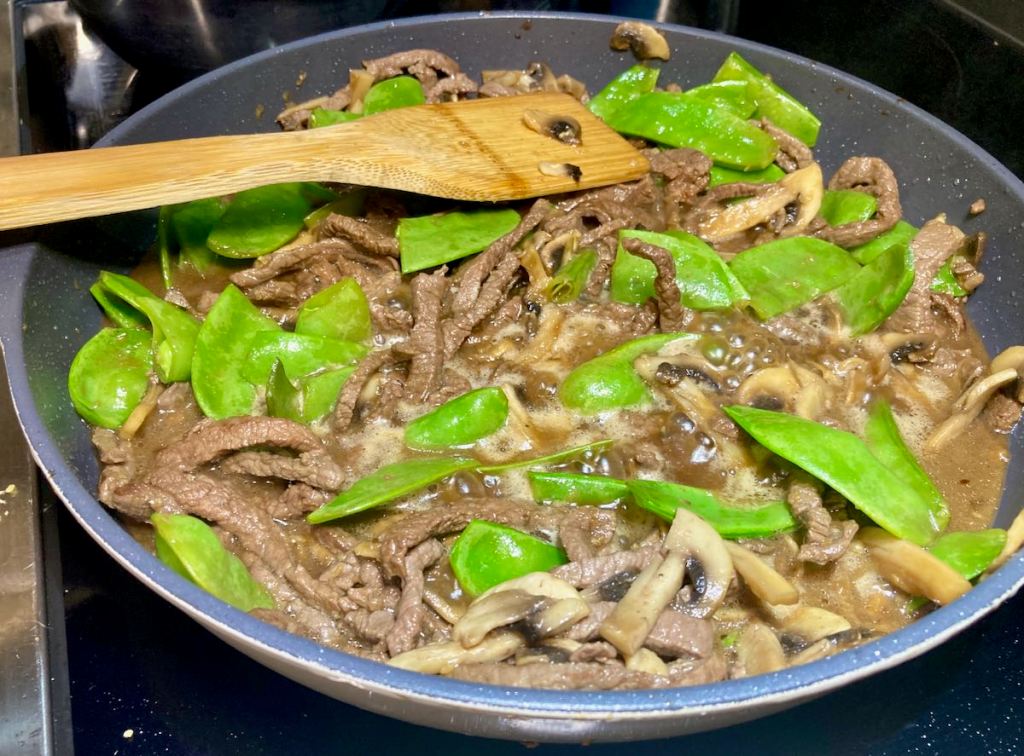
Stir everything together over a high heat for about two minutes.

Serve over the cooked cauliflower rice.

Beef and snow pea stir-fry 

  • Servings: “6
  • Rating: ★★★★★
  • Print

“A


Credit: Cath @ easycleaneats

Ingredients

  • 1/2 cup coconut aminos
  • 1 tbsp. honey
  • 6 garlic cloves, minced
  • 1/2 tsp. ginger
  • 2 tsp. apple cider vinegar
  • 300g snow peas
  • 4 tbsp. sunflower oil
  • 300g mushrooms sliced thinly
  • 500g beef, thinly sliced
  • 2 cups cooked cauliflower rice

Directions

  1. In a bowl, whisk together the coconut aminos, honey, garlic cloves, ginger, and vinegar then set aside.
  2. Heat a wok or large frying pan, add two tablespoons of sunflower oil when you add the oil it should be smoking hot.
  3. Add the sliced mushrooms to the wok and cook them on a high heat, occasionally stirring, when they start to brown remove them from the pan and set them to one side.
  4. Return the wok to the heat, add the remaining sunflower oil.
  5. Add half of the beef to the pan.  
  6. Stir the meat and cook it until it is browned, remove the cooked meat from the pan and set to one side.  
  7. Repeat with the remainder of the meat.
  8. Add all of the meat, mushrooms, and snow peas to the pan with the sauce.  
  9. Stir everything together over a high heat for about two minutes.
  10. Serve over the cooked cauliflower rice.

Nutrition

Per Serving: 256 calories; 14 g fat; 17 g carbohydrates; 14 g protein

Equipment

  • Wok or large frying pan
  • Measuring cups
  • Scales
  • Measuring spoons
  • Knife
  • Chopping board
  • Spatula

Nutritional disclaimer

Nutrition information is provided as an estimate based on the ingredients used and available in my area (New Zealand). The nutritional information is here to help you understand the recipe; I use MyFitnessPal to generate my estimates. For more accurate nutritional information, please use a nutritional calculator with the ingredients in your area.

Fried chicken

Revisiting family favourites

I’ve been revisiting recipes that have been some of my old school recipes and family favourites that were our staples when we got started as clean eaters. I first posted this recipe in 2016; at that time, the kids were fussy, vegetables had to be hidden and disguised, and there was no potential for intense flavours or spice. 

Times (thankfully) have changed, the kids have grown (like man-sized grown), and they now enjoy a wide range of foods. Things like vegetables are enjoyed, spice and chilli are consumed without complaint, and new ingredients are tried without tantrums.

As the kids have grown, my recipes have changed organically to meet their palates and preferences. I’ve updated this recipe because of that, but fear not, the original suitable be kids, and less developed palates is at the bottom of the post.

Not KFC

We all love a naughty takeaway, but we can all live without the extra calories and the expanding waistlines. You don’t need to live without your takeaway; swap it out for a delicious and healthier fakeaway. Thankfully, KFC was never on my junk food list, so I have never felt the need to reproduce it. The idea of fried chicken as a replacement for chicken nuggets for little people did appeal when the kids were young. I had a play around with a grain-free coating for some fried chicken that would keep the kids happy back in the day. I managed to come up with a simple coating that was light and crunchy, the coconut gives a great texture, and the flavour is a nice change from your standard heavy batter.

Fried chicken recipe

Ingredients

  • 400ml milk 
  • 800g chicken thigh fillets
  • 1 tsp. Garlic powder
  • 1 tsp. paprika
  • 1/2 cup coconut flour
  • 1/2 cup buckwheat flour
  • 1/4 cup parmesan cheese, grated
  • 1 tsp. paprika 
  • Salt and pepper to taste

Instructions

Take the chicken thighs and place them in a large bowl or tub.

In a bowl, whisk together the milk, paprika and garlic powder.

Pour the milk over the chicken thighs.

Cover the bowl or tub and put it in the fridge for a minimum of 2 hours but ideally overnight.

When you are ready to use the chicken, remove the bowl or tub from the fridge.

On a plate with tall sides or a bowl, mix together the coconut flour, buckwheat flour, parmesan cheese, paprika, salt and pepper.

Take a piece of the chicken from the milk mixture and place it into the flour mix.

Spoon the flour over the chicken, making sure to coat the chicken thoroughly.

Lightly shake the excess flour off the chicken and place the chicken on a baking sheet to rest. 

Repeat with all of the chicken.

Take a large frying pan and heat a little oil over a medium heat.

Shallow fry the chicken. 

The coating should be a golden brown all over.

Make sure that the chicken is cooked through.

Set the cooked chicken on some kitchen paper to soak up any excess oil.

Serve with a helping of slaw.

“Fried

  • Rating: ★★★★★
  • Print


Credit: Cath @ easycleaneats 

Ingredients

– 400ml milk  – 800g chicken thigh fillets – 1 tsp. Garlic powder – 1 tsp. paprika – 1/2 cup coconut flour – 1/2 cup buckwheat flour – 1/4 cup parmesan cheese, grated – 1 tsp. paprika  – Salt and pepper to taste

Directions

  1. Take the chicken thighs and place them in a large bowl or tub.
  2. In a bowl, whisk together the milk, paprika and garlic powder.
  3. Pour the milk over the chicken thighs.
  4. Cover the bowl or tub and put it in the fridge for a minimum of 2 hours but ideally overnight.
  5. When you are ready to use the chicken, remove the bowl or tub from the fridge.
  6. On a plate with tall sides or a bowl, mix together the coconut flour, buckwheat flour, parmesan cheese, paprika, salt and pepper.
  7. Take a piece of the chicken from the milk mixture and place it into the flour mix.
  8. Spoon the flour over the chicken, making sure to coat the chicken thoroughly.
  9. Lightly shake the excess flour off the chicken and place the chicken on a baking sheet to rest. 
  10. Repeat with all of the chicken.
  11. Take a large frying pan and heat a little oil over a medium heat.
  12. Shallow fry the chicken. 
  13. The coating should be a golden brown all over.
  14. Make sure that the chicken is cooked through.
  15. Set the cooked chicken on some kitchen paper to soak up any excess oil.
  16. Serve with a helping of slaw.

Nutrition

Per Serving:387 calories;6 g fat;16 g carbohydrates;53 g protein

Equipment

  • Mixing bowl
  • Food tub
  • Plate x1
  • Cooling rack/baking tray
  • Frying pan
  • Tongs
  • Kitchen paper

Nutritional disclaimer

Nutrition information is provided as an estimate based on the ingredients used and available in my area (New Zealand). The nutritional information is here to help you understand the recipe; I use MyFitnessPal to generate my estimates. For more accurate nutritional information, please use a nutritional calculator with the ingredients in your area.
Fried chicken recipe

Ingredients

  • 1/2 cup coconut flour
  • 1/2 cup shredded coconut
  • 1 egg beaten
  • 600g chicken breast, large dices

Instructions

  1. In a mixing bowl, mix together shredded coconut and flour; put the flour mix onto a plate. 
  2. In a bowl, beat the egg.
  3. Take the chicken pieces, dip each of them in the egg and then roll them in the flour mix.
  4. Put the coated chicken on a cooling rack.
  5. Once all of the chicken has been coated, it is ready to fry.
  6. In a frying pan over medium heat with some coconut oil, shallow fry the chicken.
  7. The coating should be a golden brown all over.
  8. Set the cooked chicken on some kitchen paper to soak up any excess oil.
  9. Sprinkle the cooked chicken with a little paprika before serving.


One tray sausage and pepper rolls

It’s time!!

This is one of our favourite Sunday afternoon meals because it is perfect for watching the UFC. Getting to sit down and watch the fights is often the only time we get to sit down and relax. I don’t mind making a spread when we have company over to watch fights, but not so much when it is just two of us. My ideal UFC meal takes minimum effort to prepare, no supervision to cook, and you don’t need to look at it while you eat it. There is nothing worse than taking your eyes off the screen to take a bite and missing a knockout.

Ready for UFC 271

With the Adesanya vs Whittaker 2 fights this weekend, these sausage and pepper roles are most definitely on the menu.

The buns make it perfect

Living in the land of the sausage sizzle, I’ve got used to the idea of sausages in a bread slice; while it isn’t my favourite, I appreciate the simplicity. For this recipe, I decided to upgrade the bread to some gluten-free rolls. The secret to this recipe is baking the rolls and the generous coating of butter. Buttering the inside and outside of the rolls for baking that gives the rolls a fantastic crunch on the outside. 

One tray sausage and pepper rolls recipe

Ingredients

  • 4 sausages
  • 1/2 onion, sliced
  • 1 red pepper, sliced
  • 1 green pepper, sliced
  • 1 yellow pepper, sliced
  • 1 tbsp. olive oil
  • 1 tbsp. balsamic vinegar
  • 1/2 tsp. salt
  • 1/4 tsp. pepper
  • 1 tsp. Italian seasoning
  • 4 gluten-free rolls
  • 2 tbsp. butter, melted

Instructions 

Preheat oven to 200 degrees C/ 400 degrees F.

Line a baking tray with baking paper or a silicone liner.

Place the sausages, onions and peppers on the baking tray.

Drizzle the olive oil and vinegar over the tray.

Sprinkle the Italian seasoning over the top before tossing to coat everything.

Bake for 25 minutes.

Slice each of the rolls down the centre, then brush the rolls with the melted butter.

After baking for 25 minutes, move the sausages, peppers and onions down the tray and place the rolls on the tray.

Bake for another 10 minutes.

Serve each roll with one sausage and a portion of the vegetables.

“One

  • Rating: ★★★★★
  • Print


Credit: Cath @ easycleaneats

Ingredients

  • 4 sausages
  • 1/2 onion, sliced
  • 1 red pepper, sliced
  • 1 green pepper, sliced
  • 1 yellow pepper, sliced
  • 1 tbsp. olive oil
  • 1 tbsp. balsamic vinegar
  • 1/2 tsp. salt
  • 1/4 tsp. pepper
  • 1 tsp. Italian seasoning
  • 4 gluten-free rolls
  • 2 tbsp. butter, melted

Directions

  1. Preheat oven to 200 degrees C/ 400 degrees F.
  2. Line a baking tray with baking paper or a silicone liner.
  3. Place the sausages, onions and peppers on the baking tray.
  4. Drizzle the olive oil and vinegar over the tray.
  5. Sprinkle the Italian seasoning over the top before tossing to coat everything.
  6. Bake for 25 minutes.
  7. Slice each of the rolls down the centre, then brush the rolls with the melted butter.
  8. After baking for 25 minutes, move the sausages, peppers and onions down the tray and place the rolls on the tray.
  9. Bake for another 10 minutes.
  10. Serve each roll with one sausage and a portion of the vegetables.

Nutrition

Per Serving: 397 calories; 23 g fat; 48 g carbohydrates; 11 g protein

Equipment

  • Knife
  • Chopping board
  • Baking tray
  • Baking paper or silicone liner
  • Tongs
  • Pastry brush

Nutritional disclaimer

Nutrition information is provided as an estimate based on the ingredients used and available in my area (New Zealand). The nutritional information is here to help you understand the recipe; I use MyFitnessPal to generate my estimates. For more accurate nutritional information, please use a nutritional calculator with the ingredients in your area.